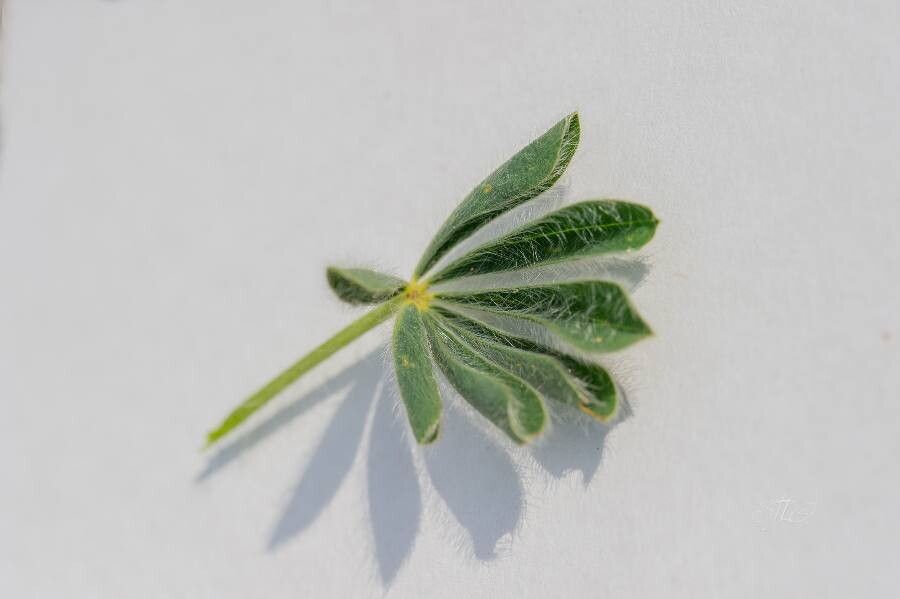
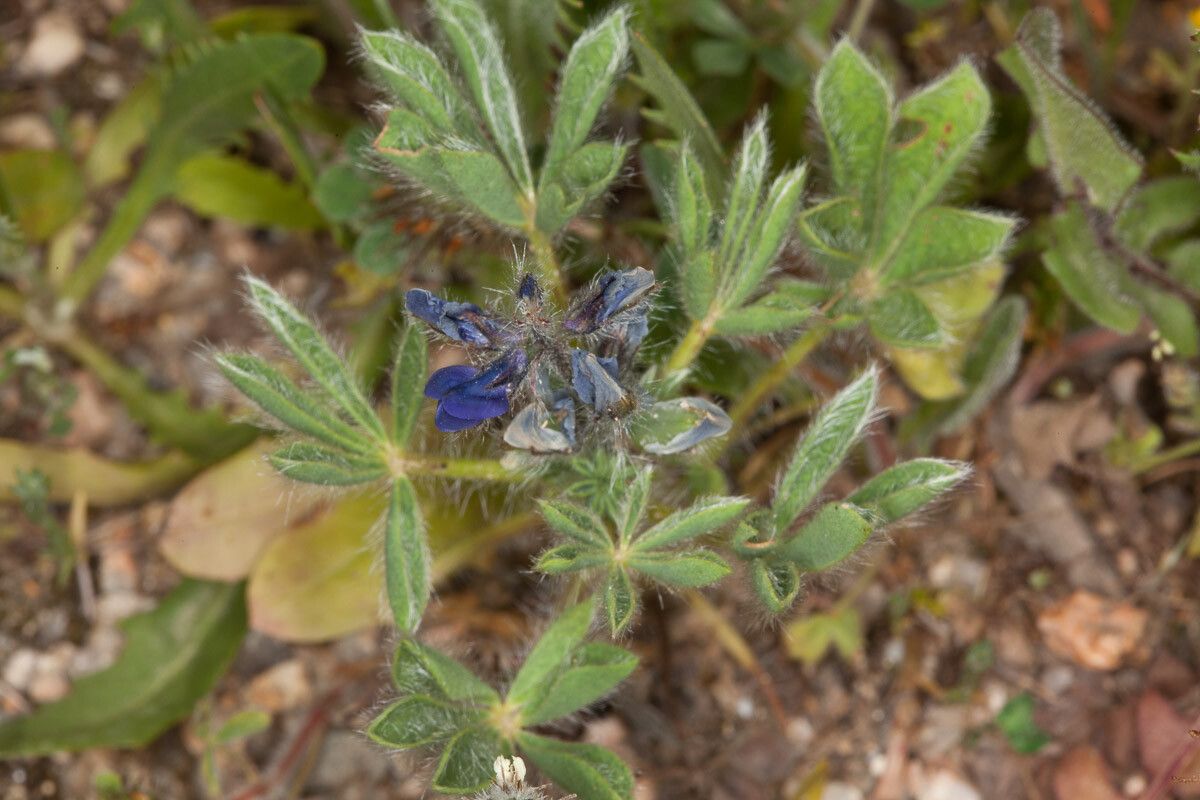
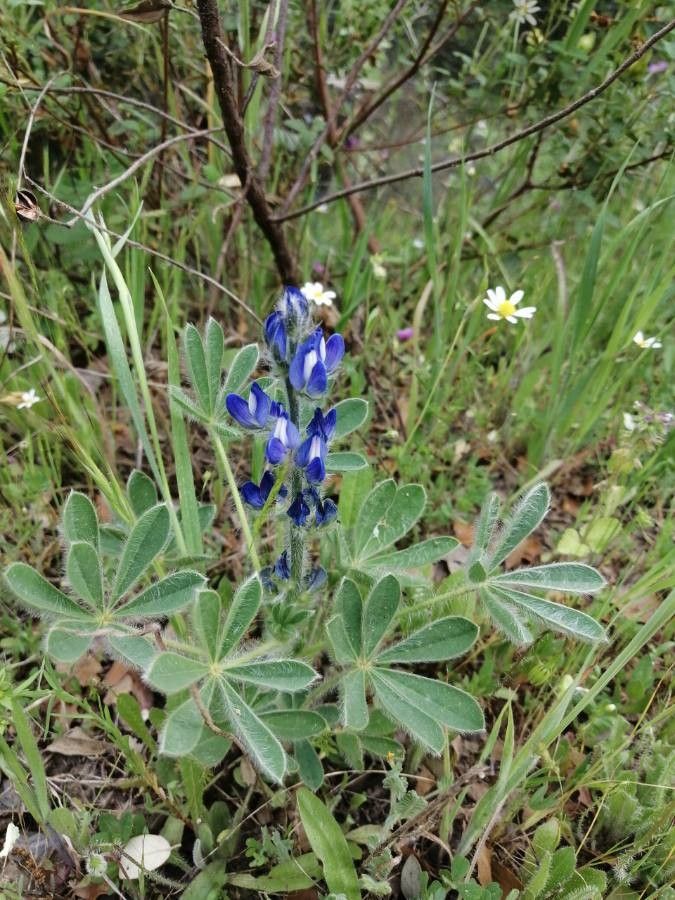
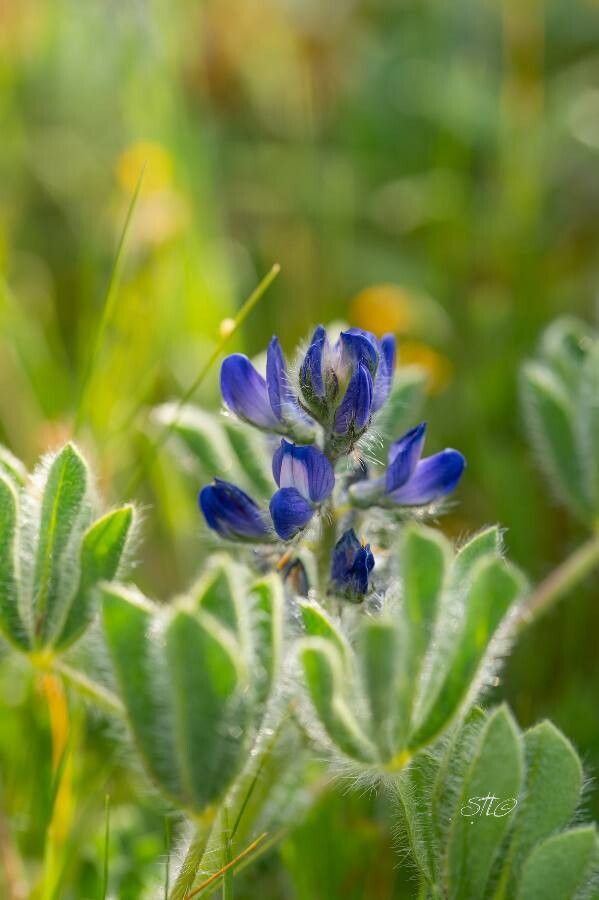
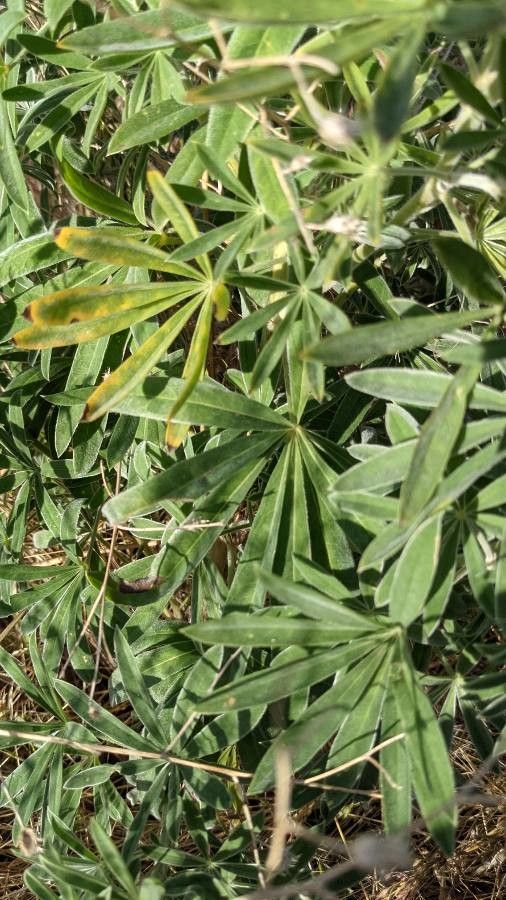
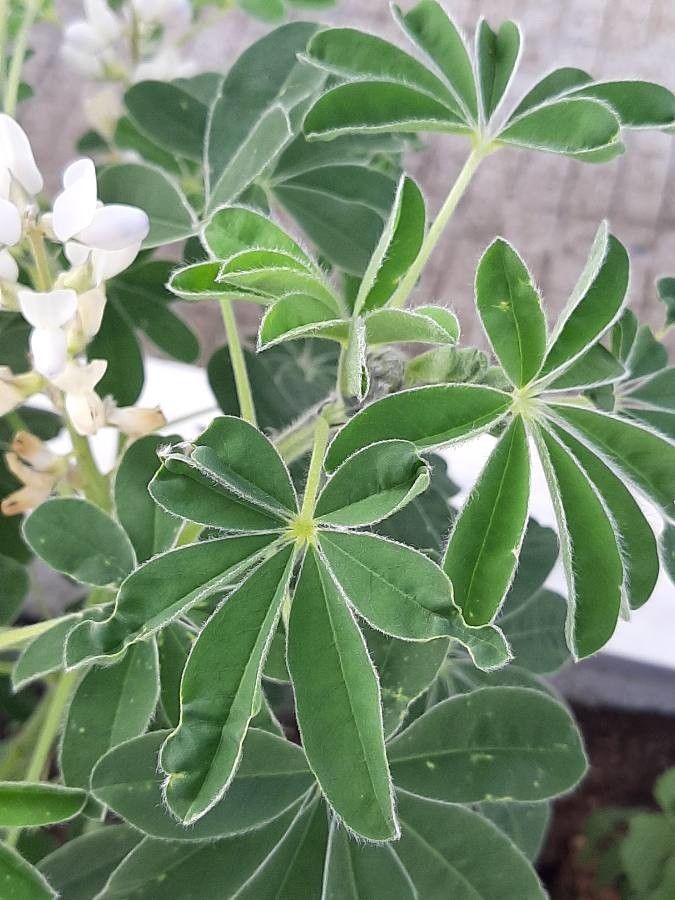
Hairy blue lupin has strong resistance to disease and is generally not vulnerable to illnesses. Still, it can be affected by pests and diseases present in its environment. These problems are typically mild. Regarding maintenance, this plant is of moderate care needs. It should be pruned on a regular basis to preserve an attractive appearance and support healthy growth. Applying fertilizer can also encourage better flowering. Hairy blue lupin is appropriate for anyone with outdoor areas such as a garden or patio and does not demand extensive gardening experience. It may need extra attention if cultivated indoors.
How to keep Lupinus Micranthus.
Light
The hairy blue lupin needs plentiful sunlight to thrive. Its native habitat, renowned worldwide for abundant sunshine, led to this preference. This requirement stays the same throughout its entire growing period. Excessive sun exposure does not harm the plant, but insufficient sunlight can impede its growth.
Water
Hairy blue lupin thrives in its native habitats, which experience seasonal rainfall. While it prefers consistent moisture, it can tolerate short dry spells. For optimal growth, it is recommended to water the plant weekly. When grown outdoors in temperate regions, hairy blue lupin benefits from rainwater, as it is softer and more acidic, aligning well with the plant's preference for slightly acidic soil.
Temperature
Hairy blue lupin comes from temperate areas where temperatures generally range from 68 to 95°F (20 to 35 ℃). Consequently, it does best in similar temperature conditions and may require adjustments for optimal growth if temperatures move outside this range, particularly in different seasons.
Fertilizer
When most of the Hairy blue lupin's flowers have opened to full size, resume fertilizing. While the blooms are at peak production, apply fertilizer every three to four weeks, as the weather allows. Once the plant begins producing fewer new blooms, stop fertilizing; there's no need to feed it when it can no longer produce more flowers.
Pruning
The hairy blue lupin is a perennial plant known for its distinctive blue flowers and hairy leaves. To promote growth, it's helpful to prune the plant in early spring. Later in the season, light pruning can remove spent blooms. This approach not only enhances flowering but also helps control the plant's size and reduces the risk of disease by improving air circulation and removing dead or damaged branches.
Pot & Repot
To ensure optimal growth and development, you should repot potted hairy blue lupins every 1-2 years using tall, tubular pots.
Botanical profile.
- Plant Type
- Herb
- Life Cycle
- Annual
- Genus
- Lupinus
- Family
- Leguminosae
- Hardiness Zone
- 8-10
- Mature Height
- 20 cm to 61 cm
- Mature Spread
- 15 cm to 30 cm
- Leaf Color
- Green, Light Green
- Leaf Type
- Semi-evergreen
- Flower Color
- Blue, Purple
- Flower Size
- 1.02 cm to 1.52 cm
- Bloom Time
- Mid spring, Late spring
- Planting Time
- Autumn
- Harvest Time
- Early summer, Mid summer
Other names.
Reader questions.
How should I water my Hairy blue lupin plant?
There are several ways to water Hairy blue lupin, including using a garden hose with a spray nozzle or a watering can. This plant is not too particular about the type of water it receives, as rainwater, tap water, or filtered water will suffice. However, it's best to avoid watering from overhead to prevent damage to the leaves and flowers and reduce the risk of disease. Setting up a drip irrigation system is often the most effective watering method, as it ensures even and direct water application to the soil. If you have a container-grown Hairy blue lupin, you can water it using a cup, watering can, or tap directly to the soil.
What are the sunlight requirements for Hairy blue lupin?
Hairy blue lupin thrives best in full sun conditions, requiring more than 6 hours of sunlight daily to flourish healthily. This preference stems from its origin in regions globally known for abundant sunshine. Throughout its growth period, the Hairy blue lupin consistently seeks substantial sun exposure, and while it can tolerate excessive sunlight without harm, insufficient sunlight may impede its growth.
What is the native climate for Hairy blue lupin?
Hairy blue lupin is native to regions with temperate climates where it flourishes in temperatures ranging from 68 to 95°F (20 to 35°C). These conditions are ideal for its growth, and any deviations require adjustments to maintain its health, particularly across different seasons. While Hairy blue lupin has some tolerance to cold, surviving temperatures above 0°C without needing extra protection, precautions are necessary when temperatures drop below freezing. Temporary cold protection measures, like covering the plant with plastic film, fabric, or other materials, are recommended and should be removed once temperatures rise.
What should I do if I give too much or too little water to my Hairy blue lupin?
To remedy underwatering of Hairy blue lupin, water the plant more regularly when you notice it lacks moisture. Overwatering, on the other hand, can be more dangerous if not detected early. It can lead to diseases and death of the plant. To prevent this, choose a suitable location with plenty of sunlight to dry the soil and good drainage to avoid water pooling. If you overwater a potted Hairy blue lupin, consider transferring it to a new pot with better drainage. Use loose soils and a pot that drains efficiently.
How does insufficient sunlight affect Hairy blue lupin when grown indoors?
When Hairy blue lupin is grown indoors under inadequate light conditions, it may show symptoms of light deficiency such as small and new leaves growing smaller than mature ones, leggy or sparse growth, faster leaf drop, halted or no new growth, leaves developing with lighter colors or irregular patterns indicating a lack of chlorophyll, and conditions like chlorosis where leaves lose their green color and turn yellow.
How does Hairy blue lupin handle low temperatures?
Hairy blue lupin has a moderate tolerance to low temperatures, thriving best when above 20°C and should remain above 0°C during winter. If temperatures plunge below -10°C, the plant's leaves may droop, with potential for recovery in mild cases. In severe cases, however, the leaves wilt and eventually fall off. To manage frost damage, it's advised to trim away the affected parts. For future cold events, wrapping the plant with non-woven fabric or cloth and setting up a wind barrier can protect it from cold winds.
How often should I give water to my Hairy blue lupin plant?
To keep your Hairy blue lupin healthy, it's important to water it regularly throughout the growing season. In the spring, watering once a week should be sufficient. As the weather gets warmer, you may need to increase watering to two or three times a week. However, be careful not to overwater, as this can harm the plant. It's also important to keep the soil moist but not overly wet, regardless of how often you water. When it comes to watering Hairy blue lupin in a pot, you'll likely need to water more frequently than if it were in the ground. Potted soil tends to dry out faster, so watering a few times per week is usually necessary.
What are the signs of too much sunlight on Hairy blue lupin?
Excess sunlight exposure can stress the Hairy blue lupin, leading to sunscald, which appears as pale, bleached, or necrotic areas on the plant's tissue. Leaf curling may occur as a defense mechanism to minimize water loss and damage. Other signs include wilting due to the plant losing turgor pressure, leaf scorching characterized by brown, dry, crispy edges or patches on leaves, and generally reduced photosynthetic capacity and overall plant health.
What should be done if Hairy blue lupin experiences high temperatures?
To combat high temperature stress, which occurs when temperatures exceed 35°C during summer, and especially if they surpass 41°C, it's crucial to manage the consequences like the lightening leaf color, dry and withered leaf tips, leaf curling, and increased sunburn susceptibility. Addressing these symptoms involves trimming away sunburned and dried parts. Positioning the plant in a shaded area during the intense midday and afternoon sun or using a shade cloth can be beneficial, alongside watering the plant in the morning and evening to maintain soil moisture.
How much water does my plant named Hairy blue lupin need?
Determining how much water to give to your Hairy blue lupin can be approached in a few different ways. One method involves feeling the soil to determine its moisture level, and watering until the top six inches of soil feel moist. Another approach is to use a set measurement, such as giving your plant about two gallons of water per week, based on factors like temperature and soil dryness. However, following strict guidelines can result in overwatering if your plant actually requires less water. When growing Hairy blue lupin in a container, you should water enough to moisten all layers of dry soil, which can be tested by inserting your finger into the soil or allowing excess water to flow out of the drainage holes.
What indoor lighting solutions support the growth of Hairy blue lupin?
For indoor Hairy blue lupin plants requiring additional light, particularly in winter or less sunny spaces, artificial lighting can provide an essential boost. LED lights, recommended for their efficiency and the ability to customize wavelengths, should range between 30-50W/sq ft for full sun plants, 20-30W/sq ft for partial sun plants, and 10-20W/sq ft for full shade plants. Lighting should be placed 12-36 inches above the plant, mimicking natural daylight conditions for 8-12 hours per day.
How can I know if I am giving enough water to my Hairy blue lupin plant?
Avoiding overwatering your Hairy blue lupin can be a bit tricky because of its deep roots that require regular moistening. However, these plants are highly prone to root rot and browning when overwatered. In comparison, underwatering is less of a concern as Hairy blue lupin can survive without additional watering for a while. Yet, if you wait too long to water the plant, it may start to wilt and exhibit dry leaves.