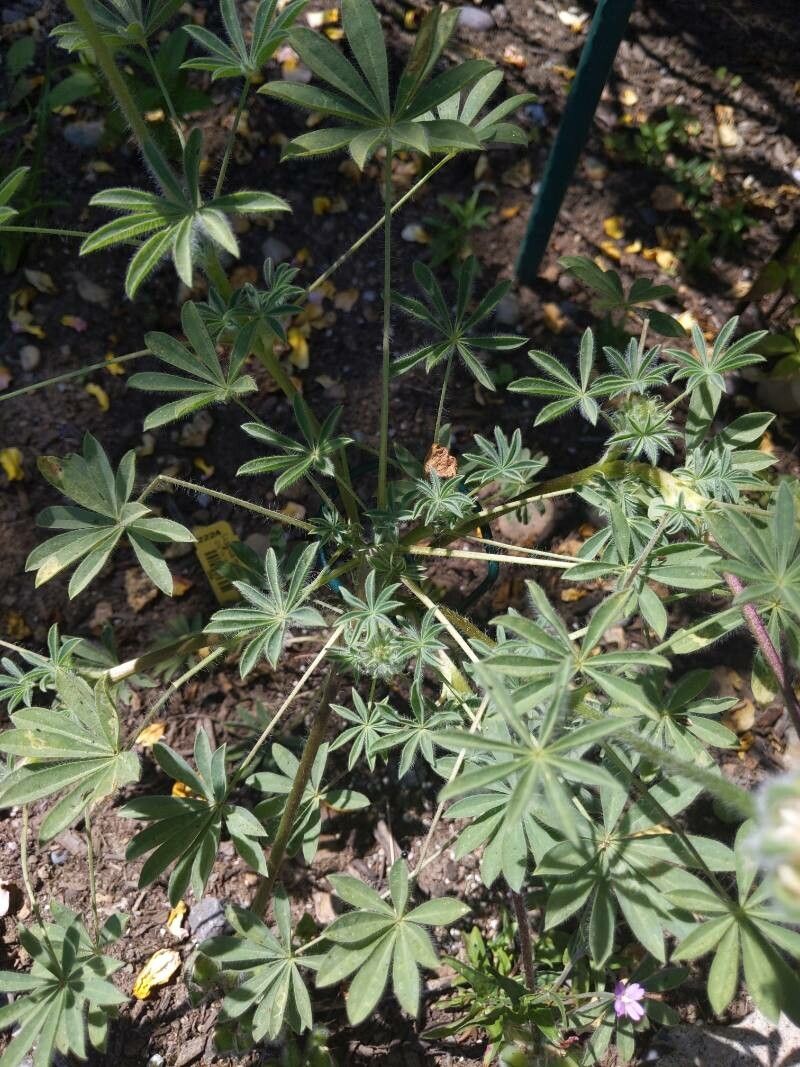
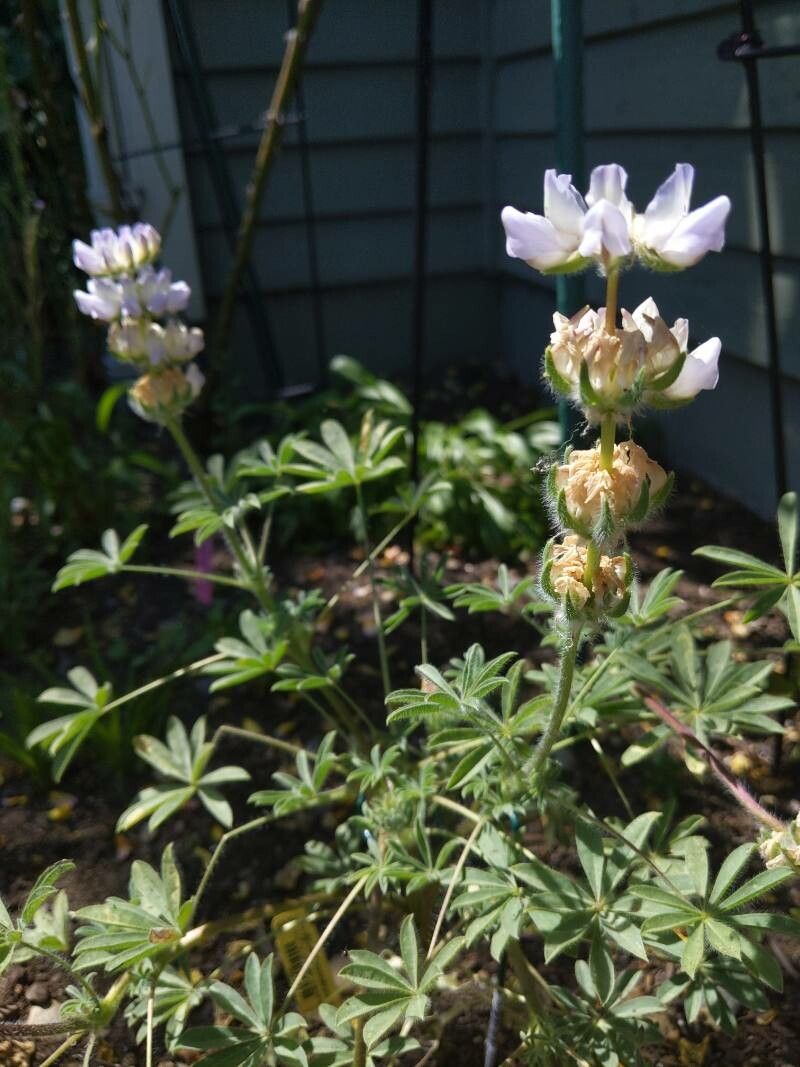
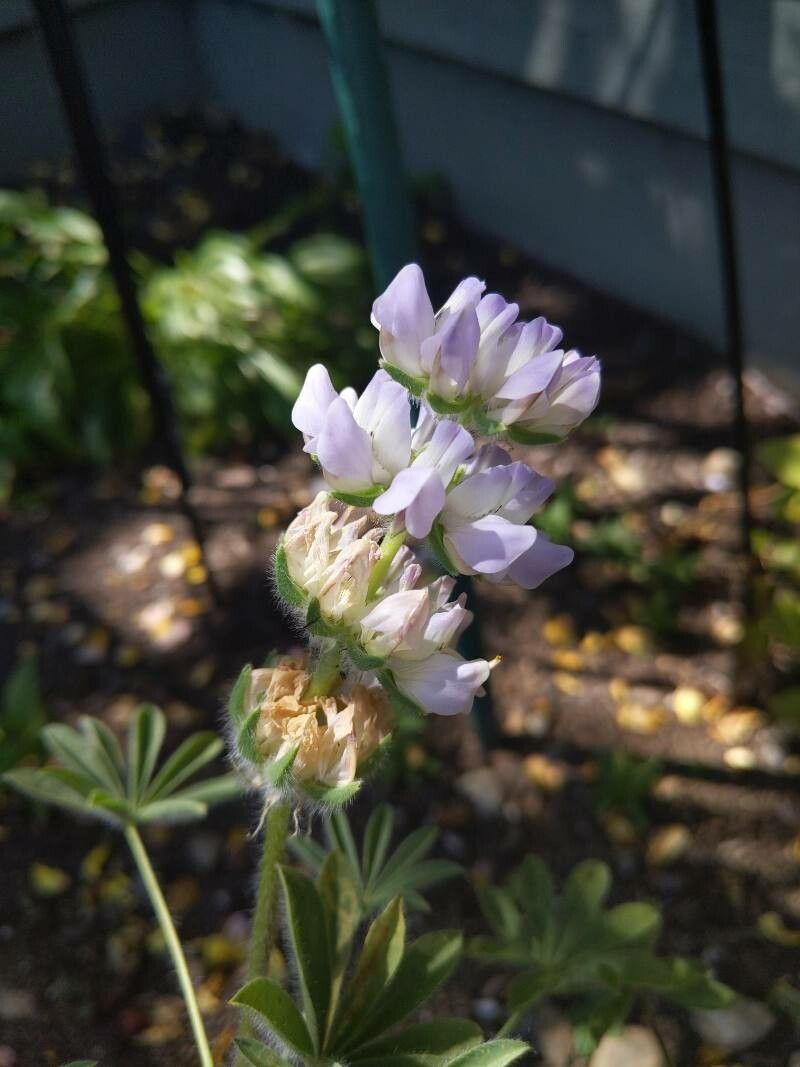
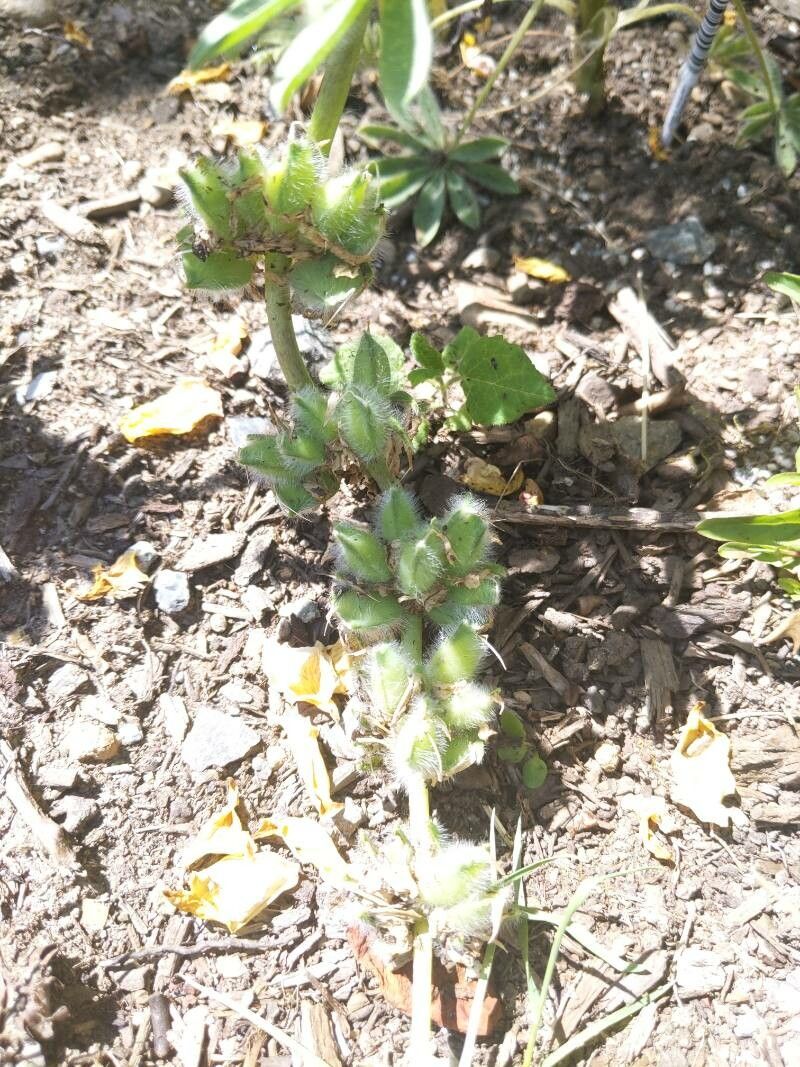
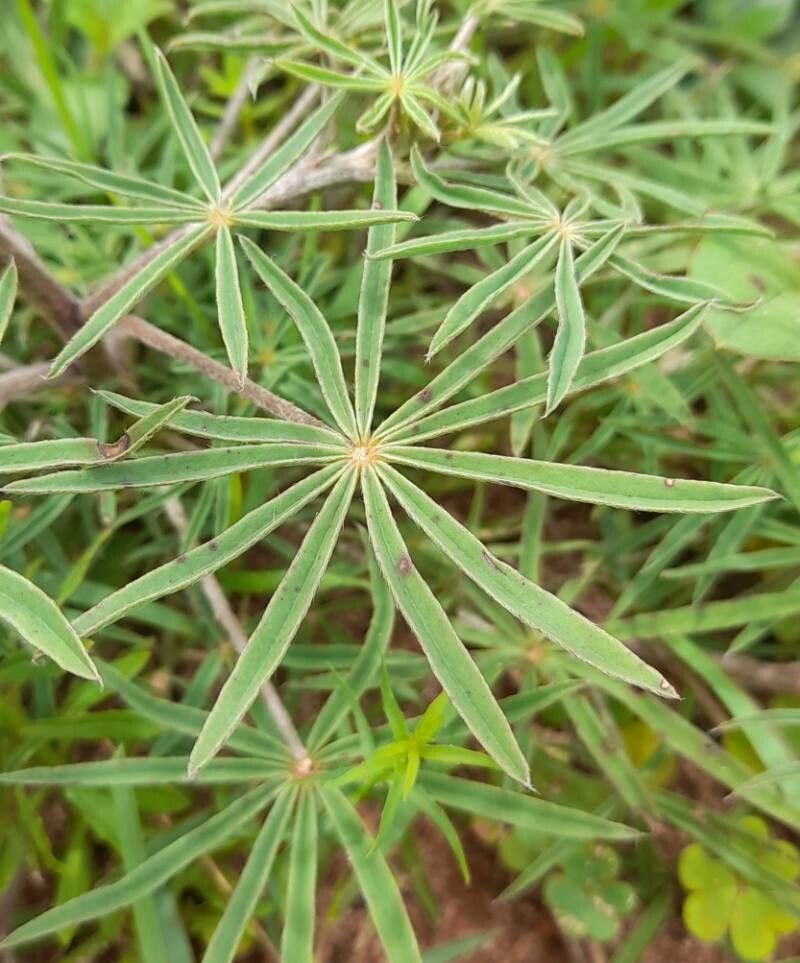
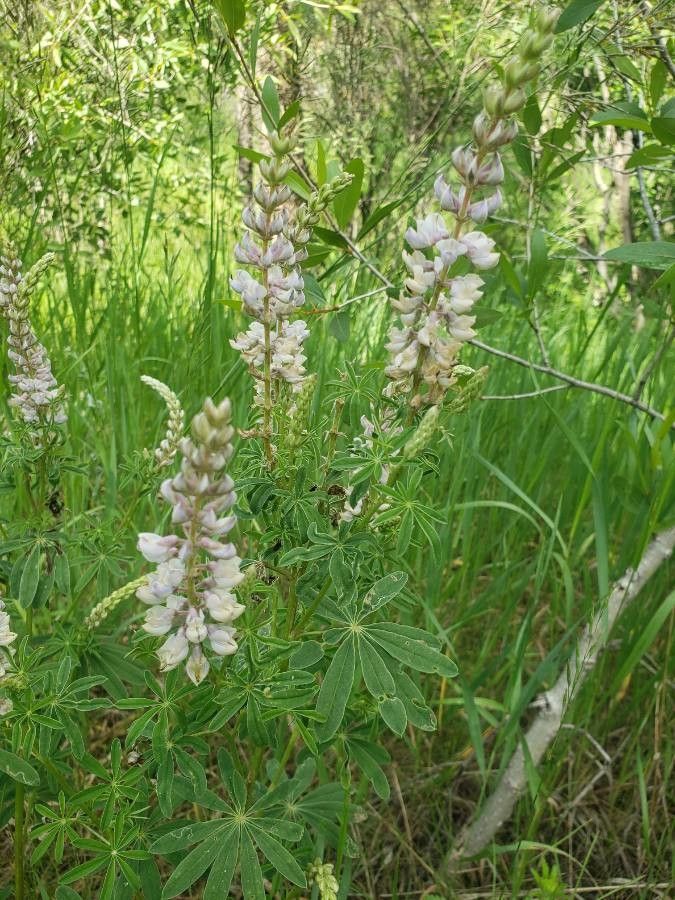
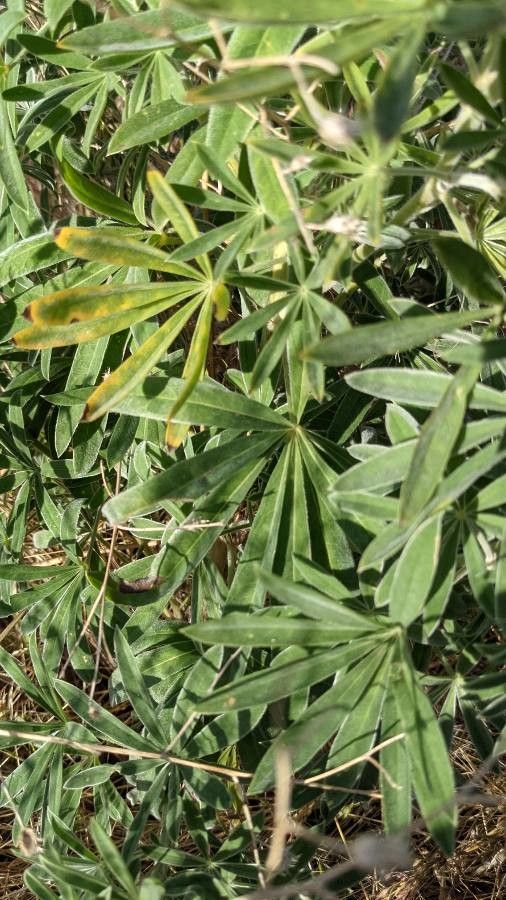
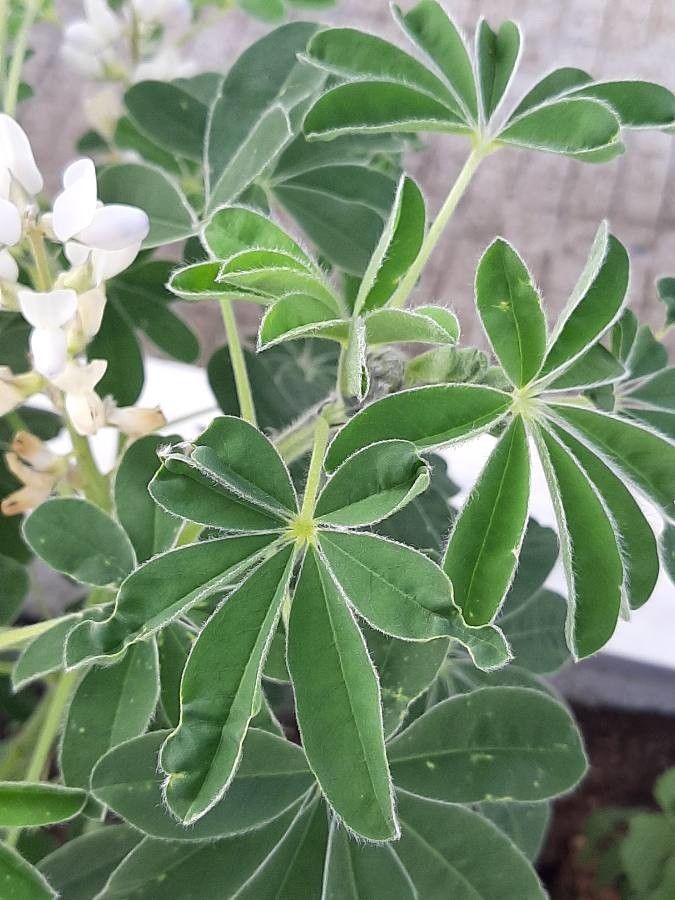
Lupinus microcarpus, the wide-bannered lupine or chick lupine, is a species of lupine native to western North America from southwestern British Columbia south through Oregon and California, including the Mojave Desert, and into Baja California. There is also a disjunct population in South America, with locations in central Chile and western Argentina.
Chick lupine is fairly resistant to disease and generally does not tend to get sick. Nevertheless, it can be affected by pests or diseases present in its environment. These problems are typically mild. In terms of care, the plant requires a moderate amount of attention. It should be pruned regularly to preserve a neat appearance and encourage healthy growth. Using fertilizer can also help stimulate flowering. Chick lupine is suitable for people with outdoor space, like a garden or patio, and does not demand extensive care experience. It may need more attention if grown indoors.
How to keep Lupinus Microcarpus.
Light
Chick lupine requires abundant, unobstructed sunlight to thrive. It originates from a habitat where sunlight is plentiful. Although it has no specific light-tolerance threshold, insufficient sunlight can impede vigorous growth and lessen its vitality and vigor.
Water
Chick lupine, native to arid regions, thrives with minimal water and is highly drought-tolerant. To care for it, water sparingly, usually once a week, and use well-draining soil to prevent root rot. This approach mimics the plant's natural preference for dry environments.
Temperature
Chick lupine originates from habitats where temperatures range from 68 to 95 °F (20 to 35 °C). It generally prefers the warmer end of that range. In colder seasons, adjustments may be needed to keep temperatures at an optimal level.
Fertilizer
When Chick lupine has opened most of its blooms to full size, resume fertilizing. During the period of peak bloom, apply fertilizer once every three to four weeks, as weather permits. After Chick lupine begins producing fewer new blooms, stop fertilizing; there is no need to fertilize when the plant cannot produce more blooms.
Pruning
To ensure your chick lupine thrives, it is important to prune it properly, ideally from early to late spring. Begin by removing any dead stems and thinning out crowded areas to improve air circulation and light exposure. By deadheading, you encourage more blooms and promote healthier growth. This practice also helps prevent diseases, contributing to a more robust plant.
Botanical profile.
- Plant Type
- Herb
- Life Cycle
- Annual
- Genus
- Lupinus
- Family
- Fabaceae
- Hardiness Zone
- 8
- Mature Height
- 76 cm
- Mature Spread
- 30 cm
- Leaf Color
- Bronze
- Leaf Type
- Semi-evergreen
- Flower Color
- Purple, Blue, Pink
- Flower Size
- 0.76 cm to 1.78 cm
- Bloom Time
- Mid spring, Late spring, Early summer
- Planting Time
- Spring, Summer, Autumn
- Harvest Time
- Summer
- Native Area
- Peru
Other names.