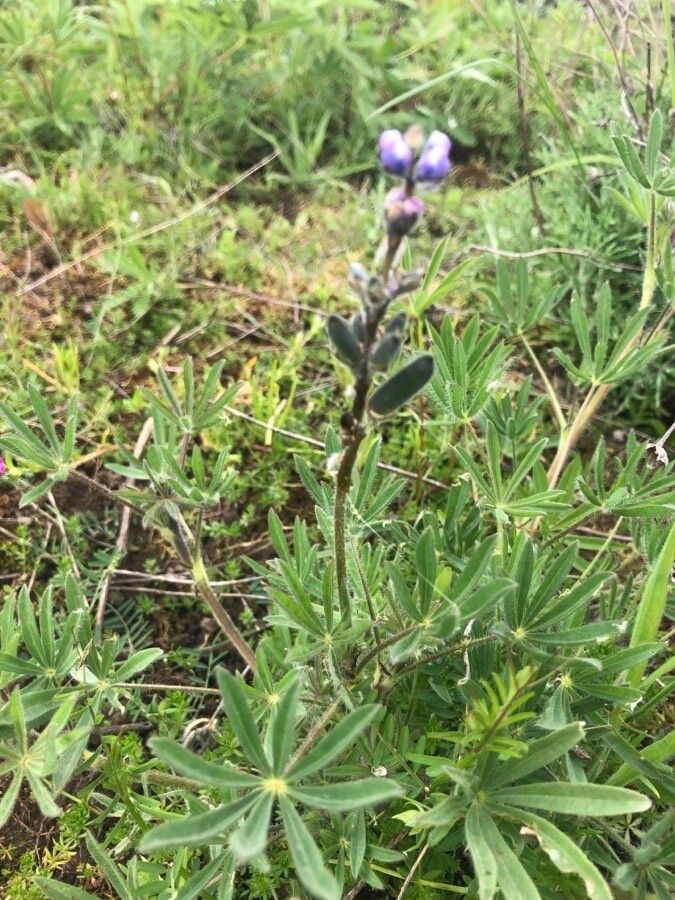
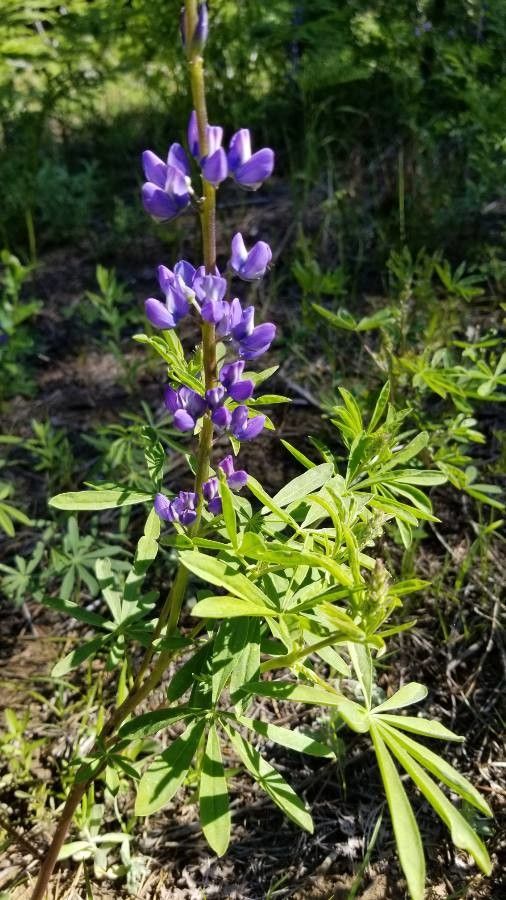
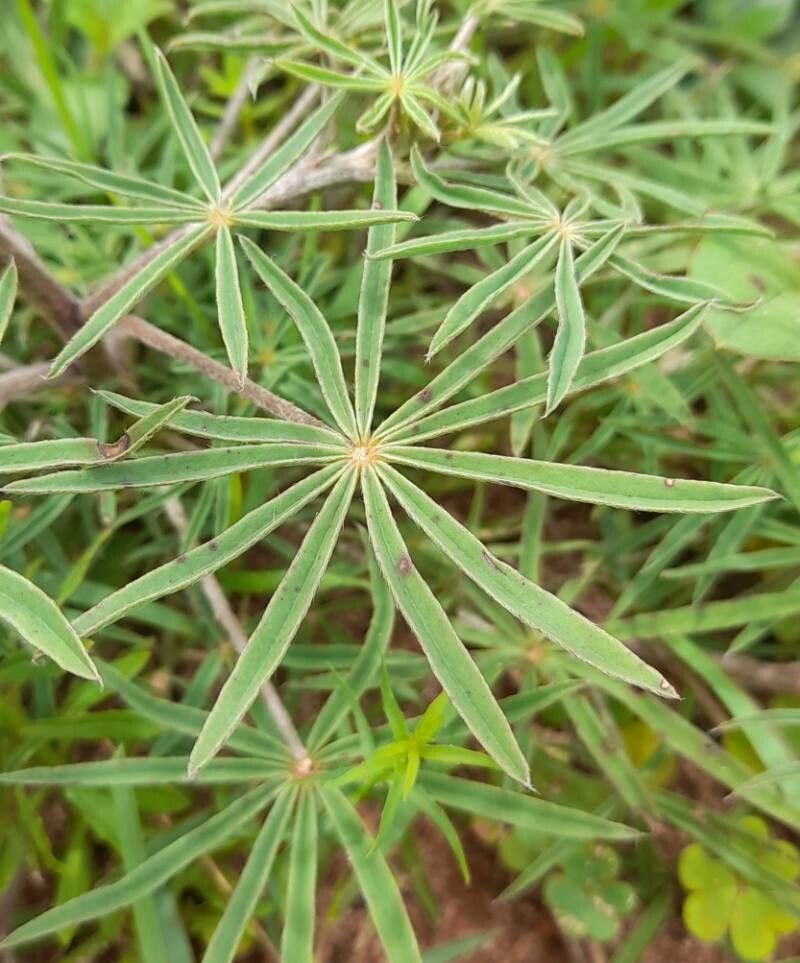
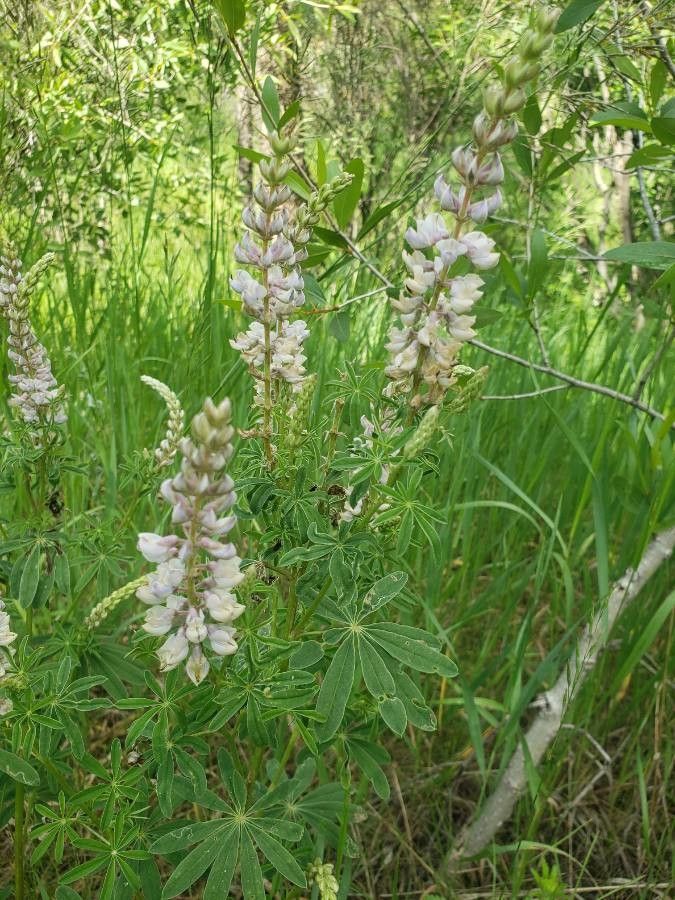
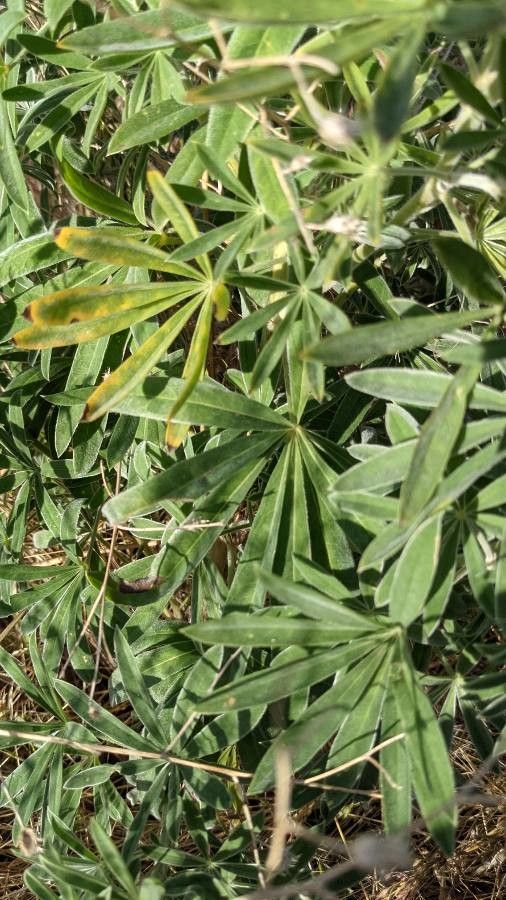
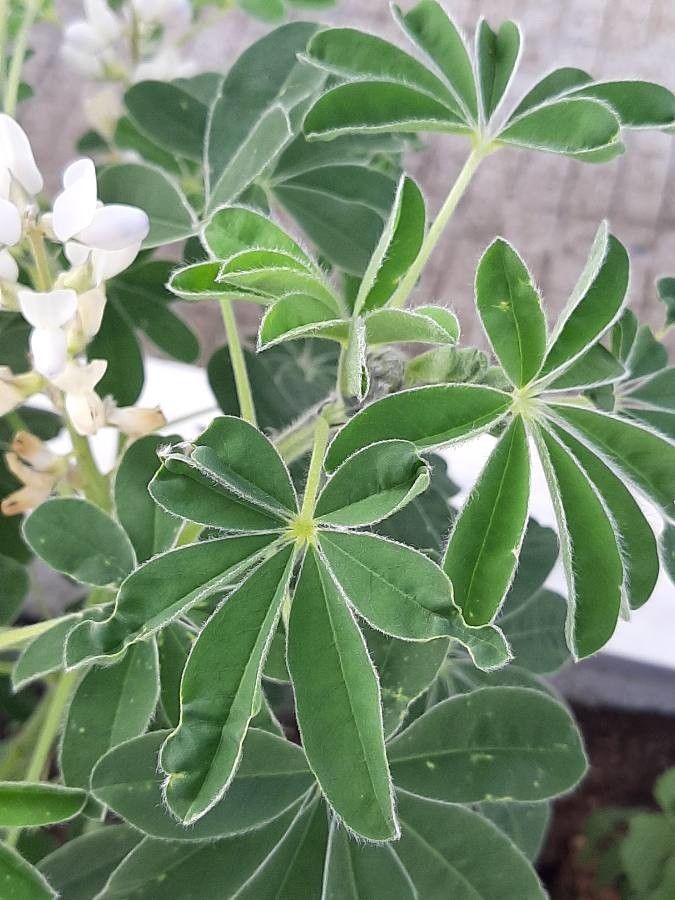
Oregon lupine is fairly resistant to disease and is generally not prone to illnesses. However, it can be vulnerable to pests and diseases present in its surroundings. Such infections are typically mild. Regarding care, this plant needs moderate maintenance. It should be pruned regularly to keep an attractive appearance and healthy growth. Applying fertilizer can also encourage flowering. Oregon lupine is suitable for anyone with an outdoor area, such as a garden or patio, and does not require extensive care experience. When grown indoors, it may need extra attention.
How to keep Lupinus Oreganus.
Water
Oregon lupine thrives in well-drained soil with consistent moisture. During the growing season, it needs approximately 25 mm (1 inch) of water each week. If the plant doesn't receive enough water, it may seed too quickly and produce weak seedlings. On the other hand, overwatering can lead to root rot and interfere with nitrogen fixation. Therefore, maintaining a balanced watering schedule is essential for its healthy growth.
Fertilizer
Usually a single fertilizer application in spring is adequate for Oregon lupine, but repeated feedings can optimize growth. Fertilize every month to a month and a half. Fertilization improves the appearance and function of the leaves, helping maintain even color and a healthy texture. It also promotes root development and nutrient uptake for sustained plant health.
Pruning
The Oregon lupine is known for its beautiful spiked flowers and lush foliage. To keep the plant healthy and promote abundant blooms, prune it in early spring before new growth begins. Remove any dead stems at this time. Light trimming after the plant has flowered helps maintain its shape and prevents stress, which in turn improves airflow and reduces the risk of disease. For more specific pruning advice, consult reliable gardening sources.
Botanical profile.
Other names.
Reader questions.
What are the sun requirements for Oregon Lupine (Lupinus oreganus)?
Oregon Lupine (Lupinus oreganus) thrives in conditions where it can receive full sun to partial sun. Full sun means the plant should receive above 6 hours of sunlight daily, while partial sun refers to about 3-6 hours of sunlight each day. It's important to observe how sunlight moves through your garden, choosing locations that offer an ideal balance of light and shade. This ensures the plants are happy, healthy, and well-positioned to grow.
What is Oregon Lupine?
Oregon Lupine, scientifically known as Lupinus oreganus, is a species of lupine. Unfortunately, the provided data does not include further descriptions, symptoms of concern, or additional essential information about the plant.