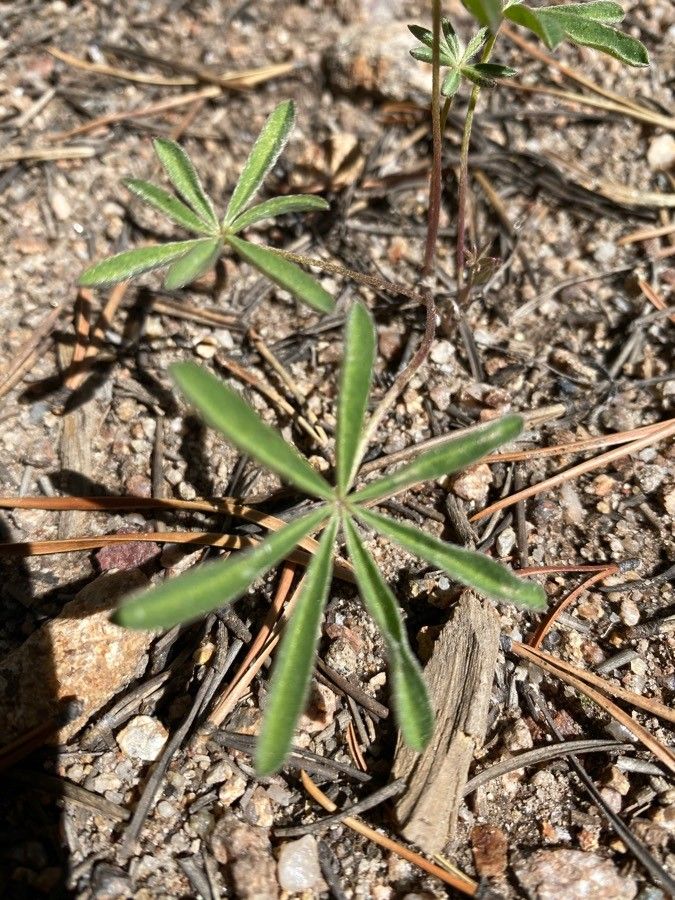
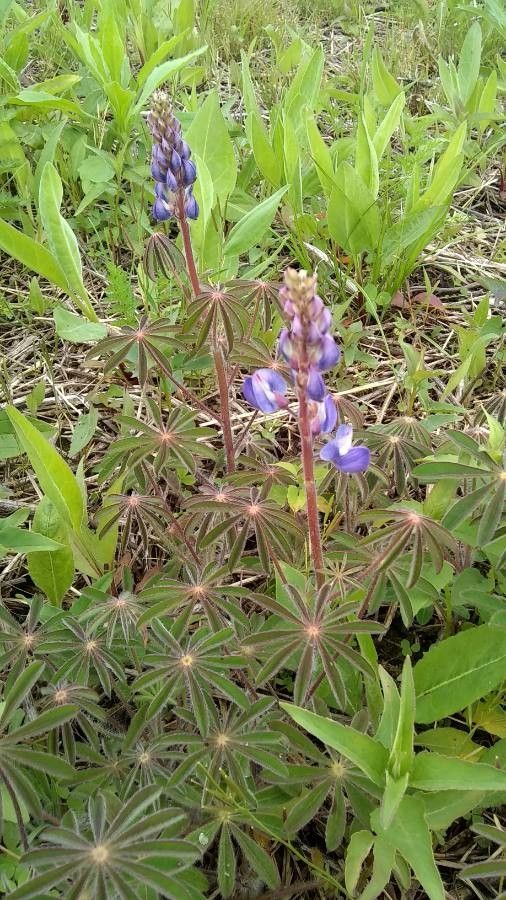
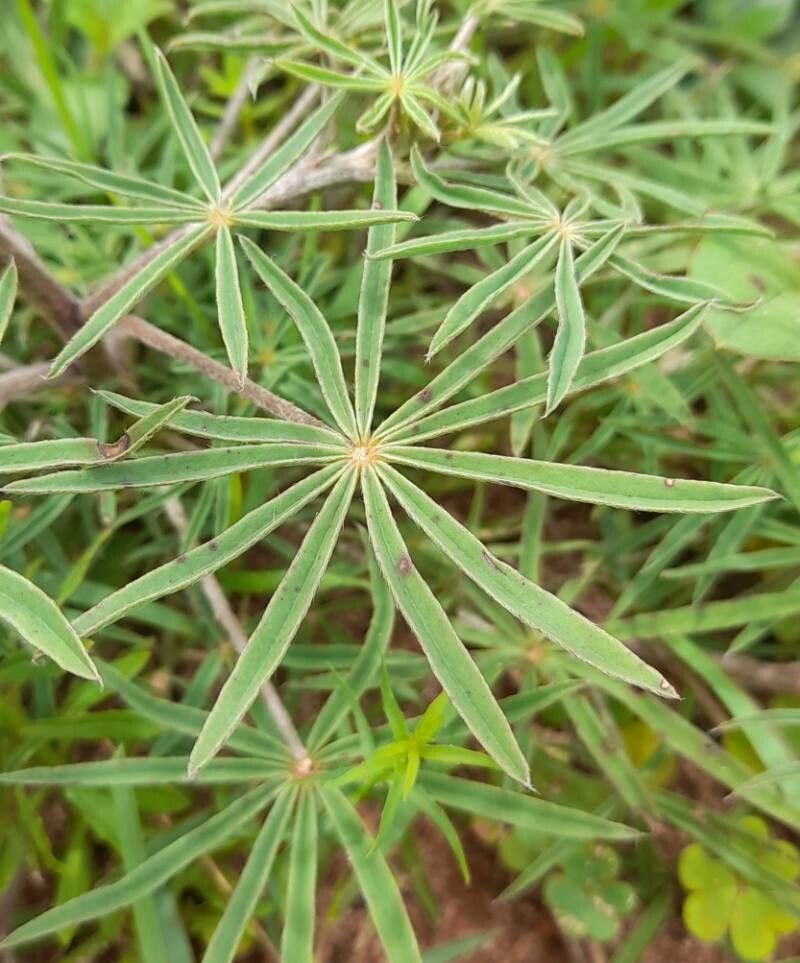
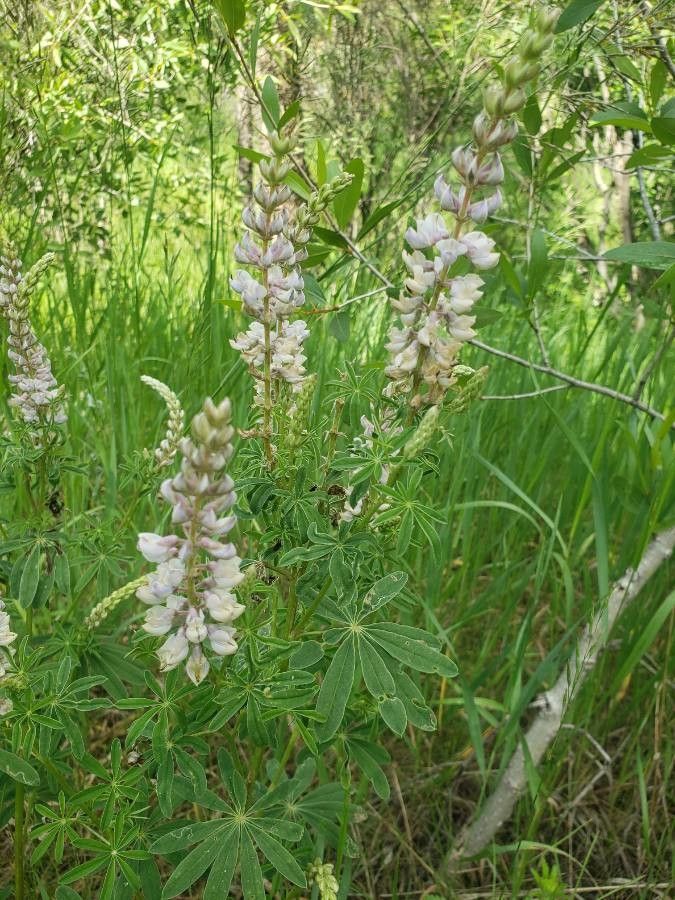
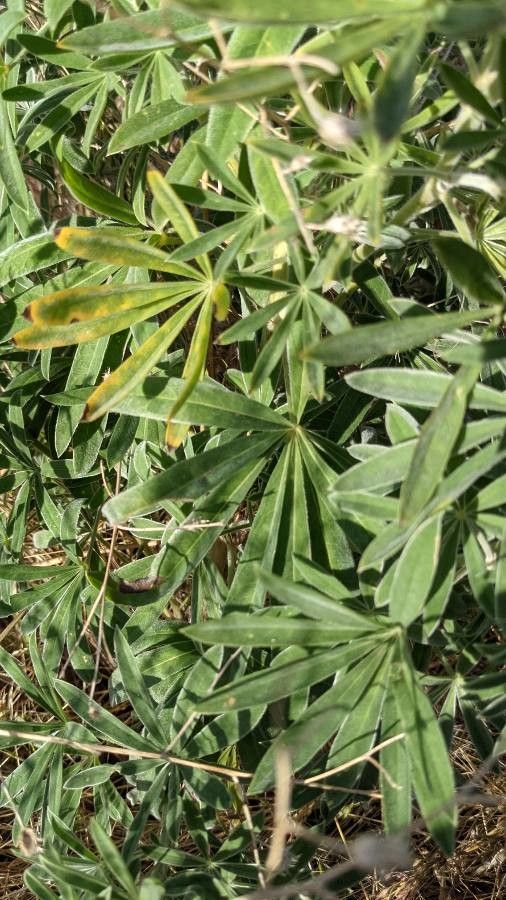
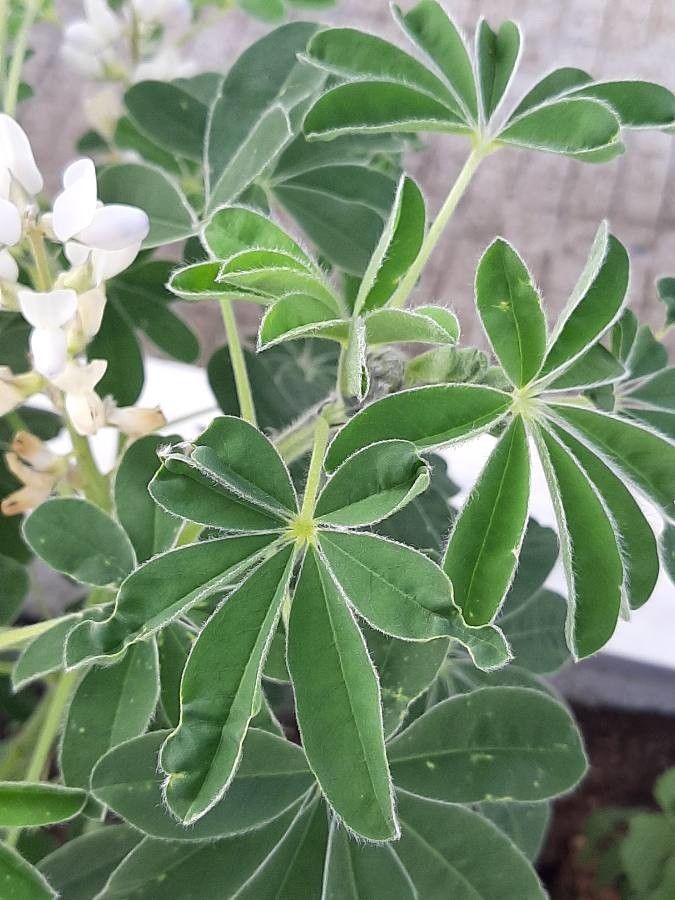
Lupinus sparsiflorus, commonly known as Coulter's lupine, is a species of lupine native to California and Oregon in the United States. This perennial herb can grow up to 1 meter tall and features a taproot system. Its leaves are palmately compound, boasting 5 to 9 green leaflets covered with fine hairs.
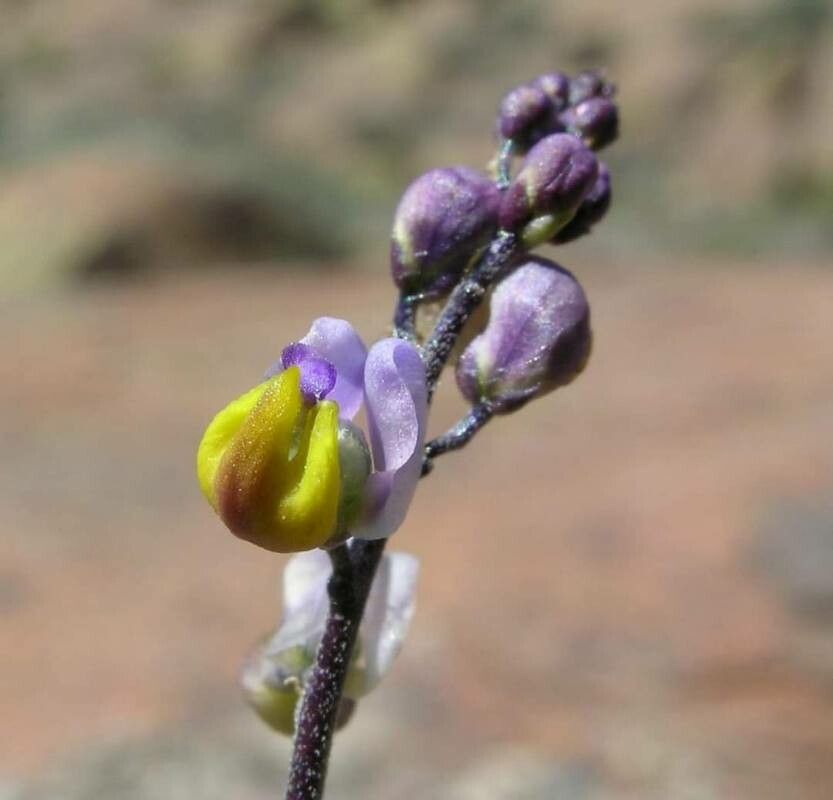
The flowers of Lupinus sparsiflorus are clustered in dense spikes at the top of the stem. The petals are blue-purple with white markings and bloom from May to July. The fruit of this plant is a pod that contains several seeds.
Lupinus sparsiflorus plays a crucial role in its ecosystem by providing food for pollinators such as bees and butterflies, thereby supporting biodiversity. It also serves as forage for herbivores like deer.
This plant prefers well-drained soils and can tolerate drought conditions once established. It naturally grows on rocky slopes, grasslands, chaparral areas, or open woodlands at elevations ranging from sea level up to 2,000 meters.
Overall, Lupinus sparsiflorus is an attractive plant known for its beautiful flowers that add color to any garden or natural landscape, while also offering significant ecological benefits within its native range.
Coulter's lupine shows strong disease resistance and is generally unlikely to contract illnesses. However, it can be vulnerable to pests and pathogens present in its environment. Such infections are typically mild. For care, this plant requires moderate maintenance. It should be pruned regularly to preserve a good appearance and support healthy growth. Applying fertilizer can also help encourage flowering. Coulter's lupine is suitable for someone with an outdoor area, like a garden or patio, and does not demand extensive gardening experience. It may need more attention when grown indoors.
How to keep Lupinus Sparsiflorus.
Light
Coulter's lupine does best in abundant sunlight but can tolerate moderate exposure. Coming from sunny habitats, this preference supports the plant's health. However, insufficient sun limits growth, and excessive exposure can cause leaf burn.
Water
Coulter's lupine flourishes in dry environments, where it conserves water and prefers arid conditions. It can withstand occasional droughts, though it does require weekly watering. For successful outdoor growth, well-draining soil is essential to prevent root rot during the plant's active growing season.
Temperature
Coulter's lupine originates from areas with moderate temperatures and does best in the range of 68 to 95 °F (20 to 35 °C). In colder seasons, keep it indoors in a warm environment.
Fertilizer
Once most of Coulter's lupine's flowers have opened to full size, resume fertilizing. Around the time blooms are at their peak, apply fertilizer again about every three to four weeks, as weather allows. Then, when Coulter's lupine begins to produce fewer new blooms, stop fertilizing; there is no need to feed the plant when it can no longer produce more flowers.
Pruning
To care for Coulter's lupine, it's important to prune the plant from early to late spring. Start by trimming away spent blooms to encourage new flowers and shape the plant. You should also cut older stems down to ground level and consider reducing the plant's size by one-third to improve its health and airflow. Proper pruning enhances bloom production and overall vitality throughout the growing season.
Botanical profile.
- Plant Type
- Herb
- Life Cycle
- Annual
- Genus
- Lupinus
- Family
- Fabaceae
- Hardiness Zone
- 7-10
- Mature Height
- 20 cm to 40 cm
- Mature Spread
- 49 cm to 61 cm
- Leaf Color
- Green
- Leaf Type
- Deciduous
- Flower Color
- Purple, Blue
- Flower Size
- 1.02 cm
- Bloom Time
- Spring
- Planting Time
- Spring
- Harvest Time
- Late spring, Early summer, Mid summer
Other names.
Reader questions.
How should I water my Coulter's lupine plant?
To water Coulter's lupine, you have several options: a garden hose with a spray nozzle, a watering can, or any other common watering tool. The plant is not too particular about the type of water it receives - rainwater, tap water, or filtered water are all suitable. However, it's best to avoid watering from above as it can harm the leaves and flowers and potentially cause diseases. A drip irrigation system is often recommended as the most effective method for watering Coulter's lupine. It ensures even and direct application of water to the soil. If you have a container-grown Coulter's lupine, you can use a cup, watering can, or your tap to water it directly into the soil.
What amount of sunlight does Coulter's lupine require for optimal growth?
Coulter's lupine thrives under the generous glow of the sun, necessitating more than 6 hours of sunlight daily for full sun exposure. It can also tolerate conditions of moderate sun exposure, which amounts to about 3-6 hours of sunlight daily. Originating from sunny habitats, its growth habit is bolstered by this sun exposure, though it's important to note that too little sun hinders its growth, and excessive exposure can lead to leaf burn. Observing sunlight movement through your garden helps in choosing spots that offer the perfect balance for the plant, ensuring its happiness and health.
What is the ideal temperature range for growing Coulter's lupine?
Coulter's lupine, known botanically as Lupinus sparsiflorus, thrives in moderate temperatures, flourishing best between 68 to 95°F (20 to 35°C). To ensure its health during cooler seasons, it's recommended to keep the plant in a warm indoor environment. This plant exhibits strong cold resistance, and thus, special frost protection measures aren't generally necessary. However, should winter temperatures threaten to fall below -15°C, it's vital to protect the plant from the cold by covering it with insulating materials like soil or straw. Additionally, watering the plant abundantly before the first freeze in autumn to maintain moist soil can help prevent drought and water scarcity through the winter and into early spring.
What should I do if I give my Coulter's lupine too much water or not enough water?
To prevent underwatering Coulter's lupine, simply water it more regularly when you notice it lacks moisture. Overwatering, on the other hand, can be a serious issue that leads to diseases and the plant's decline. To avoid overwatering, choose a growing location with plenty of sunlight and good drainage. If you have an overwatered lupine in a pot, consider switching to a new pot with better drainage and loose soils.
How can artificial lighting help Coulter's lupine and other indoor plants?
Indoor plants, including Coulter's lupine, require adequate lighting for optimal growth, especially when natural sunlight is insufficient, such as in winter or less sunny spaces. Artificial lights provide a vital solution for promoting faster, healthier growth. Choices like LED lights are popular for their ability to offer customized wavelengths of light that plants need. Full sun plants need 30-50W per square foot, partial sun plants require 20-30W per square foot, and full shade plants benefit from 10-20W per square foot of artificial light. Position the light source 12-36 inches above the plant to effectively mimic natural sunlight and keep the lights on for 8-12 hours per day to match the natural daylight hours.
How does Coulter's lupine react to low temperatures?
Coulter's lupine is notably cold-tolerant and shows optimal growth when temperatures stay above 20°C. During winter months, maintaining a temperature above 0°C is advisable. Exposure to temperatures dropping below -15°C may not show immediate changes during the winter but can lead to reduced sprouting or even a complete lack of sprouting in the following spring. To manage this, in spring, it's suggested to remove any parts of the plant that have failed to sprout as a corrective measure.
How do I know if I'm giving enough water to my Coulter's lupine?
Coulter's lupine can be tricky to water properly. On one hand, these plants have deep roots that need to be moistened weekly. However, they are very prone to root rot and browning if overwatered. Underwatering is less of a concern, as these plants can survive without extra water for a while. But if you wait too long to water, they will likely wilt and have dry leaves.
What symptoms could indicate inadequate light for Coulter's lupine?
Coulter's lupine exhibits several symptoms under inadequate light, such as smaller new leaves, leggy or sparse growth, accelerated leaf drop, slower or halted new growth, and paler new leaves due to insufficient sunlight. These symptoms result from the plant attempting to conserve resources and adapt to lower light levels. In extreme sunlight conditions, the plant may suffer from chlorosis, where leaves lose color and turn yellow, sunscald with pale or bleached areas on leaves, leaf curling as a defense mechanism, wilting due to water loss, and leaf scorching characterized by brown, dry edges. These signs show the plant's difficulty in maintaining health under poor lighting conditions.
How should I care for Coulter's lupine when it's exposed to high temperatures?
In the summer, keeping Coulter's lupine below 35°C is essential for its well-being. Should temperatures soar above 41°C, the plant's leaves can become lighter in color, exhibit a tendency to curl, become vulnerable to sunburn, and, in severe cases, the entire plant might wilt and dry out. To mitigate damage from high temperatures, trim away the affected parts of the plant. Relocating the plant to provide shade during the midday and afternoon sun or using a shade cloth can help protect it. Additionally, watering the plant in the morning and evening can help maintain soil moisture, further mitigating heat stress.
How do I provide water for my Coulter's lupine at different stages of growth?
Coulter's lupine goes through various growth stages throughout the year, with each stage having different water requirements. To start, when you plant Coulter's lupine as a seed, you should provide more water initially. This means watering frequently to ensure consistent soil moisture. After a few weeks, when the lupine starts growing above the soil, it will require slightly less water compared to the seedling phase. Once the plant is fully mature, you can water it once a week. During flower development, you may need to water slightly more to help the process.
What solutions can improve Coulter's lupine's light exposure?
To enhance light exposure for Coulter's lupine, gradually moving plants to sunnier locations each week until achieving at least 6 hours of direct sunlight daily is beneficial, especially for indoor settings. Utilizing south-facing windows and keeping curtains open during the day maximizes sunlight exposure. For large plants or those difficult to move, artificial lighting, such as desk, ceiling lamps, or professional grow lights, can provide additional light. Outdoors, it's crucial to adapt plants gradually to avoid sunburn, by moving them to sunnier spots progressively. Minimizing obstructions, like pruning trees or relocating plants to less shaded areas, also boosts sunlight access. Note, while parts of the plant that suffered from insufficient sunlight may not recover, new growth should be healthy with improved light conditions.
What is the difference between watering Coulter's lupine inside and outside?
There are several reasons why most Coulter's lupine thrive better outdoors than indoors. Firstly, these plants tend to grow quite tall, making it challenging to accommodate them indoors. Secondly, Coulter's lupine require more daily sunlight than most indoor locations can provide. However, if you are able to create a suitable indoor growing space, be aware that you may need to water your Coulter's lupine more frequently compared to an outdoor setting. Indoor environments are generally drier due to HVAC units, and soil in containers can dry out relatively quickly too.