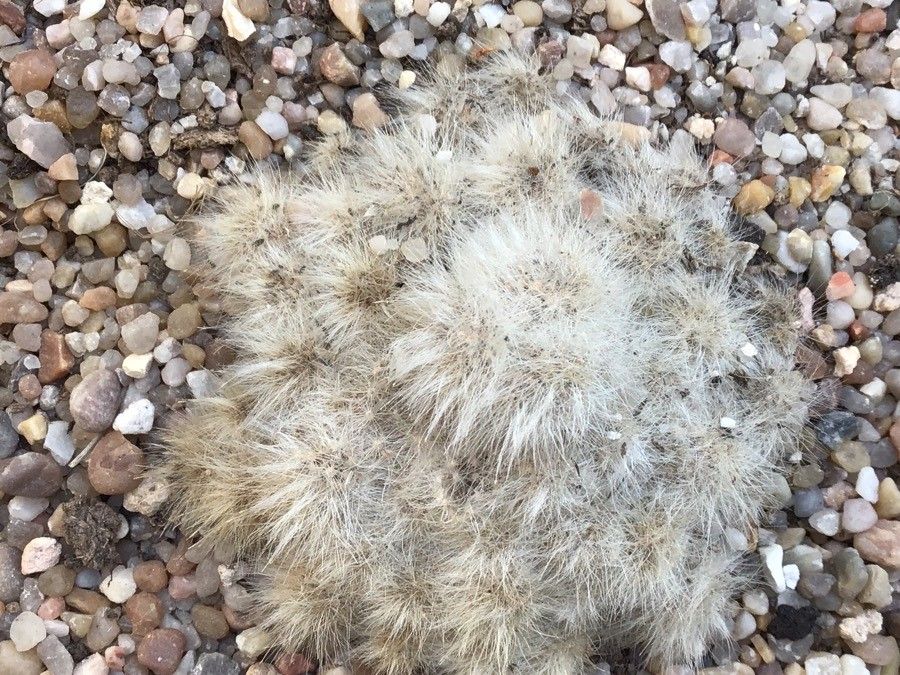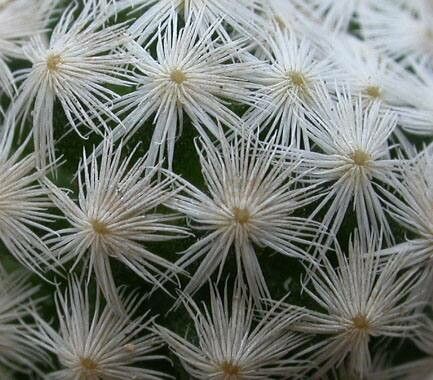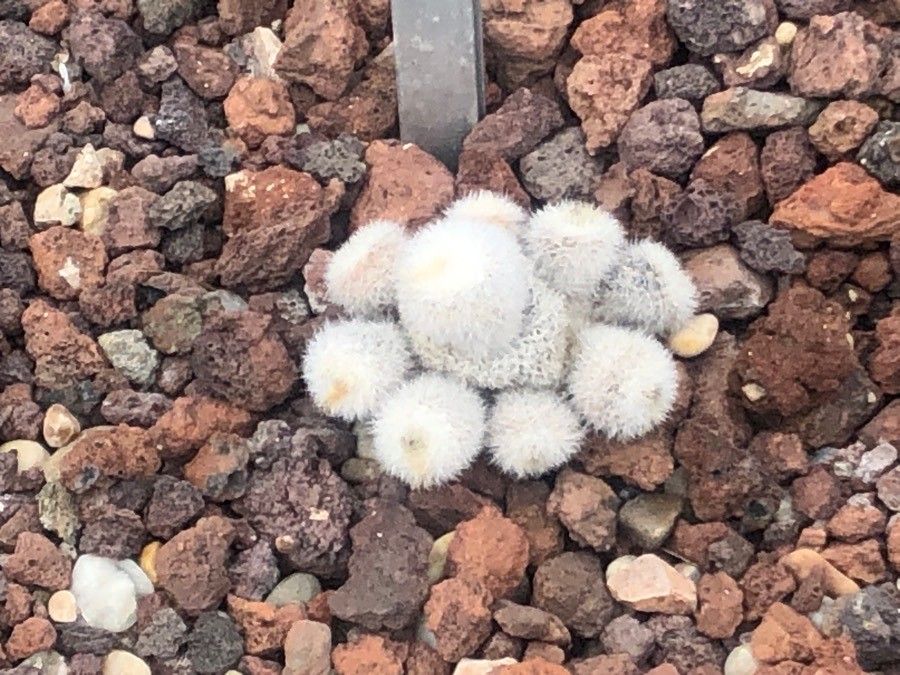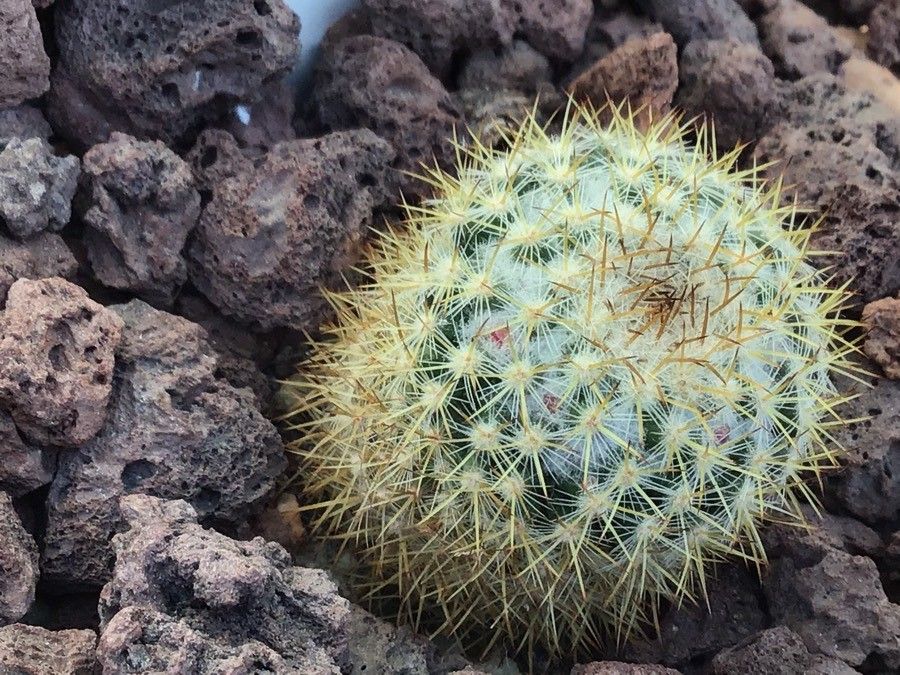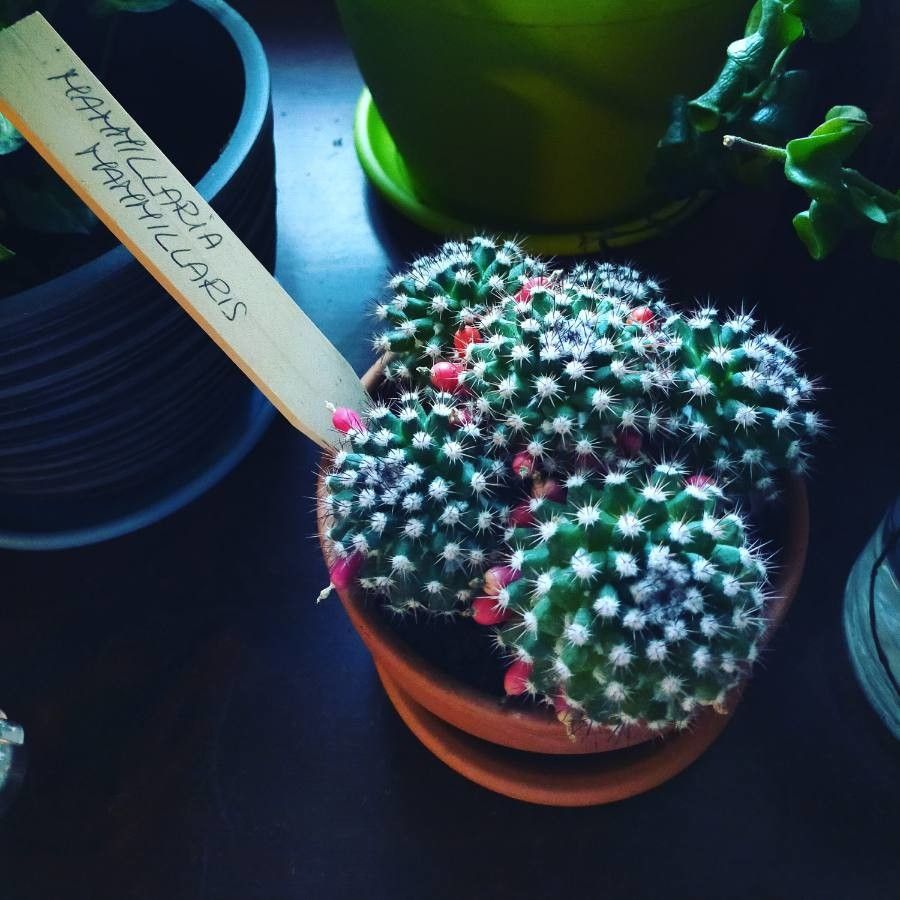
Mammillaria mammilllaris, common name woolly nipple cactus, is a species of plant in the family Cactaceae. It is the type species of the genus Mammillaria. It has been described by Carolus Linnaeus as Cactus mammillaris in 1753. The specific epithet mammillaris comes from the Latin mammilla, meaning nipple, with reference to the characteristic tubercles.
Mammillaria mammillaris has strong disease resistance and tolerates normal care without becoming ill easily. It can, however, be vulnerable to mealybugs; these pests may cause some damage but are usually not a major danger. Regarding care, Mammillaria mammillaris is drought-tolerant and does not need frequent watering. It can endure long stretches without water and requires little fertilizer. That said, it is highly susceptible to root rot if lighting is poor and it is overwatered. Overall, Mammillaria mammillaris is appropriate for people who prefer low-maintenance plants, but it remains important to meet its basic needs. It is especially suitable for those who are away for long periods and might forget to water regularly.
How to keep Mammillaria Mammillaris.
Light
Native to arid regions, Mammillaria mammillaris does best in full sun, as its natural habitat features intense sunlight and little shade. It will also tolerate partial sun, giving it some flexibility in growth.
Temperature
Mammillaria mammillaris grows best in warm conditions and needs relatively high temperatures during the growing season to stimulate growth and metabolism. It prefers plenty of sunlight, suitable moisture, and good air circulation. However, it can be damaged by very low temperatures and by excessive watering. It's important to maintain a balance and also avoid extremely high heat and excessively dry conditions.
Fertilizer
Mammillaria mammillaris needs only light fertilizer applications once or twice a year during the growing season. Do not fertilize in winter or summer when the plant is dormant. Cut back on fertilizer for repotted plants and wait a couple of months after repotting before applying fertilizer. Fertilizing helps maintain healthy growth and promotes flowering.