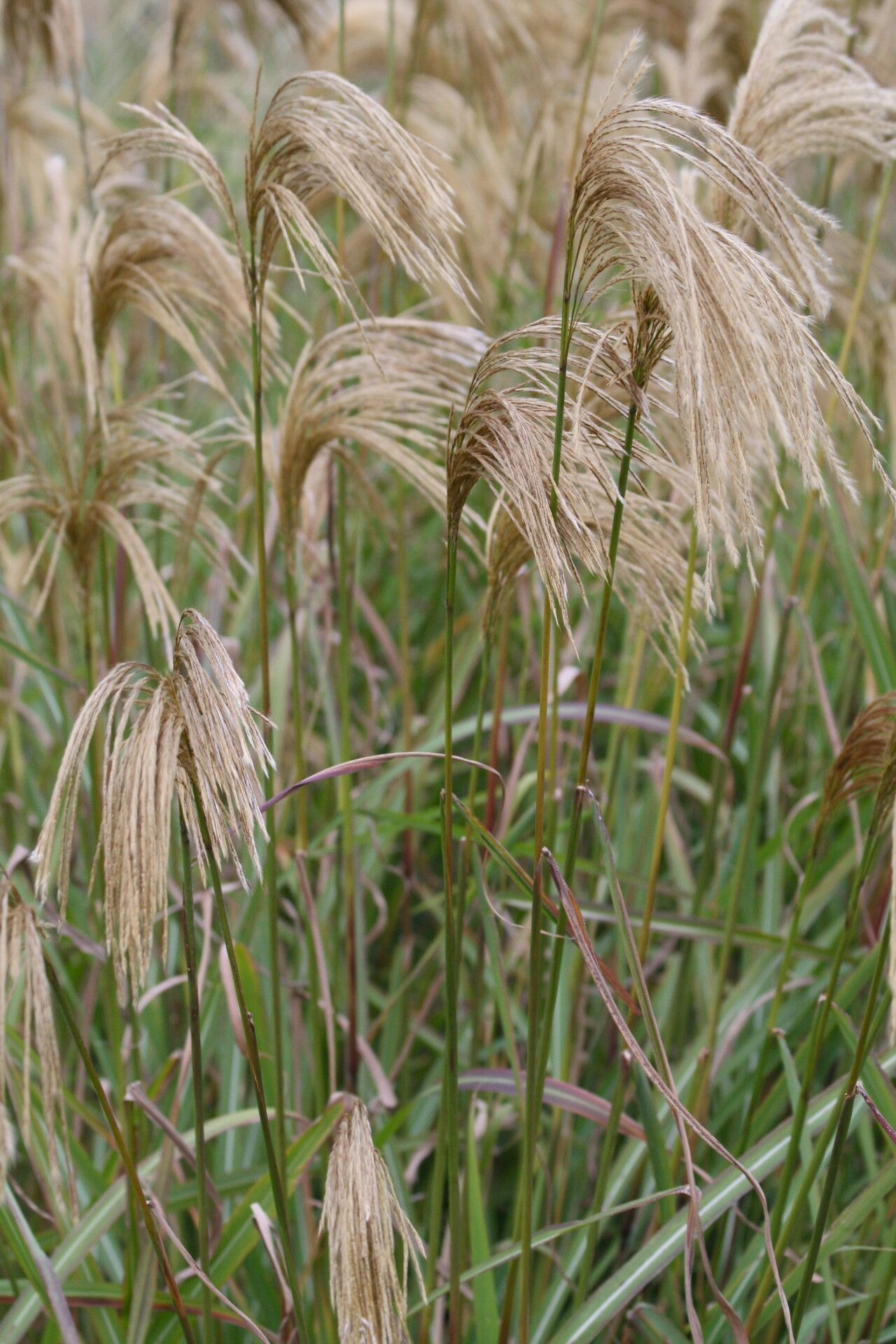
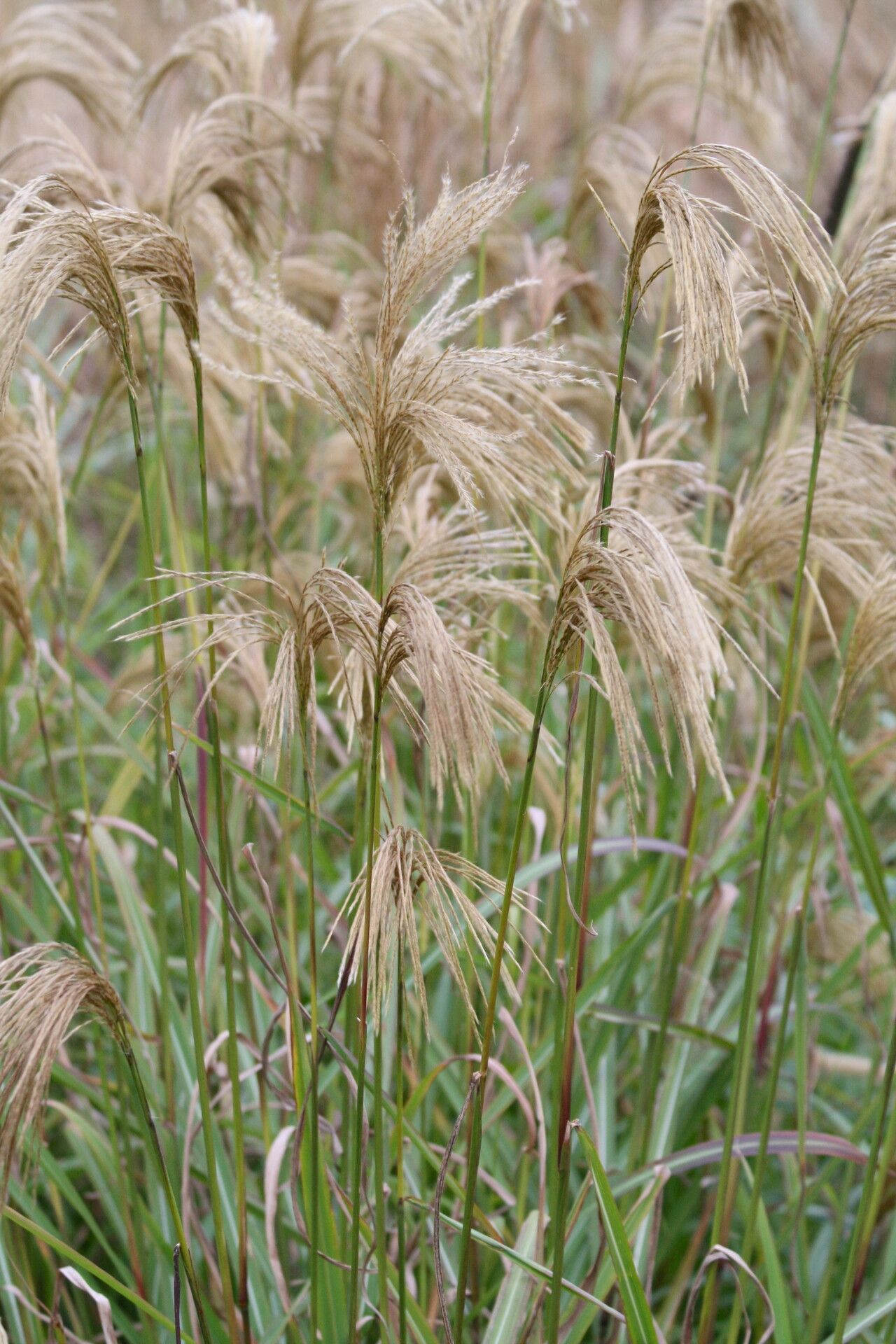
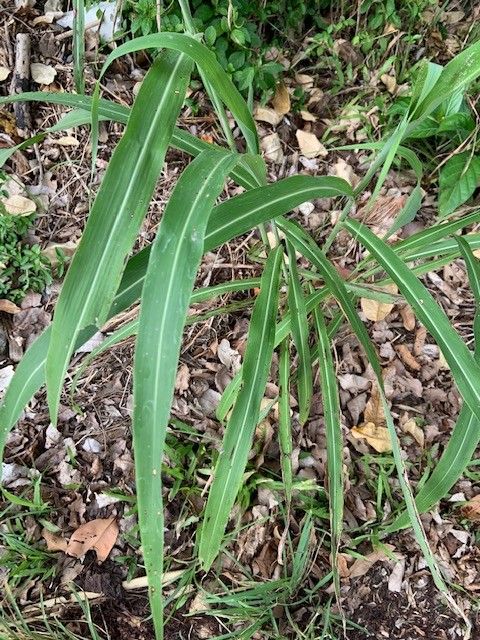
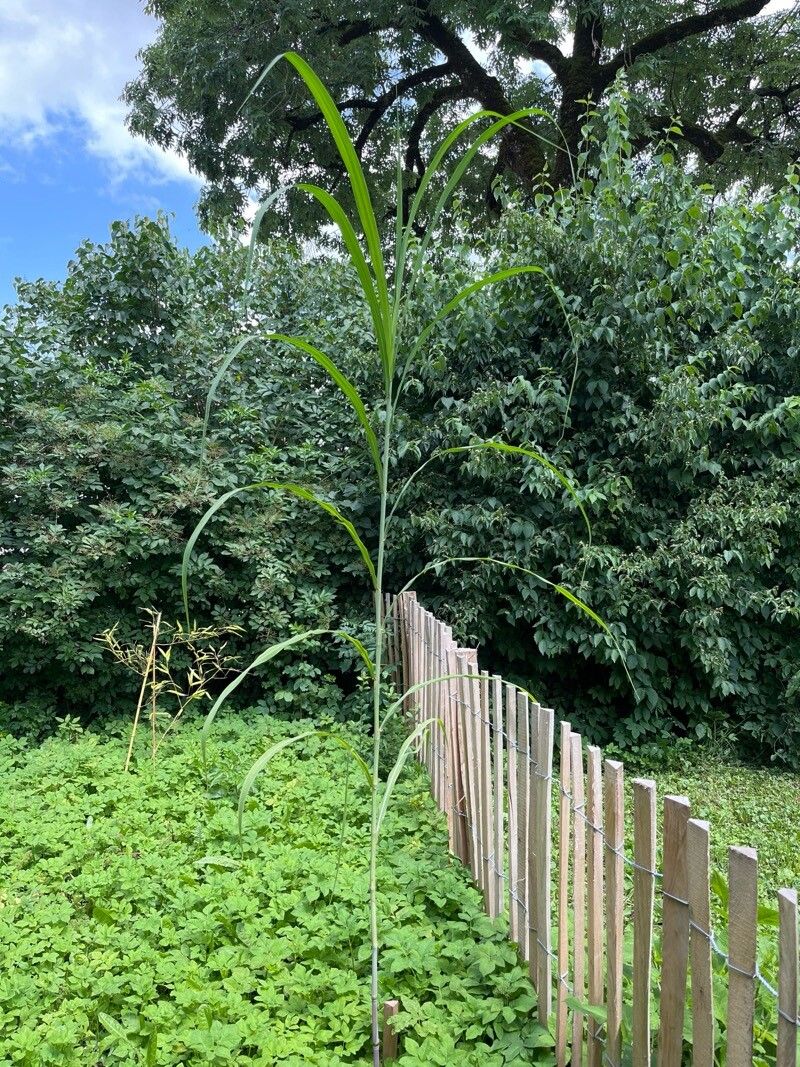
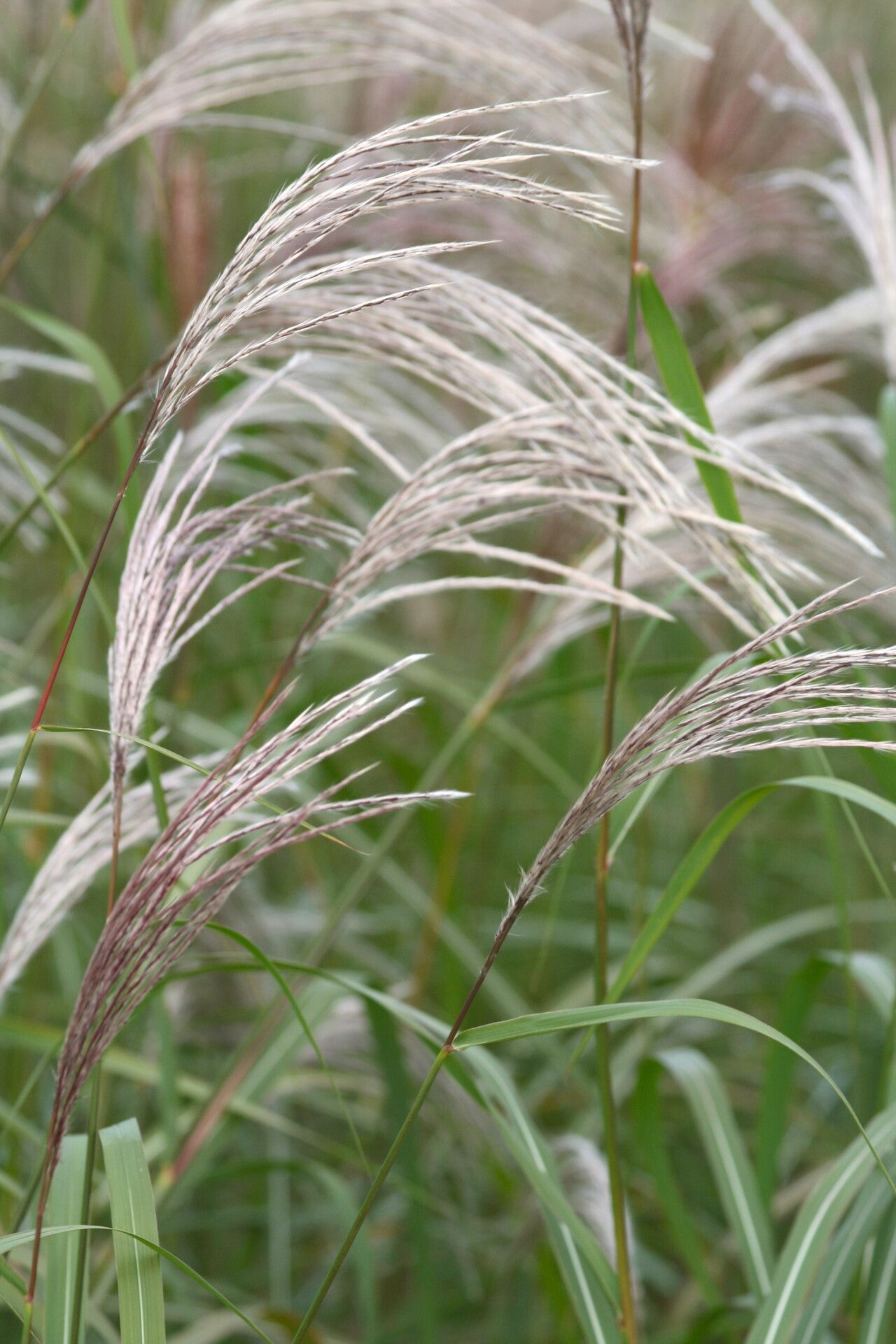
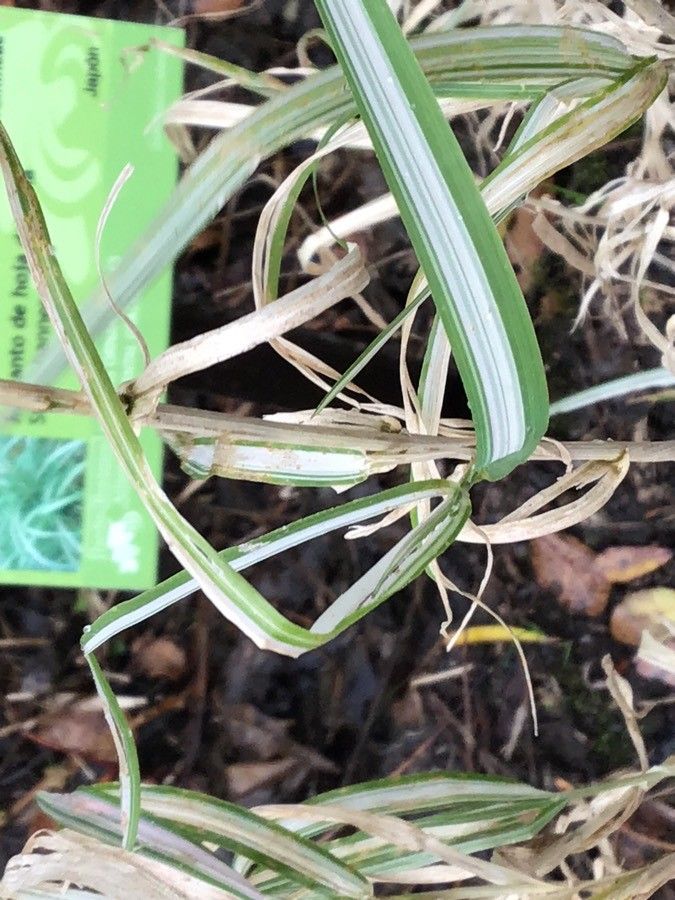
Miscanthus nepalensis, Himalayan fairy grass, is a species of flowering plant in the grass family Poaceae, native to mountain slopes in China (Sichuan, Xizang, Yunnan), Bhutan, India, Myanmar and Nepal, and introduced in Malaysia. It is found at elevations of 1,900–2,800 m (6,200–9,200 ft).This decorative, deciduous grass grows 1 m (3.3 ft) tall, with arching green blades, often turning bronze in winter. Terminal clusters of yellow spikelets appear in summer, forming seed-heads in autumn.It is grown as an ornamental for temperate gardens, where it requires a sunny position.
Himalayan fairy grass is resistant to disease and generally not prone to infections. Regarding care, this plant is fairly low-maintenance. When grown outdoors it needs only light watering, and larger specimens usually do not require pruning. Smaller specimens, however, should be trimmed after they finish blooming. Himalayan fairy grasst is suitable for anyone with an outdoor area, such as a garden or deck, and does not need extensive care experience.
How to keep Miscanthus Nepalensis.
Light
Himalayan fairy grass is a sun-loving, perennial herbaceous plant native to open habitats and commonly found in meadows and grasslands. It prefers full sun but can also tolerate partial sun.
Temperature
Himalayan fairy grass can tolerate a wide range of temperatures, yet its distribution may still be restricted by different combinations of moisture and heat. It performs best in warm summer conditions with sufficient rainfall or irrigation. Extended periods of cloudy, rainy weather or sustained high temperatures can raise the chance of Himalayan fairy grass dying. In winter, adequate protection from cold can increase the plant’s likelihood of survival.
Fertilizer
Himalayan fairy grass needs extra nutrients to encourage healthy new growth. In spring, placing compost around the plant’s base can provide the required nourishment. Fertilizing supports vigorous growth and helps the plant resist diseases and pests.
Pruning
Himalayan fairy grass is known for its graceful, arching leaves and golden plumes. To keep it healthy and looking its best, prune it once a year in early spring. Use sharp shears to cut away any damaged stems, which encourages new growth, improves air circulation, reduces the risk of disease, and helps maintain its shape. It's also important to sanitize your tools before pruning to prevent the spread of disease.
Pot & Repot
When repotting Himalayan fairy grass, select a pot 1–2 inches (2.5–5.1 cm) larger with adequate drainage. Use a well-draining potting mix. Repot in spring or fall, making sure the root ball sits slightly below the rim of the flower pot. Water thoroughly after repotting and place in a warm spot with indirect sunlight.
Botanical profile.
- Plant Type
- Grass
- Life Cycle
- Perennial
- Genus
- Miscanthus
- Family
- Poaceae
- Hardiness Zone
- 5-9
- Mature Height
- 91 cm
- Mature Spread
- 91 cm
- Leaf Color
- Green, Bronze
- Leaf Type
- Deciduous
- Flower Color
- Silver, Gold
- Bloom Time
- Late summer, Early fall, Mid fall
- Planting Time
- Summer
- Harvest Time
- Fall
- Native Area
- Nepal, India, Malaysia, Myanmar, Bhutan, Pakistan, China
Other names.
Reader questions.
What are the sunlight requirements for Himalayan fairy grass (Miscanthus nepalensis)?
Himalayan fairy grass, also known as Miscanthus nepalensis, thrives in conditions where it receives full sun, defined as more than 6 hours of sunlight daily. It's important to observe the way sunlight moves through your garden throughout the day to choose the best spots that provide a healthy balance of light and shade, ensuring the optimal growth and happiness of your plants.