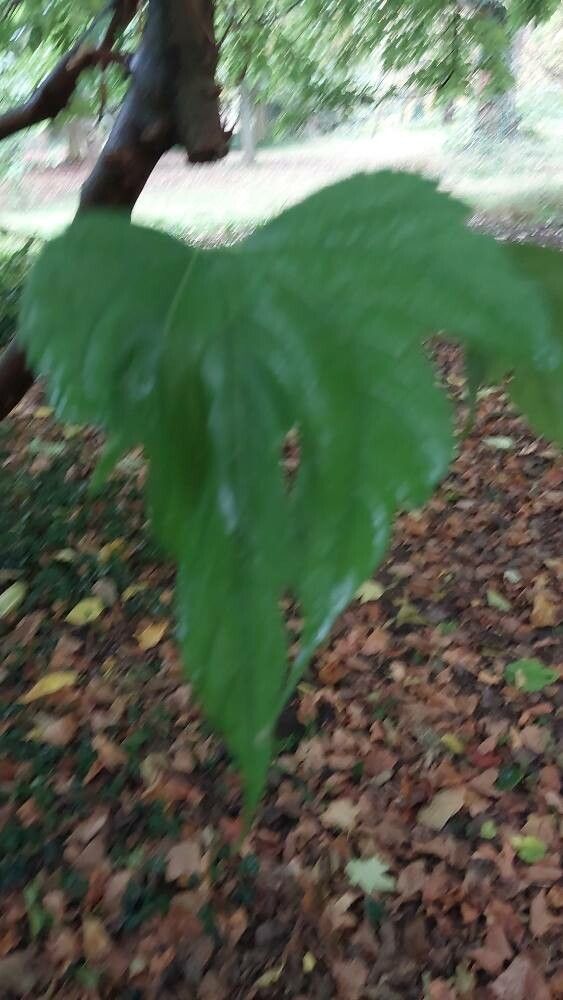
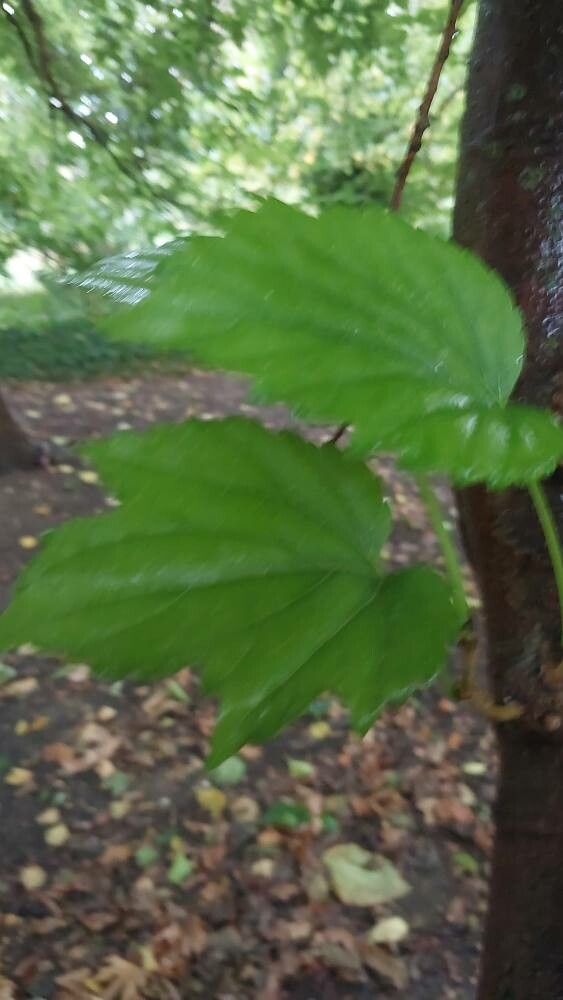
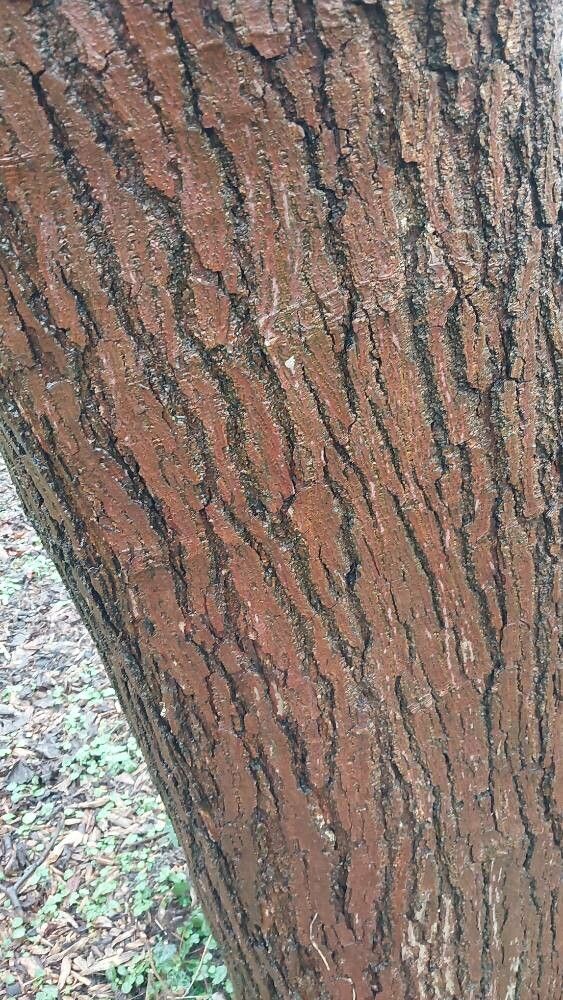
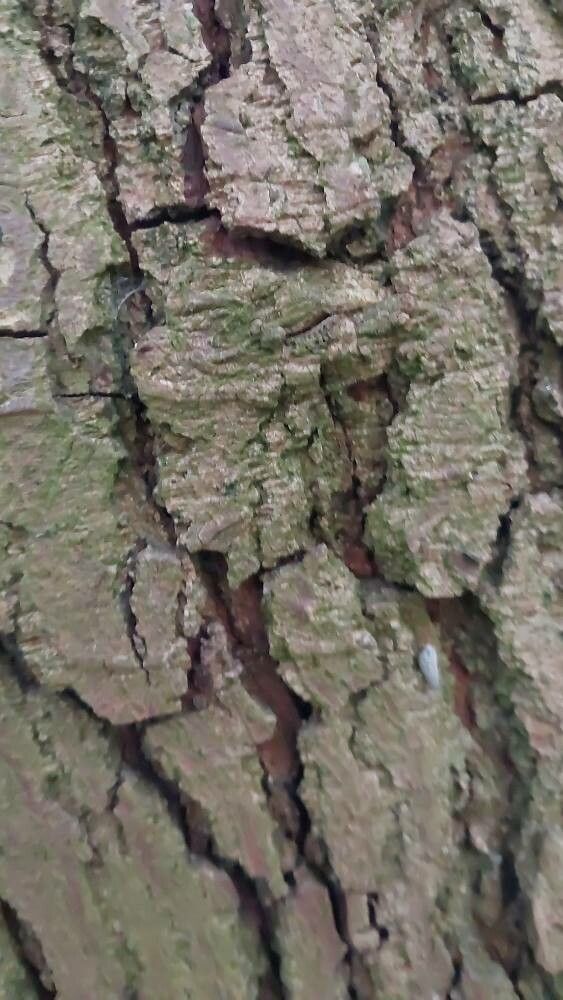
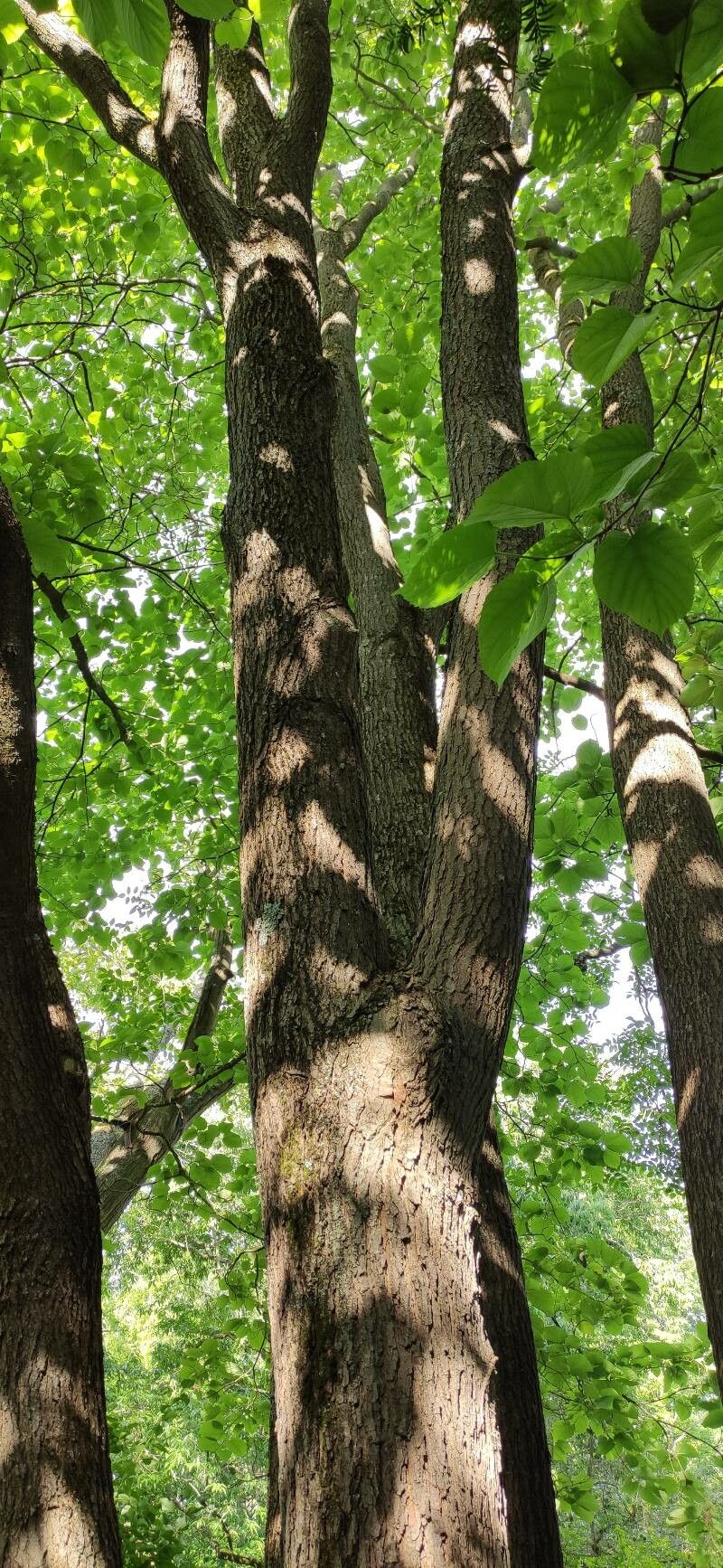
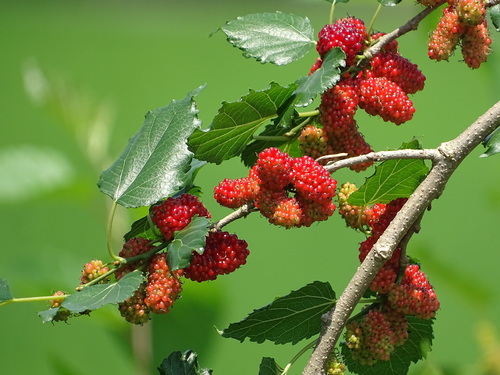
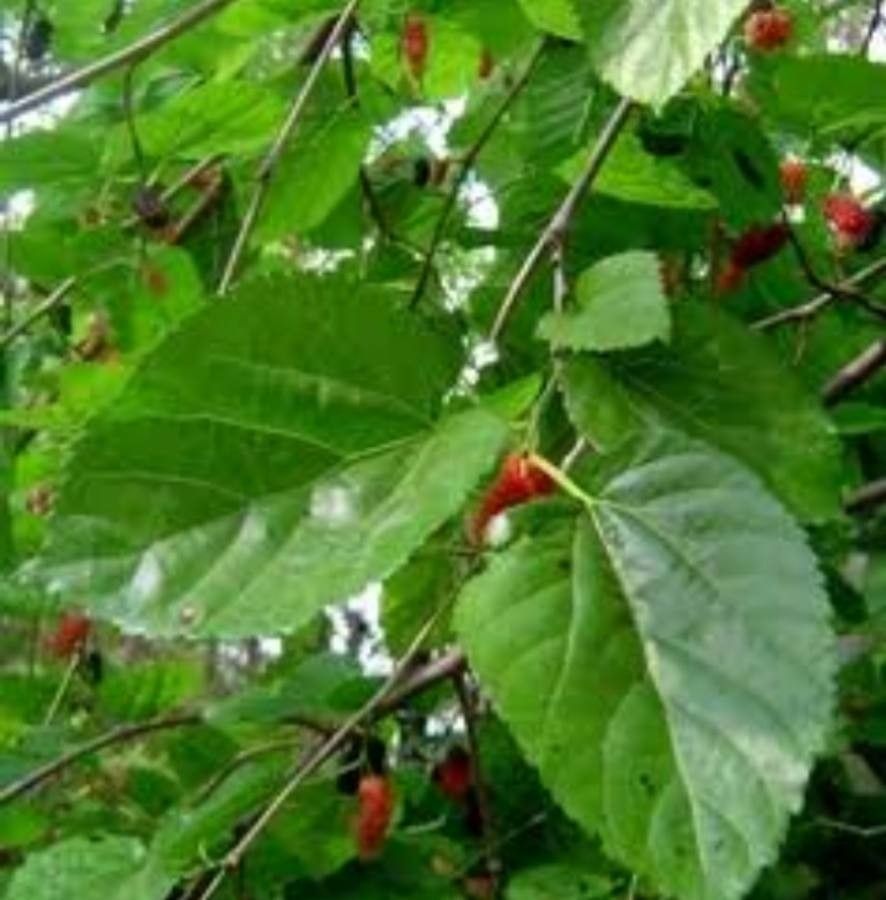
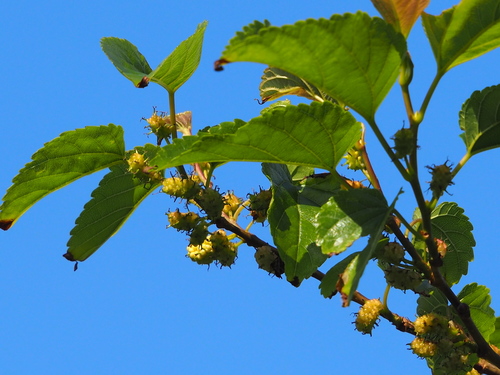
Morus cathayana or hua sang is a deciduous tree in the mulberry family Moraceae. It is native to China, Japan and Korea.
Hua mulberry is highly disease-resistant and is generally not vulnerable to illnesses. In terms of care, the plant is fairly low-maintenance. Planted outdoors it needs minimal watering, and larger plants typically do not require pruning. Smaller plants, however, should be pruned after they finish blooming. Hua mulberry is appropriate for anyone with an outdoor area, such as a garden or deck, and does not demand much care experience.
How to keep Morus Cathayana.
Light
Hua mulberry is native to open habitats, such as sunny meadows and forest margins, which provide plentiful light. It does best in Full Sun but can also tolerate Partial Sun, adapting well to a range of sunlight conditions.
Water
The Hua mulberry flourishes in humid environments with consistent moisture, ideally receiving regular watering twice a week. Although it can endure short periods of dryness, rainwater greatly boosts its growth by providing natural irrigation and essential nutrients. This makes the plant ideal for outdoor cultivation with an emphasis on its foliage.
Temperature
Hua mulberry is highly adaptable to a range of climates, enduring both very hot summers and cold winters. Nonetheless, it has an optimal temperature range for growth. If temperatures rise too high, the plant can suffer from heat and humidity stress, which may lead to its death. In locations where temperatures approach the lower limit of its cold tolerance, providing insulation to protect the plant is important.
Fertilizer
The Hua mulberry needs adequate nutrients to produce fruit optimally. Apply fertilizer in early spring to support new growth and flower development. Regular fertilization keeps the plant healthy, promotes tastier fruit, and prevents nutrient deficiency problems such as yellowing leaves and reduced fruit production.
Pruning
The Hua mulberry is a fast-growing deciduous tree with heart-shaped leaves. To keep it healthy, prune the tree in early spring. Remove any dead or diseased branches, and trim crossing limbs to improve its shape and enhance air circulation. Be sure to use clean, sharp tools for precise cuts to prevent damage and reduce the risk of disease.
Botanical profile.
- Plant Type
- Tree, Shrub
- Life Cycle
- Perennial
- Genus
- Morus
- Family
- Moraceae
- Hardiness Zone
- 5-9
- Mature Height
- 14.94 m
- Mature Spread
- 3.05 m to 7.62 m
- Leaf Color
- Green, Dark Green
- Leaf Type
- Deciduous
- Flower Color
- Green
- Flower Size
- 3.05 cm to 5.08 cm
- Bloom Time
- Mid spring, Late spring
- Planting Time
- Spring
- Harvest Time
- Summer
- Native Area
- Vietnam, Japan, Koppen, Laos, South Korea, China
Other names.