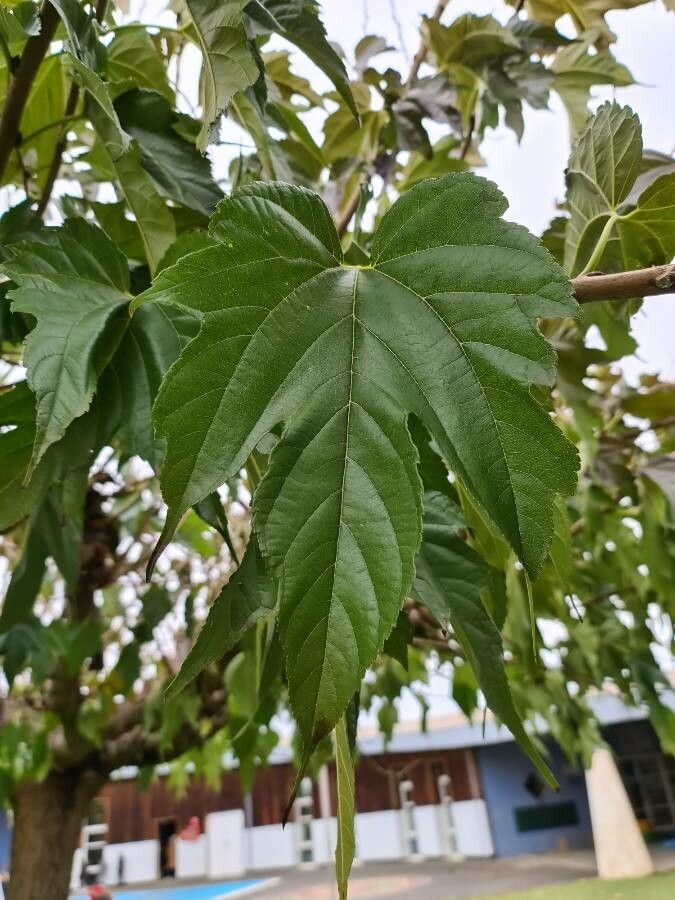
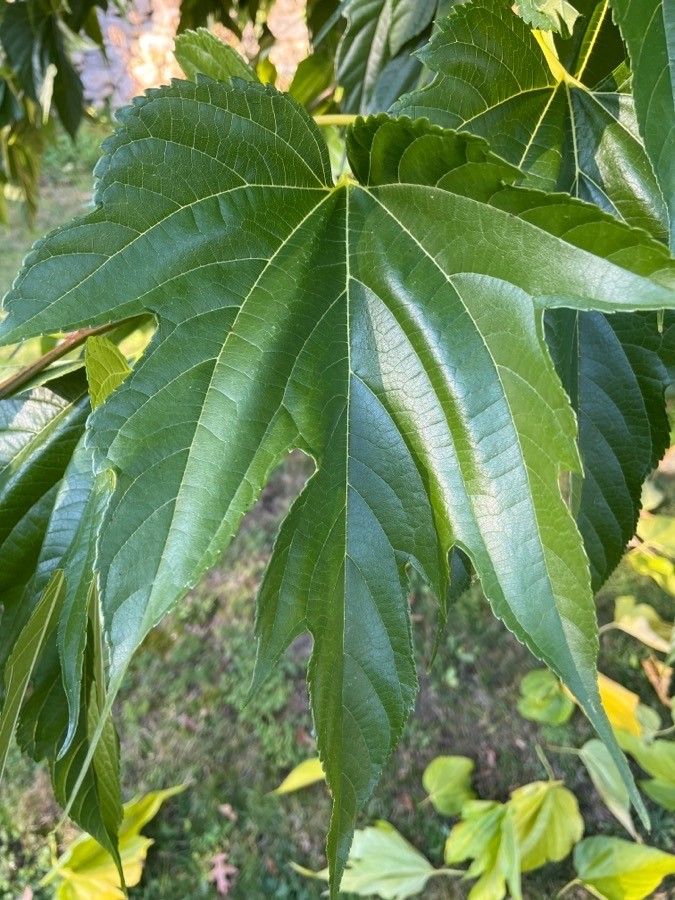
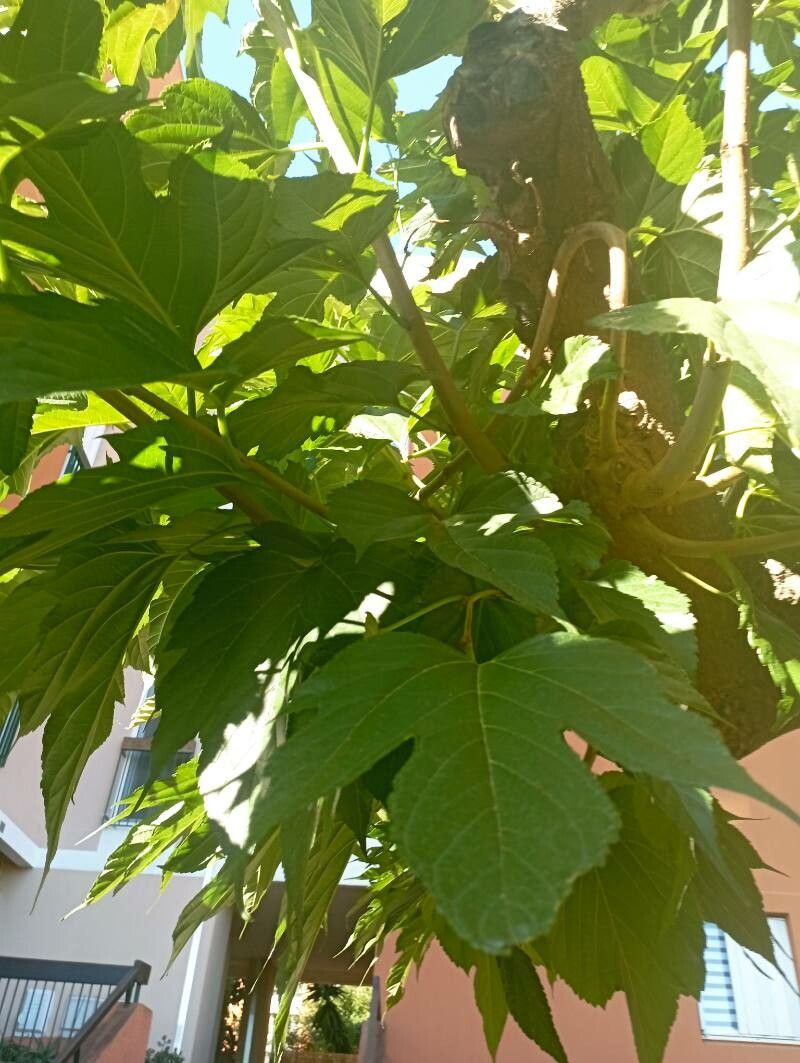
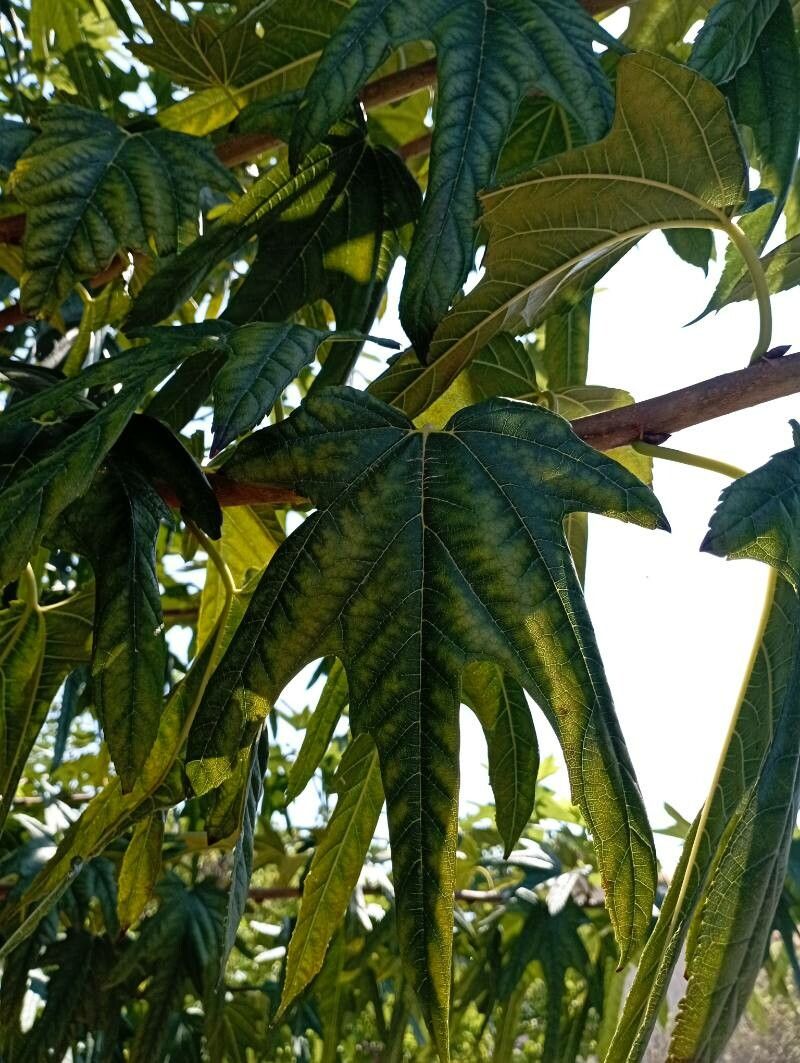
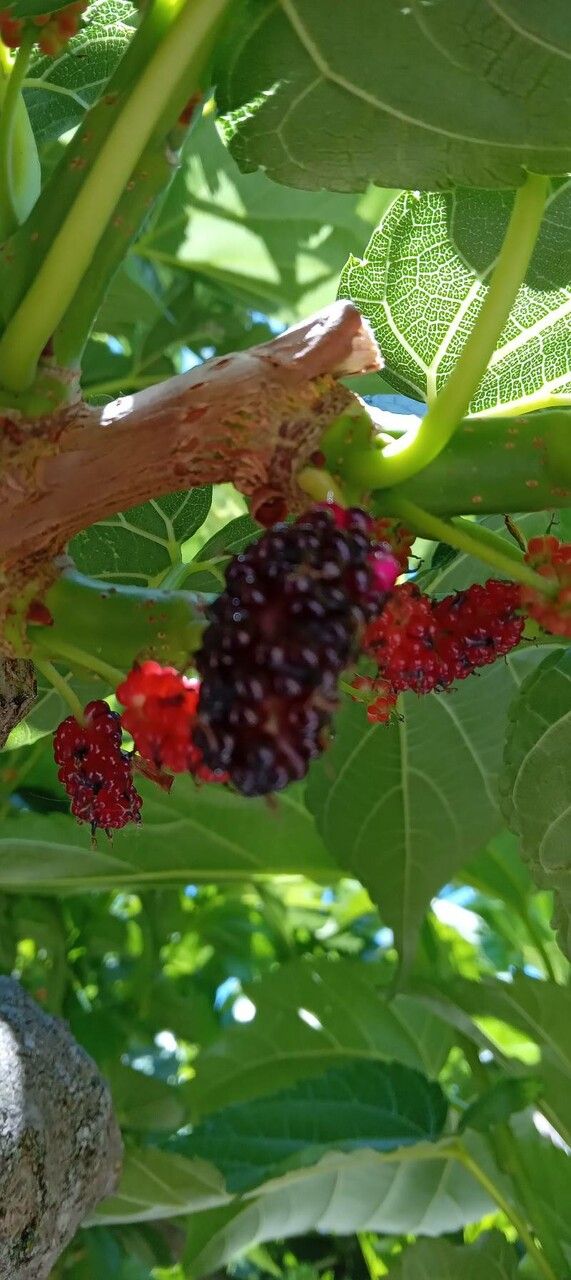
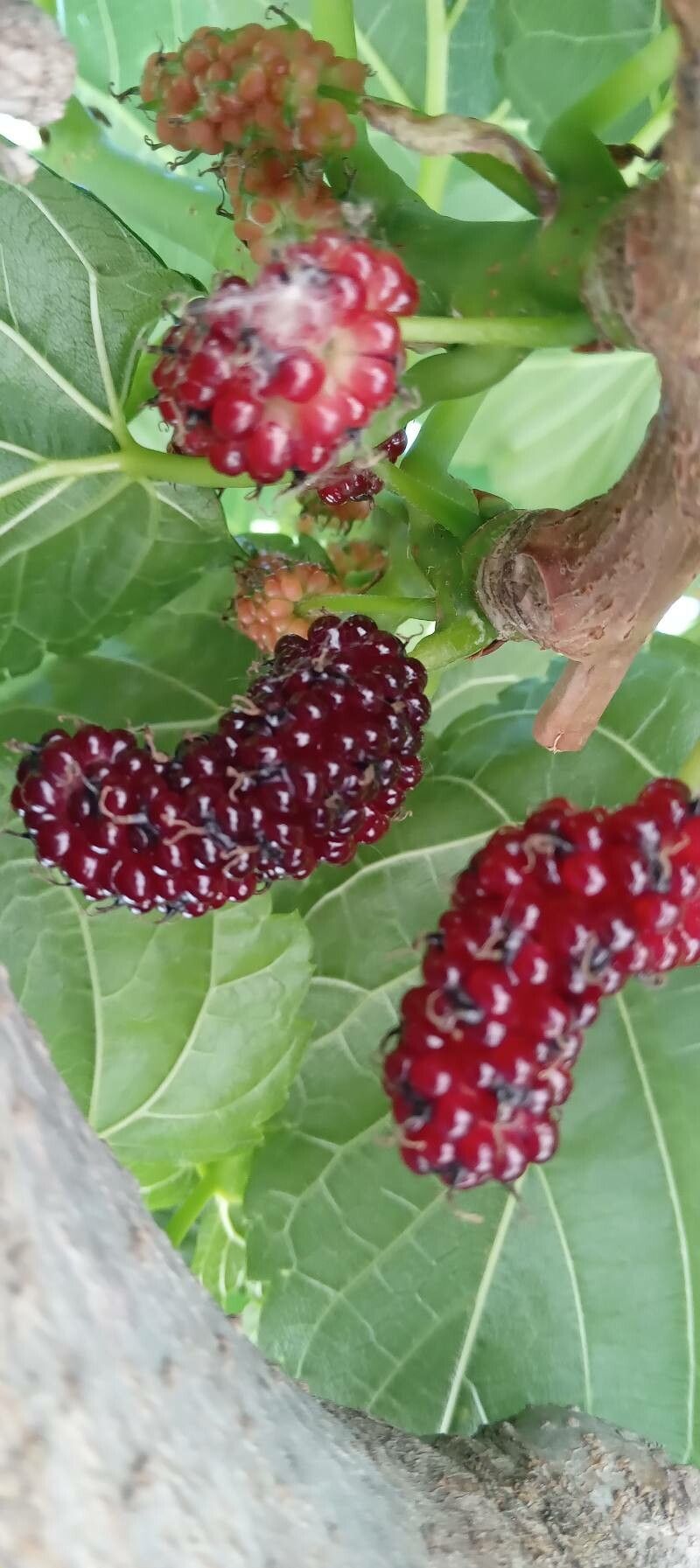
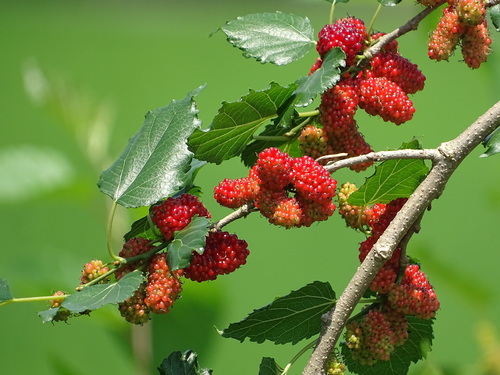
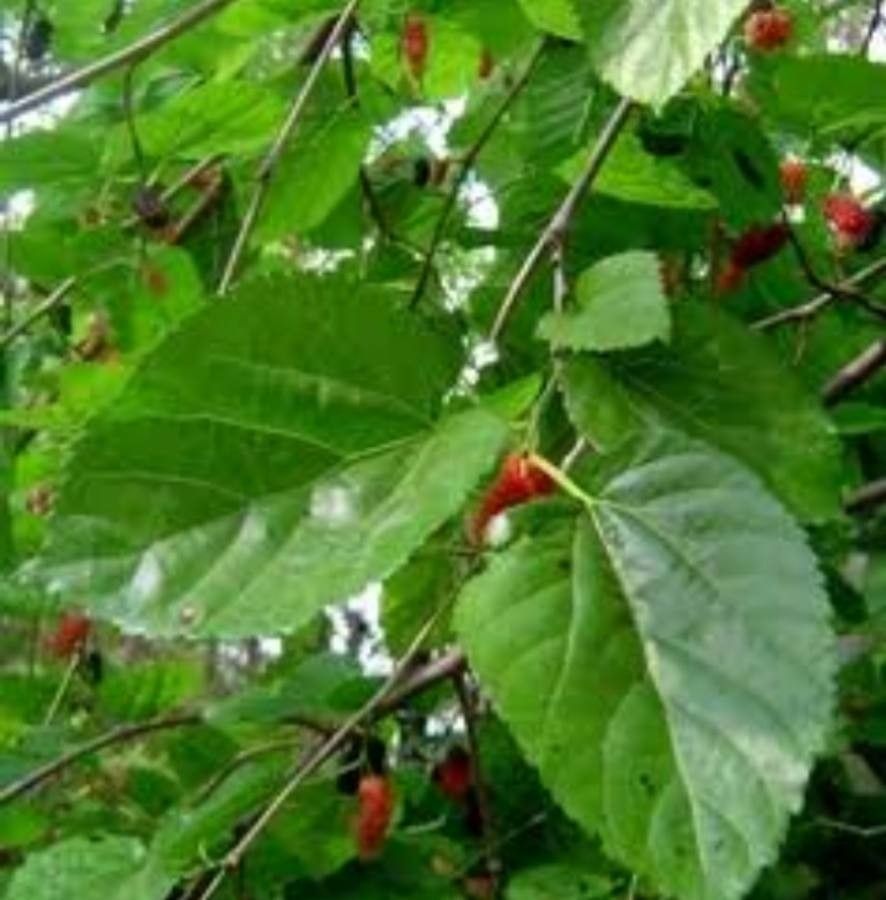
Mulberry (Morus) is a medium-sized deciduous tree that produces tiny, sweet but messy fruits throughout the summer. This tree is found in two species in North America: the red mulberry (Morus rubus), which is native to eastern North America, and the white mulberry (Morus alba), which is endemic to China but has become widely naturalized in North America. Both the red and white species, as well as any hybrids, have dark green leaves with serrated edges and berries that resemble blackberries. Because white mulberry is a prolific spreader and hybridizer, the trees staining sidewalks and roadways with its fruit are most likely of this species or a hybrid version. Mulberry leaves and unripe fruit contain a latex that is somewhat harmful to humans.
How to keep Morus Kagayamae.
Water
Water your mulberry tree thoroughly and frequently after planting it to help it create a robust root system—two to three gallons per week is suggested for the first year. Mulberry trees are drought-tolerant once planted, yet prolonged dry weather might cause a decline in fruiting or the early dropping of immature berries.
Temperature
Most mulberry trees are cold-hardy, with temperatures as low as minus 25 degrees Fahrenheit (-3 degrees Celsius) during dormancy, depending on the species. They yield the most fruit in areas with growing-season temperatures ranging from 68 to 86 degrees Fahrenheit (20 to 30 degrees Celsius).
Fertilizer
Mulberry trees normally perform well without fertilizing, but an annual treatment might be beneficial. Feed your tree once in late winter, using a balanced 10-10-10 fertilizer combination and 1 pound of fertilizer for every inch of trunk diameter.
Pruning
This tree does not require routine trimming, but damaged or crossed shoots should be trimmed away in late autumn or winter while the tree is dormant to reduce sap loss.
Botanical profile.
- Plant Type
- Tree/Shrub
- Genus
- Morus
- Family
- Moraceae
- Hardiness Zone
- 4-8
- Bloom Time
- March to April
- Native Area
- China (Morus alba) Southwest Asia Morus (Morus nigra) North America (Morus rubra) Southeast Asia (Morus australis)
Other names.