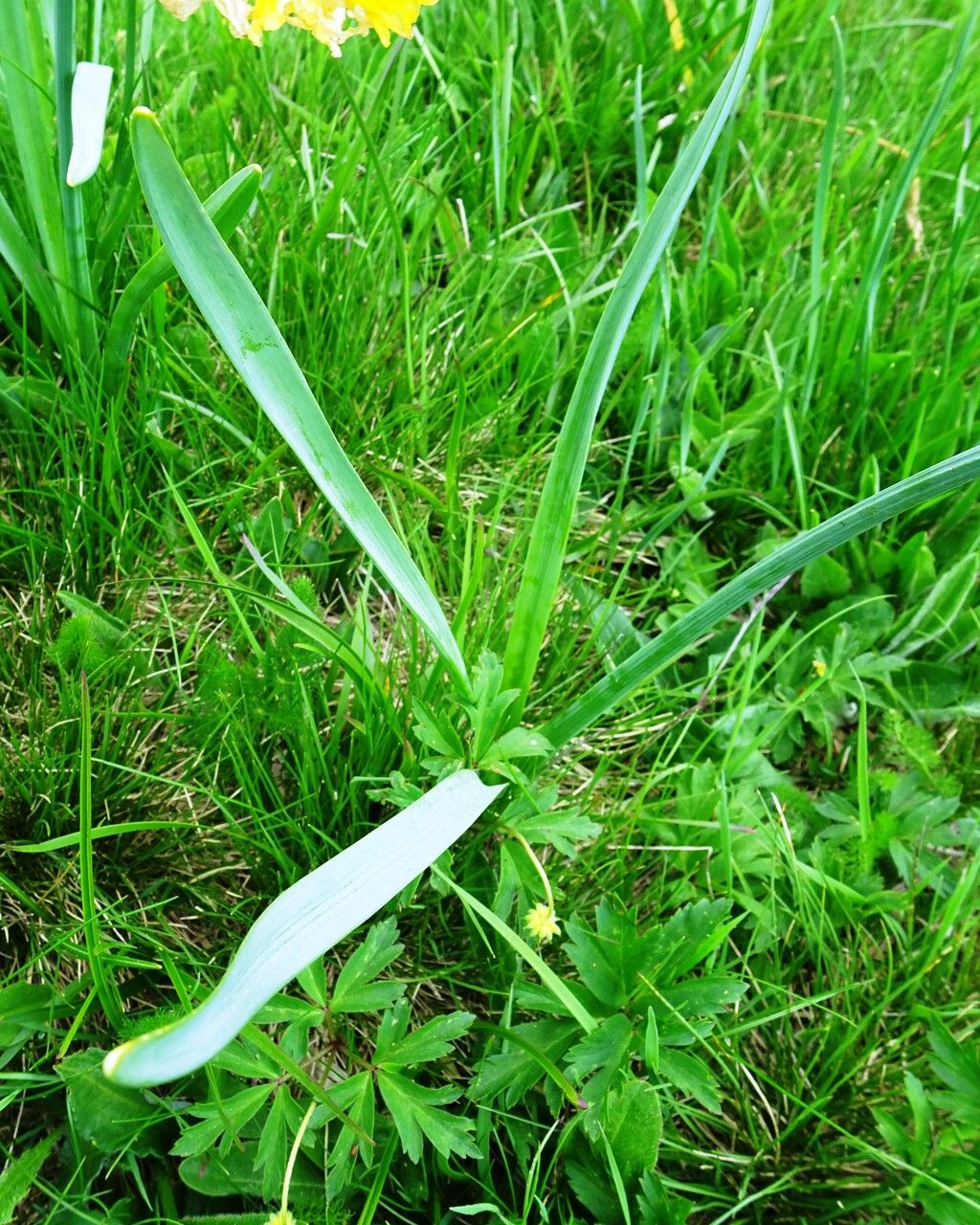
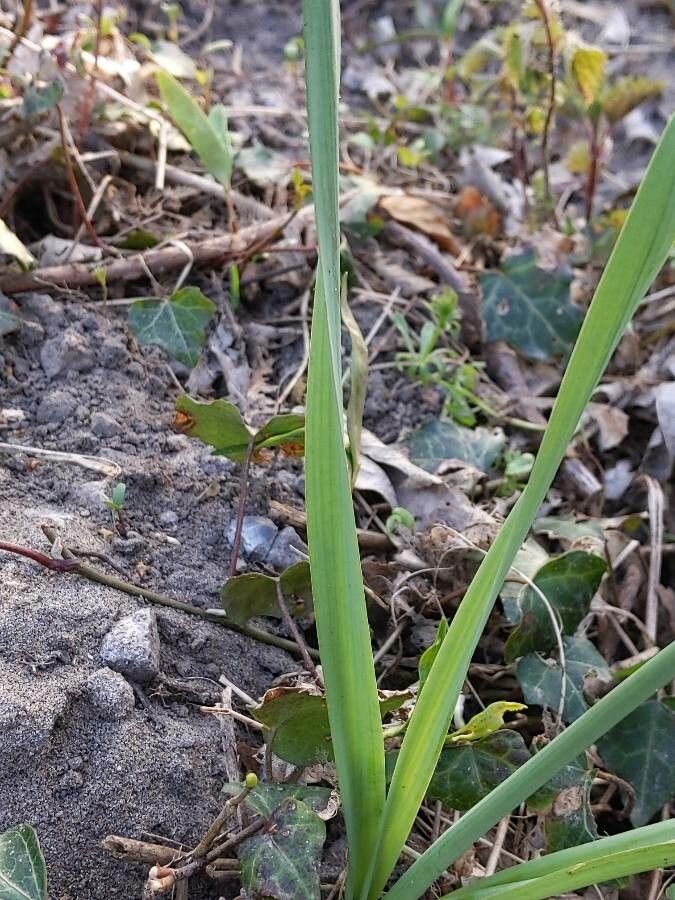
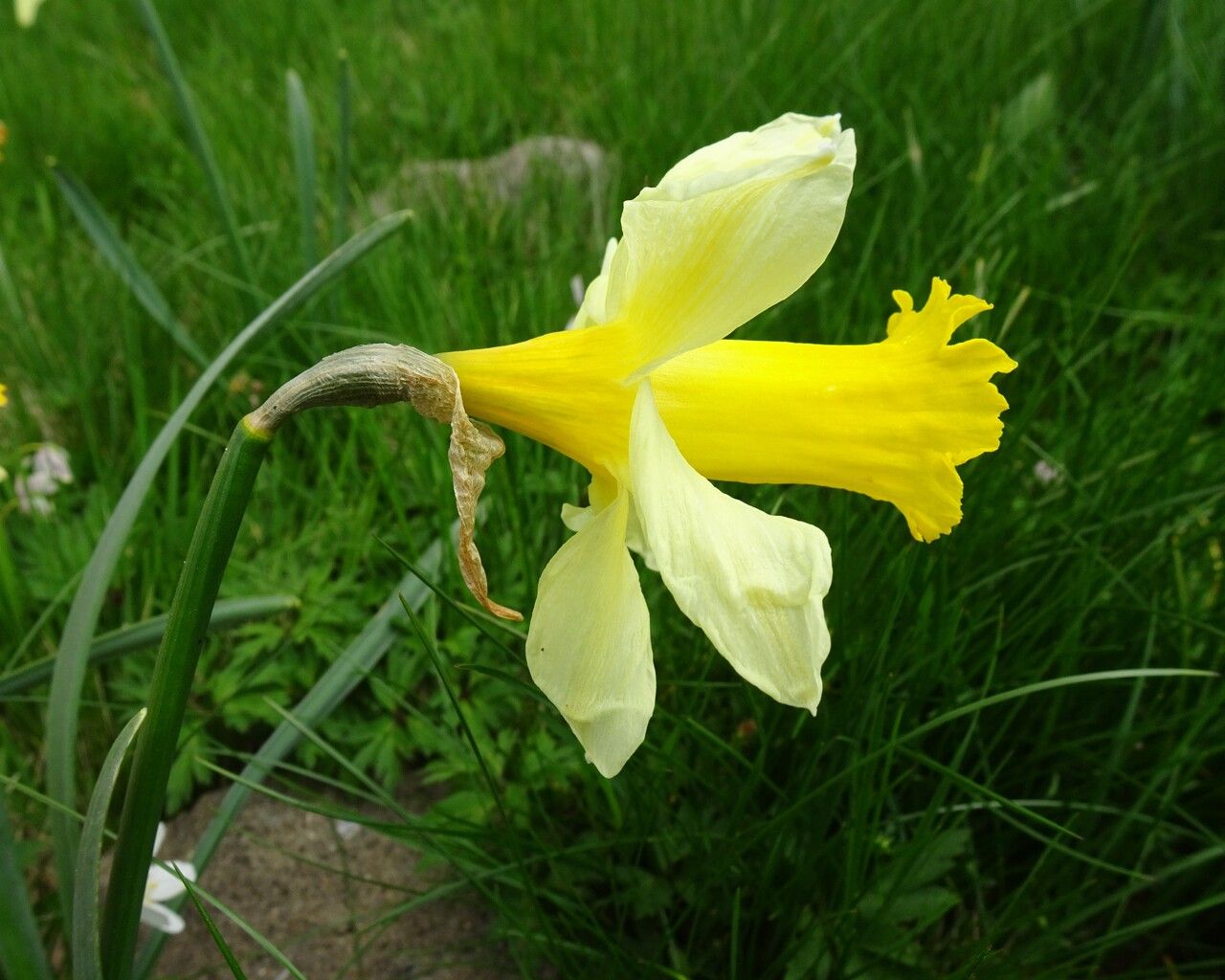
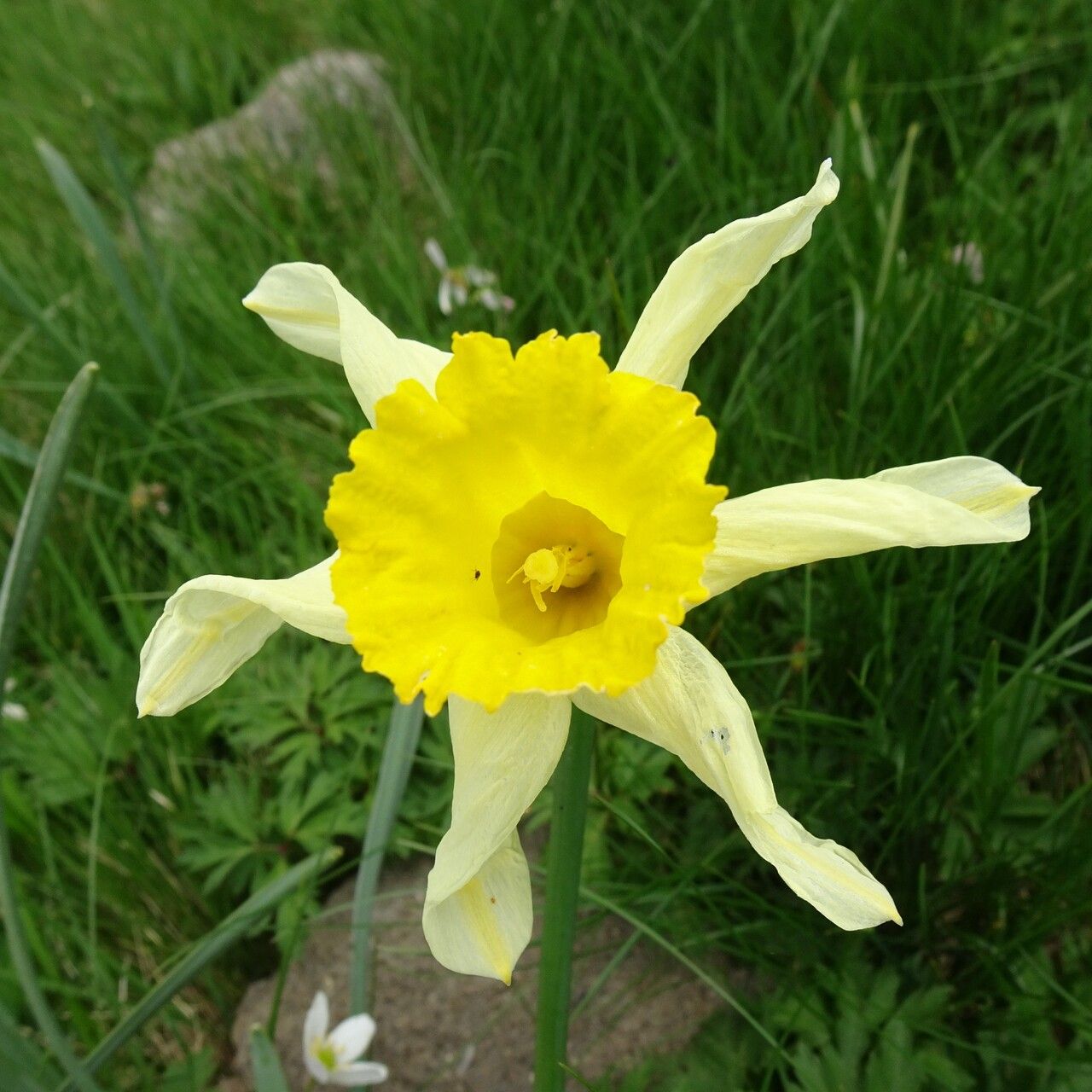
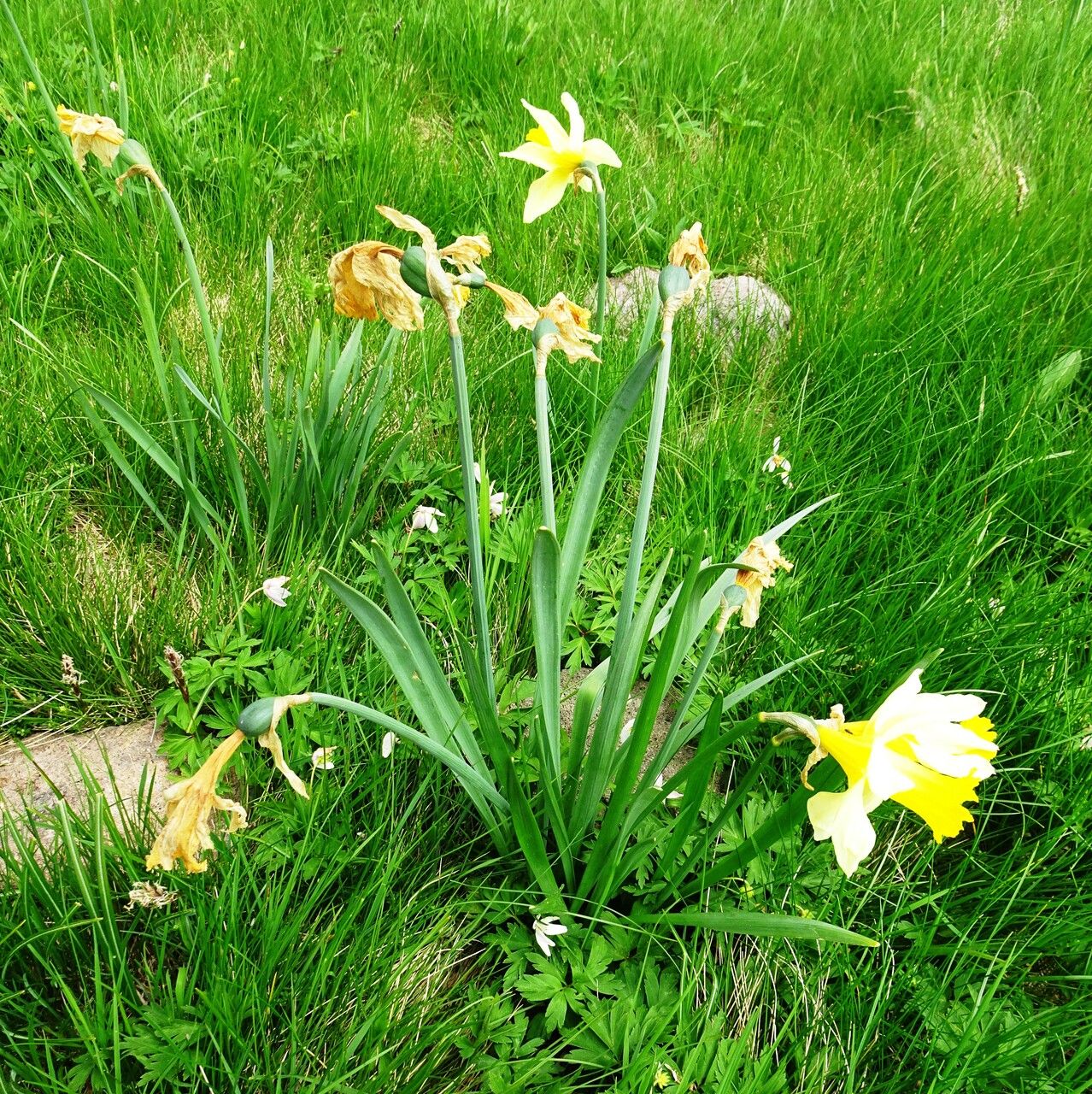
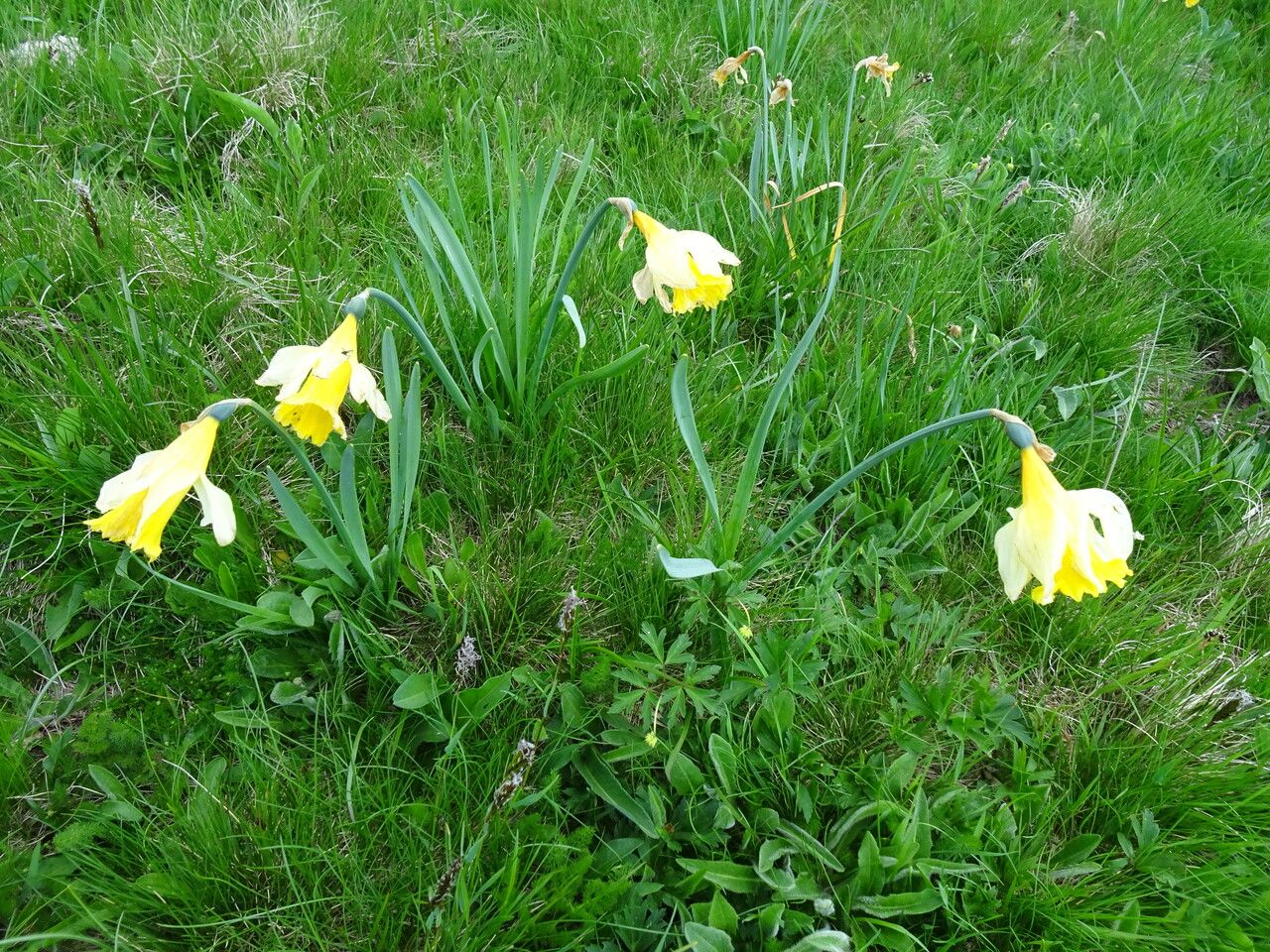
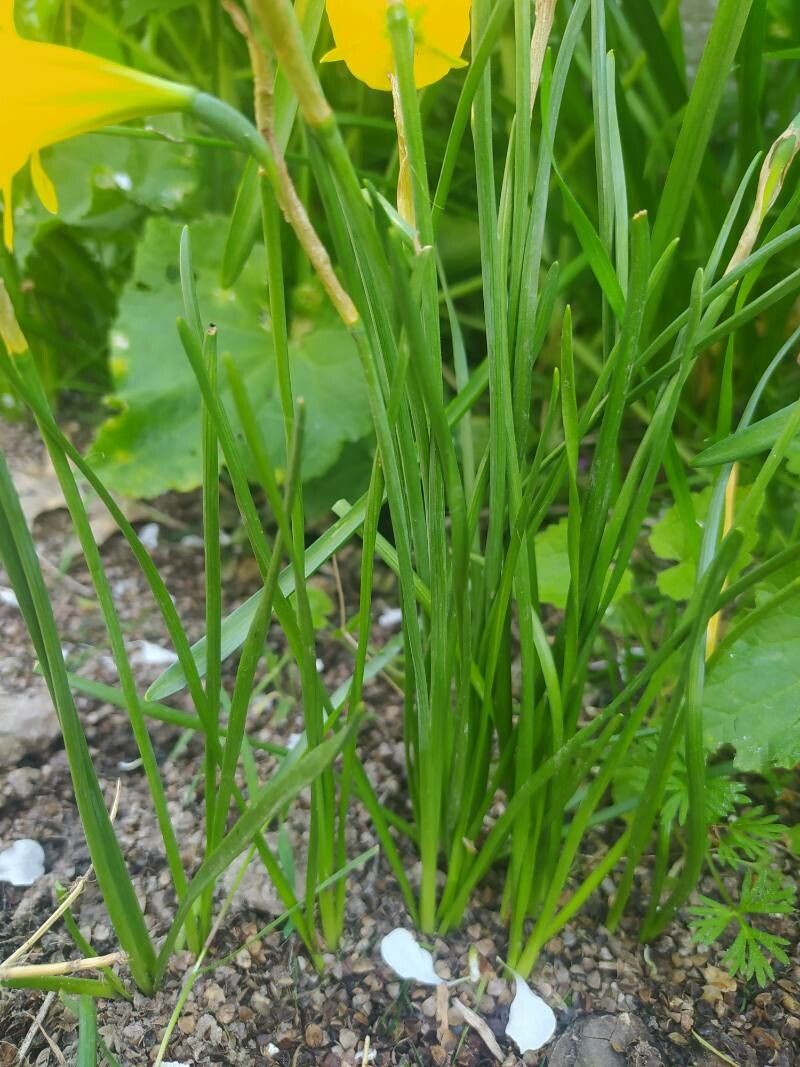
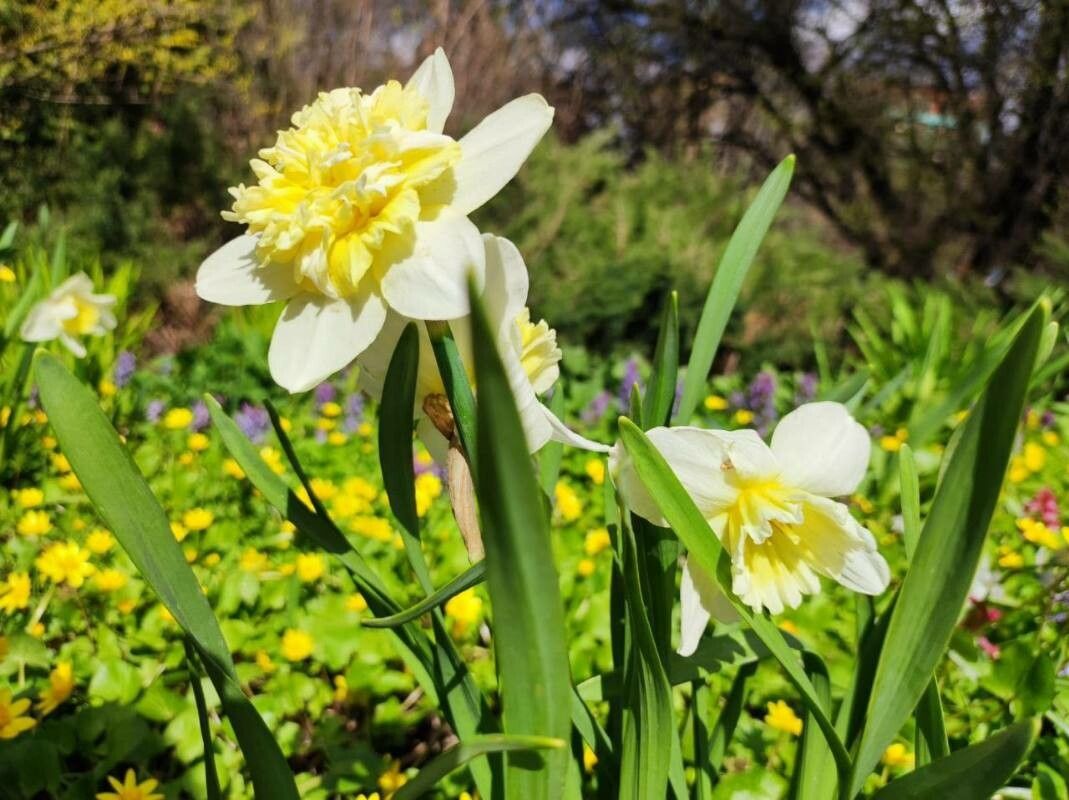
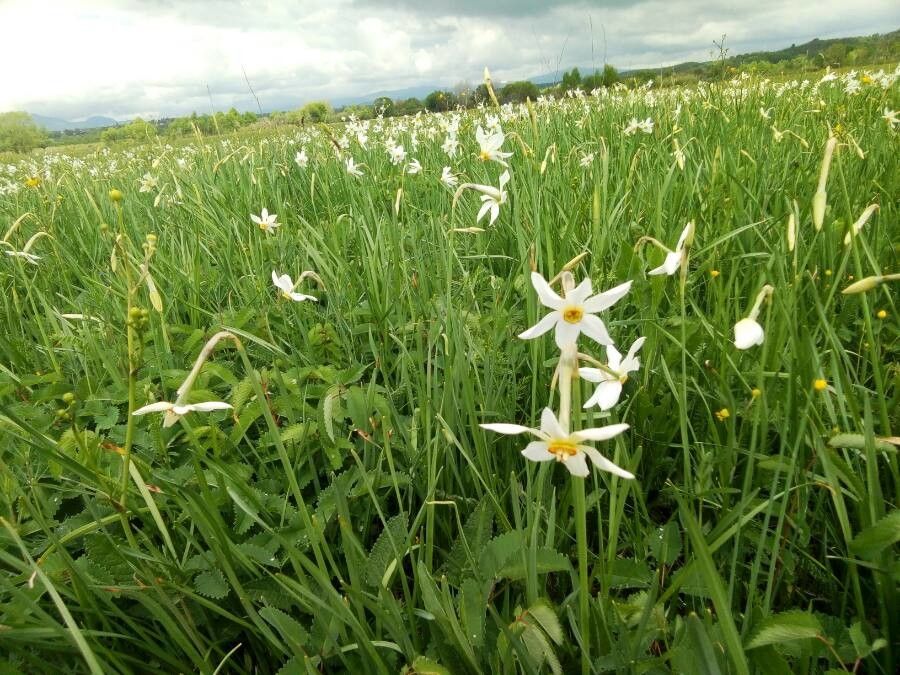
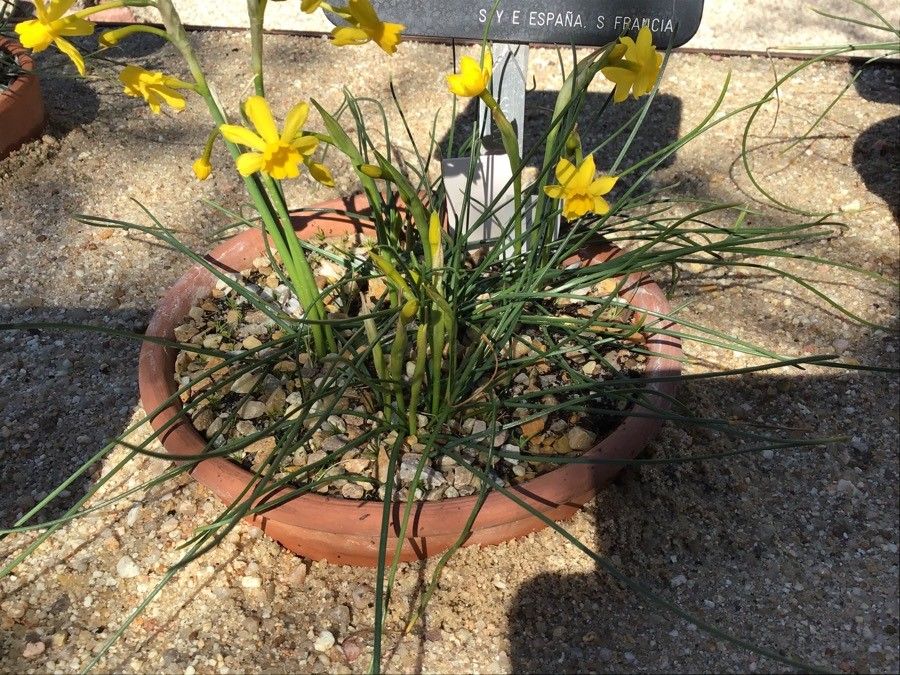
Narcissus bicolor is a perennial bulbous plant belonging to the Amaryllidaceae family, commonly known as the two-colored daffodil due to its distinct flower structure. Growing up to 30 cm in height, this plant produces one or two flowers per stem. The flowers are white with a yellow or orange-red cup in the center, giving them their unique bi-colored appearance.
Native to Portugal and Spain, Narcissus bicolor can also be found in other parts of Europe and North Africa. It thrives in well-drained soil and full sun exposure but can also tolerate partial shade.
Blooming from late winter to early spring, Narcissus bicolor is an excellent addition to any garden or landscape design, providing vibrant early-season color. It is also popular in cut flower arrangements for its long-lasting blooms.
Overall, Narcissus bicolor is an attractive and easy-to-grow plant that adds beauty and interest wherever it is planted.
The two-coloured daffodil is fairly resistant to disease and generally not prone to illnesses. However, it can be vulnerable to pests and diseases present in its surroundings. Such infections are typically not serious. As for care, this plant requires moderate maintenance. It should be pruned regularly to keep a neat appearance and support healthy growth. Fertilizing can also help encourage flowering. The two-coloured daffodil is suitable for anyone with outdoor space, like a garden or patio, and does not demand extensive care experience. It may need more attention when grown indoors.
How to keep Narcissus Bicolor.
Light
The bi-coloured daffodil is a perennial herbaceous plant that prefers the sun, and it originates from open environments, frequently flourishing in meadows and grasslands. While it has a preference for complete sunlight, it can also withstand conditions with partial sun.
Water
The two-colored daffodil thrives in well-drained soil and needs weekly watering to stay healthy. It adapts well to moderate moisture and seasonal rains in temperate zones, which provide the necessary hydration without the risk of waterlogging.
Temperature
The Two-coloured daffodil is capable of acclimatizing to a broad spectrum of thermal situations, yet its dispersion could still be constrained by varying mixtures of water and thermal circumstances. They flourish optimally in hot weather during the summer provided there is sufficient rain or irrigation. Extended spells of overcast and rainy conditions, along with sustained high temperatures, can escalate the chances of the Two-coloured daffodil perishing. When given the right protection against chill during wintertime, the vegetation's survival likelihood can be augmented.
Fertilizer
The optimal period to apply fertilizer to a Two-coloured daffodil is in the onset of spring, when it transitions from a dormant state to an actively growing phase. The process of fertilization supplies essential nutrients that assist in promoting a healthy growth. Even though the fertilizer requirement for Two-coloured daffodil is comparatively low, providing it with fertilizer on an annual basis can help improve its longevity and encourage the growth of more robust, enduring flowers.
Pruning
The two-colored daffodil showcases beautiful bi-colored blooms. To ensure healthy growth, make sure to remove spent flowers and dead leaves after they finish blooming in the spring. Avoid cutting back the green foliage until it naturally turns yellow. By pruning later in the spring, you can improve airflow and reduce the risk of diseases. Additionally, regular deadheading helps extend the blooming period.
Pot & Repot
For two-colored daffodils, repot them every 2-3 years during their dormant phase after blooming. Use a deep container to allow for proper root growth, and place it in a location with bright, indirect light. Ensure moderate watering and good drainage, as these are essential for the plant's recovery and overall health.
Botanical profile.
- Plant Type
- Herb
- Life Cycle
- Perennial
- Genus
- Narcissus
- Family
- Amaryllidaceae
- Hardiness Zone
- 4-8
- Mature Height
- 49 cm
- Mature Spread
- 10 cm
- Leaf Color
- Green, Gray, Variegated
- Leaf Type
- Deciduous
- Flower Color
- Yellow, White
- Flower Size
- 5.08 cm to 6.35 cm
- Bloom Time
- Early spring, Mid spring
- Planting Time
- Spring
- Harvest Time
- Late spring, Early summer
- Native Area
- Spain, France
Other names.
Reader questions.
What are the sunlight requirements for a two-coloured daffodil?
A two-coloured daffodil, or Narcissus bicolor, thrives in different levels of sunlight. For optimal growth, it requires full sun, which is above 6 hours of direct sunlight daily. It can also flourish in partial sun, defined as about 3-6 hours of sunlight each day. It's essential to observe how sunlight moves through your garden, selecting locations that offer a perfect balance of light and shade. This careful placement ensures the daffodil's happiness and health.