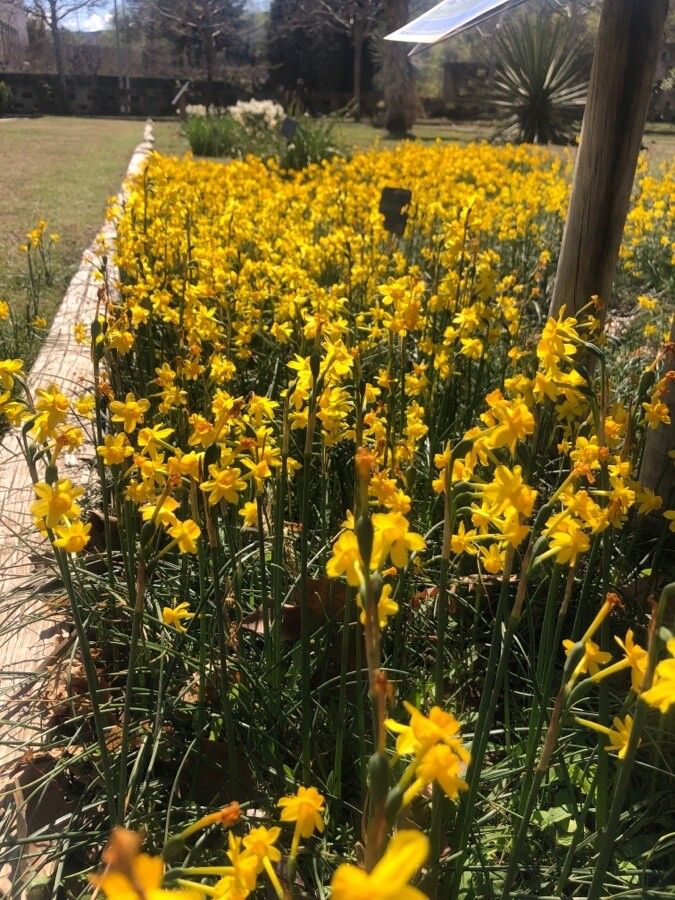
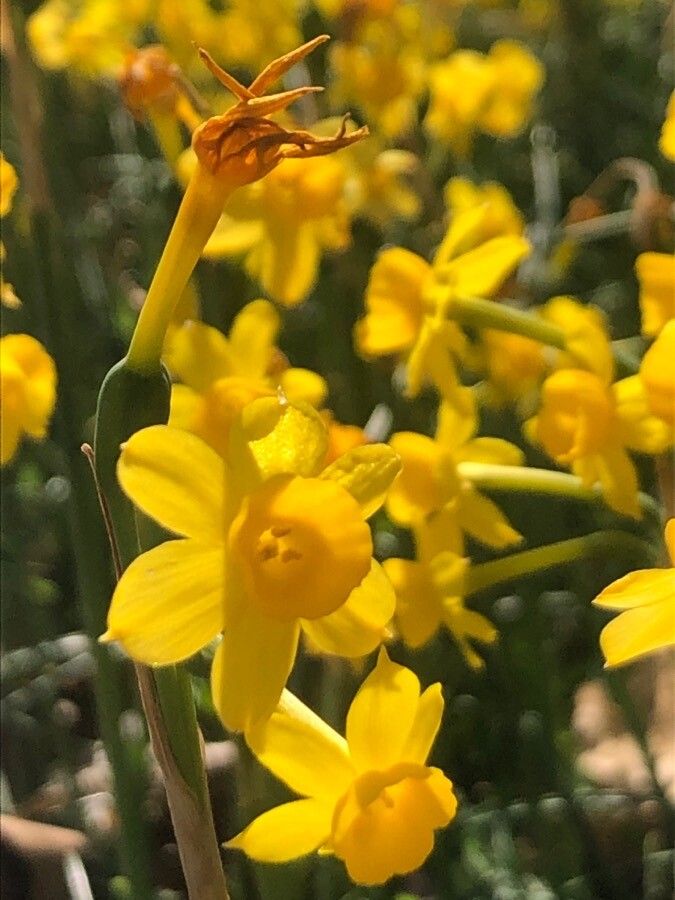
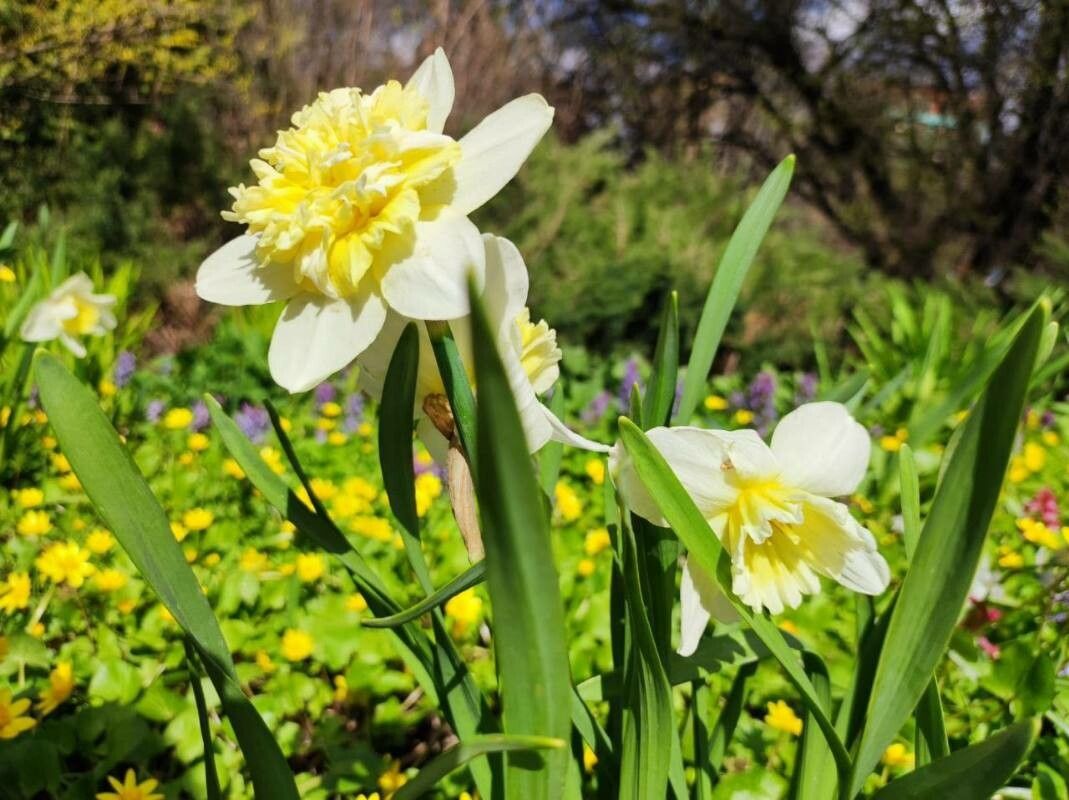
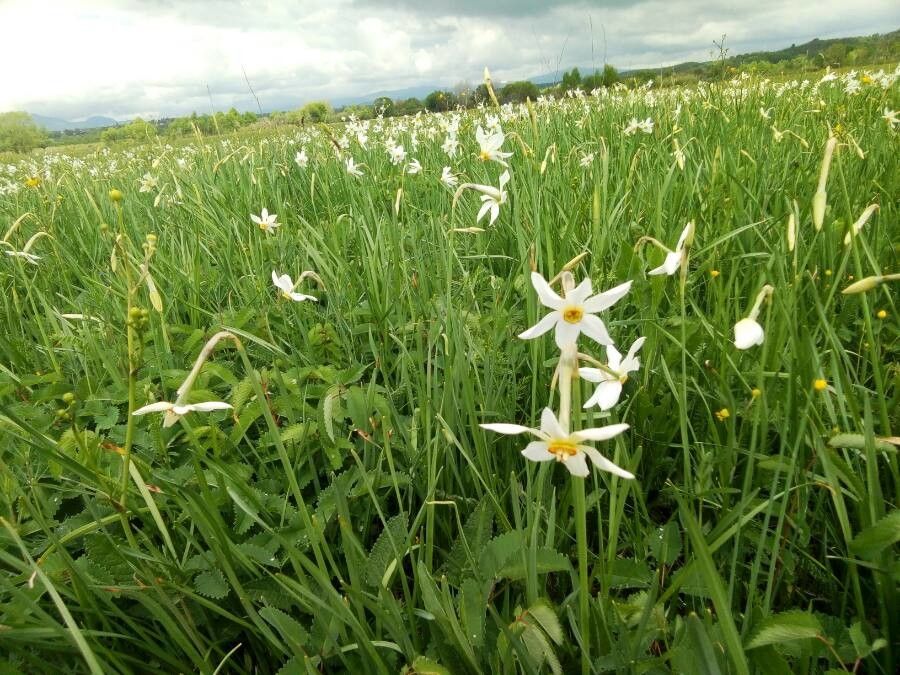
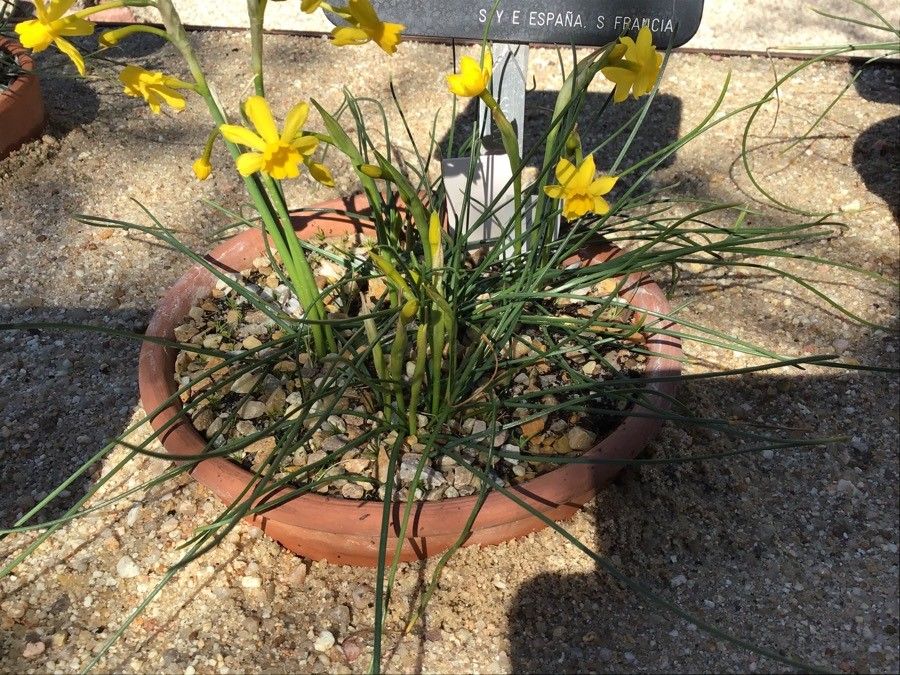
Daffodil has strong disease resistance and is generally not prone to illnesses. Still, it can be affected by pests and diseases present in its surroundings. These problems are usually not severe. Regarding care, this plant requires moderate maintenance. It should be pruned regularly to preserve a good appearance and healthy growth. Fertilizing can also help encourage flowering. Daffodil is suitable for anyone with outdoor space, such as a garden or patio, and does not demand much experience in care. It may need additional attention when grown indoors.
How to keep Narcissus Flavus.
Light
The daffodil is a sun-loving, herbaceous perennial native to open habitats and commonly does well in meadows and grasslands. It favors full sun but can also tolerate partial sun.
Water
Daffodils thrive in meadows with moderate moisture, requiring weekly watering. As bulbous perennials, they need more irrigation during their active growth period but less during dormancy, which highlights their drought-resistant nature. Consistent watering without overdoing it is essential for optimal growth.
Temperature
Daffodil possesses the capability to adjust to various temperature conditions. However, the mix of heat and water conditions may still impose limitations to its geographical spread. It flourishes optimally in temperate climates during the summer, given sufficient rain or irrigation. Long periods of overcast or damp weather, along with extended high temperatures, can heighten the chances of the Daffodil's demise. During the winter months, appropriate safeguarding against the cold can enhance the plant's chances of surviving.
Fertilizer
The optimal period to supply nutrients to a Daffodil is during the early days of spring, when it transitions from being dormant to a phase of vigorous growth. It's through fertilization that crucial nutrients are offered for sound development. Regardless of the Daffodil's minimal demands for fertilization, yearly nutrient supply could improve its lifespan and stimulate the production of superior, more durable flowers.
Pruning
To help daffodils thrive, it's important to prune them properly. In early spring, cut back the spent stems to boost the energy of the bulbs. Later, remove any yellowing leaves to enhance energy storage for blooming. Pruning not only improves the plant's appearance but also promotes healthy growth. Be sure to use clean, sharp tools to prevent infections.
Botanical profile.
- Plant Type
- Herb
- Life Cycle
- Perennial
- Genus
- Narcissus
- Family
- Amaryllidaceae
- Hardiness Zone
- 4-9
- Mature Height
- 20 cm to 30 cm
- Mature Spread
- 15 cm to 20 cm
- Leaf Color
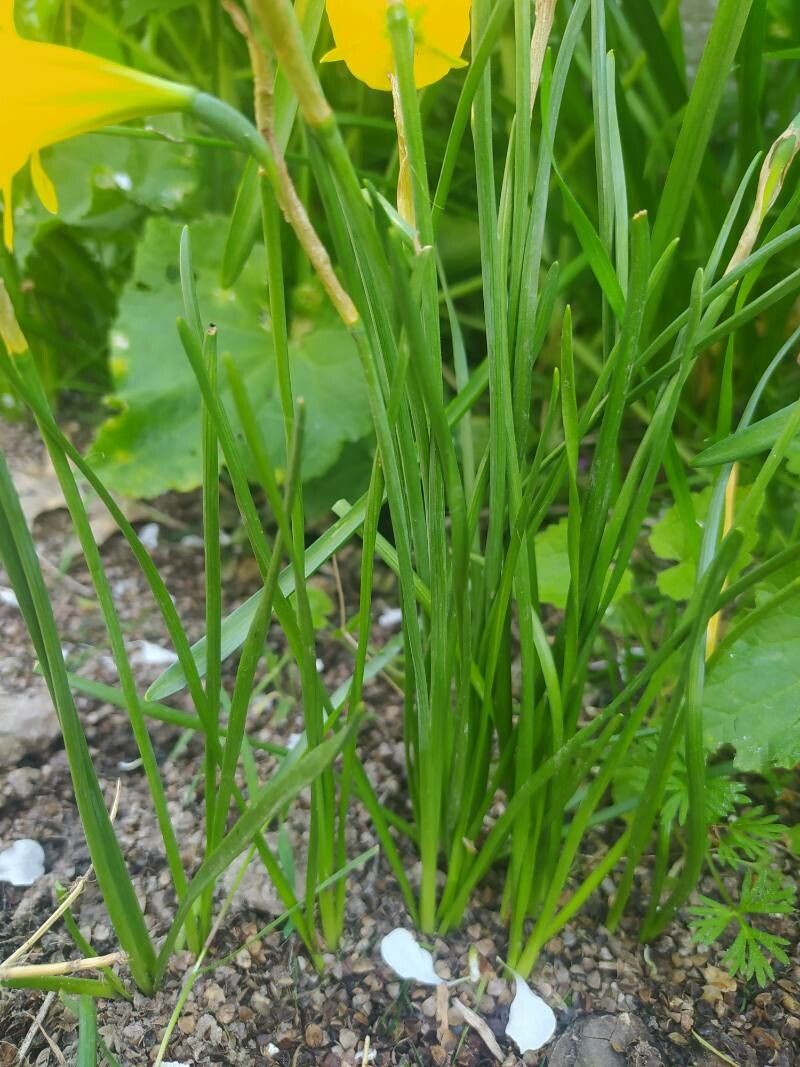
- Green
- Leaf Type
- Semi-evergreen
- Flower Color
- Yellow, Gold
- Flower Size
- 3.05 cm to 5.08 cm
- Bloom Time
- Early spring, Mid spring
- Planting Time
- Spring, Summer, Autumn
- Harvest Time
- Late spring, Early summer