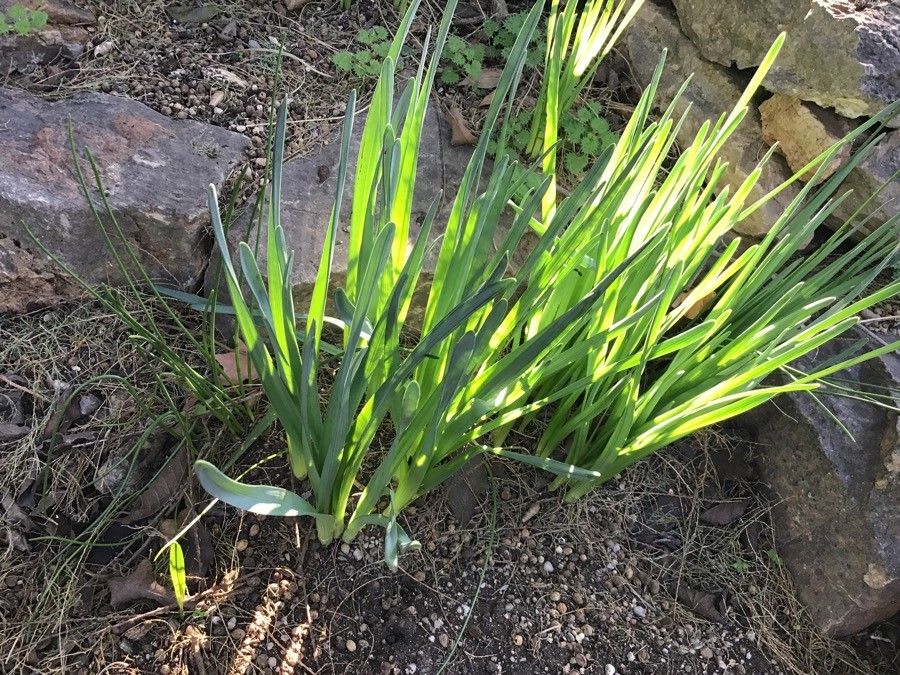
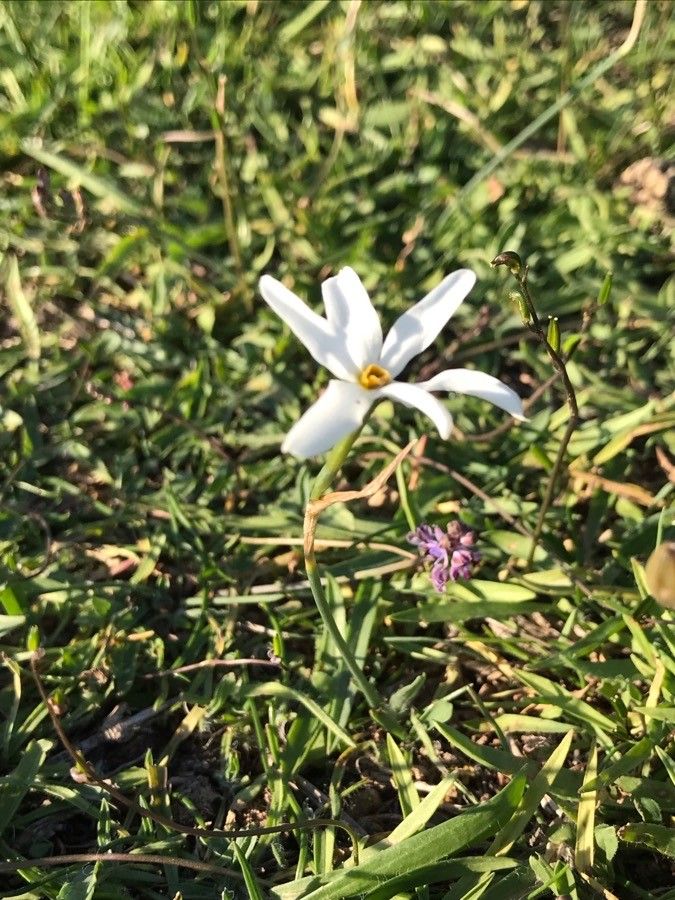
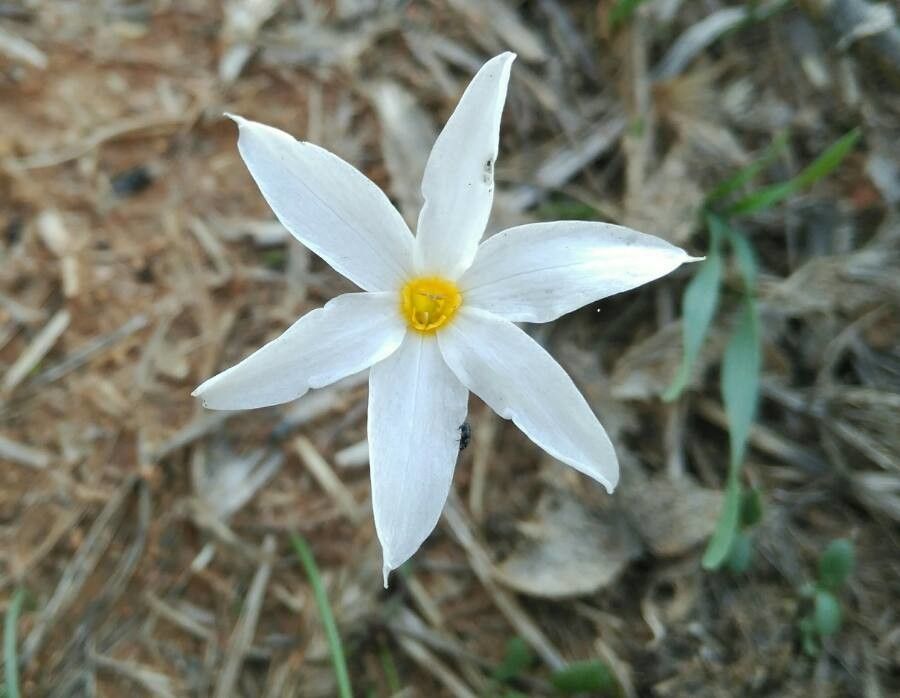
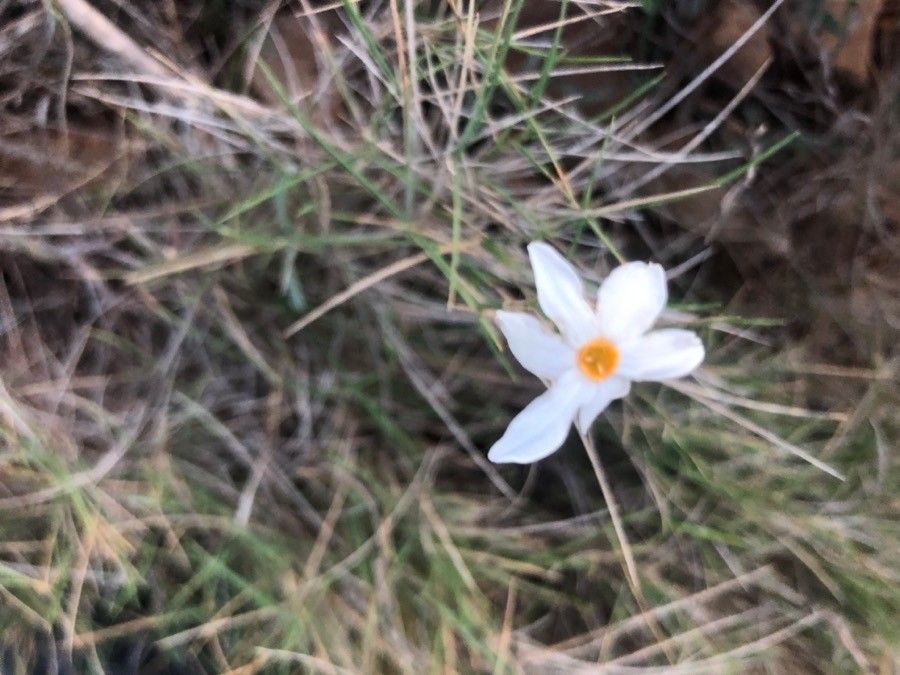
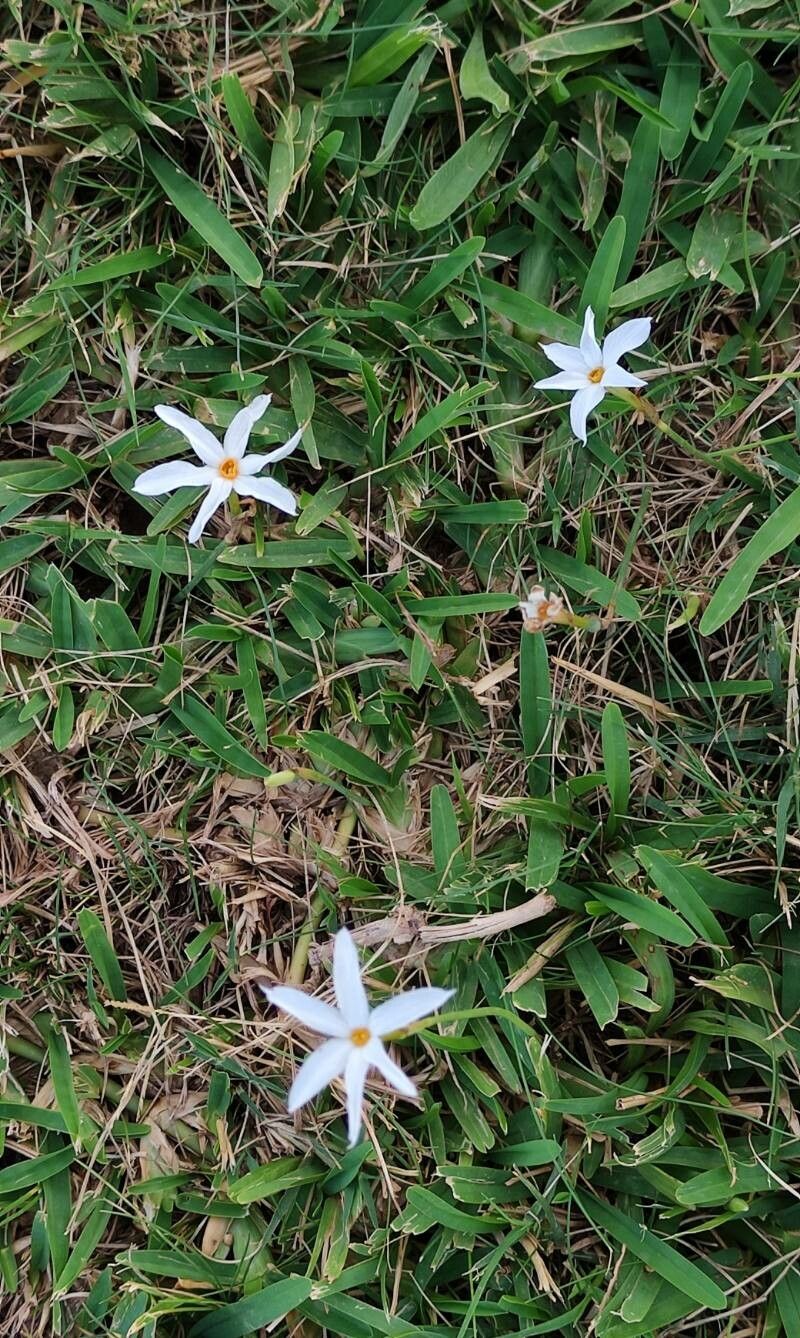
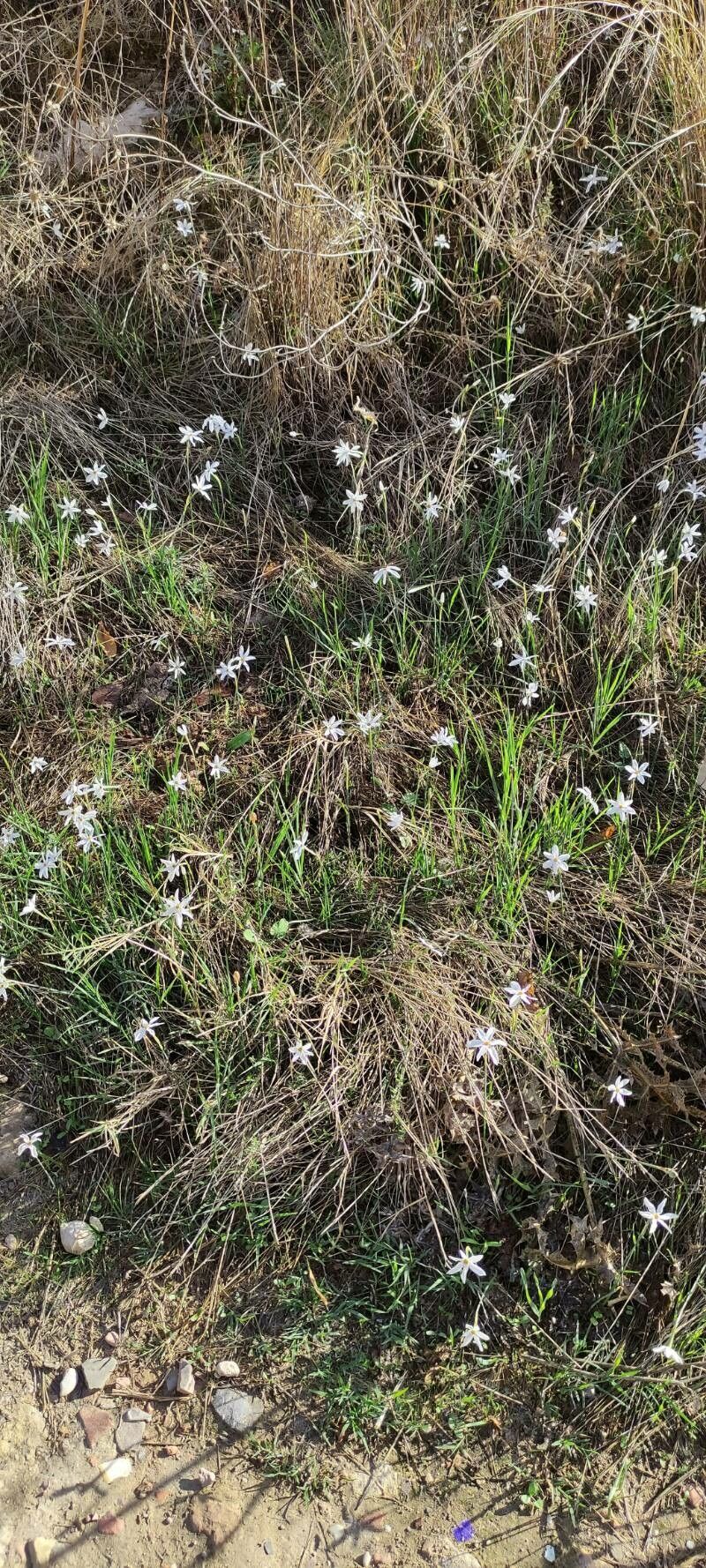
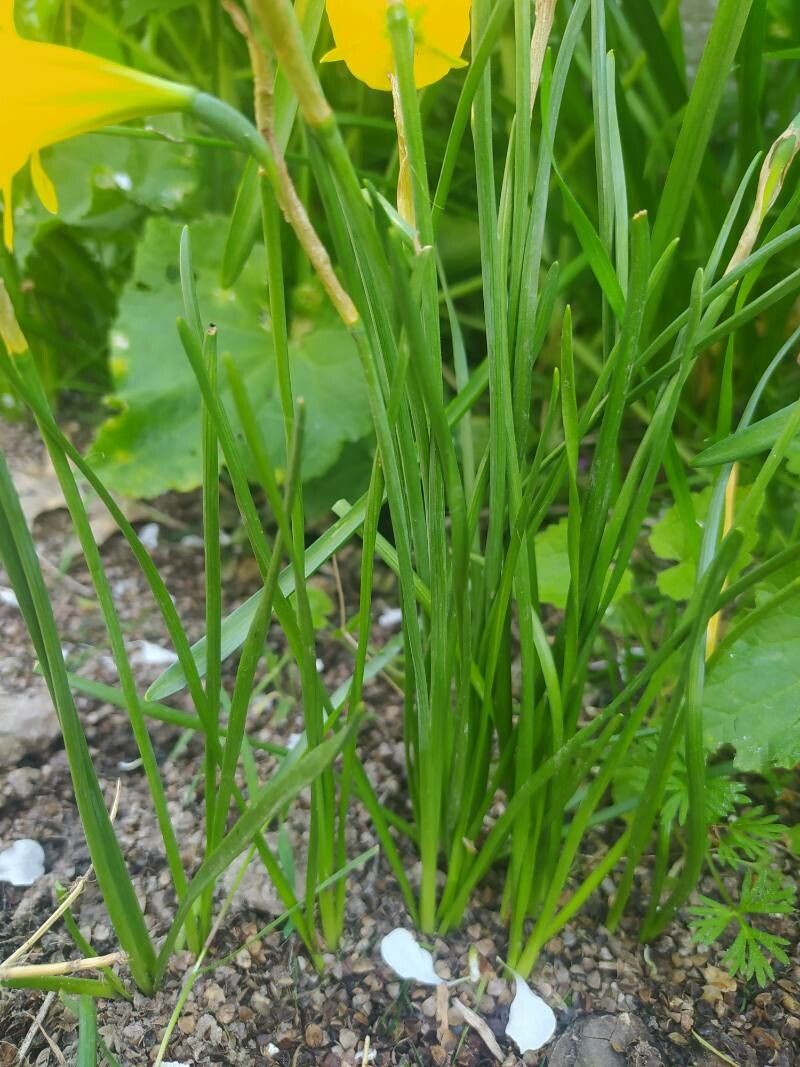
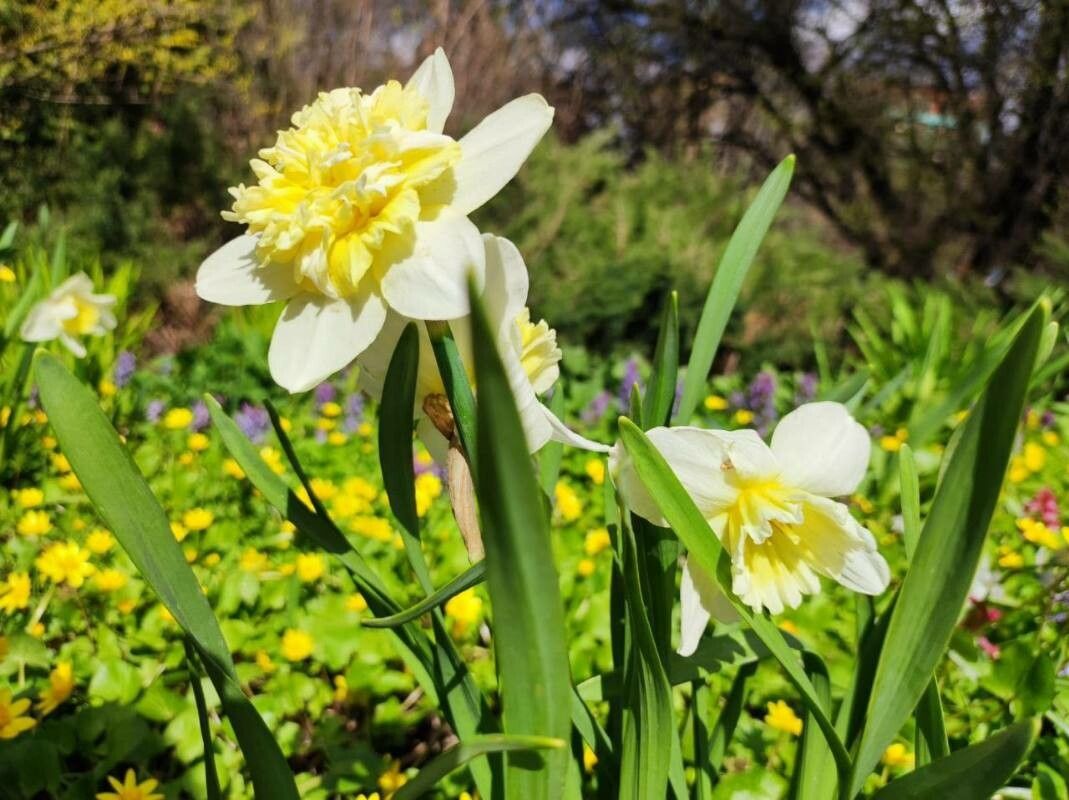
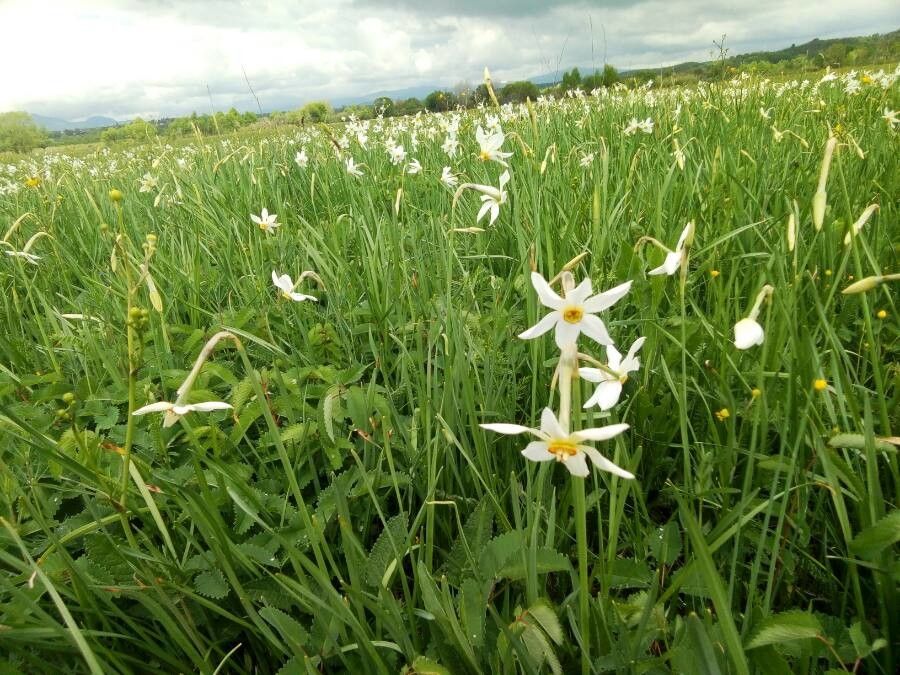
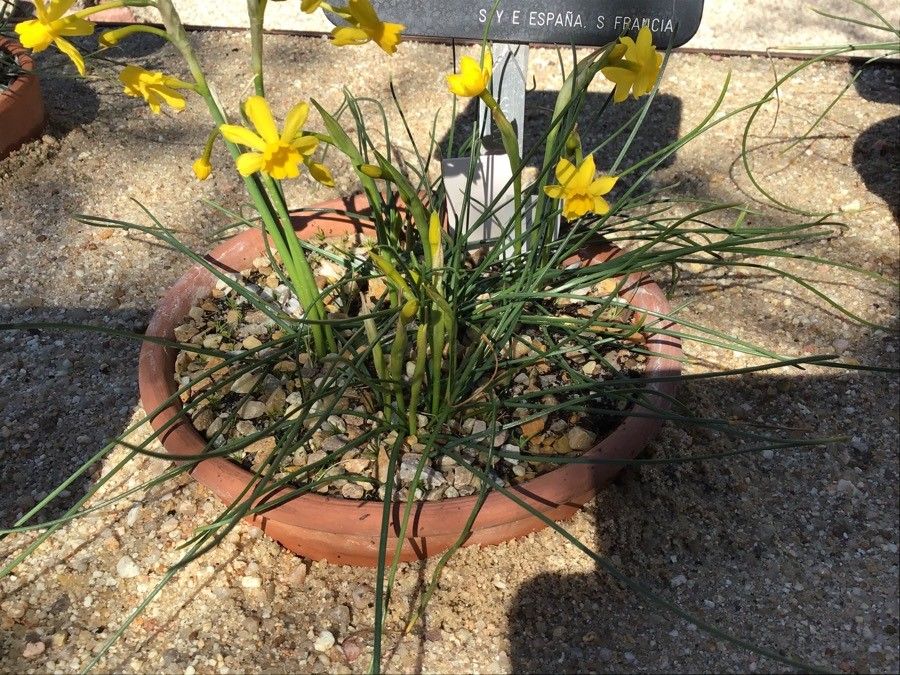
Narcissus serotinus is a species of the genus Narcissus (daffodils) in the family Amaryllidaceae. It is classified in Section Serotini. It is native to southern Europe from Portugal to Greece. It also native to Israel, where it blossoms in the autumn.
Lesser narcissus is fairly resistant to disease and generally not prone to illnesses. However, it can be vulnerable to pests and diseases present in its environment. These outbreaks are typically not serious. For care, this plant demands moderate maintenance. It should be pruned regularly to preserve a neat appearance and encourage healthy growth. Fertilizing can also help stimulate flowering. Lesser narcissus is well suited for anyone with outdoor space, like a garden or patio, and does not require extensive care experience. It may need more attention when cultivated indoors.
How to keep Narcissus Serotinus.
Light
The lesser narcissus is a sun-loving, perennial herbaceous plant native to open habitats, commonly found in meadows and grasslands. It prefers full sun but can also tolerate partial sun.
Water
The lesser narcissus, native to the Mediterranean, thrives in environments with moist growing seasons and dry summers. Although it is drought-tolerant, it requires weekly watering. This plant does well outdoors in cooler temperatures and benefits from well-draining soil, which helps prevent root rot and mimics its natural habitat.
Temperature
Lesser narcissus adapts well to temperature, tolerating higher heat and greater temperature fluctuations. In hot conditions, care should be taken with watering and providing suitable shade to avoid sunburn. On the other hand, Lesser narcissus is less tolerant of low temperatures; while it can endure some cold, very cold conditions can cause frost damage.
Fertilizer
For Lesser narcissus, the primary time to apply fertilizer is in early spring when the flowers are developing. The appropriate fertilizer promotes better blooms and helps Lesser narcissus produce attractive flowers. Fertilizing in early spring ensures good flowers throughout the season and supplies energy for dormant growth stages.
Pruning
The lesser narcissus benefits from pruning in early to late spring. By removing spent blooms and dead foliage, you promote healthier growth. Careful pruning enhances air circulation, increases flowering for the next season, reduces diseases, and improves visual appeal, ensuring a vibrant garden display.
Botanical profile.
- Plant Type
- Herb
- Life Cycle
- Perennial
- Genus
- Narcissus
- Family
- Amaryllidaceae
- Hardiness Zone
- 7-10
- Mature Height
- 20 cm to 30 cm
- Mature Spread
- 10 cm to 15 cm
- Leaf Color
- Dark Green
- Leaf Type
- Deciduous
- Flower Color
- White
- Flower Size
- 3.05 cm to 4.06 cm
- Bloom Time
- Early fall, Mid fall
- Planting Time
- Spring, Summer, Autumn
- Harvest Time
- Late fall, Early winter
- Native Area
- Tunisia, Spain, Algeria, Croatia, Morocco, Portugal
Other names.
Reader questions.
How much sunlight does Lesser narcissus (Narcissus serotinus) require?
Lesser narcissus, or Narcissus serotinus, thrives under varying sunlight conditions. For optimal growth, it requires full sun, which is defined as receiving more than 6 hours of direct sunlight per day. However, it can also grow well in partial sun, which means it should receive about 3-6 hours of sunlight daily. It's important to monitor the play of sunlight through your garden to find spots that offer an ideal balance of light and shade, ensuring your plants are happy and healthy.