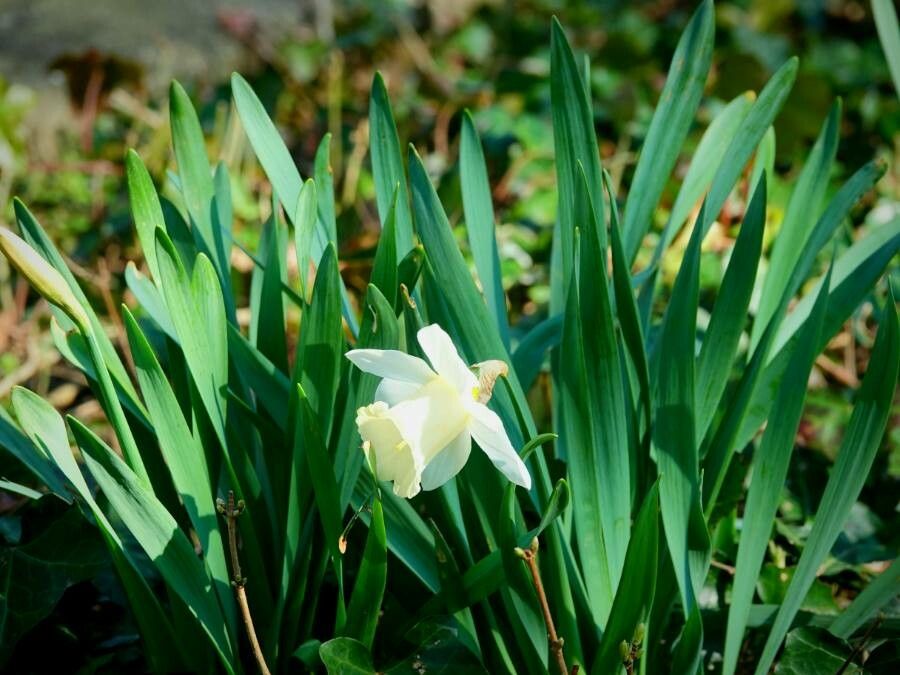
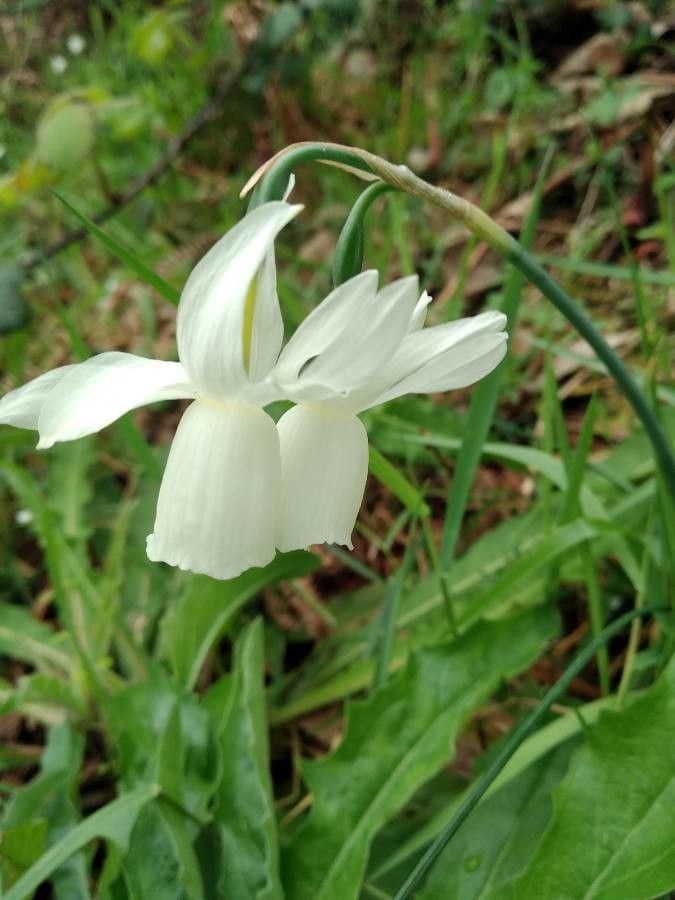
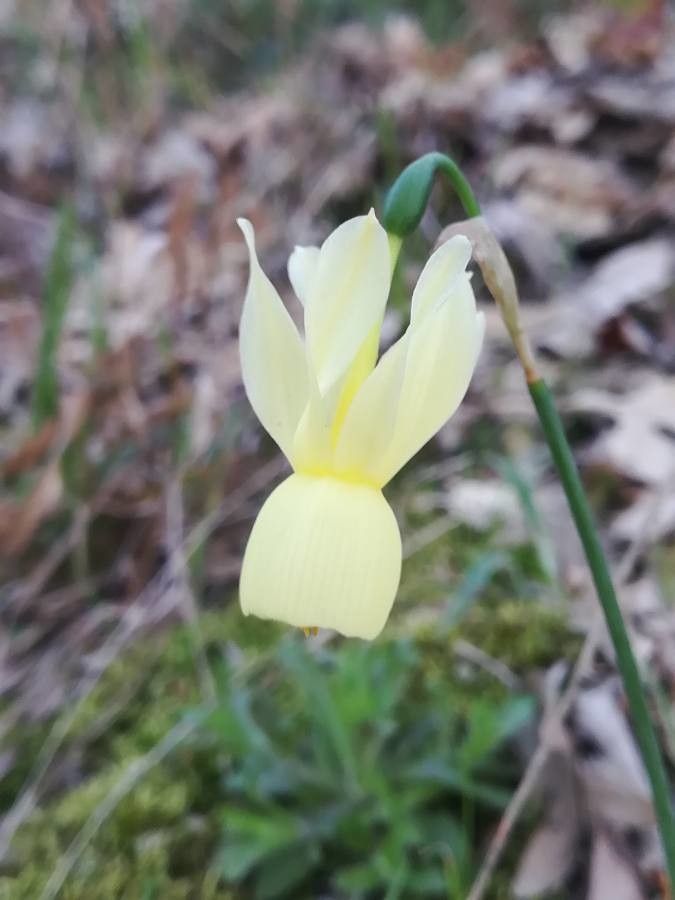
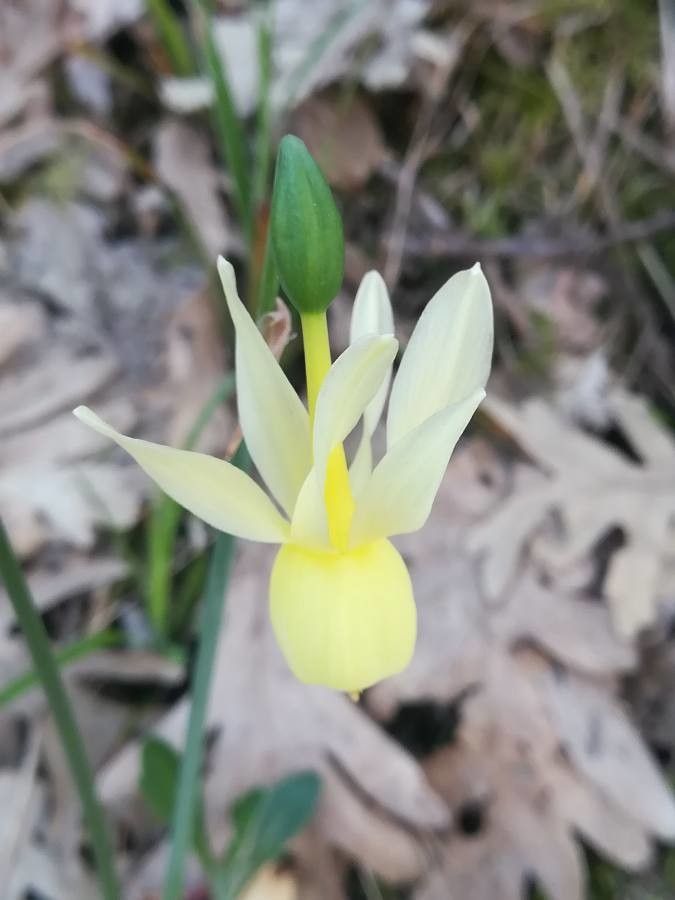
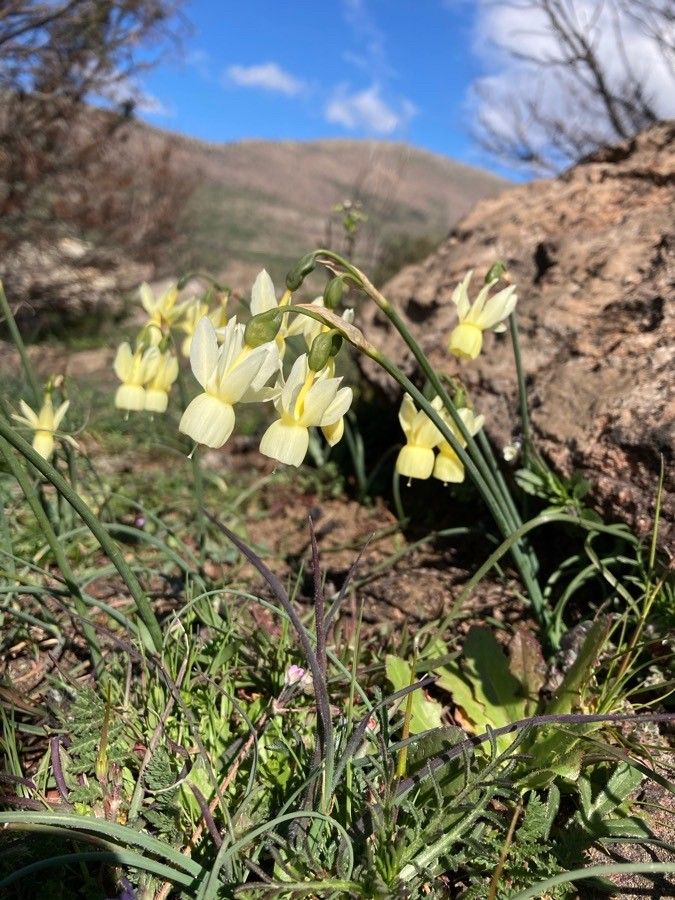
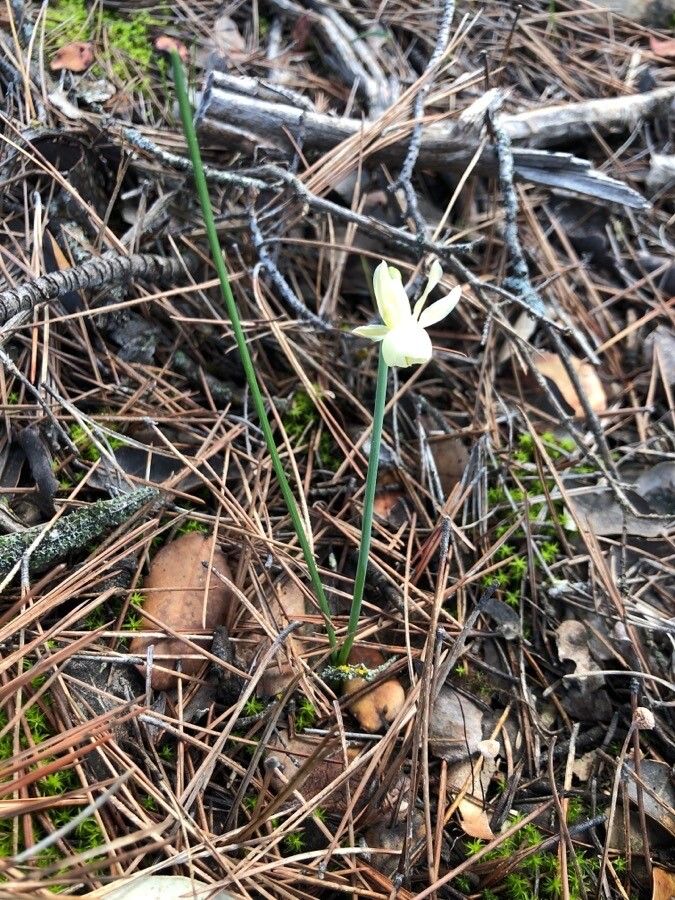
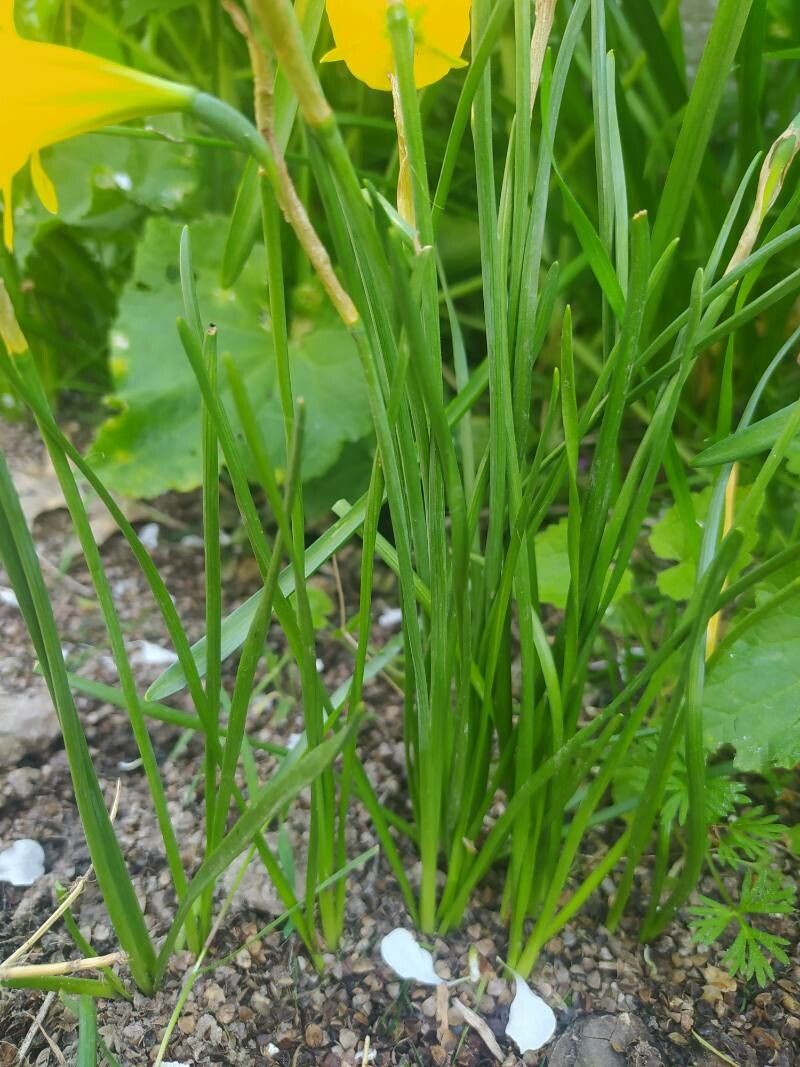
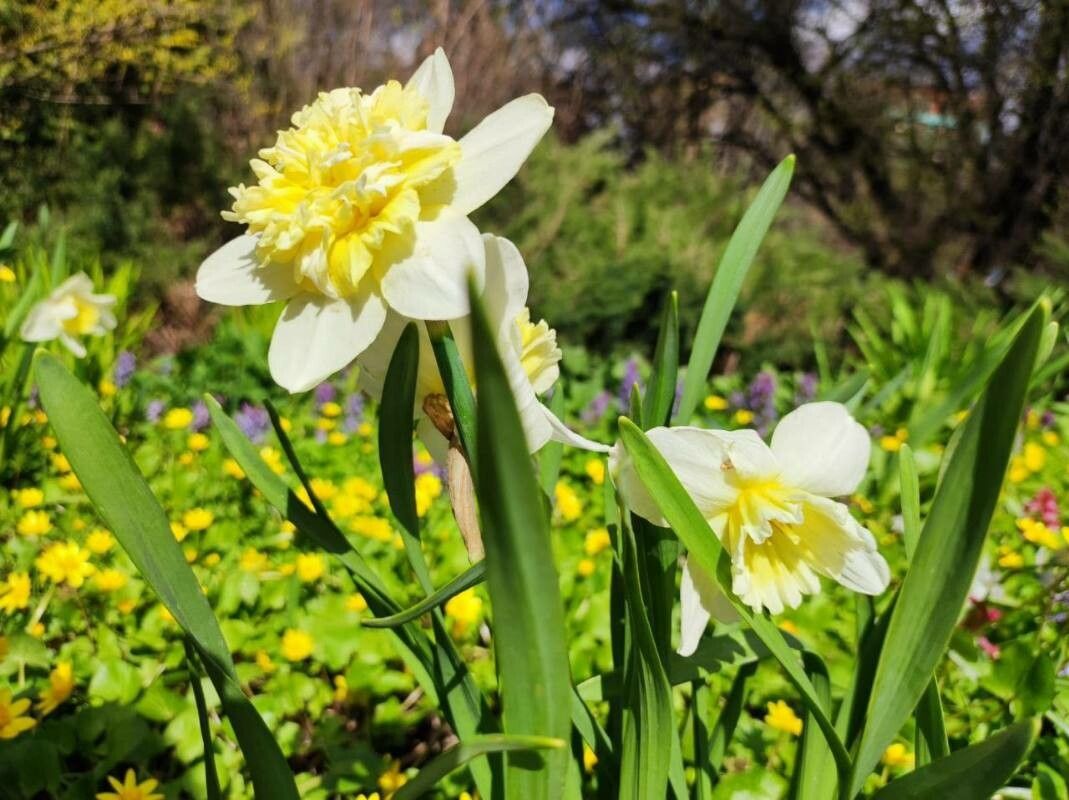
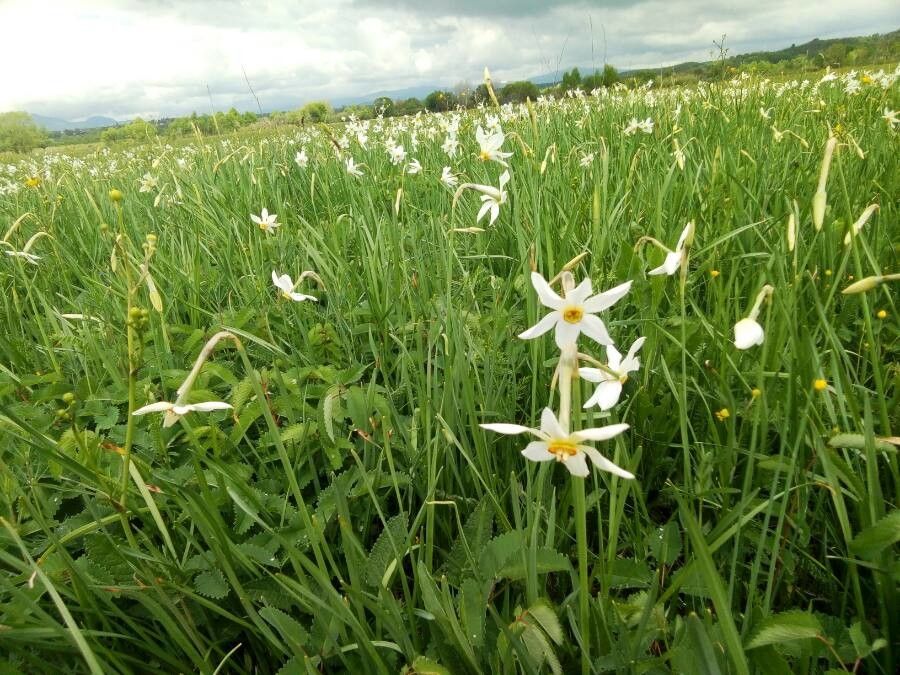
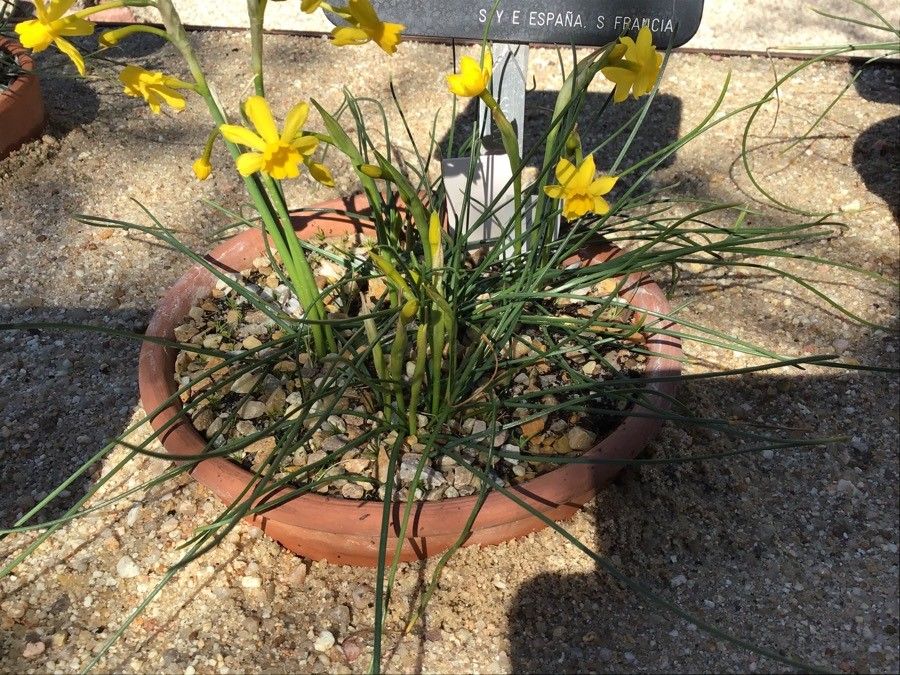
Narcissus triandrus, commonly known as the Triandrus Daffodil, is a perennial bulbous plant in the Amaryllidaceae family. Native to the Iberian Peninsula and Morocco, it has been widely cultivated in gardens and landscapes worldwide.
The plant grows up to 30 cm tall and produces one or two slender stems, each bearing up to three nodding flowers. The blossoms are typically white or pale yellow, featuring a small cup-shaped corona at the center, surrounded by six slightly reflexed petals.
Narcissus triandrus prefers well-drained soil and partial shade, though it can also tolerate full sun. It blooms in early spring, usually from March to April, making it a beautiful addition to early spring gardens.
The Triandrus Daffodil is an excellent choice for naturalizing, as it multiplies quickly through self-seeding or bulb division. Its sweet fragrance also attracts pollinators such as bees and butterflies.
Overall, Narcissus triandrus is a stunning ornamental plant that adds color and fragrance to any garden or landscape during early spring, when most other plants are still dormant.
Bulbocodium daffodil has strong disease resistance and is typically not prone to illnesses. Nonetheless, it can be vulnerable to pests and diseases present in its environment. When infections do occur, they are generally mild. Regarding maintenance, this plant needs a moderate amount of care. It should be pruned regularly to preserve its appearance and encourage healthy growth. Applying fertilizer can also support better flowering. Bulbocodium daffodil is well suited for anyone who has an outdoor area, such as a garden or patio, and does not demand extensive experience in plant care. It can require more attentive care if cultivated indoors.
How to keep Narcissus Triandrus.
Light
Bulbocodium daffodil does best with plentiful sunlight throughout the day. That light encourages healthy, vigorous growth. In its native range it receives abundant sun, which supports large blooms. Still, it can tolerate some shade and remain lively. Excessive sun or insufficient sunlight can impede its growth and decrease how often it blooms.
Water
The Bulbocodium daffodil thrives in consistently moist environments and requires weekly watering to avoid drought stress. It does well in well-draining soil, making it ideal for outdoor settings. To keep this plant healthy, it's important to replicate its naturally moist habitat while avoiding waterlogging.
Temperature
Bulbocodium daffodil originates from environments where temperatures range from 41 to 95°F (5 to 35°C). It grows best in these temperate conditions. To maintain healthy growth, keep temperatures within this range during all seasons.
Fertilizer
The best time to fertilize a Bulbocodium daffodil is in early spring, when it is coming out of dormancy and beginning active growth. Fertilization supplies essential nutrients for healthy development. Although a Bulbocodium daffodil has relatively low fertilization needs, applying fertilizer annually can improve its survival and encourage better, longer-lasting flowers.
Pruning
To maintain the health and vitality of Bulbocodium daffodils, perform early spring pruning to remove dead foliage and spent flowers. This practice enhances bulb health and encourages growth. Be careful not to cut any green leaves, as they provide essential nourishment to the plant. Proper pruning also improves air circulation and reduces the risk of disease, aligning with the specific care needs of the Bulbocodium daffodil.
Botanical profile.
- Plant Type
- Herb
- Life Cycle
- Perennial
- Genus
- Narcissus
- Family
- Amaryllidaceae
- Hardiness Zone
- 4-9
- Mature Height
- 15 cm to 30 cm
- Mature Spread
- 49 cm
- Leaf Color
- Green
- Leaf Type
- Deciduous
- Flower Color
- White, Cream
- Flower Size
- 2.54 cm to 7.62 cm
- Bloom Time
- Early spring, Mid spring
- Planting Time
- Autumn
- Harvest Time
- Late spring, Early summer
Other names.
Reader questions.
What should I do if I give Bulbocodium daffodil too much or too little water?
The leaves of an over-watered Bulbocodium daffodil will turn yellow. This is normal when the daffodil has finished blooming. However, if the leaves turn yellow before the flowers have bloomed, it means the plant is being over-watered. To fix this, ensure there is proper drainage and avoid watering for a few days. Adding sawdust to the soil can help absorb excess moisture. If the problem persists, check if the seedpods have rotted by digging them up and examining them for changes in color and texture. Remove any severely decayed seedpods promptly. An under-watered Bulbocodium daffodil will also have yellow leaves, but the stems will droop and the leaves will appear smaller and curled. Brown patches may also appear. If you've given the daffodil too little water, don't panic. It can tolerate some drought. Once you realize the mistake, give it a good drink without saturating the surrounding soil. Just ensure the soil remains moist, but avoid overwatering. Excessive water can cause root rot and the growth of fungus on the bulb. This fungus can lead to damage, such as spots on the leaves and buds, as well as discoloration and death of the leaf tips.
Why do I have to put fertilizer on my Bulbocodium daffodil?
Fertilizing a Bulbocodium daffodil is essential for several reasons. Firstly, it helps the plant produce beautiful blooms. Fertilizing in early spring is particularly beneficial as it ensures excellent flowers during that season. Additionally, fertilizer provides the daffodil with ample energy to store in the ground during dormant growth phases. By giving extra nutrients during fall planting or late spring, the daffodil can store more energy to utilize during active growth periods.
What are the sunlight requirements for Bulbocodium daffodil?
Bulbocodium daffodil requires full sun to thrive, ideally receiving more than 6 hours of sunlight daily. It can also tolerate partial sun, with about 3-6 hours of sunlight. Adequate sunlight stimulates healthy and robust growth, leading to massive blooms characteristic of its native habitat. However, it is important to watch how sunlight moves through your garden to find spots that offer a balance of light and shade, ensuring the plant's happiness and preventing issues such as stunted growth or reduced blooming frequency due to overexposure or inadequate access to sun.
What are the ideal temperature conditions for Bulbocodium daffodil?
Bulbocodium daffodil, also known as Narcissus triandrus, thrives in temperate conditions with temperatures ranging between 41 to 95°F (5 to 35°C). These plants possess strong cold resistance and generally do not require special frost protection measures. However, if temperatures are expected to fall below -30°C, it's crucial to provide cold protection by covering the plants with soil or straw. Additionally, watering the plant abundantly before the first freeze in autumn helps maintain soil moisture, thus preventing drought and water scarcity during winter and early spring.
How often should I water my Bulbocodium daffodil? Simpler terms: How often should I water my Bulbocodium daffodil plant?
The growth of your Bulbocodium daffodil depends on its location and current state. After planting, give them a good watering to start their growth, then let them be until shoots appear. If your daffodil is in a pot, water it when the top 1-2 inches of soil is dry. Container plants dry out faster, so make sure the soil is damp. If your daffodils are planted outside, they won't need extra water if it has rained during the week. Be cautious with watering, as excessive watering can cause the seed ball to rot and the plant to die.
When should I add fertilizer to my Bulbocodium daffodil?
It is recommended to fertilize a Bulbocodium daffodil several times throughout the year. The first and most important time to fertilize is in early spring when the flowers are forming. Using the right fertilizer during this time will help promote better blooms. Another opportunity to fertilize is later in the spring, after the flowers have faded. Feeding the daffodil at this point will provide it with ample energy to store and utilize the following year. Additionally, if you are planting a Bulbocodium daffodil for the first time in the fall, it is also beneficial to apply fertilizer during that period. Doing so during the planting process will give the daffodil the best chance at producing a healthy set of flowers in its first growing season.
What should I do if natural sunlight is insufficient for my Bulbocodium daffodil?
When natural sunlight is insufficient, especially during winter or in less sunny spaces, artificial lighting can be a vital solution for Bulbocodium daffodil's growth. Indoor plants benefit from artificial lights like LED, which can be customized to provide specific wavelengths needed for optimal growth. For full sun plants, 30-50W/sq ft of artificial light is recommended, while partial sun plants need 20-30W/sq ft, and full shade plants need 10-20W/sq ft. Place the light source 12-36 inches above the plant to mimic natural sunlight and adjust the duration to mimic natural daylight hours, typically 8-12 hours per day, to promote faster, healthier growth.
What should I do if the Bulbocodium daffodil experiences temperatures below 5°C or above 35°C?
For Bulbocodium daffodil, temperatures below 5°C (especially under -25°C) require attention as the plant is cold-tolerant but may face issues when temperatures fall below -30°C, including a decrease in or absence of sprouting in spring. To address this, remove any parts that fail to sprout in spring. During summer, temperatures above 35°C and particularly exceeding 38°C, may cause the leaves to lighten in color, curl, become susceptible to sunburn or in extreme cases, lead to the entire plant wilting and drying. To mitigate these issues, trim away sunburned and dried parts, provide shade during midday and afternoon hours using a shade cloth if necessary, and ensure the soil remains moist by watering in the morning and evening.
Do I need to change how often I water my Bulbocodium daffodil based on the seasons or climate?
When your Bulbocodium daffodil is growing, water it about once a week. As the temperature increases, the soil will dry out faster, so you may need to water more frequently. A dry soil is better for the daffodil than one that is overly wet. During the summer, the daffodil will become dormant and the above-ground parts will dry up and die. If you planted it outdoors, you may not need to water it. If it rains a lot in your area, you should consider digging out the bulbs to protect them from rot caused by excessive water. If you planted the daffodil in pots, stop watering it completely once the above-ground part dries out. Dig up the bulbs and store them in a cool place, or simply stop watering them to keep the soil dry. Resume watering when it's time to plant them again or leave them in a cool place in the soil until the next growing season.
When is it not a good idea to fertilize my Bulbocodium daffodil?
To properly fertilize a Bulbocodium daffodil, focus on three essential times: during fall planting, during early spring bloom, and during late spring after blooming. Fertilizing at any other time is unnecessary and could harm the plant. Keep in mind that the daffodil has a significant dormant phase, requiring less fertilizer and water. During winter, it naturally goes dormant. Surprisingly, it also has a dormant phase during the summer. After the flowers fade, the leaves stay briefly before wilting away. Once the leaves are gone, the plant enters dormancy again, and fertilizing is no longer necessary.
How can I identify if my Bulbocodium daffodil is not getting enough light?
Symptoms of insufficient light in Bulbocodium daffodil include small leaves, leggy or sparse growth, faster leaf drop, slower or no new growth, lighter-colored new leaves, chlorosis (leaves turning yellow), sunscald, leaf curling, wilting, and leaf scorching. These symptoms indicate the plant's struggle in low light conditions, affecting its growth and health. Regularly assessing your plant's appearance can help identify these symptoms early, enabling timely actions to rectify the light conditions.
What should I keep an eye out for when planting my Bulbocodium daffodil inside or outside?
Here are some tips for monitoring and watering your containers and bulbs, whether they are kept indoors or outdoors: - Monitor your containers for moisture. If they become soaked or waterlogged, move them to a protected area. Once they are dry, you can bring them back when the weather improves. - When planting outdoors, choose well-drained soil to prevent waterlogging and decay. Rainwater is usually taken into account for outdoor planting. - Indoor bulbs need very little water before the buds begin to grow. It's best to let the soil dry out completely before watering in small amounts. This will help prevent bulb rot. Once new shoots start to emerge, you can start watering more regularly. - Be cautious when watering Bulbocodium daffodils indoors, as they are more prone to rot in low light and poor ventilation. Make sure the soil is mostly dry before watering, especially if it takes a long time for the soil to dry out. Consider if the location is suitable for your Bulbocodium daffodil indoors. Outdoor planting provides better ventilation and light, which is generally safer.