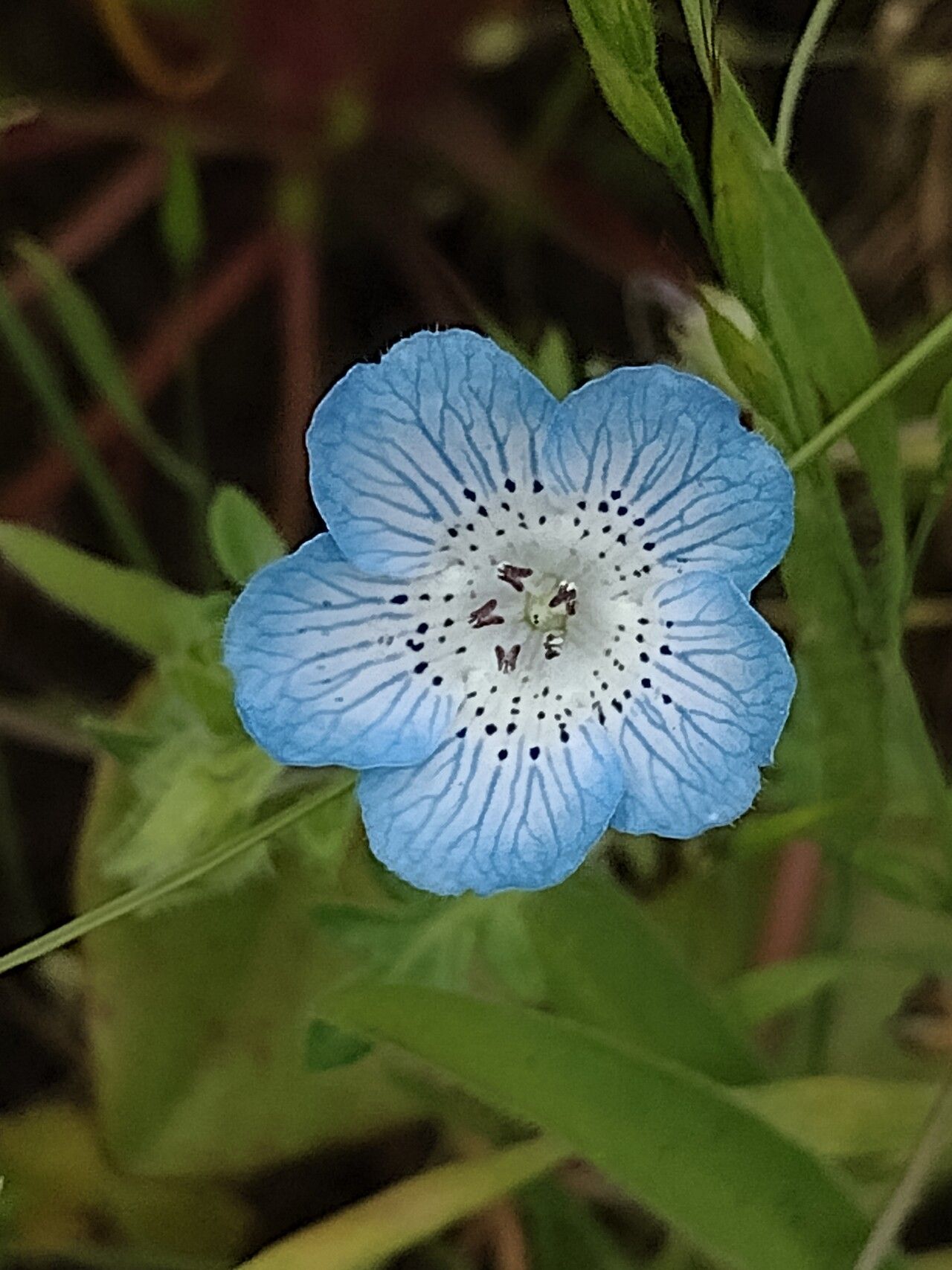
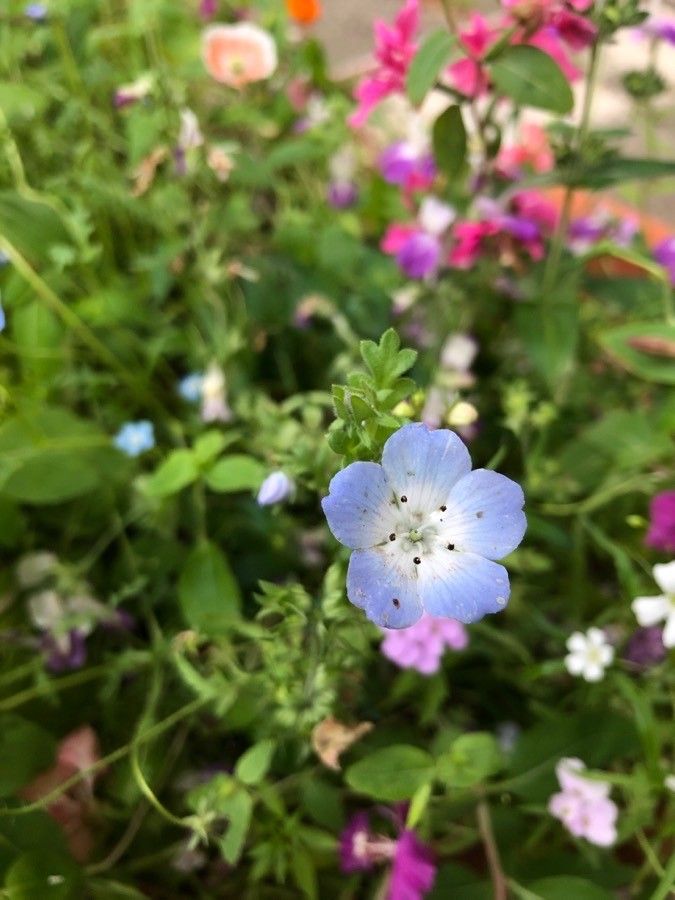
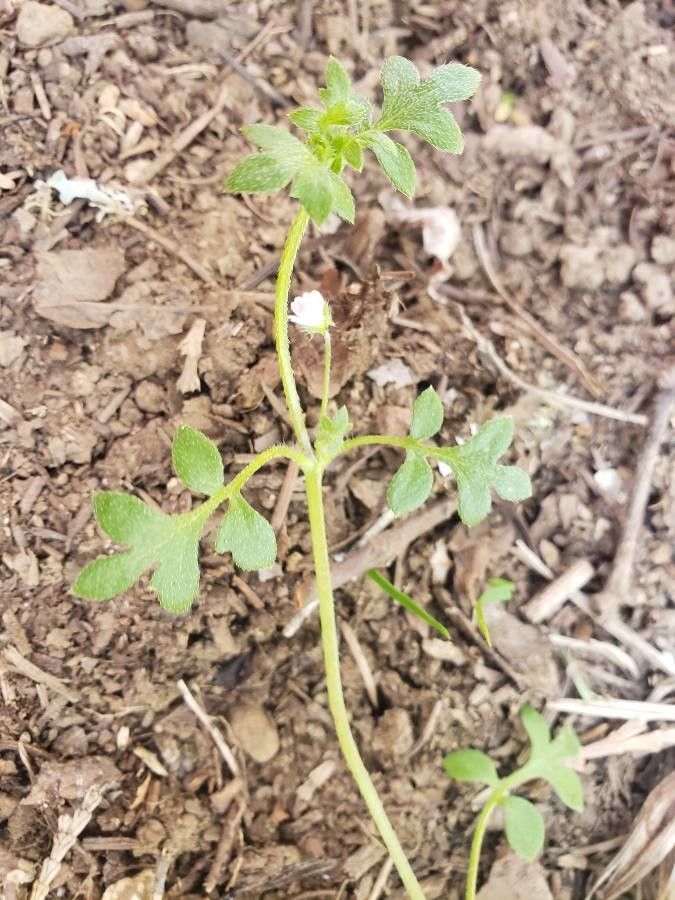
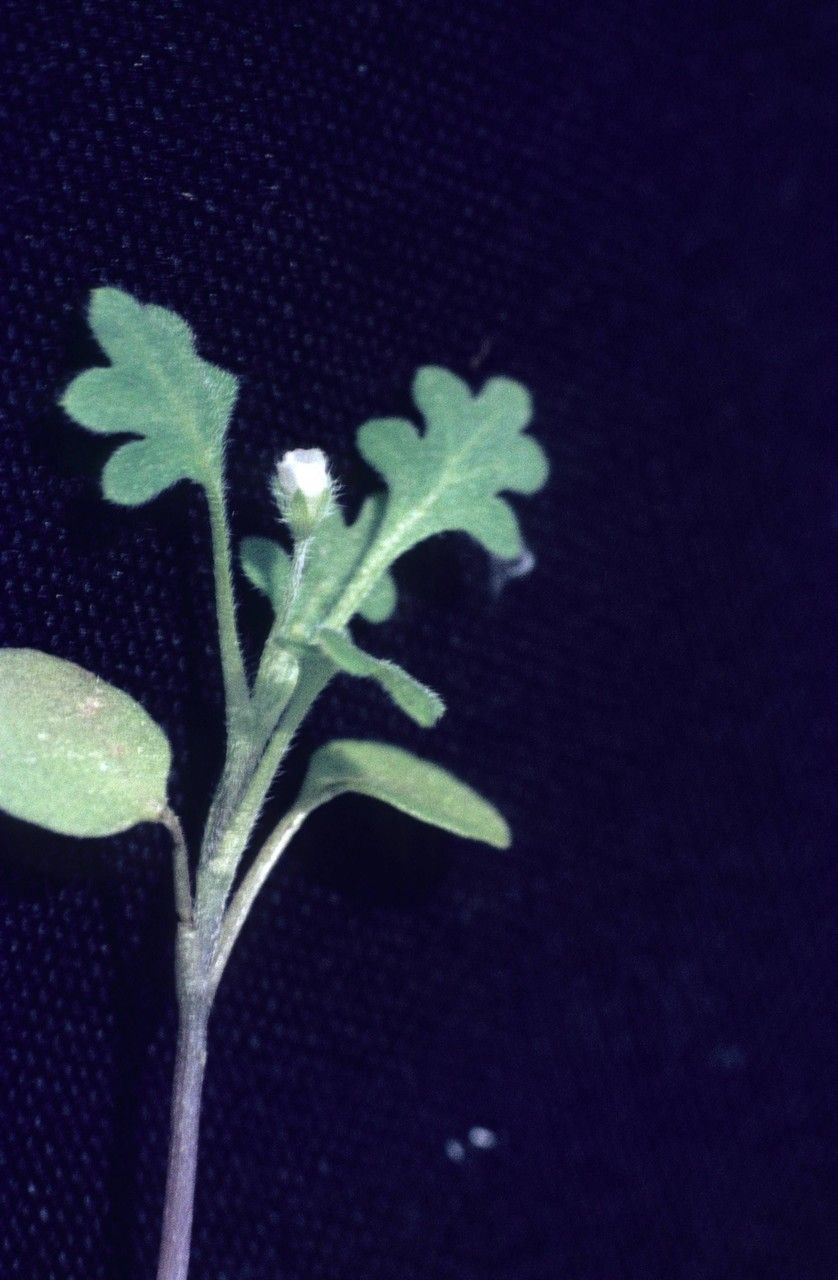
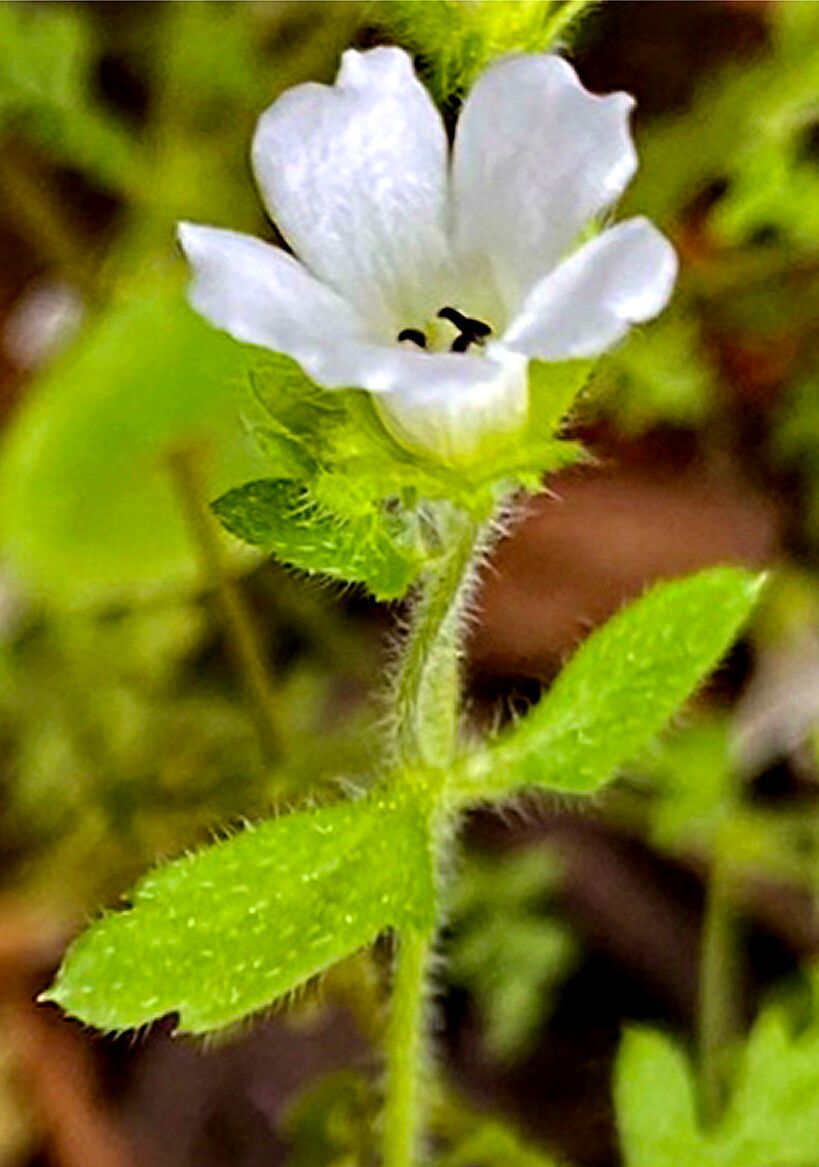
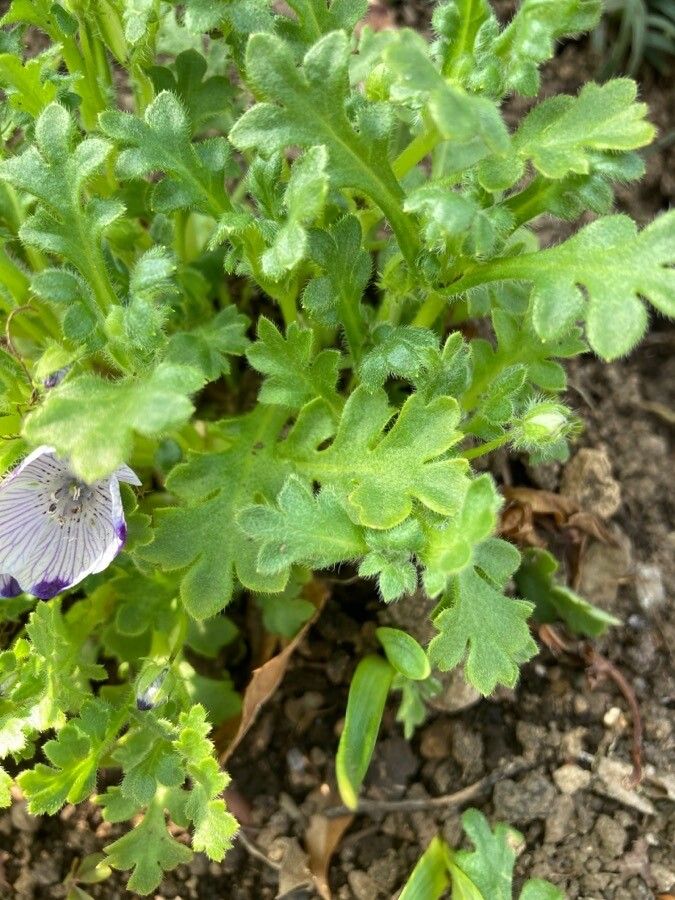
Nemophila menziesii, commonly known as baby blue eyes, is a delicate annual plant belonging to the Boraginaceae family. Native to California and Oregon in the United States, this plant thrives in meadows, grasslands, and open woodlands. It typically grows up to 30 cm (12 inches) tall with a spread of about 15 cm (6 inches).
The leaves of Nemophila menziesii are deeply lobed with toothed edges and are arranged alternately along the stem. The flowers are small, measuring 1-2 cm in diameter, with five petals that are light blue or white. These beautiful blossoms appear from late winter through spring.
Easy to cultivate, Nemophila menziesii prefers well-drained soil and partial shade but can also tolerate full sun. It requires regular watering but should not be overwatered to prevent root rot.
One of the most breathtaking locations to see baby Blue Eyes is Hitachi Seaside Park in Japan. This park spans 190 hectares and is adorned with 4.5 million Nemophila menziesii plants. In the spring, the park hosts a nemophila festival, where everything a visitor sees is bathed in shades of blue—from the sky and the ocean to the hills blanketed with flowers. FUN FACT · FROM THE LIBRARY
As an ornamental plant, baby blue eyes is prized for its attractive flowers, making it an excellent choice for borders or rock gardens. Additionally, the plant serves as a valuable food source for bees, aiding in pollination.
Overall, Nemophila menziesii is a stunning annual that adds vibrant color to any garden or landscape while also providing ecological benefits through pollination support for bees.
Menzies' baby blue eyes: The name "Nemophila" means "woodland-loving," while "menziesii" honors Archibald Menzies, a Scottish surgeon. In 1786, Menzies traveled with fur traders on a voyage to North America and brought back this plant, along with others.
Baby Blue Eyes is relatively disease-resistant and typically not prone to illnesses. However, it can be affected by pests and diseases present in its environment. Such problems are generally not serious. Regarding care, this plant needs moderate maintenance. Regular pruning is required to keep it looking good and to support healthy growth. Fertilizing can also encourage flowering. Baby Blue Eyes is well suited for people with outdoor areas like a garden or patio and does not demand extensive gardening experience. It may need more attention when grown indoors.
How to keep Nemophila Menziesii.
Light
Baby Blue Eyes does best in locations that receive abundant sunlight throughout the day, though it can tolerate moderately shaded conditions. Strong sun encourages vigorous growth, while too little light can hinder development, resulting in poor flowering or leaf discoloration. Its natural habitat reflects and supports this sun-loving tendency.
Water
Baby Blue Eyes thrives in moist environments, preferring consistent moisture but able to tolerate moderate drought. To maintain a healthy balance, it needs to be watered weekly. As an annual herb, efficient irrigation during its growing season is crucial for achieving optimal blooms and healthy foliage.
Temperature
Native to temperate regions, baby Blue Eyes favors a moderate climate with temperatures from 68 to 100 °F (20 to 38 ℃). During summer and winter extremes, its environment may need to be adjusted to keep within this range.
Fertilizer
Once most of Baby Blue Eyes' blooms have opened to full size, resume fertilizing. Around the time when blooms are at peak output, fertilize every three to four weeks, weather permitting. Then, when Baby Blue Eyes begins producing fewer new blooms, stop fertilizing; there's no need to fertilize when the plant can't produce any more blooms.
Pruning
Baby Blue Eyes is a delightful annual plant known for its blue, cup-shaped flowers and lush foliage. It requires minimal pruning. The best time to prune is from early to late spring. Regularly deadheading the flowers and keeping an eye out for pests will encourage healthier growth and prolong the blooming period. This helps maintain the plant's vigor and appearance.
Pot & Repot
Baby Blue Eyes needs excellent drainage when planted in pots to thrive. Good drainage allows excess water to escape, keeping the roots healthy and preventing root rot. This is essential for supporting optimal growth conditions.
Botanical profile.
- Plant Type
- Herb
- Life Cycle
- Annual, Biennial, Perennial
- Genus
- Nemophila
- Family
- Boraginaceae
- Hardiness Zone
- 2-11
- Mature Height
- 15 cm to 20 cm
- Mature Spread
- 15 cm to 30 cm
- Leaf Color
- Green, Blue, Gray
- Leaf Type
- Deciduous
- Flower Color
- Blue, White
- Flower Size
- 2.54 cm to 7.62 cm
- Bloom Time
- Mid spring, Late spring, Early summer
- Planting Time
- Spring
- Harvest Time
- Early summer, Mid summer
- Native Area
- Mexico
Other names.
Reader questions.
How should I water my Baby Blue Eyes plant?
When it comes to watering Baby Blue Eyes, there are several options you can choose from. You can use a garden hose with a spray nozzle, a watering can, or any other common watering tool. This plant is not too picky about the type of water it receives and can thrive on rainwater, tap water, or filtered water. However, it's important to avoid watering from overhead as this can harm the leaves and flowers while also increasing the risk of disease. Instead, a drip irrigation system is often the best watering method, as it provides even and direct water to the soil. For Baby Blue Eyes in a container, you can follow a similar approach, using a cup, watering can, or tap water to water the soil directly.
Why is it important to fertilize my Baby Blue Eyes?
Plants, including Baby Blue Eyes, need nutrients to survive. It's important for gardeners, regardless of experience, to understand this. Without proper nourishment, Baby Blue Eyes will not last long after the first pollination. To ensure its longevity and the production of large, beautiful flowers, it's crucial to provide the right nutrients in the appropriate amounts. Fertilizer plays a key role in helping Baby Blue Eyes develop a robust and healthy root system. This is especially important as the plant has a thin and fragile root system that can easily get damaged. Fertilizing during planting helps the plant establish a strong root structure, offering stability and setting the stage for an impressive flowering display. Correct timing of fertilization can significantly prolong the flowering period of Baby Blue Eyes.
What are the sunlight requirements for Baby Blue Eyes?
Baby Blue Eyes requires full sun, which means it should receive above 6 hours of sunlight daily, though it can also adapt to partial sun conditions, receiving about 3-6 hours of sunlight. It is vital to watch how sunlight moves through your garden, selecting spots that offer the perfect balance of light and shade. This ensures the optimal growth and happiness of your plants. In its natural habitat, Baby Blue Eyes thrives under generous sun exposure, promoting vigorous growth, while insufficient sunlight leads to poor blooming or leaf discoloration.
What is the ideal temperature for growing Baby Blue Eyes?
Baby Blue Eyes, botanically known as Nemophila menziesii, flourishes within a temperate climate range, optimally between 68 to 100°F (20 to 38°C). It is imperative to moderate the plant's surroundings during the seasonal extremes to sustain these ideal conditions. Notably, this species exhibits a robust cold resistance, thus ordinarily negating the need for special frost protection measures. However, in anticipation of temperatures plummeting below -40°C, it is still crucial to undertake preventative measures by enveloping the plant with insulating materials like soil or straw. Additionally, a proactive approach involves watering the plant generously before the onset of the first frost in autumn, aiming to keep the soil moist. This preparation is vital for preventing drought and water scarcity throughout the winter and the early spring season.
What do I do if I give too much or too little water to my Baby Blue Eyes?
The solution for underwatering Baby Blue Eyes is fairly straightforward. If you notice that your plant lacks moisture, simply water it more regularly. However, overwatering can be a much bigger problem, particularly if not detected early. Overwatering can lead to diseases that cause the plant to decline and die. To prevent this, choose a suitable location for your Baby Blue Eyes that receives plenty of sunlight to dry the soil and has good drainage to prevent water from pooling. If you overwater your potted Baby Blue Eyes, you may need to change it to a new pot. The old container may not have had proper drainage or enough drainage holes. When repotting the overwatered plant, use loose soil and a pot that drains efficiently.
When should I put fertilizer on my Baby Blue Eyes?
For Baby Blue Eyes, the best time to fertilize is early in the growing season after the last frost. This should be done during planting, whether in the ground or in planters. This initial dose of fertilizer will be sufficient until the blooms are at their fullest. Once the season is in full swing and most blooms of Baby Blue Eyes have opened, it's time to resume fertilizing. This should be done every three to four weeks, depending on the weather, when the blooms are at their peak. However, once Baby Blue Eyes starts producing fewer new blooms, it's no longer necessary to fertilize. There's no need to fertilize if the plant can't produce more blooms.
How can artificial lighting be used for indoor Baby Blue Eyes plants?
Indoor Baby Blue Eyes plants require adequate lighting for optimal growth, especially when natural sunlight is scarce, like in winter or less sunny spaces. Artificial lights are beneficial, promoting faster, healthier growth. LED lights, which can be customized to provide specific wavelengths, are recommended. Full sun plants need 30-50W/sq ft., partial sun plants 20-30W/sq ft., and full shade plants 10-20W/sq ft. of artificial light. The light source should be placed 12-36 inches above the plant to mimic the natural sunlight and should be kept on for 8-12 hours daily, depending on the plant species.
How does Baby Blue Eyes react to temperatures below 0°C and below -40°C?
Baby Blue Eyes exhibits a notable tolerance for low temperatures and generally thrives when the mercury stays above 20°C. Nevertheless, during the winter,the plant should not be exposed to temperatures dropping below 0°C. Particularly, when temperatures plunge below -40°C, although the plant might not show immediate distress during winter, there might be a noticeable reduction in sprouting, or in some cases, no sprouting when spring arrives. To address this, in spring, any non-sprouting parts of the plant should be removed to facilitate new growth.
How often do I need to water my Baby Blue Eyes?
To ensure the well-being of Baby Blue Eyes, it is important to water it regularly. During the growing season, starting from spring, water the plant once a week. As the season progresses and becomes warmer, you may need to water it two to three times a week. However, be careful not to exceed this frequency as it can harm the plant. Additionally, it is crucial to maintain the soil moisture at a relatively moist level, but avoid over-watering. When taking care of potted Baby Blue Eyes, you should increase the watering frequency compared to plants in the ground. Generally, watering a container-grown Baby Blue Eyes a few times per week is necessary, whereas an in-ground plant can be watered just once per week.
When should I not put fertilizer on my Baby Blue Eyes?
Regular fertilizing is important for Baby Blue Eyes, but it's crucial to consider the timing. There are situations when it is best to hold back on fertilizing. These situations are usually influenced by climate and controllable factors. It is advisable to wait for the right conditions when something is wrong with the plant, soil, or climate, allowing them to recover before applying fertilizer. For instance, severe or unexpected changes in weather should deter fertilizing. If there is a sudden cold spell during summer, it's better to wait until it warms up. Similarly, if the soil becomes too dry or compacted, it will prevent proper absorption of the fertilizer, leading to direct exposure of the roots. Baby Blue Eyes roots would not appreciate that. Moreover, during the hottest parts of the day, when temperatures reach 90 degrees Fahrenheit, it's best to avoid fertilizing. This is because the breakdown of fertilizer can be influenced by temperature, and it's important not to hasten the breakdown process due to high heat. Additionally, addressing any pests or diseases before reapplying fertilizer is recommended.
What are the symptoms of inadequate light for Baby Blue Eyes?
When Baby Blue Eyes is cultivated indoors with inadequate light, it may show signs such as smaller new leaves, leggy or sparse growth, faster leaf drop, slower or no new growth, and lighter-colored or chlorotic leaves. Excessive sunlight can also lead to symptoms like sunscald, leaf curling, wilting, leaf scorching, and chlorosis, indicating damage from intense light exposure or the inability to maintain proper hydration and photosynthesis.
How should Baby Blue Eyes be cared for in high temperatures?
In the summer months, it is critical to ensure that Baby Blue Eyes does not endure temperatures exceeding 38°C. Should the temperature soar above 43°C, the plant is liable to exhibit signs of distress such as lighter leaf coloration, curling of leaves, susceptibility to sunburn, and in extreme scenarios, wilting and drying of the entire plant. To mitigate these adverse effects, it is advised to trim away the sunburned and dried-up parts of the plant. Also, relocating the plant to a shaded area or employing a shade cloth to protect from the harsh midday and afternoon sun can be beneficial. Additionally, maintaining soil moisture by watering the plant during the cooler morning and evening hours is essential for its well-being during high temperature periods.