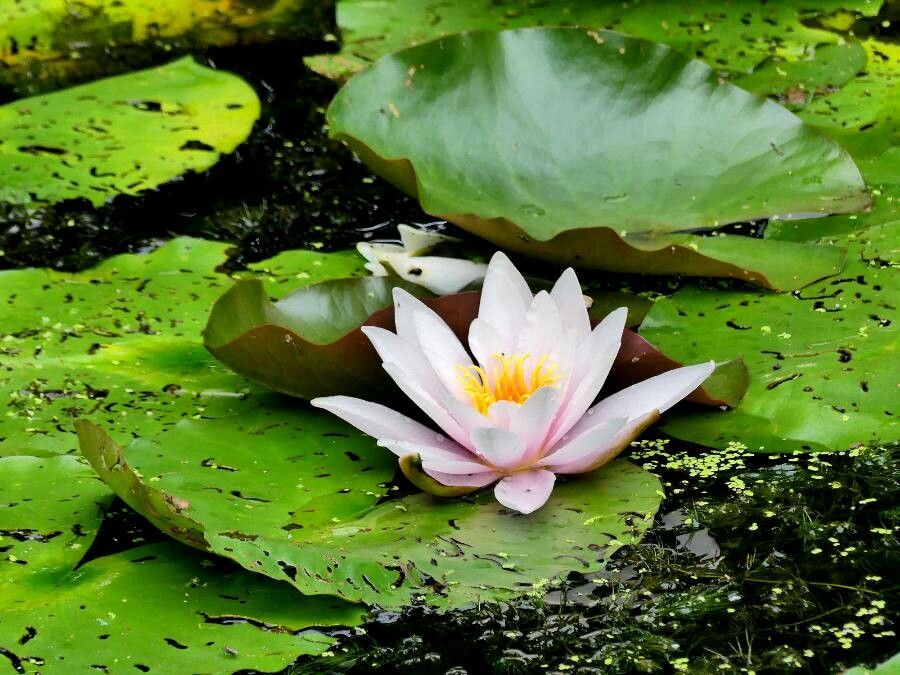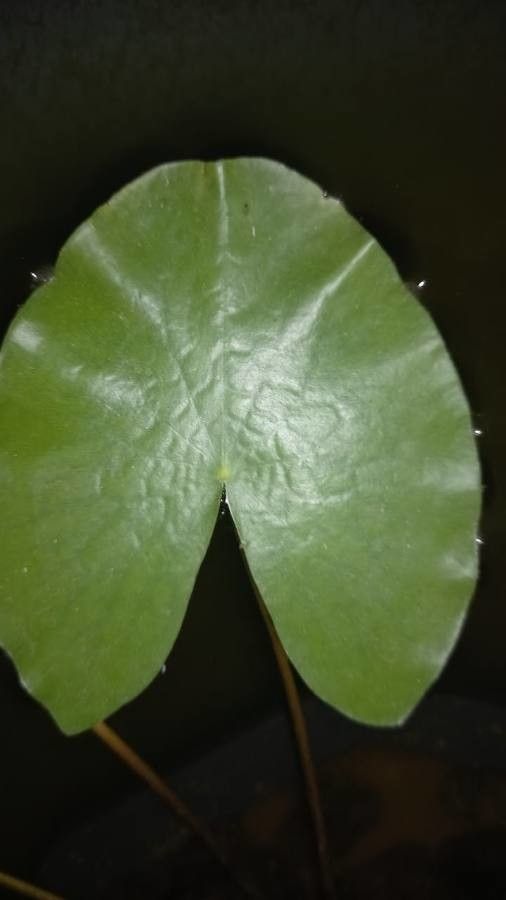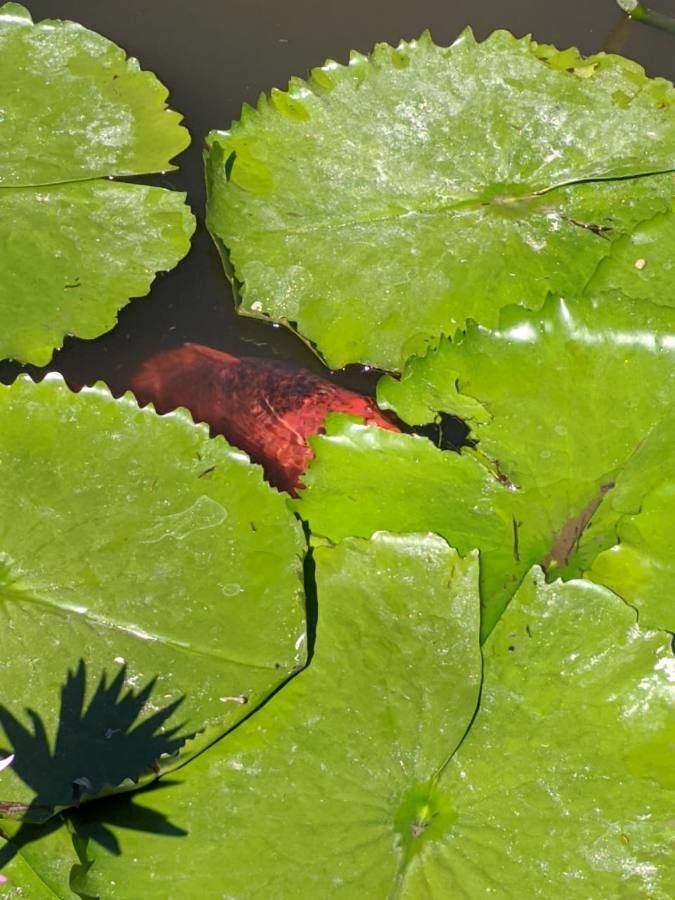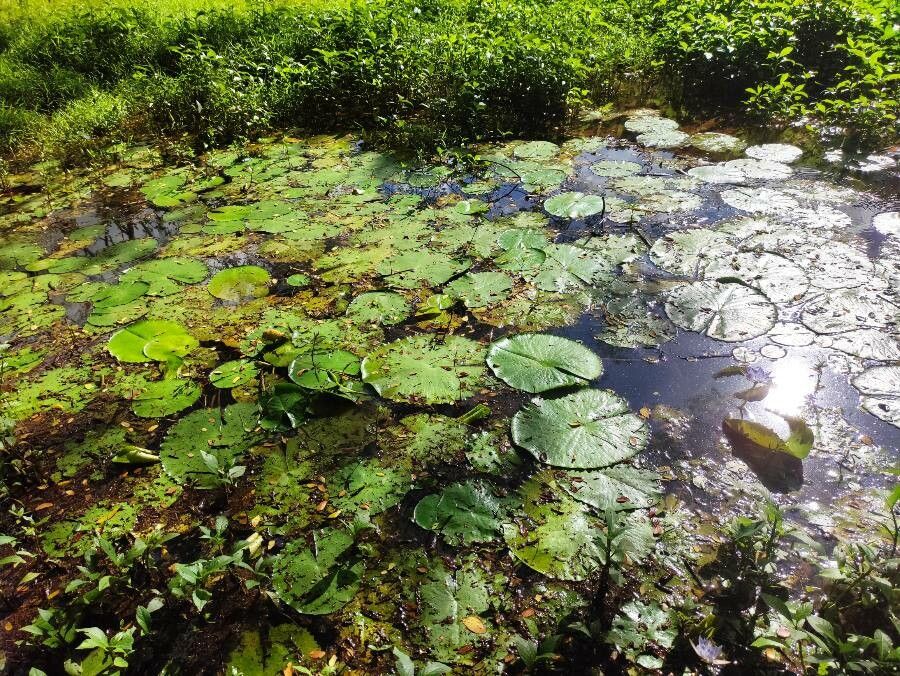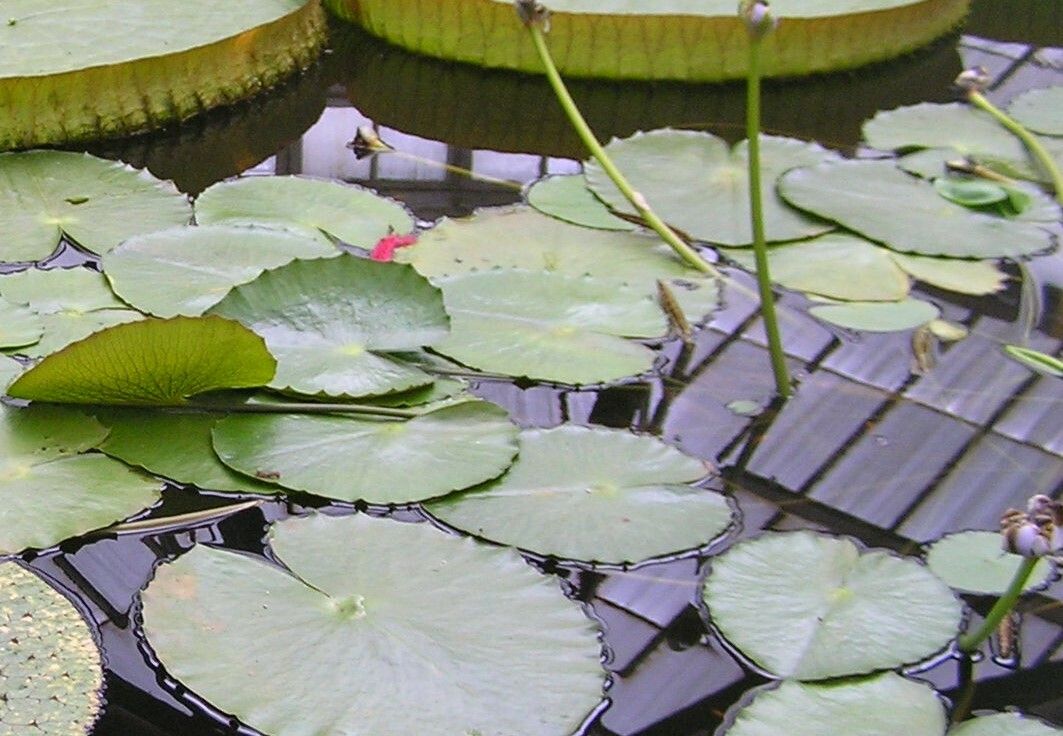
Nymphaea gigantea, commonly known as the giant waterlily or blue waterlily, is a perennial, herbaceous plant in the family Nymphaeaceae which is native to parts of northern and eastern Australia, and possibly New Guinea, and has been widely cultivated elsewhere. It is an aquatic plant whose natural habitat is permanent and semi-permanent still water bodies.
The giant water lily has strong disease resistance and is generally not prone to illnesses. However, it can be vulnerable to pests and diseases present in its surroundings. These infections are usually mild. In terms of maintenance, this plant requires a moderate level of care. It should be pruned regularly to preserve a tidy appearance and healthy growth. Fertilizing can also help encourage flowering. The giant water lily is suitable for anyone with outdoor space, such as a garden or patio, and does not demand extensive plant-care experience. It may need more attention when kept indoors.
How to keep Nymphaea Gigantea.
Light
The giant water lily is native to areas where there is plenty of sunlight, like the shallow perimeters of lakes and ponds. While it thrives best in full sunlight, it can also withstand a bit of shade.
Water
Giant water lilies, originally from Australia, thrive in consistently moist, standing water conditions. To keep them hydrated, water them weekly. Indoors, these impressive plants serve as stunning focal points due to their large foliage. They require adequate moisture to ensure optimal growth and adaptation to an aquatic environment.
Temperature
The giant water lily is native to the tropics, an area known for its consistent warmth and high humidity. As such, it has evolved to thrive in hot, humid climates and does not fare well with abrupt shifts in temperature. It is vital to maintain a steady indoor temperature to ensure its wellbeing. Typically, the plant does poorly in colder conditions and necessitates a higher temperature range to cultivate its growth. If the surrounding temperature plunges excessively, this might lead to the halt of its growth or even its death.
Pruning
The giant water lily is known for its large, floating leaves and vibrant flowers. To maintain its health and appearance, prune the plant from early to late spring. This involves removing dead leaves and spent flowers, as well as thinning overcrowded shoots to improve its vigor and water circulation. Always use clean, sharp tools to ensure optimal health and recovery, which will also enhance the visual appeal of the water feature.
Botanical profile.
- Plant Type
- Herb
- Life Cycle
- Perennial
- Genus
- Nymphaea
- Family
- Nymphaeaceae
- Hardiness Zone
- 9-11
- Mature Height
- 0.91 m to 2.13 m
- Mature Spread
- 1.52 m to 2.13 m
- Leaf Color
- Dark Green, Forest Green
- Leaf Type
- Semi-evergreen
- Flower Color
- Purple, Blue
- Flower Size
- 15.24 cm to 25.40 cm
- Bloom Time
- Late spring, Summer, Early fall, Mid fall
- Planting Time
- Summer, Autumn
- Harvest Time
- Mid summer, Late summer, Fall