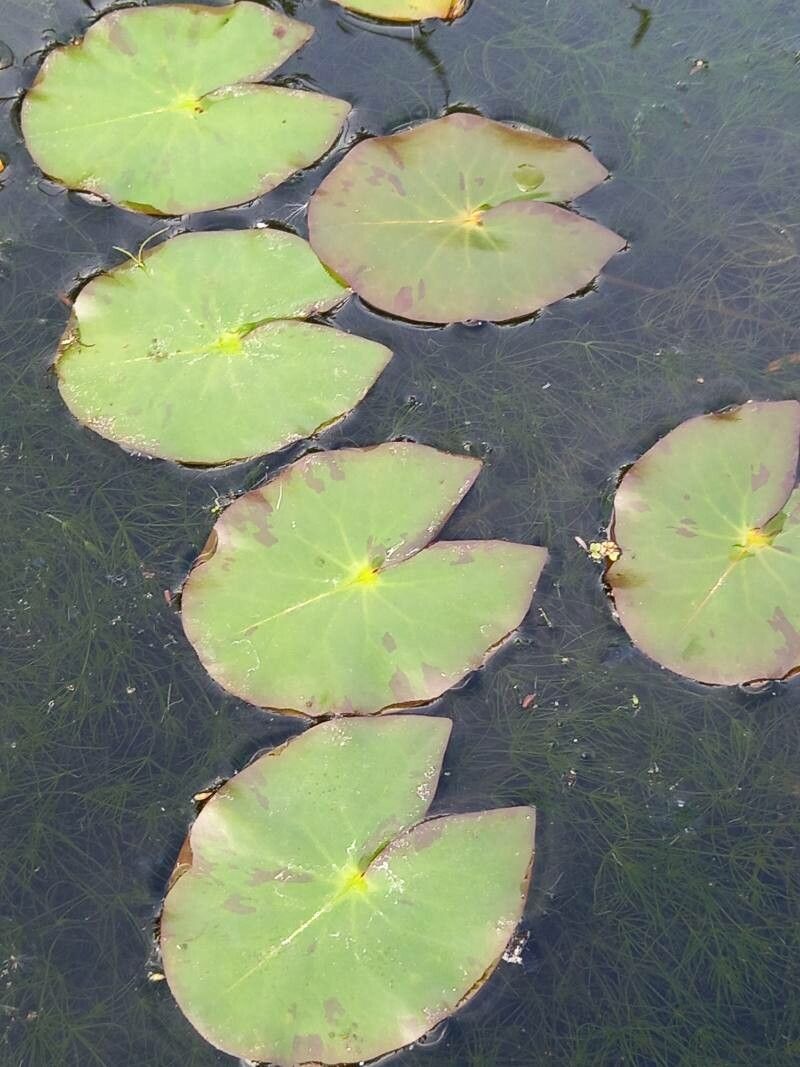
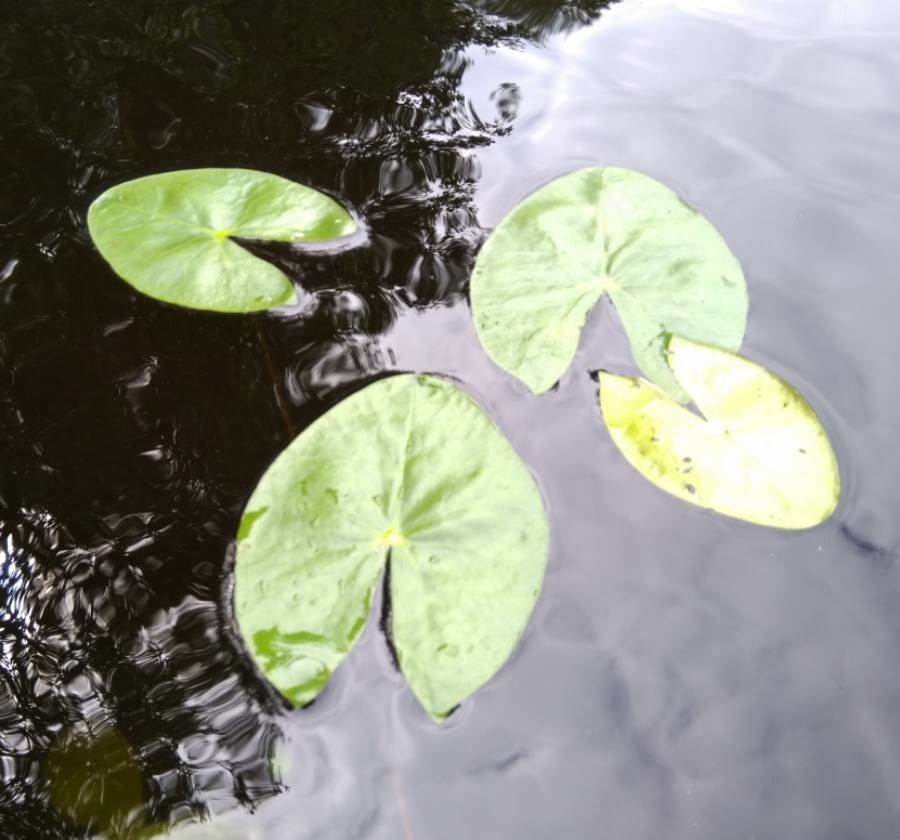
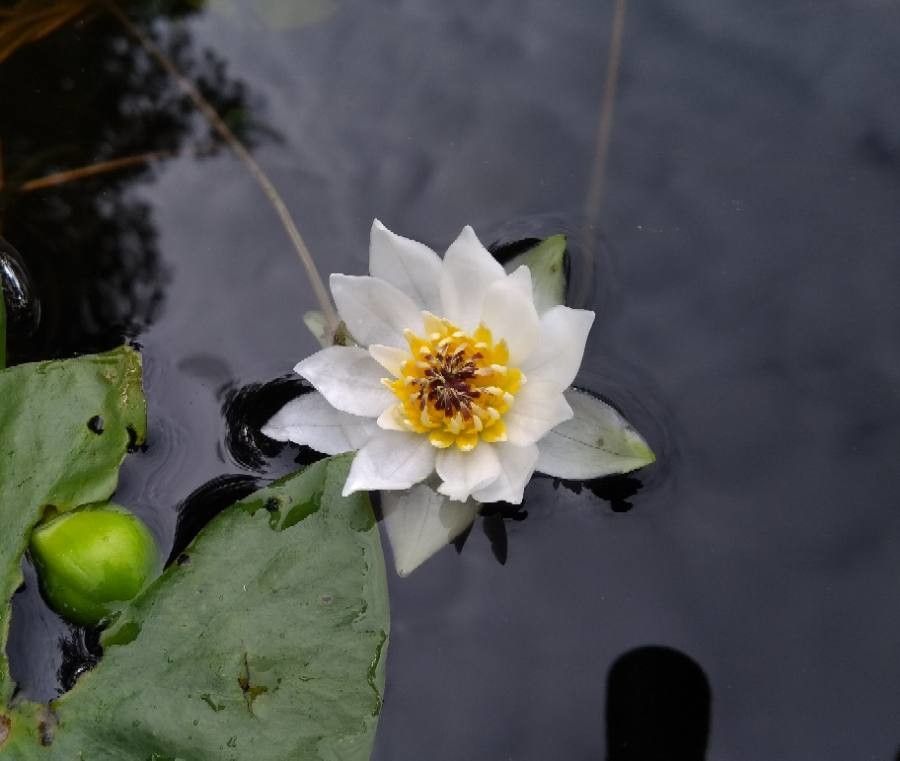
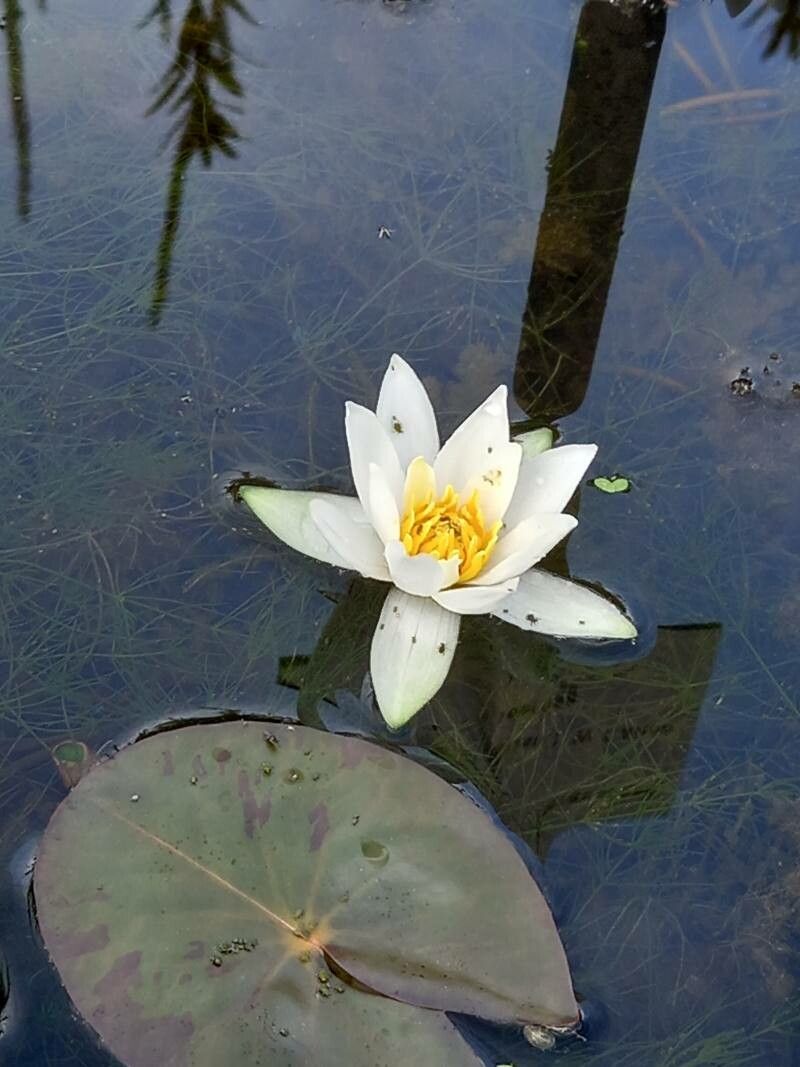
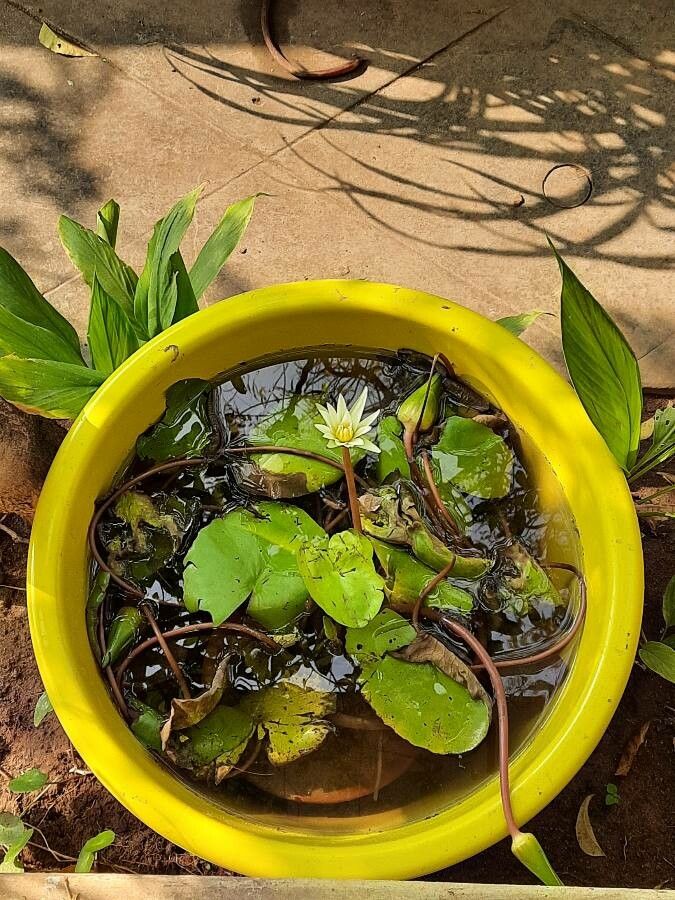
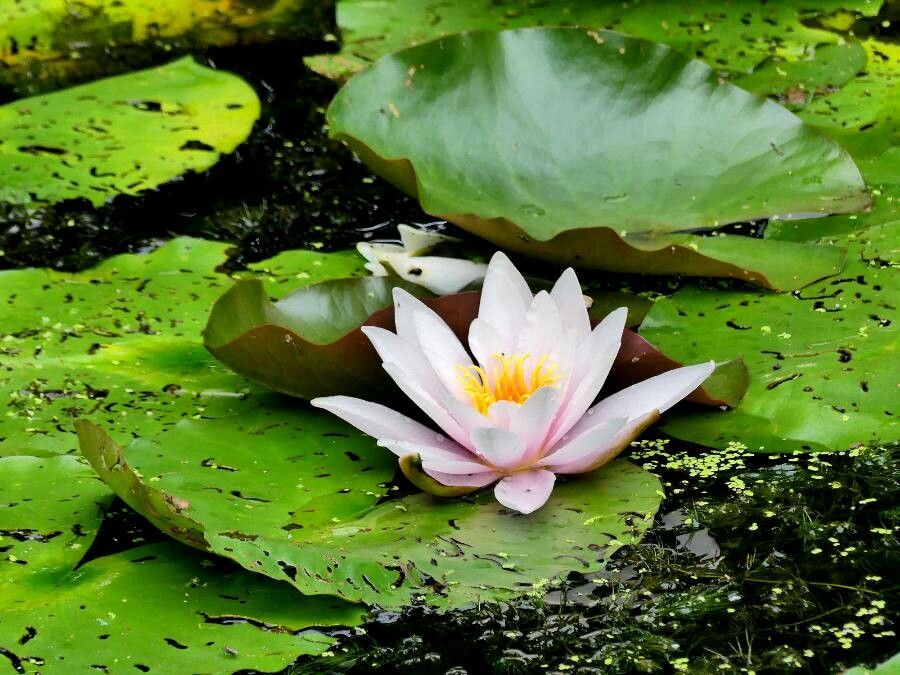
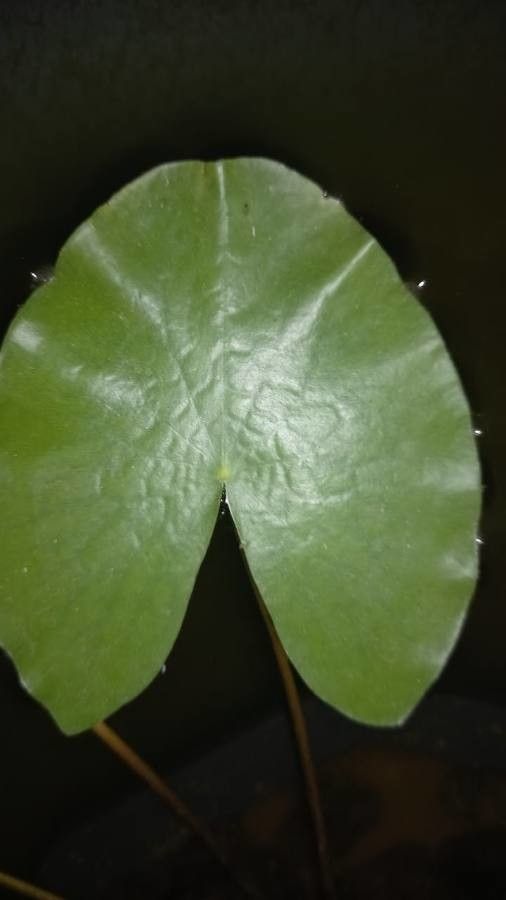
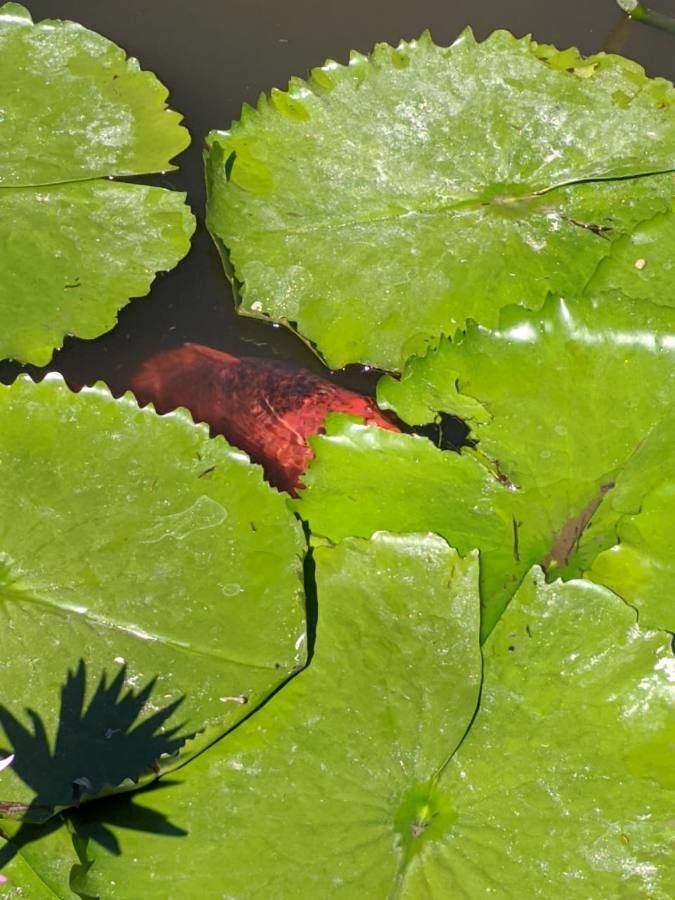
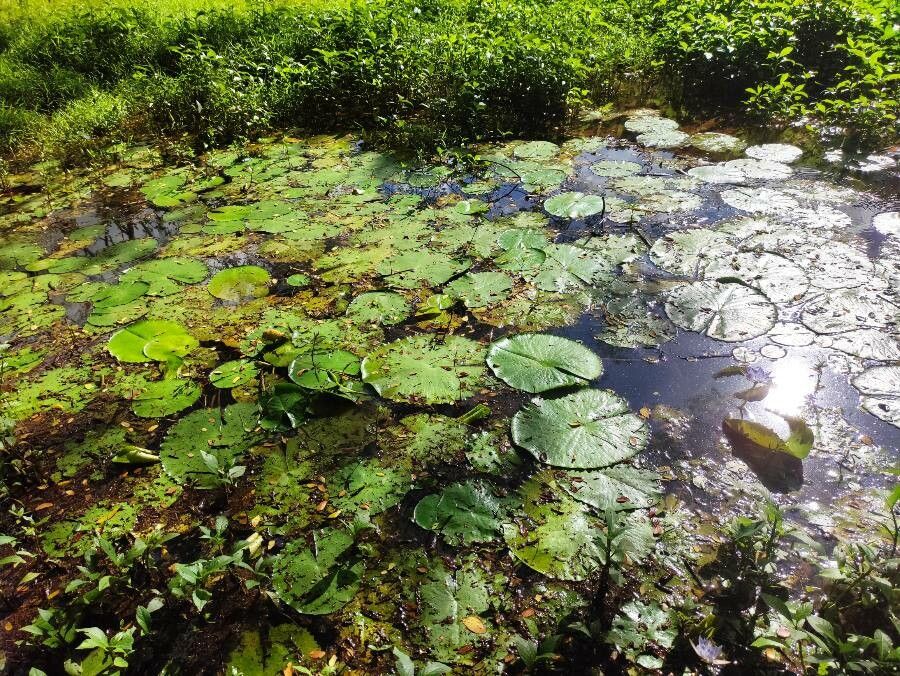
Nymphaea tetragona is a species of flowering plant commonly called pigmy waterlily and small white water lily, belonging to the family Nymphaeaceae. In North America and Europe it native range is restricted to the boreal regions above 50° N latitude.
Pygmy water lily has strong resistance to disease and usually does not develop illnesses. Nonetheless, it can be affected by pests and diseases present in its environment. These issues tend to be minor. In terms of care, the plant needs moderate upkeep. Regular pruning is required to preserve its appearance and support healthy growth. Fertilizing can also encourage it to flower. Pygmy water lily is appropriate for anyone with outdoor space, like a garden or patio, and does not demand extensive care experience. It may need more attention if grown indoors.
How to keep Nymphaea Tetragona.
Light
The pygmy water lily does best in direct, unobstructed sunlight. It naturally occurs in regions that receive large amounts of sun over the year. Insufficient light can limit healthy growth, while excessive exposure can cause damage. Its sunlight requirements may shift slightly at different stages of development.
Water
The pygmy water lily flourishes in high humidity, thriving in moist environments similar to tropical rainforests. For optimal health, it needs to be watered weekly. This plant is best grown outdoors in ponds or containers filled with water, mimicking its natural wetland habitat.
Humidity
This plant needs special care because it loves high humidity levels of 60-80% or more. The best way to achieve this is by placing a humidifier near the plant. Daily misting is also essential! Make sure the room has good ventilation.
Temperature
Pygmy water lily is native to temperate regions and flourishes in temperatures between 41 and 95 °F (5 to 35 °C). Increase its warmth in spring and autumn, but avoid exposing it to direct summer heat to maintain a healthy life cycle.
Fertilizer
To promote the best growth of pygmy water lilies, use a balanced fertilizer every month from spring through late summer. Additionally, apply a high-phosphorus fertilizer every six weeks to enhance flowering. Stop fertilizing during the winter. When applying fertilizers, place the products near the roots carefully to avoid disturbing them.
Pruning
The pygmy water lily thrives in aquatic environments, showcasing its small flowers and floating leaves. To maintain its health, prune in early spring to remove any dead foliage and spent blooms. Regular pruning promotes healthy growth and improves water quality. Additionally, treating the water after pruning helps prevent disease, ensuring the pygmy water lily remains vibrant throughout the growing season.
Botanical profile.
- Plant Type
- Herb
- Life Cycle
- Perennial
- Genus
- Nymphaea
- Family
- Nymphaeaceae
- Hardiness Zone
- 4-10
- Mature Height
- 61 cm
- Mature Spread
- 61 cm
- Leaf Color
- Dark Green, Olive Drab
- Leaf Type
- Deciduous
- Flower Color
- White
- Flower Size
- 3.05 cm to 5.08 cm
- Bloom Time
- Summer, Early fall, Mid fall
- Planting Time
- Spring, Summer
- Harvest Time
- Late summer, Fall, Early winter
- Native Area
- Russia, India, Kazakhstan, Vietnam, Myanmar, Mongolia, Japan, Finland, Koppen, South Korea, Belarus, China
Other names.
Reader questions.
How should I water my Pygmy water lily?
To properly care for the Pygmy water lily, it is important to use filtered water at room temperature or slightly warmer. Tap water may contain harmful particles, so filtered water is preferred. The Pygmy water lily is accustomed to warm environments, so using cold water can be a shock to its system. It is best to avoid overhead watering, as this can lead to problems with the foliage. Instead, apply the filtered room temperature water directly to the soil until it is completely soaked. This way, the water will moisten the roots and allow them to spread and gather the necessary nutrients from the soil.
Why should I put fertilizer on my Pygmy water lily?
Fertilization is important for the Pygmy water lily because it provides key nutrients for growth. While the overall fertilization needs are low, it can be beneficial to fertilize annually to keep the plant alive and encourage better, longer-lasting flowers. Therefore, those who want their Pygmy water lily to look its best should regularly fertilize it.
What are the sunlight requirements for a Pygmy water lily?
A Pygmy water lily requires full sun, meaning it should receive more than 6 hours of sunlight daily, but it can also thrive in partial sun, which is about 3-6 hours of sunlight. It's crucial to observe the movement of sunlight through your garden to find spots with the ideal balance of light and shade, ensuring the plant's well-being. The native environment of the Pygmy water lily is consistent with regions that experience ample sun exposure throughout the year. Both insufficient light and overexposure can affect the plant's health, with inadequate light inhibiting growth and too much sun potentially causing harmful effects.
What are the ideal temperature conditions for a Pygmy water lily?
The Pygmy water lily, scientifically known as Nymphaea tetragona, flourishes in temperate climates. It prefers temperatures between 41 to 95°F (5 to 35°C), thriving especially when warmth is gradually increased during spring and fall. However, to maintain its health, it is crucial to avoid exposing it to direct summer heat. Despite its strong resistance to cold, additional protection is advised if winter temperatures are anticipated to drop below -30°C. This involves covering the plant with insulating materials like soil or straw. Also, watering the plant abundantly before the first freeze of autumn to ensure the soil is moist and frozen, helps in preventing drought and water scarcity during the winter and early spring months.
What should I do if I give my Pygmy water lily too much water or not enough water?
Overwatering is a more common issue with Pygmy water lilies and can cause their stems and leaves to wilt and turn yellow. Prolonged overwatering can lead to diseases like root rot, mold, and mildew, which can kill the plant. Underwatering is less common, but it can cause the leaves to become brittle and brown. It's important to notice the signs of overwatering early because some diseases may not be treatable if left too long. If you see signs of overwatering, reduce watering and check the soil drainage. If the soil doesn't drain well, replace it with a well-draining potting mix. If your Pygmy water lily needs more water, increase your watering schedule until the signs improve.
When should I fertilize my Pygmy water lily for best results?
Fertilizing a Pygmy water lily is best done in late winter to early spring, when the plant is coming out of its dormant phase and starting to grow actively. This is the ideal time to promote healthy growth for the upcoming season. Although spring is the most advantageous time to fertilize, it is also acceptable to fertilize in the fall. However, it is not recommended to fertilize in summer or winter.
How can artificial lighting be used for the Pygmy water lily?
Artificial lighting can be essential for indoor Pygmy water lilies, especially when natural sunlight is lacking, like in winter or in less sunny spaces. LED lights are recommended because they can be tailored to provide specific wavelengths needed by plants. For full sun plants, 30-50W per square foot is required, partial sun plants need 20-30W per square foot, and full shade plants need 10-20W per square foot. The light source should be placed 12-36 inches above the plant to mimic natural sunlight, and most plants benefit from 8-12 hours of light per day to promote faster, healthier growth.
How does low temperature affect the Pygmy water lily and what are the solutions?
The Pygmy water lily is known for its cold tolerance, best thriving when temperatures stay above 5°C. However, during winter, it's vital to ensure that the temperature does not fall below -25°C. In extreme cold below -30°C, the plant might not show immediate damage, but the effects can become evident by a lack of sprouting or no sprouting at all during spring. A practical solution for plants that fail to sprout in spring due to low temperatures is to remove the unsprouted parts, promoting healthier growth cycles.
How many times do I need to water my Pygmy water lily?
To clarify how to determine when to water your Pygmy water lily, follow these guidelines based on whether it is in a pot or planted in the ground. If your plant is in a pot, simply check the moisture level by sticking your finger into the soil. Once the top two to three inches of soil are dry, it's time to water. The same method can be applied if you have planted the Pygmy water lily outdoors. During spring and early fall, watering once a week is usually sufficient. However, during exceptionally hot weather, increasing the watering frequency to two or more times per week may be necessary. It's worth noting that mature and well-established Pygmy water lilies have a remarkable capacity to withstand drought.
When is it not a good idea to fertilize my Pygmy water lily?
To ensure the proper growth of your Pygmy water lily, it is important to fertilize only during late winter and early spring. This plant has low fertilization needs, so one feeding per year is enough. Fertilizing during spring, summer, and fall can lead to overfertilization and its complications, unless you missed fertilizing in spring, in which case it is acceptable to fertilize in fall. Additionally, there is no need to fertilize during winter when the plant is in a dormant phase and not actively growing.
What symptoms indicate insufficient or excessive sunlight exposure in a Pygmy water lily?
Symptoms of insufficient sunlight include smaller new leaves, leggy or sparse growth, faster leaf drop, slower or no new growth, and lighter-colored new leaves. Excessive sunlight exposure can lead to chlorosis, sunscald, leaf curling, wilting, and leaf scorching. These symptoms reflect the plant's struggle to adapt to its lighting conditions, either by conserving resources due to low light or by sustaining damage from intense sunlight.
What impact does high temperature have on the Pygmy water lily, and how can these issues be addressed?
During the summer months, it is critical to keep the Pygmy water lily's environment below 35°C. Exposure to temperatures exceeding 41°C can lead to the plant's leaves becoming lighter, curling, and becoming prone to sunburn. In severe cases, the entire plant might wilt and dry out. To mitigate these effects, trim away any sunburned or dried parts of the plant. Moving the plant to a shaded location or using a shade cloth to protect it from the midday and afternoon sun can also be beneficial. Additionally, watering the plant during cooler times, such as in the morning and evening, helps in keeping the soil adequately moist and supports the plant's well-being.