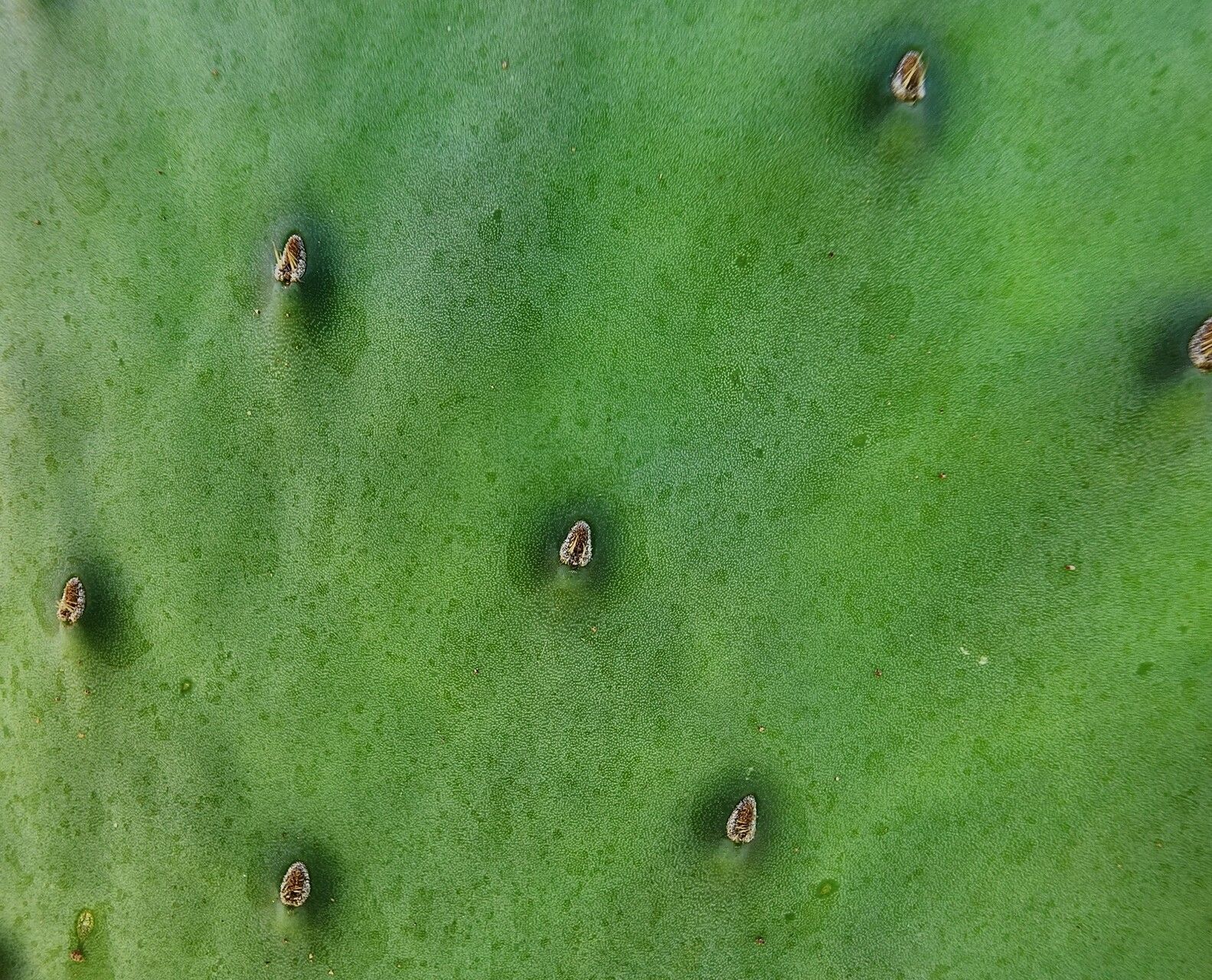
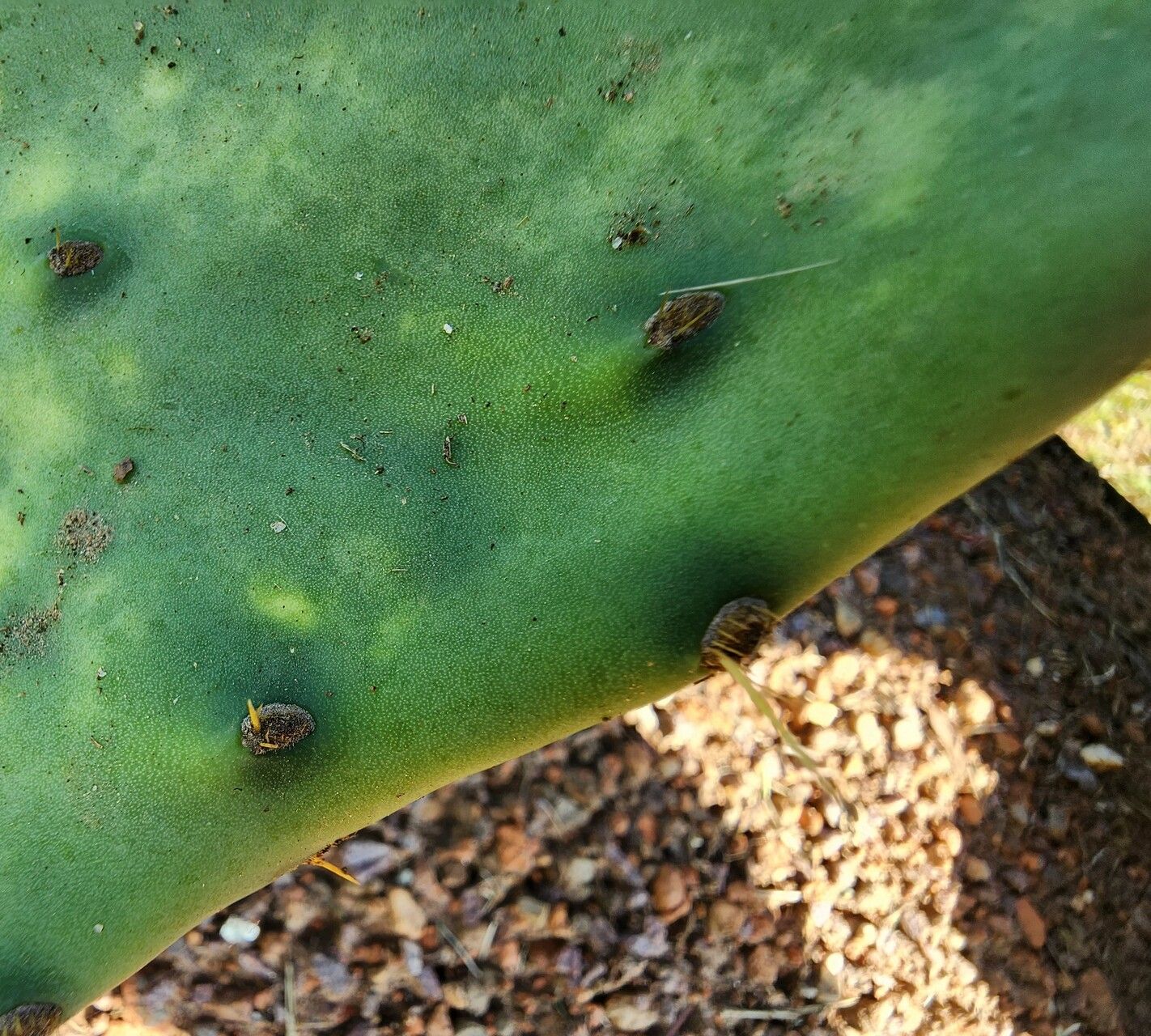
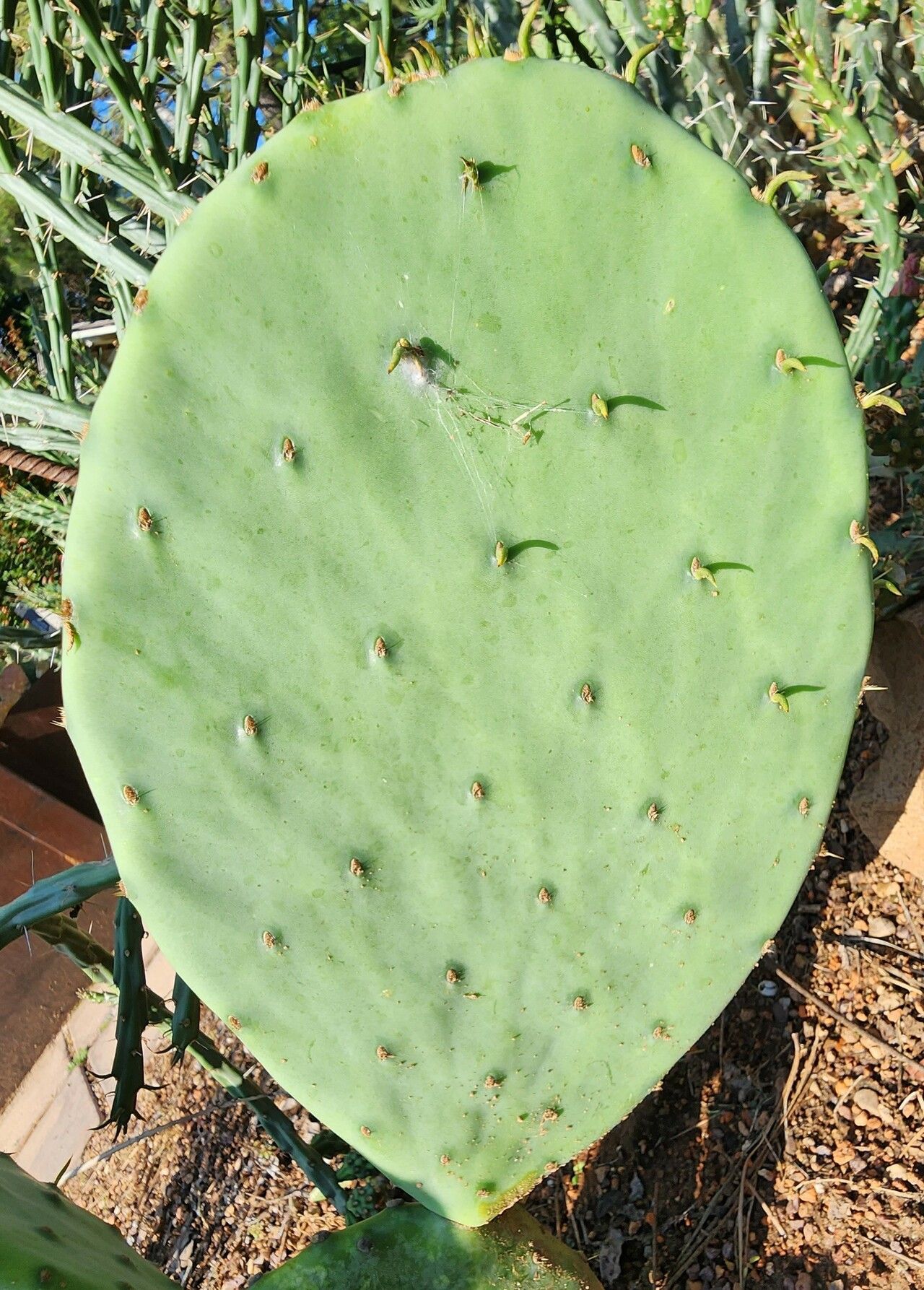
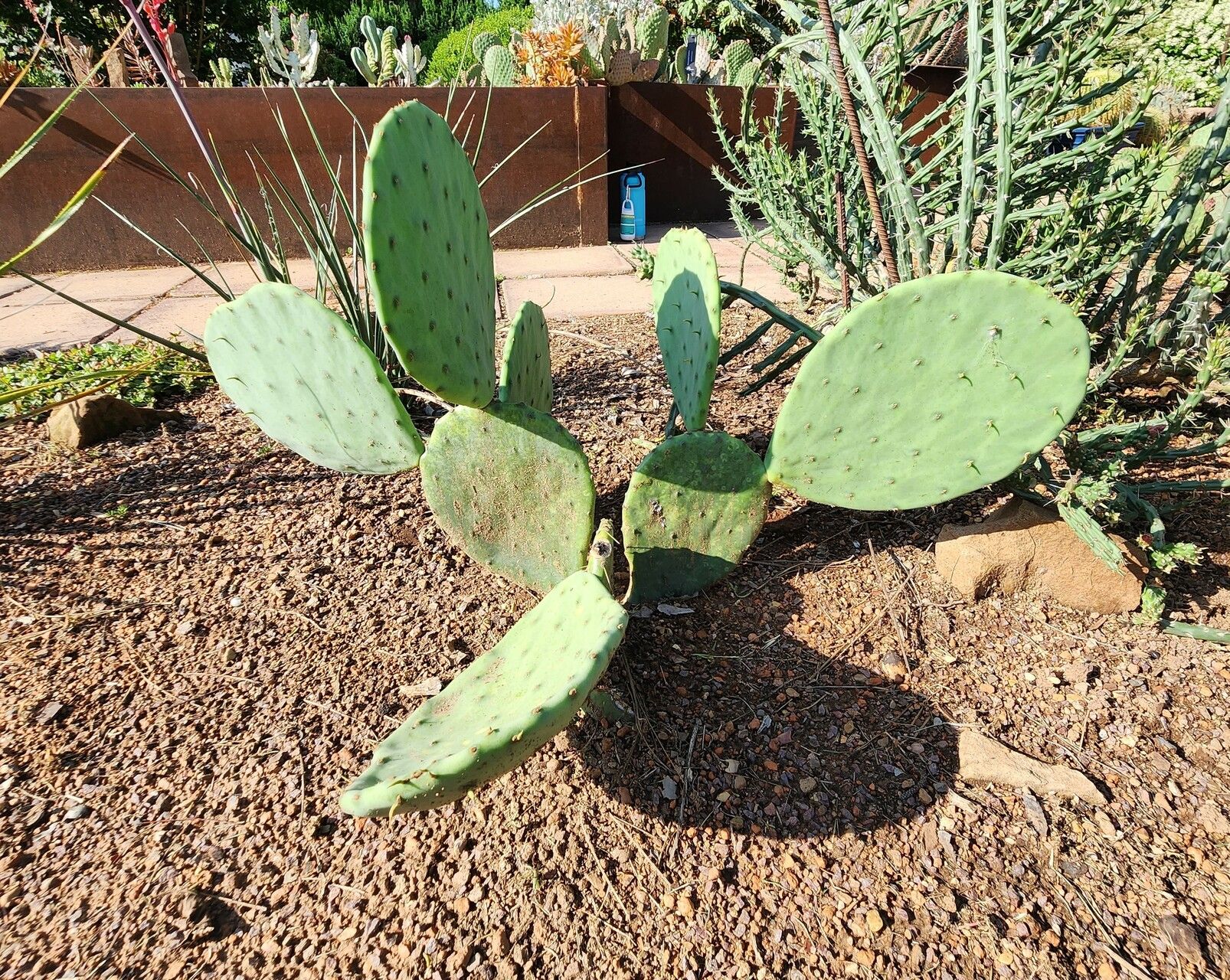
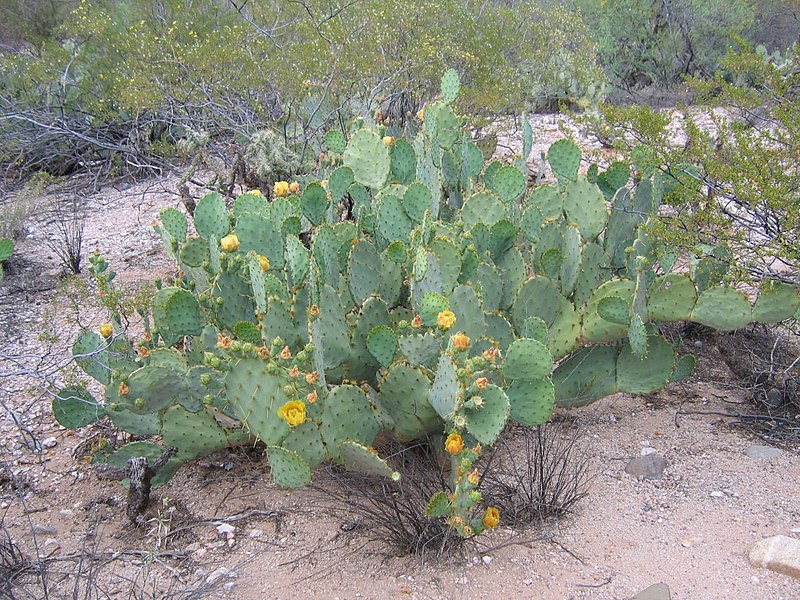
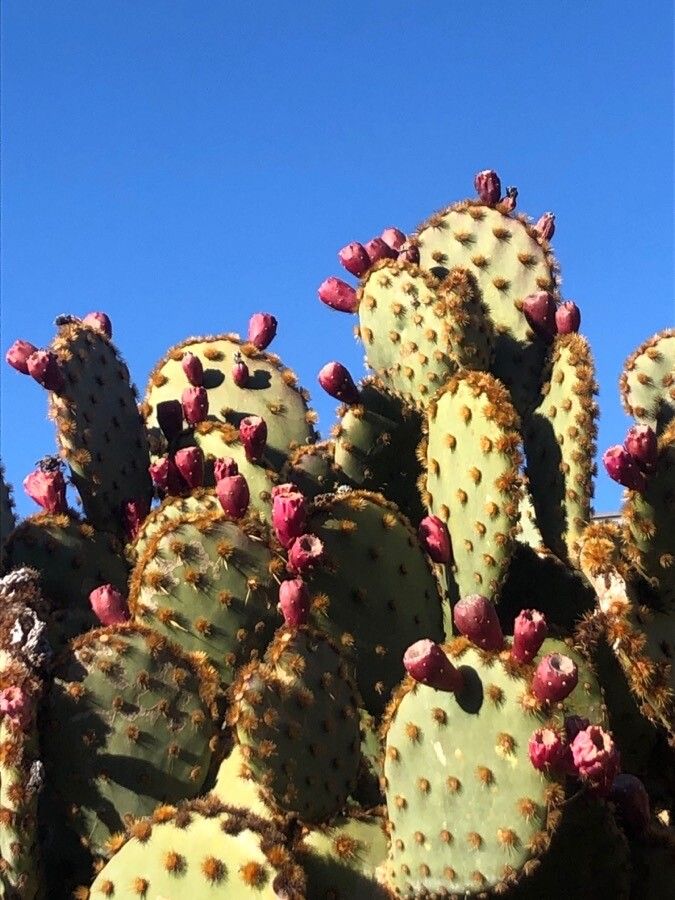
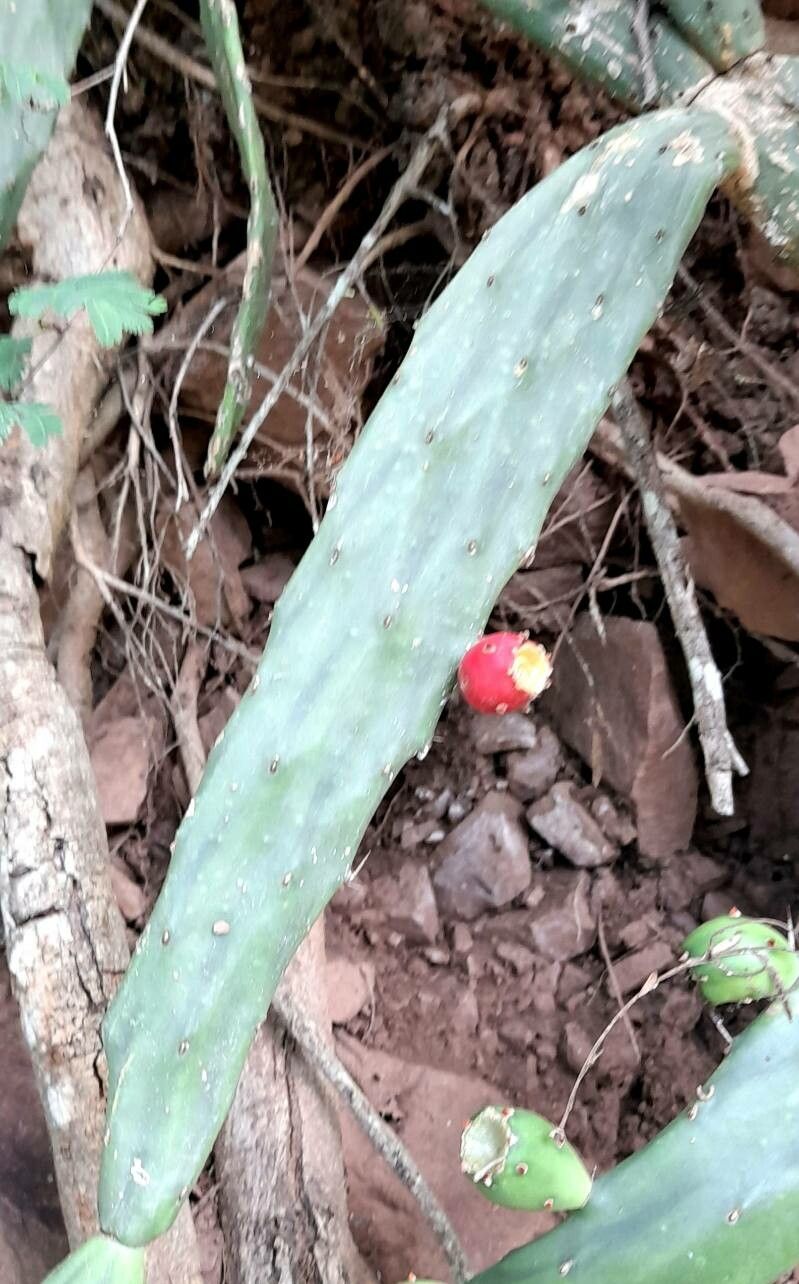
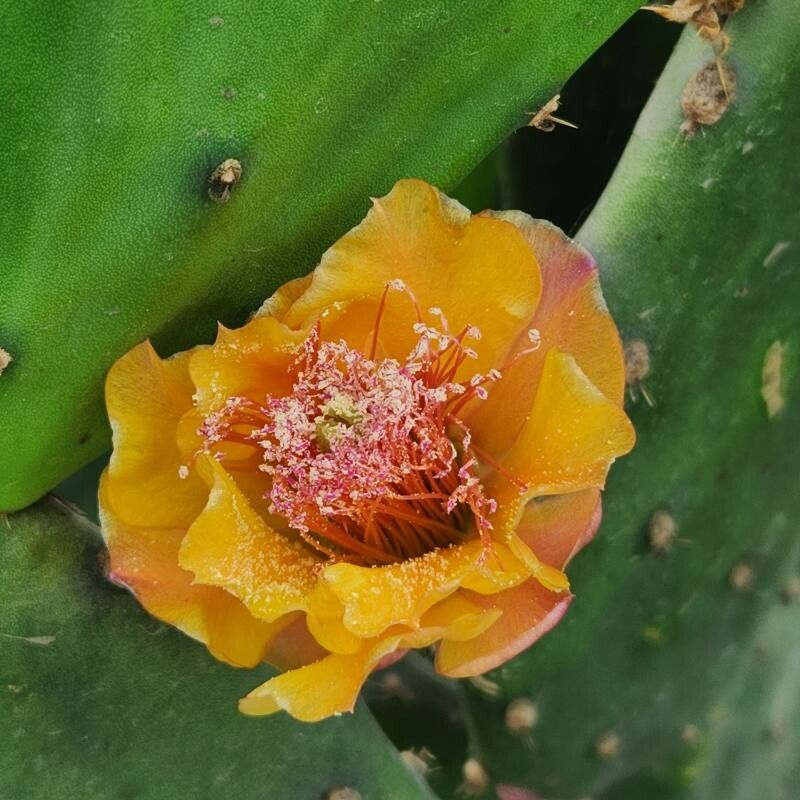
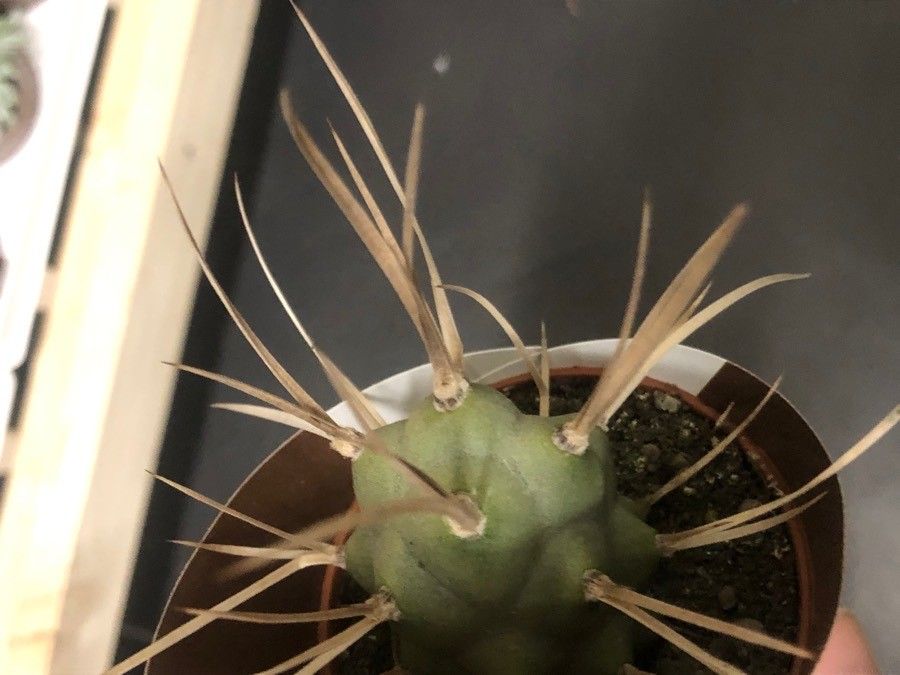
Opuntia lindheimeri or Texas prickly pear is a species of cactus native to North America. It is native to Mexico and the United States, where its populations are primarily in Texas.Widespread taxonomic confusion has prevented a clear understanding of the true range of this species, resulting in significant publication discrepancies regarding both its western and eastern boundaries. According to Opuntia Web group, this species is typically found in more mesic habitats with deeper soils.
Texas pricklypear has strong resistance to disease and generally tolerates normal care without becoming sick easily. It can, however, be vulnerable to mealybugs; these pests may cause some harm but usually do not pose a major danger. Regarding care, Texas pricklypear is drought-tolerant and does not require frequent watering. It can endure extended periods without water and needs little fertilizer. That said, it is very prone to root rot if kept in poor light and given too much water. In general, Texas pricklypear is a good choice for people who prefer low-maintenance plants, though its basic needs should still be met. It is especially appropriate for those who are away for long stretches and might forget to water regularly.
How to keep Opuntia Lindheimeri.
Light
Texas pricklypear, a plant native to dry areas, flourishes in direct sunlight, as it hails from a region known for intense sun and scarce shading. However, it is also tolerant of partial sun, demonstrating a degree of flexibility in its development.
Temperature
The Texas pricklypear flourishes in hot conditions and needs elevated temperatures during its growth period to boost its development and metabolism. It thrives with plenty of sunlight, suitable amounts of moisture, and sufficient ventilation. Nevertheless, it can be harmed by extremely cold temperatures and too much watering. It's crucial to maintain a balance and steer clear of excessively hot conditions and extremely dry surroundings as well.
Fertilizer
For the Texas pricklypear, a small amount of fertilizer administered once or twice annually during the growth period is adequate. Fertilizer should not be used during the winter and summer seasons when the plant is in a dormant state. The quantity of fertilizer should be reduced for plants that have been repotted, and you should wait for a few months post-repotting before administering fertilizer. The process of fertilizing aids in promoting robust growth and fostering blossoms.
Botanical profile.
- Plant Type
- Shrub, Succulent
- Life Cycle
- Perennial
- Genus
- Opuntia
- Family
- Cactaceae
- Hardiness Zone
- 8-11
- Mature Height
- 0.91 m to 1.83 m
- Mature Spread
- 2.44 m
- Leaf Color
- Green, Dark Green
- Leaf Type
- Evergreen
- Flower Color
- Yellow
- Flower Size
- 5.08 cm to 7.62 cm
- Bloom Time
- Late spring, Early summer, Mid summer
- Planting Time
- Spring, Summer, Autumn
- Harvest Time
- Mid summer, Late summer, Early fall
Other names.