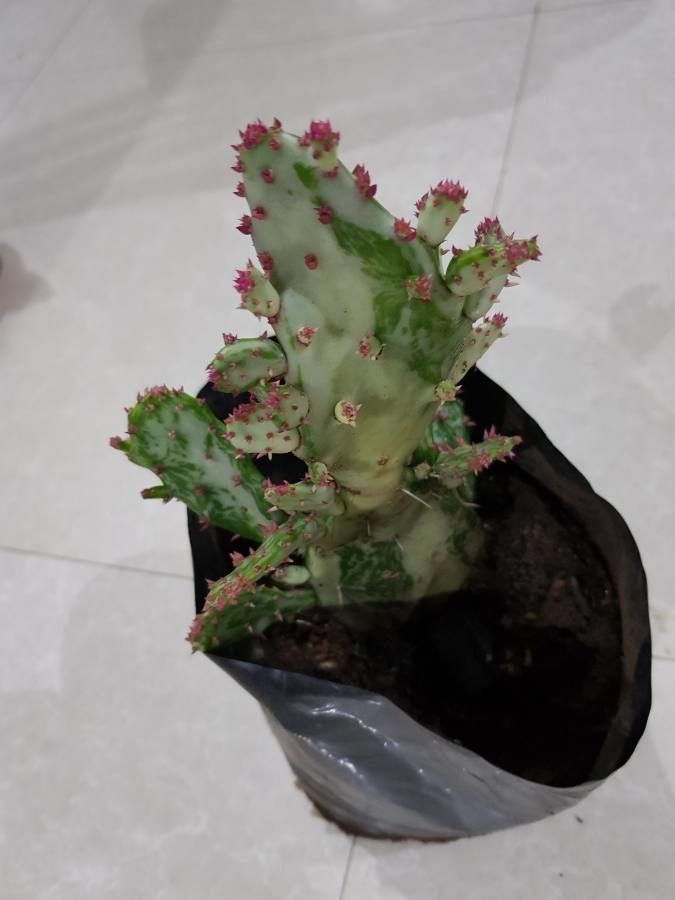
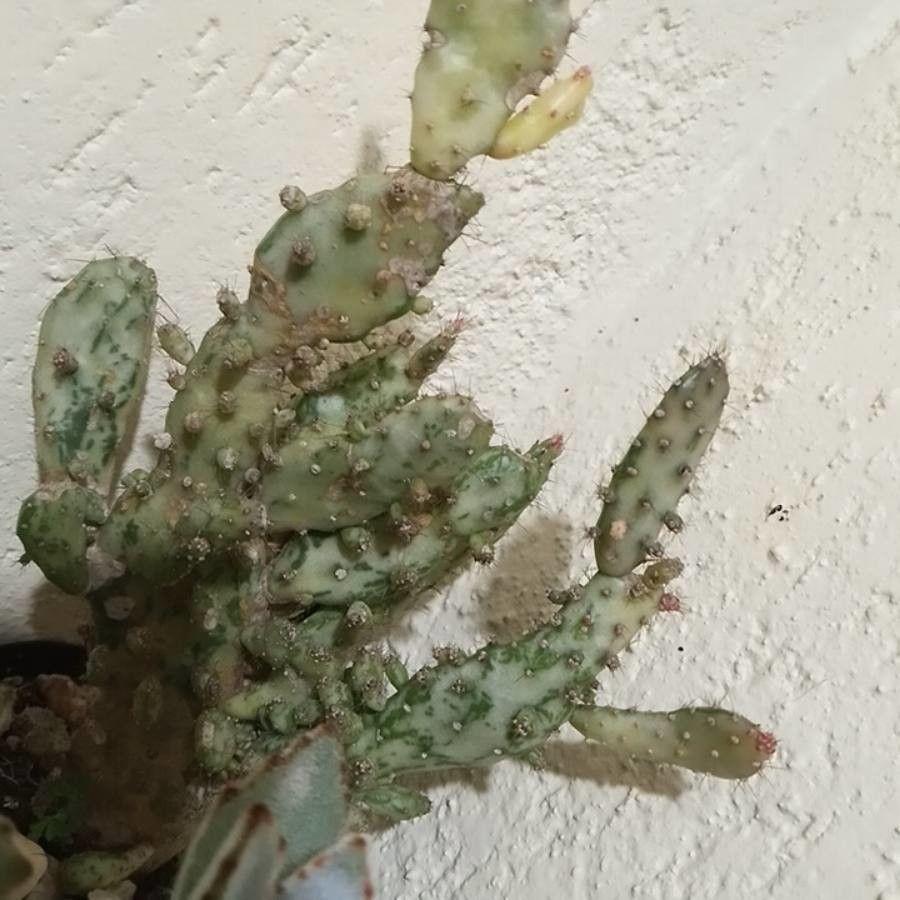
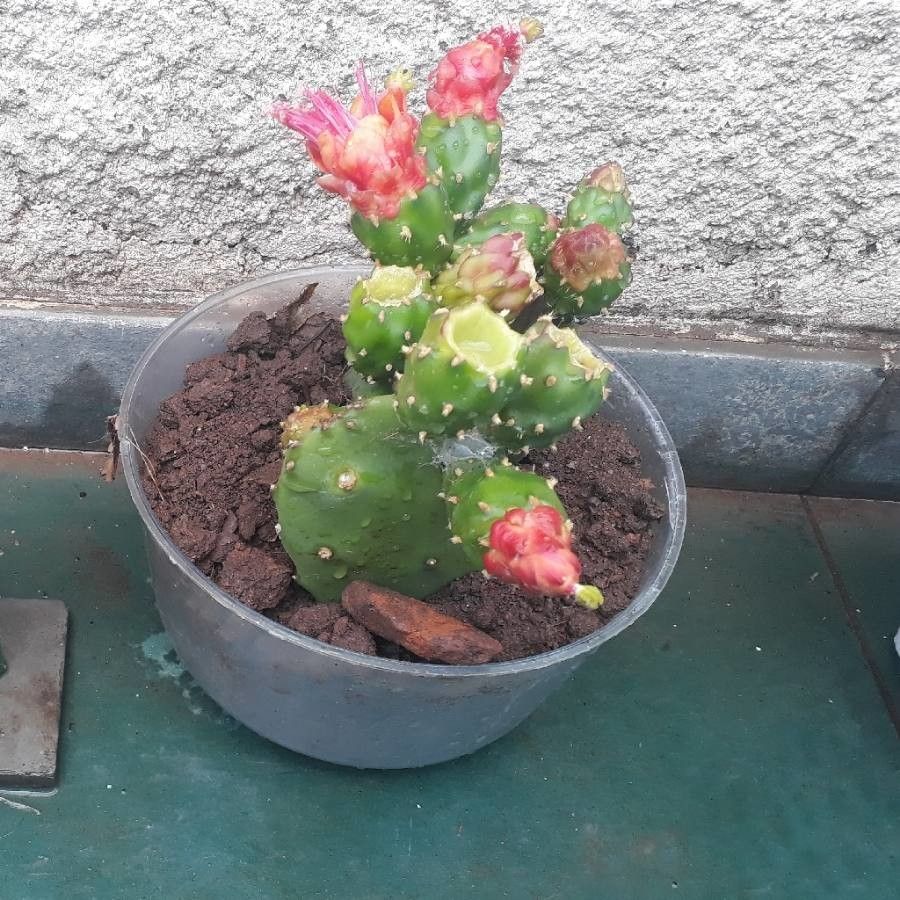
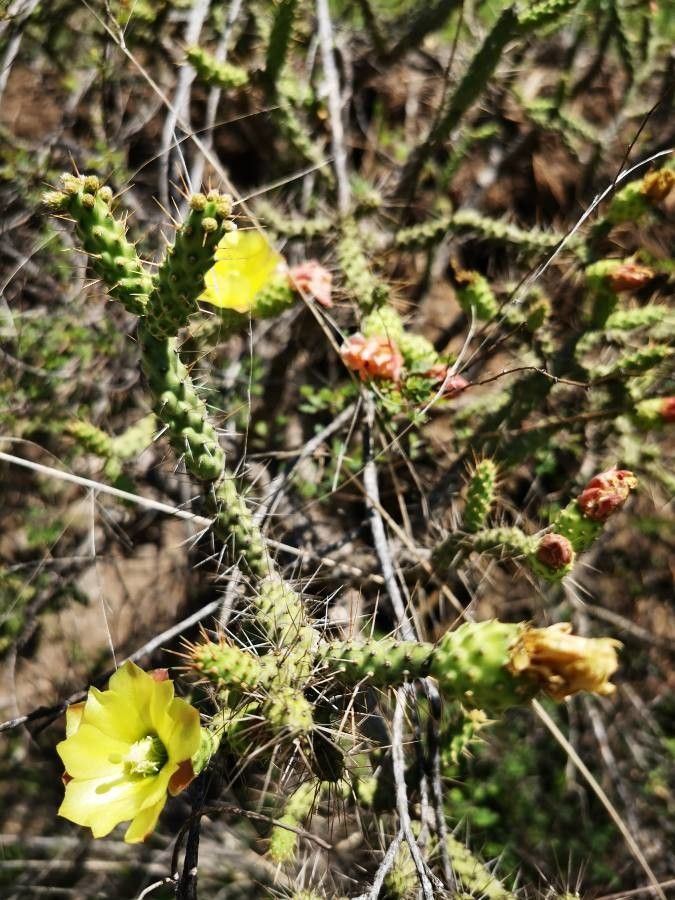
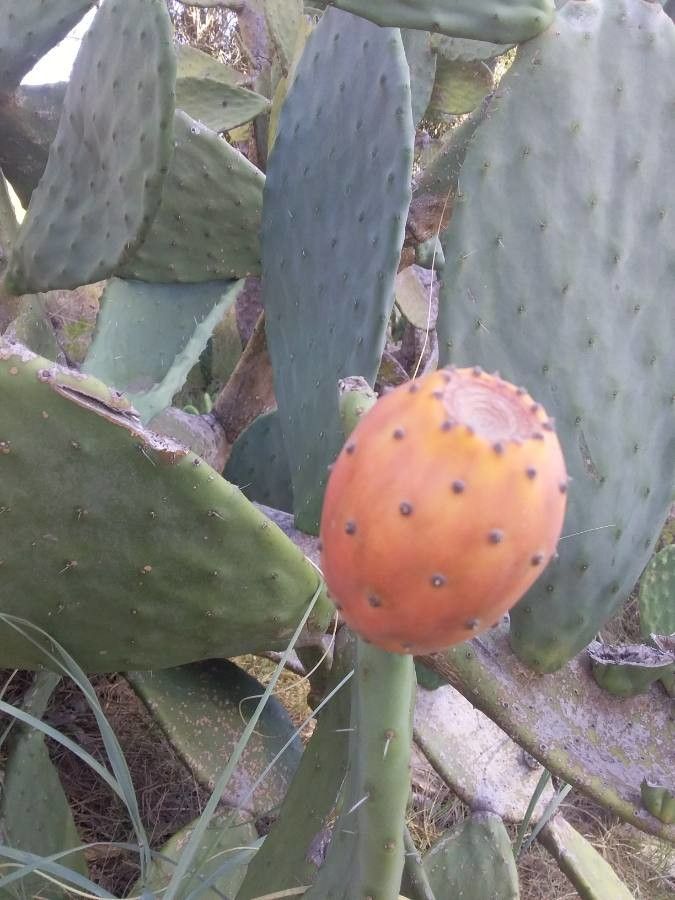
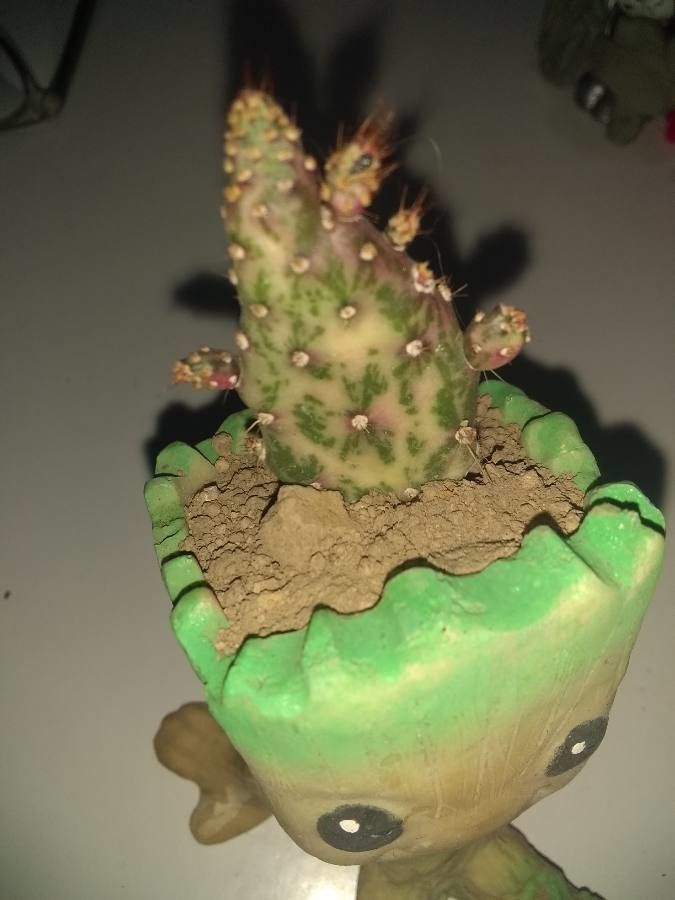
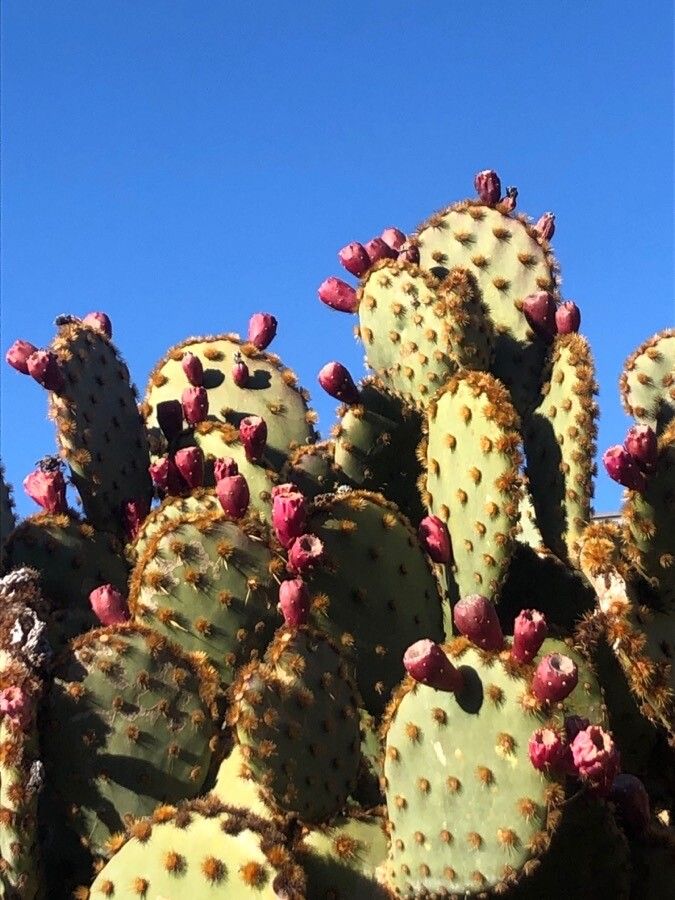
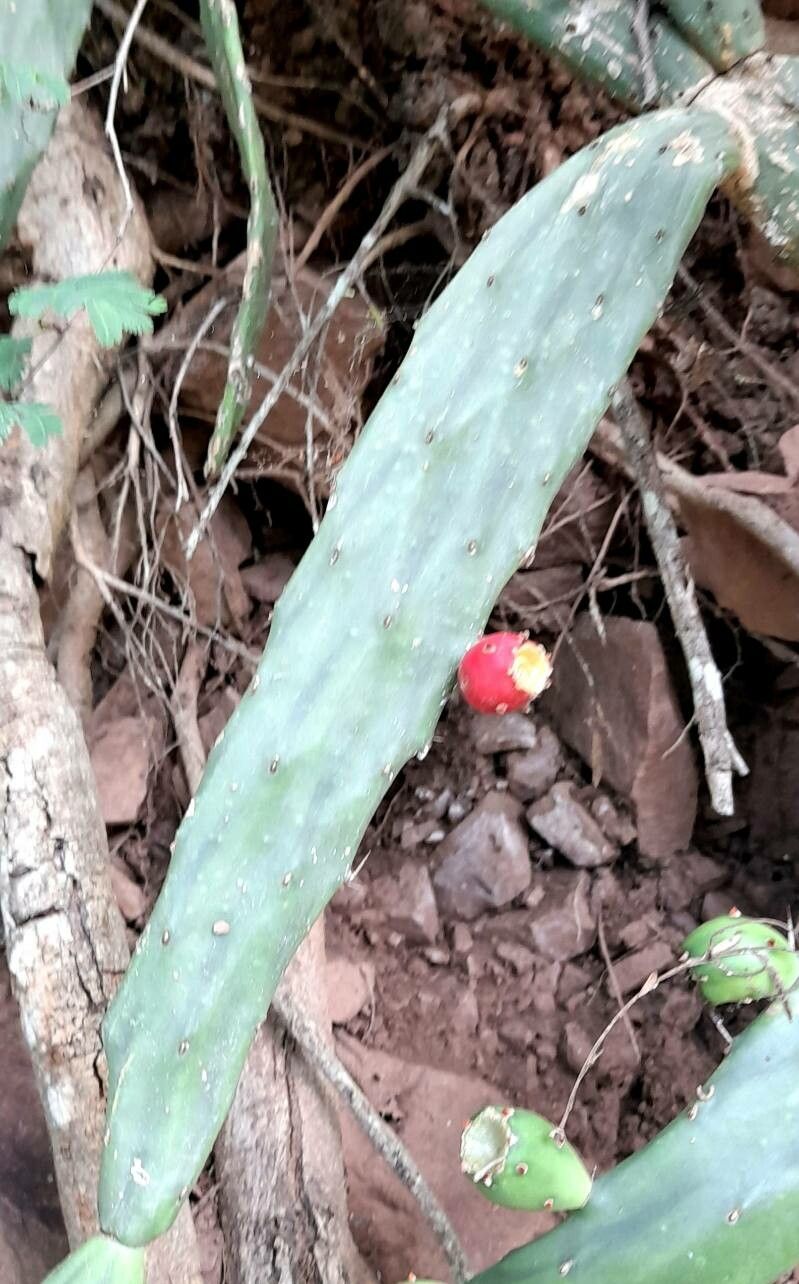
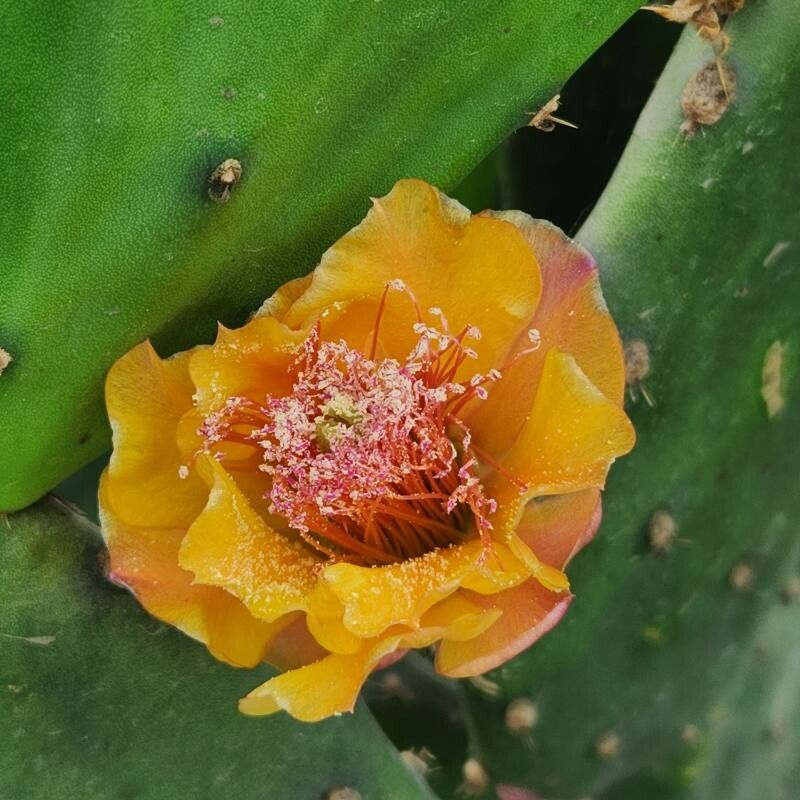
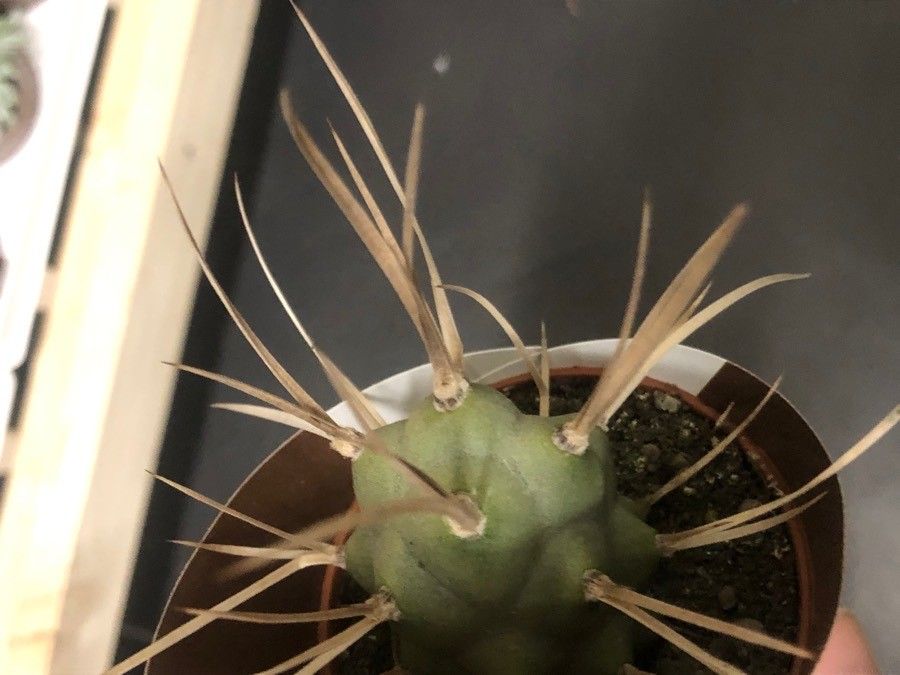
Opuntia triacantha, commonly known as the Three-Spined Prickly Pear, is a species of cactus in the family Cactaceae. Native to Mexico, this plant can be found in various regions throughout the country. It features distinctive flattened pads covered in spines and glochids (small, hair-like structures). The green pads can grow up to 20 cm long. During the spring or summer, Opuntia triacantha produces striking yellow flowers, approximately 5 cm wide, with numerous petals arranged around a central stigma. These flowers eventually yield edible fruits known as prickly pears. The fruits are sweet but must be handled carefully due to their spines. The Three-Spined Prickly Pear is adaptable and thrives in various soil types, though it prefers well-draining soil with low moisture content. It requires full sun exposure for optimal growth and should be watered sparingly during its dormant period. This plant has multiple uses. Its unique appearance makes it popular for ornamental purposes. Additionally, it has medicinal benefits, including the treatment of ailments such as diabetes and high cholesterol levels. It also serves as a food source for humans and animals like cattle and goats. In conclusion, Opuntia triacantha is a fascinating cactus species with unique features, including flattened pads covered in spines. It produces beautiful yellow flowers, followed by edible fruits known as prickly pears, which have various uses. These characteristics make it an important plant species both ecologically and economically.
Spanish lady has strong resistance to disease and tolerates routine care without becoming ill easily. It can, however, be prone to mealybugs; these pests may cause some damage but are typically not a major hazard. Regarding care, Spanish lady is drought-tolerant and does not require frequent watering. It endures extended intervals without water and needs little fertilizer. That said, it is very vulnerable to root rot if kept in poor light and given too much water. In general, Spanish lady is a good choice for people who prefer low-maintenance plants, though it’s still important to meet its basic needs. It is especially appropriate for those who are away often and might forget to water regularly.
How to keep Opuntia Triacantha.
Light
Spanish lady, originating from dry regions, flourishes in full sun as its natural habitat is marked by intense sunlight and little shade. It can also adapt to environments with partial sun, demonstrating some degree of flexibility in its growth.
Temperature
A Spanish lady favors hot surroundings and demands increased temperatures during its growth period for the enhancement of its growth and metabolism. It benefits from plenty of sunlight, suitable humidity, and proper aeration. Nonetheless, it can suffer harm from extremely cold temperatures and too much watering. Maintaining a equilibrium is essential to dodge excessively torrid temperatures and excessively parched conditions too.
Fertilizer
For the Spanish lady plant, it is enough to apply a light amount of fertilizer once or twice a year in the growing season. It should not be fertilized during winter and summer as it is in a dormant state during these seasons. After repotting, wait a few months before applying fertilizer again and lower the amount for repotted plants. The act of fertilizing aids in promoting vigorous growth and promoting blooming.
Botanical profile.
- Plant Type
- Shrub, Succulent
- Life Cycle
- Perennial
- Genus
- Opuntia
- Family
- Cactaceae
- Hardiness Zone
- 8-11
- Mature Height
- 49 cm to 91 cm
- Mature Spread
- 0.91 m to 2.13 m
- Leaf Color
- Green
- Leaf Type
- Evergreen
- Flower Color
- Yellow
- Flower Size
- 5.08 cm to 6.35 cm
- Bloom Time
- Summer
- Planting Time
- Spring, Summer, Autumn
- Harvest Time
- Late summer, Early fall, Mid fall
- Native Area
- Cuba
Other names.