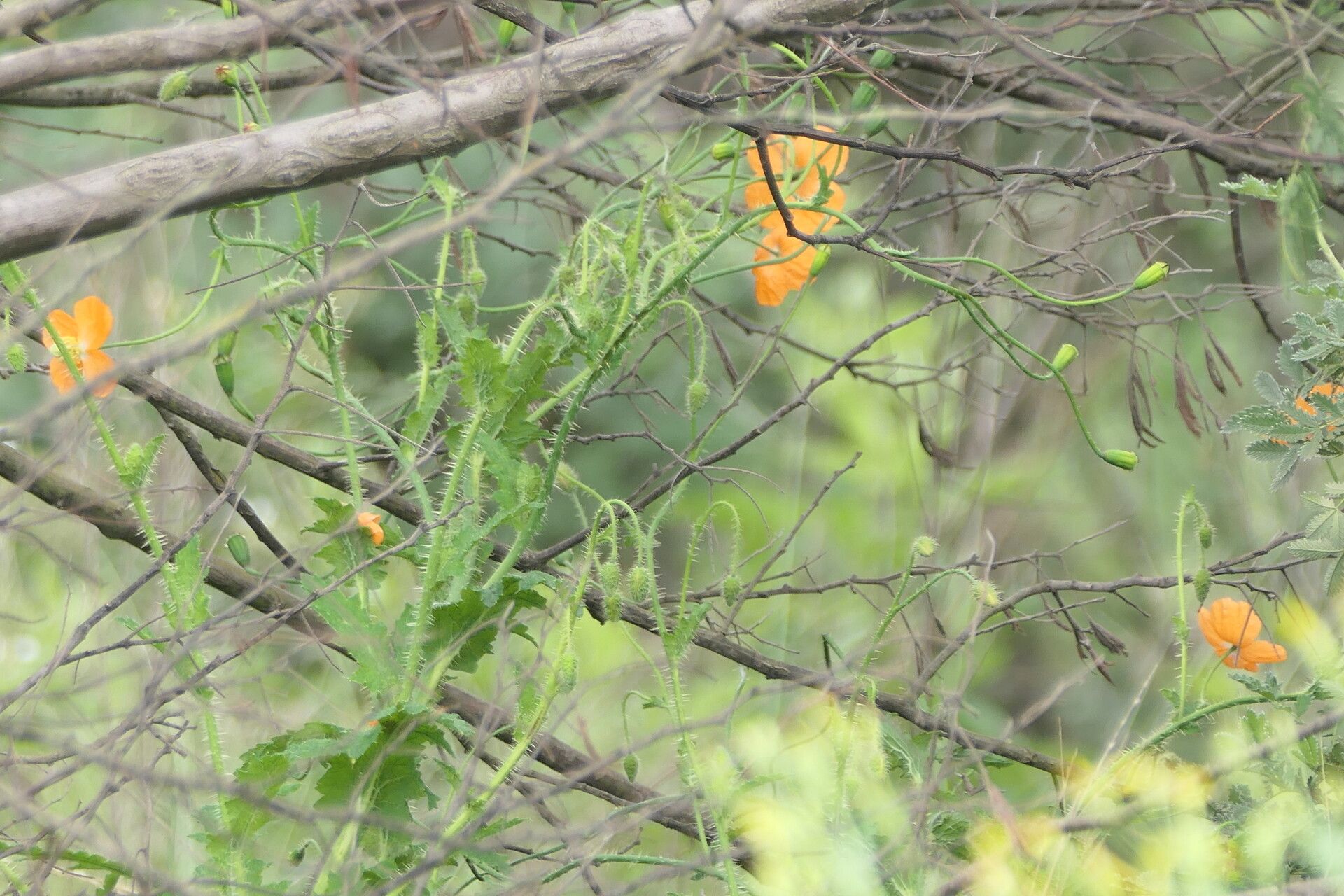
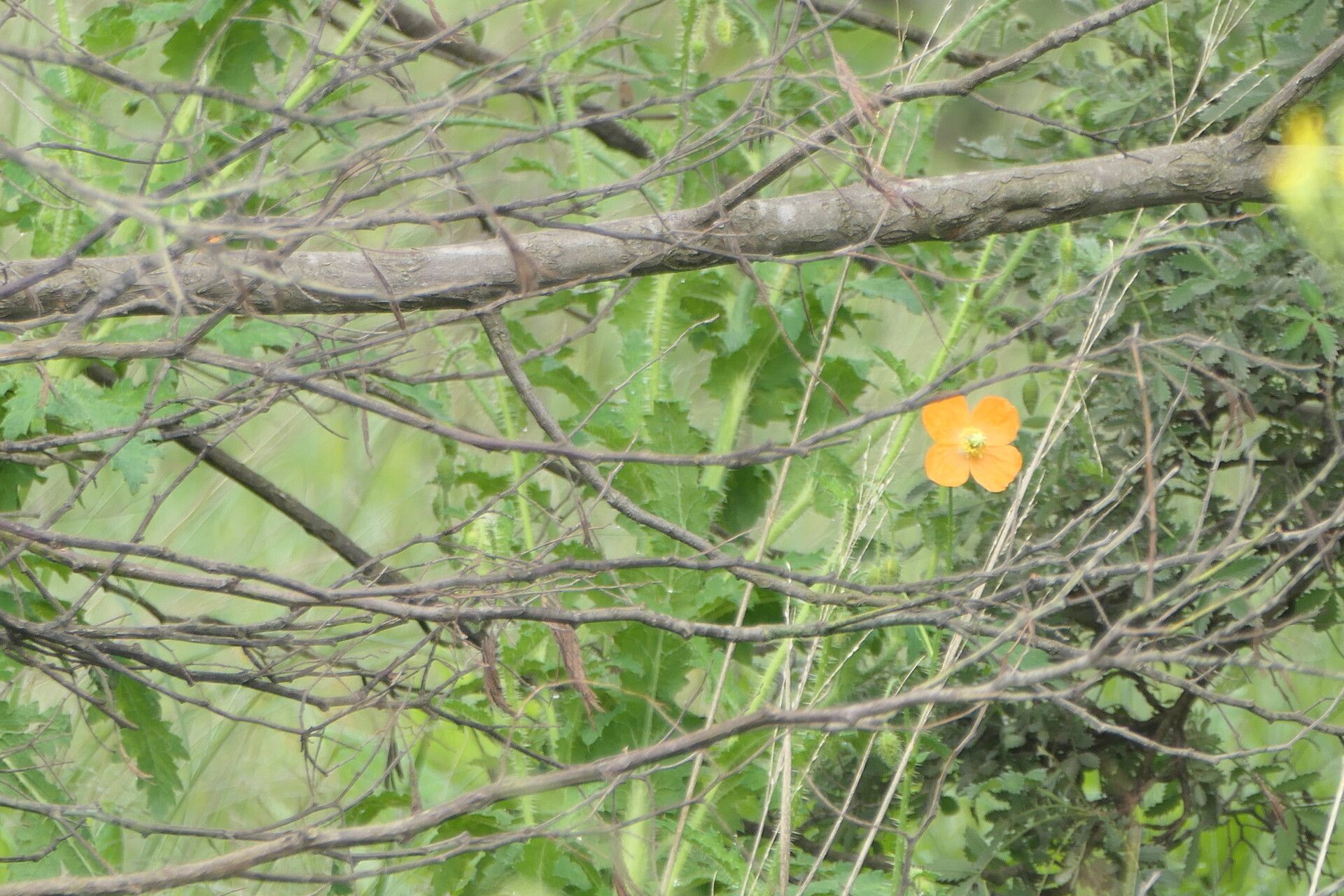
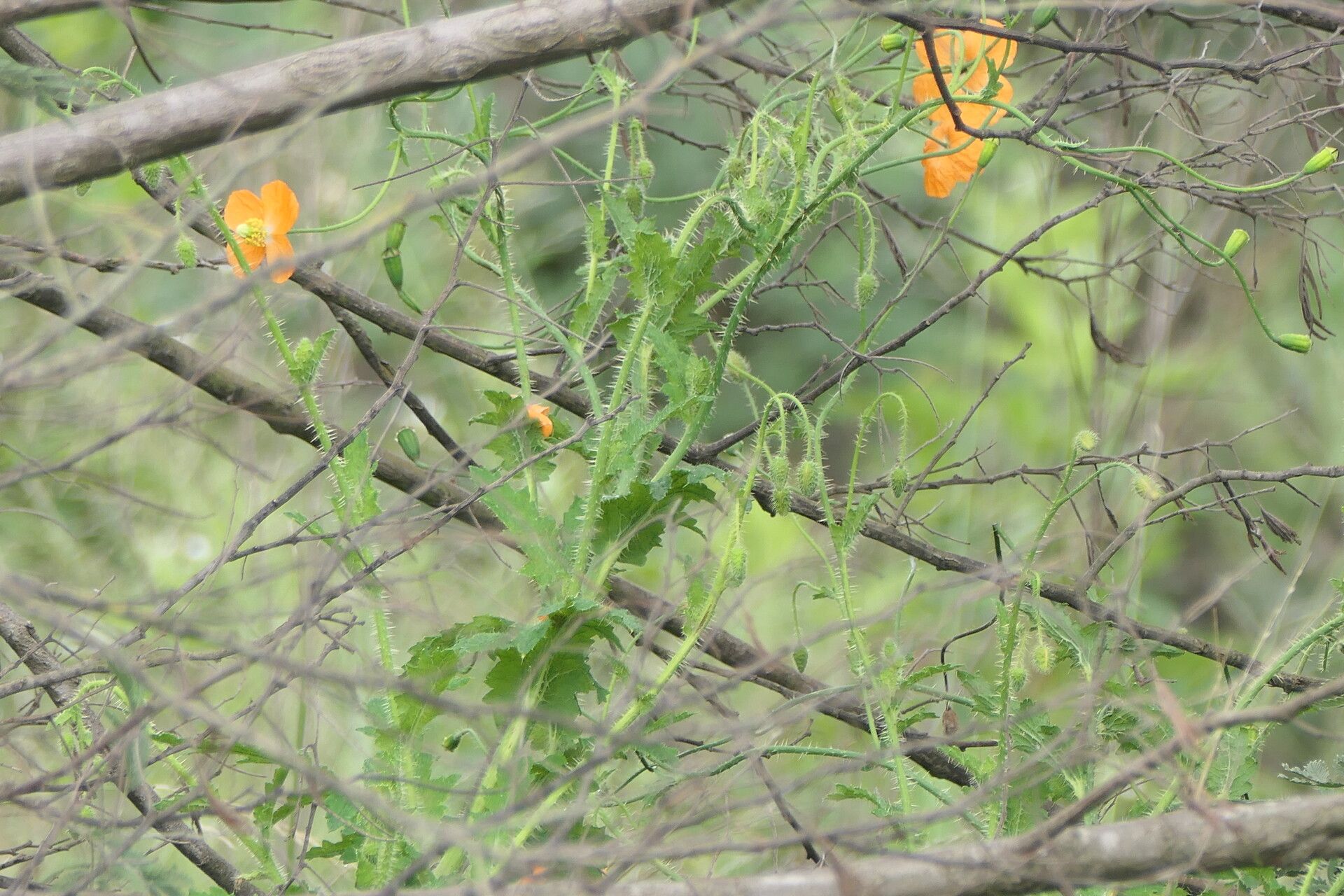
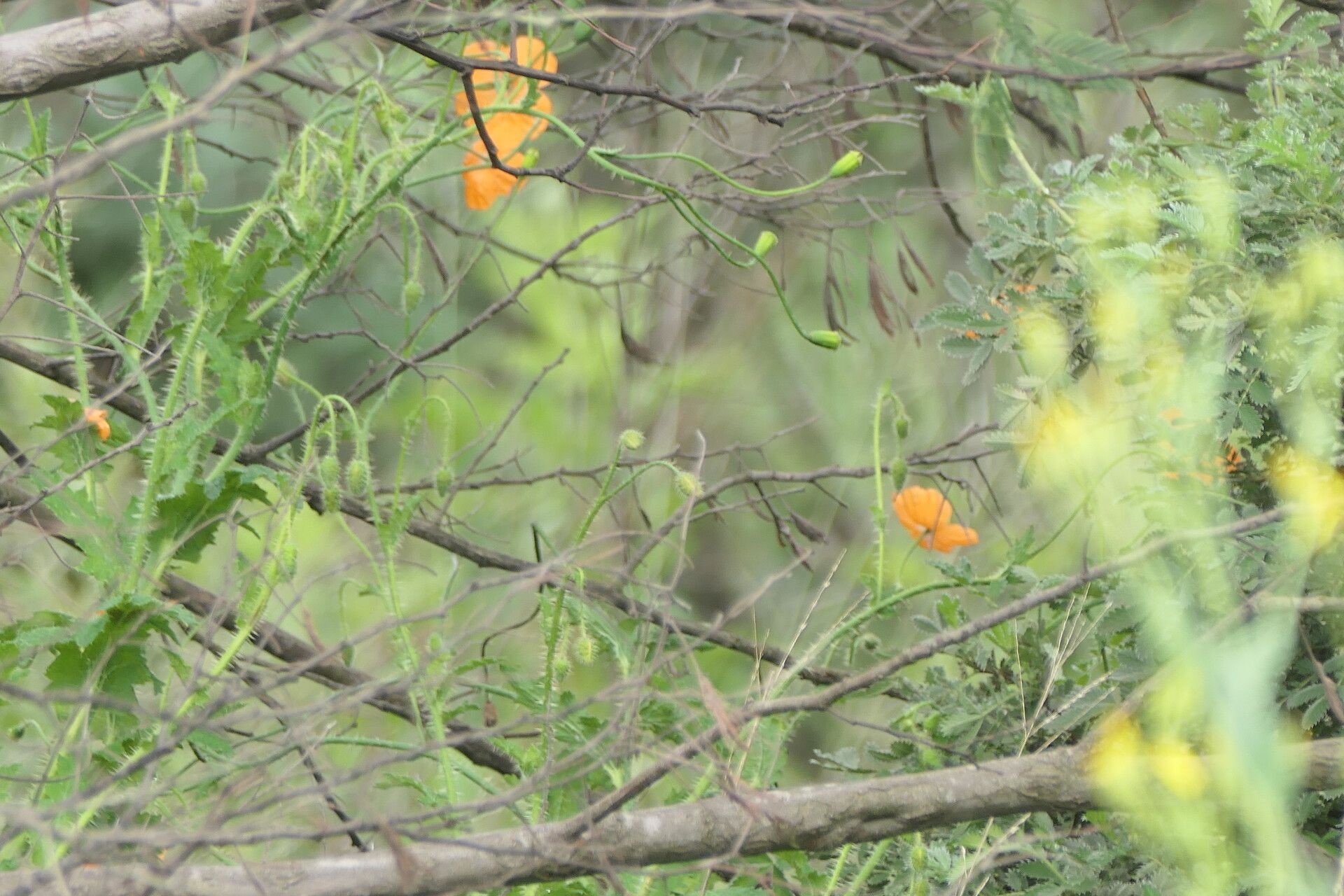
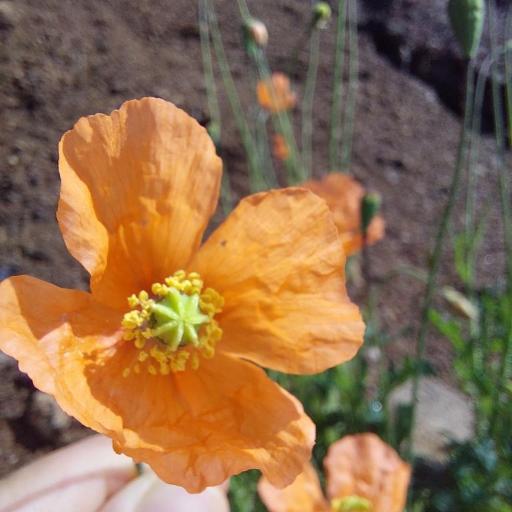
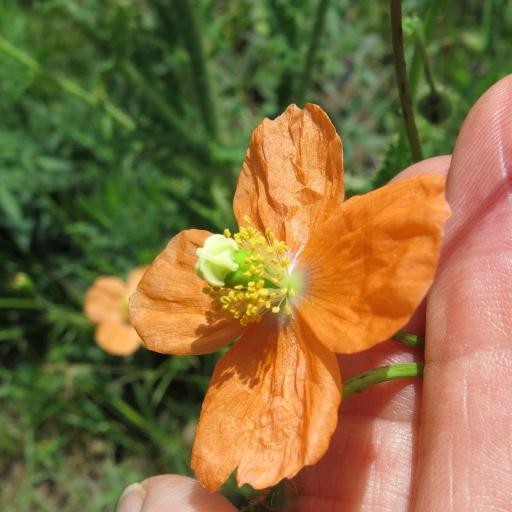
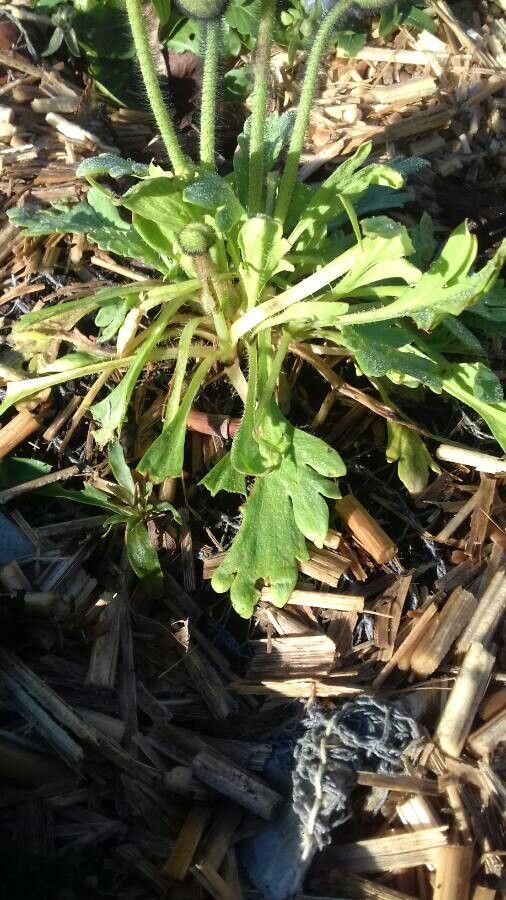
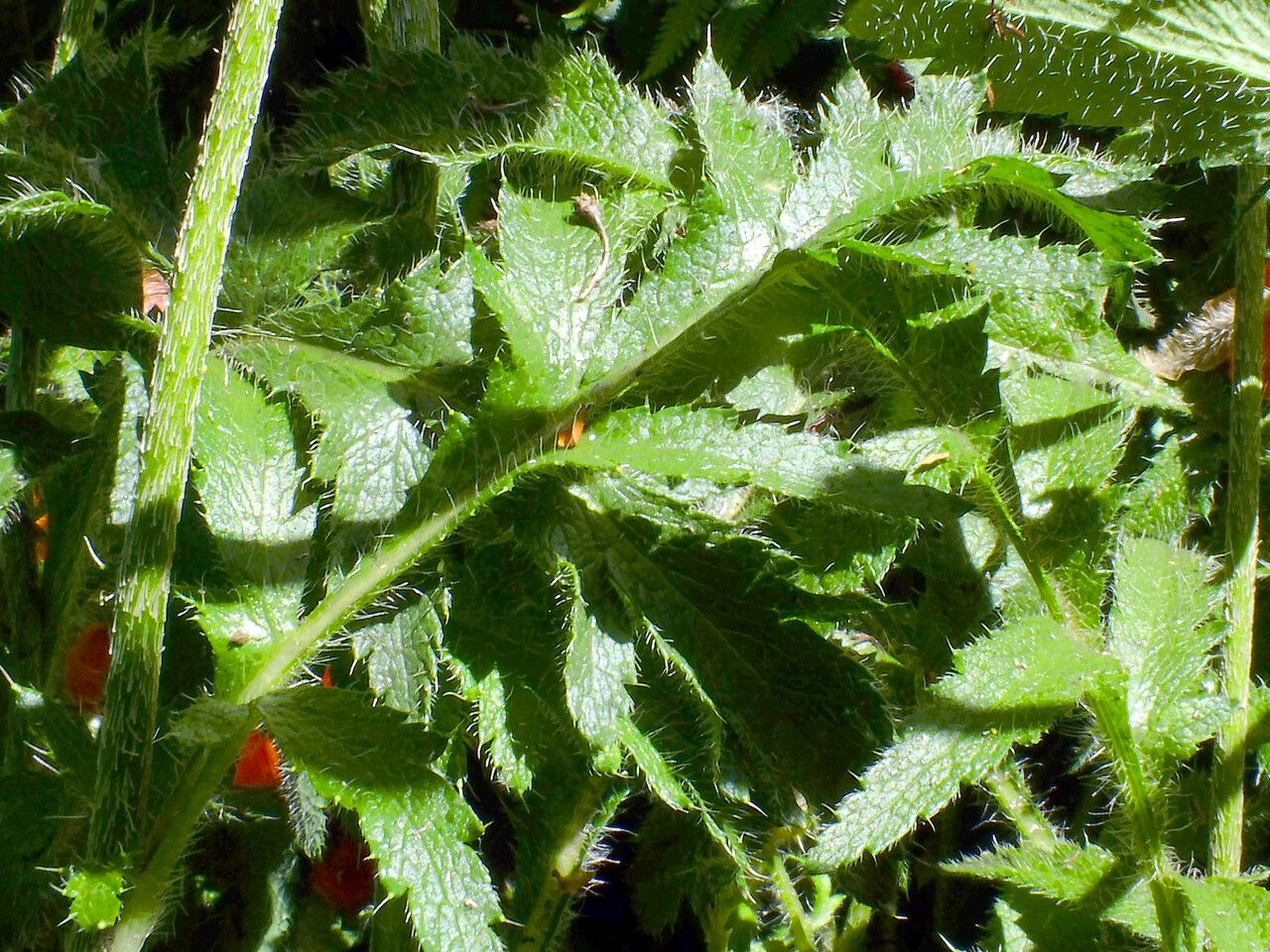
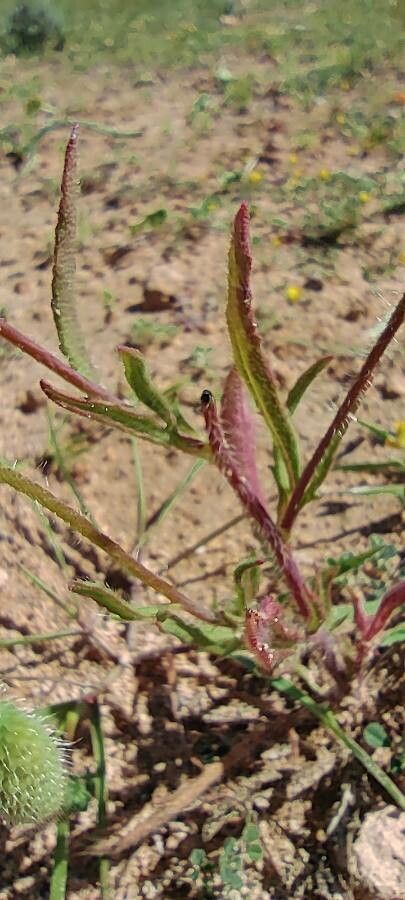
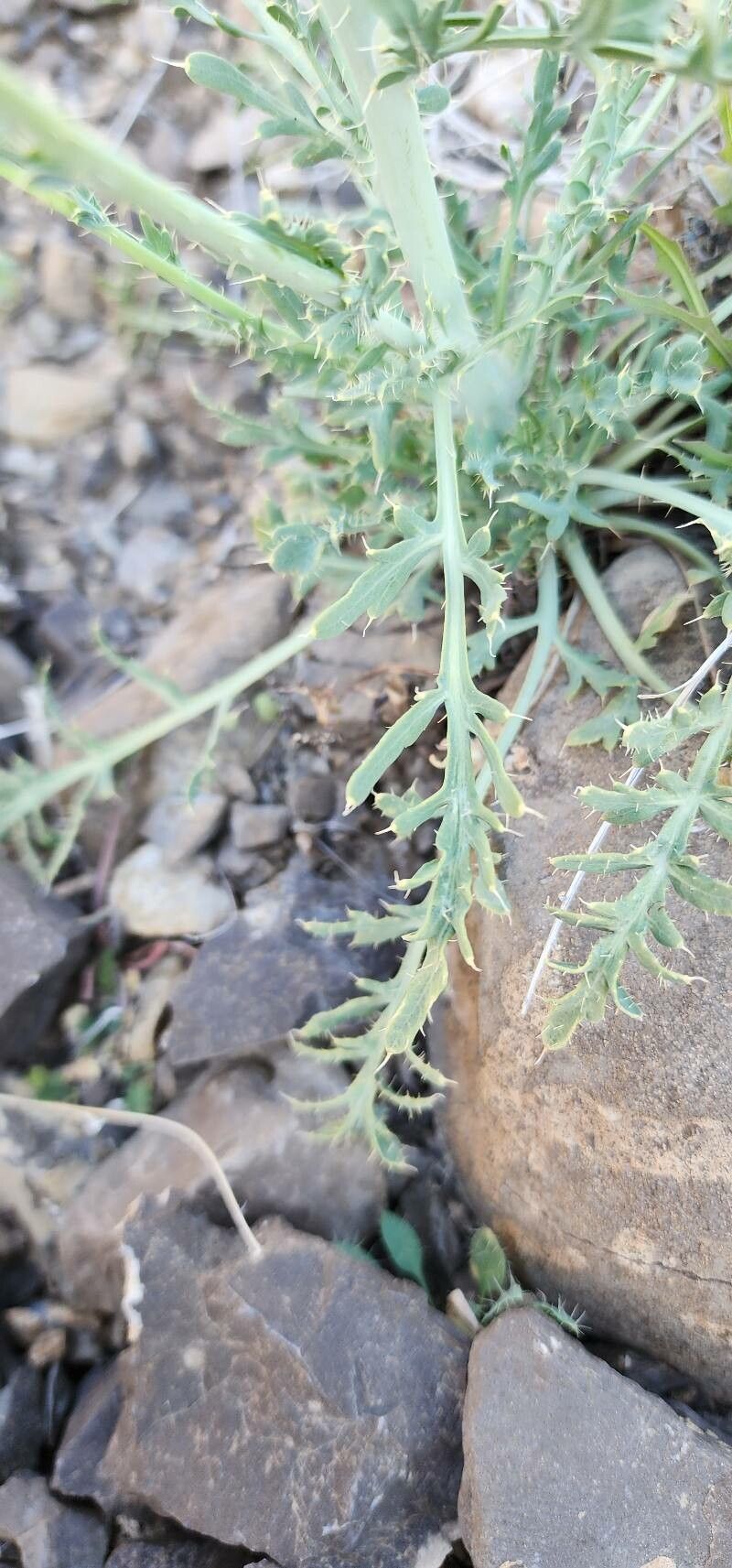
Papaver aculeatum, the bristle poppy, orange poppy or South African poppy, is a species of flowering plant in the family Papaveraceae. It is native to Namibia, South Africa, and Lesotho, and has been introduced to eastern and southern Australia. It is the only species of poppy native to the Southern Hemisphere. An upright annual reaching 1.8 m (6 ft), it is found growing in a wide variety of habitats and soil types
Thorny poppy is fairly disease-resistant and usually does not develop diseases. However, it can be vulnerable to pests and diseases present in its environment. These problems are typically not serious. As for care, this plant needs moderate maintenance. It should be pruned regularly to keep a neat appearance and support healthy growth. Fertilizing can also encourage flowering. Thorny poppy is appropriate for anyone with outdoor space, such as a garden or patio, and does not demand much experience in plant care. When grown indoors, it may call for more attention.
How to keep Papaver Aculeatum.
Light
Thorny poppy comes from bright, open habitats and does best in full sun. It can tolerate partial sun but favors direct sunlight for optimal growth. This plant, which can be annual or biennial, is noted for its sun-loving nature.
Temperature
Thorny poppy can tolerate a wide range of temperatures, but its distribution may still be constrained by different combinations of moisture and heat. It does best in warm summer conditions with adequate rainfall or watering. Extended periods of cloudy, rainy weather or prolonged high temperatures can raise the likelihood of Thorny poppy dying. In winter, suitable protection from cold can increase the plant's survival rate.
Fertilizer
Thorny poppy benefits from regular, light applications of fertilizer to encourage healthy leaf growth. You should fertilize Thorny poppy about once a month during the summer. Nitrogen is important for foliage, and supplementing with nitrogen-rich sources helps Thorny poppy thrive.
Pruning
The thorny poppy, recognized for its prickly stems and vibrant flowers, benefits greatly from strategic pruning in early spring. This practice involves removing dead or damaged stems to improve airflow and light penetration, which in turn reduces the risk of disease and enhances blooming. For the best results, always use clean, sharp tools to maintain the plant's health.
Pot & Repot
To ensure healthy growth and prevent root rot, thorny poppy needs pots with excellent drainage.
Botanical profile.
- Plant Type
- Herb
- Life Cycle
- Annual
- Genus
- Papaver
- Family
- Papaveraceae
- Hardiness Zone
- 7-10
- Mature Height
- 30 cm to 61 cm
- Mature Spread
- 20 cm to 40 cm
- Leaf Color
- Green
- Leaf Type
- Deciduous
- Flower Size
- 5.08 cm to 6.35 cm
- Bloom Time
- Late spring, Summer
- Planting Time
- Spring, Summer
- Harvest Time
- Mid summer, Late summer, Early fall, Mid fall
- Native Area
- South Africa, Namibia, Lesotho
Other names.