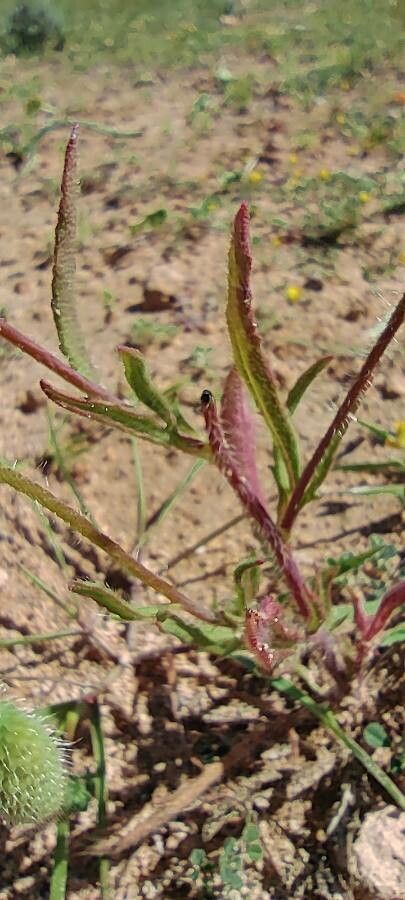
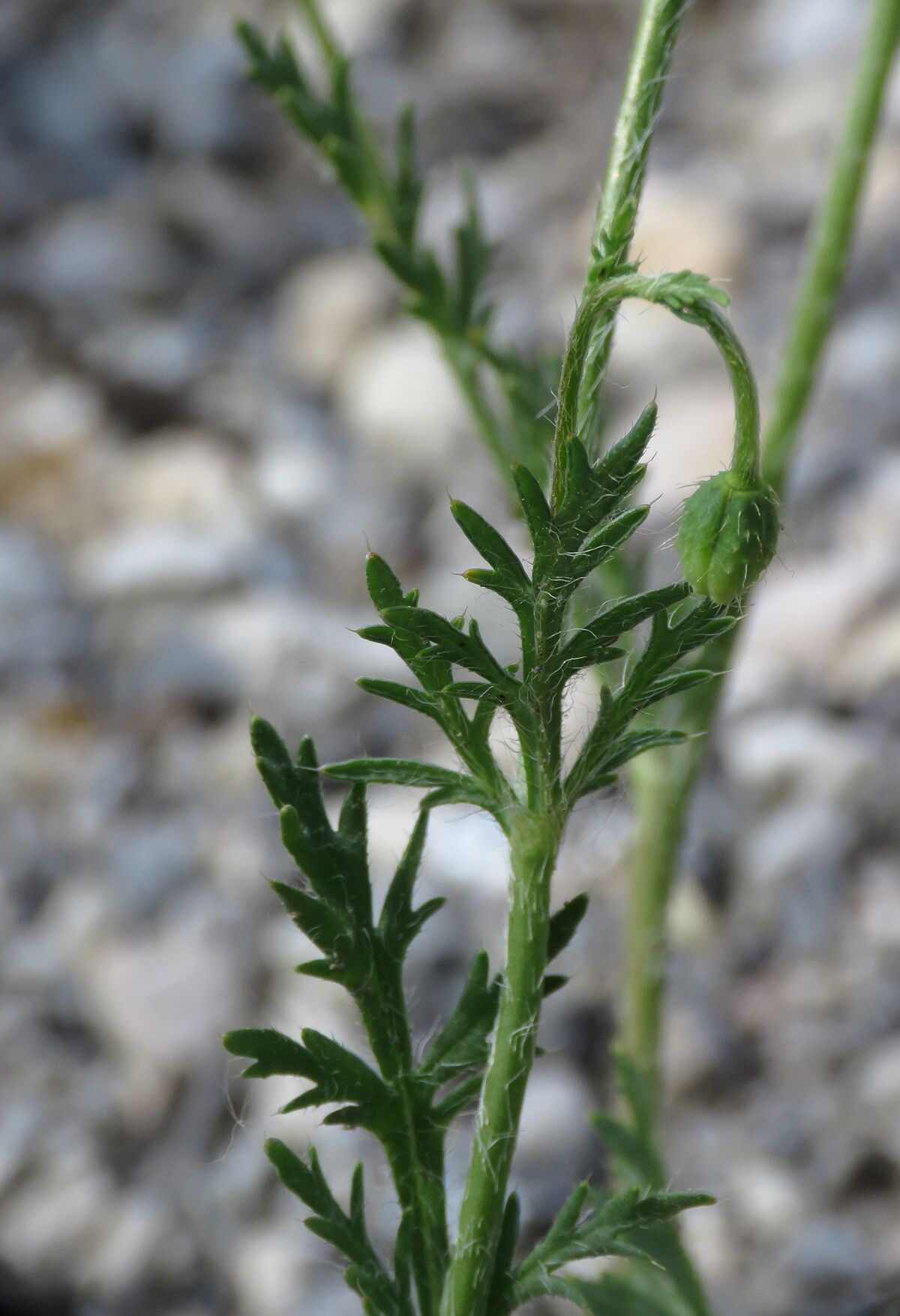
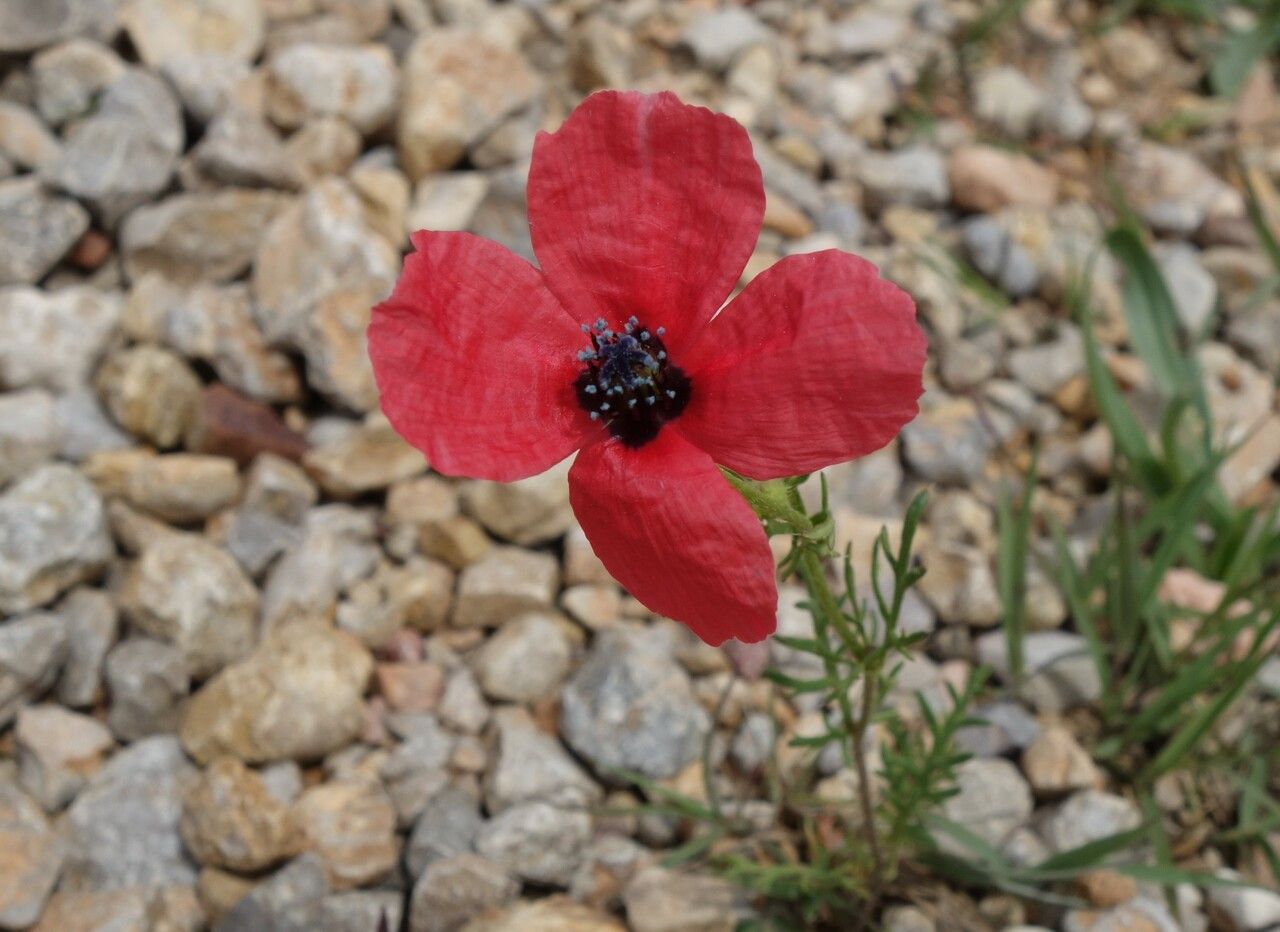
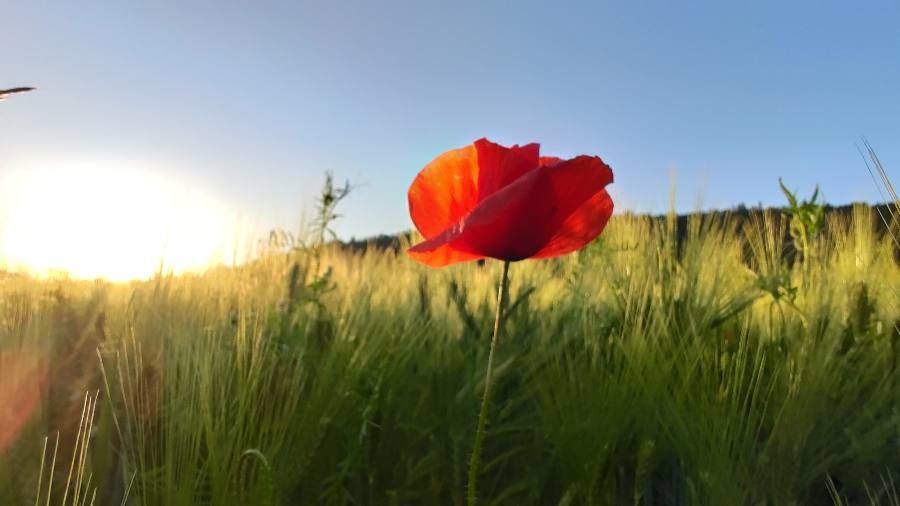
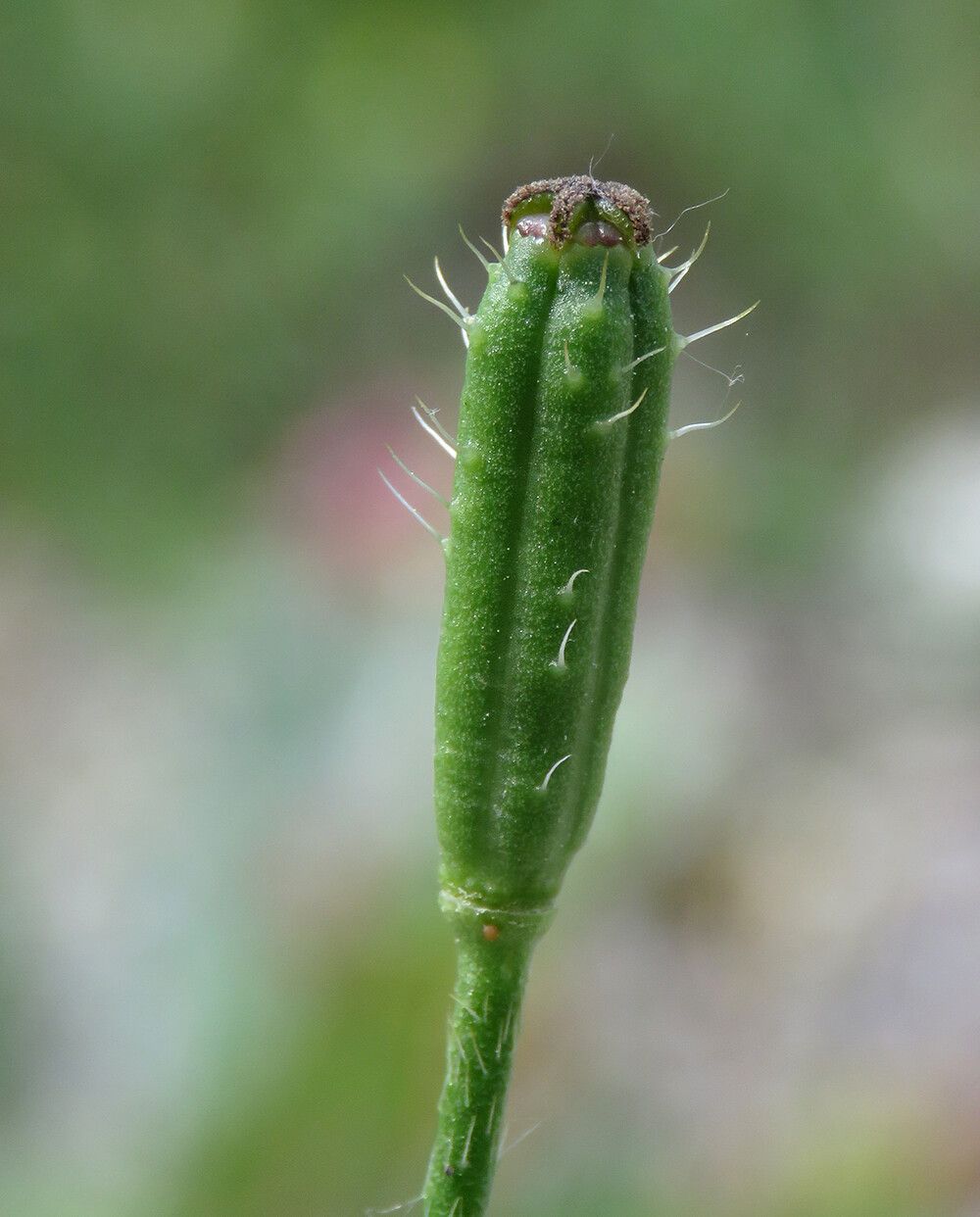
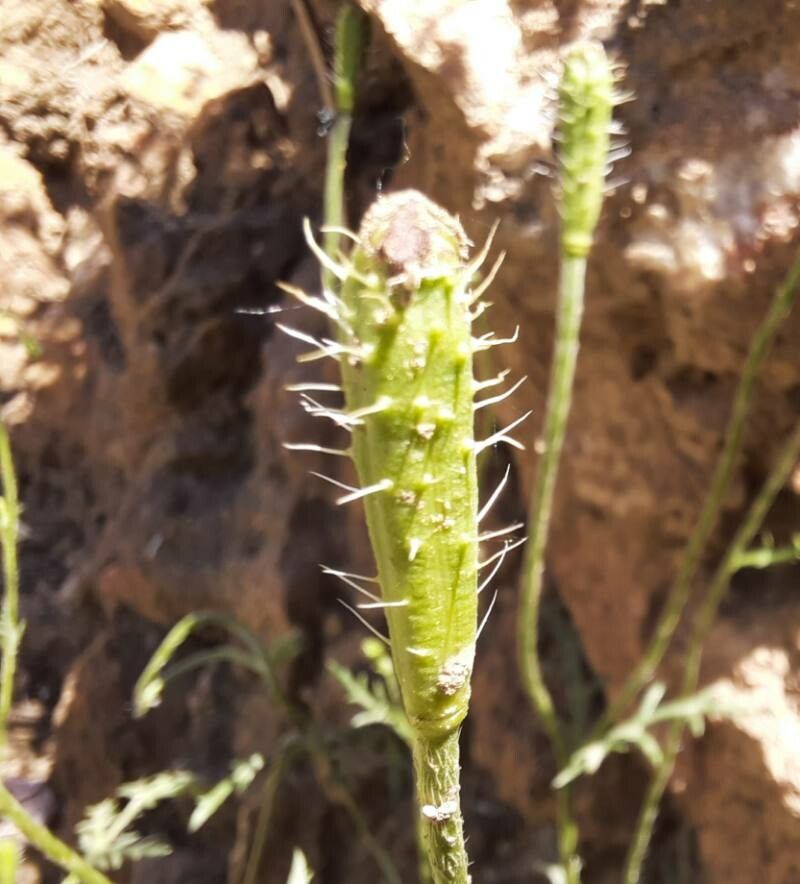
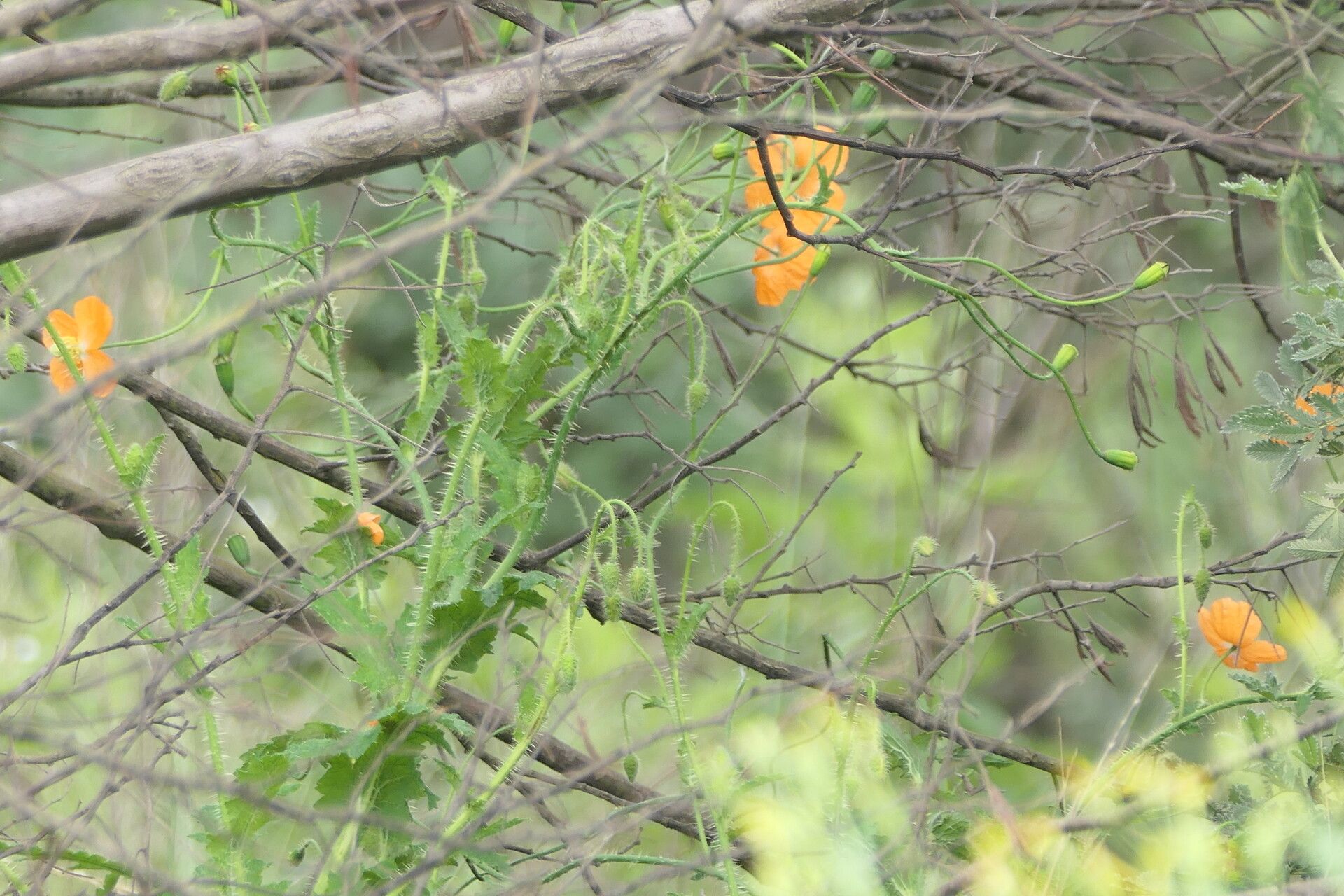
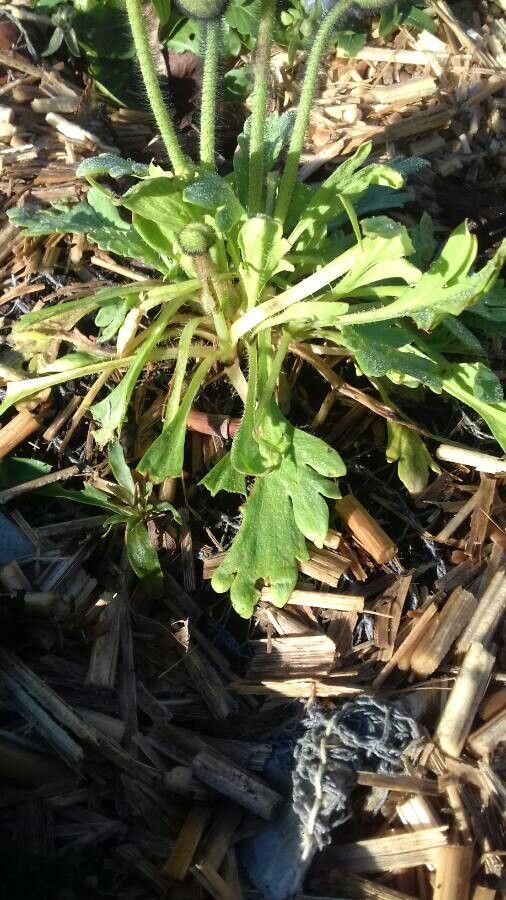
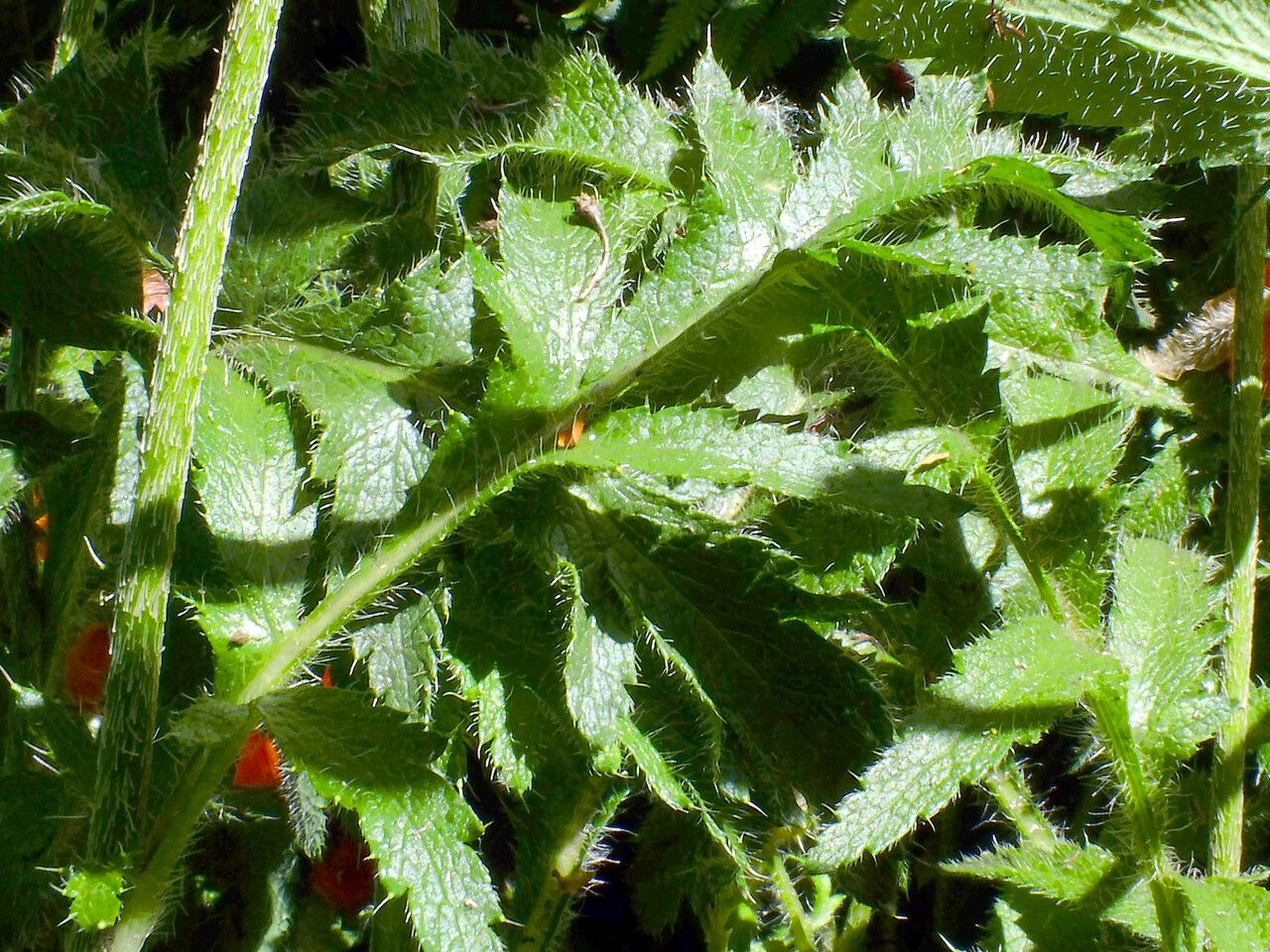
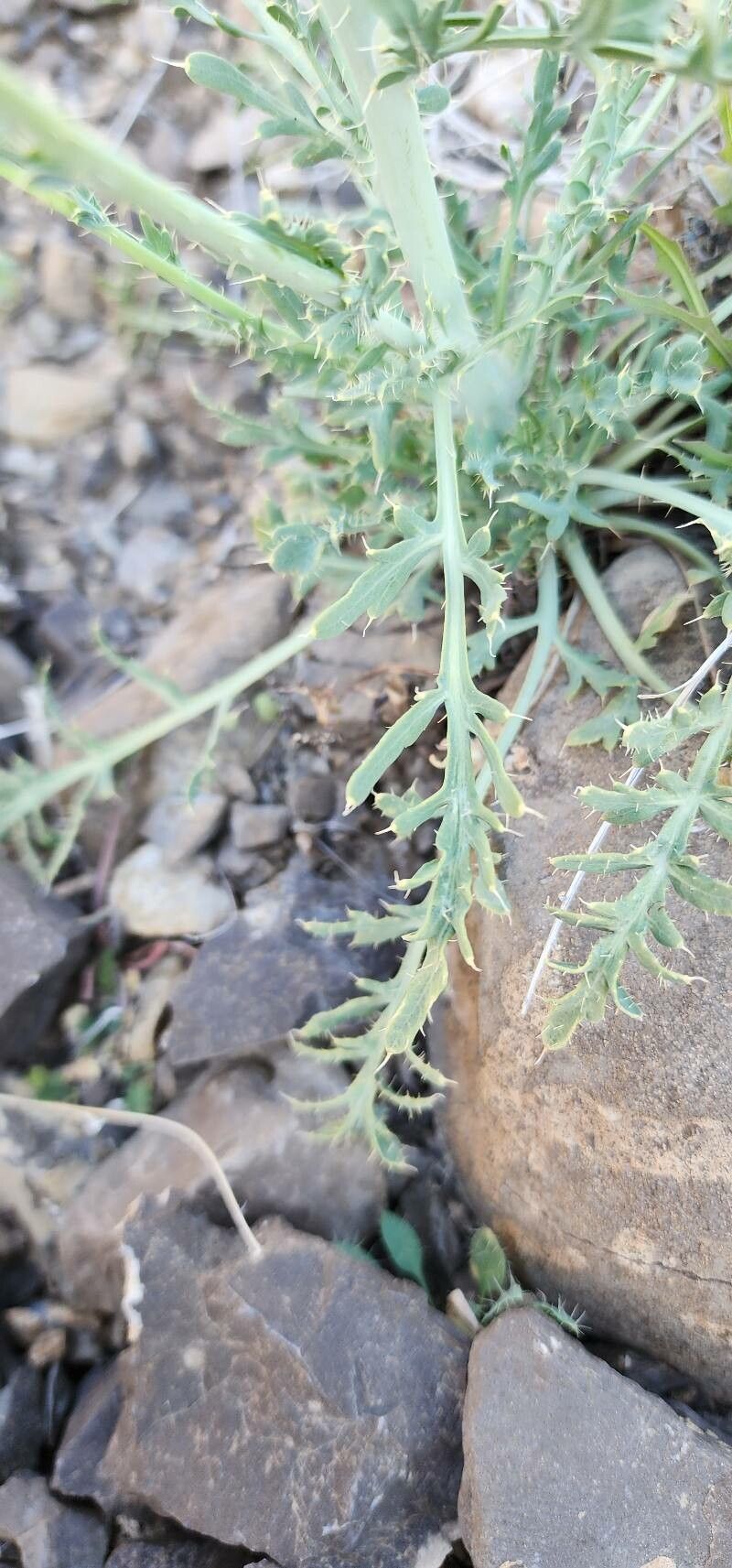
Roemeria argemone (syn. Papaver argemone) is a species of flowering plant in the poppy family Papaveraceae. Its common names include long pricklyhead poppy, prickly poppy and pale poppy. Its native range includes parts of Eurasia and North Africa, but it can be found growing wild in parts of North America, where it is an introduced species. It is cultivated as an ornamental plant.
Long pricklyhead poppy is fairly disease-resistant and generally not prone to illness. However, it can be vulnerable to pests and diseases present in its environment. These infections are typically mild. Regarding care, this plant needs moderate maintenance. It should be pruned regularly to preserve a neat appearance and support healthy growth. Fertilizing can also encourage flowering. Long pricklyhead poppy is appropriate for anyone with outdoor space, such as a garden or patio, and does not demand much care experience. It may need more attention when grown indoors.
How to keep Papaver Argemone.
Light
Long pricklyhead poppy needs plenty of sunlight to achieve optimal growth. In its native habitat it flourished under open skies, receiving unfiltered sunlight throughout the day. Although the plant can survive with reduced light, those conditions can negatively impact its growth and overall health.
Water
The long pricklyhead poppy flourishes in temperate regions with moderate moisture, preferring a balanced watering schedule. To keep the soil evenly moist without allowing it to become too dry, it should be watered weekly. Although it is primarily grown outdoors, the long pricklyhead poppy demonstrates resilience by efficiently absorbing water during sporadic rainfalls throughout the growing season.
Temperature
Long pricklyhead poppy is naturally found in areas where temperatures range from 68 to 95 °F (20 to 35 ℃). It favors warmer conditions but can tolerate cooler temperatures if needed. In colder months, it is advisable to provide the long pricklyhead poppy with some protection or additional warmth.
Fertilizer
After Long pricklyhead poppy has opened most of its blooms to full size, resume fertilizing. When the flowers are at peak production, apply fertilizer once every three to four weeks, weather permitting. Then, when Long pricklyhead poppy begins to produce fewer new blooms, stop fertilizing; there is no need to fertilize if the plant can no longer produce more blooms.
Pruning
The Long Pricklyhead Poppy is known for its vibrant flowers and distinctive prickly seed capsules. To maintain its shape and encourage blooming, it is best to prune the plant in early to late spring. This will help remove any dead growth and spent flowers. Light pruning also improves air circulation and increases the plant's resistance to diseases. For the best results, use clean and sharp tools when pruning to ensure the Long Pricklyhead Poppy remains healthy and vibrant.
Pot & Repot
For the Long Pricklyhead Poppy to thrive in pots, it needs excellent drainage.
Botanical profile.
- Plant Type
- Herb
- Life Cycle
- Annual
- Genus
- Papaver
- Family
- Papaveraceae
- Hardiness Zone
- 7-10
- Mature Height
- 15 cm to 49 cm
- Mature Spread
- 20 cm
- Leaf Color
- Light Green, Green Yellow
- Leaf Type
- Deciduous
- Flower Color
- Red
- Flower Size
- 2.03 cm to 5.08 cm
- Bloom Time
- Mid spring, Late spring, Early summer
- Planting Time
- Spring, Summer
- Harvest Time
- Summer
Other names.
Reader questions.
How should I water my Long pricklyhead poppy?
To water the Long pricklyhead poppy, you have a few options: the garden hose with a spray nozzle, a watering can, or any other common watering tool. This plant is not too picky about the type of water it receives, be it rainwater, tap water, or filtered water. It is best to avoid watering from overhead, as this can damage the leaves and flowers and potentially cause disease. Setting up a drip irrigation system is often the most effective way to water this plant, as it provides even and direct water to the soil. If you have a container-grown Long pricklyhead poppy, you can follow a similar watering approach using a cup, watering can, or tap water to directly water the soil.
What type of sunlight does Long pricklyhead poppy require?
Long pricklyhead poppy thrives best in full sun, necessitating more than 6 hours of sunlight daily. This requirement for ample sunlight exposure aligns with its natural habitat under open skies, where it would receive unfiltered rays throughout the day. Although the plant can survive in less light, insufficient sunlight might negatively impact its growth and overall health.
What is the native environment for Long pricklyhead poppy?
Long pricklyhead poppy is native to environments where the temperature ranges from 68 to 95 °F (20 to 35 °C). It thrives in warmer climates but can adjust to cooler temperatures when necessary. Even though it has strong cold resistance, providing some protection or extra warmth during the colder seasons is beneficial.
What should I do if I give my Long pricklyhead poppy too much water or too little water?
To prevent underwatering an Long pricklyhead poppy, simply start watering it more regularly when you notice it lacks moisture. Overwatering can be a serious issue, potentially leading to disease and the plant's decline or death. To avoid this, choose a growing location with adequate sunlight to dry the soil and proper drainage to prevent waterlogging. If you overwater a potted Long pricklyhead poppy, consider transferring it to a new pot with good drainage. Use loose soil and an efficiently draining pot during repotting.
What should be considered for indoor plants in terms of lighting?
For indoor plants, ensuring adequate lighting is crucial, especially when natural sunlight is insufficient. During winter or in less sunny spaces, the use of artificial lighting becomes vital. LED lights are recommended due to their ability to provide specific wavelengths needed by plants. Full sun plants require 30-50W/sq ft of artificial light, partial sun plants need 20-30W/sq ft, and full shade plants require 10-20W/sq ft. The artificial light source should be placed 12-36 inches above the plant to mimic natural sunlight and kept on for 8-12 hours per day to simulate natural daylight hours optimally.
Does Long pricklyhead poppy need frost protection?
Special frost protection measures are generally not necessary for Long pricklyhead poppy due to its strong cold resistance. However, in winters where temperatures are expected to drop below -15°C, it is crucial to protect the plant from the cold. This protection can be provided by covering the plant with soil or straw. Additionally, watering the plant abundantly before the first freeze in autumn to keep the soil moist can help the plant through the winter and early spring by preventing drought and water scarcity.
How often do I need to water my Long pricklyhead poppy plant?
Long pricklyhead poppy requires regular watering throughout the growing season. In spring, water this plant once per week. As the season progresses and it gets warmer, you may need to water it two to three times per week. Be careful not to overwater, as that can harm the plant. Regardless of how often you water, make sure the soil remains moist but not wet. Watering a Long pricklyhead poppy in a pot is different. Potted soil can dry out faster, so you'll need to water it more frequently. In most cases, plan to water a container-grown poppy a few times per week, compared to just once per week for a poppy planted in the ground.
What are the signs of inadequate light for a Long pricklyhead poppy?
Symptoms of inadequate lighting in Long pricklyhead poppy include smaller than usual new leaves, leggy or sparse growth, faster leaf drop, slower or no new growth, and paler, lighter-colored new leaves. Conditions such as chlorosis, where leaves lose their green color and turn yellow, sunscald with visible damage from intense sunlight, leaf curling as a defense against overexposure, wilting from excessive transpiration, and leaf scorching characterized by brown, crispy leaf edges, are also indicative of poor lighting conditions.
How does Long pricklyhead poppy react to low temperatures?
Long pricklyhead poppy is cold-tolerant and prefers temperatures above 20°C. When temperatures stay above 0°C during winter, the plant maintains its health. However, if the temperature falls below -15°C, while there might not be noticeable changes in the winter, the plant might show a decrease in sprouting or even fail to sprout at all in the spring. If this occurs, it is recommended to remove the parts that have failed to sprout.
How much water does my Long pricklyhead poppy require?
Determining the proper amount of water for your Long pricklyhead poppy can be done in a few different ways. Some gardeners use the soil's moisture as a guide, watering until the top six inches of soil feels moist. Others prefer a set measurement, giving their poppy around two gallons of water per week, adjusting for weather and soil dryness. However, it's important to avoid overwatering if your poppy requires less than two gallons. If growing in a container, you'll need to use a different method. Moistening all layers of dry soil is recommended, which can be tested by sticking your finger in the soil or checking for water trickling out of the pot's drainage holes.
How can you improve light conditions for Long pricklyhead poppy?
Improving light conditions for Long pricklyhead poppy involves several strategies depending on its environment. Indoors, gradually moving the plant to sunnier spots to achieve at least 6 hours of direct sunlight daily or using artificial light is recommended. Outdoors, it's important to transition the plant gradually to better sunlight to prevent sunburn. Minimizing environmental obstructions by pruning or relocating the plant to a sunnier spot can also enhance sunlight exposure. For ground-planted poppies, transplanting during the dormant period to areas with ample sunlight and good drainage is advised.
How should Long pricklyhead poppy be cared for in high temperatures?
In summer, it's important to ensure that the temperature around Long pricklyhead poppy stays below 35°C. Exposure to temperatures above 41°C can cause the leaves to lighten in color, curl, become prone to sunburn, and in extreme cases, lead to wilting or drying out of the plant. To mitigate these risks, trim away sunburned and dried-up parts, move the plant to a shaded location or use a shade cloth to protect it from the midday and afternoon sun. Additionally, water the plant during the morning and evening to maintain soil moisture.