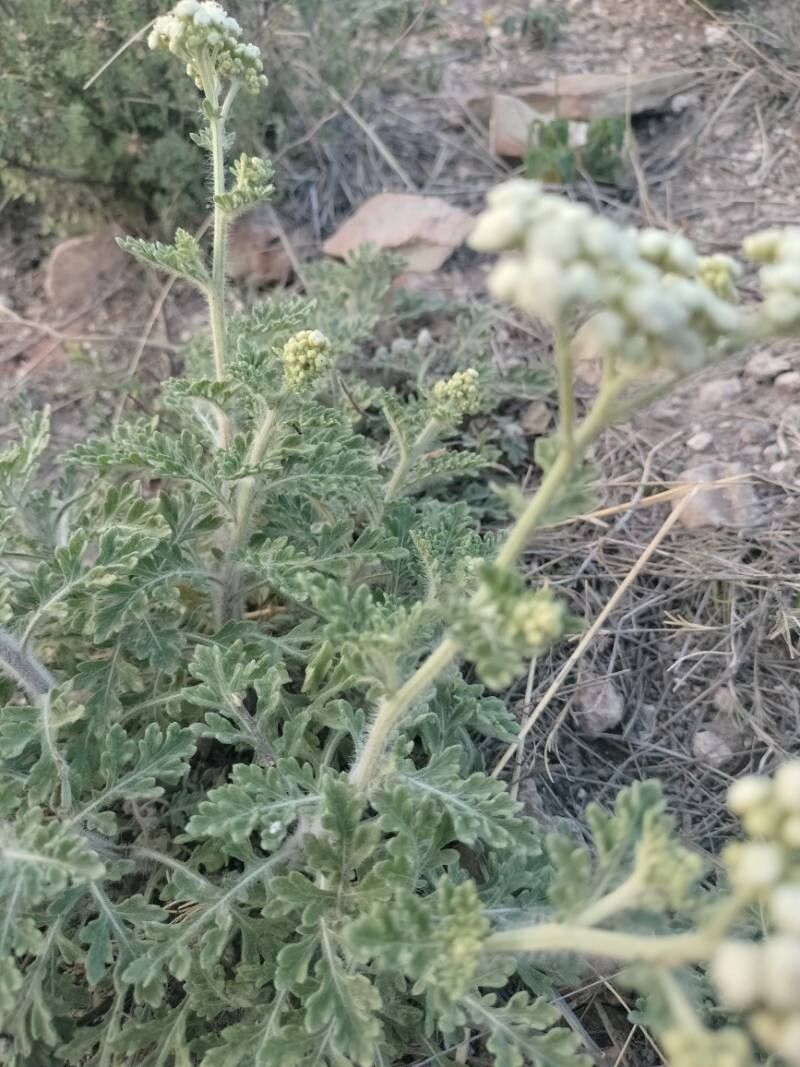
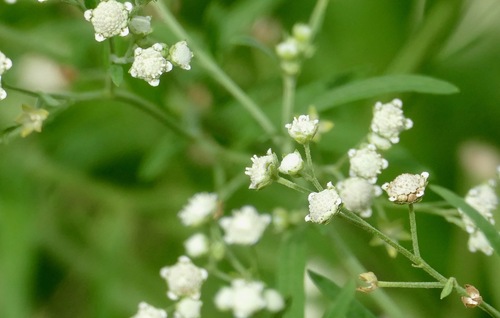
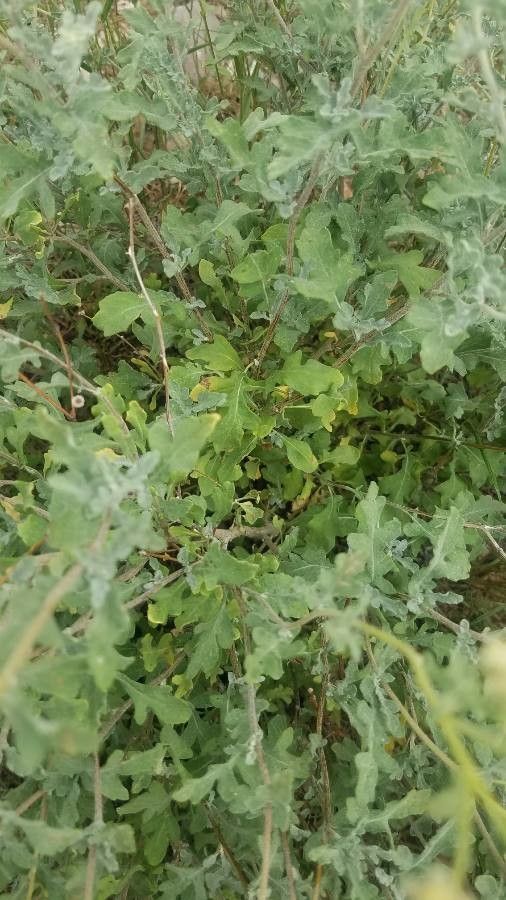
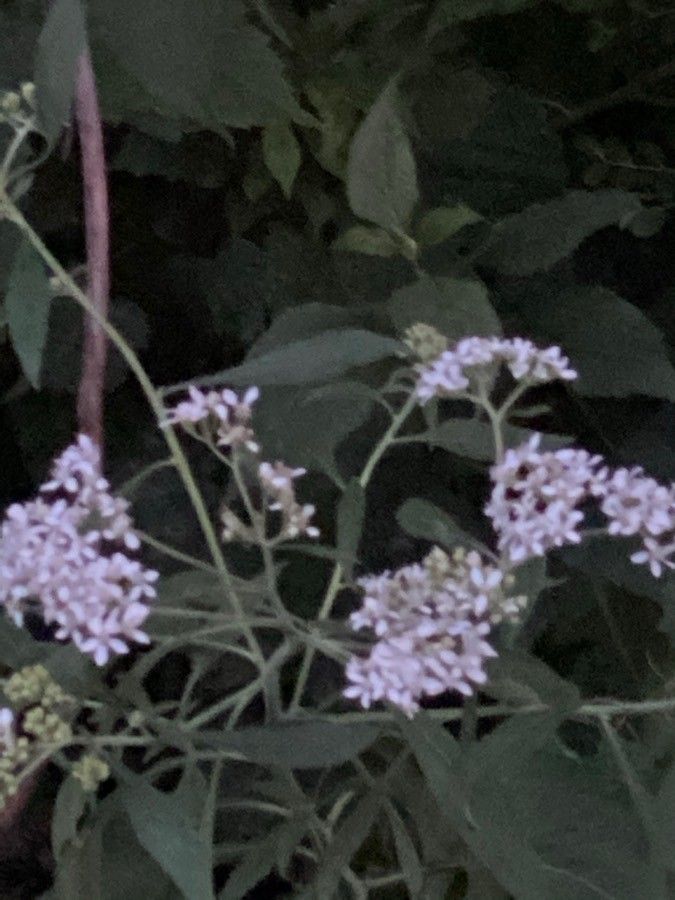
Parthenium argentatum, commonly known as the guayule ( or , as in Spanish), is a perennial woody shrub in the family Asteraceae that is native to the rangeland area of the Chihuahuan Desert; including the southwestern United States and northern Mexico. It was first documented by J.M. Bigelow in 1852 through the Mexican Boundary Survey and was first described by Asa Gray. Natural Rubber, ethanol, non-toxic adhesives, and other specialty chemicals can be extracted from guayule. An alternative source of latex that is hypoallergenic, unlike the normal Hevea rubber, can also be extracted. While Castilla elastica was the most widely used rubber source of Mesoamericans in pre-Columbian times, guayule was also used, though less frequently. The name "guayule" derives from the Nahuatl word ulli/olli, "rubber".
Guayule displays strong disease resistance and is typically not susceptible to illnesses. Regarding care, this plant is fairly low-maintenance. When grown outdoors it needs only minimal watering, and larger plants usually do not require pruning. However, smaller plants should be pruned after they have finished blooming. Guayulet is suitable for anyone with an outdoor area, such as a garden or deck, and does not require extensive plant-care experience.
How to keep Parthenium Argentatum.
Light
Guayule comes from open habitats, such as sunny meadows and forest margins, which supply abundant light. It does best in Full Sun but can also tolerate Partial Sun, showing good adaptability to different light conditions.
Temperature
Guayule demonstrates good temperature adaptability, tolerating high heat and wide temperature fluctuations. In hot weather, it is important to ensure proper watering and provide suitable shade to prevent sunburn. However, Guayule is relatively sensitive to low temperatures; although it can endure some cold, very cold conditions can cause frost damage.
Fertilizer
Fertilize your Guayule in early spring to encourage healthy growth. Regular feeding improves overall health, producing vigorous growth, greater resilience in harsh conditions, and enhanced resistance to pests and diseases. Stick to a specific fertilization schedule for your Guayule to maintain foliage that is vibrant, deeply colored, and lush in appearance.
Pruning
Guayule is well-known for its latex production. The best time for pruning is early spring. During this period, focus on removing dead branches and shaping long stems to encourage growth and increase latex yield. Regular pruning not only helps manage the plant's size but also prevents disease. Always use clean, sharp tools for the best results.
Botanical profile.
- Plant Type
- Shrub
- Life Cycle
- Perennial
- Genus
- Parthenium
- Family
- Asteraceae
- Hardiness Zone
- 8-11
- Mature Height
- 61 cm to 91 cm
- Mature Spread
- 49 cm to 76 cm
- Leaf Color
- Silver, Gray
- Leaf Type
- Deciduous
- Flower Color
- White
- Flower Size
- 0.51 cm to 1.02 cm
- Bloom Time
- Mid spring, Late spring, Early summer
- Planting Time
- Spring, Summer
- Harvest Time
- Summer
- Native Area
- Mexico