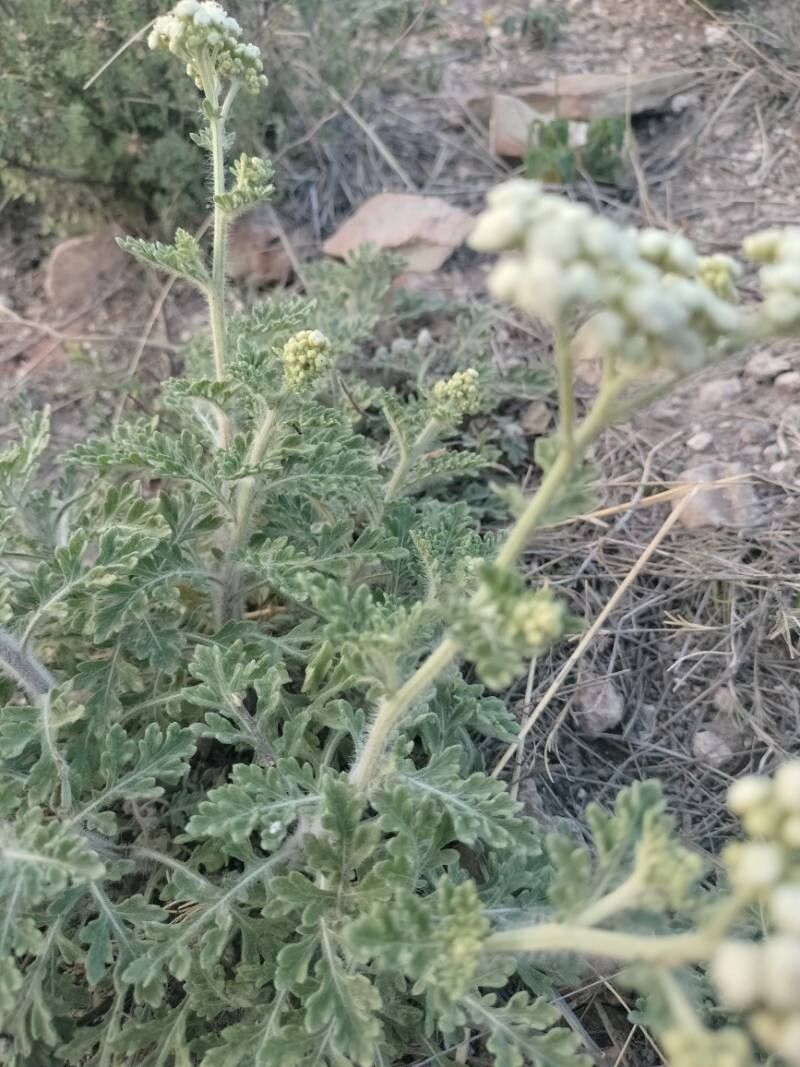
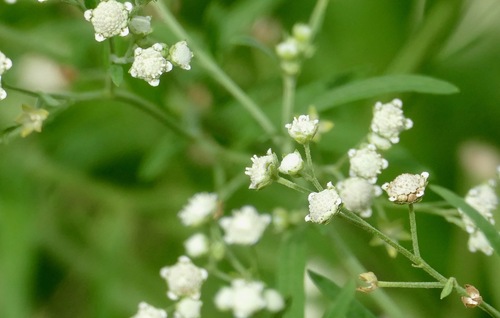
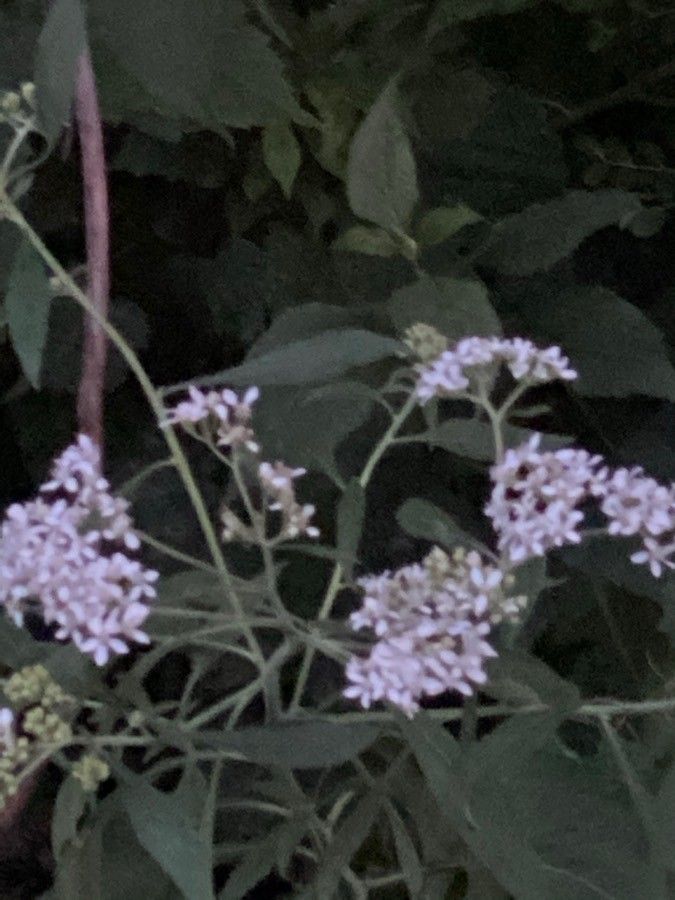
Parthenium incanum, commonly known as Mariola or Wild Feverfew, is a perennial herbaceous plant in the Asteraceae family. Native to the southwestern United States and northern Mexico, it thrives in arid regions such as deserts, grasslands, and rocky slopes.
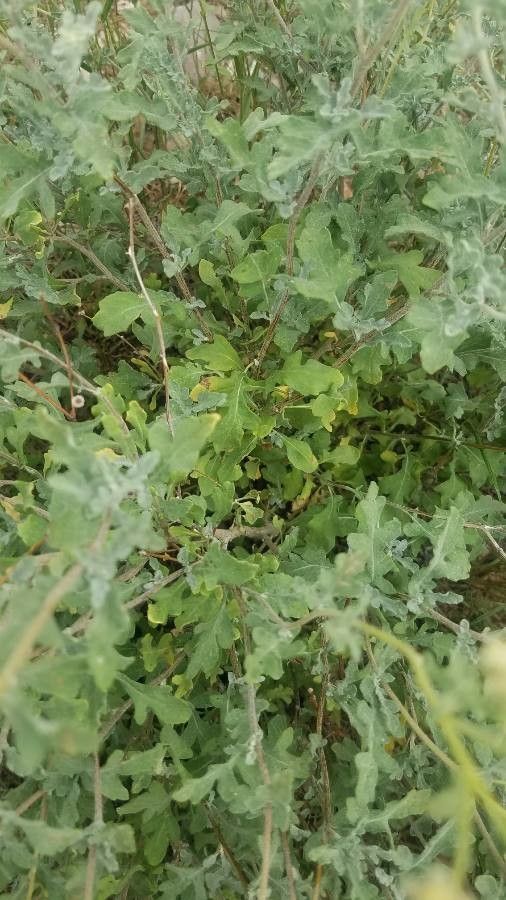
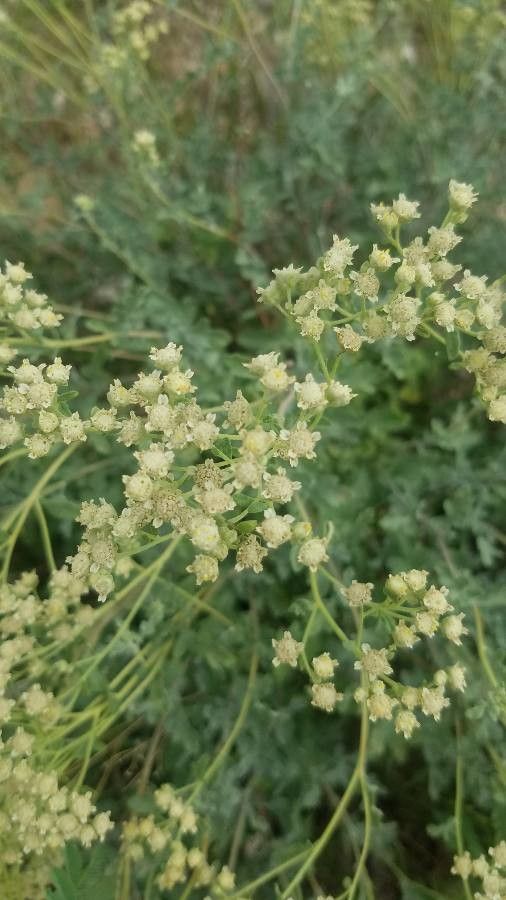
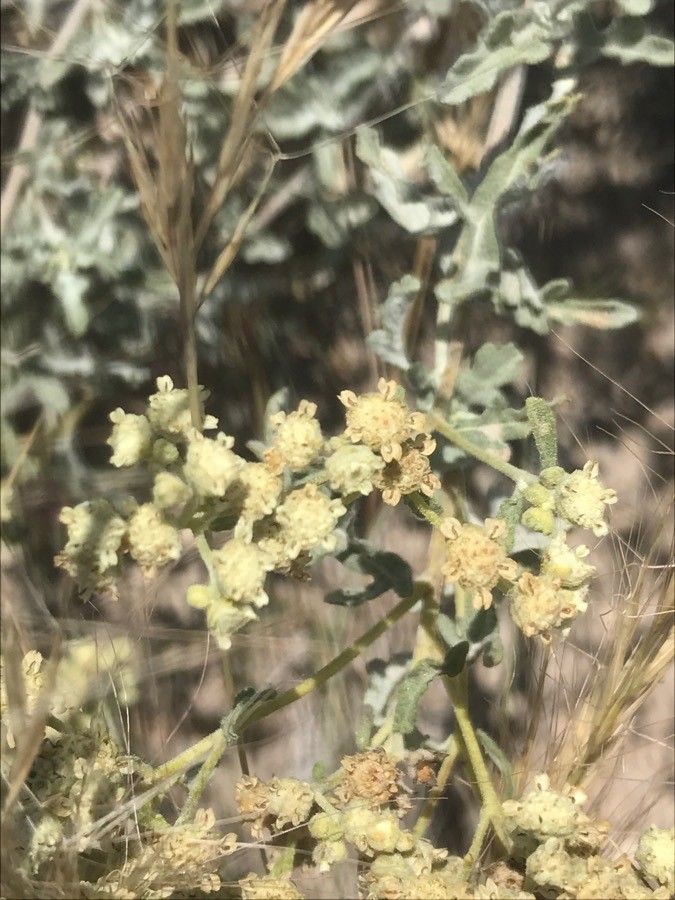
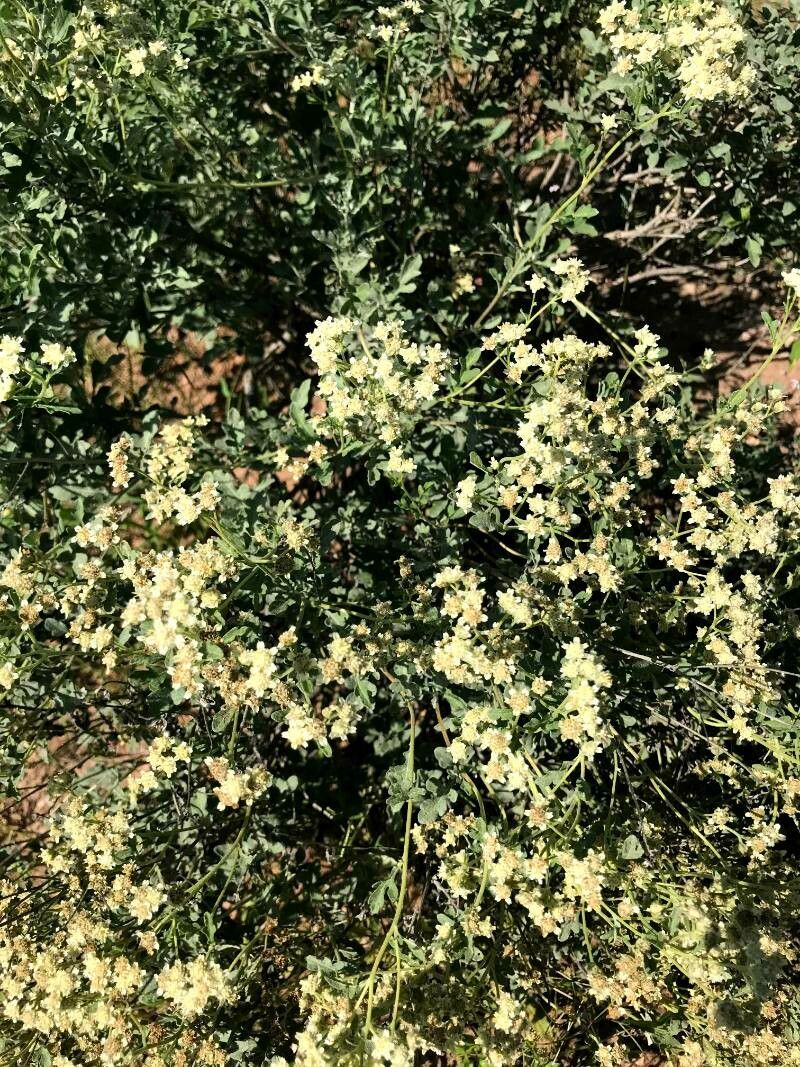
The plant can grow up to 1 meter tall and features a woody base. Its grayish-green leaves have deeply lobed edges, giving them a fern-like appearance. Small flowers, either white or yellowish-white, form clusters at the ends of branches.
For centuries, indigenous people have used Parthenium incanum for medicinal purposes to treat various ailments, including fever, headaches, stomach problems, and respiratory issues.
The plant is notable for its resilience to extreme environmental conditions like drought, making it valuable for soil conservation efforts. However, it can also be considered an invasive species due to its rapid spread through seeds, which can threaten native plants if not properly controlled.
Overall, Parthenium incanum is a fascinating plant with both medicinal properties and ecological significance, making it important both culturally and environmentally.
Mariola has good resistance to disease and is generally not likely to suffer from illnesses. Still, it can be vulnerable to pests and diseases present in its environment, though such infections are typically mild. Regarding care, this plant needs a moderate level of upkeep. Regular pruning is necessary to preserve its appearance and support healthy growth, and applying fertilizer can encourage blooming. Mariola is appropriate for anyone with outdoor areas like a garden or patio and does not demand extensive gardening experience. It may need extra attention if cultivated indoors.
How to keep Parthenium Incanum.
Light
Mariola flourishes with full sun exposure, which is crucial for its optimal growth. Native to areas with plentiful light, its everyday development depends on those conditions. Too much or too little light can negatively affect its health, resulting in stunted growth or paler foliage.
Water
Mariola thrives in semi-arid environments and is remarkably resilient to drought. It requires minimal watering, ideally just once a week. The plant prefers full sun and well-draining soil to prevent waterlogging, similar to the conditions found in its natural habitat.
Temperature
Mariola displays good temperature adaptability, tolerating higher heat and broader temperature swings. In hot weather, care should be taken with watering and providing adequate shade to prevent sunburn. On the other hand, Mariola is relatively intolerant of low temperatures. While it can endure some cold, excessively chilly conditions may cause frost damage.
Fertilizer
Usually one fertilizer application in spring is enough for Mariola, though several feedings can boost growth further. Apply fertilizer about once a month to every month and a half. Fertilizing improves the leaves' appearance and function, helping maintain even color and a healthy texture. It also encourages root development and nutrient uptake, supporting the plant's long-term health.
Pruning
Mariola is a perennial shrub known for its aromatic leaves and white flowers. To care for it, prune the plant from early to late spring. During pruning, remove any dead branches and thin the foliage to allow more light to reach the plant. Regular pruning not only encourages blooming but also helps maintain the shrub's size. Make sure to use clean cuts to prevent disease, and avoid over-pruning to preserve its natural shape.
Botanical profile.
- Plant Type
- Herb
- Life Cycle
- Perennial
- Genus
- Parthenium
- Family
- Asteraceae
- Hardiness Zone
- 8-11
- Mature Height
- 46 cm to 91 cm
- Mature Spread
- 46 cm to 91 cm
- Leaf Color
- Gray
- Leaf Type
- Deciduous
- Flower Color
- White
- Flower Size
- 0.76 cm
- Bloom Time
- Summer, Fall
- Planting Time
- Spring, Summer, Autumn
- Harvest Time
- Late summer, Fall, Early winter
- Native Area
- Mexico
Other names.
Reader questions.
What are the sunlight requirements for Mariola?
Mariola thrives under comprehensive exposure to the sun, which is key to its optimal growth. It originates from environments abundant in light, and its development heavily relies on such conditions. For it to flourish, Mariola requires above 6 hours of sunlight daily. However, it’s crucial to observe how sunlight moves through your garden to ensure a perfect balance of light and shade, as both excessive or insufficient light conditions might harm the plant, leading to stunted growth or faded foliage color.
Can artificial lighting be used for Mariola, and how?
Yes, artificial lighting can be employed for Mariola, especially when natural sunlight is insufficient, like in winter or less sunny spaces. Adequate lighting is essential for indoor plants' optimal growth. LED lights are a popular choice as they can be customized to provide specific wavelengths of light needed by plants. For full sun plants, 30-50W/sq ft of artificial light is recommended; partial sun plants need 20-30W/sq ft, and full shade plants require 10-20W/sq ft. The light source should be placed 12-36 inches above the plant to mimic natural sunlight, ensuring the plant receives 8-12 hours of light per day.
What are the symptoms of poor lighting conditions in Mariola?
Mariola exhibits several symptoms when exposed to inadequate lighting, including the growth of smaller leaves compared to the older ones, leggy or sparse growth, faster leaf drop, slower or completely halted new growth, lighter-colored new leaves, and conditions like chlorosis, sunscald, leaf curling, wilting, and leaf scorching. These symptoms indicate the plant's struggle with insufficient sunlight, affecting its health and development.
How can one address the lighting issues for Mariola?
To address lighting issues for Mariola, follow these solutions: Indoors, gradually move the plant to sunnier locations to ensure at least 6 hours of direct sunlight daily, utilizing south-facing windows for maximum exposure. Use artificial light if necessary, keeping lights on for a minimum of 8 hours. Outdoors, move plants gradually to sunnier spots to allow adaptation and avoid sunburn. Prune or remove obstructions like branches to improve sunlight access. If needed, transplant smaller plants during their dormant period to a location with better light conditions and drainage. Remember that parts of the plant affected by previous poor light conditions may not recover, but new growth should be healthy with improved light exposure.