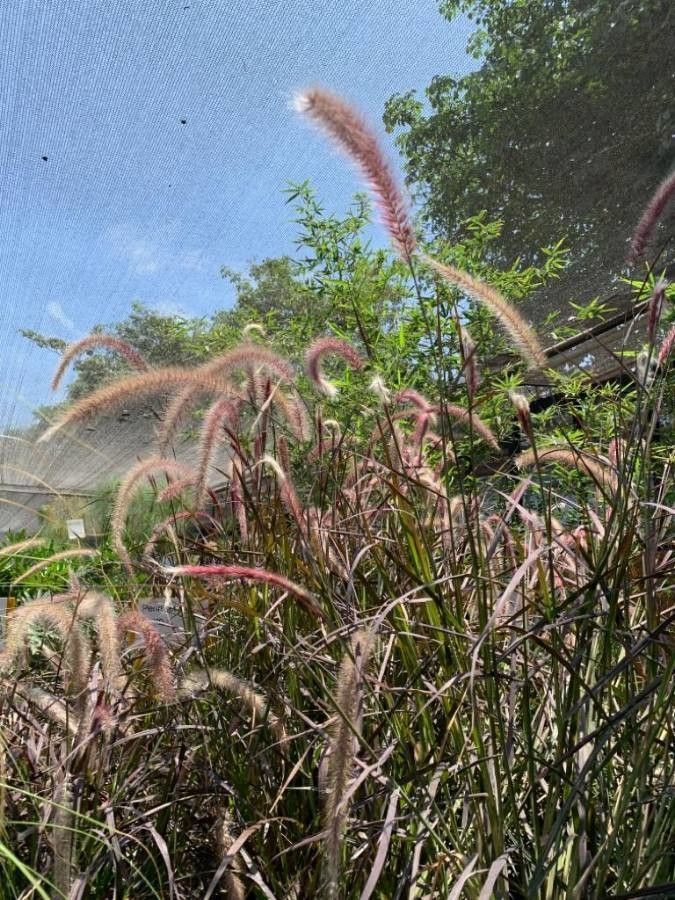
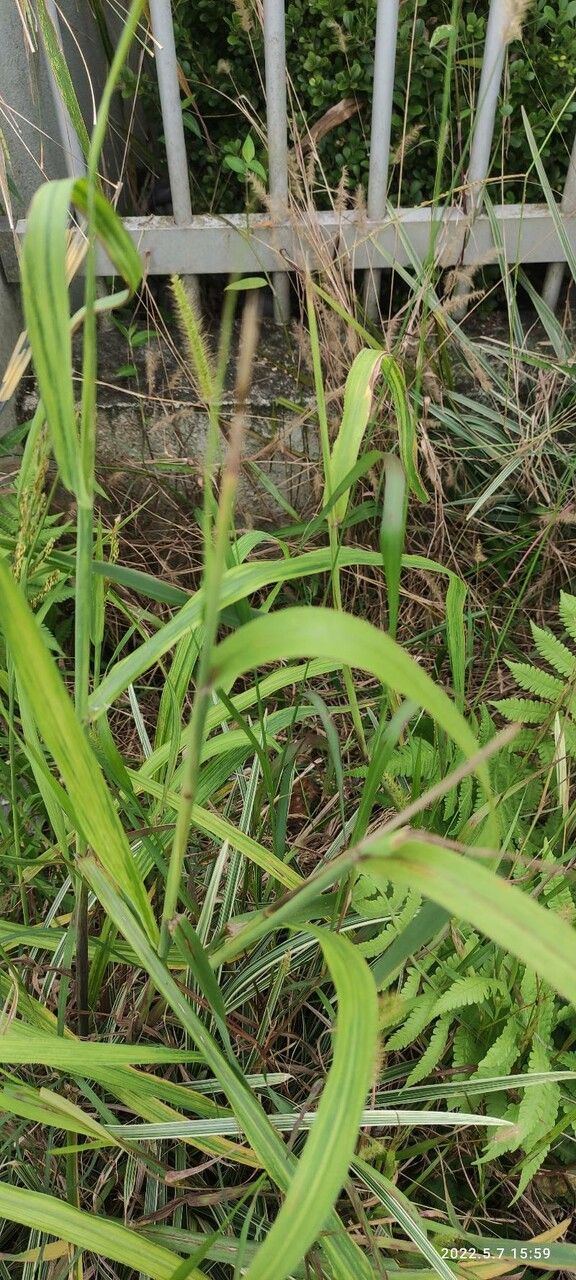
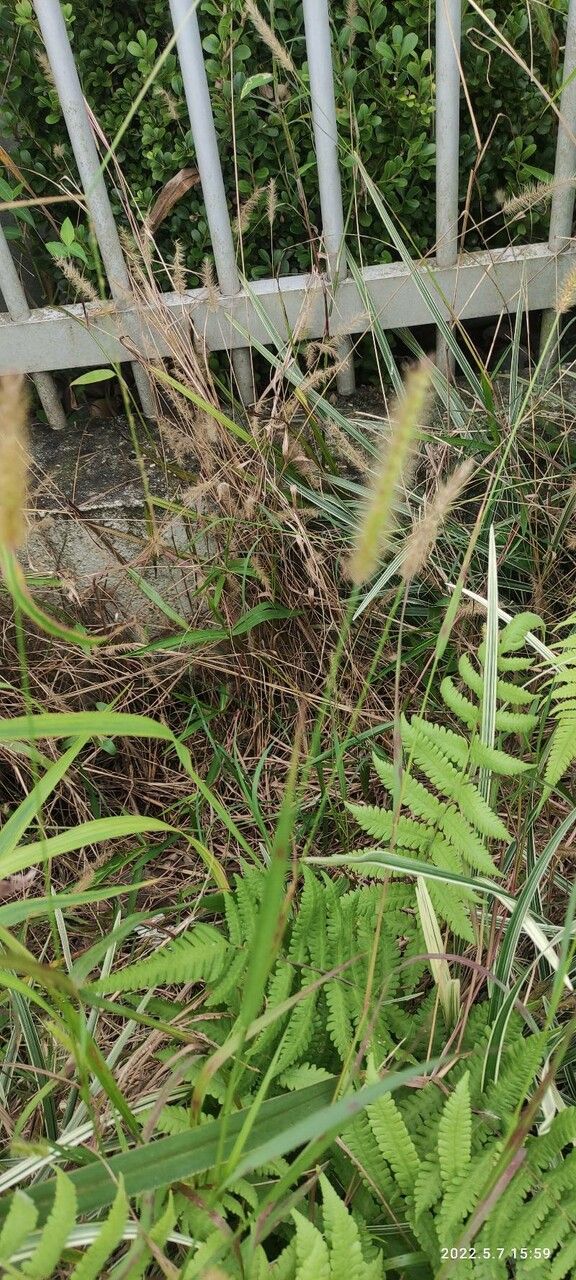
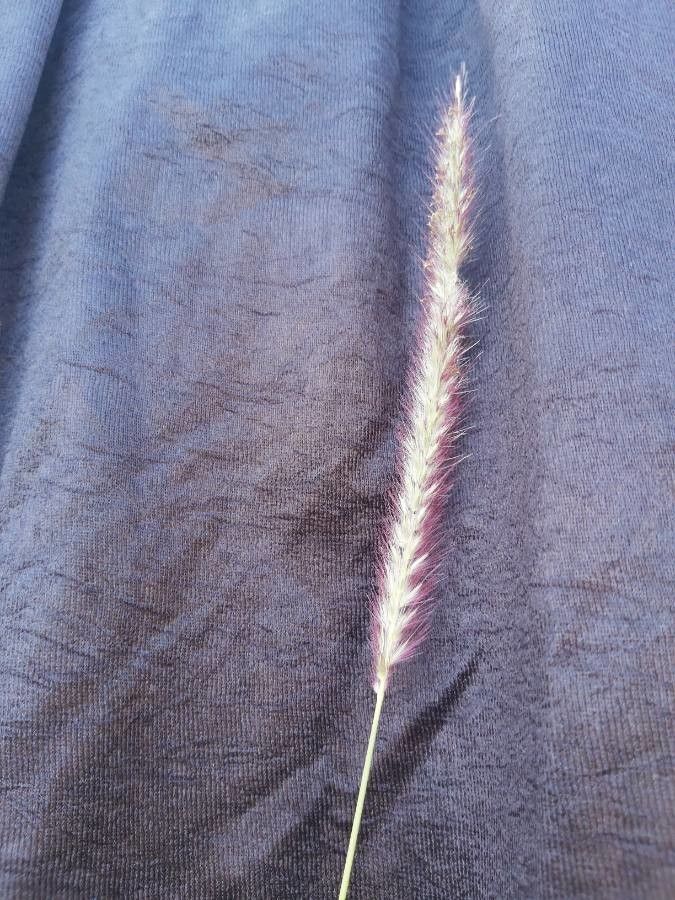
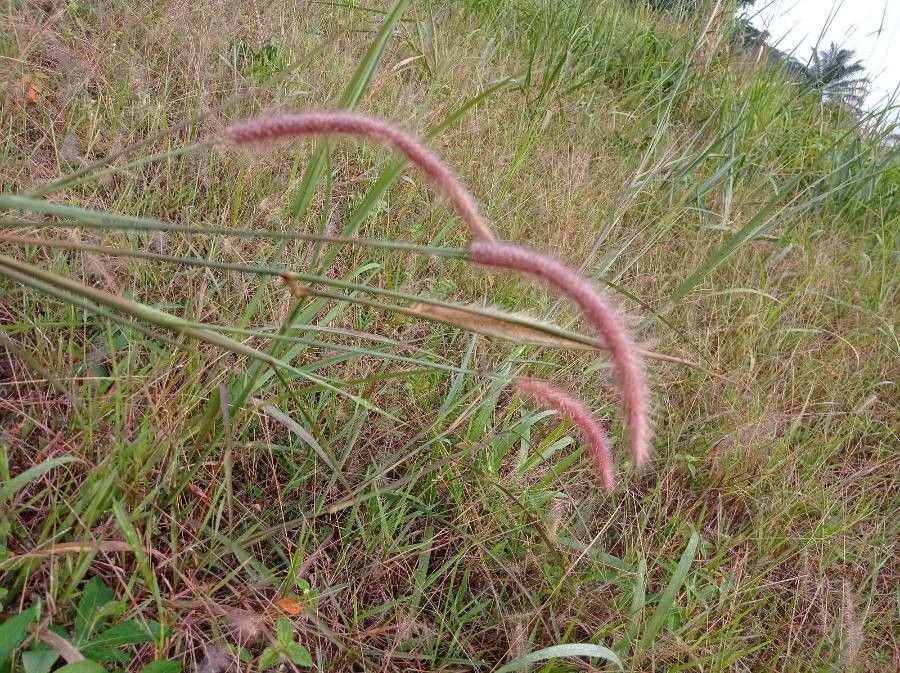
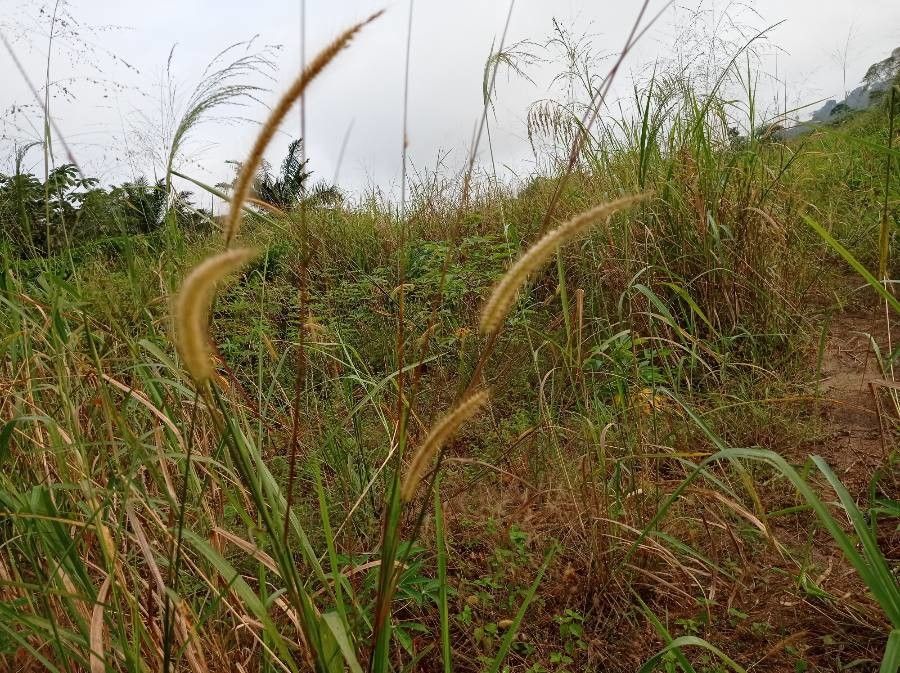
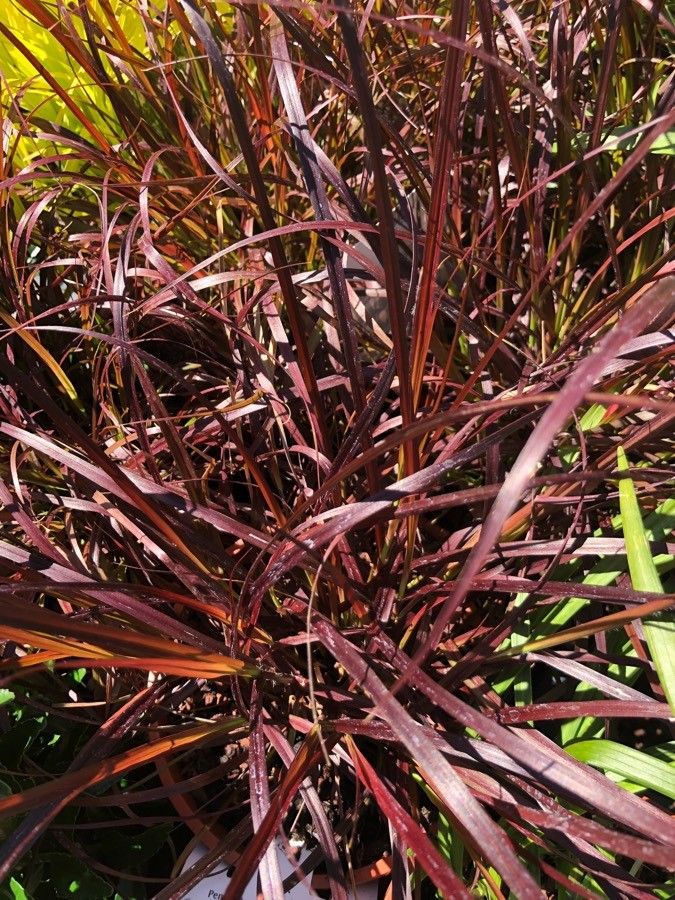
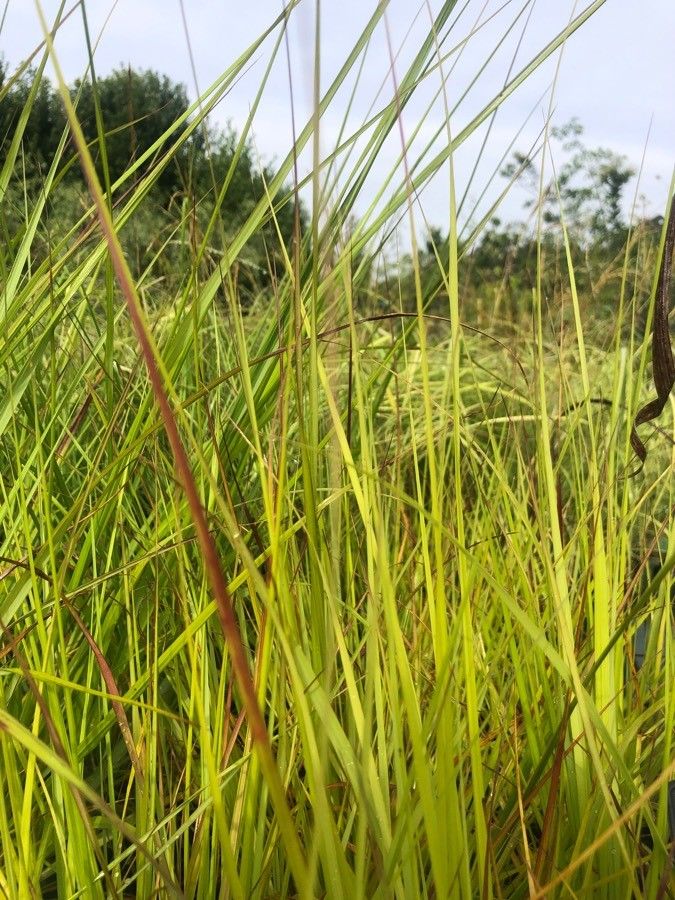
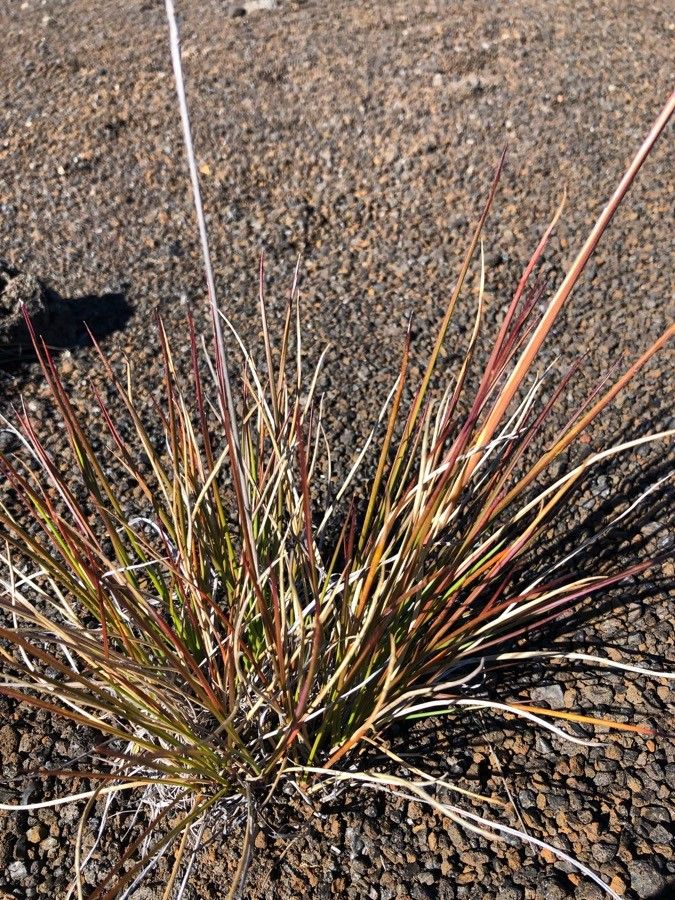
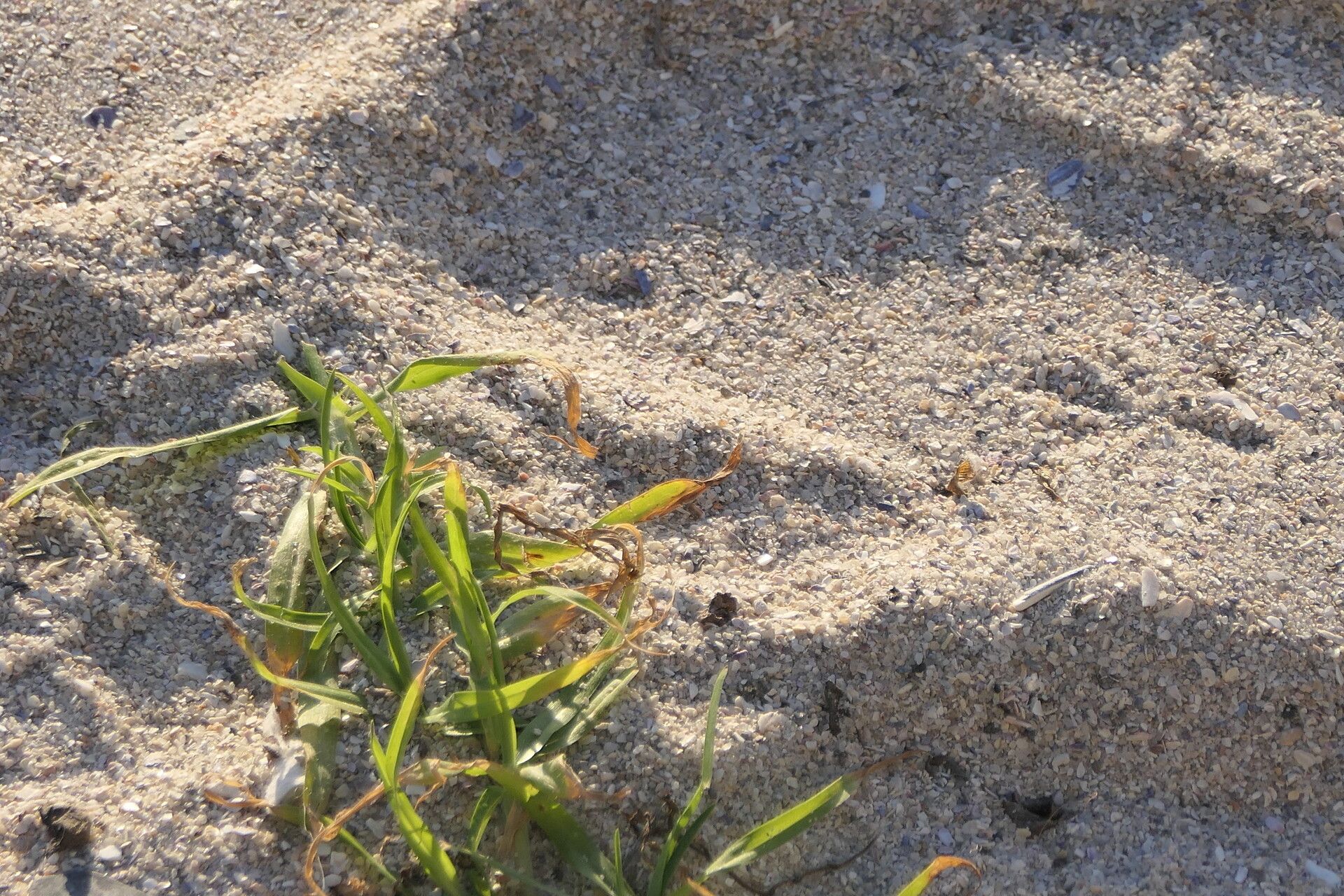
Pennisetum polystachion, the mission grass, is a species of grass native to tropical Africa, and is an invasive species in Northern Australia and in Sri Lanka.
Mission grass is resistant to disease and is usually not vulnerable to illnesses. With respect to care, this plant is fairly low maintenance. When grown outdoors it needs only light watering, and larger specimens typically do not require pruning. Smaller plants, however, should be pruned after they finish blooming. Mission grasst is appropriate for anyone with an outdoor area, such as a garden or deck, and does not demand much gardening experience.
How to keep Pennisetum Polystachion.
Light
Mission grass grows best in places where sunlight is present throughout the day. It can also survive in areas that do not receive constant sun. Insufficient sunlight can impede growth and produce dull, sparse foliage. Excessive exposure may scorch the leaves. Coming from environments with ample sunlight, it is adapted to a wide range of light conditions.
Temperature
Mission grass originates from areas where temperatures range from 59 to 100 °F (15 to 38 ℃). It does better in milder climates, and the temperature should be adjusted in winter to prevent damage from cold weather.
Fertilizer
Mission grass needs extra nutrients to encourage healthy new growth. In spring, applying compost around the plant’s base can effectively supply the nutrition it requires. Fertilizing supports vigorous growth and helps the plant resist diseases and pests.
Botanical profile.
- Plant Type
- Grass
- Life Cycle
- Perennial
- Genus
- Pennisetum
- Family
- Poaceae
- Hardiness Zone
- 8-11
- Mature Height
- 2.13 m to 3.05 m
- Mature Spread
- 30 cm to 61 cm
- Leaf Color
- Green
- Leaf Type
- Semi-evergreen
- Flower Color
- Yellow, Green, Brown
- Flower Size
- 0.51 cm to 2.59 cm
- Bloom Time
- Summer, Early fall, Mid fall
- Planting Time
- Spring, Summer, Autumn
- Harvest Time
- Mid summer, Late summer, Fall
Other names.