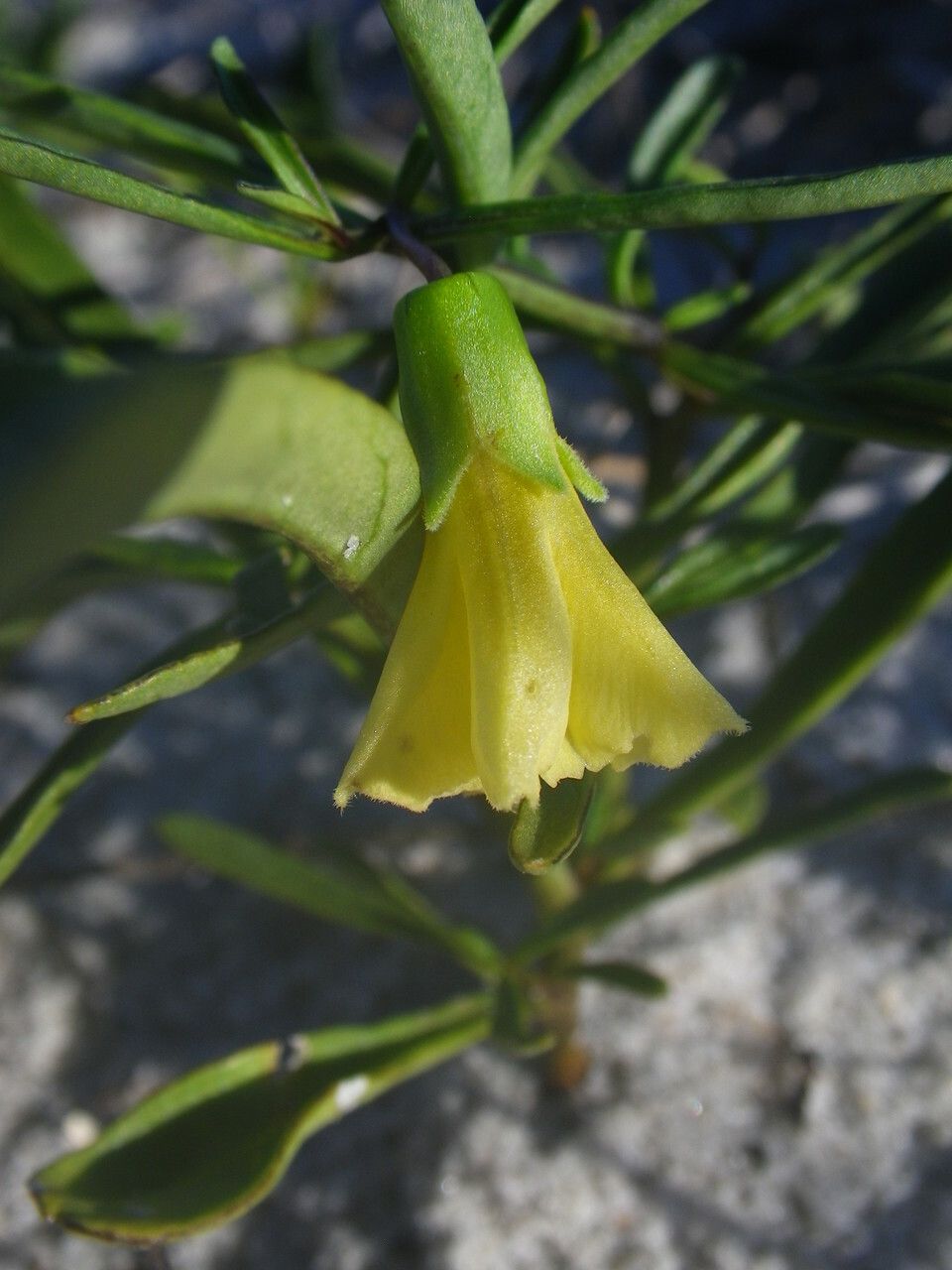
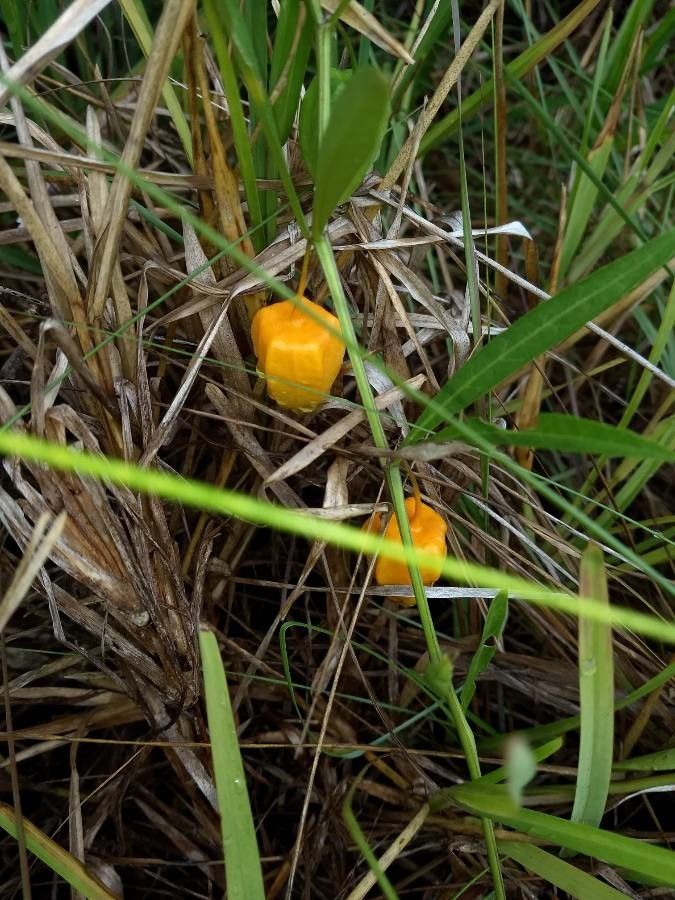
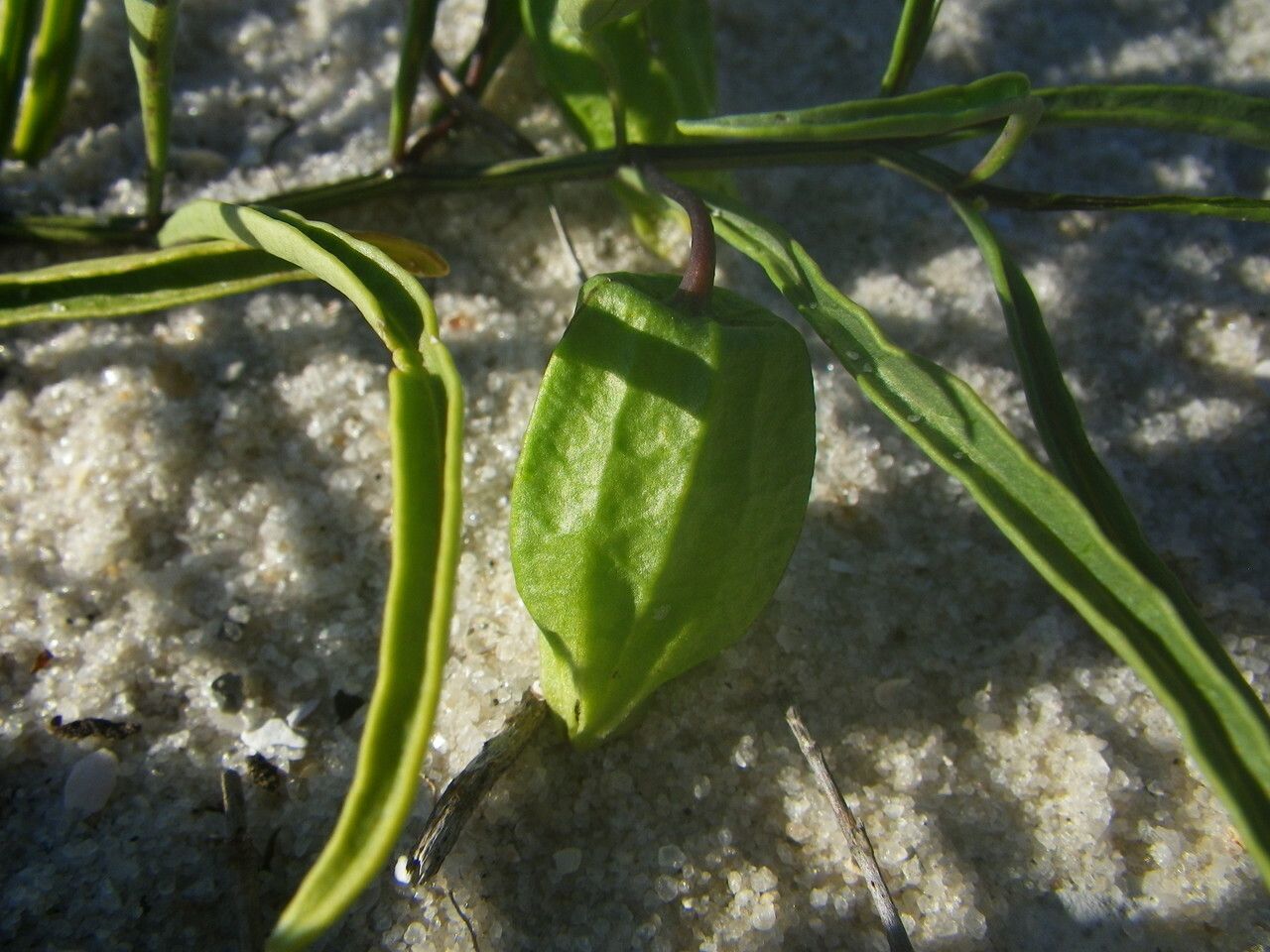
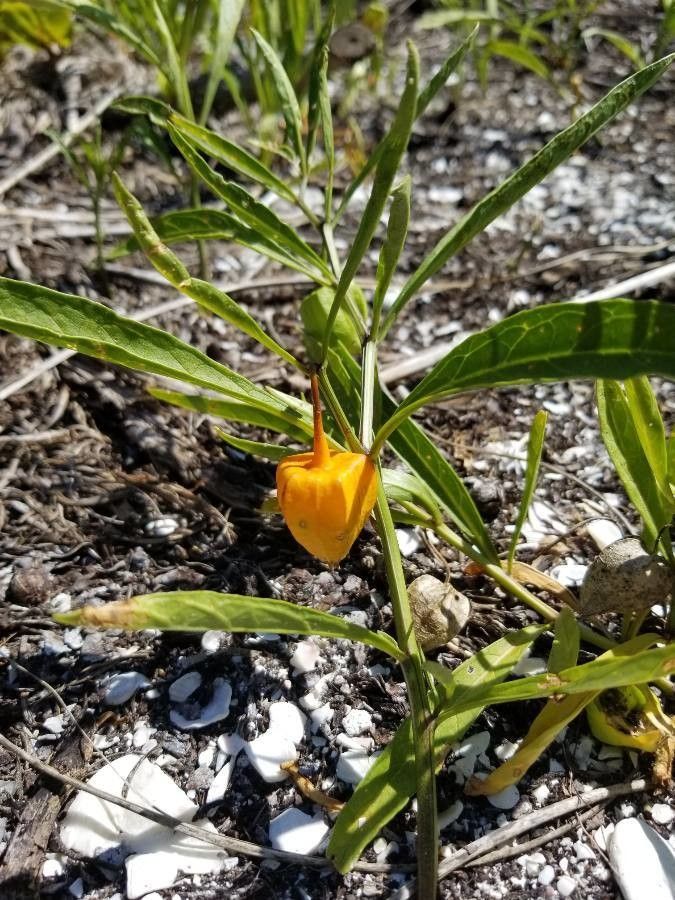
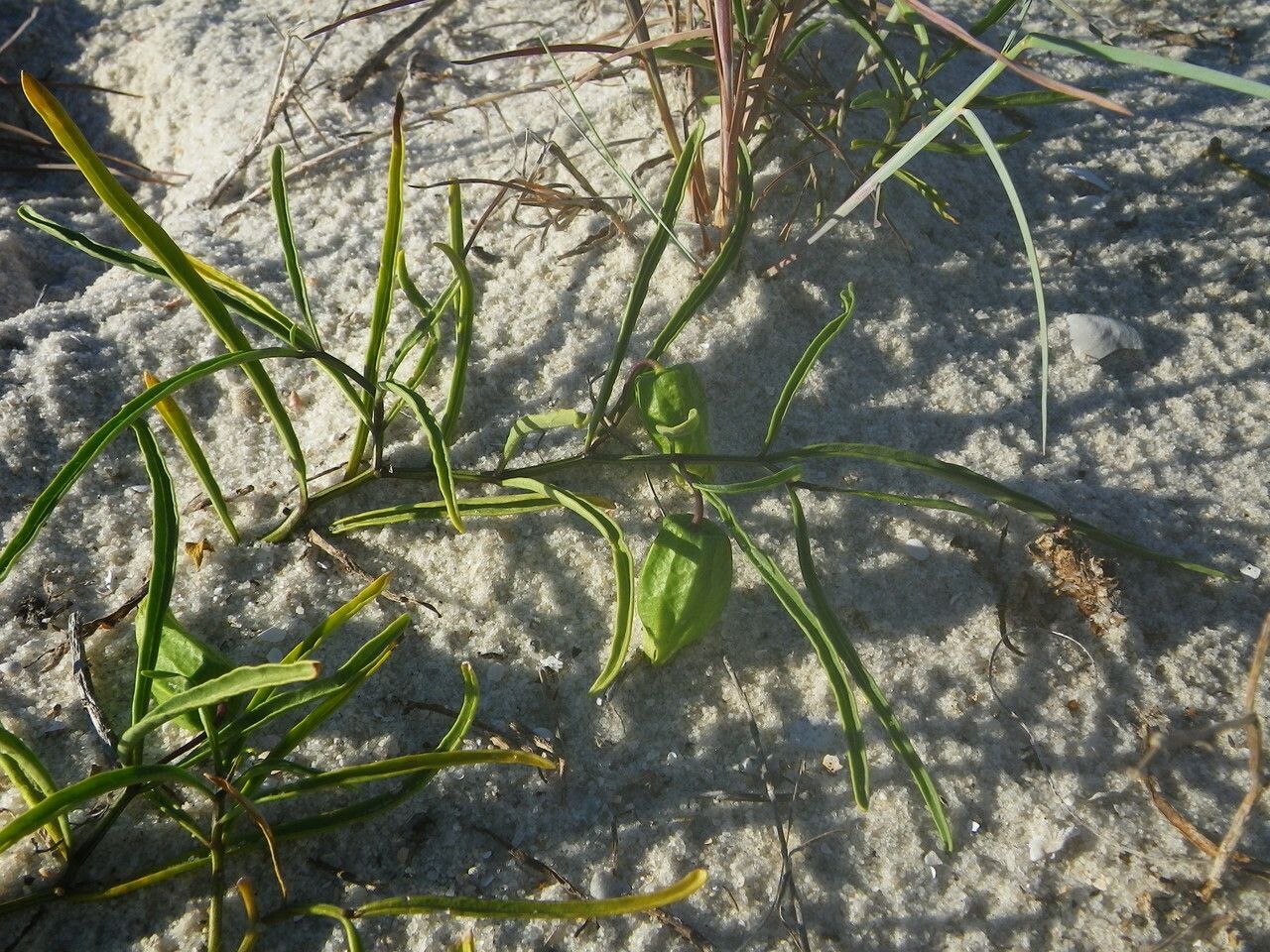
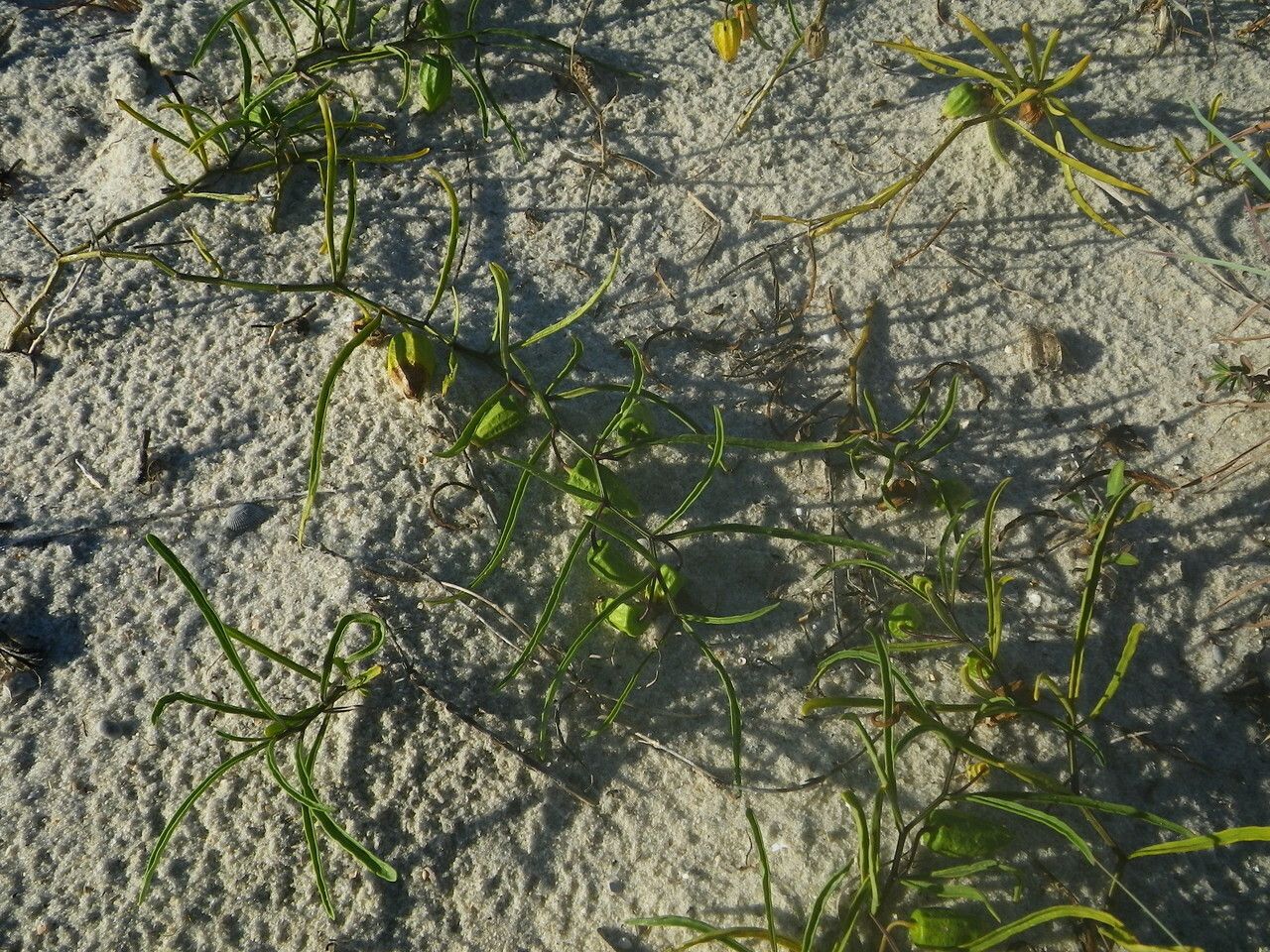
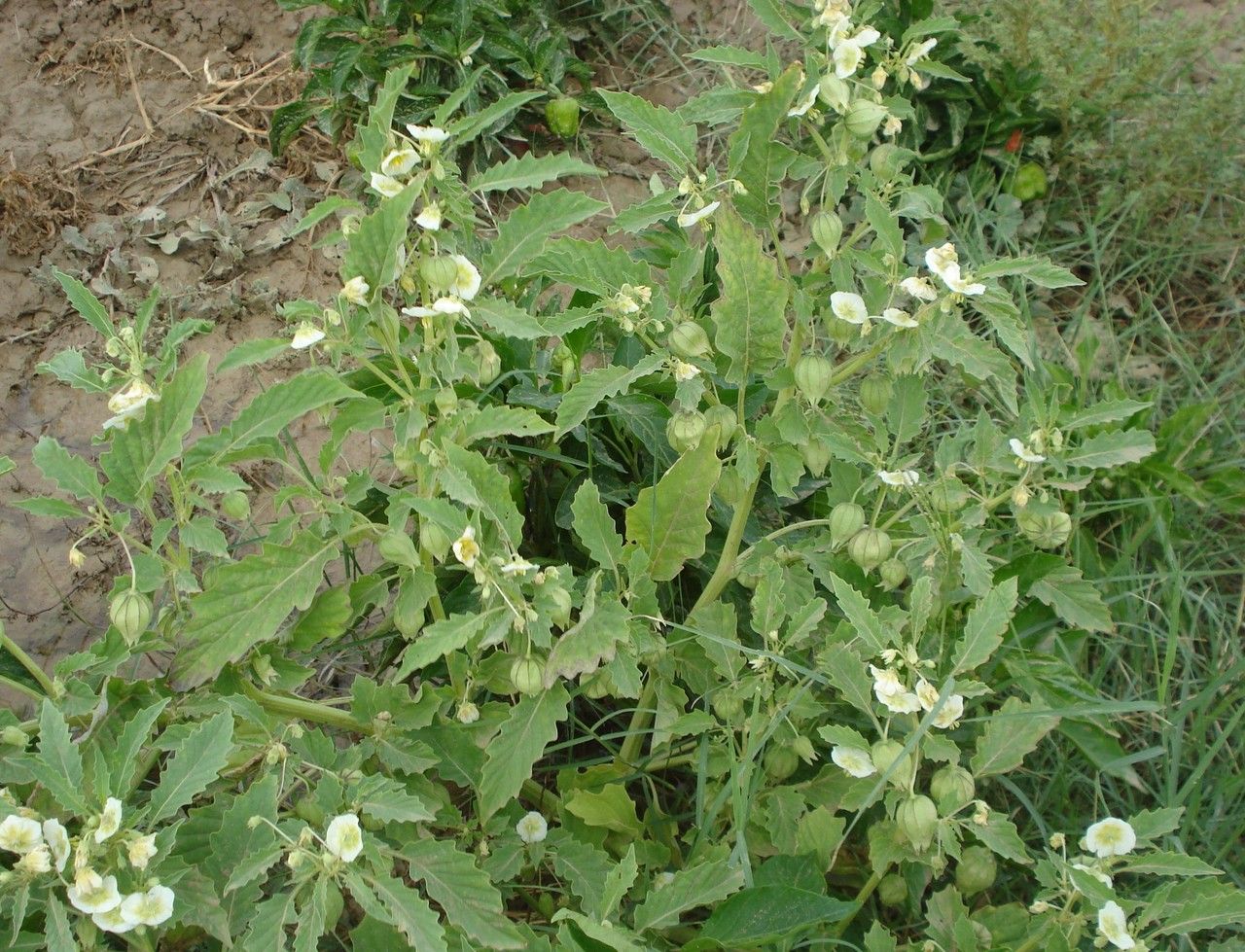
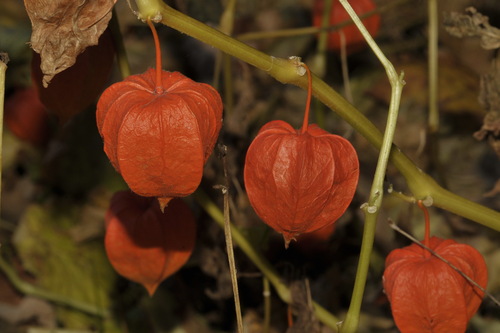
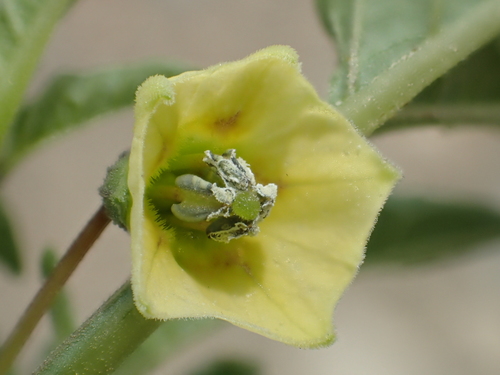
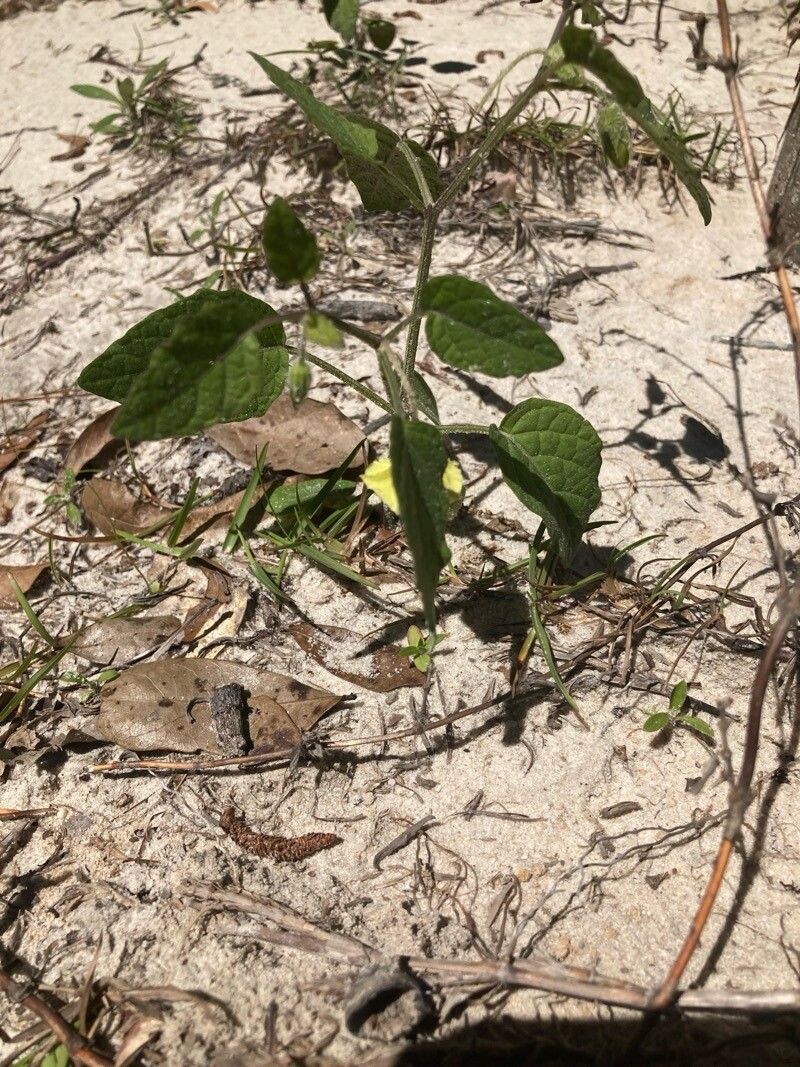
Physalis angustifolia, the coastal groundcherry, is a species of flowering plant in the nightshade family. It is native to the Gulf Coast shoreline of the Southeastern United States, where it is found on maritime dunes and sands.
Coastal groundcherry has strong disease resistance and is generally not prone to illnesses. However, it can be vulnerable to pests and diseases present in its environment. These infections are typically mild. Regarding care, this plant needs moderate maintenance. It should be pruned regularly to maintain a tidy appearance and support healthy growth. Applying fertilizer can also help encourage flowering. Coastal groundcherry is appropriate for anyone with outdoor space, such as a garden or patio, and does not demand extensive care experience. It may need more attention if grown indoors.
How to keep Physalis Angustifolia.
Light
Coastal groundcherry is a sun-loving, perennial herbaceous plant that comes from open habitats and commonly thrives in meadows and grasslands. It prefers full sun but can also tolerate partial sun conditions.
Temperature
Coastal groundcherry comes from tropical regions, where the climate is generally warm and humid. Therefore, it is adapted to high temperatures and humidity. It does not tolerate sudden temperature changes and prefers a stable temperature environment, so avoiding indoor temperature fluctuations is important. It usually cannot withstand cold and needs higher temperatures to grow. If the environmental temperature falls too low, the plant may stop growing or even die.
Fertilizer
Select organic fertilizers (e.g., fish emulsion or compost) instead of chemical fertilizers for Coastal groundcherry. Provide higher nitrogen and phosphorus to young plants during spring. Incorporate compost or fertilizer into the soil before or after planting. For mature plants, supplement in spring with a balanced fertilizer or one specific to detected nutrient deficiencies. Nutrient deficiency causes small leaves, short branches, yellow/bronze leaves, acidic fruits, premature fruit fall, and splitting.
Pruning
To ensure the coastal groundcherry thrives, perform careful pruning in early spring. This helps maintain its shape and improves air circulation. Remove any dead stems and crossing branches to prevent disease, which in turn enhances fruit production and overall plant health. Be sure to clean your tools to avoid spreading pathogens. This practice supports vigorous growth and enhances the plant's appearance throughout the growing season.
Botanical profile.
- Plant Type
- Herb
- Life Cycle
- Perennial
- Genus
- Physalis
- Family
- Solanaceae
- Hardiness Zone
- 8-11
- Mature Height
- 30 cm to 91 cm
- Mature Spread
- 30 cm to 46 cm
- Leaf Color
- Green, Dark Green
- Leaf Type
- Evergreen
- Flower Color
- Yellow
- Flower Size
- 1.02 cm to 2.03 cm
- Bloom Time
- Late spring, Summer
- Planting Time
- Spring, Autumn
- Harvest Time
- Mid summer, Late summer, Early fall, Mid fall
Other names.