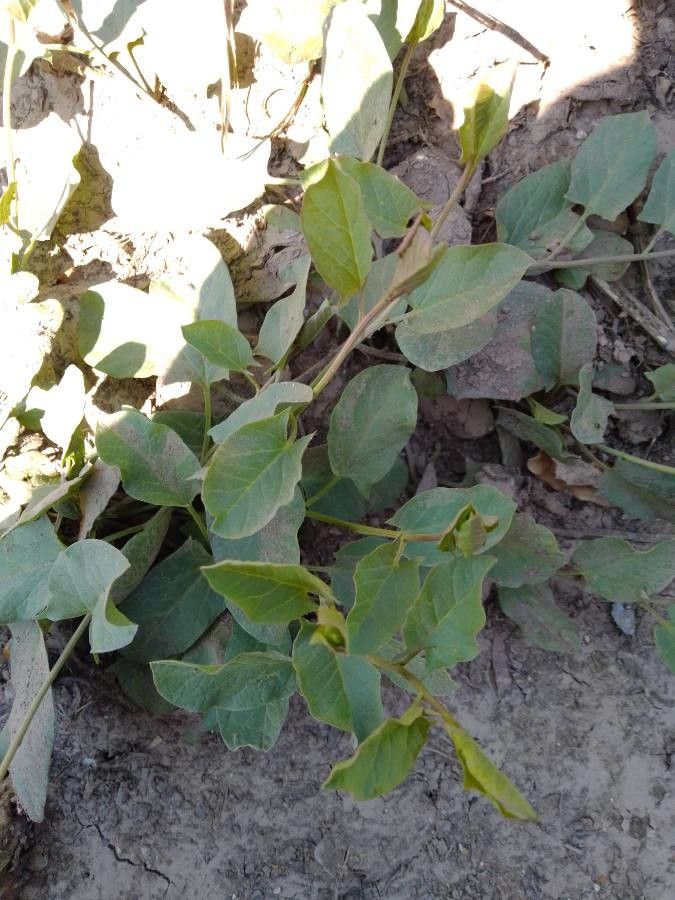
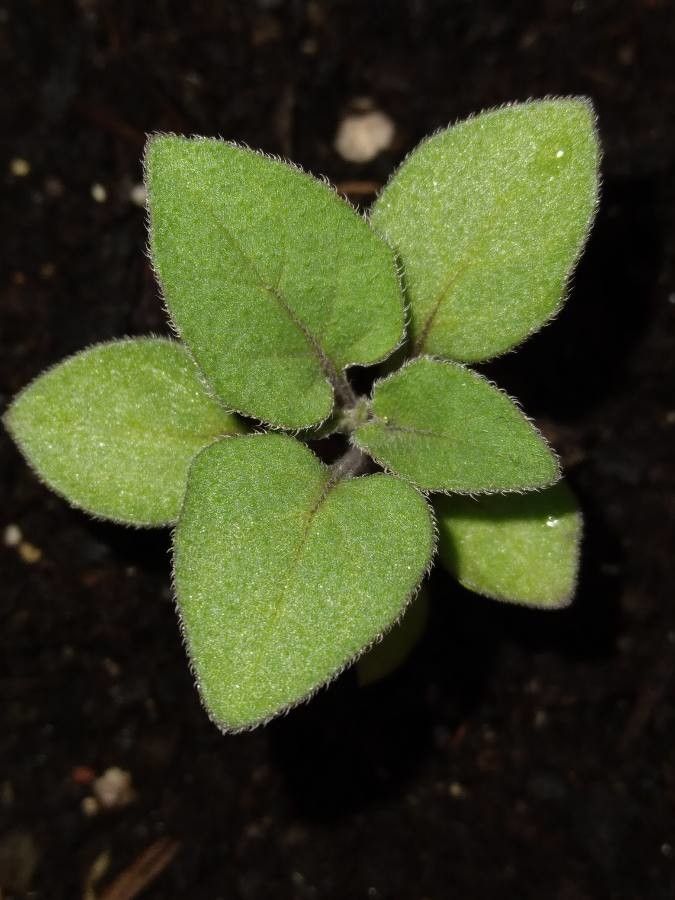
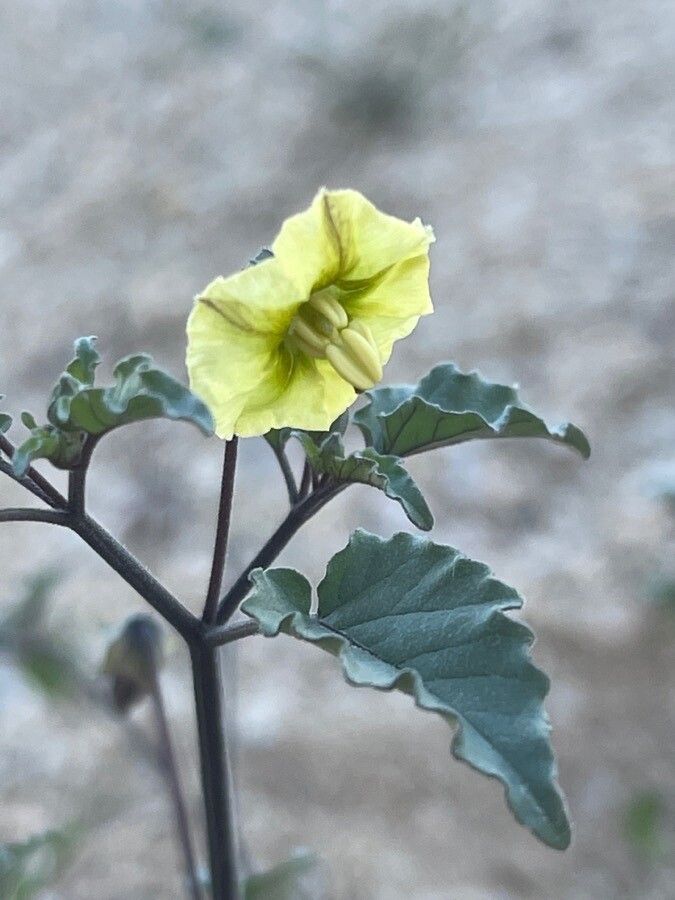
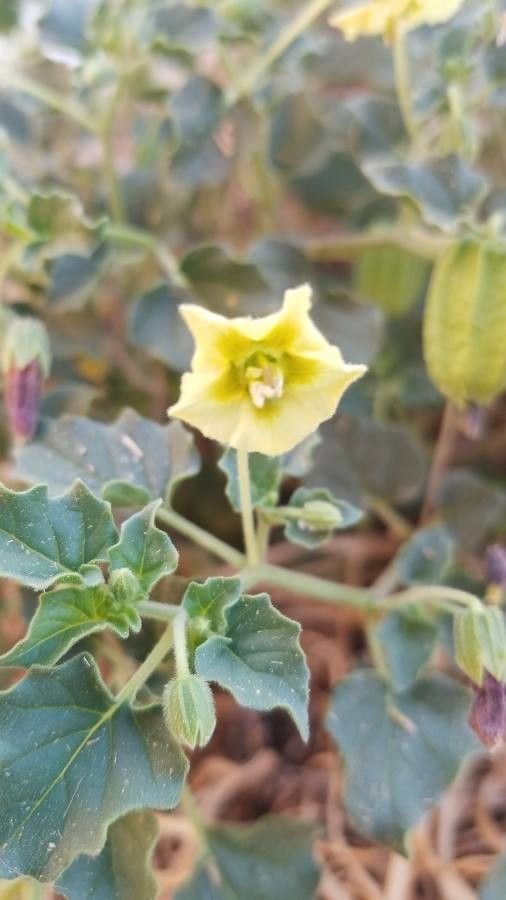
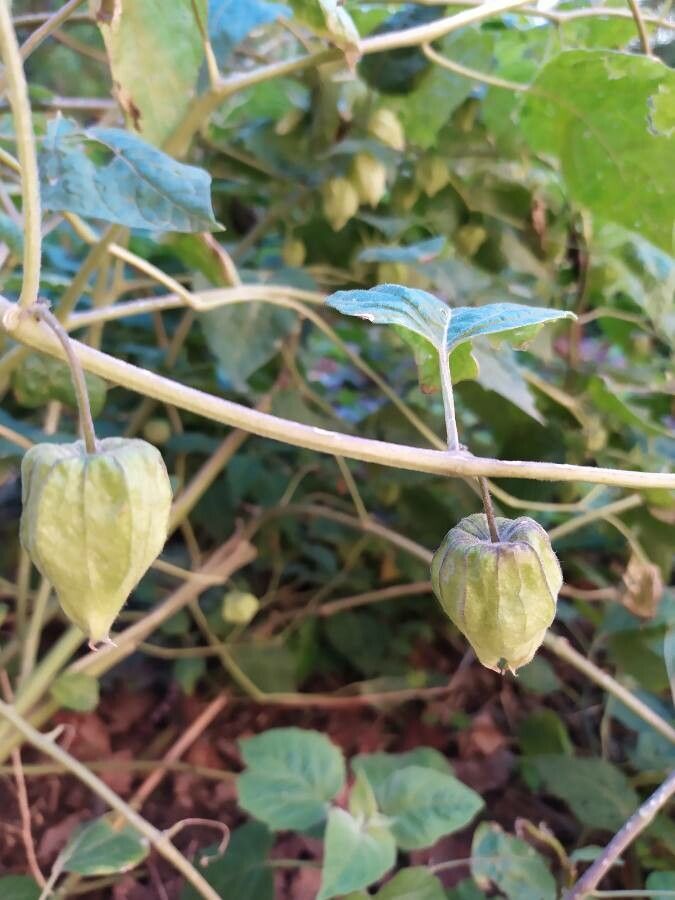
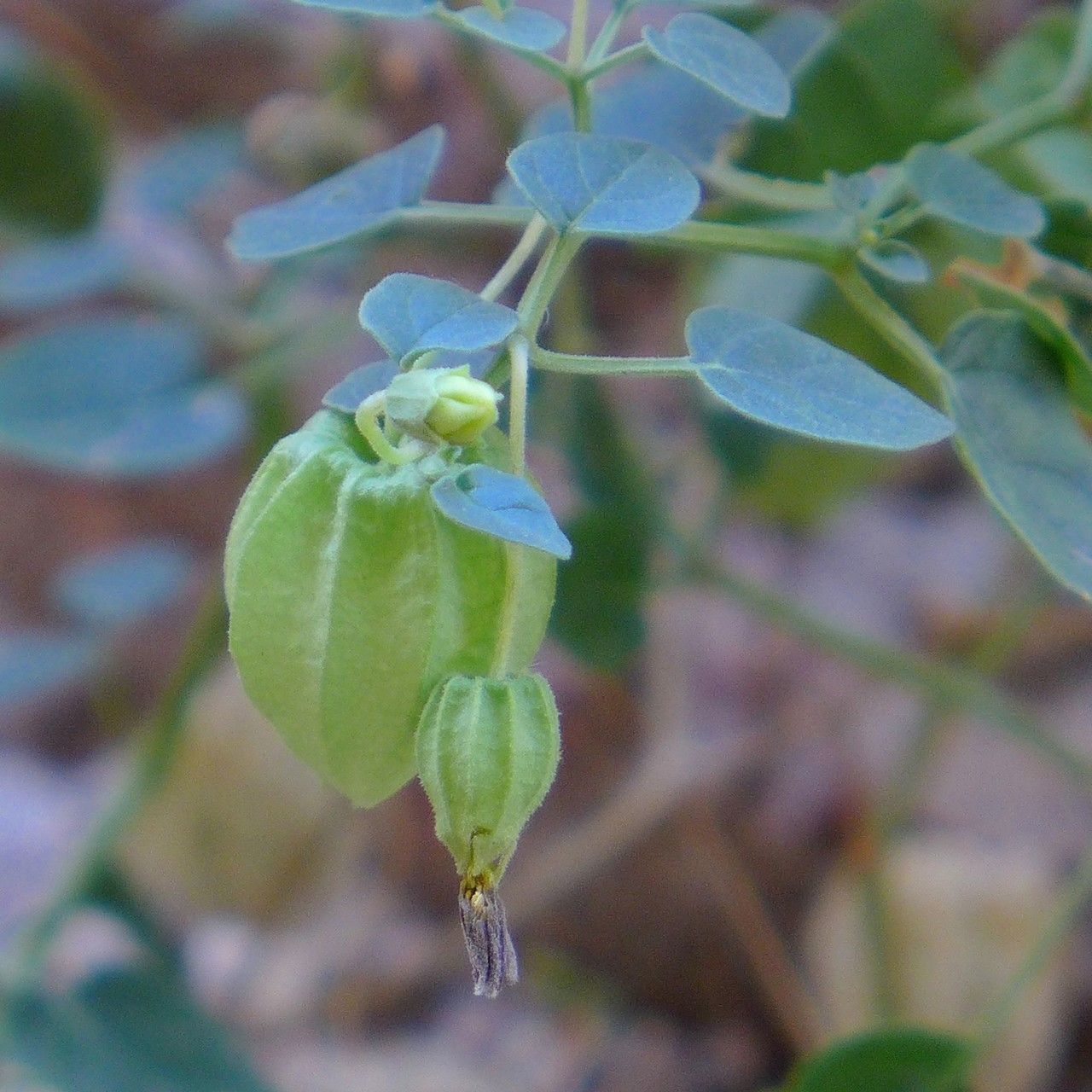
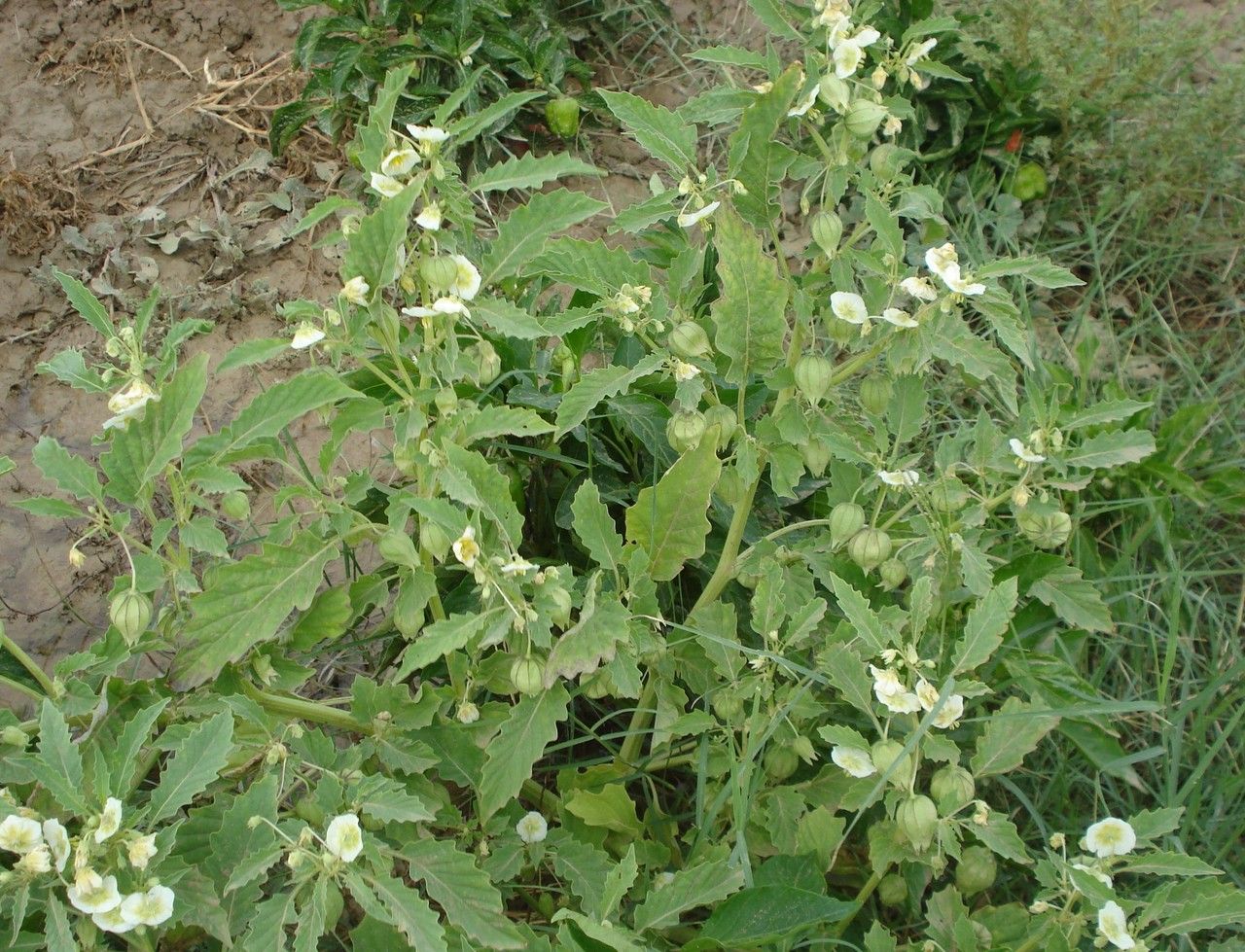
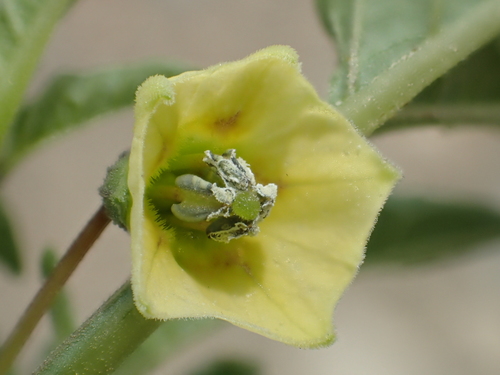
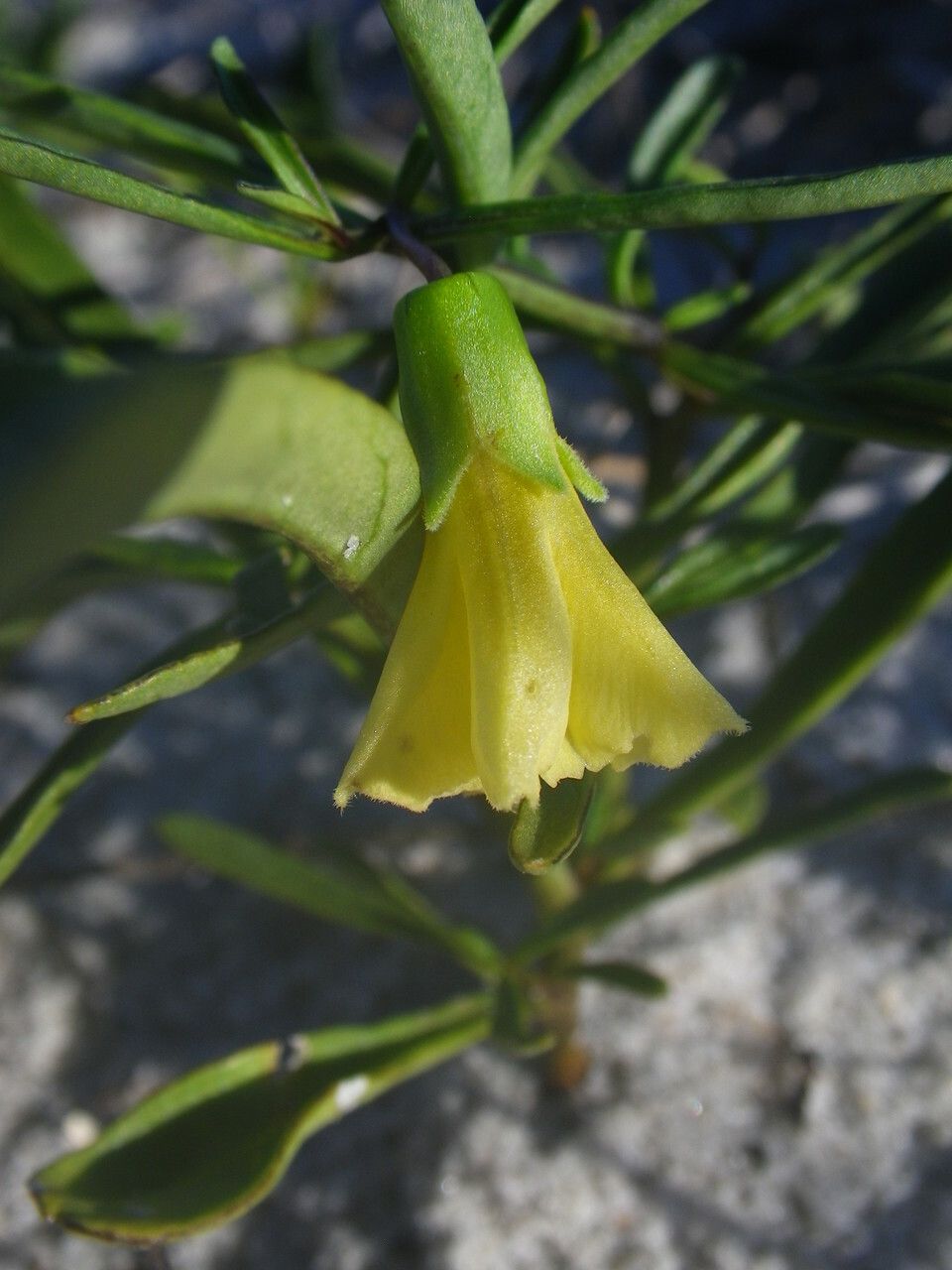
Physalis crassifolia, commonly known as the thick-leaved ground cherry, is a perennial plant in the Solanaceae family. Native to North America, it is found in regions such as Texas, Oklahoma, and Mexico. The plant can grow up to 60 cm in height and features thick, oval-shaped leaves with a velvety texture. Its flowers are small and yellow, each with five petals.
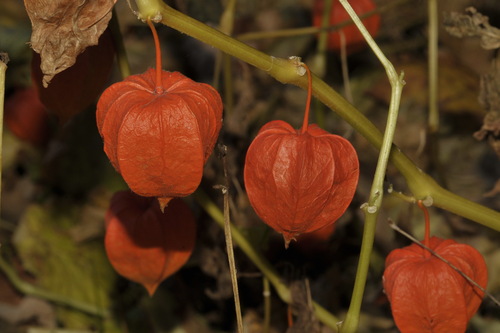
The fruit of Physalis crassifolia is a small berry encased in a papery husk that turns brown when ripe. The fruit has an acidic taste with hints of sweetness and can be eaten raw or used to make jams or pies.
This plant prefers well-drained soil and thrives in full sun or partial shade. While it is drought-tolerant, regular watering during dry spells is necessary for optimal growth.
Traditionally, Native Americans have used Physalis crassifolia for its medicinal properties, such as treating respiratory infections, fever, and stomach ailments.
In summary, Physalis crassifolia is an intriguing perennial plant, distinguished by its unique fruit encased in papery husks, setting it apart within the Solanaceae family.
Yellow nightshade groundcherry has strong disease resistance and is generally not prone to illnesses. However, it can be vulnerable to pests and diseases present in its surroundings. These infections are typically mild. Regarding care, this plant needs a moderate amount of maintenance. It should be pruned regularly to keep a good appearance and encourage healthy growth. Fertilizing can also help stimulate flowering. Yellow nightshade groundcherry is appropriate for anyone with an outdoor area, such as a garden or patio, and does not demand much care experience. It may need more attention when grown indoors.
How to keep Physalis Crassifolia.
Light
Yellow nightshade groundcherry is a sun-loving perennial herbaceous plant that comes from open habitats and is often found in meadows and grasslands. It prefers full sun but can also tolerate partial sun.
Water
The yellow nightshade groundcherry, native to arid regions, is highly drought-tolerant and requires very little water. It thrives with infrequent watering, ideally once a week. This plant prefers well-draining soil, similar to that of its natural habitat, which allows it to stay hydrated effectively even in dry conditions.
Temperature
Yellow nightshade groundcherry is native to environments with moderate temperatures. It favors warm conditions, doing well in temperatures of 68 to 100 °F (20 to 38 ℃). In colder months, modify ambient conditions to suit its need for warmth, making sure the temperature never falls below its minimum.
Fertilizer
The best time to fertilize a Yellow nightshade groundcherry is in early spring, as it comes out of dormancy and begins active growth. Fertilizing supplies essential nutrients for healthy development. While the Yellow nightshade groundcherry has relatively low fertilizer requirements, an annual application can improve its survival and encourage better, longer-lasting flowers.
Pruning
The yellow nightshade groundcherry is characterized by its compact growth and bright yellow flowers, which are enclosed in distinctive papery husks. To promote healthy growth and abundant flowering, prune the plant from early to late spring, once the last frost has passed. Remove any damaged branches and thin out overcrowded areas to improve airflow and sunlight exposure. This will help enhance the plant's longevity and vigor.
Botanical profile.
- Plant Type
- Herb
- Life Cycle
- Perennial, Annual
- Genus
- Physalis
- Family
- Solanaceae
- Hardiness Zone
- 8-11
- Mature Height
- 46 cm
- Mature Spread
- 30 cm to 61 cm
- Leaf Color
- Green, Light Green
- Leaf Type
- Deciduous
- Flower Color
- Yellow, Green
- Flower Size
- 1.52 cm to 2.29 cm
- Bloom Time
- Mid spring, Late spring, Early summer, Mid summer
- Planting Time
- Spring, Summer, Autumn
- Harvest Time
- Mid summer, Late summer, Early fall, Mid fall
- Native Area
- Mexico
Other names.
Reader questions.
How should I water my Yellow nightshade groundcherry plant?
To properly water the Yellow nightshade groundcherry, it is best to use filtered water at room temperature. Tap water may contain harmful particles that can negatively affect the plant's health. The water should be at room temperature or slightly warmer because this plant is accustomed to warm environments and cold water can be a shock to its system. Instead of watering from above, it is recommended to apply the filtered room temperature water directly to the soil until it is completely soaked. This provides important moisture to the roots and helps them spread through the soil and absorb necessary nutrients.
What are the sunlight requirements for Yellow nightshade groundcherry?
Yellow nightshade groundcherry thrives in sunlight, preferring full sun conditions, which means it requires above 6 hours of sunlight each day. However, it can also tolerate partial sun conditions, needing about 3-6 hours of sunlight. Adequate sunlight is crucial for its growth and development. Observing how sunlight moves through your garden and choosing locations that offer a balance of light and shade will ensure the plant's happiness.
What is the preferred climate for Yellow nightshade groundcherry?
Yellow nightshade groundcherry, botanically known as Physalis crassifolia, thrives in moderate to warm climates. It prefers temperatures between 68 to 100 °F (20 to 38 °C), making it well-suited to habitats with moderate temperatures. Even though it has some cold tolerance, it's important to maintain the temperature above its lower threshold, especially during colder seasons. If the temperature is expected to drop below 0°C, it's necessary to take protective measures such as wrapping the plant with plastic film, fabric, or other materials to ensure it continues to thrive.
What should I do if I give too much or too little water to my Yellow nightshade groundcherry plant?
Both overwatering and underwatering can harm your Yellow nightshade groundcherry, but overwatering is more common. Too much water can cause wilting and yellowing of the stems and leaves. It can also lead to diseases like root rot, mold, and mildew, which can be fatal to the plant. Underwatering is less likely, as these plants can tolerate drought. However, if underwatering does occur, the leaves may become brittle and brown. It is important to detect signs of overwatering early to prevent irreversible damage. If you notice these signs, reduce your watering schedule and consider replacing the poorly draining soil with a loose, well-draining potting mix. If your plant shows signs of underwatering, simply water more regularly until the symptoms improve.
How can artificial lighting support Yellow nightshade groundcherry indoors?
When natural sunlight is insufficient, artificial lighting can be a vital solution for Yellow nightshade groundcherry, especially during winter or in less sunny spaces. LED lights are a popular choice for indoor plant lighting, as they can provide specific wavelengths of light needed by the plant. Full sun plants require 30-50W/sq ft, partial sun plants need 20-30W/sq ft, and full shade plants need 10-20W/sq ft of artificial light. The light source should be placed 12-36 inches above the plant, mimicking natural sunlight, and most plants need 8-12 hours of light per day.
How does Yellow nightshade groundcherry react to low temperatures?
Yellow nightshade groundcherry possesses a moderate tolerance to low temperatures but prefers to remain above 20°C. Winter conditions require that the plant be kept above 0°C to prevent damage. When temperatures plummet below -10°C, the plant's leaves may start to droop; they might recover in mild cases, but severe cold can cause the leaves to wilt and eventually fall off. To protect it from low temperatures, gardeners should trim off frost-damaged areas, wrap the plant with non-woven fabric or cloth, and construct a wind barrier to shield it from cold breezes.
How often do I need to water my Yellow nightshade groundcherry?
If your Yellow nightshade groundcherry is in a pot, the most accurate way to determine if it needs water is by sticking your finger in the soil. If the top two to three inches of soil are dry, it's time to water it. If you have planted your Yellow nightshade groundcherry outdoors in the ground, you can use the same method to test the soil. Once again, when you find that the top few inches of soil have dried out, it's time to water it. In spring and early fall, you will likely need to water this plant once a week using this method. However, during extremely hot weather, you might have to water it around twice or more per week. Nonetheless, fully grown and well-established Yellow nightshade groundcherry plants have proven to be quite resilient to drought.
What are the symptoms of light deficiency in Yellow nightshade groundcherry?
Symptoms of light deficiency in Yellow nightshade groundcherry include smaller new leaves, leggy or sparse growth, early leaf drop to conserve resources, slower or halted growth, lighter-colored leaves indicating a lack of chlorophyll, and chlorosis where leaves lose their green color. Excessive sunlight can lead to sunscald, leaf curling, wilting, and leaf scorching, indicating damage to the plant tissue.
How does Yellow nightshade groundcherry respond to high temperatures?
Yellow nightshade groundcherry should ideally be maintained below 38°C during the hot summer months. Exposure to temperatures above 43°C can result in lighter leaf color, dry and withered leaf tips, curled leaves, and increased susceptibility to sunburn. To alleviate heat stress, the dried-up and sunburned parts should be trimmed away, and the plant should be relocated to a shaded location or protected with shade cloth, especially during the midday and afternoon sun. It's also beneficial to water the plant in the morning and evening to keep the soil consistently moist and help the plant stay hydrated.
How much water does my Yellow nightshade groundcherry plant need?
When watering your Yellow nightshade groundcherry, don't hesitate to give it plenty of water. Make sure the first two to three inches of soil are dry before watering. Give it a thorough watering so that the soil becomes completely soaked. You should add enough water to cause excess water to drain out of the pot through the drainage holes. If you don't see excess water draining, you may have underwatered your plant. However, be careful not to let water accumulate in the soil, as this can be harmful to the plant. On the other hand, if water doesn't drain well from the pot, it could mean the soil is poorly draining, which is not good for the plant's health. If the plant is outside, it should receive about 1 inch of rain per week, which is sufficient.
How to address sunlight deficiency or excessive sunlight for Yellow nightshade groundcherry?
To address sunlight deficiency indoors, gradually move the plant to a sunnier location each week until it receives at least 6 hours of direct sunlight daily, using a south-facing window for maximum exposure. Artificial lighting, such as desk or ceiling lamps, should be used for at least 8 hours daily if the plant is large or not movable. Outdoors, gradually move the plant to sunnier locations to prevent sunburn. If the plant is affected by insufficient sunlight, new growth after increasing light exposure will be healthy. Mitigate obstructions by pruning trees or transplanting the plant to a location with more sunlight and good drainage.
How should I water my Yellow nightshade groundcherry at different times it's growing?
The water requirements of the Yellow nightshade groundcherry can vary depending on its growth stages. To better understand, when the plant is young or has just been transplanted, it will require more water than usual. During these stages, the Yellow nightshade groundcherry focuses on developing new roots to support future growth. These young roots need extra moisture to thrive. As the plant matures over several seasons, it will require less water. Additionally, during the bloom period, the plant may also need more water due to the increased moisture demand for flower development. Hence, it might be necessary to provide additional water to your Yellow nightshade groundcherry during this time.