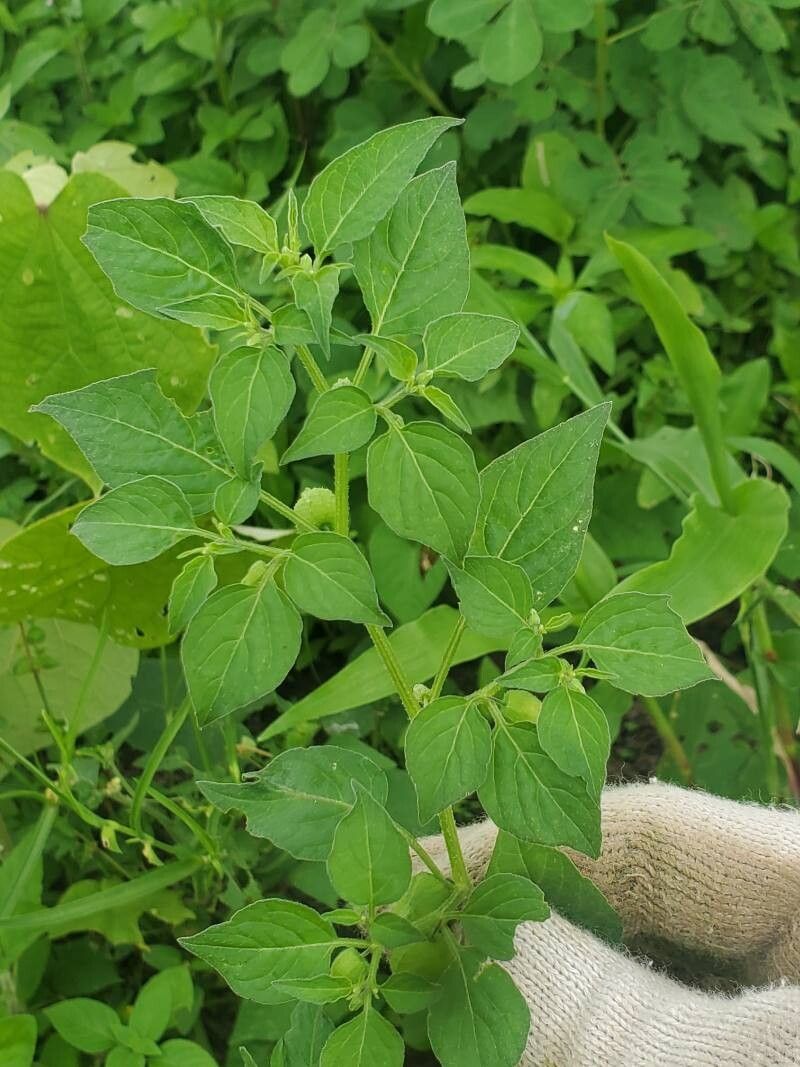
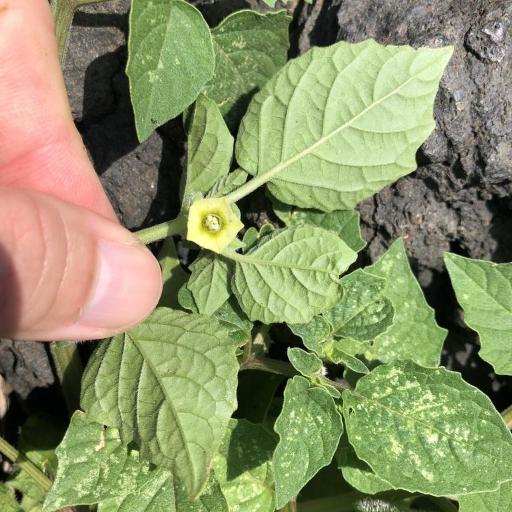
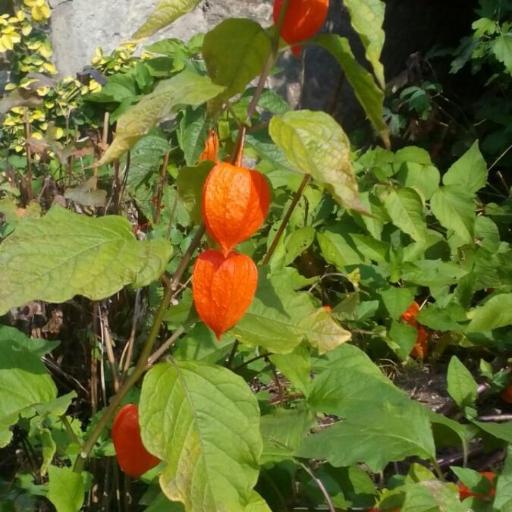
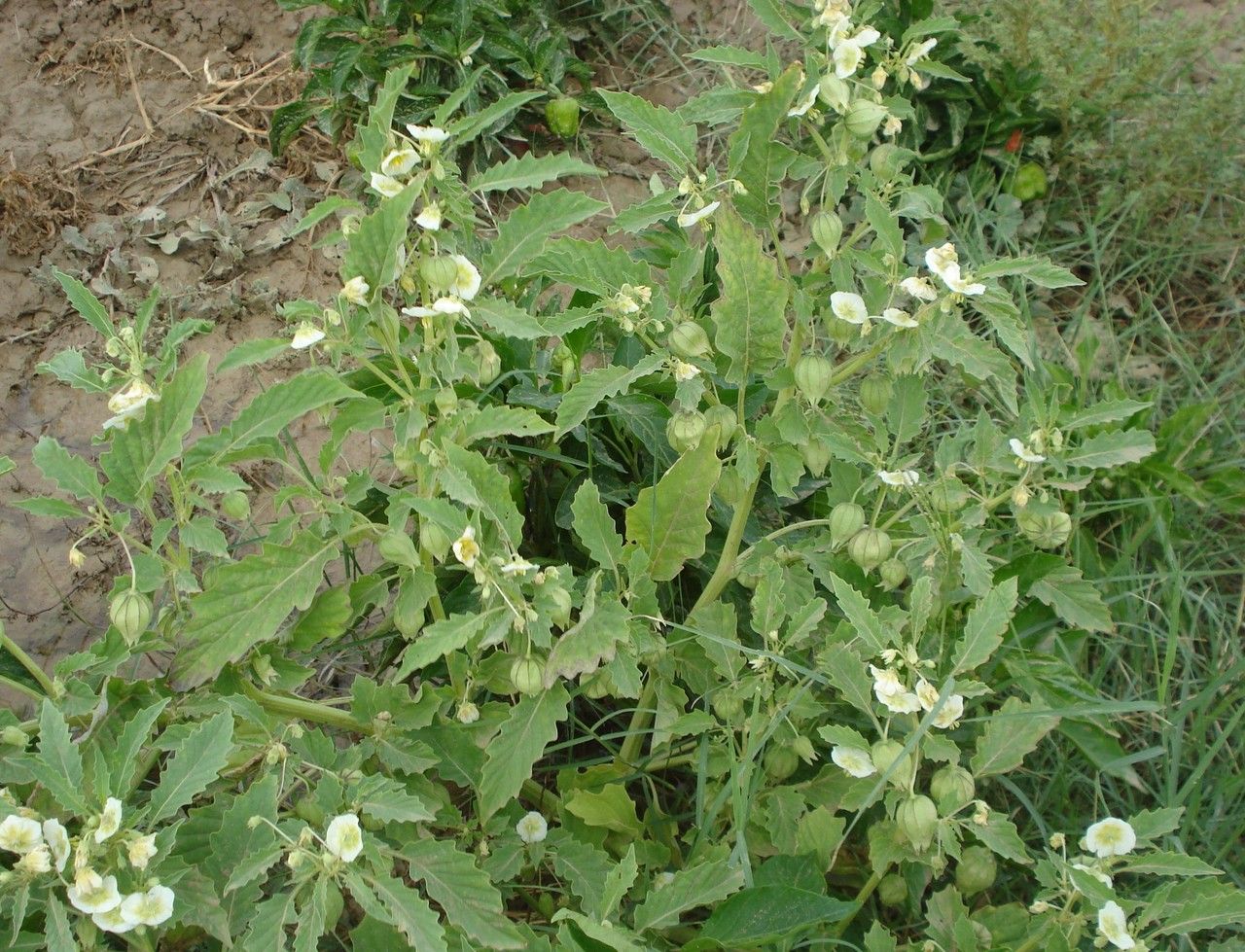
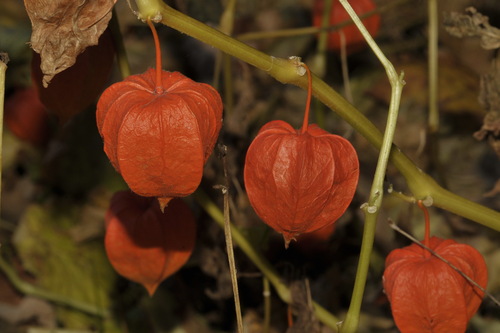
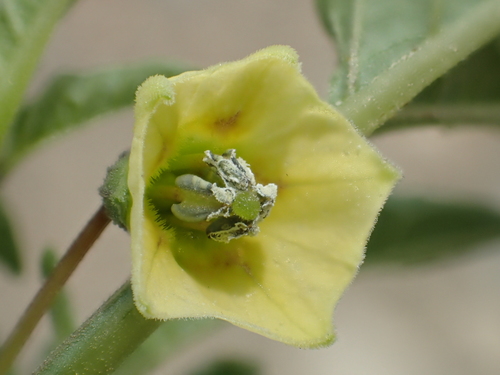
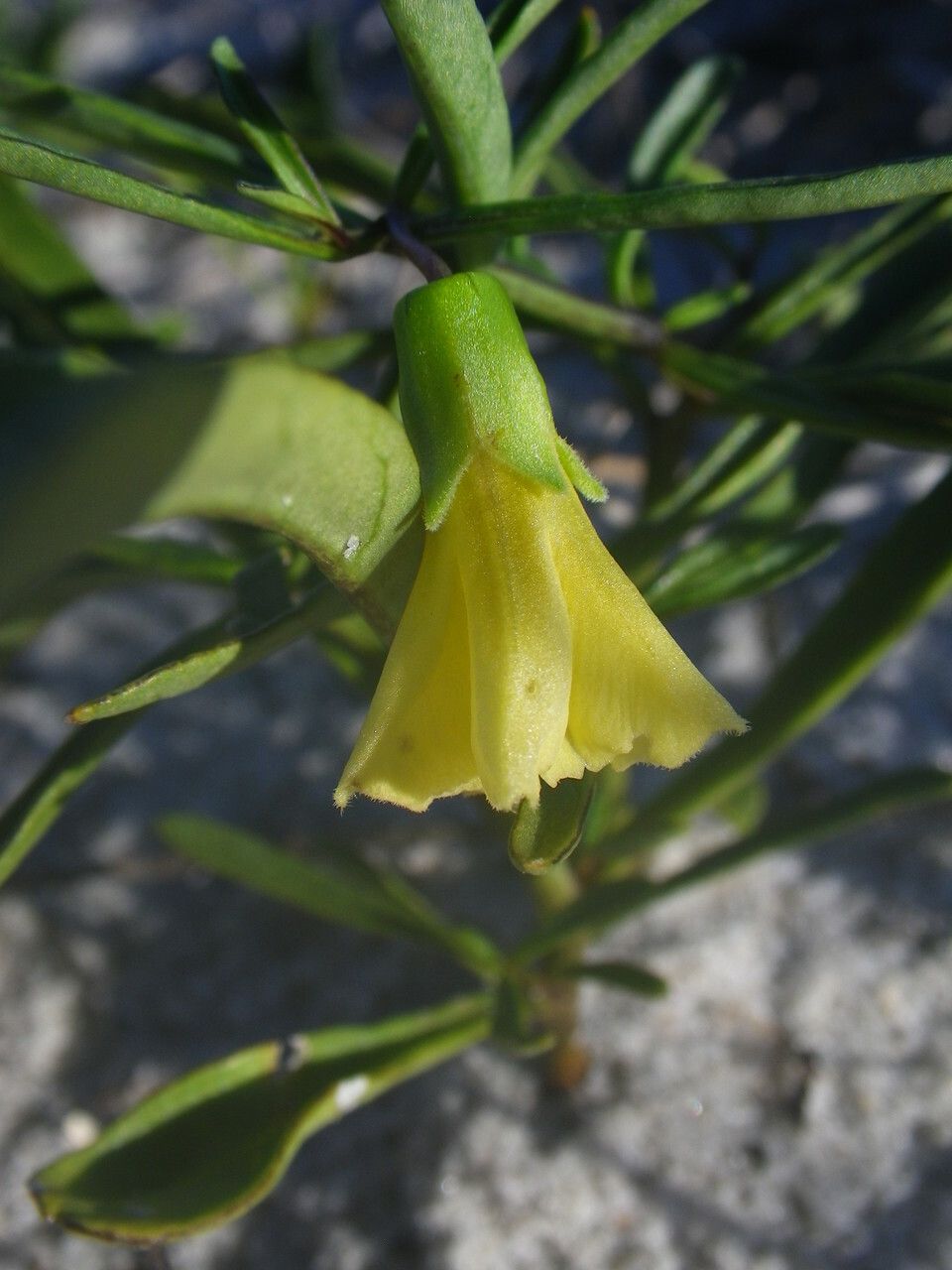
Physalis lagascae has good disease resistance and is generally not prone to illnesses. However, it can be susceptible to pests and diseases present in its surroundings. These infections are usually not severe. In terms of care, the plant requires a moderate level of maintenance. It should be pruned regularly to maintain a good appearance and healthy growth. Fertilization can also help promote flowering. Physalis lagascae is suitable for anyone with outdoor space, such as a garden or patio, and does not demand extensive care experience. It may need more attention when grown indoors.
How to keep Physalis Lagascae.
Light
Physalis lagascae requires maximum exposure to sunlight throughout the day to grow vigorously. Native to areas with abundant sun, it does best in those conditions. However, both insufficient and excessive sunlight can harm its health, potentially stunting growth or damaging leaves.
Water
Physalis lagascae grows best in moderate climates where it can receive consistent moisture without becoming waterlogged. To keep the plant healthy, it is important to water it regularly, about once a week. When grown outdoors, using mulch around the plant can help retain soil moisture and reduce how often you need to water it.
Temperature
Physalis lagascae thrives at temperatures between 68 and 100 ℉ (20 and 38 ℃). Native to warm areas, the plant tolerates hot summers well. In colder months, it is advisable to keep temperatures above 50 ℉ (10 ℃) to lessen the chance of damage.
Fertilizer
Physalis lagascae benefits from regular, dilute fertilizer applications to encourage healthy leaf growth. Fertilize Physalis lagascae about once a month during the summer. Nitrogen is essential for foliage, and providing nitrogen-rich sources helps Physalis lagascae thrive.
Pruning
Physalis lagascae benefits greatly from pruning between early to late spring, which promotes its health and productivity. Effective techniques include removing dead branches, thinning out overcrowded areas, and shaping the plant to improve airflow. Regular pruning not only increases fruit yield but also reduces the risk of disease, helping to ensure robust growth and aesthetic appeal.
Botanical profile.
- Plant Type
- Herb
- Life Cycle
- Annual
- Genus
- Physalis
- Family
- Solanaceae
- Hardiness Zone
- 9-11
- Mature Height
- 49 cm to 76 cm
- Mature Spread
- 30 cm to 46 cm
- Leaf Color
- Green
- Leaf Type
- Deciduous
- Flower Color
- Yellow
- Flower Size
- 2.03 cm
- Bloom Time
- Late spring, Early summer, Mid summer
- Planting Time
- Spring
- Harvest Time
- Mid summer
- Native Area
- Colombia, Belize, Cuba, Honduras, Mexico, Guatemala, Venezuela, Peru, El Salvador, Nicaragua, Ecuador, Costa Rica, Panama
Other names.