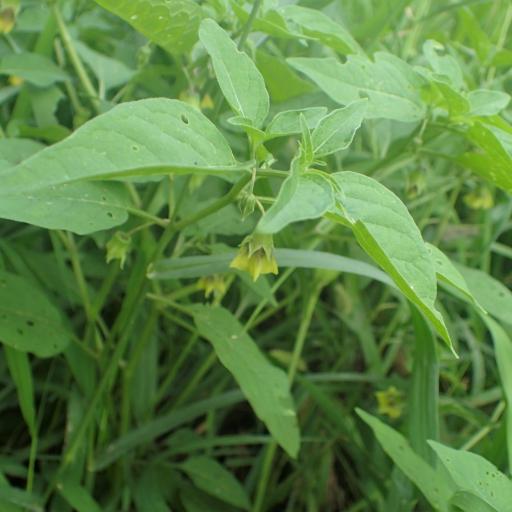
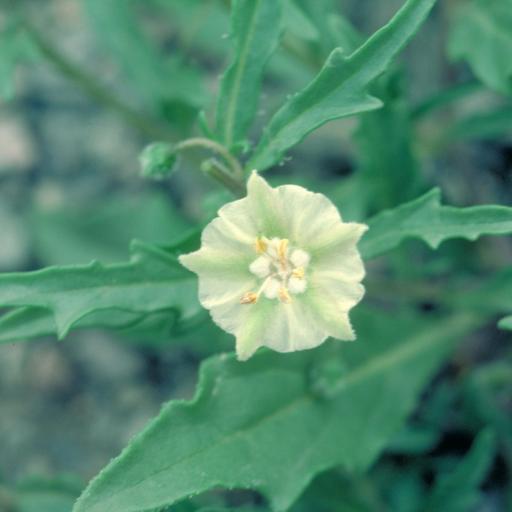
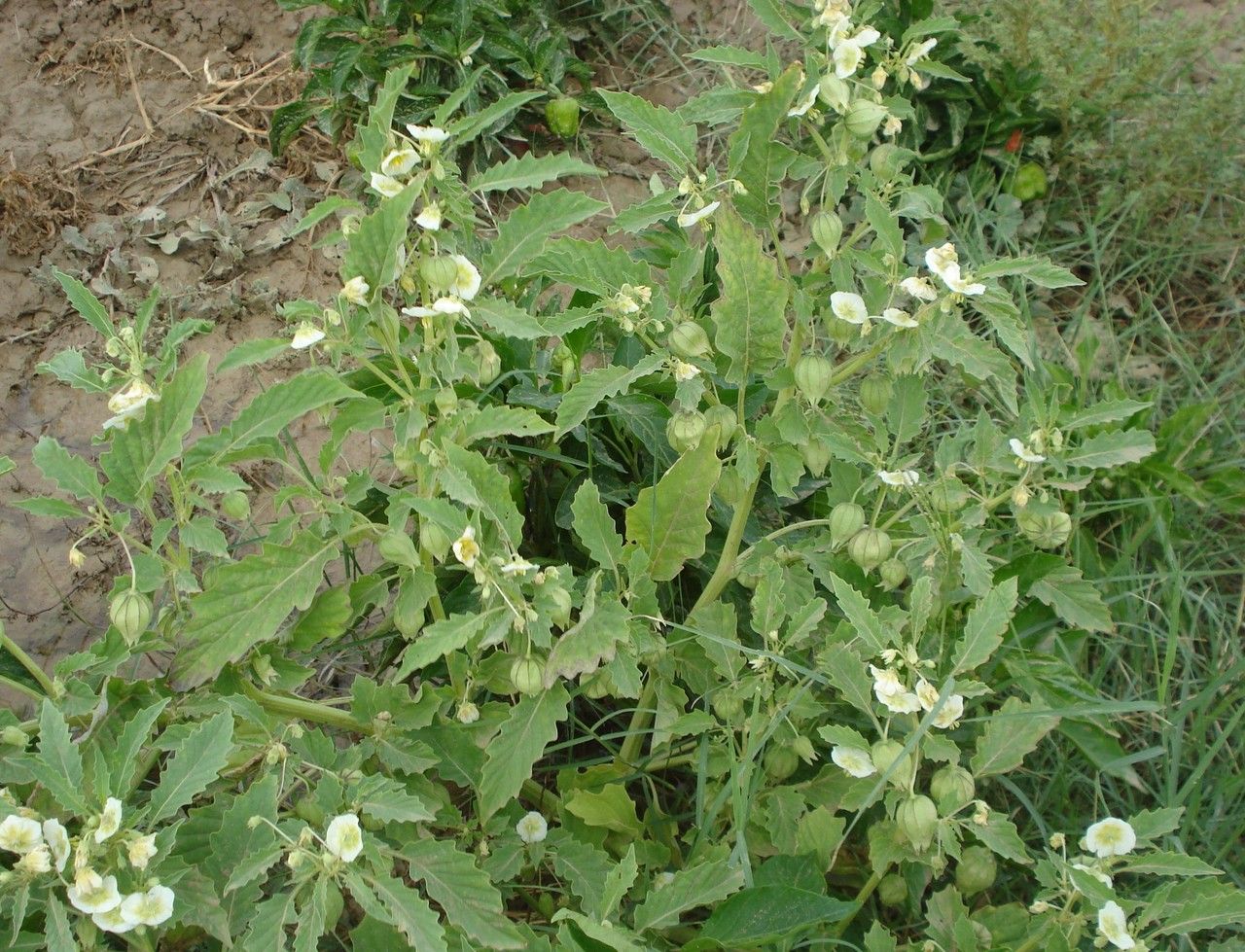
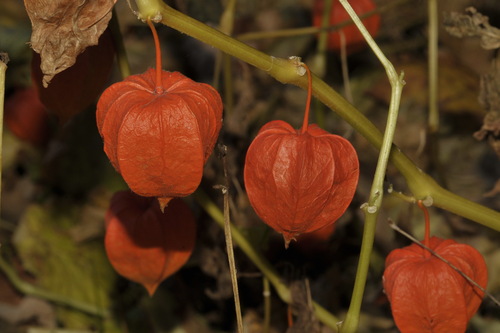
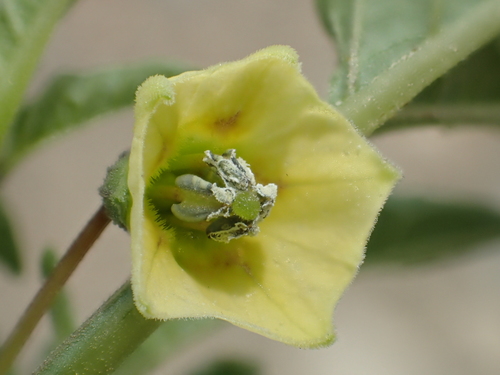
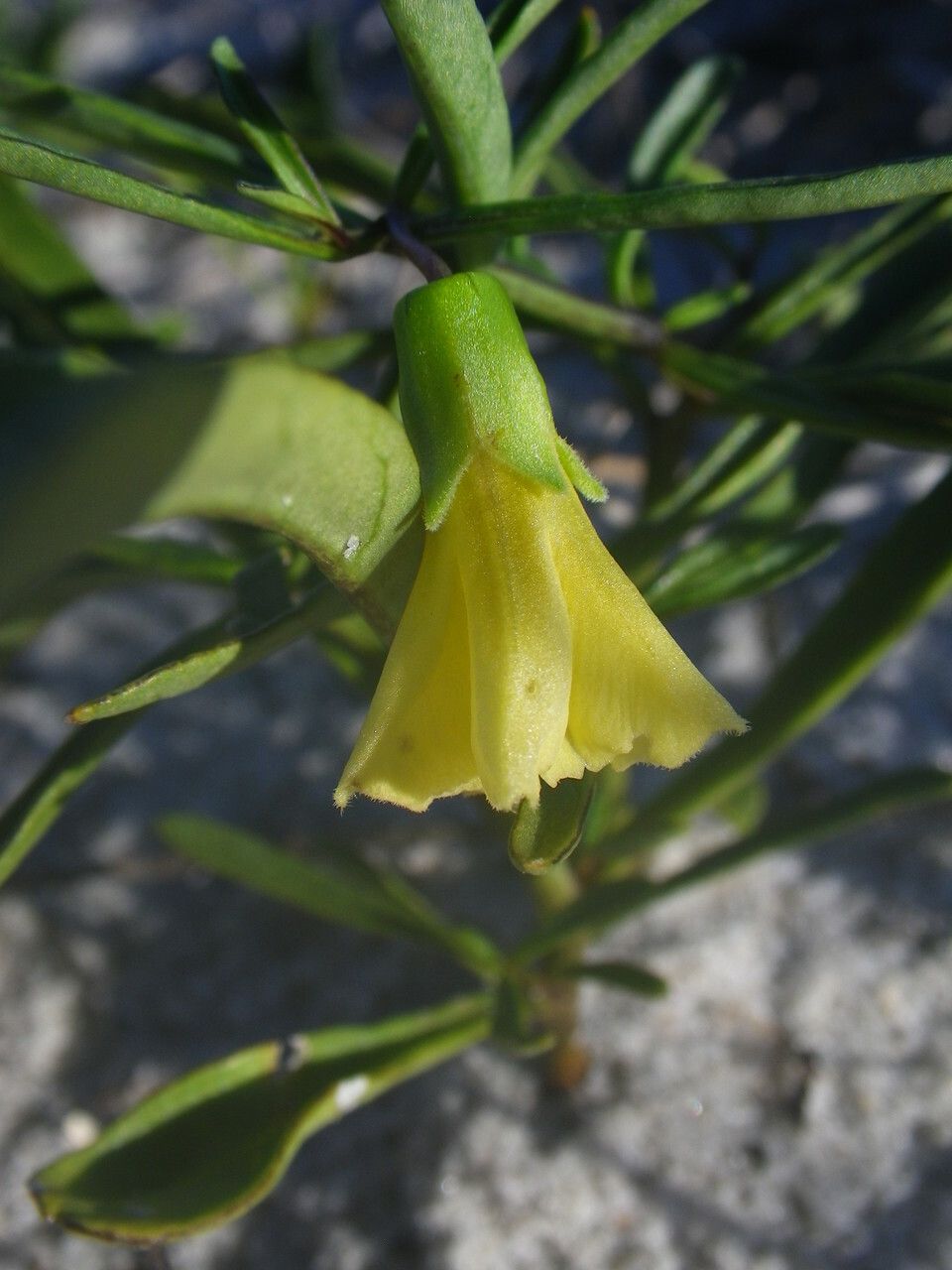
Physalis virginiana, the Virginia groundcherry, is a rhizomatous perennial with a deeply buried stem base. It is found mostly in eastern North America as far west as Wyoming.
Virginia groundcherry is fairly resistant to disease and generally not prone to illnesses. Still, it can be affected by pests and diseases present in its surroundings. These issues are usually minor. Regarding care, the plant needs a moderate amount of maintenance. Regular pruning is necessary to preserve a neat appearance and support healthy growth. Fertilizing can also encourage flowering. Virginia groundcherry is well suited to anyone who has outdoor space, like a garden or patio, and does not demand extensive care experience. It may require more attention if grown indoors.
How to keep Physalis Virginiana.
Light
Virginia groundcherry does well in locations that receive abundant sunlight for most of the day. It can also tolerate spots where light is partly obstructed, showing steady growth. Its origins are tied to habitats with generally ample sunlight. Excessive sun does not cause harm, but insufficient sunlight can limit its growth.
Water
Virginia groundcherry thrives in moderate moisture, preferring soil that is consistently moist and benefits from weekly watering. Although it can withstand short periods of dryness, its water needs can vary with the growing season due to changes in temperature and rainfall, especially when cultivated outdoors.
Temperature
Virginia groundcherry originates from climates where temperatures commonly range from 50 to 95 °F (10 to 35 ℃). It favors moderate conditions but can tolerate warmer summers. In colder seasons, indoor heating or greenhouse protection is recommended.
Fertilizer
The Virginia groundcherry plant needs adequate nutrients for optimal fruit production. Fertilize in early spring to encourage new growth and bloom development. Regular fertilization keeps the plant healthy, helps it produce more delicious fruit, and prevents nutrient-deficiency problems like yellow leaves and poor fruit production.
Pruning
To encourage healthy growth, prune Virginia groundcherry between early and late spring. Start by removing any dead or damaged stems, and then trim overly long branches to maintain the plant's shape. Regular pruning improves air circulation and reduces the risk of disease. For more detailed guidance, consult reputable sources, such as university extension programs.
Botanical profile.
- Plant Type
- Herb
- Life Cycle
- Perennial
- Genus
- Physalis
- Family
- Solanaceae
- Hardiness Zone
- 6-9
- Mature Height
- 30 cm to 61 cm
- Mature Spread
- 30 cm
- Leaf Color
- Green, Dark Green
- Leaf Type
- Deciduous
- Flower Color
- Yellow
- Flower Size
- 2.03 cm
- Bloom Time
- Late spring, Early summer, Mid summer
- Planting Time
- Spring, Summer
- Harvest Time
- Late summer, Early fall, Mid fall
- Native Area
- Mexico
Other names.