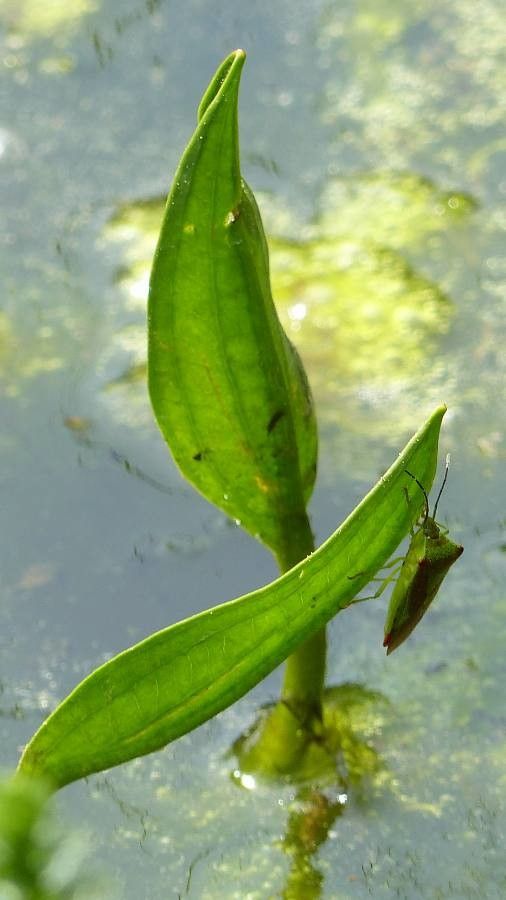
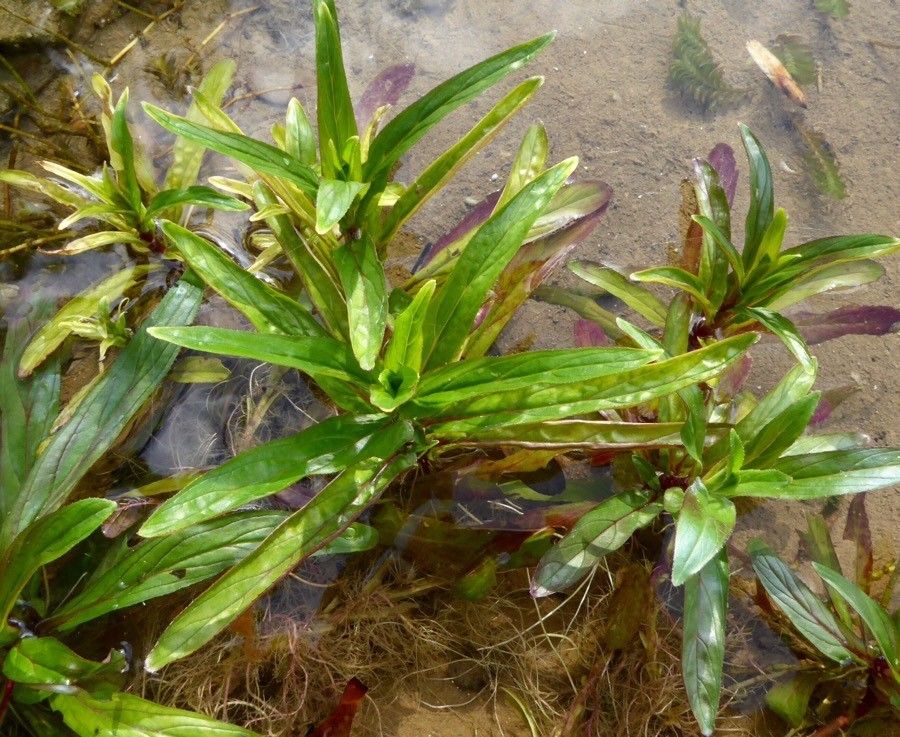
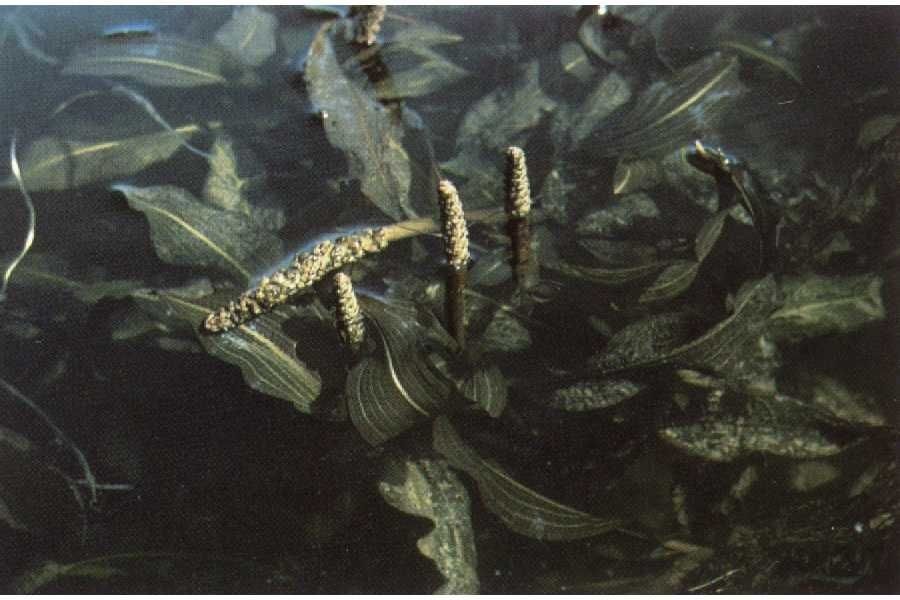
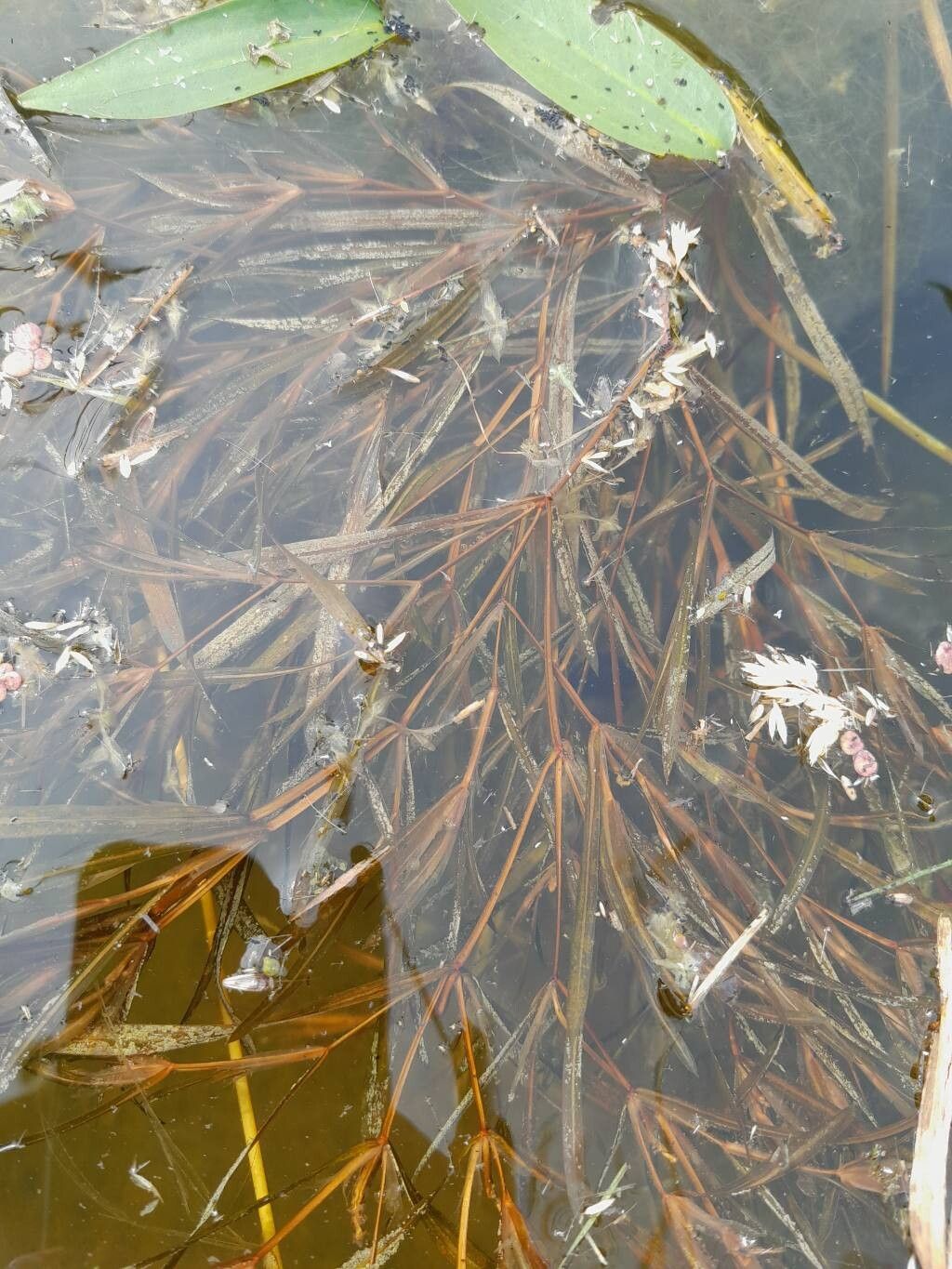
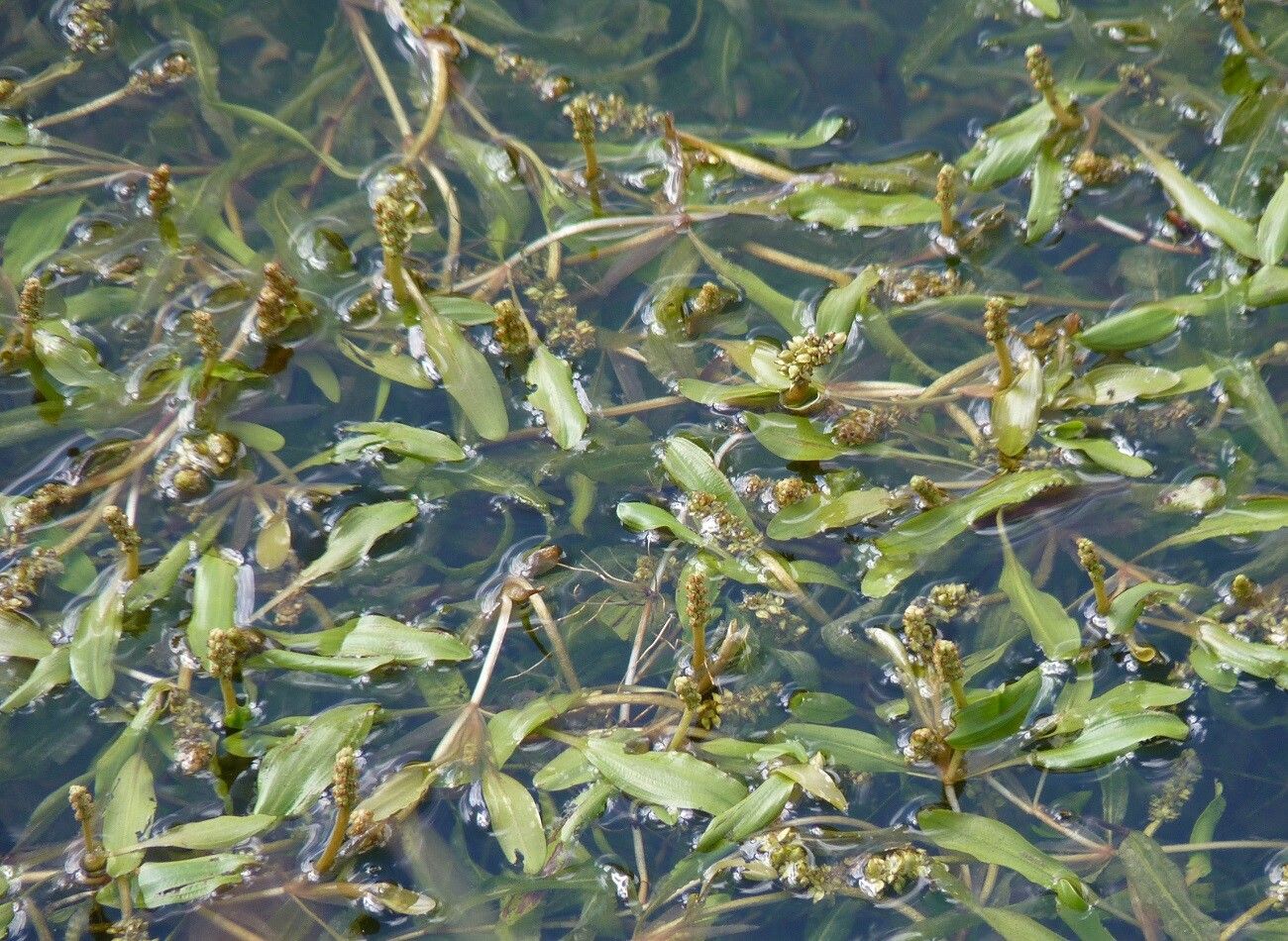
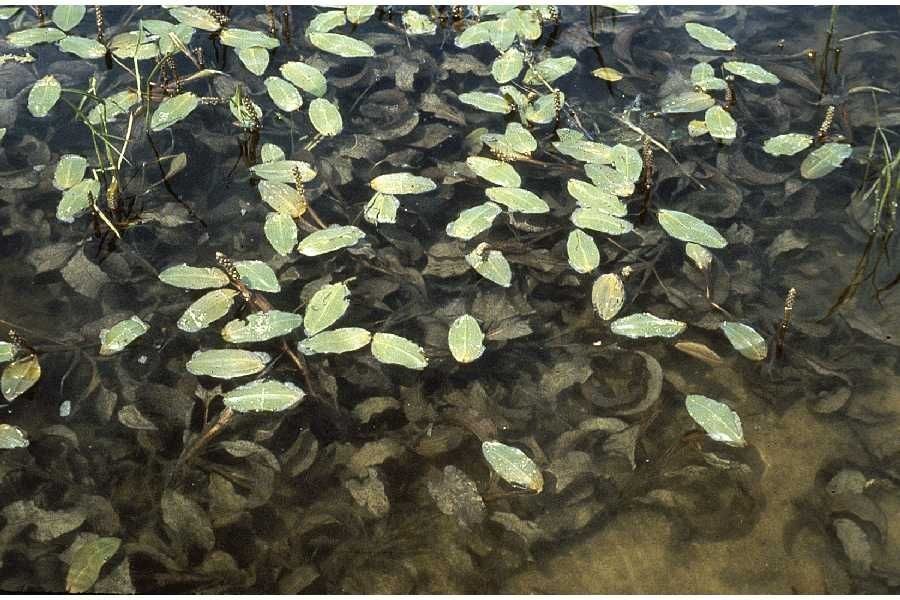
Potamogeton praelongus, commonly known as Nuttall's pondweed, is an aquatic plant belonging to the Potamogetonaceae family. This perennial species thrives in freshwater habitats such as ponds, lakes, and slow-moving streams. The plant features long, narrow leaves arranged in a whorled pattern around the stem. These leaves are dark green and have a smooth texture. Nuttall's pondweed produces small, greenish-white flowers on spikes that rise above the water surface during the summer months. These flowers eventually develop into small fruits containing seeds, which can be dispersed by water currents. This aquatic plant plays a crucial role in maintaining healthy freshwater ecosystems. It provides habitat for fish and other aquatic organisms and helps improve water quality by absorbing excess nutrients. Potamogeton praelongus is widely distributed throughout North America, ranging from Alaska to Mexico and extending into South America. It has also been introduced to other parts of the world, including Europe, where it grows along riverbanks or near ponds and lakeshores. Overall, Potamogeton praelongus is vital for sustaining healthy freshwater ecosystems and offers aesthetic value with its attractive foliage. During the summer, its greenish-white flowers and subsequent fruit add visual interest and ecological benefits wherever it naturally grows or has been introduced, including regions in Europe and other parts of the globe.
White-stem pondweed is fairly disease-resistant and is typically not prone to diseases. However, it can be vulnerable to pests and diseases present in its surroundings. Such infections are usually mild. In terms of care, this plant requires moderate maintenance. It should be pruned regularly to keep a neat appearance and support healthy growth. Fertilizing can also help promote flowering. White-stem pondweed is appropriate for people with outdoor spaces like a garden or patio and does not demand extensive care experience. It may need more attention if grown indoors.
How to keep Potamogeton Praelongus.
Light
White-stem pondweed occurs in habitats with abundant sunlight, such as the shallow margins of ponds and lakes. It prefers full sun, although it can tolerate partial sun as well.
Water
White-stem pondweed originates from aquatic environments and thrives in consistently moist conditions, having adapted to being submerged. It requires weekly watering to stay healthy and flourishes in pond ecosystems or water gardens. Light and water depth significantly affect its growth cycle.
Temperature
White-stem pondweed can tolerate a broad range of temperatures, but its distribution may still be restricted by particular combinations of moisture and heat. It grows best in warm summer climates with sufficient rainfall or watering. Extended periods of cloudy, rainy weather, as well as prolonged high temperatures, can raise the chance of White-stem pondweed dying. In winter, adequate protection from cold can increase the plant's survival rate.
Pruning
White-stem pondweed flourishes in aquatic settings, featuring elongated leaves. To encourage growth and manage its spread, prune any damaged leaves from early to late spring. Consistent maintenance not only enhances water clarity and prevents overcrowding, but it also ensures vigorous growth and improves habitat quality in garden ponds.
Botanical profile.
- Plant Type
- Herb
- Life Cycle
- Perennial
- Genus
- Potamogeton
- Family
- Potamogetonaceae
- Hardiness Zone
- 5-9
- Mature Height
- 0.91 m to 3.05 m
- Mature Spread
- 30 cm to 61 cm
- Leaf Color
- Dark Green
- Leaf Type
- Deciduous
- Flower Size
- 0.20 cm to 0.25 cm
- Bloom Time
- Early summer, Mid summer
- Planting Time
- Summer, Autumn
- Harvest Time
- Late summer, Early fall
- Native Area
- Turkey, Sweden, Austria, Mexico, Croatia, Slovenia, Belarus, Russia, Germany, Iceland, Estonia, Latvia, Belgium, Netherlands, France, Czech Republic, Bulgaria, Armenia, Poland, Ukraine, China, Lithuania, Norway, Italy, Kazakhstan, Spain, Switzerland, Denmark, Japan, Mongolia, Finland, Albania, Ireland, United Kingdom
Other names.