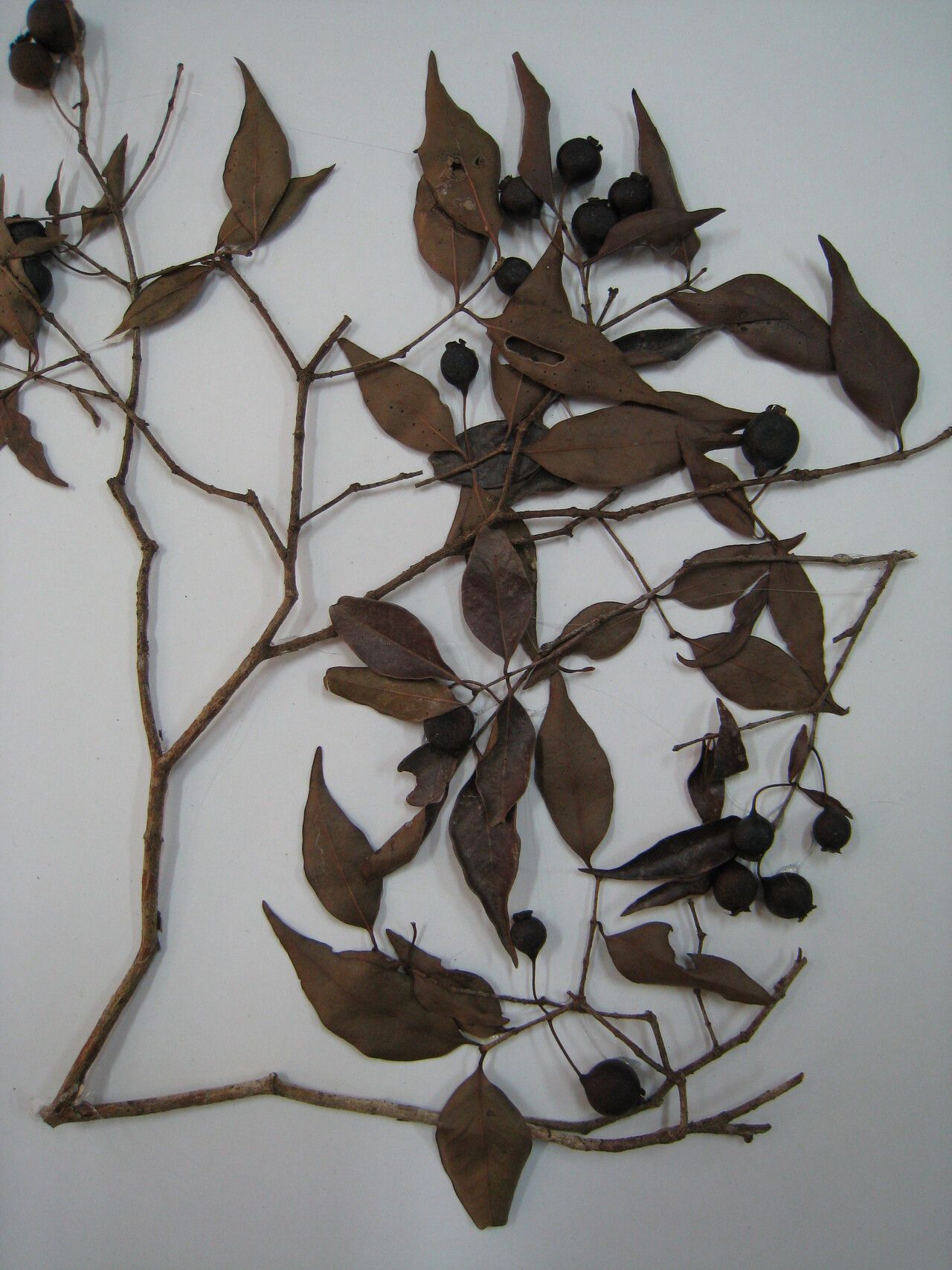
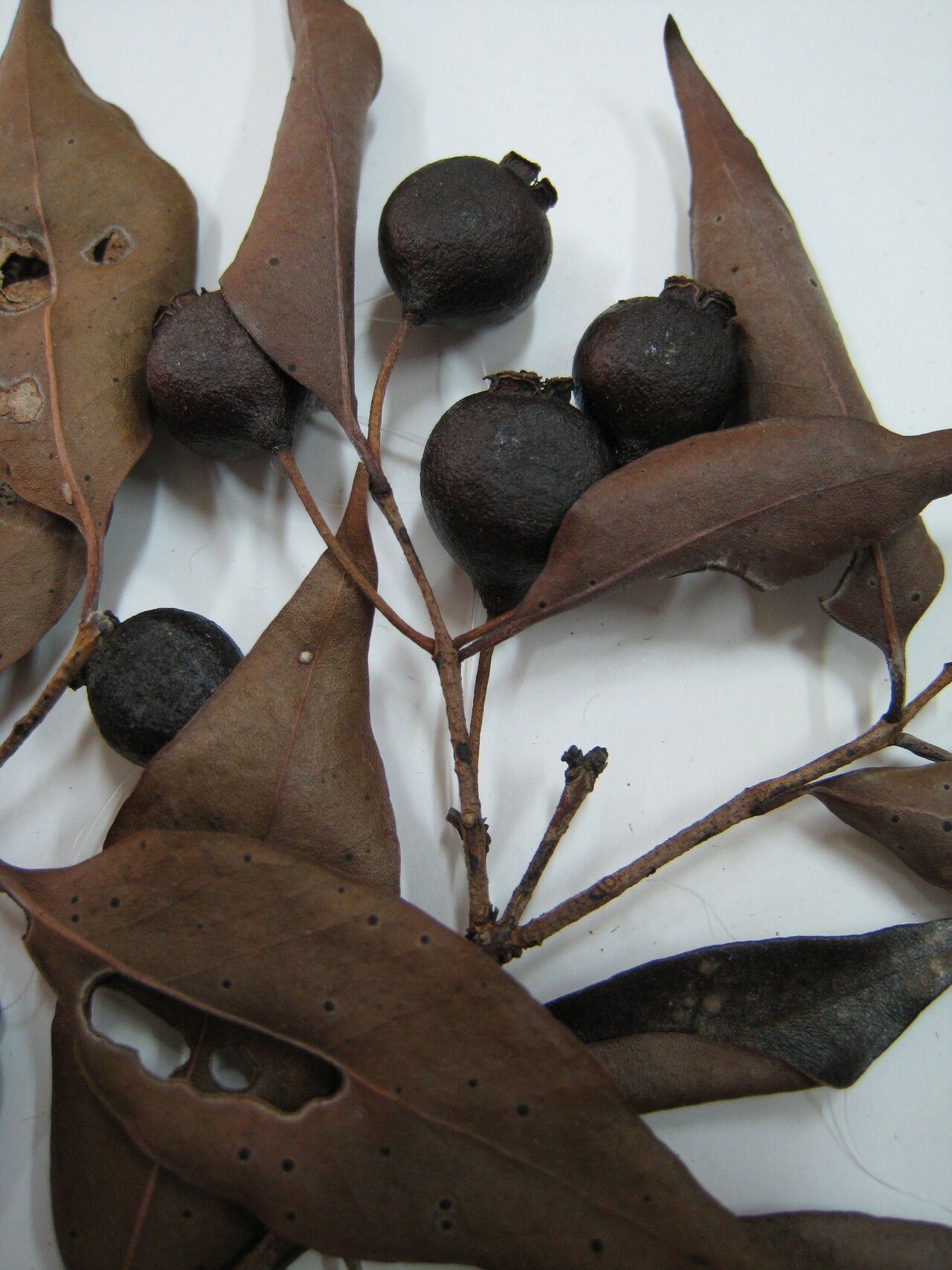
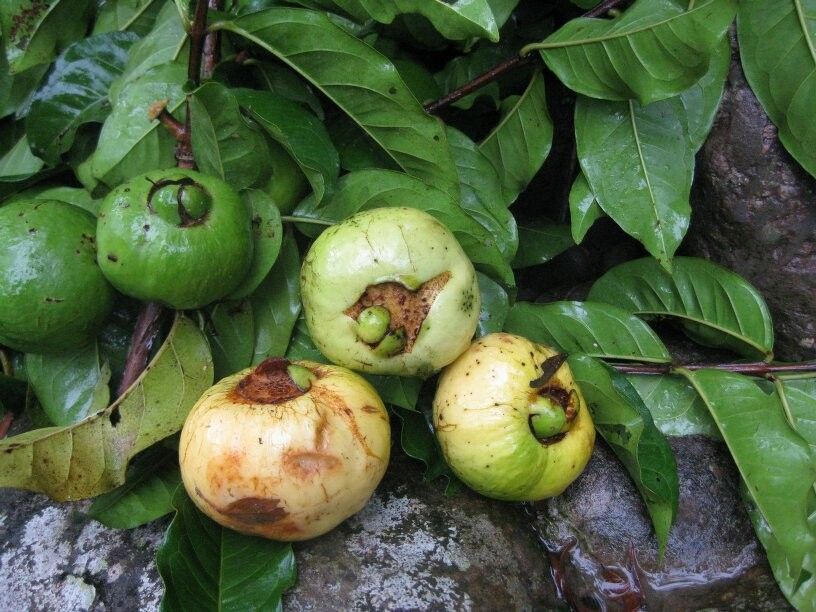
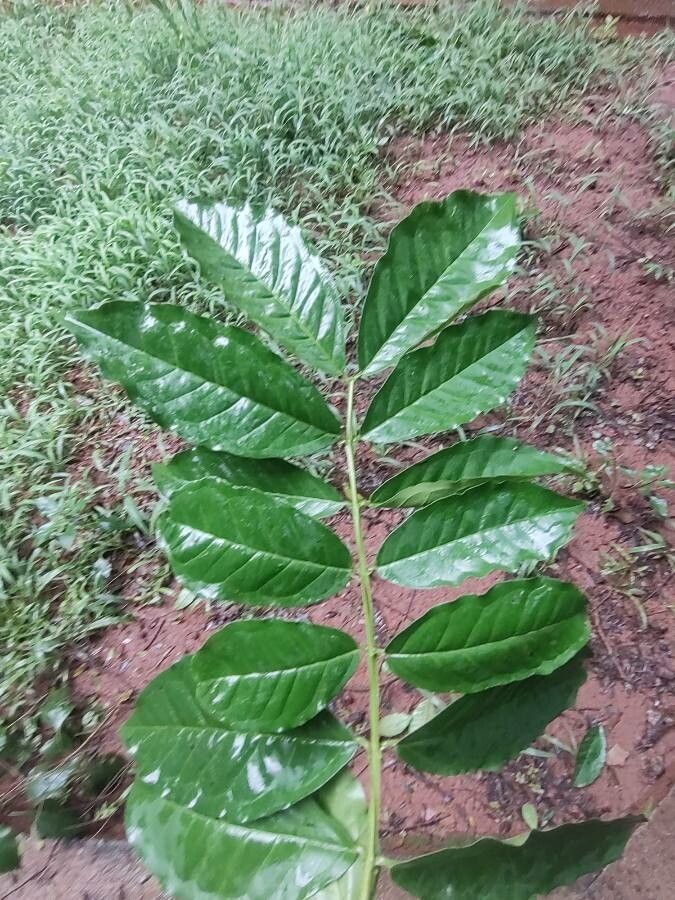
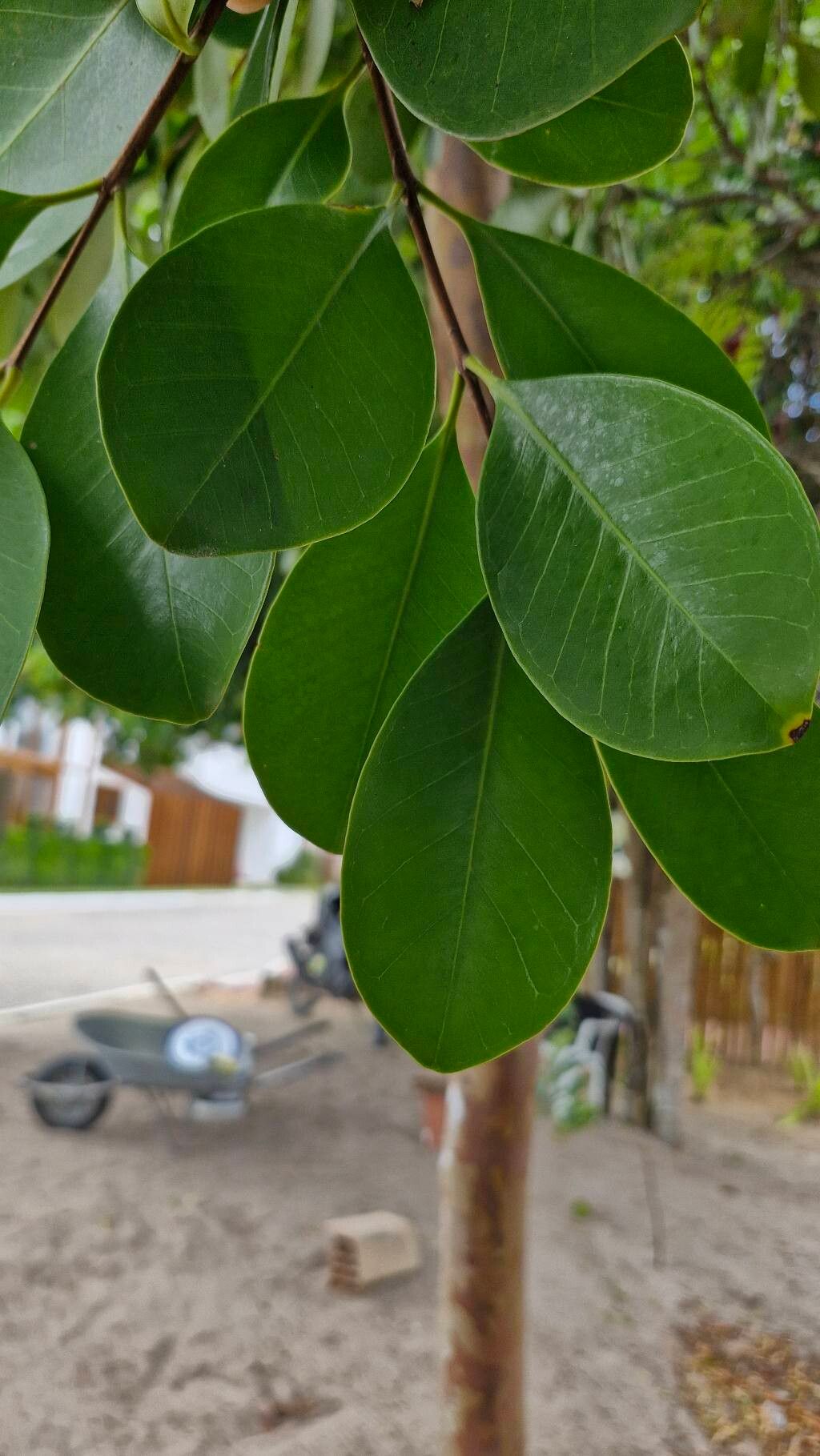
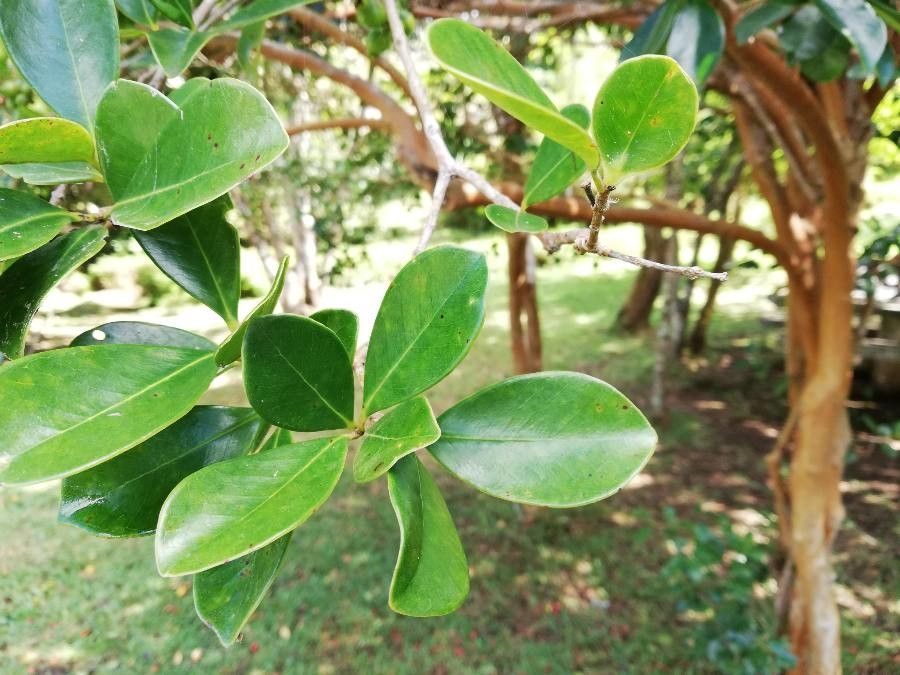
Psidium sartorianum is a species of tree in the family Myrtaceae. It is native to North and South America. In much of Mexico it is called guayabillo; the Maya call it niedenzu and pichi' che' . In English it is called little guava. P. sartorianum is described as producing fruits up to an inch in diameter (2.5 cm) -- much smaller than the cultivated guava (Psidium guajava) -- but tasting something like regular guava fruits.
Psidium sartorianum is resistant to many diseases and is typically not susceptible to them. Regarding care, this plant is fairly low-maintenance. When grown outdoors it needs only light watering, and larger specimens usually do not require pruning. Smaller plants, however, should be pruned after they finish blooming. Psidium sartorianumt is appropriate for anyone with an outdoor area, such as a garden or deck, and does not demand much prior care experience.
How to keep Psidium Sartorianum.
Light
Psidium sartorianum is found in open habitats, such as sunlit meadows and the edges of forests, where light is plentiful. It thrives in Full Sun but can also tolerate Partial Sun, adapting well to a range of sunlight conditions.
Temperature
Psidium sartorianum is native to tropical areas, where the climate is generally warm and humid. Consequently, it is suited to high heat and humidity. It is sensitive to abrupt temperature shifts and prefers a constant thermal environment, so indoor temperature variations should be avoided. It typically cannot withstand cold conditions and needs relatively high temperatures to develop. If the surrounding temperature falls too low, the plant may stop growing or even die.
Fertilizer
Use organic fertilizers (for example, fish emulsion or compost) instead of chemical fertilizers for Psidium sartorianum. Give young plants increased nitrogen and phosphorus during spring. Incorporate compost or fertilizer into the soil either before or after planting. For mature plants, add a balanced fertilizer in spring or one formulated for any specific deficiency. Nutrient deficiency results in small leaves, short branches, yellow or bronze foliage, acidic fruit, premature fruit drop, and splitting.
Pruning
Psidium sartorianum benefits greatly from proper pruning, which is best done in early spring before new growth begins. To improve the tree's health and productivity, focus on removing dead branches and thinning out the canopy to enhance air circulation. Regular pruning encourages healthy growth and fruit production. Ensure you use clean, sharp tools to make precise cuts.
Botanical profile.
- Plant Type
- Shrub
- Life Cycle
- Perennial
- Genus
- Psidium
- Family
- Myrtaceae
- Hardiness Zone
- 9-11
- Mature Height
- 7.92 m to 14.94 m
- Mature Spread
- 4.88 m to 7.92 m
- Leaf Color
- Dark Green, Forest Green
- Leaf Type
- Evergreen
- Flower Color
- White
- Flower Size
- 1.02 cm to 2.03 cm
- Bloom Time
- Late spring, Early summer, Mid summer
- Planting Time
- Spring, Summer, Autumn
- Harvest Time
- Late summer, Early fall, Mid fall
- Native Area
- Colombia, Belize, Honduras, Mexico, Guatemala, Venezuela, Guyana, Brazil, Nicaragua, Ecuador, Costa Rica, Panama