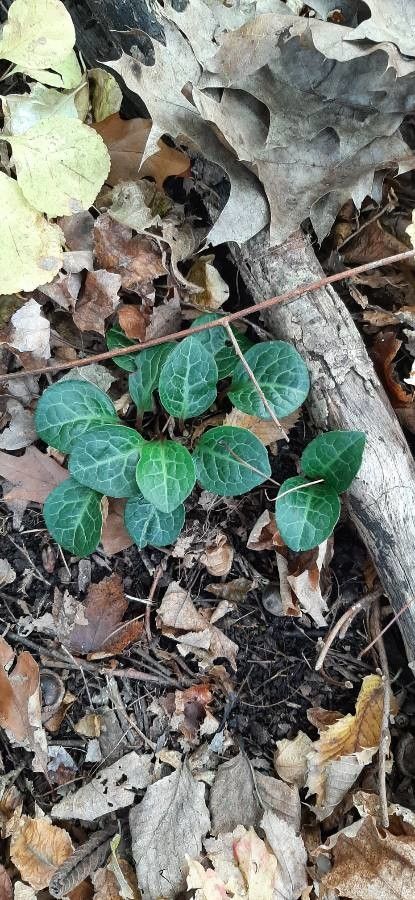
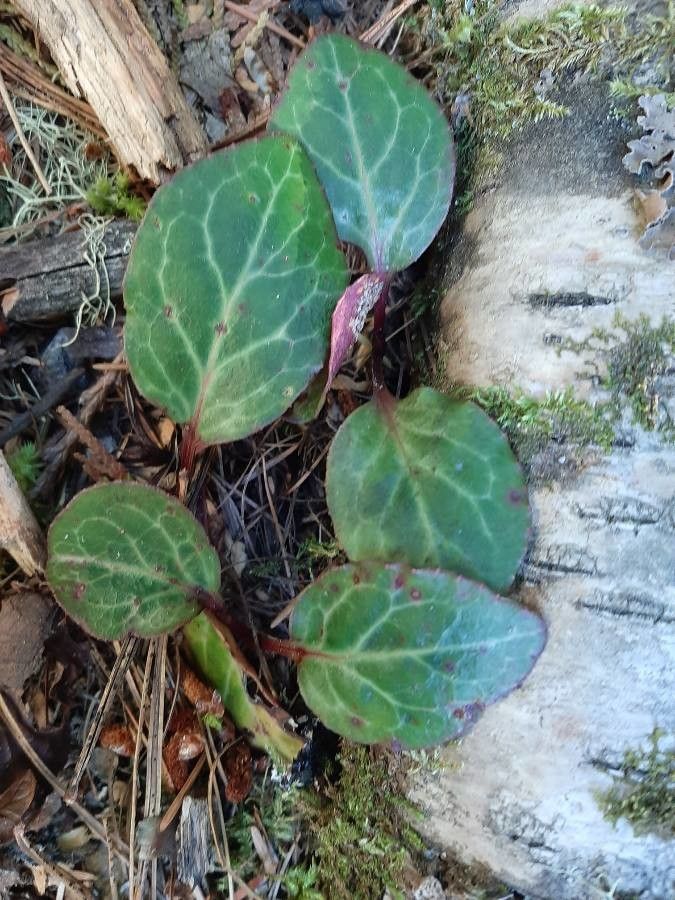
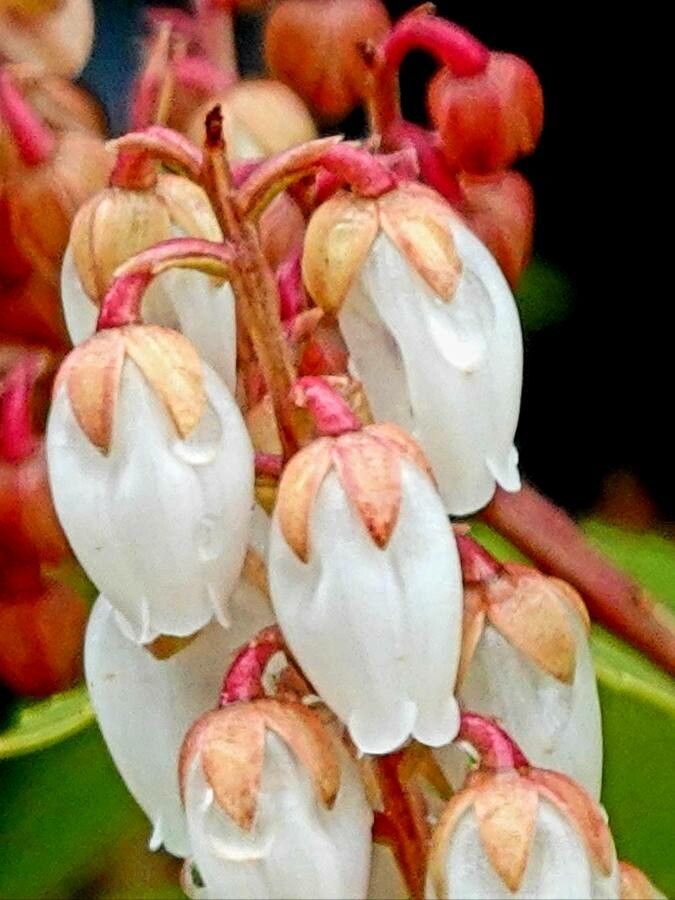
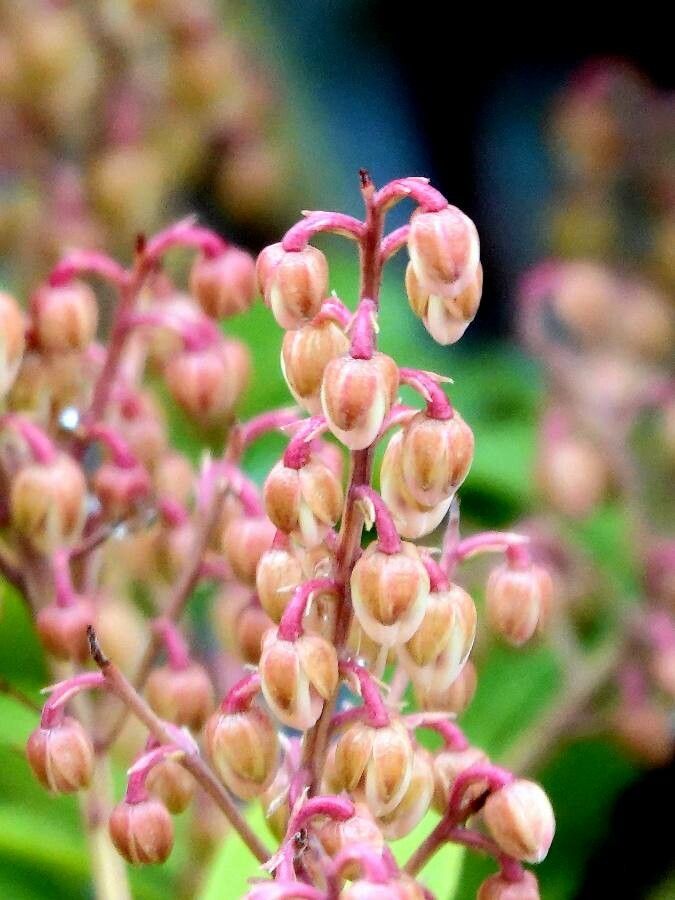
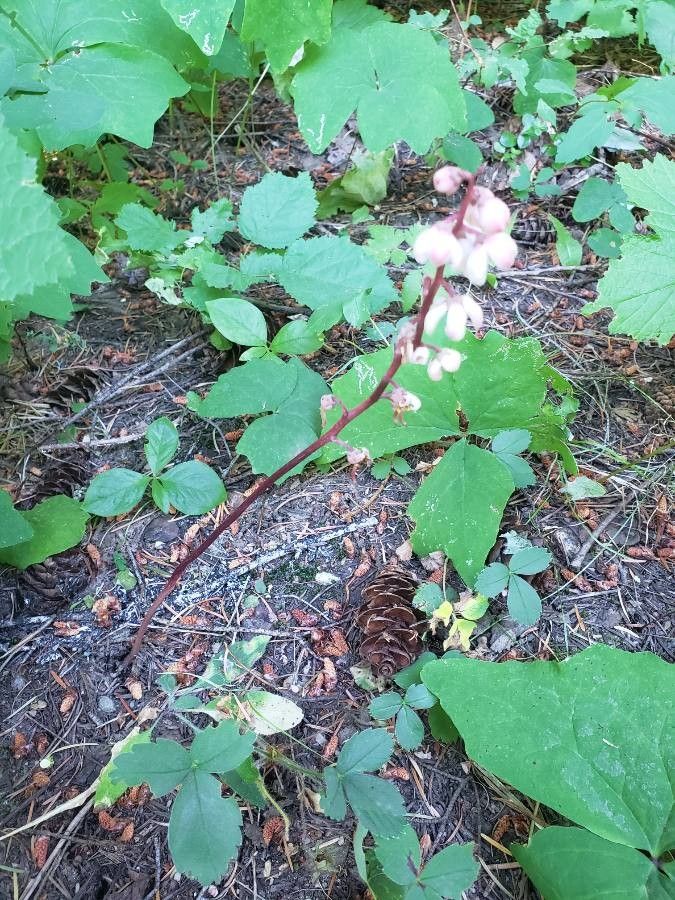
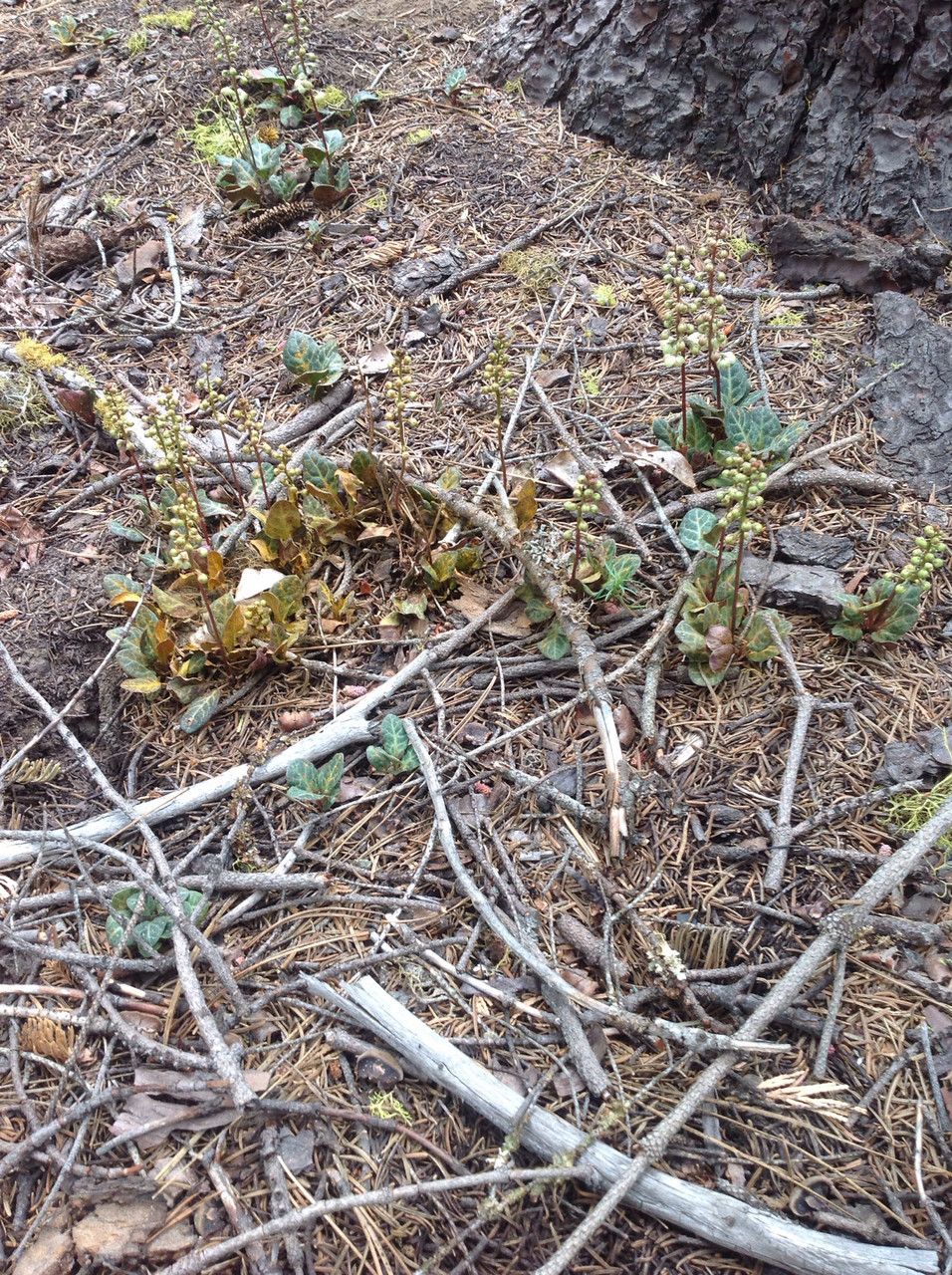
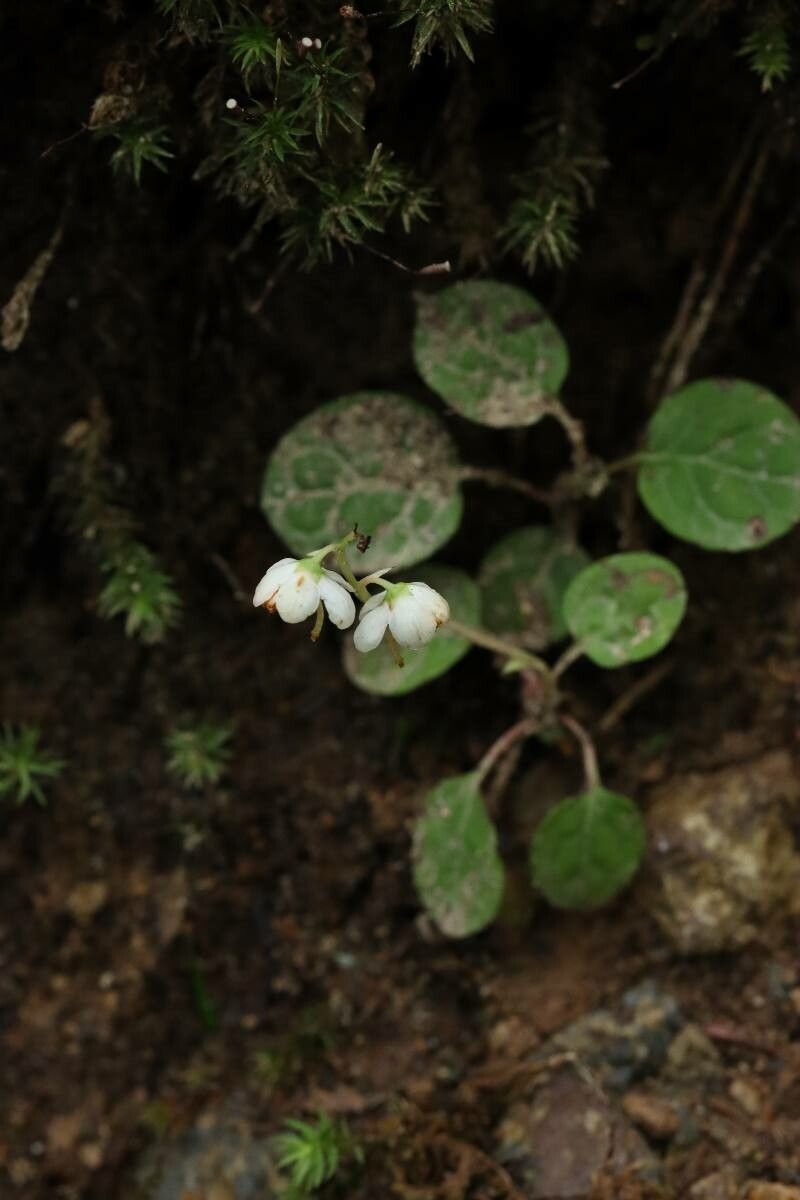
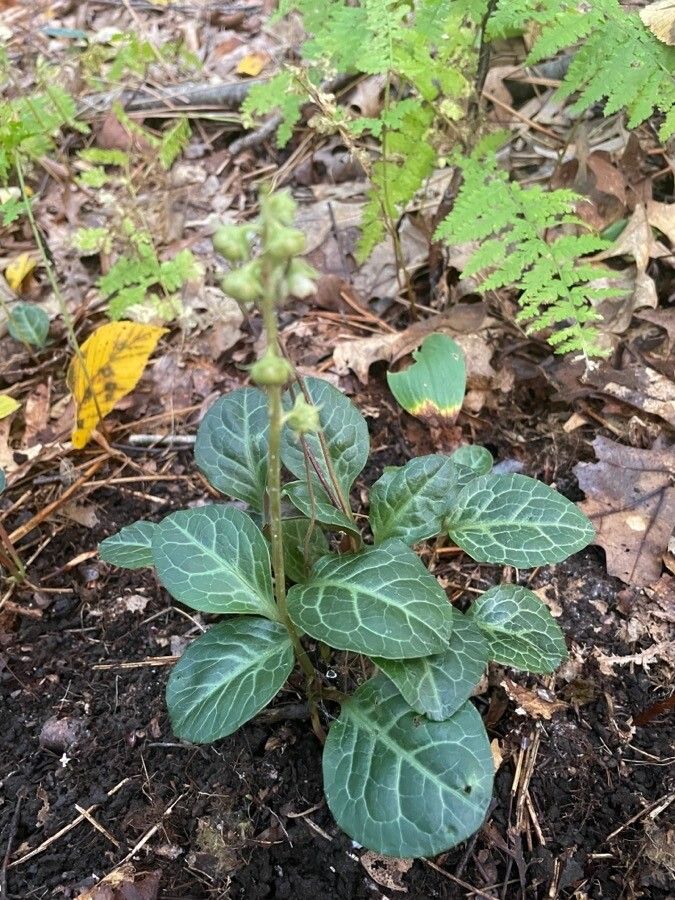
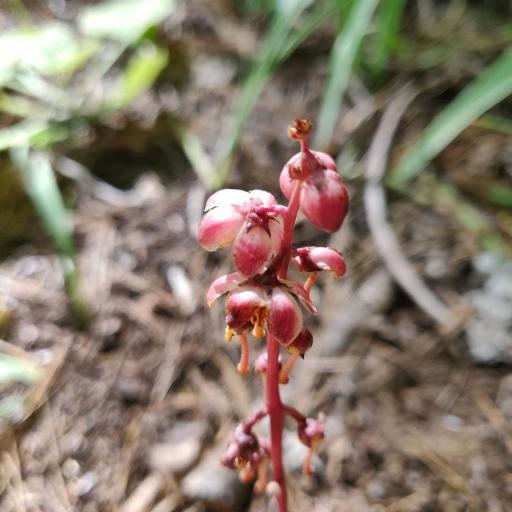
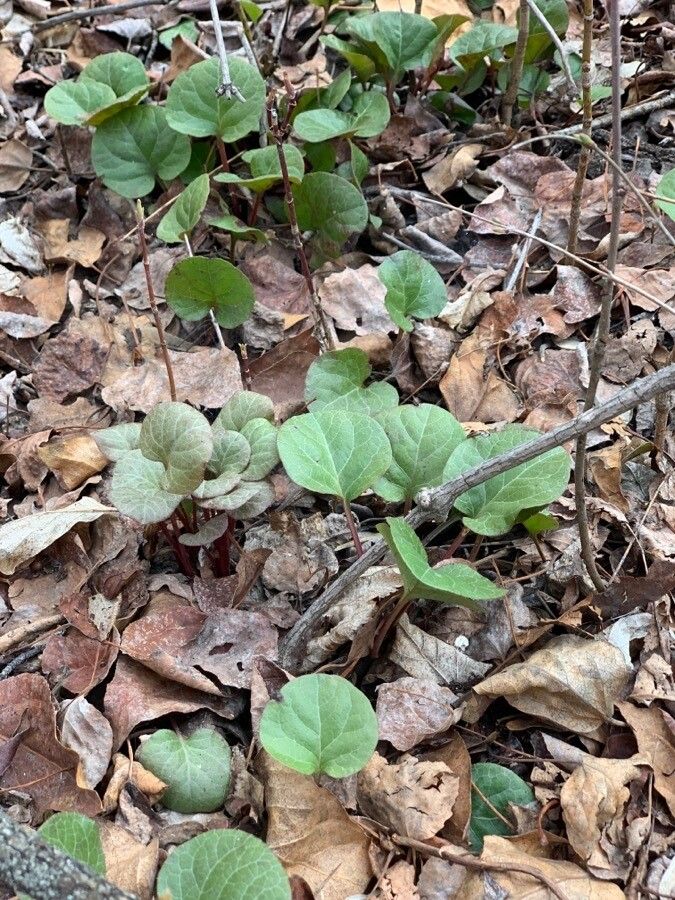
Pyrola picta, commonly called whiteveined wintergreen or whitevein shinleaf, is a perennial herb in the heath family. It is native to western North America from southwestern Canada to the southwestern United States.
Whiteveined wintergreen shows strong disease resistance and is usually not susceptible to diseases. It is fairly low-maintenance. When grown outdoors it needs only minimal watering, and larger plants typically do not require pruning. Smaller plants, however, should be pruned after they finish blooming. Whiteveined wintergreen is suitable for anyone with an outdoor area, such as a garden or deck, and does not require extensive gardening experience.
How to keep Pyrola Picta.
Light
Whiteveined wintergreen thrives in settings that receive generous sunlight. Ample sun is vital for its healthy development. When light is lacking, its growth is limited. Its natural habitat is defined by abundant sun exposure. However, one should be careful because excessive exposure can harm it.
Water
White-veined wintergreen flourishes in moist, well-drained soil and needs to be watered every 2 to 3 weeks. It's adaptable to lower light conditions, making it a popular choice for indoor cultivation. The plant's waxy leaves help retain moisture, showcasing its resilience to infrequent watering.
Temperature
Whiteveined wintergreen originates from temperate regions and is best adapted to temperatures of about 41 to 90 °F (5 to 32 ℃). Although it can tolerate winter conditions, severe frost can damage it. A milder climate is recommended during the colder months.
Fertilizer
Fertilize your Whiteveined wintergreen in early spring to encourage healthy growth. Regular feeding improves overall health, producing vigorous growth, increased tolerance of harsh conditions, and enhanced resistance to pests and diseases. Keep to a specific fertilization schedule for your Whiteveined wintergreen to maintain vibrant, deeply colored, and lush foliage.
Pruning
For optimal growth, white-veined wintergreen should be pruned during its dormant period, from early to late winter. By removing dead leaves and thinning out dense areas, you can improve light and air circulation, reduce the risk of disease, and promote vigorous growth, all while maintaining the plant's natural shape.
Botanical profile.
- Plant Type
- Shrub
- Life Cycle
- Perennial
- Genus
- Pyrola
- Family
- Ericaceae
- Hardiness Zone
- 4-8
- Mature Height
- 10 cm to 20 cm
- Mature Spread
- 8 cm to 15 cm
- Leaf Color
- Dark Green, Forest Green
- Leaf Type
- Evergreen
- Flower Color
- White, Pink
- Flower Size
- 2.54 cm
- Bloom Time
- Early summer, Mid summer
- Planting Time
- Spring
- Harvest Time
- Late summer, Early fall
- Native Area
- Mexico
Other names.
Reader questions.
How should I water my Whiteveined wintergreen plant?
When watering your Whiteveined wintergreen, you have flexibility in choosing the watering tool. Whether it's a watering can, a hose, or even cups, any common tool will do the job effectively. It is important to water the plant by directly applying water to the soil, ensuring equal moisture distribution throughout the entire root system. Filtered water is preferable, as tap water may contain harmful particles. Additionally, using water at or slightly above room temperature is recommended to avoid shocking the plant. However, the Whiteveined wintergreen generally responds well to any water provided.
What are the sunlight requirements for Whiteveined wintergreen (Pyrola picta)?
Whiteveined wintergreen requires more than 6 hours of sunlight daily to flourish. It thrives in an environment that is generously exposed to the sun's rays, which is central to its robust growth. In its natural habitat, the plant is accustomed to abundant solar exposure. However, it's important to provide a balance of light and shade, as overexposure to sunlight can potentially harm the plant. When cultivating Whiteveined wintergreen, observing the movement of sunlight through your garden and choosing spots with the ideal light conditions will ensure the plant's happiness.
What is the native environment and ideal temperature range for Whiteveined wintergreen?
Whiteveined wintergreen, botanically known as Pyrola picta, is originally native to temperate environments, flourishing best in temperatures between 41 to 90 °F (5 to 32 °C). Although this plant shows strong cold resistance, making special frost protection measures normally unnecessary, harsh frost may still harm it. In regions where winter temperatures can drop below -30°C, it's essential to offer cold protection by wrapping the plant's trunk and branches with non-woven fabric or cloth. Also, watering the plant abundantly before the first freeze in autumn helps ensure the soil remains moist, preventing drought and water scarcity during the colder months.
What should I do if I give my Whiteveined wintergreen plant too much or too little water?
Outdoor plants, especially newly planted ones or seedlings, are at risk of not getting enough water. It's important to water them regularly for several months until they establish strong roots. Once the roots are established, outdoor plants can rely on rain most of the time. When Whiteveined wintergreen plants are in pots, overwatering is a common issue. If you accidentally overwater your plant, take immediate steps to fix the problem. Stop watering the plant right away to minimize the effects of overwatering. Then, carefully remove the plant from its pot and inspect the roots. If there are no signs of root rot, you can safely return the plant to its container. But if you do find signs of root rot, trim away any affected roots and consider using a fungicide to prevent further damage. Finally, repot the plant in well-draining soil. For underwatered Whiteveined wintergreen plants, simply water them more frequently. Underwatering is usually easily resolved. When a plant is underwatered, its leaves will droop, dry out, and fall off. After sufficient watering, the leaves will quickly return to being full and healthy. So, adjust your watering frequency as soon as you notice underwatering.
How can artificial lighting be used for indoor Whiteveined wintergreen plants?
Indoor Whiteveined wintergreen plants require adequate lighting for optimal growth, especially when natural sunlight is insufficient, such as during winter or in less sunny spaces. Artificial lights offer a vital solution, promoting faster, healthier growth. LED lights are a popular choice because they can be customized to the specific wavelengths needed by the plants. The required artificial light intensity varies: full sun plants need 30-50W/sq ft, partial sun plants 20-30W/sq ft, and full shade plants 10-20W/sq ft. The light source should be placed 12-36 inches above the plant to mimic natural sunlight, and most plants need 8-12 hours of light per day.
How does low temperature affect Whiteveined wintergreen, and what are the recommended solutions?
Whiteveined wintergreen is quite cold-tolerant, thriving best when temperatures are maintained above 5°C. When temperatures dip below -25°C, and especially under -30°C, the plant might not show immediate damage during winter, but in spring, its branches can become brittle and dry with no new shoots emerging. To address this issue in spring, it's vital to prune away any dead branches that failed to produce new leaves, facilitating healthier growth.
How much water does my Whiteveined wintergreen need?
If you live in an area where there is enough rainfall, most outdoor plants can grow naturally without additional watering. However, if your area doesn't get enough rainfall, it's important to water your plants adequately. During the spring and fall, watering every 2 weeks should be sufficient. In the summer, when plants require more water, you will need to water them more frequently. In the winter, when plants grow slower and need less water, you should water them sparingly or not at all. If you have a young or newly planted Whiteveined wintergreen, it's important to water it more frequently to help it establish and grow into a more drought-tolerant plant. For potted plants, there are two main approaches to determine watering frequency. The first is to follow a set schedule, such as watering once every week or every other week. However, this method may not take into account the specific conditions of your Whiteveined wintergreen's environment. Another approach is to base your watering frequency on soil moisture. It's usually best to wait until the top two to four inches of soil, about one-third to one-half the depth of the pot, have completely dried out before watering again. Keep in mind that during the summer, this plant will need more frequent watering than what a set schedule may provide.
What are the symptoms of insufficient light exposure for Whiteveined wintergreen?
Whiteveined wintergreen exhibits several symptoms when exposed to suboptimal lighting conditions. These include smaller new leaves, leggy or sparse growth characterized by longer spaces between leaves or stems, faster leaf drop as the plant tries to conserve resources, slower or halted new growth, and lighter-colored or yellowing leaves indicating insufficient sunlight or excessive sunlight leading to chlorosis. Additional symptoms are sunscald, leaf curling as a defense mechanism against excessive light, wilting due to increased water loss, and leaf scorching resulting in brown, dry, and crispy leaf edges.
What impact does high temperature have on Whiteveined wintergreen, and how can it be mitigated?
During the summer, it's crucial to keep Whiteveined wintergreen below 32°C to avoid stress and damage to the plant. Temperatures exceeding 35°C can cause the leaves to lighten in color, tips to dry and wither, and increase susceptibility to sunburn. To protect the plant from high temperature stress, one should trim away the sunburned and dried-up parts, move the plant to a shaded location, or use a shade cloth to protect it from the midday and afternoon sun. Ensuring the soil remains moist by watering the plant in the morning and evening is also beneficial.
How much water does my Whiteveined wintergreen plant need?
When watering your Whiteveined wintergreen, you don't always need to give it a lot of water. If only a few inches of soil have dried out since the last watering, giving it about five to ten ounces of water each time will promote healthy growth. You can also determine how much water to give by checking the moisture in the soil. Keep track of how many inches of soil have dried between waterings. To ensure your Whiteveined wintergreen gets enough moisture, water it enough to moisten all the dry soil layers since the last watering. If more than half of the soil has dried out, give it more water, continuing until you see excess water draining from the pot's drainage holes. If your Whiteveined wintergreen is planted in a rainy area, it may not need extra watering. When it's young or establishing, aim for 1-2 inches of rain per week. As it grows and establishes, it can rely solely on rainwater unless there is a prolonged period without rainfall, in which case give it a full watering to prevent stress.
What steps should be taken to address insufficient light exposure for indoor and outdoor Whiteveined wintergreen plants?
To address insufficient light exposure for Whiteveined wintergreen plants, gradual adjustments to their lighting environment are crucial. Indoors, gradually move plants to sunnier locations each week until they receive at least 6 hours of direct sunlight daily, utilizing south-facing windows. Artificial lights, such as desk or ceiling lamps, should be kept on for at least 8 hours daily or consider investing in professional plant grow lights. Outdoors, move plants to sunlight gradually to prevent sunburn. Reducing obstructions, such as pruning trees, and transplanting during the plant's dormant period to locations with ample sunlight and good drainage are effective strategies for outdoor and ground plants, respectively. It's important to note that parts of the plant affected by insufficient sunlight may not recover fully, but new growth after increasing light exposure will be healthy.
How do I know if I'm giving enough water to my Whiteveined wintergreen plant?
The Whiteveined wintergreen often suffers from overwatering, which is a more common problem. When this happens, there are several signs you can watch out for. Typically, an overwatered Whiteveined wintergreen will have yellowing leaves and may even lose some leaves. Additionally, overwatering can cause the plant's overall structure to shrink and can contribute to root rot. On the other hand, an underwatered Whiteveined wintergreen will also start to wilt and may develop brown or brittle leaves. Regardless of whether you observe signs of overwatering or underwatering, you should be ready to step in and restore your Whiteveined wintergreen's health.