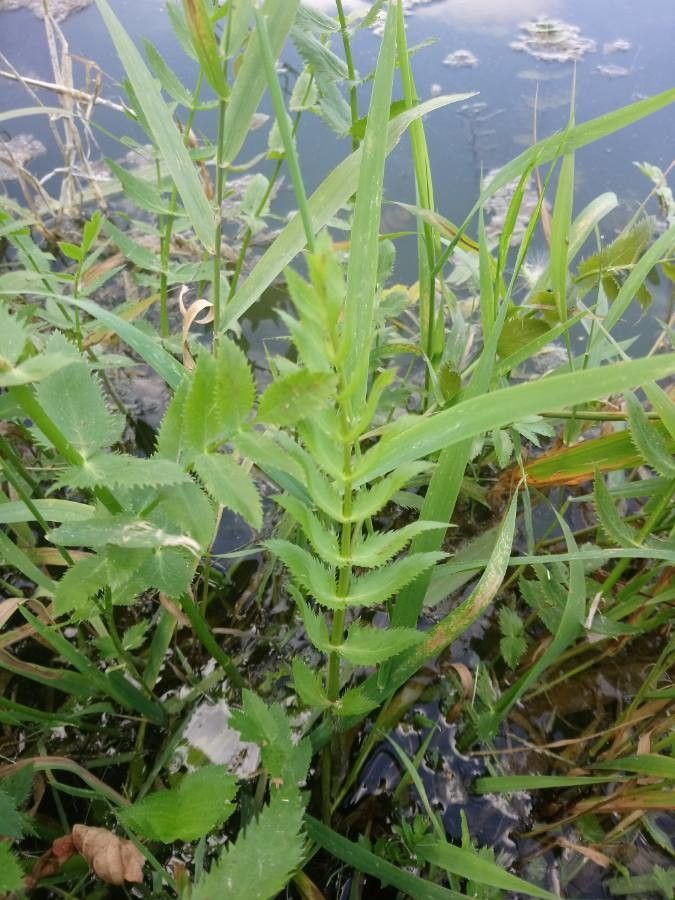
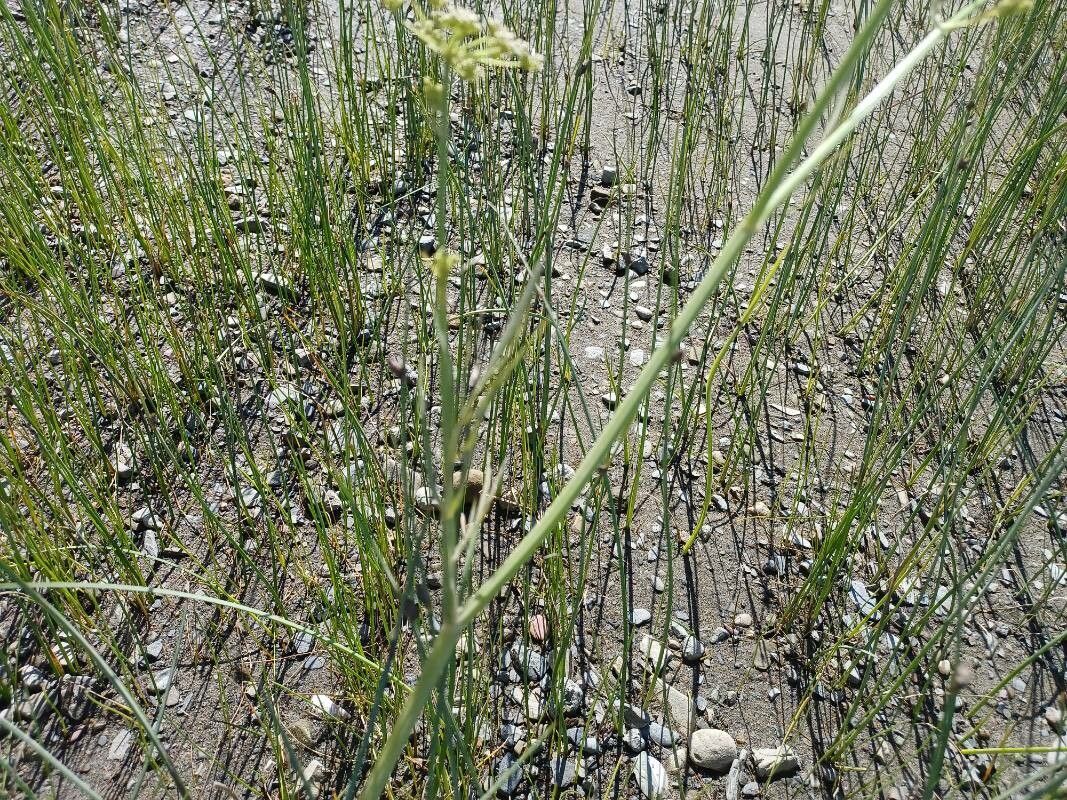
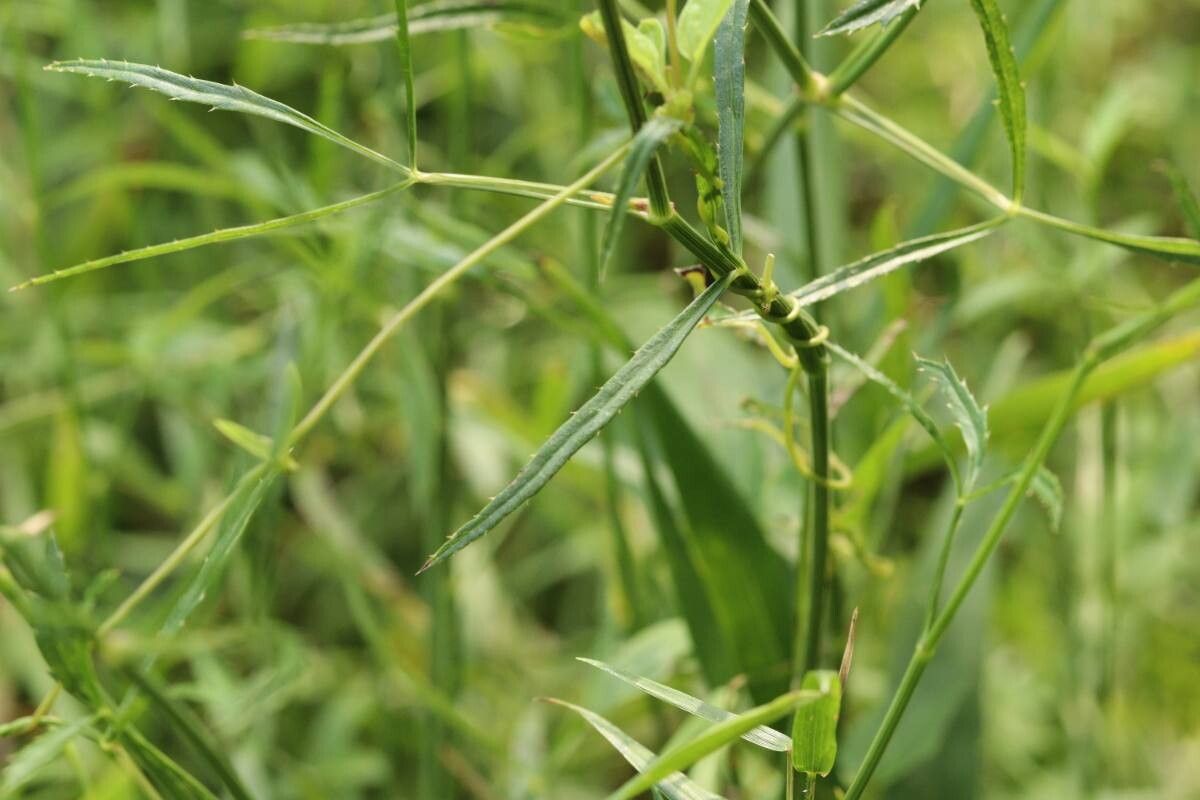
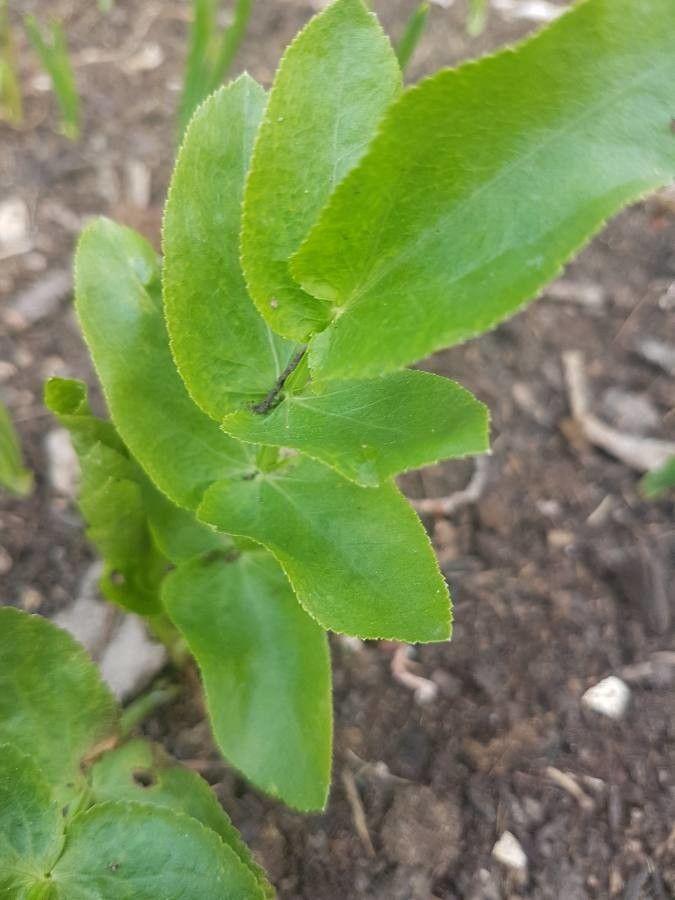
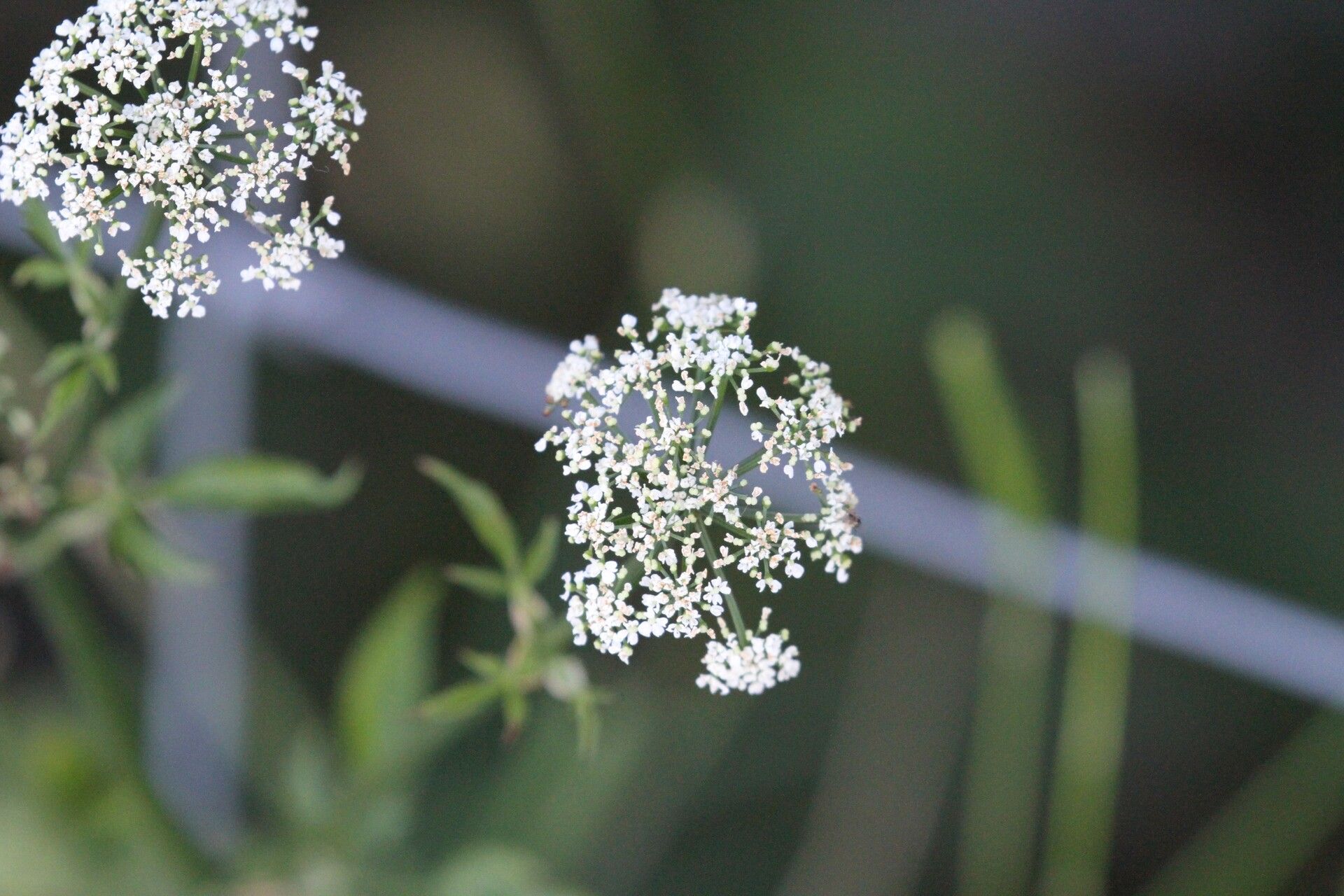
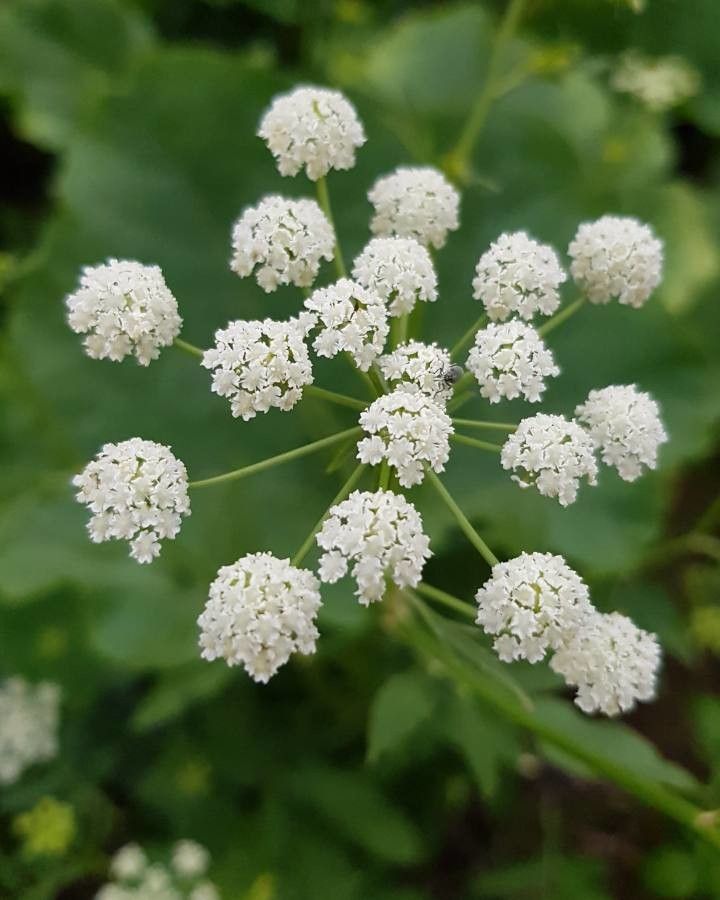
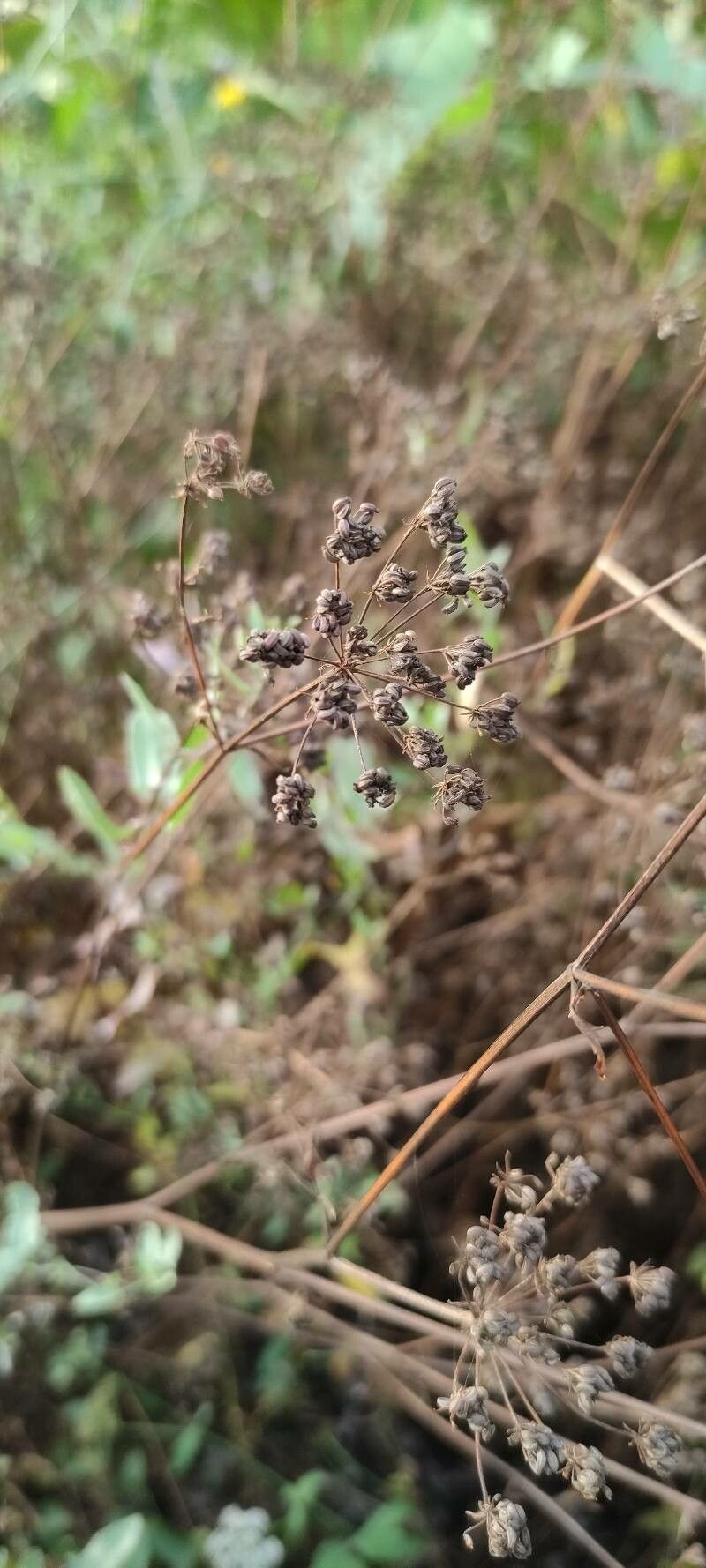
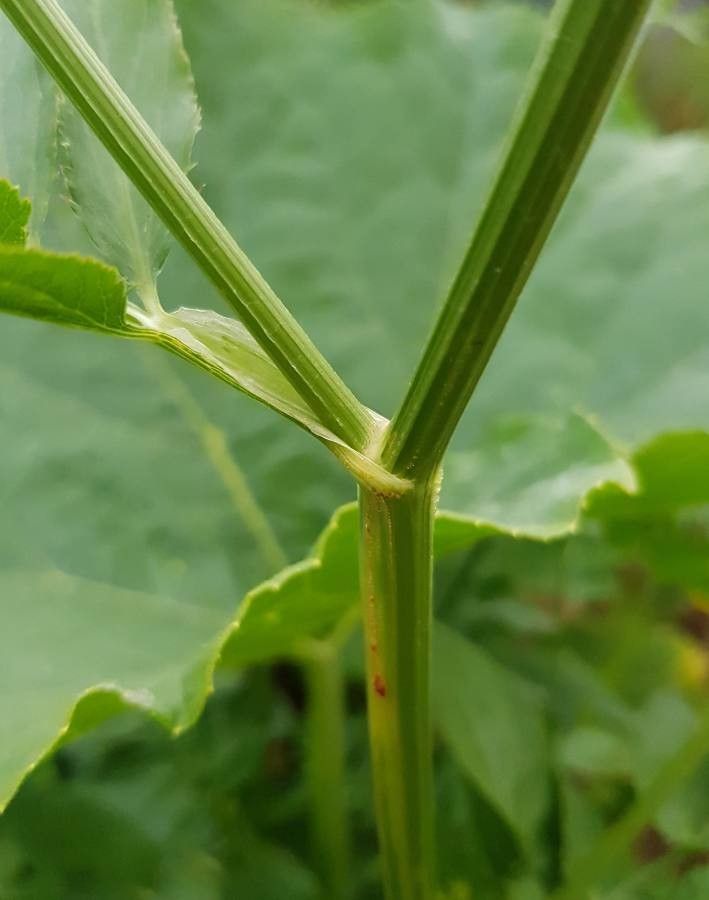
Sium sisarum, commonly known as skirret, is a perennial plant of the family Apiaceae sometimes grown as a root vegetable. The English name skirret is derived from the Middle English 'skirwhit' or 'skirwort', meaning 'white root'. In Scotland it is known as crummock. Its Danish name sukkerrod, Dutch name suikerwortel and German name "Zuckerwurzel" translate as 'sugar root'. Skirret has a cluster of bright white, sweetish, somewhat aromatic roots, each approximately 15–20 centimetres (5.9–7.9 in) in length. These are used as a vegetable in the same manner as the common salsify, black salsify and the parsnip.
In the Home
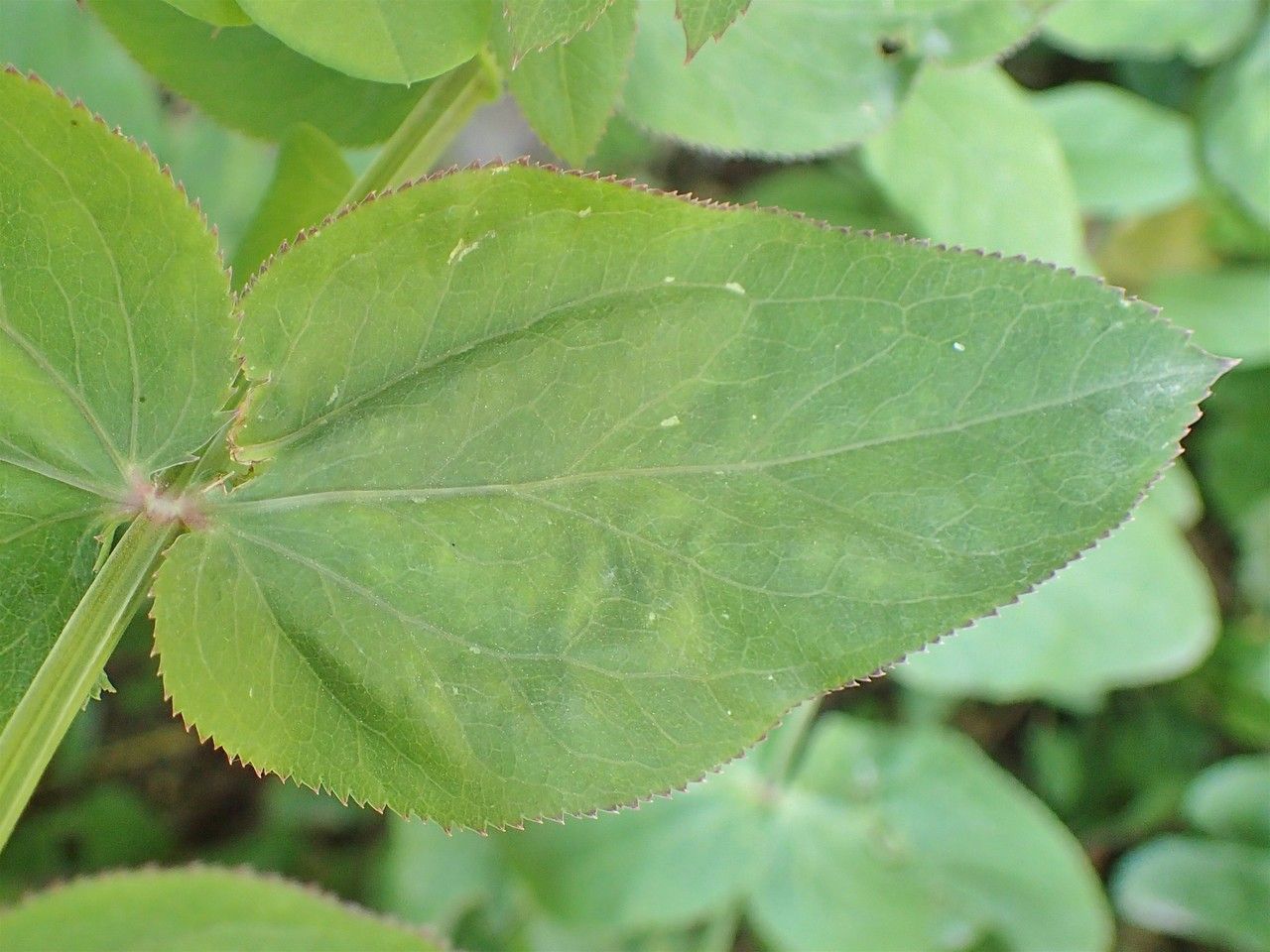
Skirret has moderate resistance to disease but can be susceptible to illnesses like leaf spot. Its vulnerability to insect pests can differ by variety, although most varieties are generally less resistant to pests. For care, Skirret requires regular watering and fertilization and frequent removal of yellow leaves. It is important to manage pests and diseases when they appear and to harvest the plant promptly. Skirret is best suited to people who can spend some time and energy on regular maintenance.