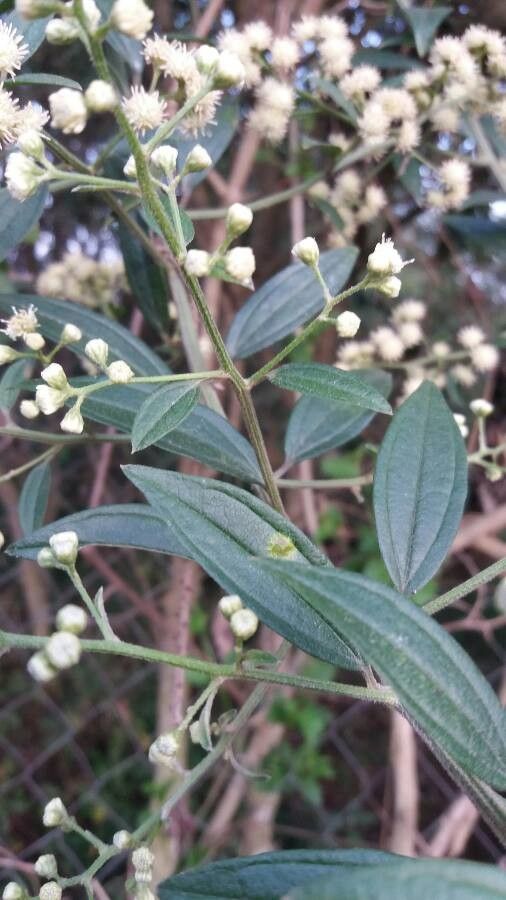
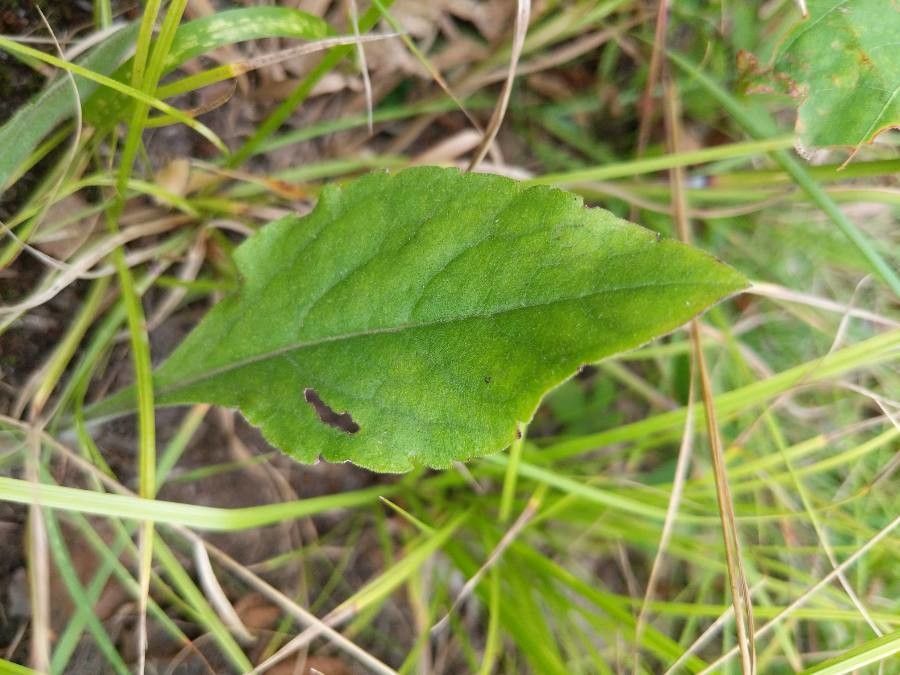
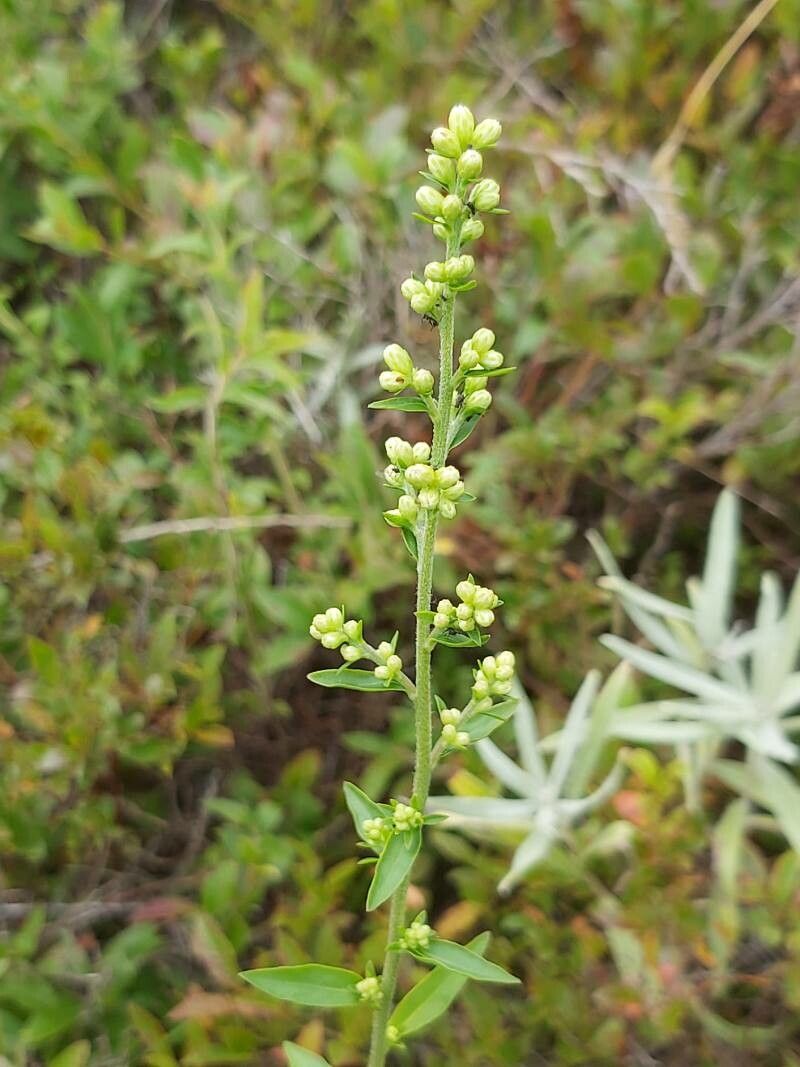
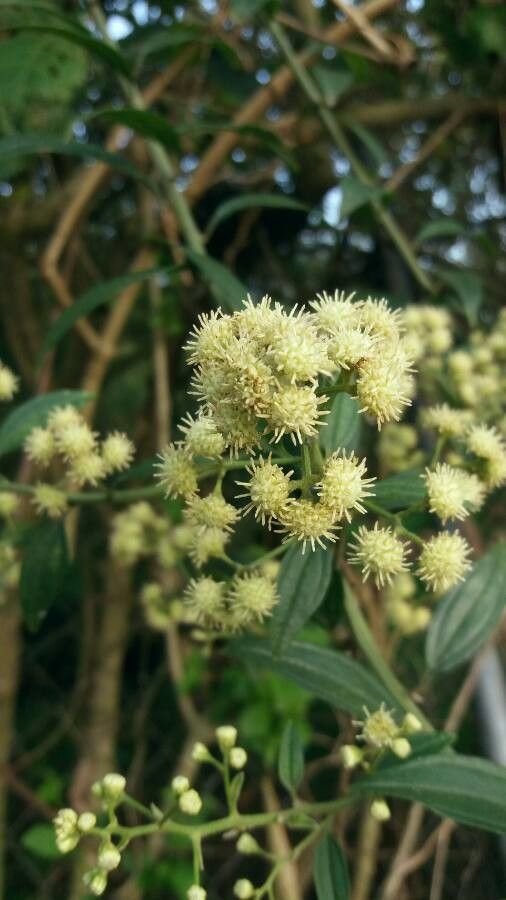
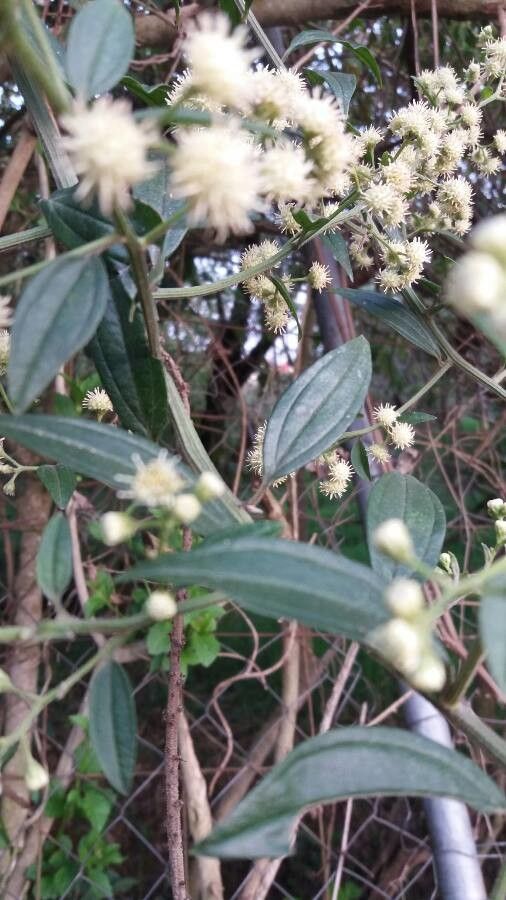
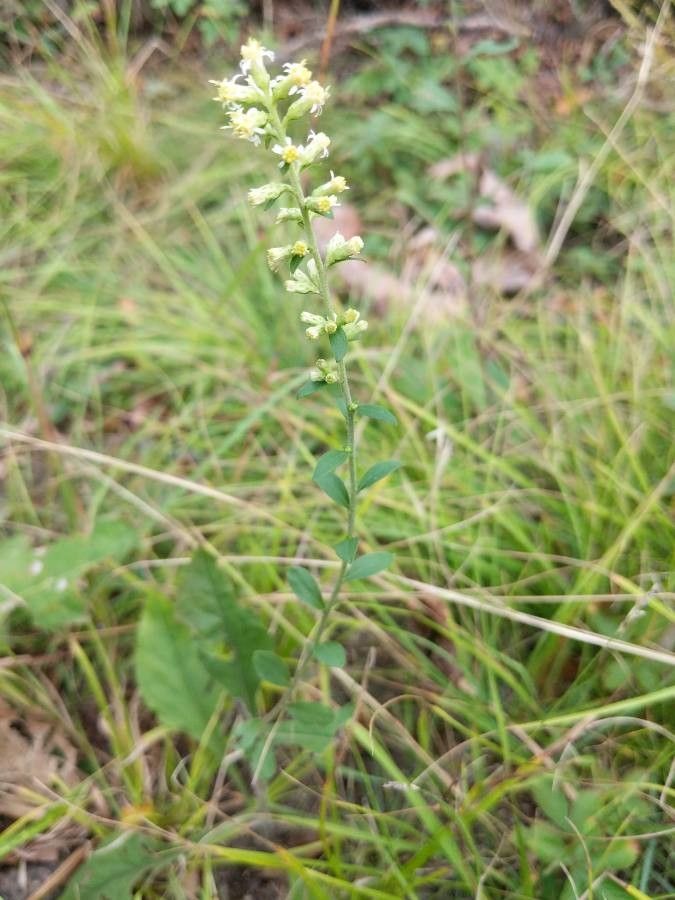
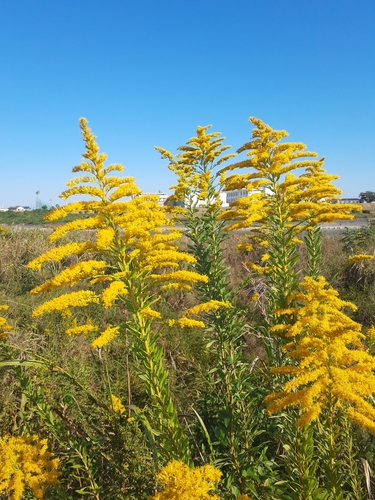
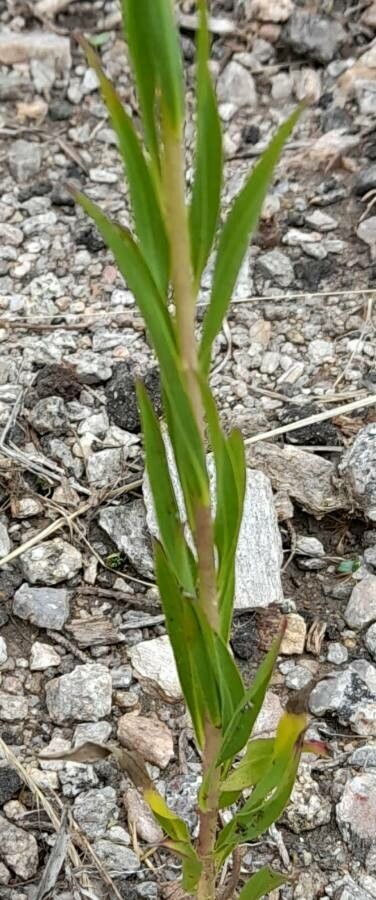
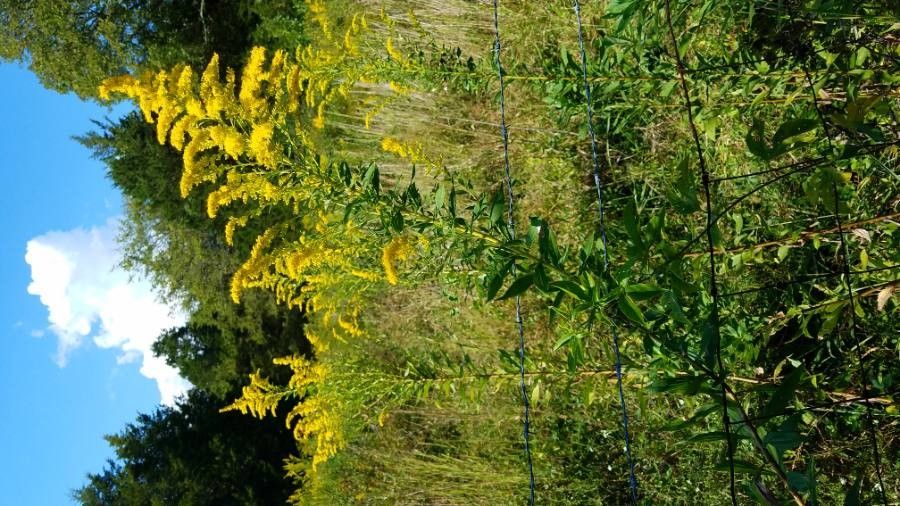
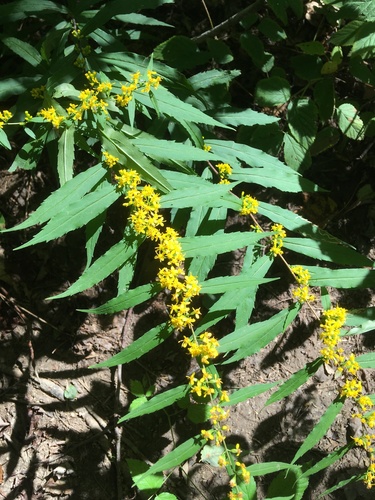
Solidago bicolor, with several common names including white goldenrod, silverrod and (in Québec) verge d’or bicolore, is a plant species native to much of eastern North America. It is found in Canada (from Manitoba to Nova Scotia) and in the United States (every state completely east of the Mississippi except Florida). It prefers sandy and rocky soils, and can frequently be found along roadsides.
Solidago bicolor is distinctive in the genus. Stems are thin and wiry. Flowers are white rather than yellow, the heads mostly clustered in the axils of the leaves rather than displayed in a large terminal raceme.
Silverrod is fairly disease-resistant and generally not prone to illness. However, it can be affected by pests and diseases present in its environment; these problems are usually not severe. Care is moderate. It should be pruned regularly to maintain a tidy appearance and healthy growth. Fertilizing can also help encourage flowering. Silverrod is appropriate for anyone with outdoor space, such as a garden or patio, and does not require extensive care experience. It may need more attention if grown indoors.
How to keep Solidago Bicolor.
Light
Silverrod does best in full sun but can tolerate moderate shade. Its native habitat matches these conditions, promoting its healthiest growth. Both too little and too much sun can impede proper development, disrupt photosynthesis, and thus reduce overall vigor.
Water
Silverrod is a moderately drought-tolerant perennial that thrives in balanced humidity. It adapts well to infrequent watering, requiring moisture only once every 1-2 weeks. Its ability to conserve water during winter dormancy makes it a great choice for both indoor and outdoor gardening.
Temperature
Silverrod is native to temperate regions and does best in temperatures from 32 to 90 °F (0 to 32 ℃). Keep it above freezing in winter to sustain growth. In summer, avoid excessively hot conditions above 90 °F (32 ℃).
Fertilizer
The best time to fertilize a Silverrod is in early spring, when it is coming out of dormancy and starting active growth. Fertilization supplies essential nutrients required for healthy development. Although Silverrod has fairly low feeding needs, applying fertilizer annually can improve its survival and encourage stronger, longer-lasting blooms.
Pruning
Silverrod, known for its creamy white flowers, is a versatile plant. To promote growth and prevent it from becoming leggy, prune in the spring by removing any dead stems. This practice not only enhances flower production but also improves the plant's visual appeal. Always use clean, sharp tools to ensure the plant remains healthy.
Pot & Repot
For Silverrod to thrive and avoid root rot, it is essential to ensure excellent drainage in its pots.
Botanical profile.
- Plant Type
- Herb
- Life Cycle
- Perennial
- Genus
- Solidago
- Family
- Asteraceae
- Hardiness Zone
- 3-8
- Mature Height
- 61 cm to 91 cm
- Mature Spread
- 30 cm to 61 cm
- Leaf Color
- Green
- Leaf Type
- Deciduous
- Flower Color
- White, Yellow
- Flower Size
- 2.54 cm
- Bloom Time
- Late summer, Early fall, Mid fall
- Planting Time
- Spring, Summer
- Harvest Time
- Mid fall, Late fall, Early winter
Other names.
Reader questions.
How should I water my Silverrod plant in the best way?
To properly water the Silverrod plant, it is recommended to use filtered water at room temperature or slightly warmer. Tap water can contain harmful particles for the plant's health, so it's better to use filtered water. Since the Silverrod plant is from a warm environment, it's important to avoid using cold water as it can shock the plant. Additionally, it's best to avoid overhead watering as it can cause problems with the foliage. Instead, gently pour the filtered room temperature water onto the soil until it is completely soaked. This method of watering is beneficial as it provides moisture to the roots and helps them spread and collect the necessary nutrients from the soil.
Why do I need to put fertilizer on my Silverrod plant?
Fertilization is important for the Silverrod plant's leaves and overall health. It helps maintain consistent color and a healthy texture. Fertilization also benefits the plant's root system by promoting the growth of new roots and maintaining existing ones. This ensures that the plant can effectively absorb nutrients from the soil both now and in the future.
What are the sunlight requirements for Silverrod?
Silverrod thrives best under full sunlight, requiring more than 6 hours of sunlight daily to grow healthily. It can also endure partial sun, which means about 3-6 hours of sunlight a day. This plant originates from habitats that provide these conditions, making full to partial sunlight essential for its growth and vitality. However, both the lack and excess of sunlight can impede proper development, affecting the plant's photosynthesis and overall health.
What is the ideal temperature range for growing Silverrod?
Silverrod thrives in temperate environments with ideal temperatures ranging between 32 to 90 °F (0 to 32 °C). During the winter months, it's essential to keep the plant above freezing to maintain its growth, while in summer, it's advised to protect the plant from extreme heat beyond 90 °F (32 °C). Silverrod possesses strong cold resistance, making it generally unnecessary to take special frost protection measures in winter. However, in conditions where winter temperatures are expected to drop below -35°C, implementing cold protection by covering the plant with soil or straw is recommended. A crucial autumn care tip includes watering the plant abundantly before the first freeze to ensure the soil remains moist and enters frozen state, aiding in the prevention of drought and water scarcity during winter and early spring.
What should I do if I give my Silverrod plant too much water or too little water?
Both overwatering and underwatering can harm the health of your Silverrod, but overwatering is more likely to occur. When the Silverrod receives excessive water, its stems and leaves may start to wilt and turn yellow. Overwatering for a long time can also cause diseases like root rot, mold, and mildew, all of which can be fatal to your plant. On the other hand, underwatering is less common because the Silverrod is fairly tolerant to drought. However, it is still possible, and in such cases, you may notice that the leaves become brittle and brown. It's crucial to quickly identify the signs of overwatering when caring for your Silverrod, as some of the resulting diseases, like root rot, may not be fixable if you wait too long. If you notice early signs of overwatering, reduce your watering schedule immediately. Additionally, check the soil quality in which your Silverrod grows. If it drains poorly, replace it with loose, well-draining potting mix. Conversely, if you see signs of underwatering, simply water more frequently until the signs disappear.
When should I fertilize my Silverrod plant?
If you grow Silverrod outdoors, it will produce new growth in early spring. This is the time to start fertilizing for the year. Typically, a single application of fertilizer in spring is sufficient for the plant's needs. However, if you want to maximize growth, you can fertilize multiple times during spring and early summer. In this case, feed your Silverrod every month to a month and a half.
How important is artificial lighting for indoor Silverrod plants?
For indoor Silverrod plants, artificial lighting is crucial, especially when natural sunlight is not sufficient, such as during winter or in less sunny spaces. Artificial lights, particularly LED lights, can provide the specific wavelengths needed for optimal growth. Full sun plants require 30-50W/sq ft of artificial light, partial sun plants need 20-30W/sq ft, and full shade plants should get 10-20W/sq ft. The artificial light source should be placed 12-36 inches above the plant to mimic natural sunlight, and plants generally need 8-12 hours of light per day to mimic natural daylight hours.
How does Silverrod respond to low temperatures and what are the solutions?
Silverrod is cold-tolerant, performing best when the temperature stays above 0°C and should ideally be kept above -30°C during the winter. If temperatures dip below -35°C, while there may not be noticeable immediate effects during the winter, it can lead to decreased sprouting or lack of sprouting in the spring. To address this, in spring, it's recommended to remove any parts of the plant that have failed to sprout, fostering healthier growth and recovery.
How frequently do I need to water my Silverrod?
If you have a potted Silverrod plant, the best way to check if it needs watering is to stick your finger in the soil. If the top two to three inches of soil are dry, it's time to water it. The same method applies if you have Silverrod planted in the ground outside. During the spring and early fall, you may need to water it once a week using this method. However, in very hot weather, you may need to water it two or more times per week. It's worth noting that mature Silverrod plants can tolerate drought well.
When is it not a good time to add fertilizer to my Silverrod plant?
During the late fall and winter, your Silverrod goes into a dormant phase and stops growing. It is important to avoid fertilizing it during this time. In the spring and summer, if you decide to fertilize multiple times, you should gradually decrease the amount of fertilizer as summer approaches because the growth rate of your Silverrod will slow down. In general, it is not recommended to fertilize your Silverrod when the weather is extremely hot or the soil is excessively dry as this can cause stress and lead to premature death.
What are the signs of inadequate light exposure in Silverrod?
Signs of inadequate light exposure in Silverrod include the growth of smaller leaves compared to previous ones, leggy or sparse growth, faster leaf drop, slower or halted growth, and the development of lighter-colored or pale new leaves. These symptoms indicate that the plant is not receiving enough light, leading to a lack of chlorophyll and essential nutrients, which affects its ability to photosynthesize and remain healthy.
What symptoms does Silverrod show during high temperatures and how can they be treated?
During high temperatures, particularly when exceeding 32°C and especially over 35°C, Silverrod may exhibit signs of distress such as leaves becoming lighter in color, curling, susceptibility to sunburn, and in severe cases, wilting or drying out entirely. To mitigate these symptoms, it's advisable to trim away any sunburned or dry parts of the plant. Relocating the plant to a shaded area or utilizing a shade cloth to protect it from the midday and afternoon sun can be beneficial. Additionally, maintaining soil moisture by watering the plant in the morning and evening is crucial to help the plant cope with the heat.