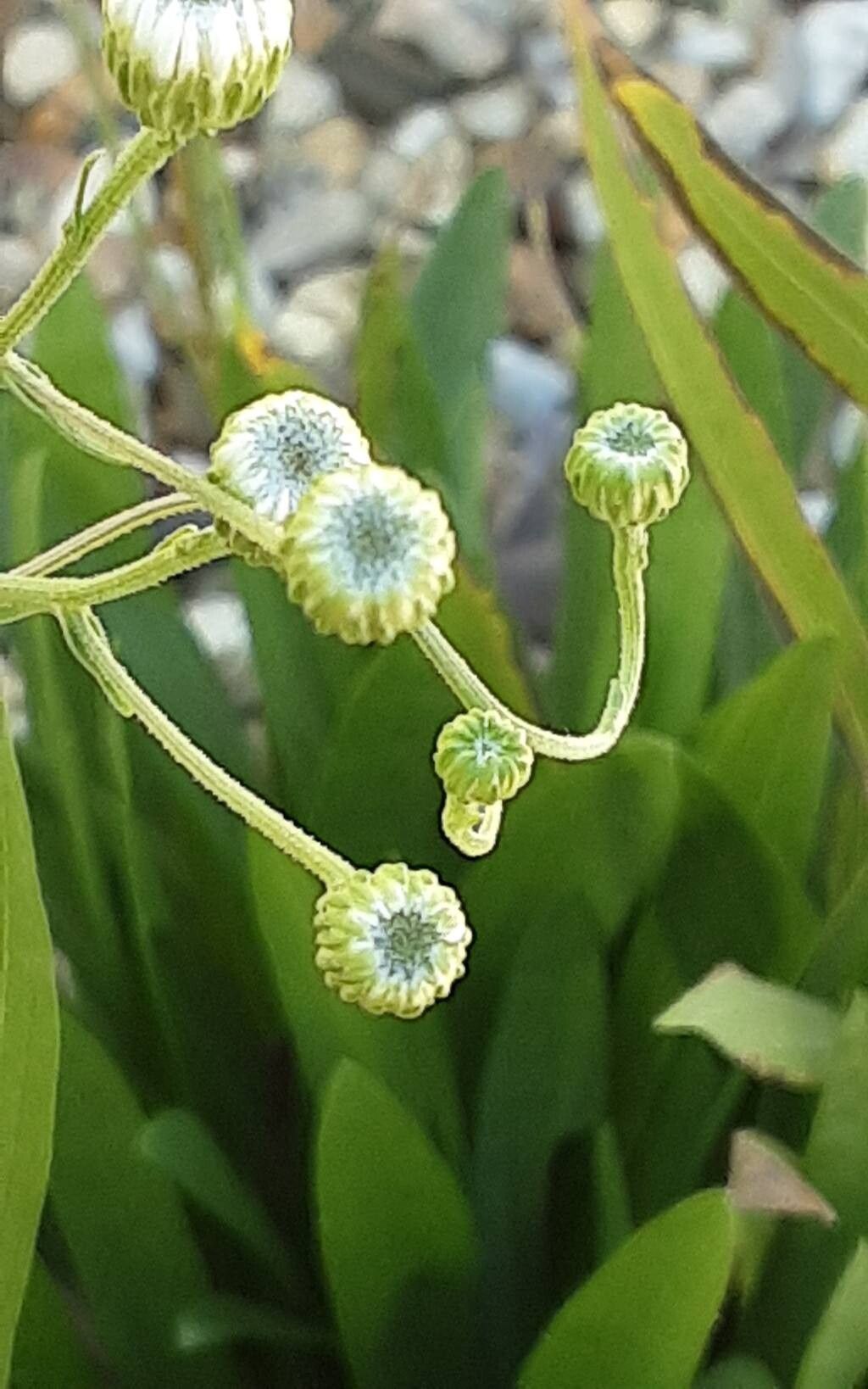
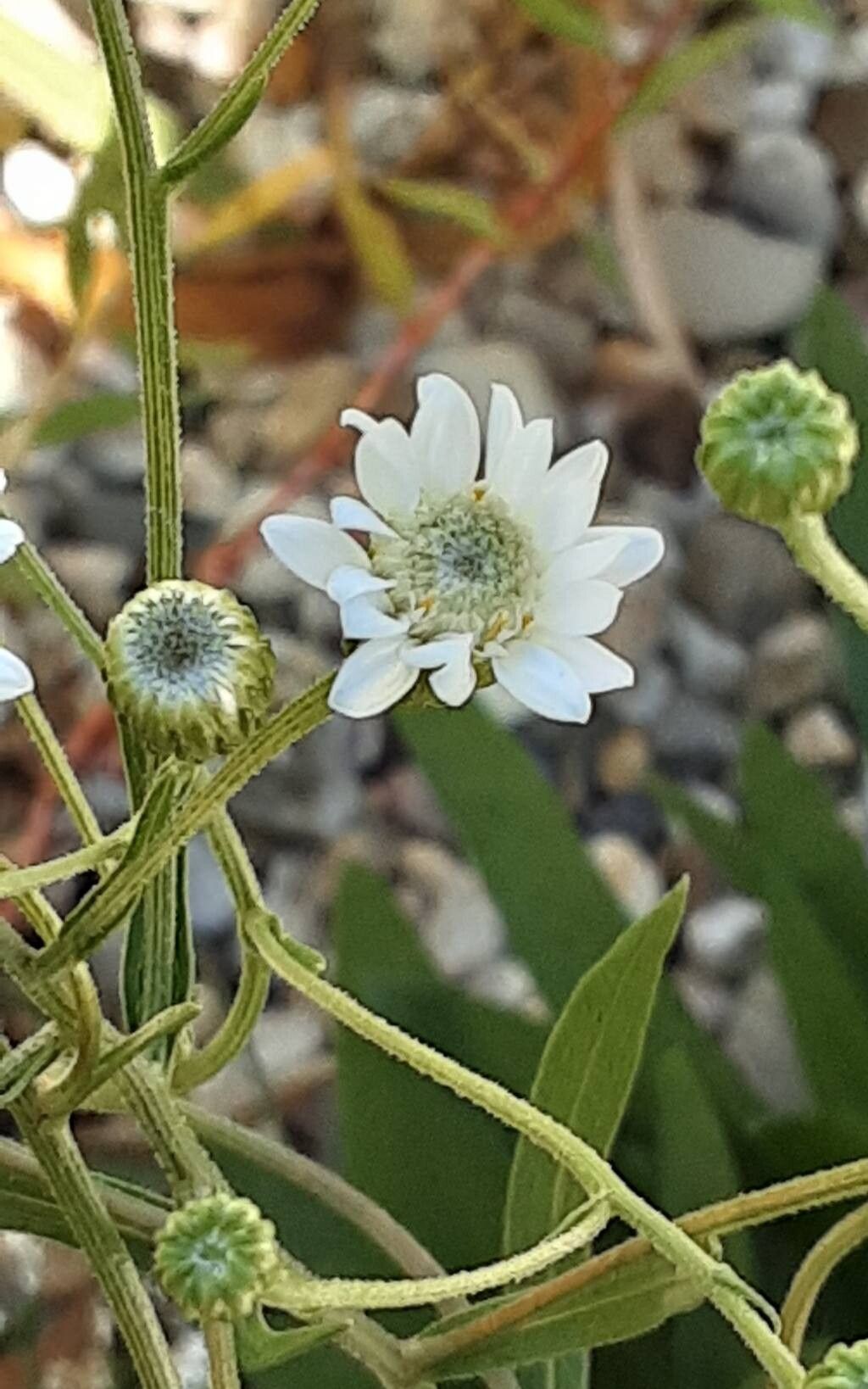
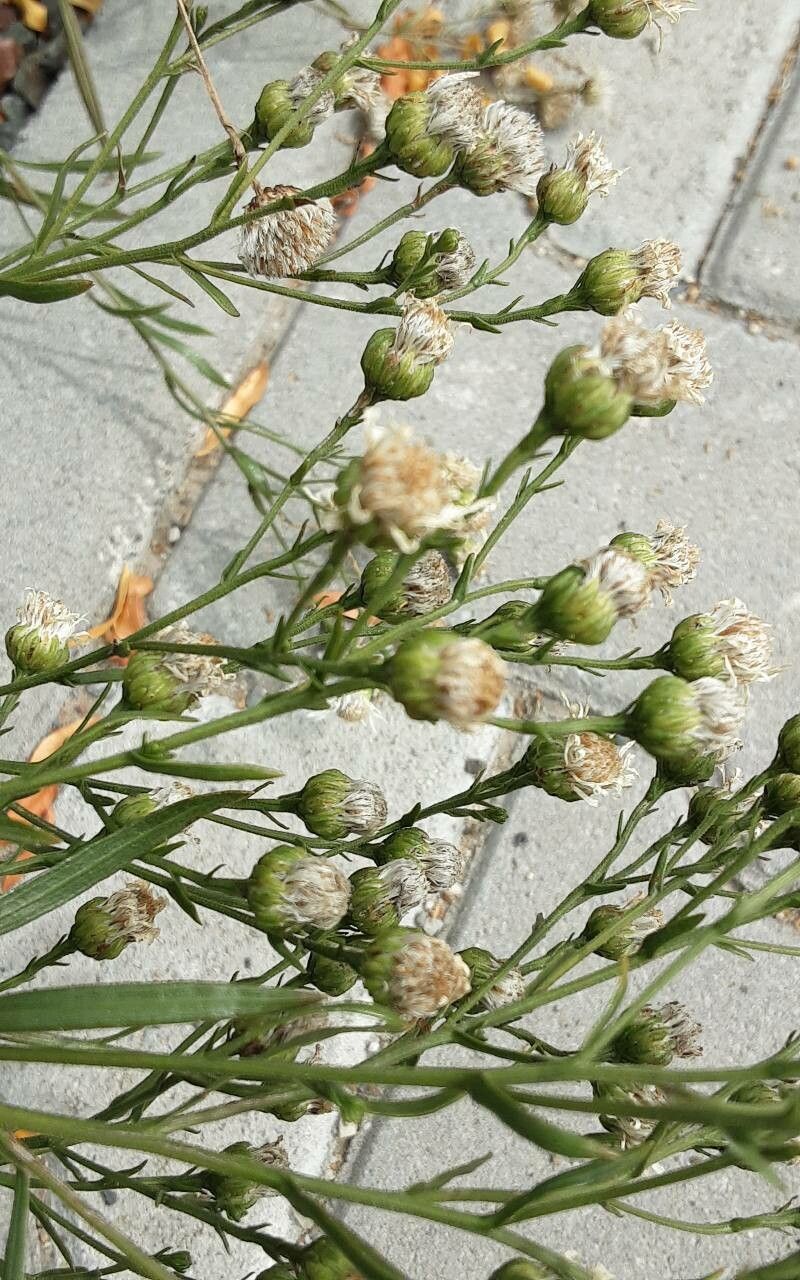
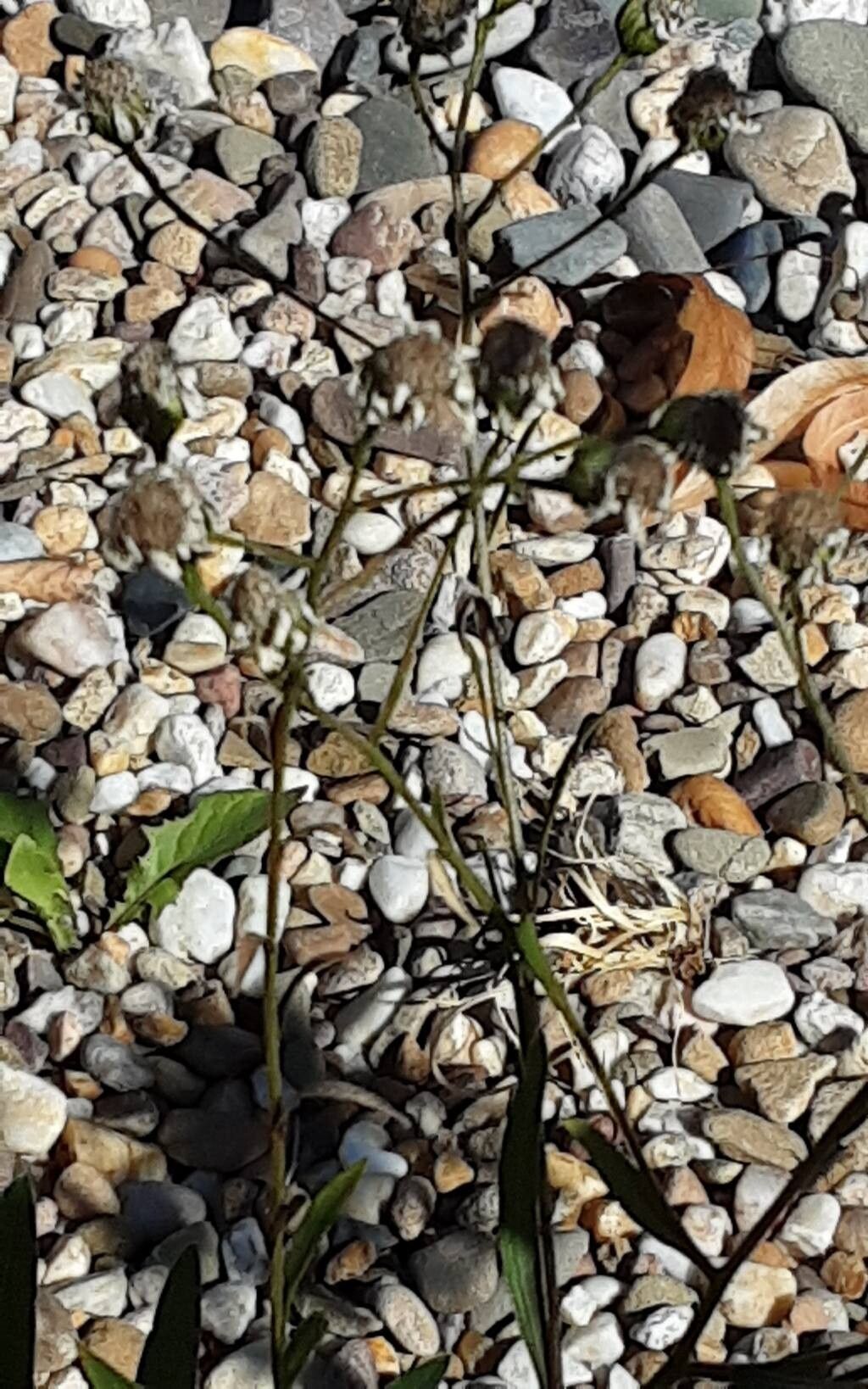
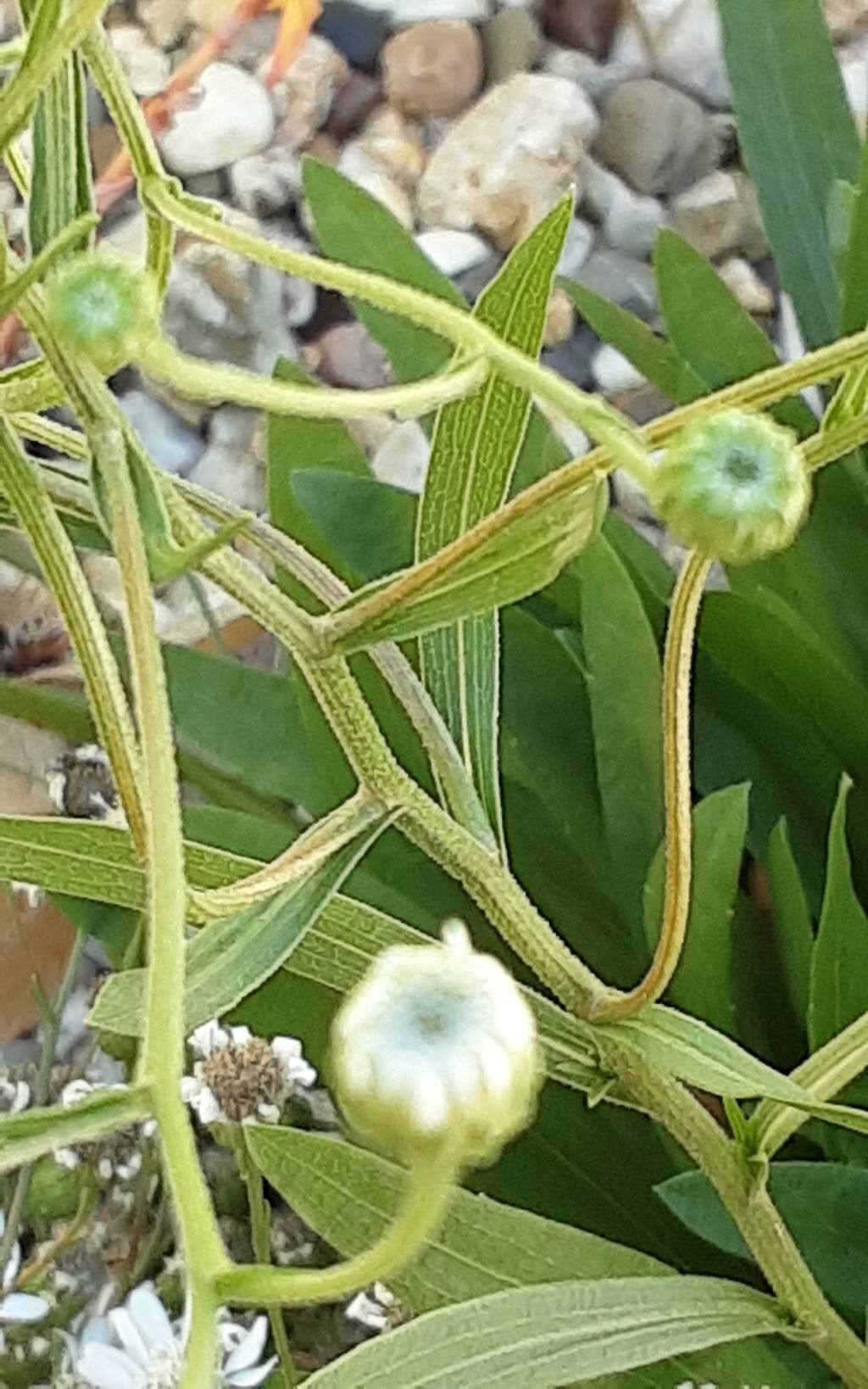
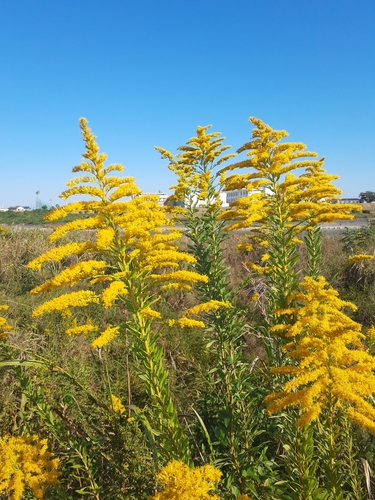
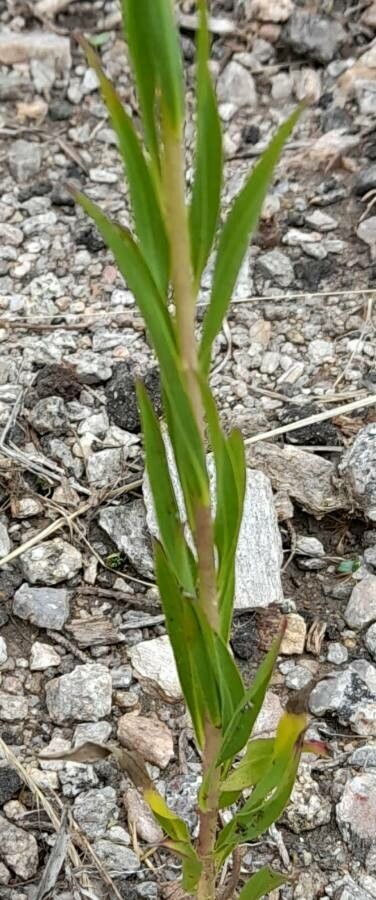
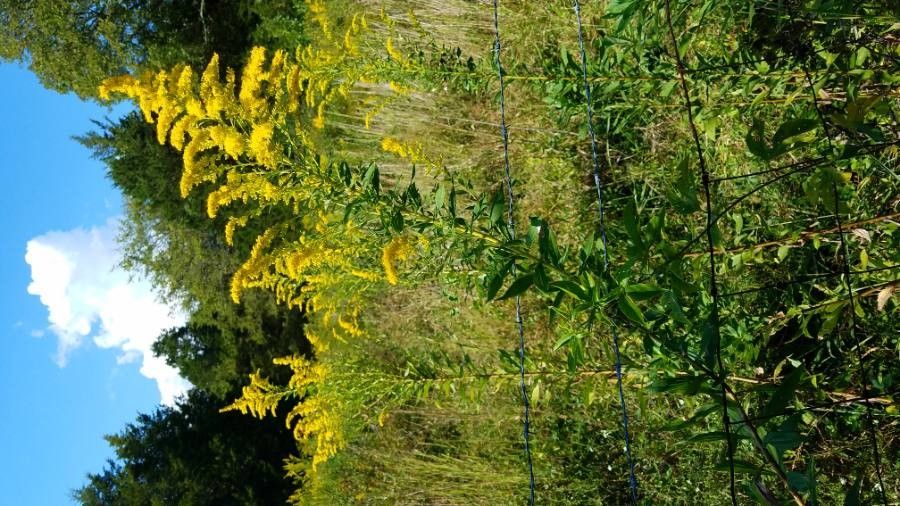
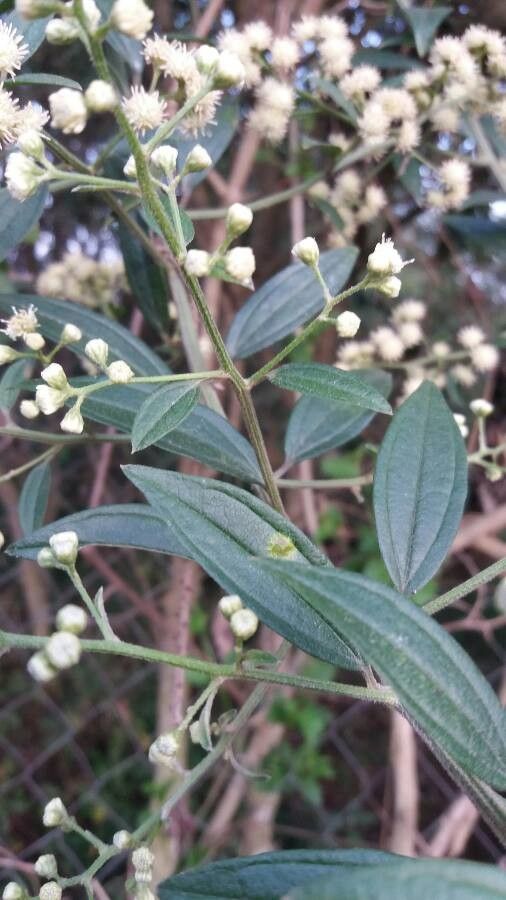
Solidago ptarmicoides, the prairie goldenrod, white flat-top goldenrod or upland white aster, is a North American perennial flowering plant in the family Asteraceae. It is native to the central and eastern Canada (from New Brunswick to Manitoba) and parts of the United States (mostly Great Lakes region, the Northeast, the Ozarks, and the northern Great Plains, with isolated populations in Wyoming, Colorado, Oklahoma, and scattered locations in the Southeast. It has also been called upland white solidago, upland white goldenrod, and sneezewort goldenrod
Prairie goldenrod is fairly disease-resistant and generally not prone to illnesses. Still, it can be affected by pests and diseases present nearby, though such infections are typically mild. Care-wise, the plant needs moderate maintenance. It should be pruned on a regular basis to preserve a tidy appearance and support healthy growth. Fertilizing can also help encourage flowering. This plant is suitable for anyone with outdoor space, like a garden or patio, and does not require extensive gardening experience. It may demand more attention if grown indoors.
How to keep Solidago Ptarmicoides.
Light
Prairie goldenrod performs best in full sun, which supports vigorous growth and bright coloration. Native to prairie habitats, it has adapted to thrive in strong light. Both excessive and insufficient illumination can harm its health, possibly causing stunted growth or reduced flowering.
Water
Prairie goldenrod is well-suited to its native prairie environment. It thrives with less frequent watering, needing hydration only once a week, thanks to its drought tolerance. Its growth cycle is in sync with seasonal rains, enabling it to efficiently utilize the natural precipitation patterns.
Temperature
Prairie goldenrod is indigenous to areas with moderate temperature ranges. It grows best at temperatures from 32 to 90 °F (0 to 32 °C). During periods of extreme seasonal change, minor adjustments to its environment are recommended to preserve this optimal temperature range.
Fertilizer
The best time to fertilize a Prairie goldenrod is in early spring, as it emerges from dormancy and starts active growth. Fertilizing supplies essential nutrients for healthy development. While Prairie goldenrod has fairly low fertilizer requirements, applying fertilizer annually can improve its survival and encourage stronger, longer-lasting flowers.
Pruning
To encourage healthy growth and enhance flowering, prune prairie goldenrod in early to late spring before new growth begins. Remove any dead or damaged stems to control its spread and maintain its vigor. Avoid pruning in the late season, as this can interfere with blooming and potentially affect the plant's vitality and disease resistance.
Pot & Repot
To thrive, prairie goldenrod needs pots with excellent drainage. Good drainage is essential to prevent waterlogging and ensure healthy growth.
Botanical profile.
- Plant Type
- Herb
- Life Cycle
- Perennial
- Genus
- Solidago
- Family
- Asteraceae
- Hardiness Zone
- 3-8
- Mature Height
- 30 cm to 61 cm
- Mature Spread
- 30 cm to 61 cm
- Leaf Color
- Green
- Leaf Type
- Deciduous
- Flower Color
- White
- Flower Size
- 2.54 cm
- Bloom Time
- Mid summer, Late summer, Early fall
- Planting Time
- Spring, Summer
- Harvest Time
- Early fall, Mid fall
Other names.
Reader questions.
What are the sunlight requirements for Prairie Goldenrod?
Prairie Goldenrod, known botanically as Solidago ptarmicoides, thrives best under full sun conditions, requiring more than 6 hours of sunlight daily to flourish. It can also tolerate partial sun, which means about 3-6 hours of sunlight per day. Observing the movement of sunlight through your garden and choosing spots that offer a good balance of light and shade is crucial for the health and happiness of your plants.
What is the optimal temperature range for Prairie goldenrod?
Prairie goldenrod, also known as Solidago ptarmicoides, is native to regions with moderate temperature ranges, thriving best in temperatures between 32 to 90 °F (0 to 32 °C). Despite its strong cold resistance, during extreme seasonal shifts, slight adjustments in its environment might be necessary to maintain this optimal temperature range. While special frost protection measures are not usually required, if winter temperatures are expected to drop below -35°C, implementing cold protection by covering the plant with soil or straw is advisable.
Why is sunlight important for Prairie Goldenrod?
Sunlight is vital for Prairie Goldenrod as it promotes robust development and vibrant coloration. Originating from prairie environments, it is adapted to thrive under full exposure to the sun's rays. Both excessive and insufficient light can negatively impact its health, potentially leading to stunted growth or diminished flowering. Ensuring your Prairie Goldenrod receives adequate sunlight is key to its overall well-being.
How should Prairie goldenrod be cared for during the winter?
To care for Prairie goldenrod during winter, especially in anticipation of temperatures dropping below -35°C, it’s recommended to protect the plant against frost. This protection can be provided by covering it with materials such as soil or straw. It is also beneficial to water the plant abundantly before the first freeze in autumn to ensure the soil remains moist and enters a frozen state, helping to prevent drought and water scarcity for the plant during the winter and early spring.
How can artificial lighting support Prairie Goldenrod indoors?
For indoor Prairie Goldenrods, artificial lighting can be crucial, especially when natural sunlight is insufficient, like during winter or in less sunny spaces. LED lights are recommended due to their ability to be tailored to provide specific wavelengths needed by the plants. Full sun plants require 30-50W/sq ft of artificial light, partial sun plants need 20-30W/sq ft, and full shade plants should have 10-20W/sq ft. The light source should be placed 12-36 inches above the plant, mimicking natural sunlight as closely as possible, with most plants benefiting from 8-12 hours of light per day.
What are some signs of temperature stress in Prairie goldenrod and how can they be addressed?
Temperature stress in Prairie goldenrod manifests differently under low and high temperatures. For low temperature stress, if the plant is kept above -30°C but experiences temperatures below -35°C, there may not be noticeable changes during winter, yet a decrease in spring sprouting can occur. Removing non-sprouting parts in spring is the solution. For high temperature stress, when temperatures exceed 35°C, leaves may lighten, curl, become prone to sunburn, or the plant may wilt and dry out. The solution involves trimming sunburned and dried parts, moving the plant to a shaded area or using a shade cloth, and watering the plant in the morning and evening to keep the soil moist.
What are the symptoms of insufficient light for Prairie Goldenrod?
Prairie Goldenrod exhibits several symptoms when it doesn't receive enough light, including smaller new leaves, leggy or sparse growth, faster leaf drop, slower or no new growth, lighter-colored new leaves, as well as conditions such as chlorosis, sunscald, leaf curling, wilting, and leaf scorching. These symptoms indicate that the plant is struggling with the light conditions and adjustments should be made to ensure its health.
How can I ensure Prairie Goldenrod receives optimal sunlight?
To ensure your Prairie Goldenrod gets optimal sunlight, gradually move it to a sunnier location each week if it's indoors, aiming for at least 6 hours of direct sunlight daily. Use south-facing windows and keep curtains open during the day. For outdoor plants, similarly, adapt them gradually to sunnier spots. Reduce obstructions like overhanging branches, and consider transplanting smaller plants during their dormant period to areas with ample sunlight and good drainage. For plants that can't be moved easily, consider using artificial light for additional support.