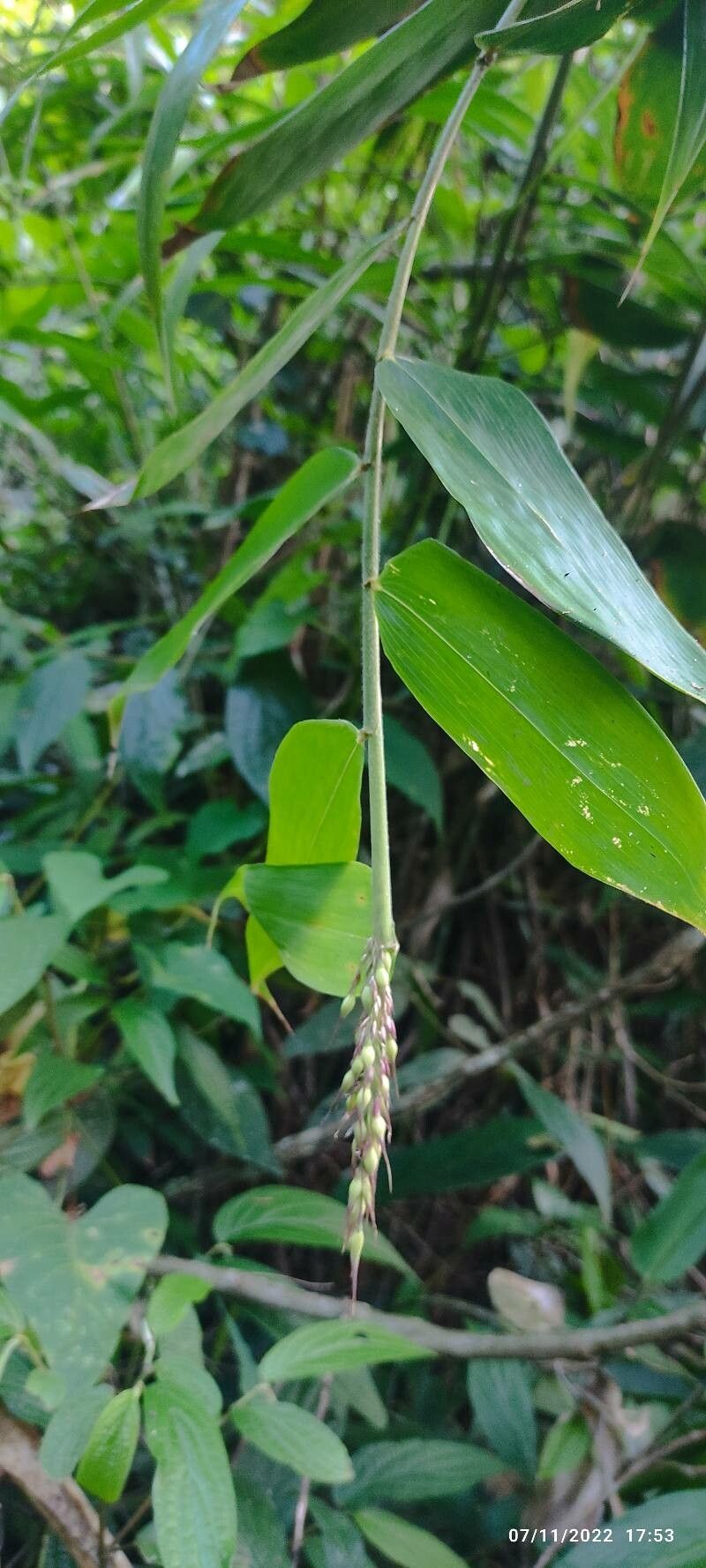
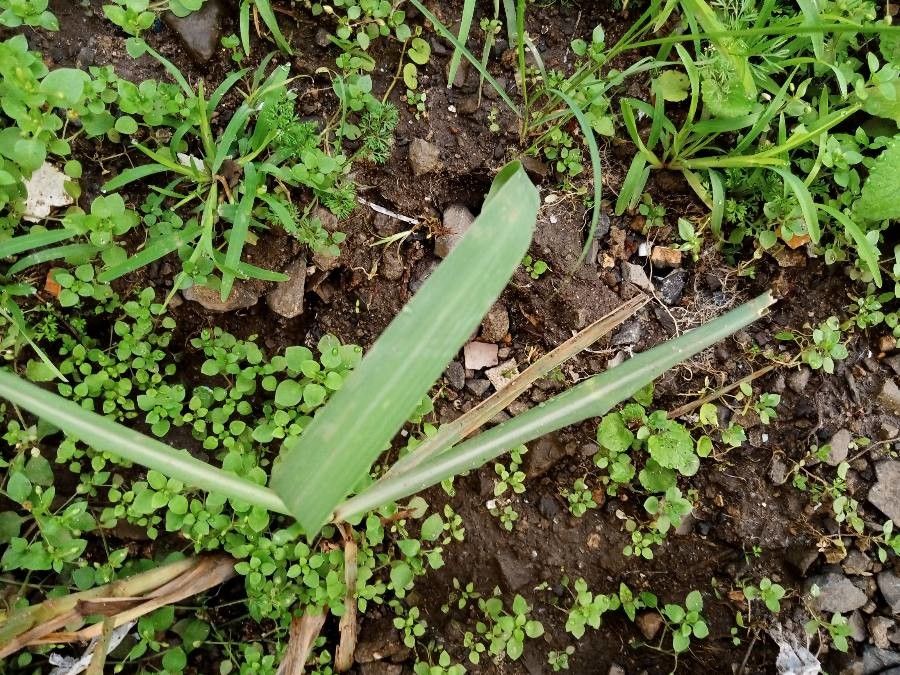
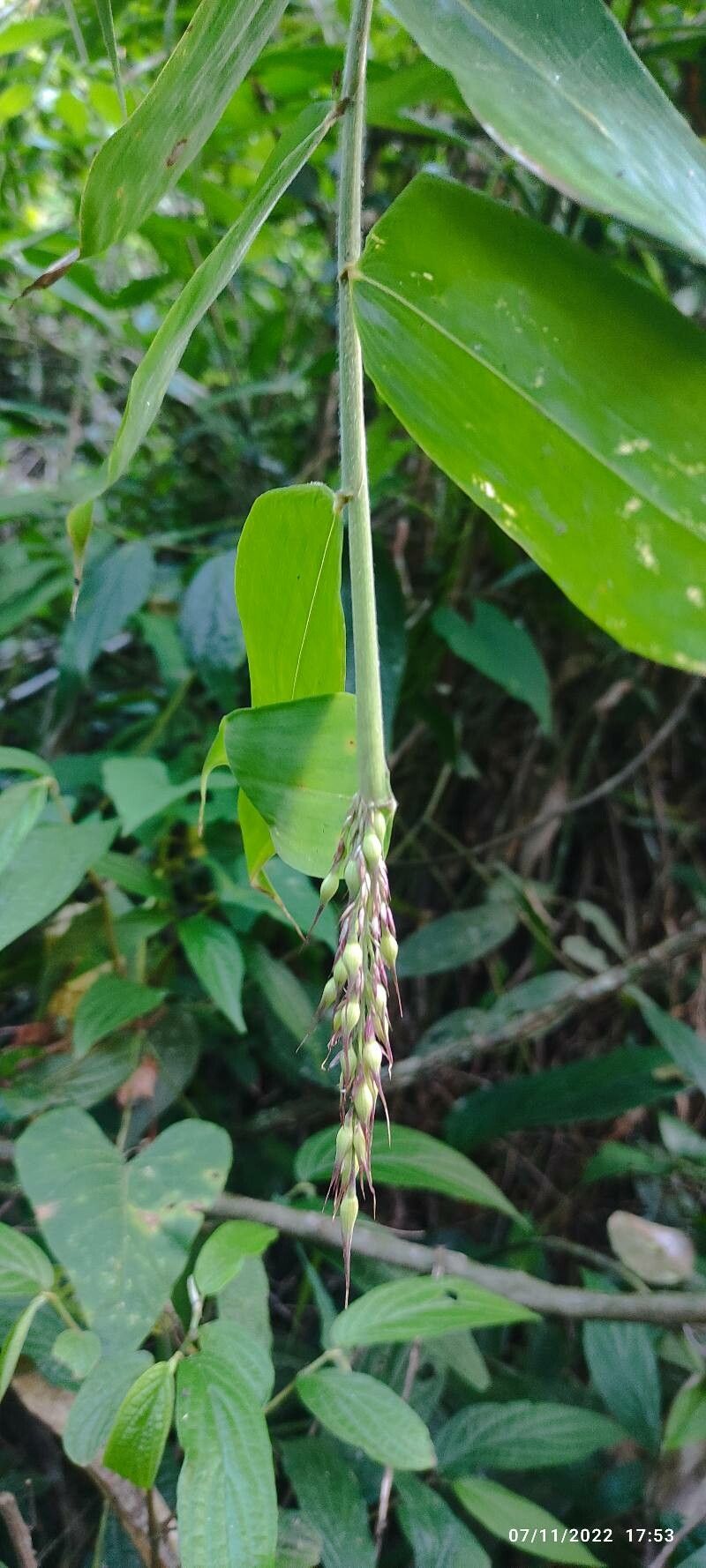
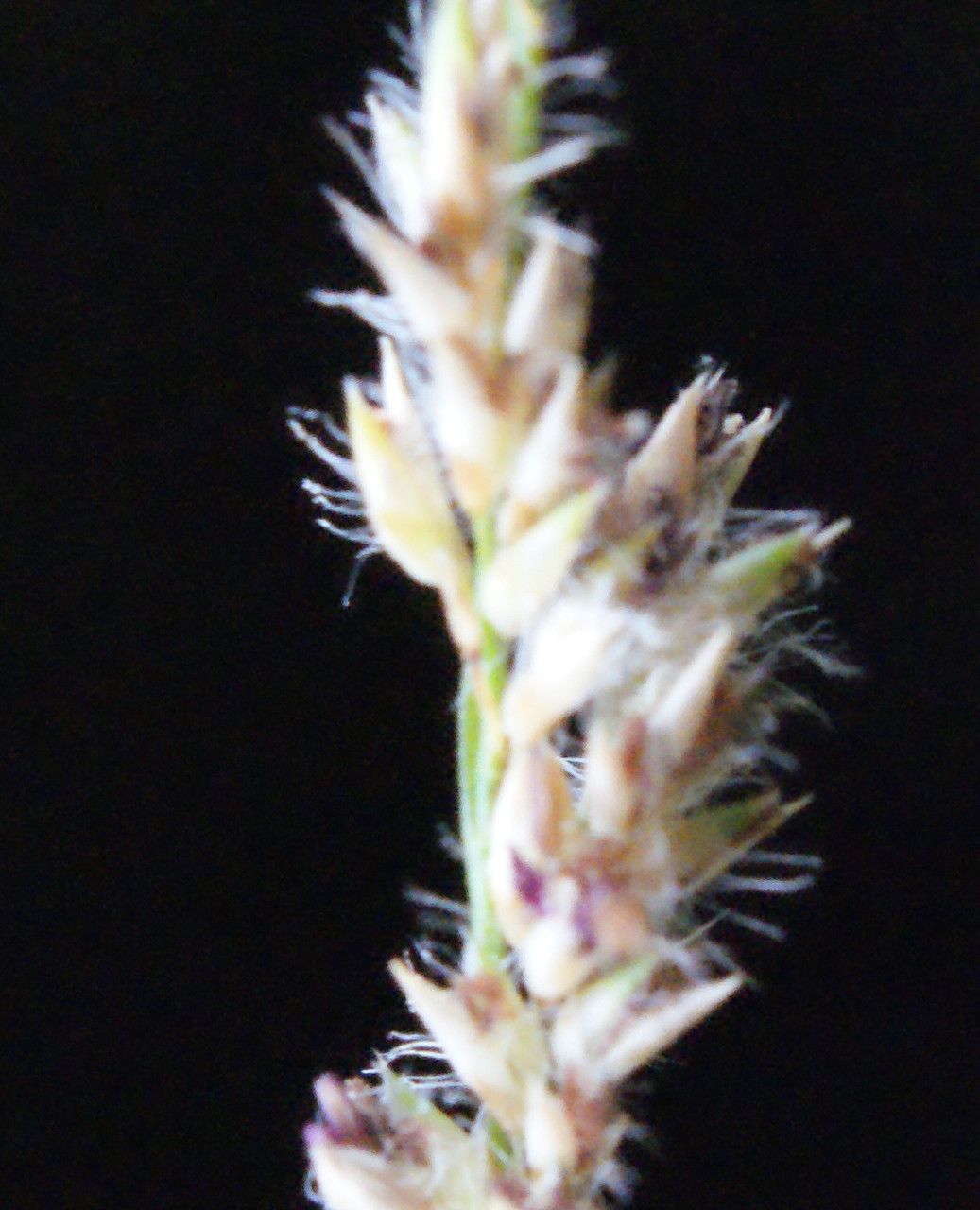
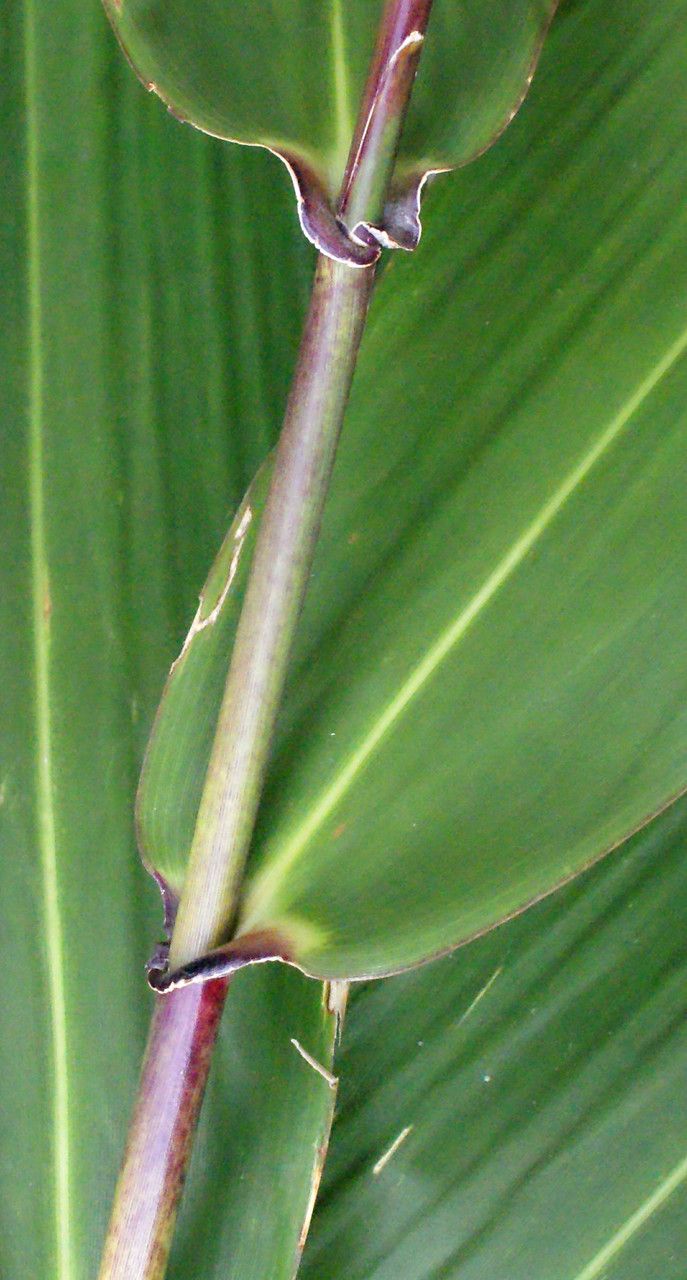
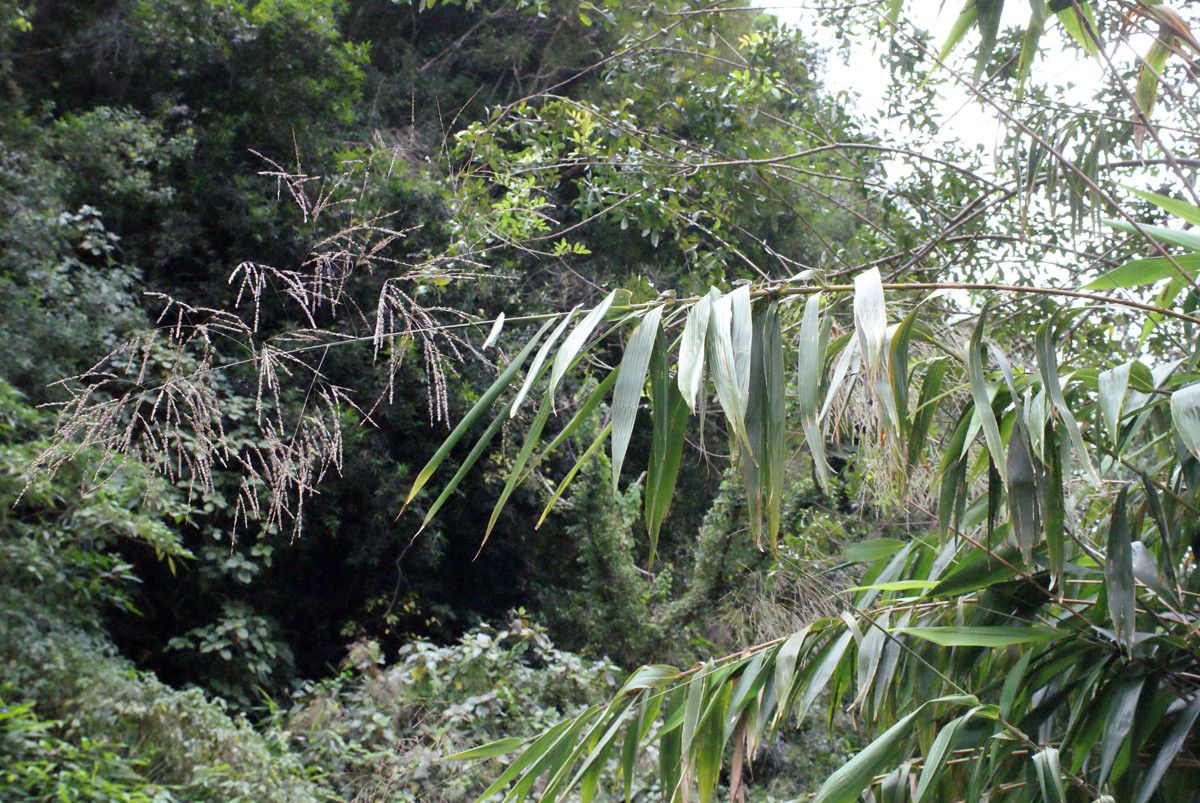
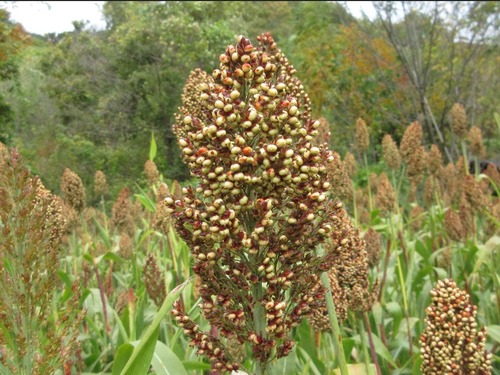
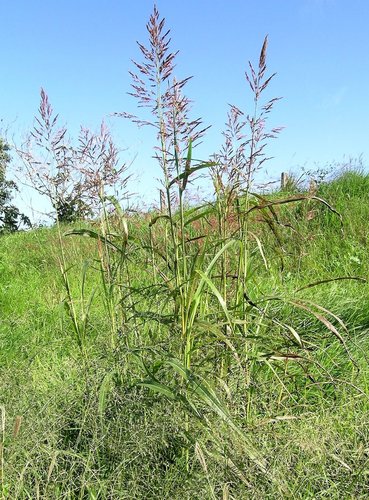
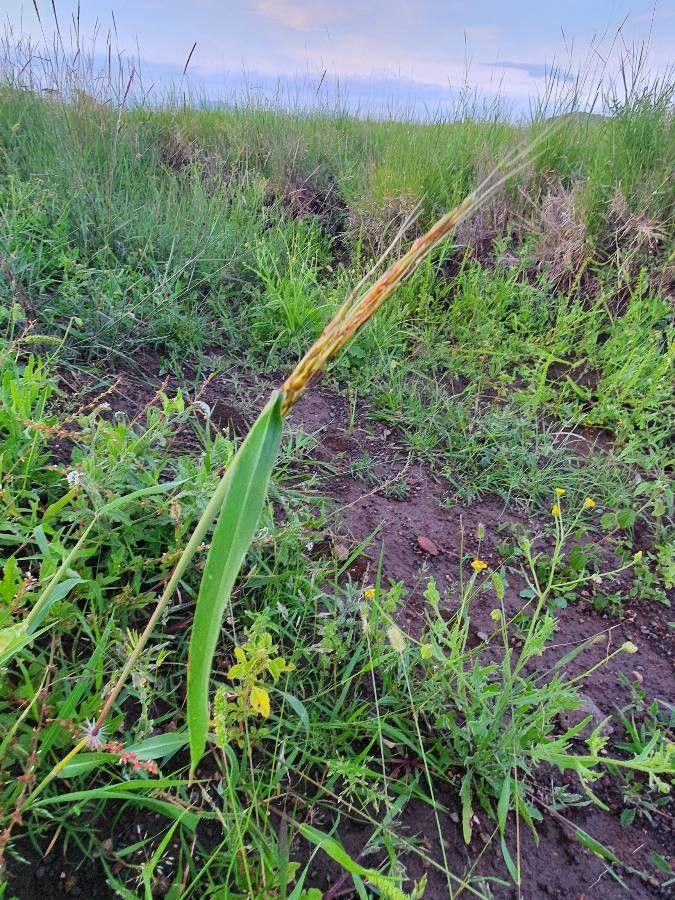
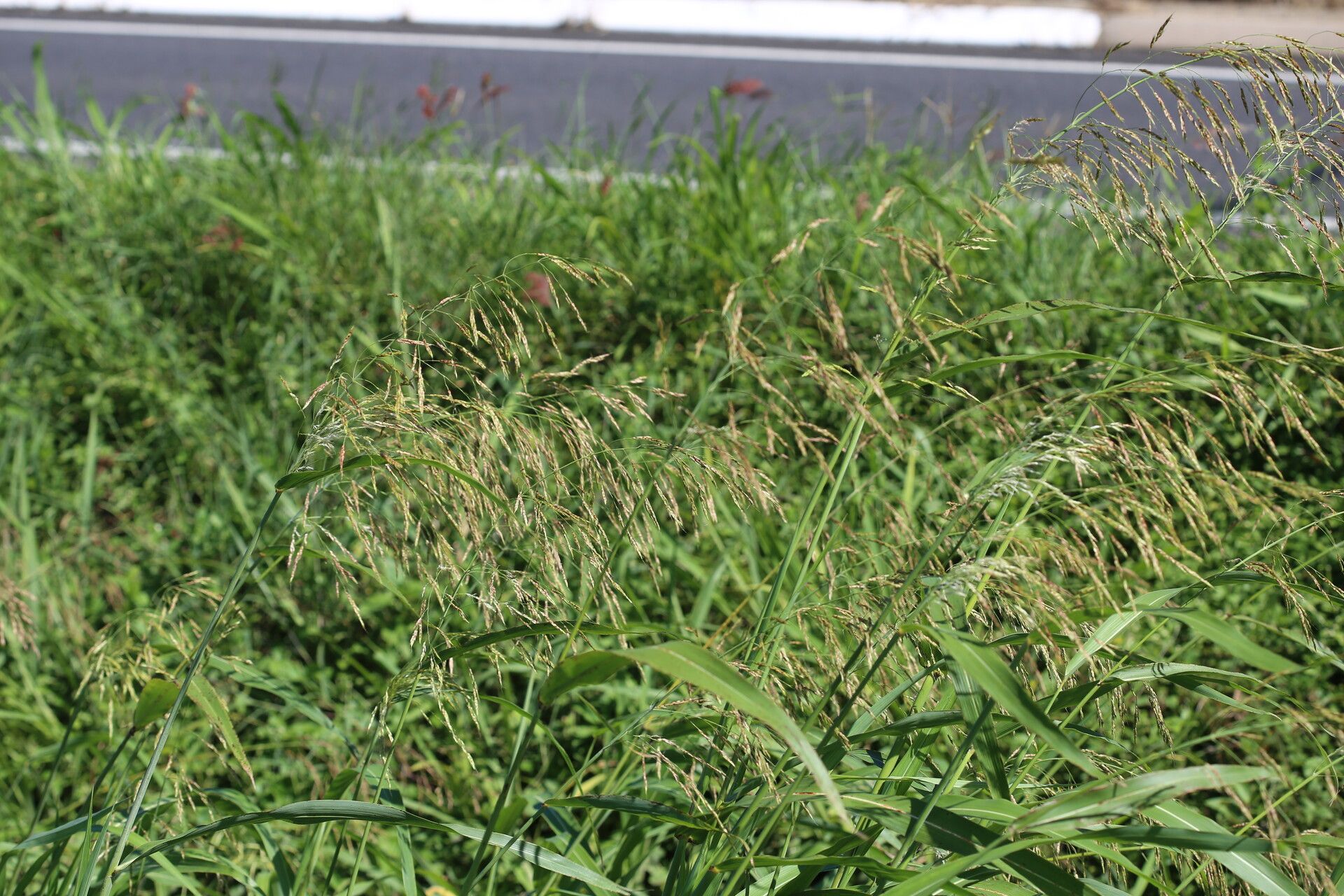
Sorghum arundinaceum, the common wild sorghum, is a species of flowering plant in the family Poaceae. It is native to Sub‑Saharan Africa, Madagascar, many of the Indian Ocean islands, and the Indian Subcontinent, and has been introduced to northern South America, the US states of California and Florida, Puerto Rico, Taiwan, New Guinea, and a number of smaller islands worldwide. It is the wild progenitor of cultivated sorghum, Sorghum bicolor, with some authorities considering it to be a mere variety or subspecies; Sorghum bicolor var. arundinaceum, or Sorghum bicolor subsp. verticilliflorum.
Sorghum is resistant to disease and is generally unlikely to be affected by illnesses. In terms of care, the plant is fairly low-maintenance. When grown outdoors it needs little watering, and larger specimens usually do not require pruning. Smaller plants, however, should be trimmed after they have finished blooming. Sorghum is suitable for anyone with an outdoor area, such as a garden or deck, and does not demand much gardening experience.
How to keep Sorghum Arundinaceum.
Light
Sorghum comes from bright, open habitats and does best in full sun. It can tolerate partial sun but prefers direct sunlight for optimal growth. This plant, which can be annual or biennial, is known for its sun-loving nature.
Temperature
Sorghum comes from tropical regions, where the climate is usually warm and humid. Therefore, it is well suited to high temperatures and humidity. It does not tolerate sudden temperature shifts and prefers a steady temperature environment, so avoiding temperature fluctuations indoors is important. It typically cannot withstand cold temperatures and needs higher temperatures to grow. If the ambient temperature falls too low, the plant may stop growing or even die.
Fertilizer
For optimal growth, Sorghum needs three fertilizer applications: a pre-planting treatment, one applied one month after seedling emergence, and a final treatment 1 to 1.5 months after the second. Some Sorghum types benefit from extra fertilizer at planting to support rapid growth.
Botanical profile.
- Plant Type
- Grass
- Life Cycle
- Annual, Perennial
- Genus
- Sorghum
- Family
- Poaceae
- Hardiness Zone
- 8-12
- Mature Height
- 1.52 m to 3.05 m
- Mature Spread
- 49 cm to 91 cm
- Leaf Color
- Green, Dark Green
- Leaf Type
- Deciduous
- Flower Color
- Tan, Brown
- Flower Size
- 0.25 cm to 0.51 cm
- Bloom Time
- Summer, Early fall, Mid fall
- Planting Time
- Autumn, Winter
- Harvest Time
- Late summer, Fall, Early winter
- Native Area
- Burkina Faso, Somalia, Egypt, India, Angola, Namibia, Madagascar, Rwanda, Pakistan, Eritrea, Nigeria, Kenya, Niger, Uganda, Tanzania, Zimbabwe, Mali, Guinea-Bissau, Benin, Sierra Leone, Equatorial Guinea, Cameroon, Liberia, Mozambique, Burundi, Ghana, Ethiopia, Botswana, Congo, Central African Republic, Malawi, South Africa, Zambia, Sudan, Mauritania, Guinea, Chad, Myanmar, Togo, Bhutan, Senegal, Eswatini, Côte d'Ivoire, Gambia, Congo (DRC), Thailand, Gabon
Other names.