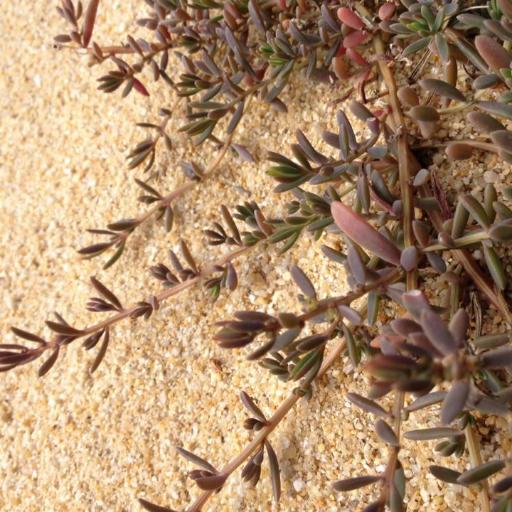
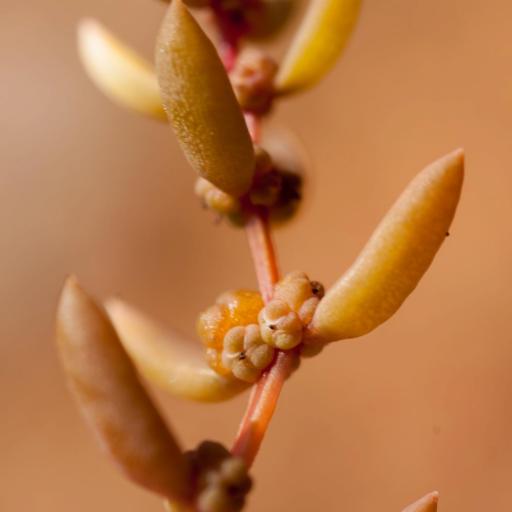
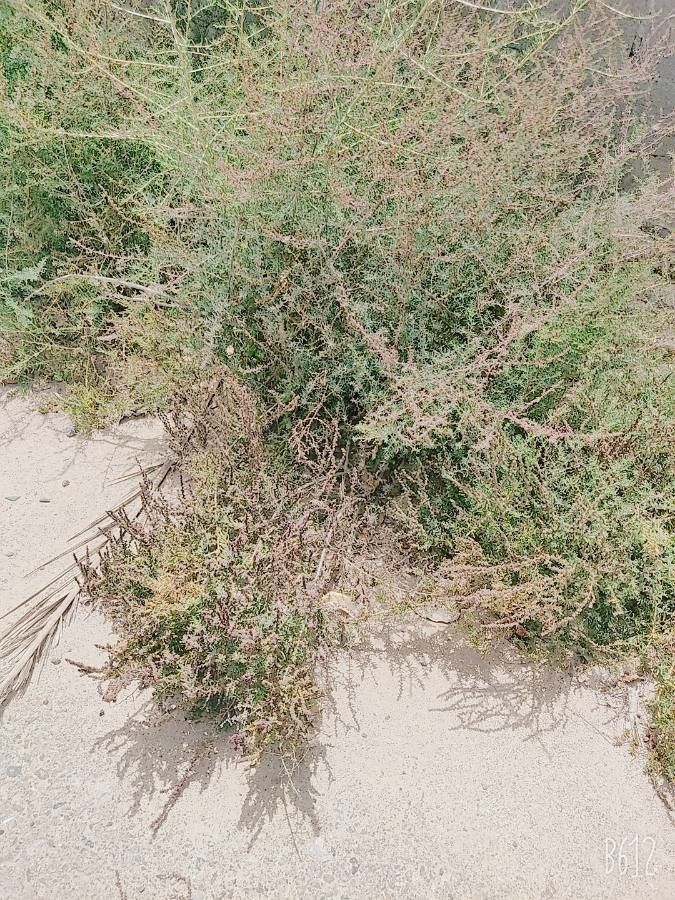
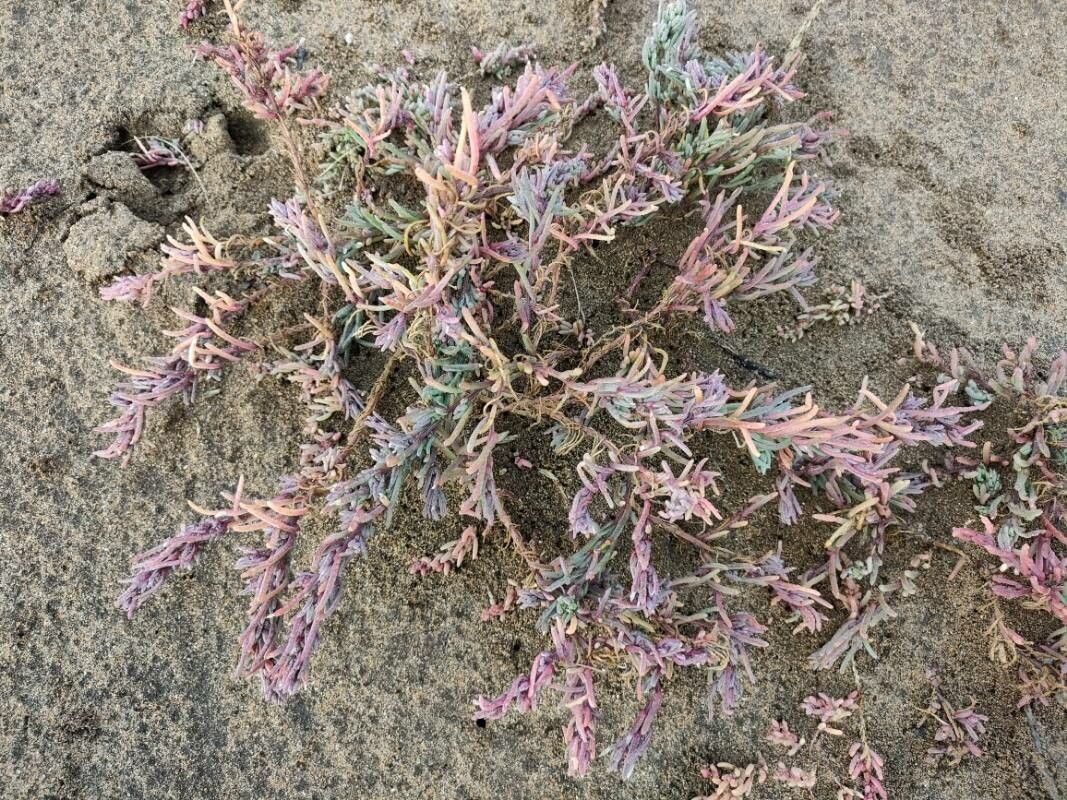
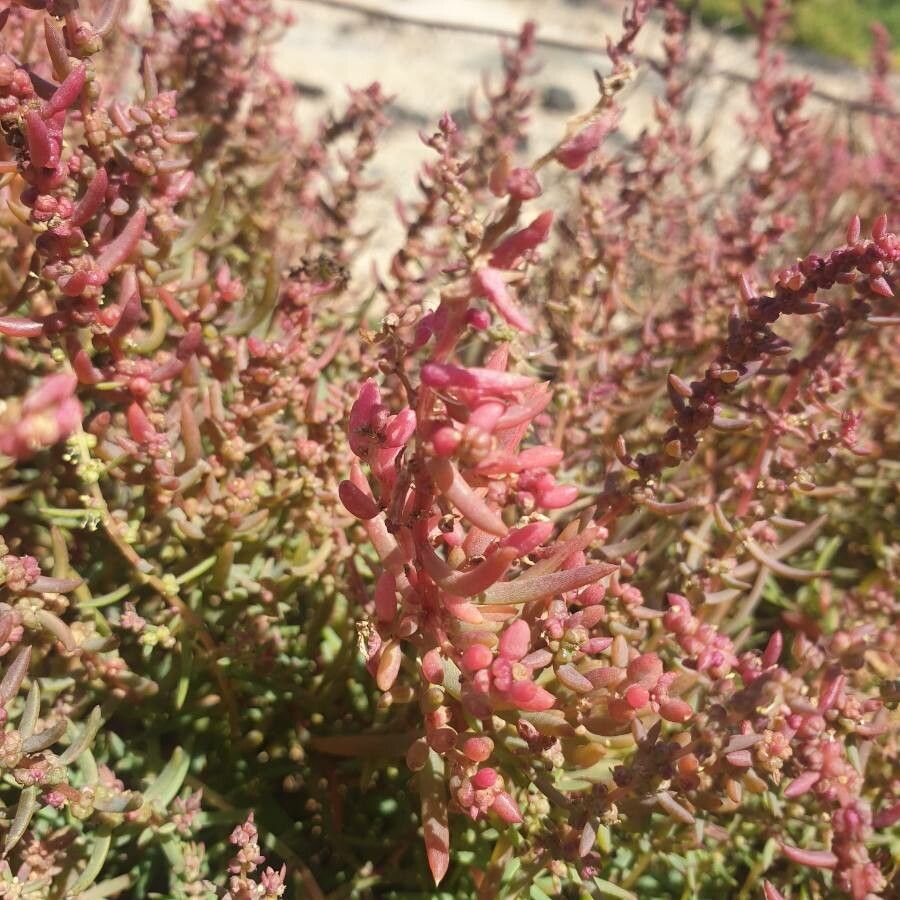
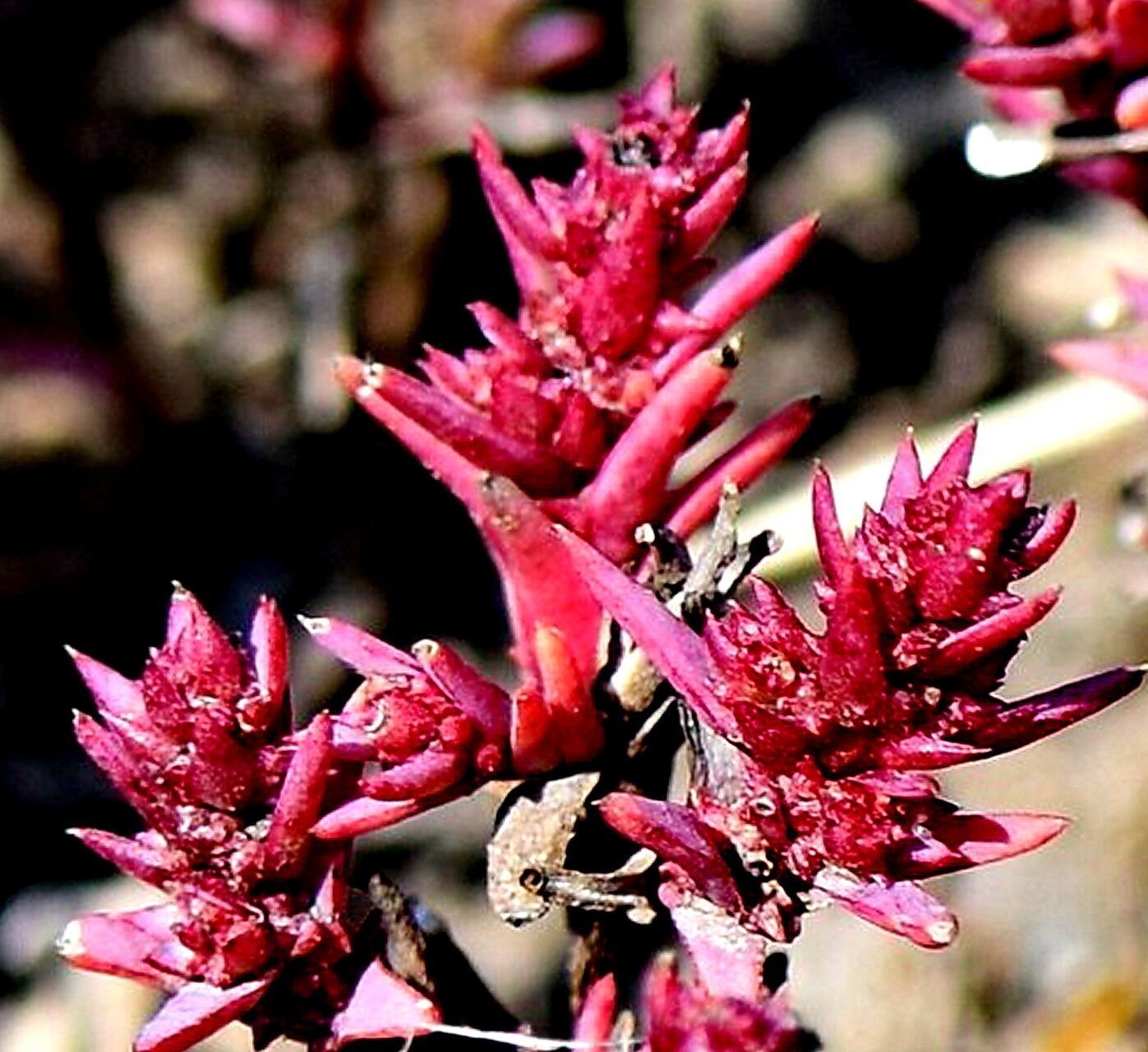
Sea blight has moderate disease resistance and is more sensitive to humidity and overwatering. It becomes more vulnerable to illness when it receives insufficient light and is overwatered. Regarding care, Sea blight is drought-tolerant and can endure long periods without watering. It needs little fertilizer and only occasional pruning. That makes it appropriate for people of all experience levels, particularly those who prefer to spend less time on plant care and who may sometimes be away from home for extended periods. It is a suitable option for anyone who does not want to dedicate much time to plant care but still wants an easy-to-maintain plant.
How to keep Suaeda Novae Zelandiae.
Temperature
Sea blight prefers warm conditions and needs relatively high temperatures during the growing season to support growth and metabolic activity. It does best with plenty of sunlight, suitable moisture, and adequate airflow. However, it is vulnerable to harm from very low temperatures and from excessive watering. Maintaining a balance is important; extremely high temperatures and overly dry conditions should also be avoided.
Fertilizer
For Sea blight, light fertilization one to two times a year during the growing season is enough. Do not fertilize in winter or summer when the plant is dormant. Use less fertilizer for repotted plants and wait a couple of months after repotting before you begin fertilizing. Fertilizing helps maintain healthy growth and promotes blooming.
Pruning
Sea blight is a salt-tolerant, low-growing shrub with fleshy leaves. To encourage new growth and maintain its shape, prune the plant in early spring. Be sure to use clean, sanitized tools to minimize the risk of disease. Regular pruning also prevents the shrub from becoming leggy, ensuring it remains healthy and compact.
Botanical profile.
- Plant Type
- Herb, Succulent
- Life Cycle
- Annual
- Genus
- Suaeda
- Family
- Amaranthaceae
- Hardiness Zone
- 4-8
- Native Area
- New Zealand