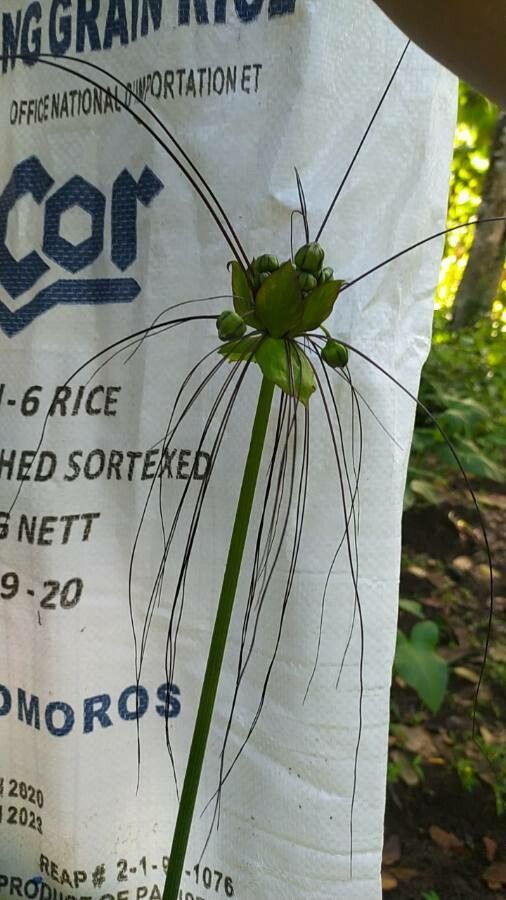
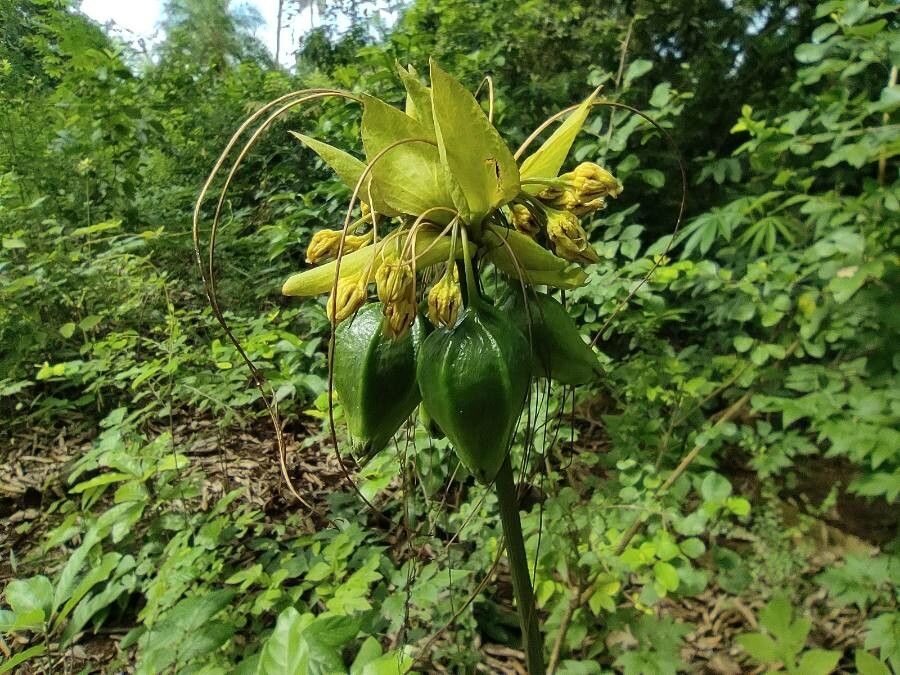
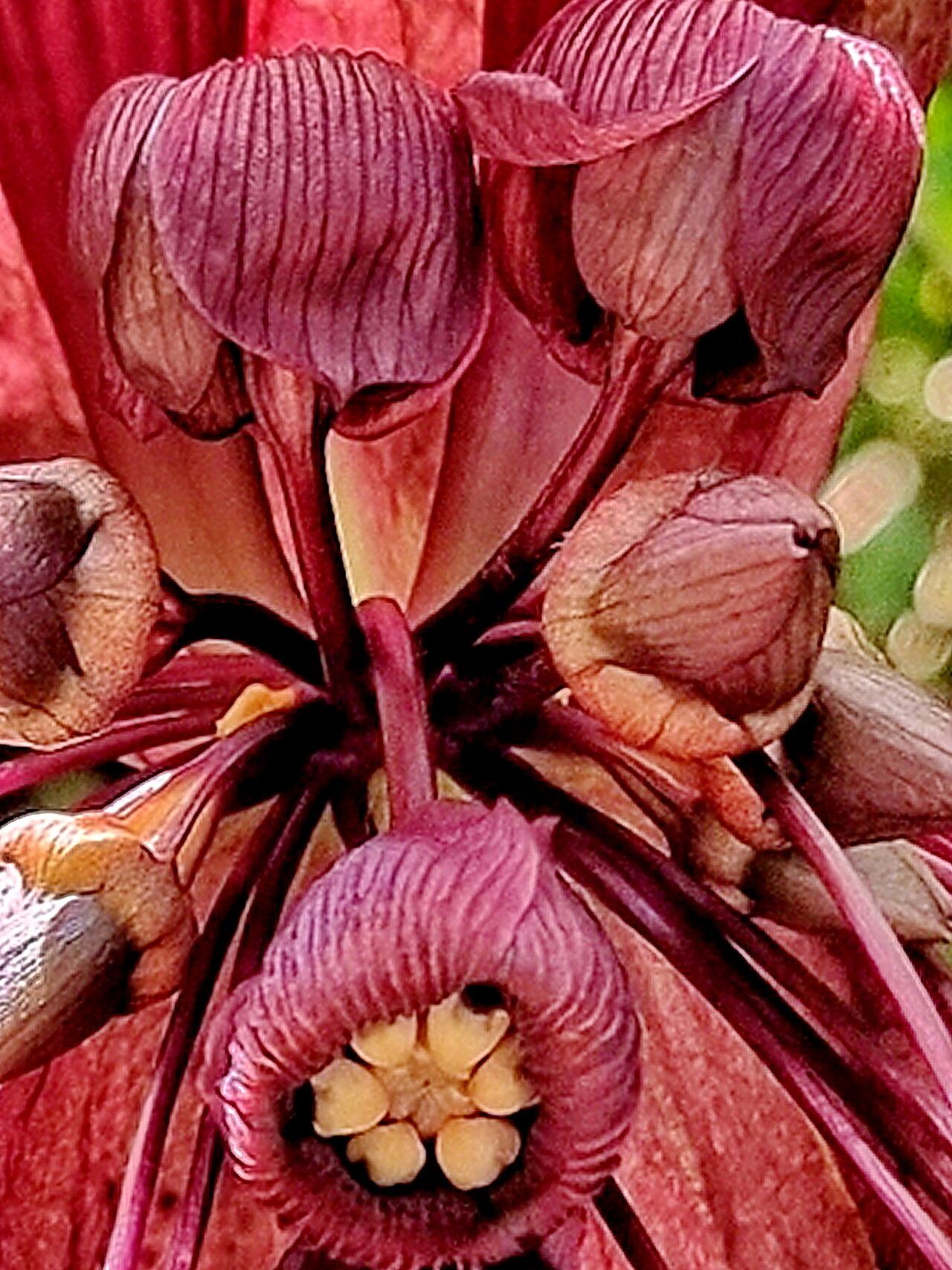
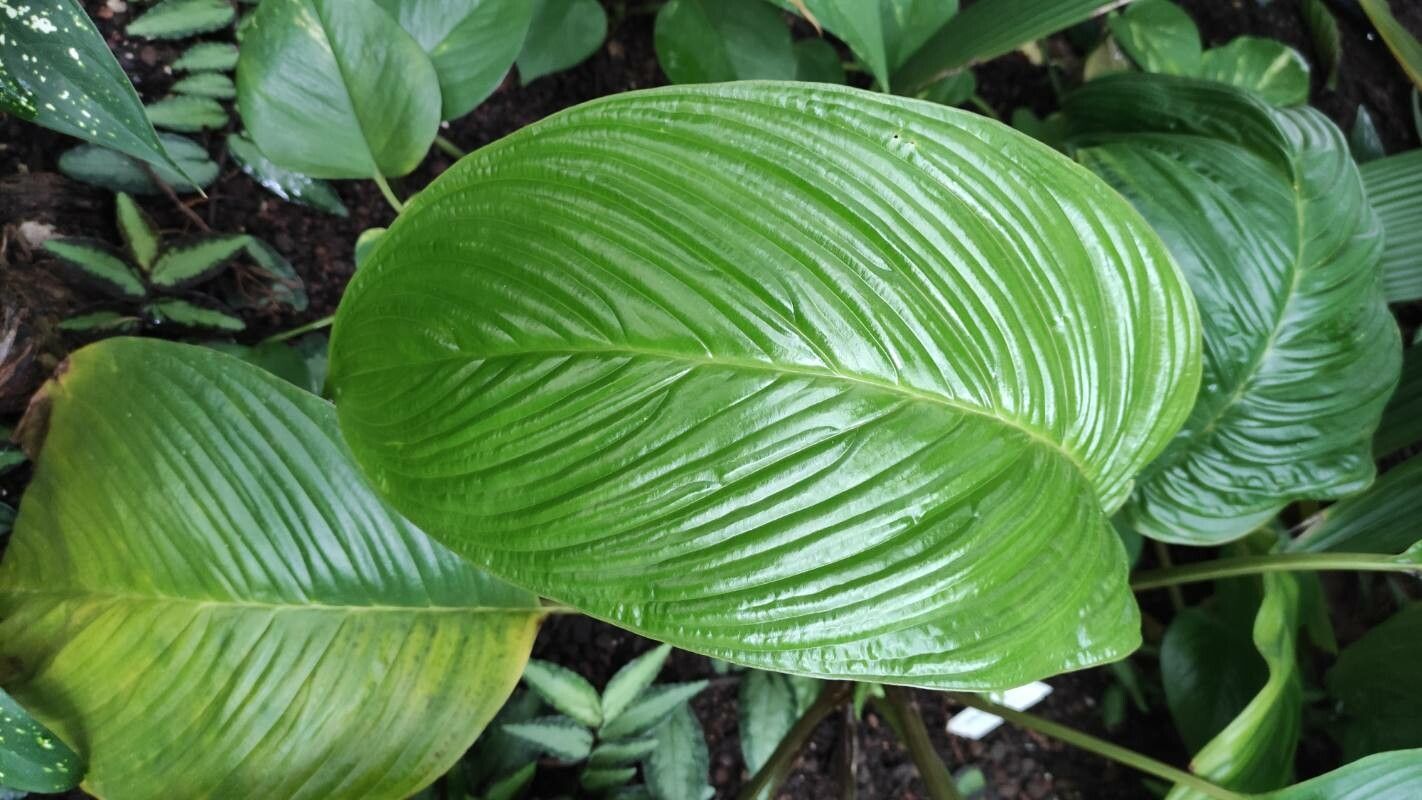
Tacca leontopetaloides, commonly known as the Polynesian arrowroot or beach pea, is a tropical plant species belonging to the family Dioscoreaceae. Native to Southeast Asia, it is found in countries like Indonesia, Malaysia, Thailand, and Papua New Guinea.
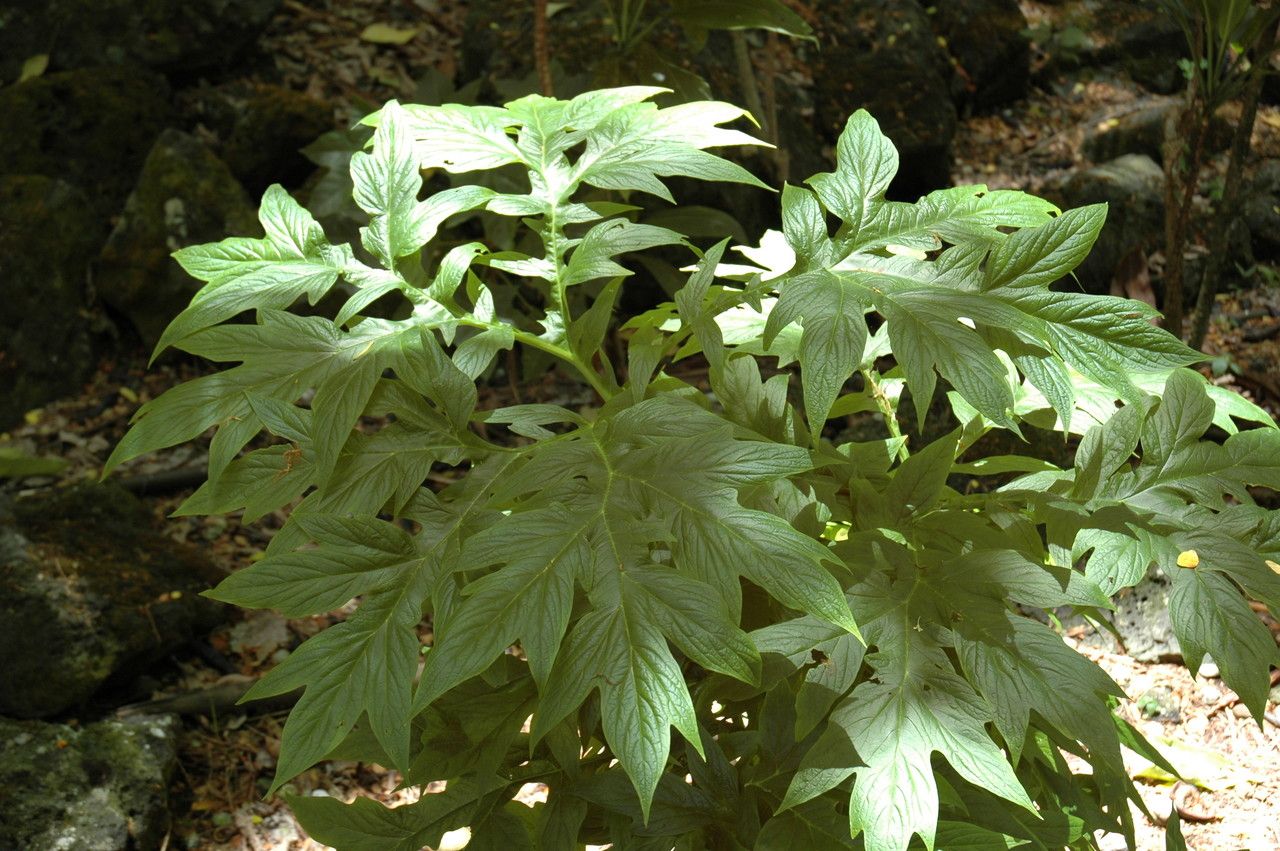
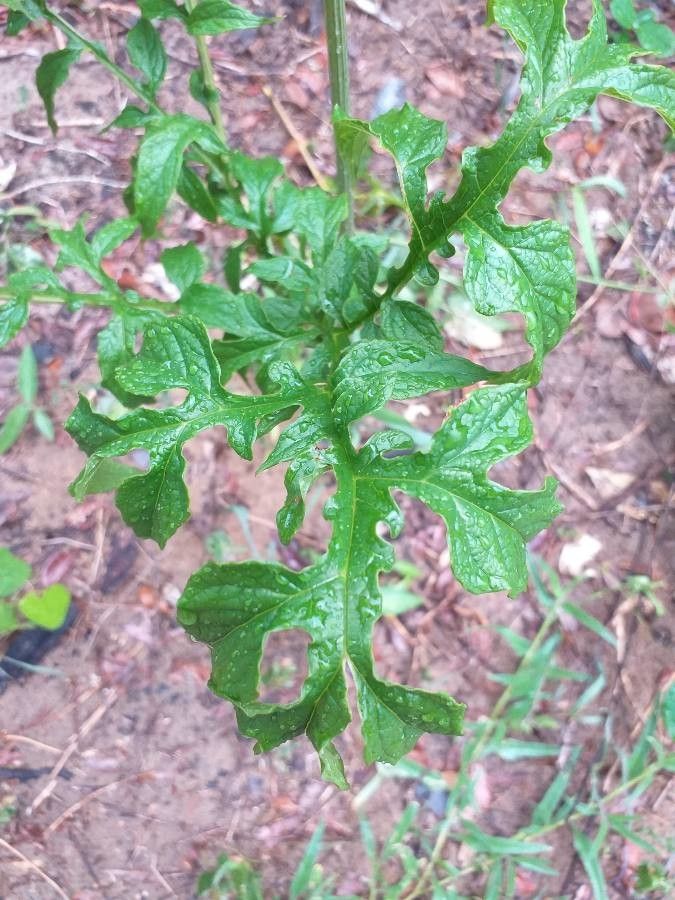
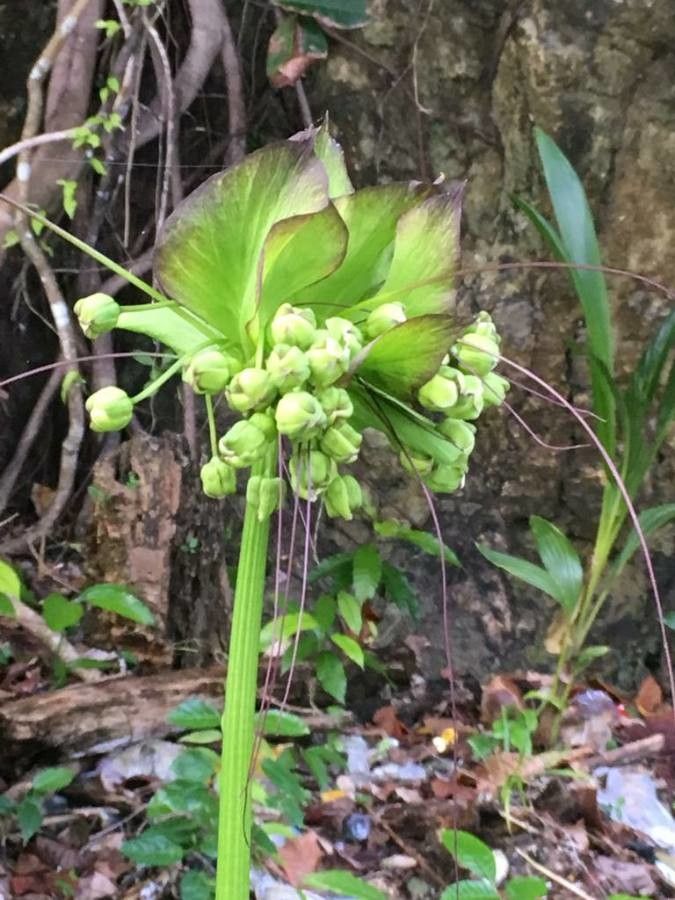
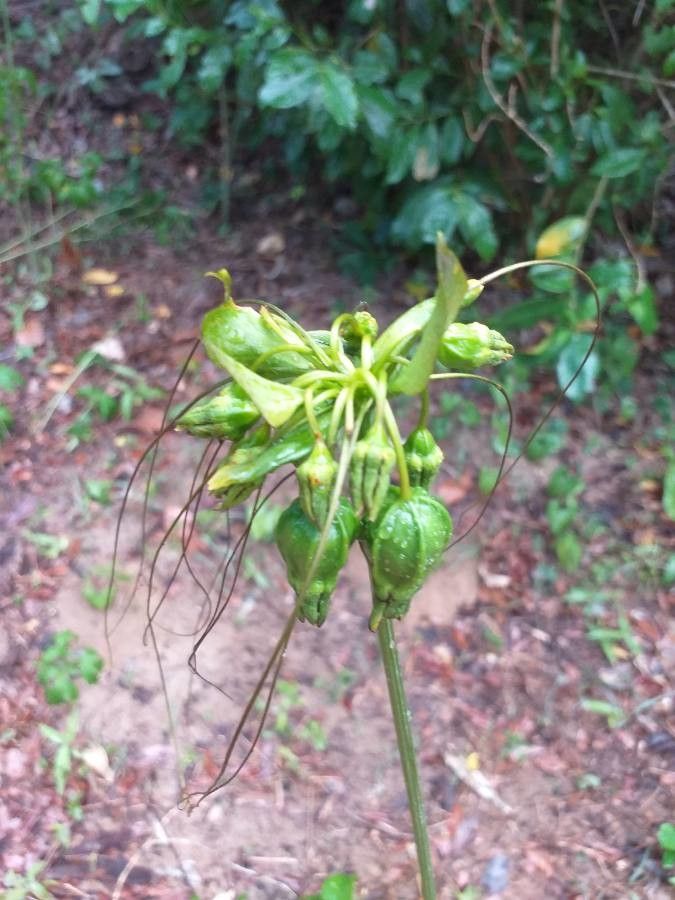
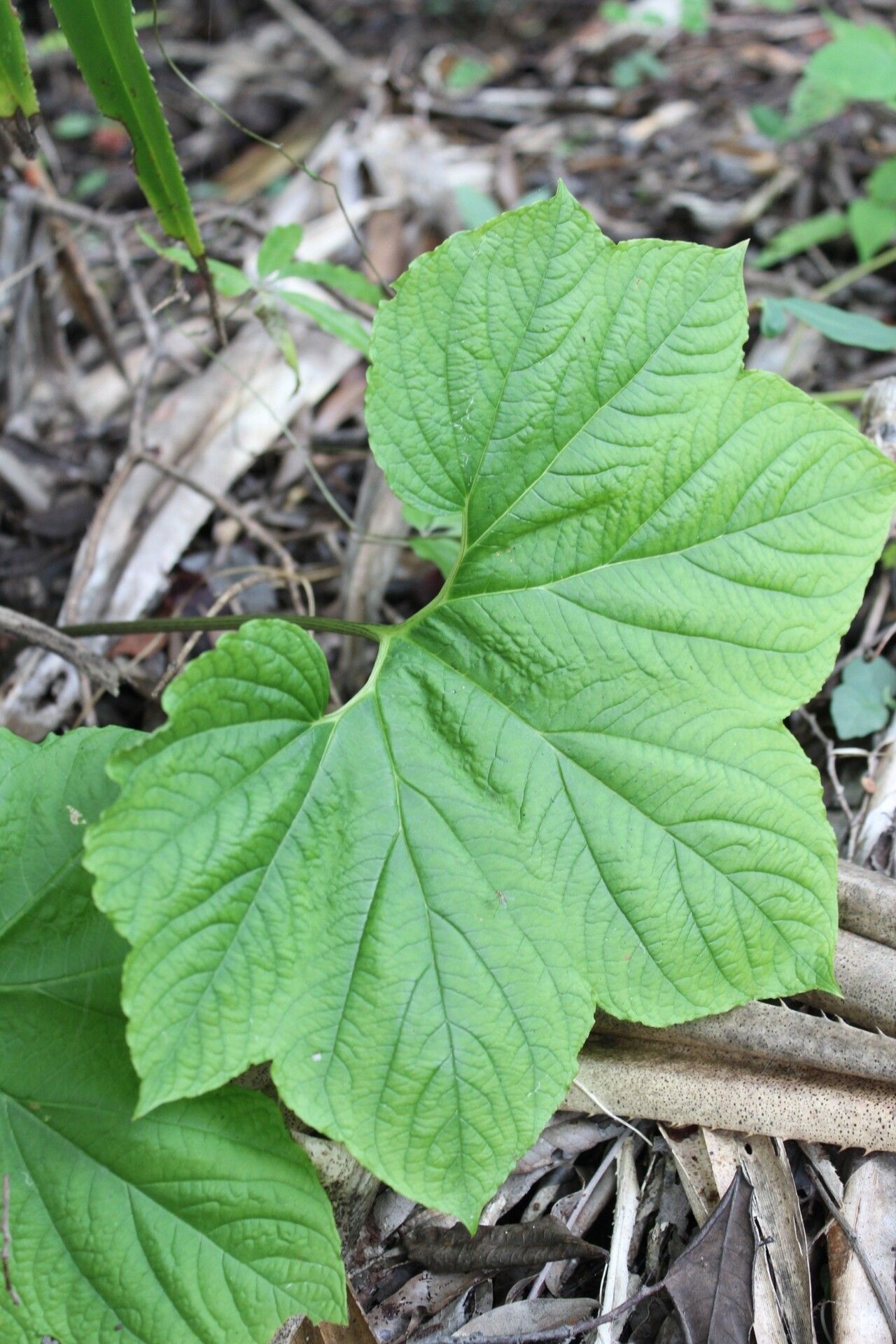
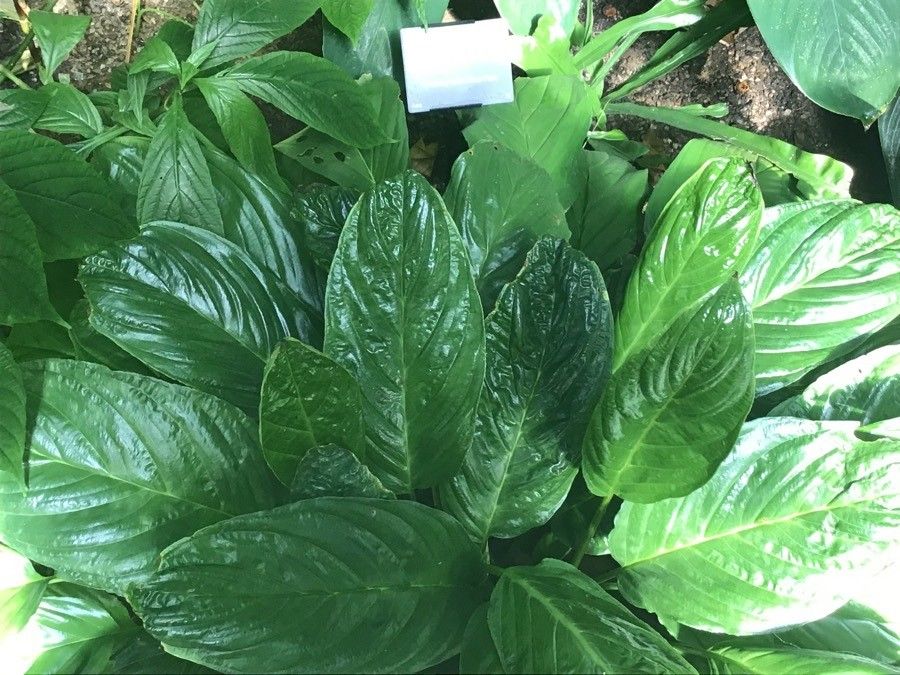
The plant is notable for its large leaves, which can reach up to 60 cm in length and 30 cm in width. Its distinctive flowers are sizable as well, growing up to 30 cm in diameter and displaying a striking dark purple color. Due to their impressive appearance, these flowers are often used for ornamental purposes.
Traditionally, Tacca leontopetaloides has been utilized for medicinal purposes by various cultures throughout Southeast Asia. The roots are believed to have anti-inflammatory properties, making them useful in treating conditions such as arthritis.
Additionally, Tacca leontopetaloides serves as a food source for some indigenous communities in Southeast Asia, where it is locally known as "tepung ubi." The roots are rich in starch, which can be extracted and processed into flour.
In summary, Tacca leontopetaloides is a fascinating tropical plant with unique characteristics that make it valuable both for its aesthetic appeal and its medicinal and culinary uses.
Fiji arrowroot has moderate resistance to disease but can be susceptible to problems like leaf spot. Its susceptibility to insect pests varies by variety, although most are relatively vulnerable to pests. Regarding care, Fiji arrowroot needs regular watering and fertilizing, plus frequent removal of yellow leaves. It is important to manage pests and diseases as they appear and to harvest the plant promptly. Fiji arrowroot is appropriate for people who can invest some time and effort in regular care.
How to keep Tacca Leontopetaloides.
Light
Fiji arrowroot requires ample natural light and can thrive with only moderate exposure. Native to brightly lit habitats, it stays healthy in similar conditions. Insufficient light can hinder growth, while too much light may cause stress.
Water
Fiji arrowroot is a tropical plant that thrives in high humidity. To stay healthy, it needs balanced watering each week. Being an evergreen, Fiji arrowroot retains its foliage all year round, which helps it absorb moisture from the air and adapt to humid environments.
Temperature
For Fiji arrowroot, moderate temperatures are best—about the same range most people find comfortable. It performs well in conditions that are neither too hot nor too cold. The primary problem with high temperatures is the risk of sunburn, so providing some shade in summer is advisable to prevent excessive heat. When temperatures fall, Fiji arrowroot goes dormant. If you want it to grow continuously, you need to keep winter temperatures higher. Frost can damage the plant and should be avoided.
Fertilizer
For Fiji arrowroot, choose natural organic materials like compost, grass clippings, or manure. Slow-release granular fertilizer or other commercial fertilizers may be used, but only sparingly. Incorporate the organic fertilizer into the soil before planting. Typically, one to two fertilizer applications during the growing season are enough for a bountiful harvest.
Pruning
To maintain your Fiji arrowroot, prune it from late winter to early spring. During this time, remove any dead leaves and lightly trim the plant to maintain its shape. Regular pruning helps prevent pests and improves air circulation. Make sure to use clean, sharp tools, and disinfect them between cuts to minimize the risk of disease. This practice encourages healthy growth and development.
Botanical profile.
- Plant Type
- Herb
- Life Cycle
- Perennial
- Genus
- Tacca
- Family
- Dioscoreaceae
- Hardiness Zone
- 8-12
- Mature Height
- 61 cm
- Mature Spread
- 91 cm
- Leaf Color
- Dark Green
- Leaf Type
- Evergreen
- Flower Color
- Purple
- Flower Size
- 5.08 cm to 10.16 cm
- Bloom Time
- Summer, Early fall
- Planting Time
- Spring, Summer, Autumn
- Harvest Time
- Late summer, Fall
- Native Area
- Sri Lanka, Burkina Faso, India, Malaysia, Angola, Madagascar, Nigeria, Kenya, Niger, Uganda, Tanzania, Zimbabwe, Mali, Guinea-Bissau, Benin, Sierra Leone, Indonesia, Cambodia, Equatorial Guinea, Cameroon, Mozambique, Burundi, Ghana, Ethiopia, Congo, Central African Republic, Malawi, Philippines, Zambia, Sudan, Bangladesh, Laos, Guinea, Chad, Vietnam, Myanmar, Togo, Senegal, Singapore, Côte d'Ivoire, Gambia, Congo (DRC), Thailand, Gabon
Other names.
Reader questions.
How should I water my Fiji arrowroot plant?
To properly water the Fiji arrowroot plant, it is recommended to use filtered water at room temperature. This is because tap water can contain harmful particles. Additionally, it is important to use water that is not too cold as the plant is accustomed to warmer environments. Avoid overhead watering as it can lead to problems with the foliage. Instead, water the plant by thoroughly soaking the soil with filtered room temperature water. This helps to moisten the roots and facilitate nutrient absorption.
What are the sunlight requirements for Fiji arrowroot?
Fiji arrowroot requires a significant amount of natural light to thrive and can do well even with moderate light exposure. It originates from habitats with abundant light, making it crucial for its growth to mimic these conditions as closely as possible. The plant should receive full sun, which is above 6 hours of sunlight daily, but it can also manage with partial sun, defined as about 3-6 hours of sunlight. It's important to observe how sunlight moves through your garden to pick spots that offer the right balance of light and shade, ensuring the plant's happiness and growth.
What is Fiji arrowroot?
Fiji arrowroot, scientifically known as Tacca leontopetaloides, is a plant species. Unfortunately, there were no specific details provided about its essentials, content, or symptoms associated with it.
What should I do if I give too much or too little water to my Fiji arrowroot?
Overwatering is a more common problem than underwatering for Fiji arrowroot plants. When Fiji arrowroot is overwatered, the stems and leaves may wilt and turn yellow. Overwatering for a long time can also lead to diseases such as root rot, mold, and mildew, which can kill the plant. On the other hand, underwatering is less common for Fiji arrowroot because it can tolerate drought well. However, underwatering is still possible, and in this case, the leaves of the plant will become brittle and brown. It is important to quickly recognize the signs of overwatering when taking care of Fiji arrowroot. Some diseases caused by overwatering, like root rot, may not be fixable if you wait too long. If you notice early signs of overwatering, reduce your watering immediately. It is also a good idea to check the soil quality where the plant is growing. If the soil doesn't drain well, replace it with loose, well-draining potting mix. On the other hand, if you see signs of underwatering, simply increase your watering frequency until the signs go away.
How does artificial lighting affect Fiji arrowroot indoor growth?
When natural sunlight is inadequate, especially during winter or in less sunny spaces, artificial lighting can be a lifesaving solution for Fiji arrowroot and other indoor plants. Adequate lighting is critical for optimal growth. LED lights are recommended for their ability to provide specific wavelengths needed by plants. Full sun plants require 30-50W/sq ft, partial sun plants need 20-30W/sq ft, and full shade plants might do well with 10-20W/sq ft of artificial light. The light source should be placed 12-36 inches above the plant to mimic natural sunlight as closely as possible. Most plants will benefit from 8-12 hours of light per day, simulating natural daylight hours.
How often do I need to water my Fiji arrowroot?
If your Fiji arrowroot plant is in a pot, you can check if it needs water by sticking your finger into the soil. If the top two to three inches of soil are dry, it's time to water it. The same goes for Fiji arrowroot plants grown outdoors in the ground - if the top few inches of soil are dry, it's time to water. In the spring and early fall, you'll likely need to water once a week using this method. However, during extremely hot weather, you may need to water twice or more per week. It's important to note that mature and well-established Fiji arrowroot plants can tolerate drought well.
What are the signs of inadequate lighting for Fiji arrowroot?
Inadequate lighting can lead to several issues for Fiji arrowroot, affecting its health and growth. Symptoms of light deficiency include developing smaller new leaves, leggy or sparse growth, faster leaf drop, slowed or halted growth, lighter-colored new leaves, chlorosis, sunscald, leaf curling, wilting, and leaf scorching. These issues range from reduced growth due to poor energy absorption to physical damage from excessive light exposure. Managing light exposure properly can mitigate these symptoms, ensuring the plant remains healthy and vigorous.
How much water do I need to give to my Fiji arrowroot plant?
To effectively water your Fiji arrowroot, ensure that the first two to three inches of soil are dry. Give the plant a thorough watering, making sure to soak the soil completely. The amount of water you provide should be enough to make excess water flow out of the drainage holes at the bottom of the pot. If there is no excess water draining, you may have not watered the plant enough. However, be cautious not to let water accumulate in the soil as this can harm the plant. On the other hand, if water does not drain through the pot, it may indicate poorly draining soils, which can be harmful to the plant's health and should be avoided. If the plant is outdoors, receiving approximately 1 inch of rain per week would be adequate.
How can I address Fiji arrowroot's lighting issues both indoors and outdoors?
To address lighting issues for Fiji arrowroot, ensuring the plant receives at least 6 hours of direct sunlight daily is crucial. Gradually moving the plant to sunnier spots can help, as can keeping them near south-facing windows. For indoor plants that are large or difficult to move, consider using artificial light, keeping a lamp on for at least 8 hours a day, or investing in professional grow lights. Outdoors, gradually adapt plants to brighter conditions to prevent sunburn. If obstructions block sunlight, trim branches or relocate the plants to sunnier spots. However, note that parts of the plant damaged by insufficient light might not recover, but new growth should be healthy with improved lighting conditions.
How do I water my Fiji arrowroot when it's at different stages of growth?
The water needs of the Fiji arrowroot can vary depending on its growth stages. In the early years or after being transplanted, it will require more water to support root development. Roots in these stages need extra moisture for optimal growth. As the plant matures, it will need less water. Additionally, during the bloom period, the Fiji arrowroot will require more water due to the demands of flower development.
How do I water my Fiji arrowroot plant all year round?
The water needs of the Fiji arrowroot plant will vary throughout the year. During the hottest months of summer, the plant will require more frequent watering, possibly even more than once per week, depending on the speed at which the soil dries. On the other hand, during the winter, the plant will go into a dormant phase and will need significantly less water. In fact, watering may not be necessary at all during the winter months. However, if you do decide to water the plant during this time, it should only be done about once per month to avoid the risk of disease.
What's the difference between watering my Fiji arrowroot plant inside and outside?
For gardeners who live outside of temperate and tropical regions, it is common to grow Fiji arrowroot indoors. It's important to be aware that soil in a container can dry out faster than ground soil. Additionally, if you have drying elements like air conditioning units, your Fiji arrowroot may require more frequent watering compared to if it was planted outside. In that case, you may not need to water it much at all, as regular rainfall could be sufficient to keep it alive. However, if you grow this plant indoors, you will need to water it more often since relying on rainwater to soak the soil is not an option.