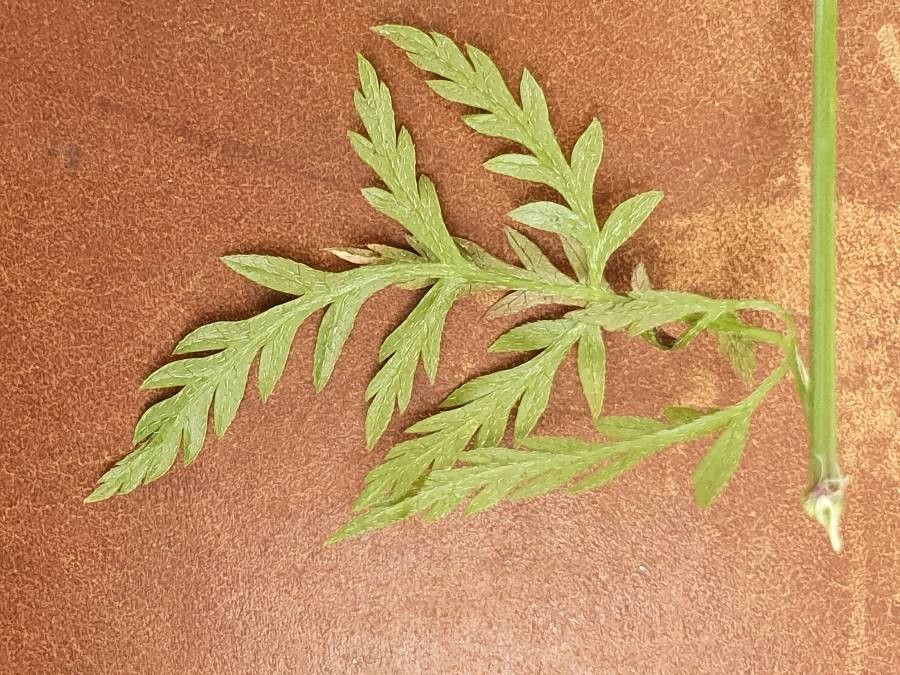
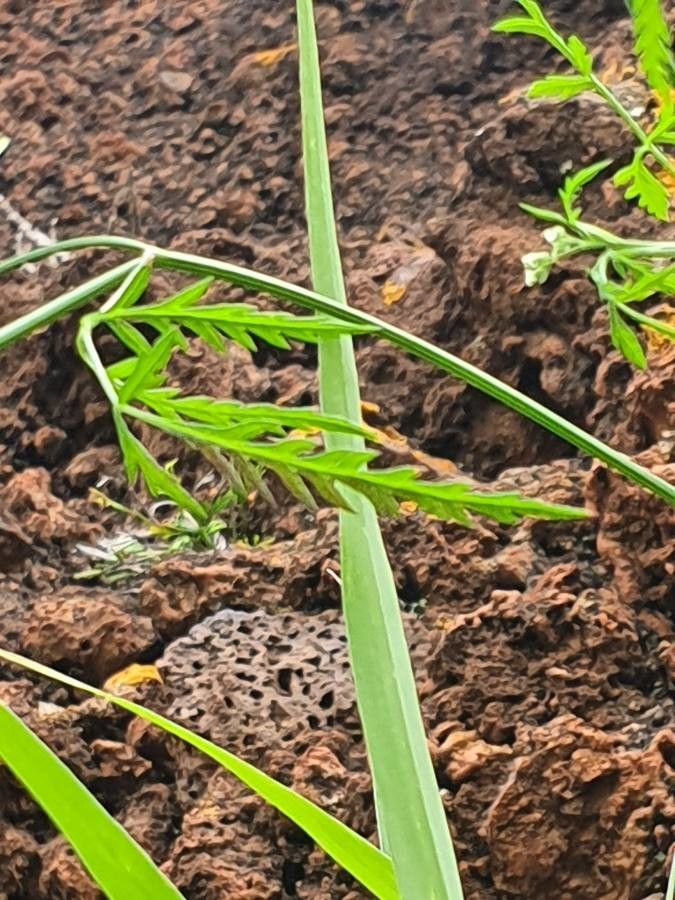
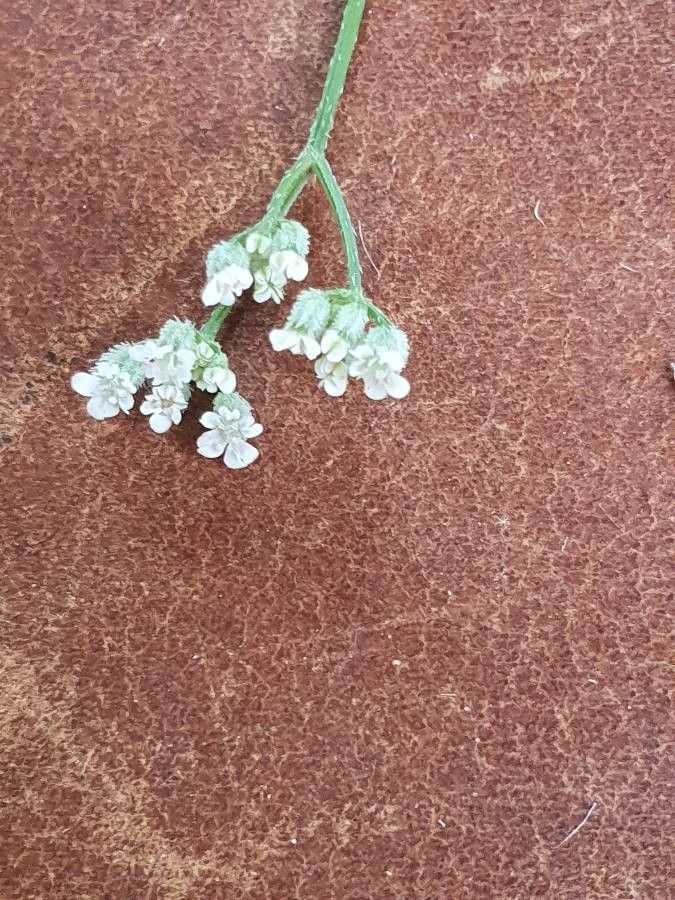
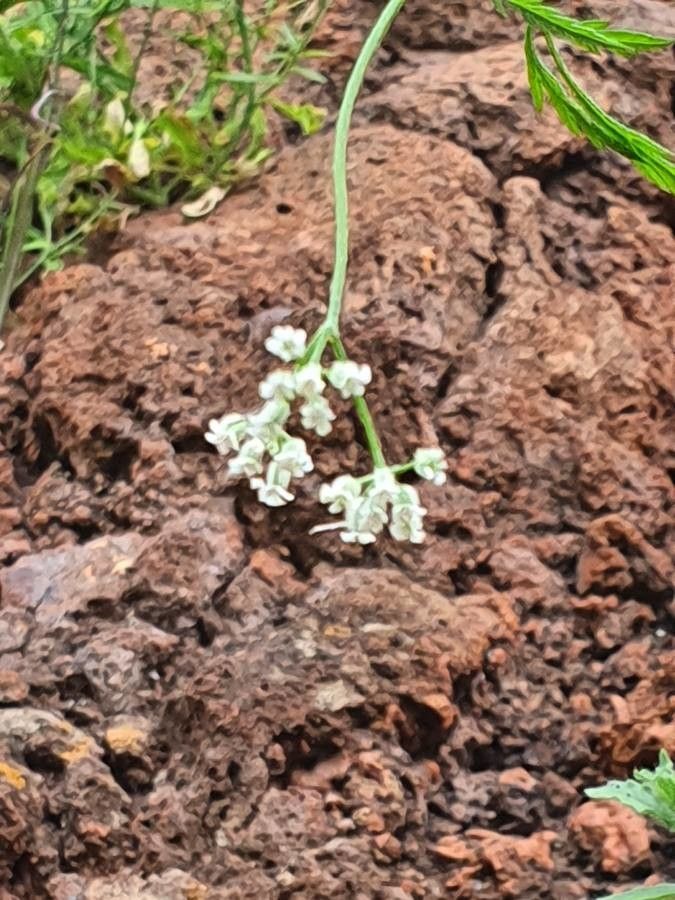
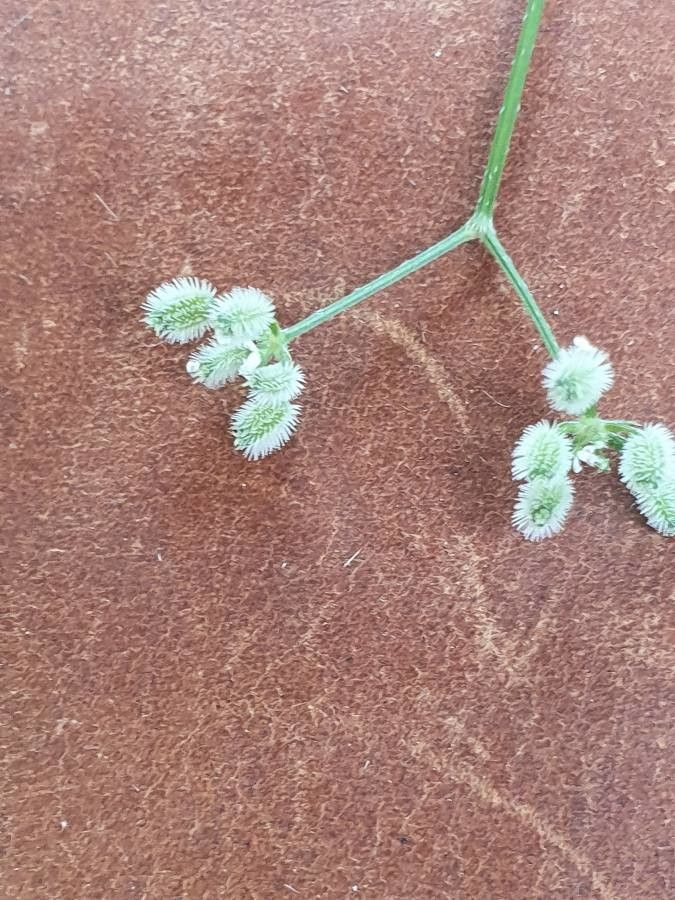
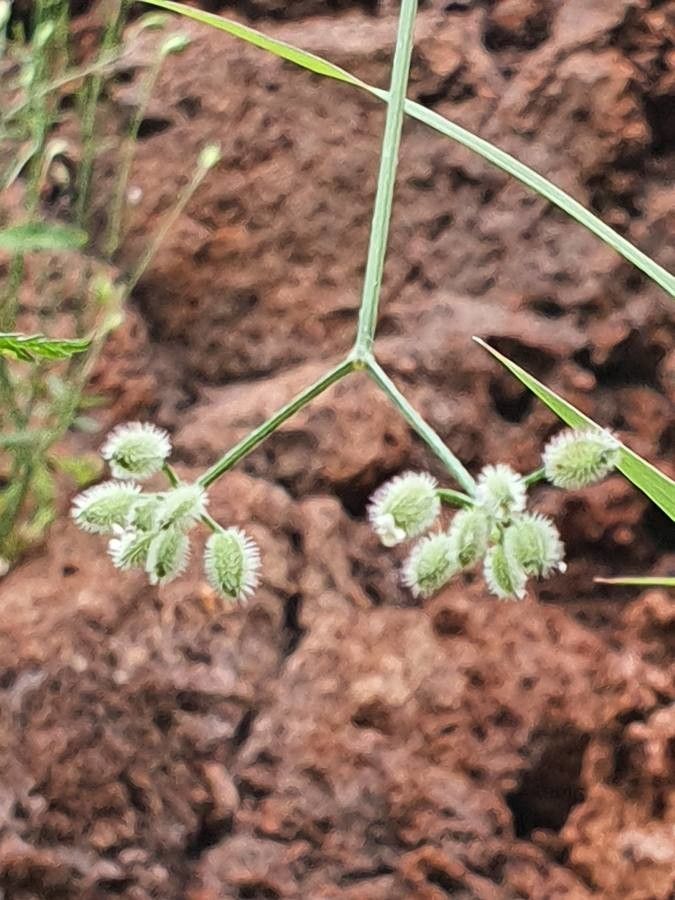
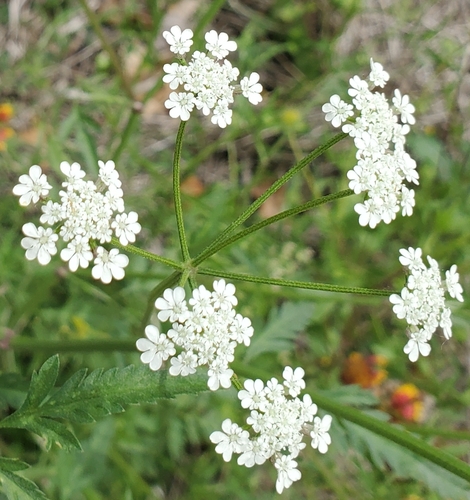
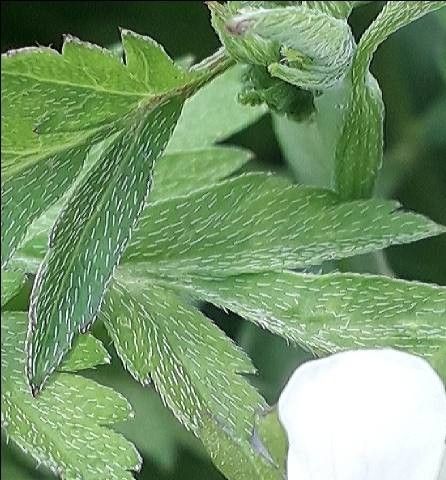
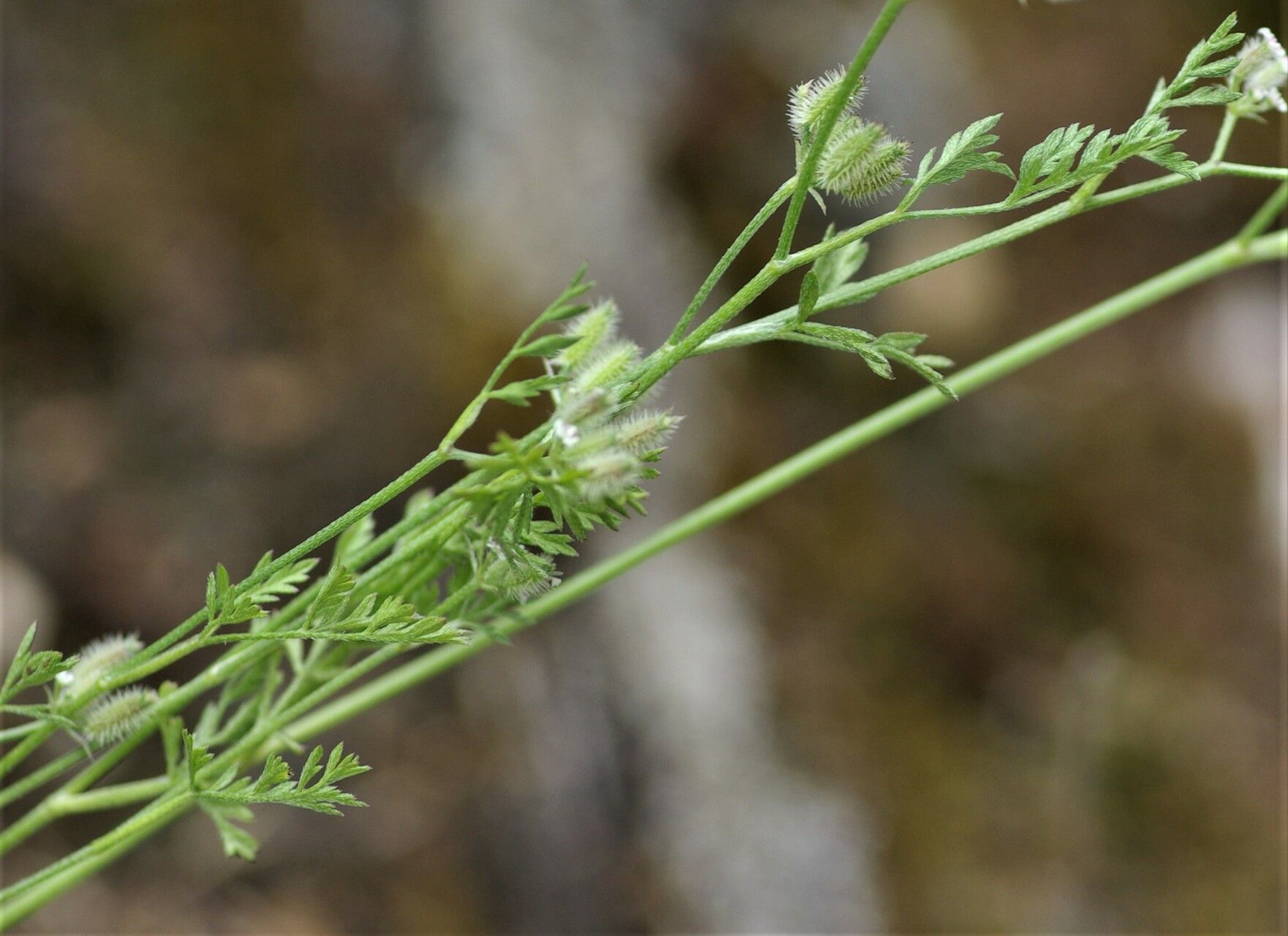
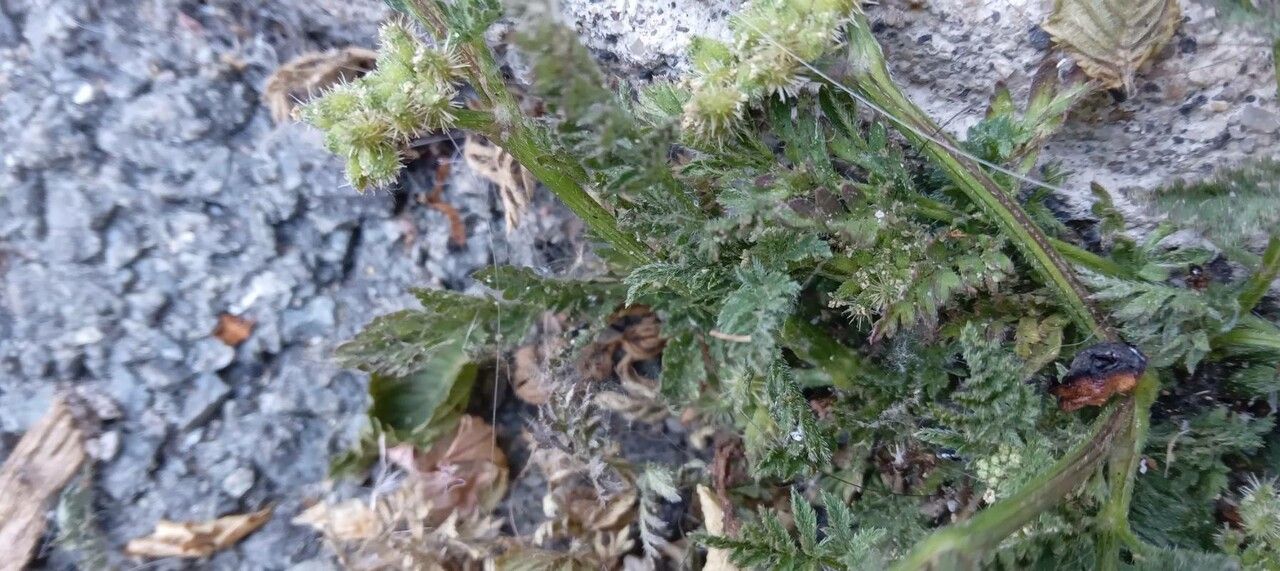
Purple hedge parsley is fairly disease-resistant and typically not prone to illnesses. However, it can be affected by pests and diseases present in its surroundings. These problems are usually mild. In terms of care, the plant needs moderate maintenance. Regular pruning is necessary to maintain a neat appearance and support healthy growth. Fertilizing can also help encourage flowering. Purple hedge parsley is suitable for anyone with outdoor space, such as a garden or patio, and does not require extensive care experience. It may need more attention when grown indoors.
How to keep Torilis Africana.
Light
Purple hedge parsley is native to areas with dappled light, like forest understories or rocky locations that offer natural shade. It grows best in partial sun but can also acclimate to full sun conditions.
Water
Purple hedge parsley is native to regions with intermittent rainfall and thrives in relatively moist conditions while showing a moderate tolerance to drought. It prefers soil that dries out slightly between waterings, ideally requiring watering twice a week. Its growth cycles are influenced by the seasonal availability of water, necessitating adaptive watering practices when grown outdoors.
Temperature
Purple hedge parsley can tolerate a wide span of temperatures, though its range may still be restricted by different mixes of moisture and heat. It does best in warm summer climates with sufficient rainfall or watering. Long periods of cloudy, rainy weather or extended high temperatures can raise the chance of Purple hedge parsley dying. In winter, adequate protection from cold can increase the plant's survival rate.
Fertilizer
Purple hedge parsley benefits from regular, light applications of fertilizer to encourage healthy leaf development. Fertilize Purple hedge parsley roughly once a month during the summer. Nitrogen is important for foliage, so providing nitrogen-rich sources helps Purple hedge parsley thrive.
Pruning
Purple hedge parsley features lacy foliage and vibrant purple flowers. To maintain its health and appearance, it requires pruning from early to late spring. Begin by cutting away dead branches and thinning out dense areas to improve air circulation. Light trims can enhance flowering. For optimal growth and aesthetics, prune back to healthy buds or lateral stems, following recommendations from reliable sources.
Botanical profile.
- Plant Type
- Herb
- Life Cycle
- Annual
- Genus
- Torilis
- Family
- Apiaceae
- Hardiness Zone
- 8-11
- Mature Height
- 30 cm to 76 cm
- Mature Spread
- 20 cm to 40 cm
- Leaf Color
- Green
- Leaf Type
- Deciduous
- Flower Color
- White
- Flower Size
- 0.20 cm to 0.25 cm
- Bloom Time
- Mid spring, Late spring, Early summer
- Planting Time
- Spring, Summer, Autumn
- Harvest Time
- Summer
- Native Area
- Libya, Turkey, Tunisia, Montenegro, Cyprus, Bulgaria, Armenia, Greece, Croatia, Slovenia, Morocco, Serbia, Afghanistan, Iraq, Syria, Italy, Spain, France, Iran, Albania, Azerbaijan, Algeria, Romania, Portugal
Other names.