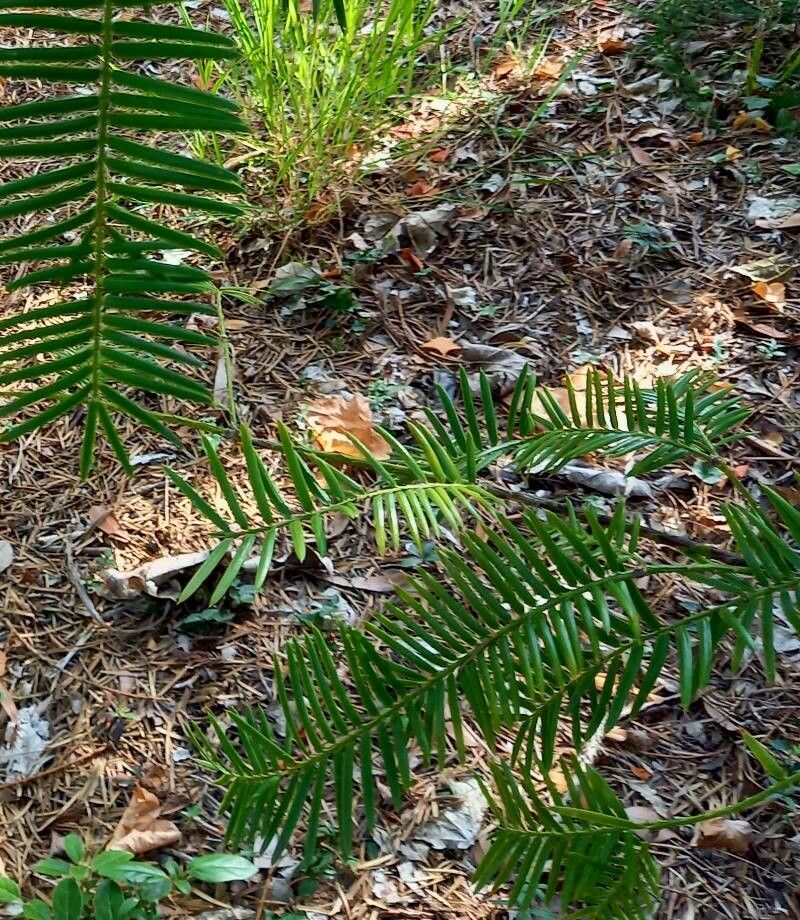
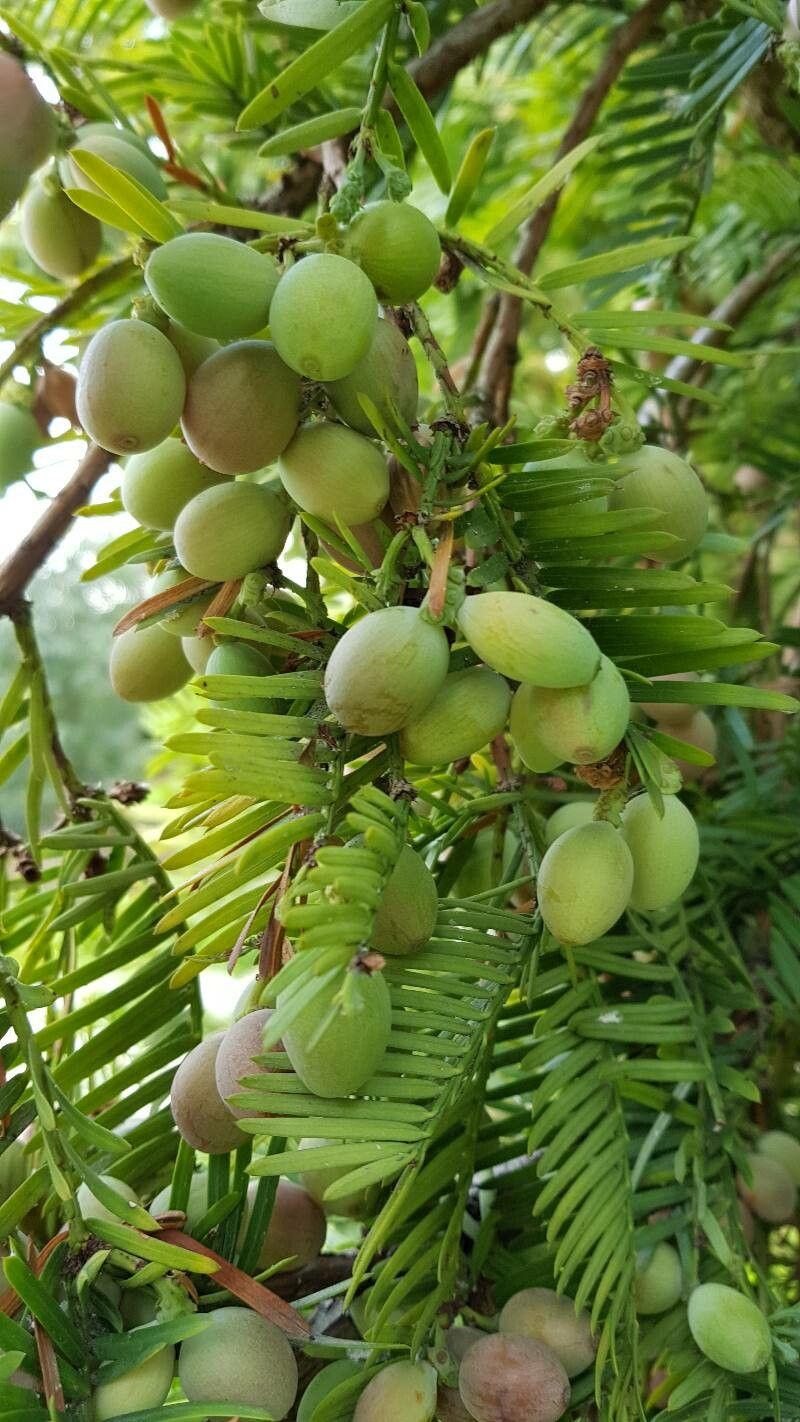
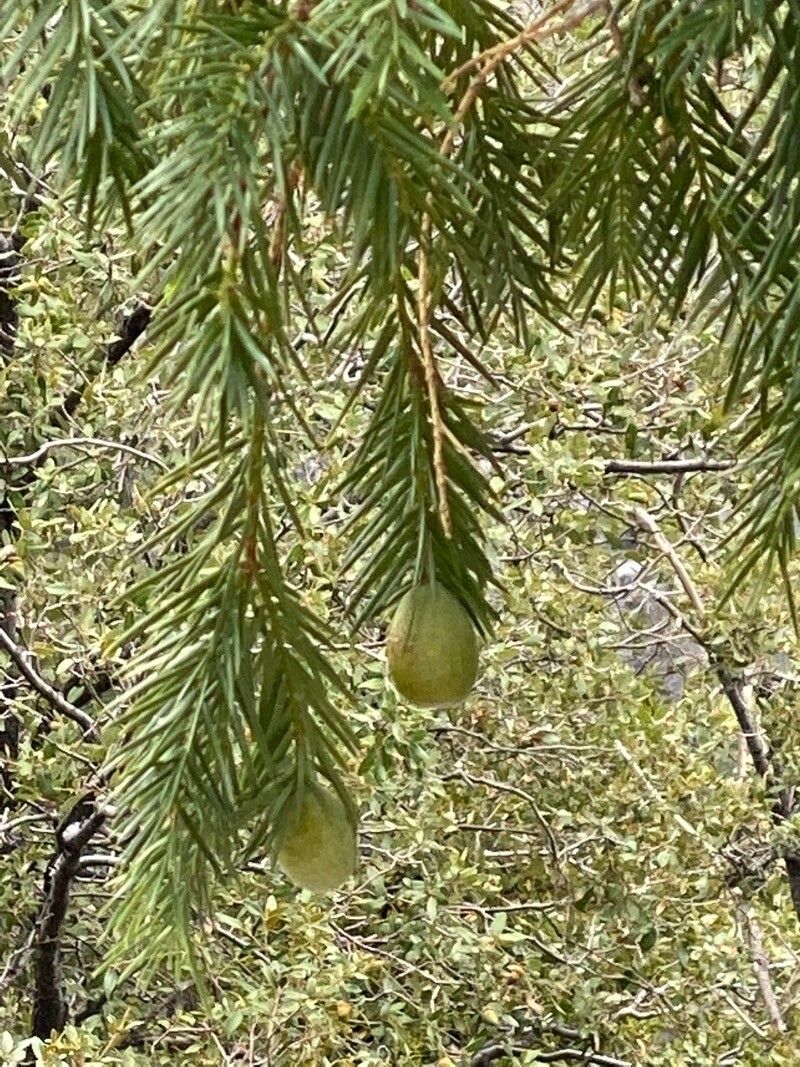
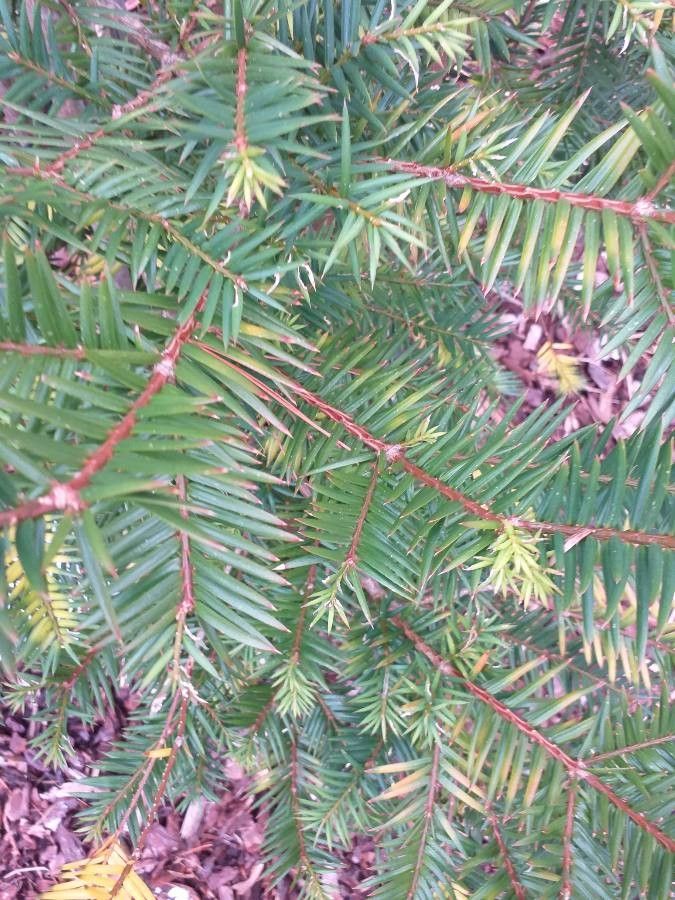
Torreya californica, commonly known as the California nutmeg or simply Torreya, is a slow-growing evergreen tree native to the coastal regions of California and Oregon in the United States. Belonging to the family Taxaceae, the tree can reach up to 50 feet in height with a trunk diameter of up to 2 feet.
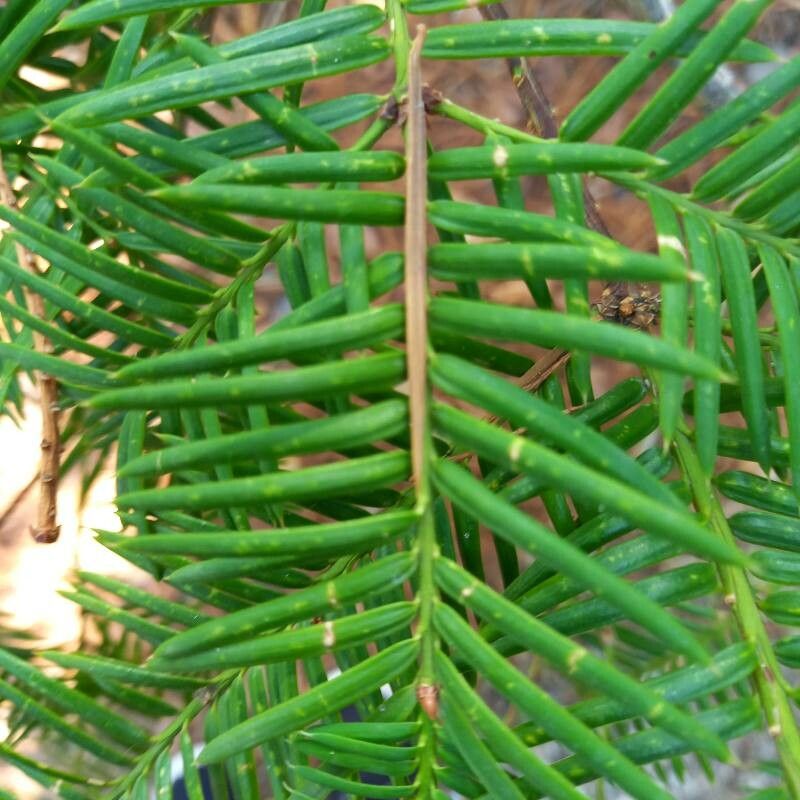
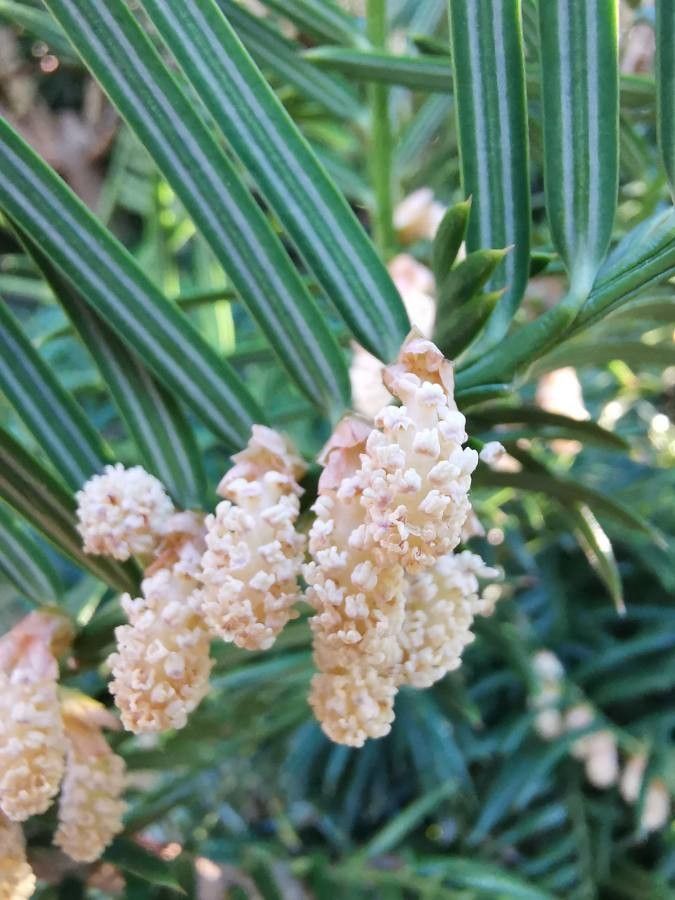
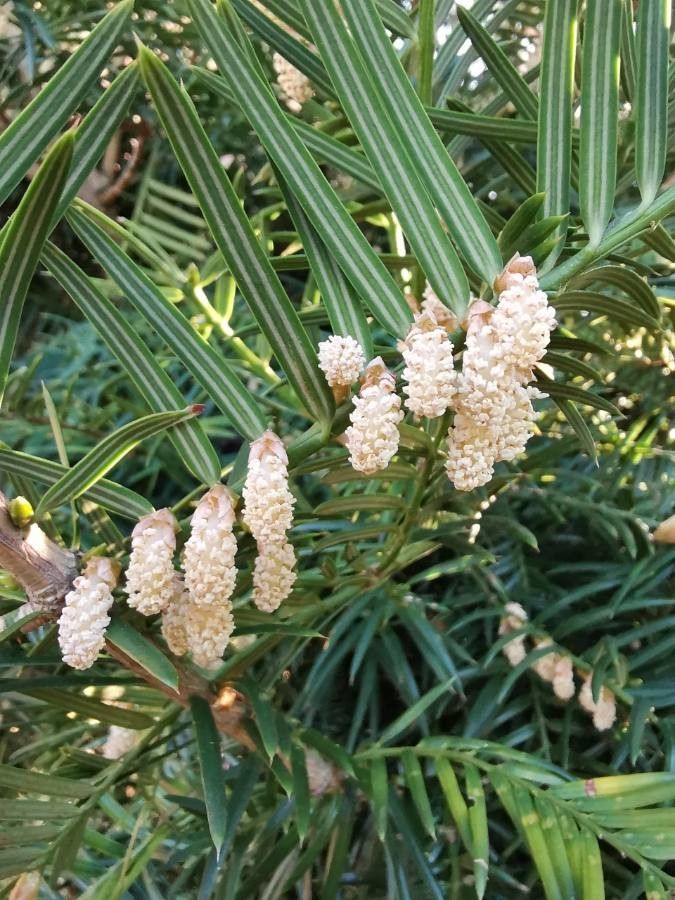
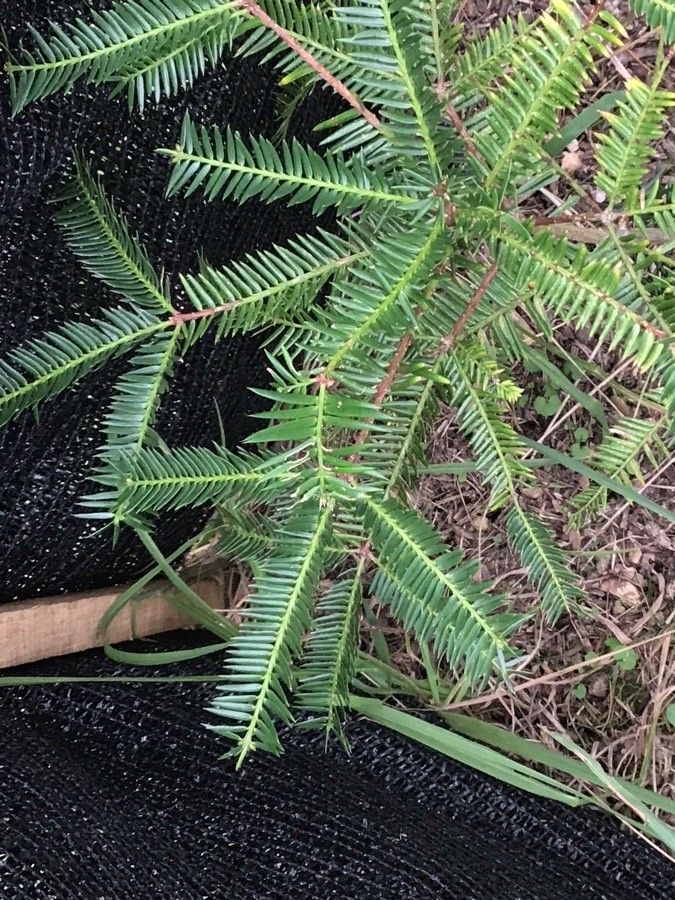
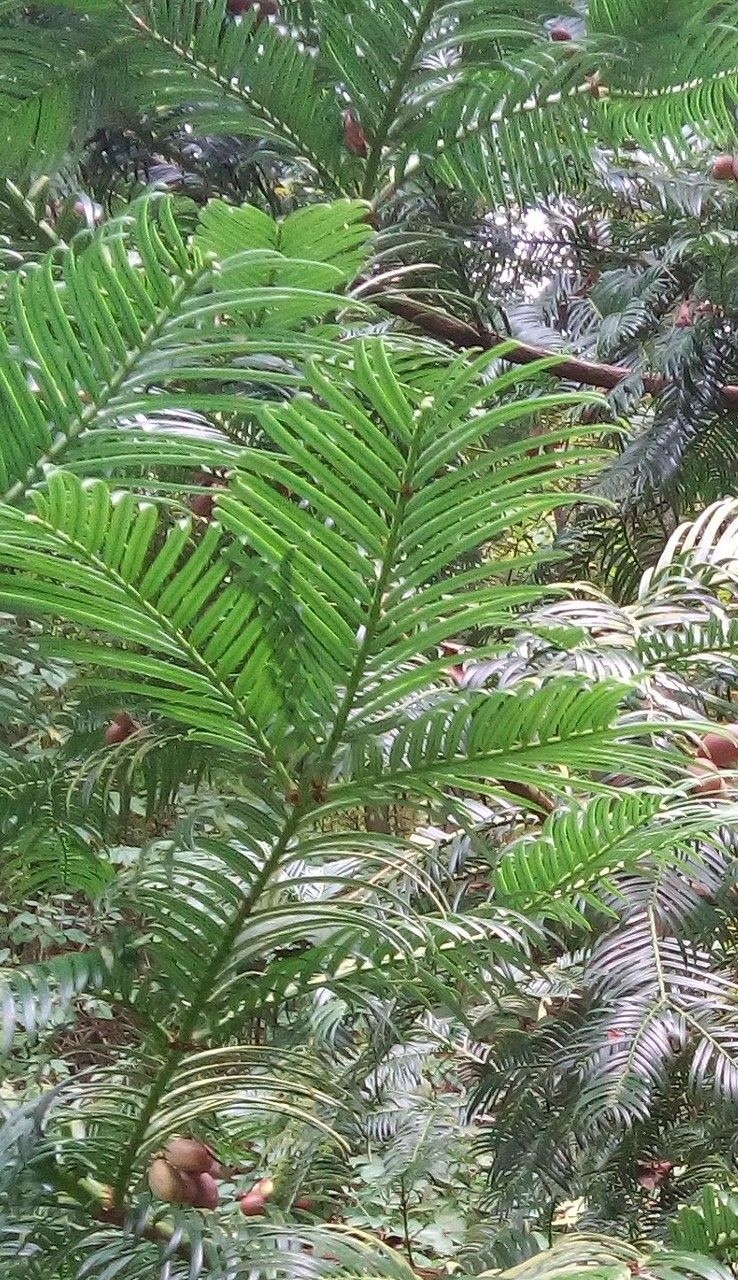
The leaves of Torreya californica are needle-like and arranged in spirals around the stem. They are dark green on top, with two white stripes on their undersides, giving them a distinctive appearance. The tree produces small male and female cones that start green but turn brown as they mature.
The wood of Torreya californica is highly valued for its durability, strength, and resistance to decay. It has been used for making furniture, tool handles, fence posts, and other outdoor structures.
Unfortunately, Torreya californica has been listed as an endangered species due to habitat loss caused by urbanization and agricultural activities in its native range. Various organizations have initiated conservation efforts, including planting programs aimed at restoring populations of this rare species.
Overall, Torreya californica is an important plant species both ecologically and economically. Ecologically, it provides habitat for wildlife such as birds and squirrels. Economically, its valuable wood is sought after. Culturally, it holds significance among indigenous communities who have traditionally used it for medicinal purposes and spiritual ceremonies.
California nutmeg is resistant to diseases and is generally not susceptible to them. Care-wise, this plant is fairly low-maintenance. Planted outdoors, it needs little watering, and larger or mature plants typically do not require pruning. Smaller plants, however, should be pruned after they have finished blooming. California nutmeg is appropriate for anyone with an outdoor area, such as a garden or deck, and does not demand extensive care experience.
How to keep Torreya Californica.
Light
To grow well, California nutmeg does best in places that provide plenty of sunlight each day, although it tolerates moderate sun exposure. Its native habitat reflects those conditions. Both too much and too little sun can harm its health and cause growth problems.
Water
California nutmeg thrives in moist, shaded environments and requires regular watering every two weeks to stay healthy. Once it is well-established, it can tolerate moderate drought conditions, but it prefers soil that is consistently moist without being waterlogged. This plant is ideal for temperate gardens as it benefits from natural rainfall patterns.
Temperature
California nutmeg, native to temperate regions, does best in temperatures of 59 to 95 °F (15 to 35 ℃). It favors mild climates and requires adequate warmth during the growing season. During periods of extreme cold or heat, adjustments to care may be necessary to maintain healthy growth.
Fertilizer
California nutmeg has specific nutrient needs and does not require heavy fertilization. Spring is the best time to apply fertilizer for optimal growth. Supplying nutrients enhances its health, increases resistance to pests and diseases, and supports its long lifespan.
Pruning
California nutmeg is a distinctive conifer known for its needle-like leaves and greenish-yellow berries. To keep the tree healthy, it's best to prune it from early to late winter. During pruning, focus on removing dead or overcrowded branches to improve air circulation. Light pruning is recommended to maintain the tree's shape, reduce sap loss, and promote overall health. This process also encourages vigorous new growth.
Botanical profile.
- Plant Type
- Tree
- Life Cycle
- Perennial
- Genus
- Torreya
- Family
- Taxaceae
- Hardiness Zone
- 7-10
- Mature Height
- 24.99 m
- Mature Spread
- 7.92 m
- Leaf Color
- Green
- Leaf Type
- Evergreen
- Flower Color
- Yellow, Green, Brown
- Flower Size
- 1.02 cm to 1.52 cm
- Bloom Time
- Mid spring, Late spring
- Planting Time
- Spring, Autumn
- Harvest Time
- Late summer, Early fall, Mid fall
Other names.
Reader questions.
How should I water my California nutmeg tree?
Watering your California nutmeg is easy because it is not picky about the watering tool you use. Whether you use a watering can, hose, or even a cup, it will work just fine. When watering, make sure to apply the water directly to the soil and evenly moisten all areas to ensure the entire root system receives enough water. Using filtered water is preferable to tap water as it can contain harmful particles. Additionally, using water at or slightly above room temperature is best to avoid shocking the plant. However, the California nutmeg is typically tolerant of different types of water.
Why should I add fertilizer to my California nutmeg plant?
To promote healthy growth, it is recommended to fertilize California nutmeg in the spring. It is important to remember that this plant has a long lifespan and requires support. By adding nutrients to the soil, the plant's overall health can be improved, which in turn helps it resist common pests and diseases that can hinder growth and reduce its lifespan.
What are the sunlight requirements for California Nutmeg?
California Nutmeg thrives in environments with a lot of sunlight, ideally benefiting from full sun exposure of above 6 hours of sunlight daily or partial sun exposure of about 3-6 hours. It is crucial to observe how sunlight moves through your garden, choosing spots that offer a balance of light and shade, ensuring optimal plant health. Too much or too little sun can lead to growth issues, highlighting the plant's preference for its native habitat conditions that offer ample sunlight yet have a leniency towards moderate sun exposure.
What are the ideal growing conditions for California nutmeg?
California nutmeg, or Torreya californica, thrives in temperate zones with temperatures ranging from 59 to 95 °F (15 to 35 °C). It prefers mild climates with enough warmth in the growing season. It has strong cold resistance, meaning special frost protection is not usually necessary. However, in anticipation of winter temperatures dropping below -15°C, it's important to protect the tree by wrapping the trunk and branches with materials such as non-woven fabric. Additionally, abundantly watering the plant before the first freeze in autumn to ensure the soil remains moist is recommended. This preparation helps prevent drought and water scarcity during winter and early spring.
What do I need to do if I give my California nutmeg plant too much or too little water?
Outdoor plants, especially newly planted ones and seedlings, are prone to lack of watering. It's important to consistently water them for a few months until the roots are established and they can rely on rain. When California nutmeg is in pots, overwatering is common. If you accidentally overwater your plant, stop watering immediately. Check the roots for signs of rot. If there is no rot, return the plant to its pot. If there is rot, trim affected roots and apply a fungicide. Repot the plant in well-draining soil. For underwatered California nutmeg, simply water it more frequently. The leaves will droop and dry out, but they will recover with sufficient watering. Adjust your watering frequency when you notice underwatering.
When should I fertilize my California nutmeg tree?
California nutmeg, unlike your typical garden plants, does not rely heavily on extra nutrients for healthy growth. The growing medium may not always provide sufficient nutrients, but California nutmeg doesn't need a lot of additional fertilization. For optimal results, it is advisable to fertilize this plant in the spring, just before the new growth period begins.
How can artificial lighting support the growth of California Nutmeg indoors?
When natural sunlight is insufficient, especially during winter or in less sunny spaces, artificial lighting can be a vital solution for California Nutmeg's growth indoors. Adequate lighting fosters faster, healthier growth. LED lights are recommended for their ability to provide specific light wavelengths needed by plants. Full sun plants require 30-50W per square foot, partial sun plants need 20-30W per square foot, and full shade plants should have 10-20W per square foot of artificial light. The light source should be placed 12-36 inches above the plant, mimicking natural sunlight's distance. Moreover, aligning with natural daylight hours, most plants will thrive on 8-12 hours of artificial light per day.
How does California nutmeg react to low temperatures, and what are the recommended solutions?
California nutmeg can tolerate cold well and performs best when temperatures stay above 15°C. During winters, the temperature should ideally stay above -10°C. Exposure to temperatures below -15°C may not visibly affect the tree during winter, but can lead to brittle and dry branches by spring, with no new shoots emerging. The recommended solution for this issue is to prune away any dead branches in the spring that have failed to produce new leaves, thereby promoting the health and growth of the tree.
How many times should I water my California nutmeg?
Most outdoor plants can grow normally with rainfall. If your area doesn't get much rain, water your plants every 2 weeks in spring and fall, and more often in summer. In winter, when growth slows down, water sparingly or not at all. For young or newly planted California nutmeg, water more frequently to help it establish and grow. If you have potted plants, there are two main ways to determine how often to water your California nutmeg. The first way is to set a watering schedule of once a week or once every other week. However, this may not always work because it doesn't consider the specific growing conditions. Watering frequency can also change depending on the season. For example, a fixed schedule may not be enough during the high-water needs of summer. Instead, you can base watering on the moisture in the soil. Wait until the top two to four inches of soil (about ⅓ to ½ depth of the pots) have completely dried out before watering again.
When should I not use fertilizer on my California nutmeg?
While some plants benefit from regular fertilization, California nutmeg is not one of them. It does not need excessive nutrients and can actually suffer if too much fertilizer is used, leading to decline. Therefore, it is advisable to only apply fertilizer in the spring and abstain from doing so during the other seasons - summer, fall, and winter. Additionally, it is important to avoid adding any type of fertilizer or organic matter to the soil during these times.
What are the potential symptoms of insufficient or excessive sunlight exposure in California Nutmeg?
California Nutmeg may show various symptoms due to insufficient or excessive sunlight, including small and pale new leaves, leggy or sparse growth, faster leaf drop, stunted growth or halted leaf production, chlorosis, sunscald, leaf curling, wilting, and leaf scorching. Each symptom reflects the plant's struggle with light levels, either conserving resources under low light conditions or defending against damage under intense sunlight. Addressing the light exposure can help mitigate these issues.
How does California nutmeg react to high temperatures, and what measures should be taken?
In high temperatures, particularly during summer when temperatures should be kept below 35°C, California nutmeg may show signs of stress when exposed to temperatures exceeding 41°C. Symptoms include leaves becoming lighter in color, dry and withered tips, and an increased susceptibility to sunburn. To mitigate these effects, trim away the sunburned and dried-up parts. Moving the plant to a shaded area during the midday and afternoon sun or using shade cloth can provide relief. Additionally, watering the plant in the morning and evening to maintain moist soil can help alleviate stress from high temperatures.