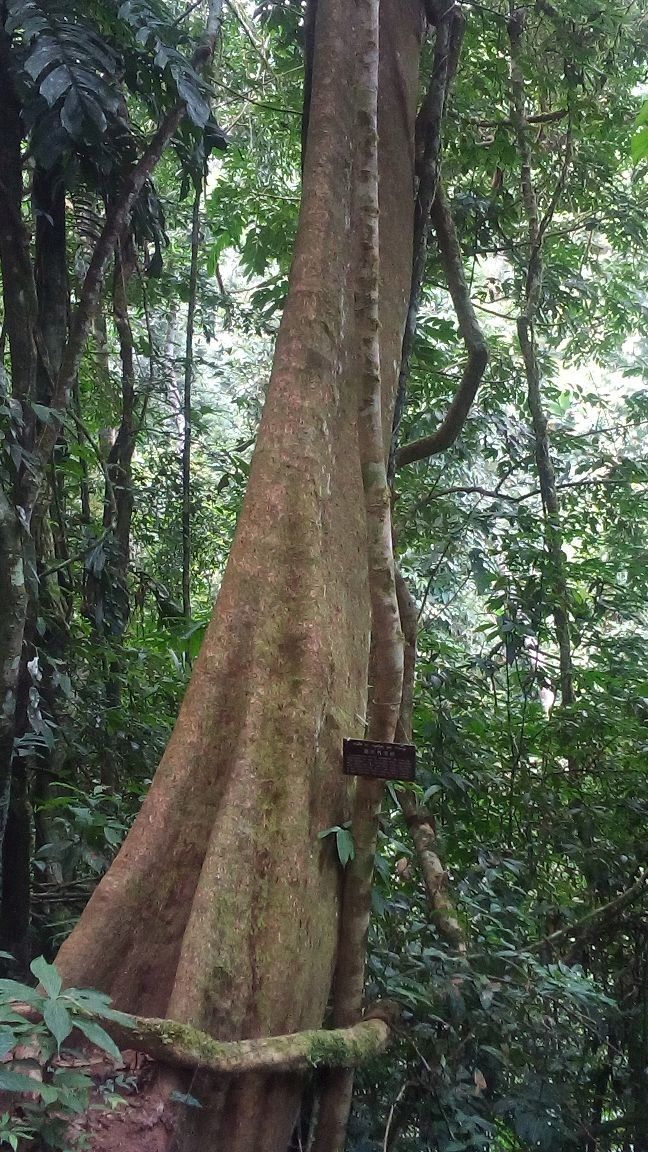
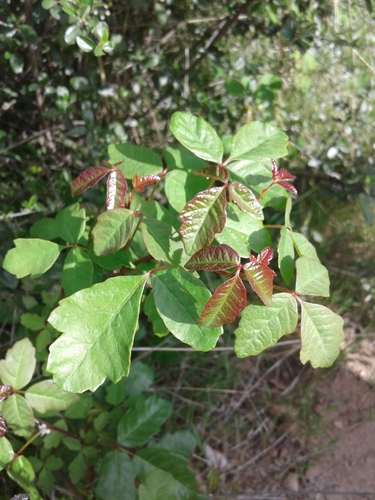
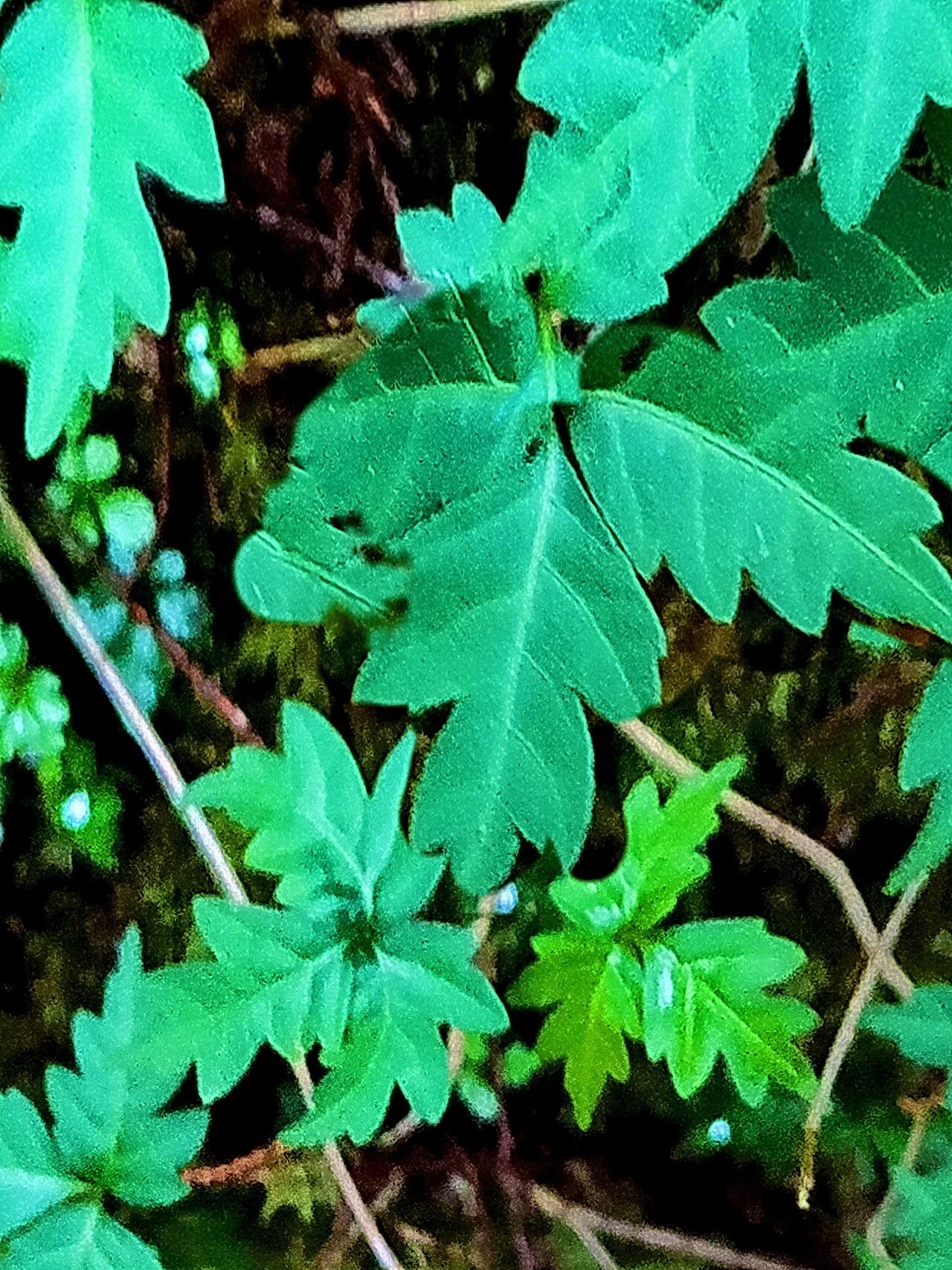
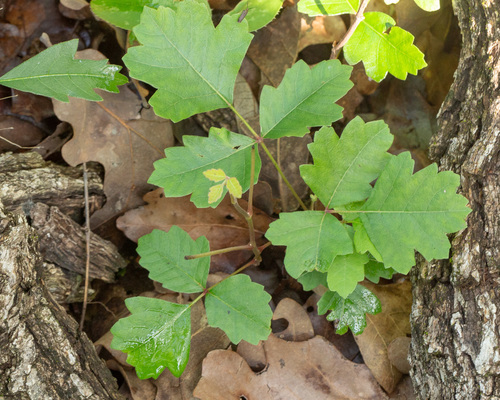
The mountain lacquer tree is resistant to disease and is generally not prone to illnesses. In terms of care, this plant is fairly low-maintenance. When grown outdoors it needs little watering, and larger specimens usually do not require pruning. Smaller plants, however, should be pruned after they finish blooming. The mountain lacquer tree is suitable for anyone with an outdoor area, such as a garden or deck, and does not demand much gardening experience.
How to keep Toxicodendron Trichocarpum.
Light
The mountain lacquer tree is a plant that grows best with ample sunlight but can also tolerate a moderate amount of light. Originating from regions with strong sun, intense illumination is essential for its vigorous growth and overall health. An imbalance in light can be harmful: too little light will weaken the plant, while too much can cause damage.
Water
The mountain lacquer tree thrives in woodland-like environments with moderate humidity and occasional rainfall. It requires watering every two weeks to keep the soil moist, but not overly wet. This tree is resilient during the growing season, even when water availability varies, making it well-suited for outdoor cultivation.
Temperature
The mountain lacquer tree is highly adaptable to a range of climatic conditions, from hot summers to cold winters. Still, it needs a specific optimal temperature range for growth. If temperatures become too high, the plant is vulnerable to heat and humidity stress, which can kill it. In areas where temperatures approach the lower limit of its cold tolerance, it is necessary to provide insulation to protect the plant.
Fertilizer
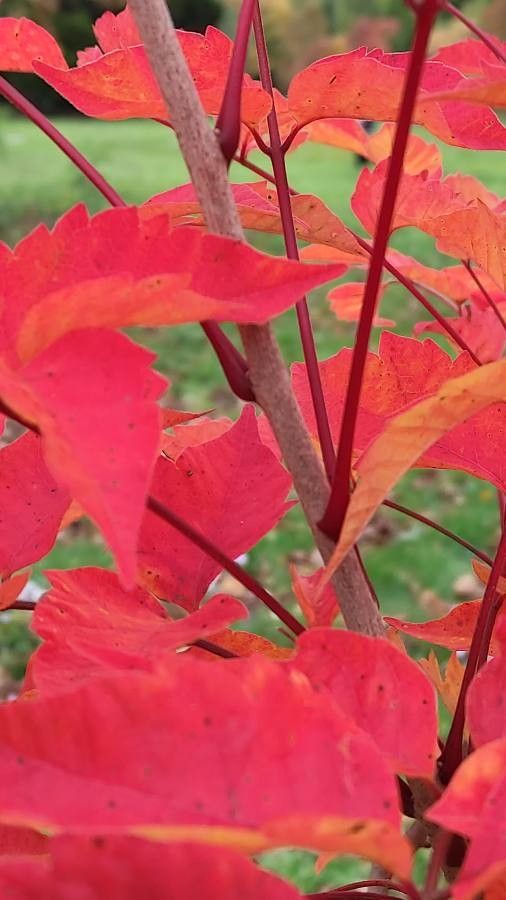
To encourage healthy growth, fertilize your Mountain lacquer tree in early spring. Regular fertilization improves overall health, producing vigorous growth, greater tolerance of harsh conditions, and better resistance to pests and diseases. Follow a consistent fertilization schedule for your Mountain lacquer tree to ensure foliage that is vibrant, deeply colored, and lush in appearance.
Pruning
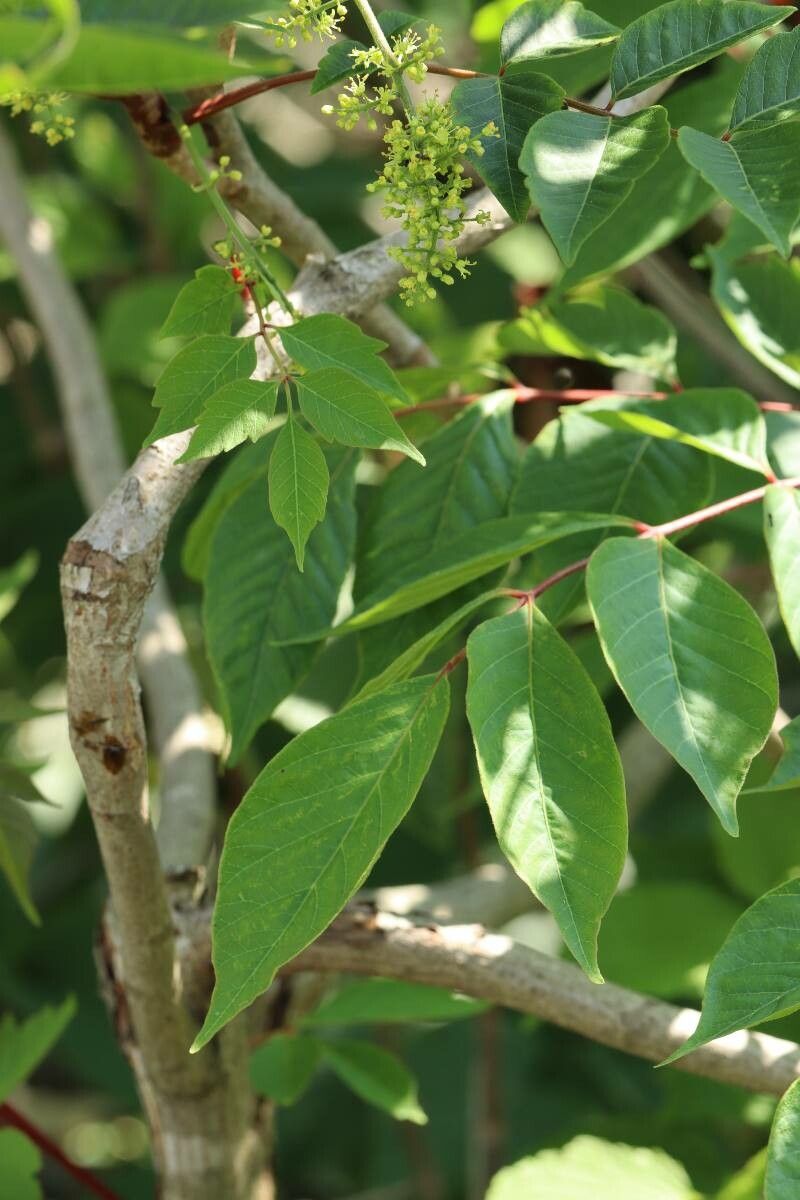
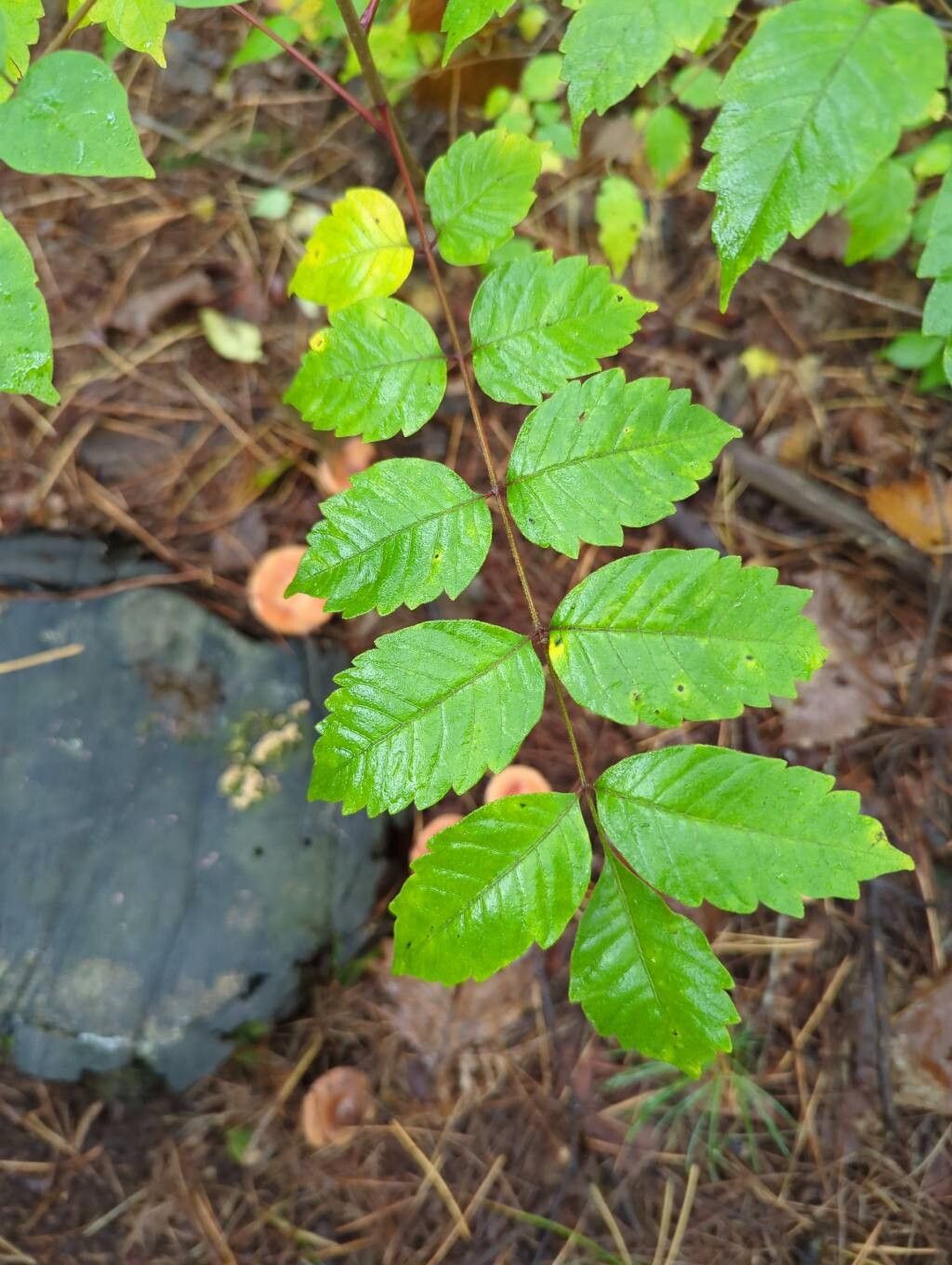
The mountain lacquer tree is known for its glossy leaves and toxic berries. To encourage growth and improve its shape, it's best to prune the tree in early spring. During pruning, remove any dead branches and thin out crowded areas to improve air circulation. Be sure to handle the tree with care, as its sap is toxic. Proper pruning not only allows more sunlight to reach the tree but also helps reduce pest problems.
Botanical profile.
- Plant Type
- Tree, Shrub
- Life Cycle
- Perennial
- Genus
- Toxicodendron
- Family
- Anacardiaceae
- Hardiness Zone
- 4-8
- Mature Height
- 3.96 m to 6.1 m
- Mature Spread
- 2.13 m to 3.96 m
- Leaf Color
- Green, Dark Green
- Leaf Type
- Deciduous
- Flower Color
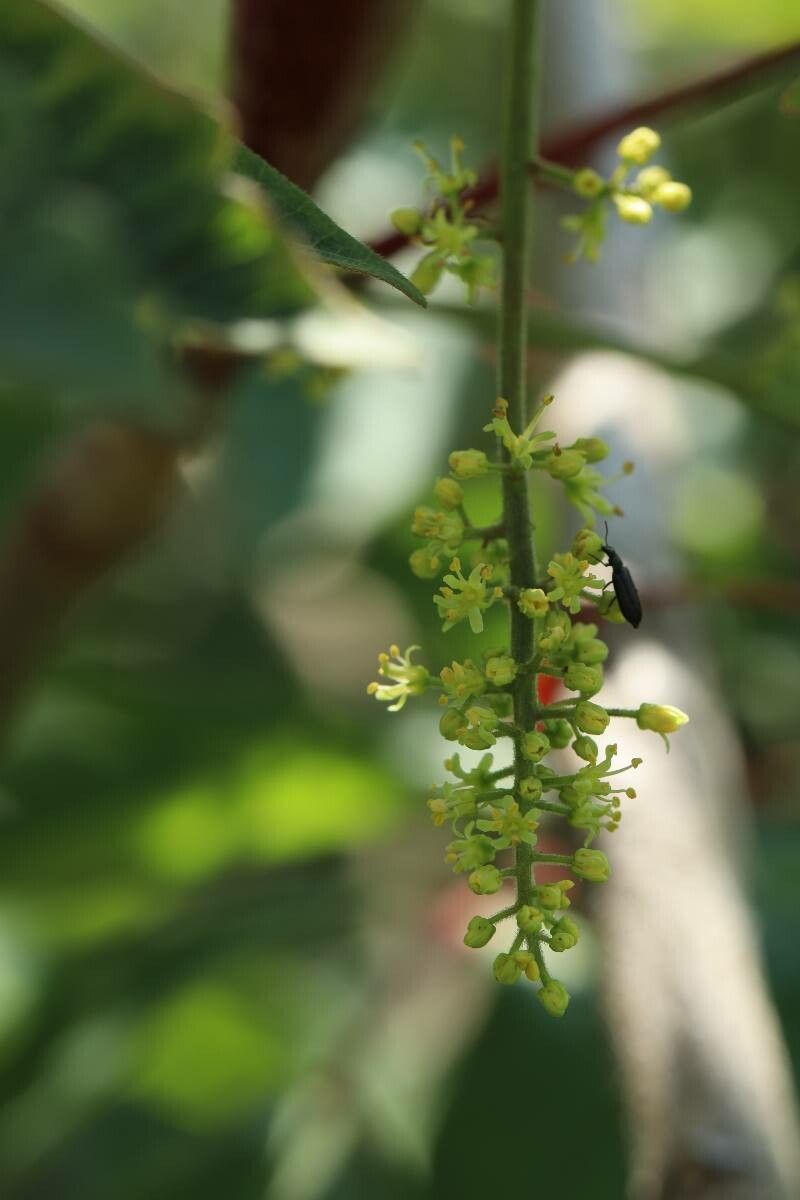
- Yellow, Green
- Flower Size
- 10.16 cm to 20.32 cm
- Bloom Time
- Mid spring, Late spring
- Planting Time
- Spring, Summer, Autumn, Winter
- Harvest Time
- Late summer, Early fall, Mid fall
- Native Area
- Russia, Myanmar, Japan, Koppen, South Korea, China
Other names.