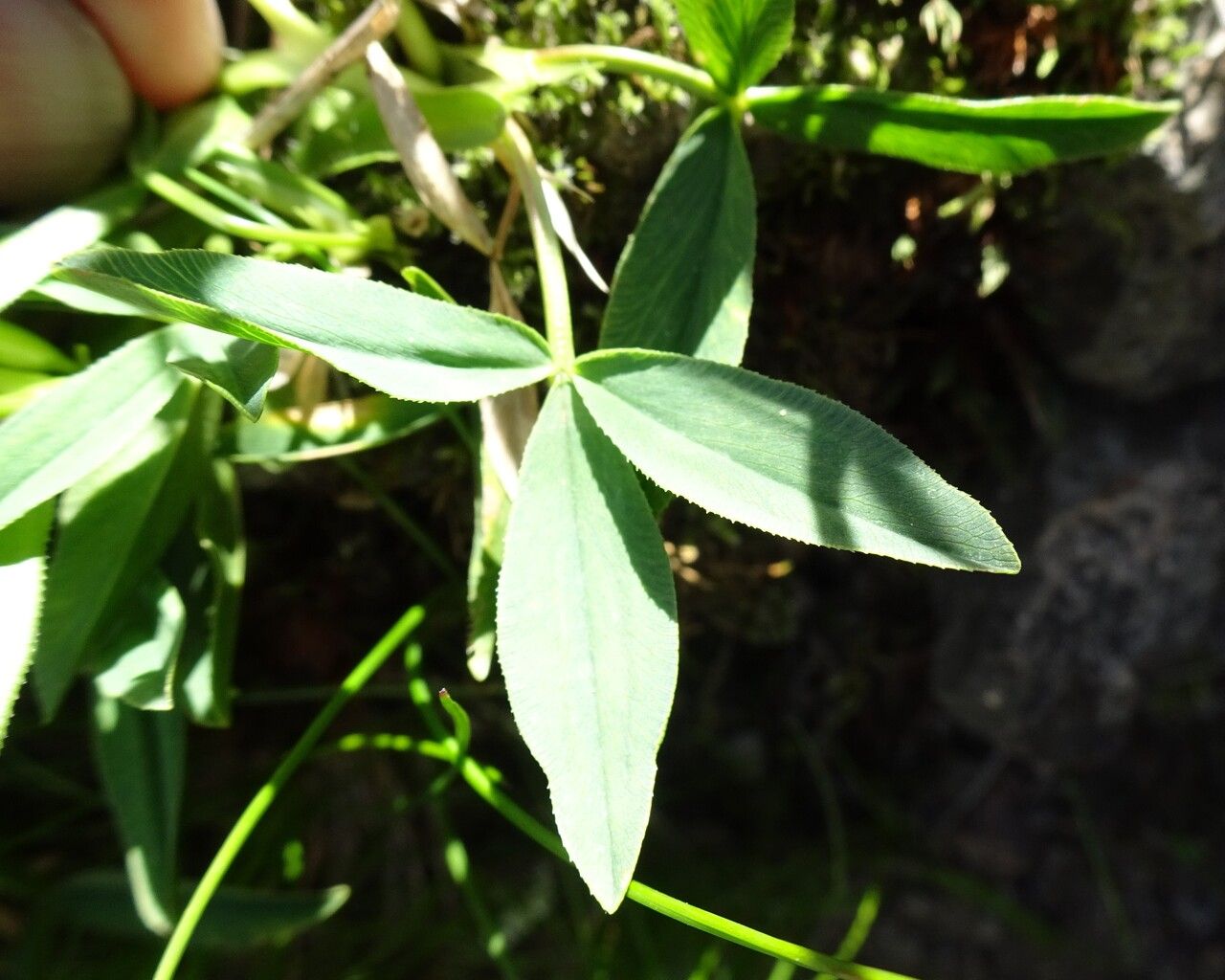
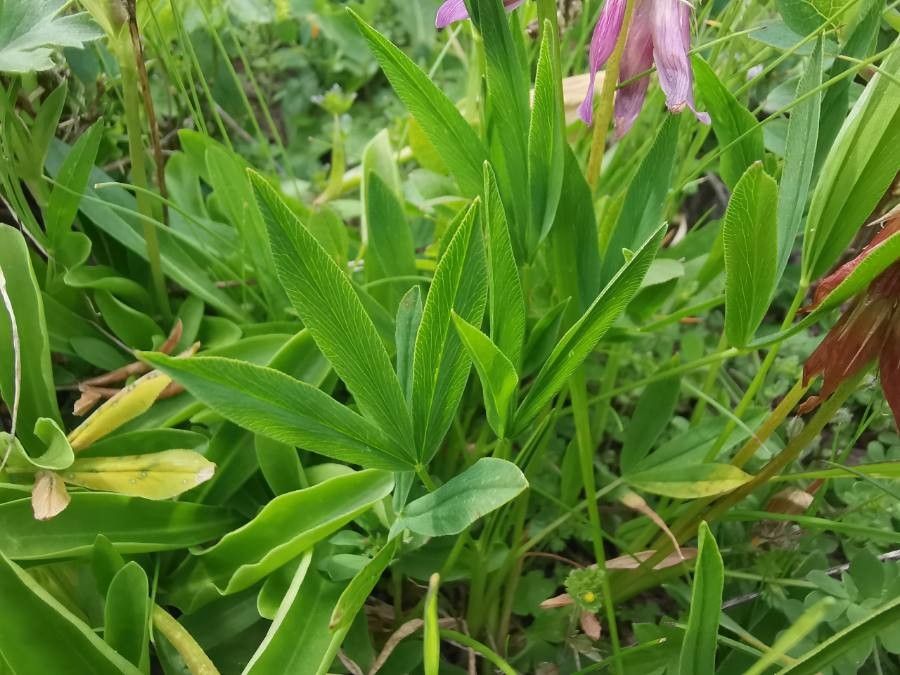
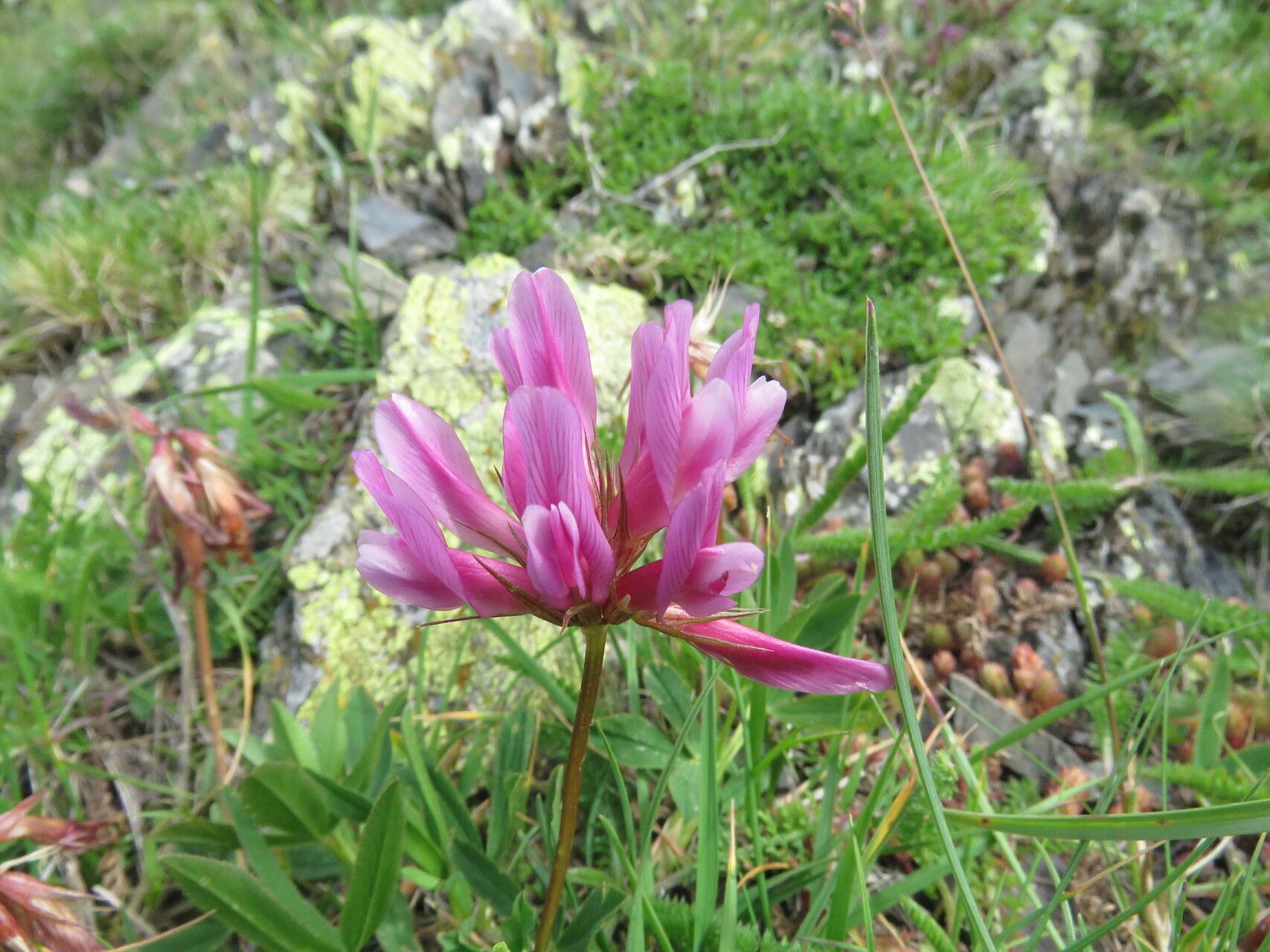
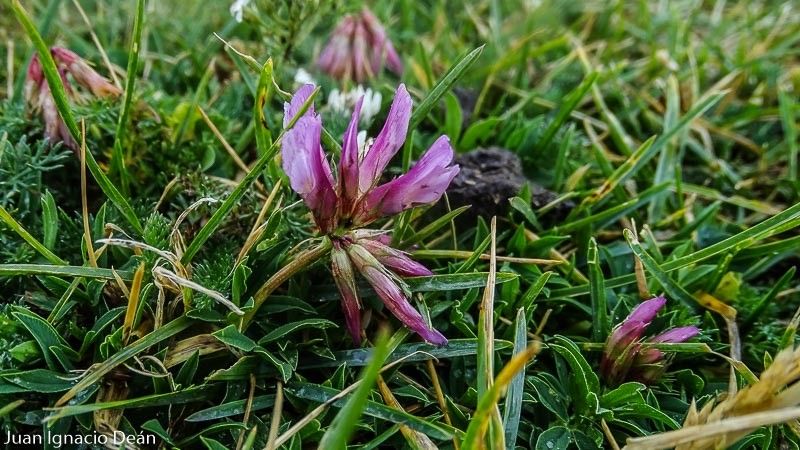
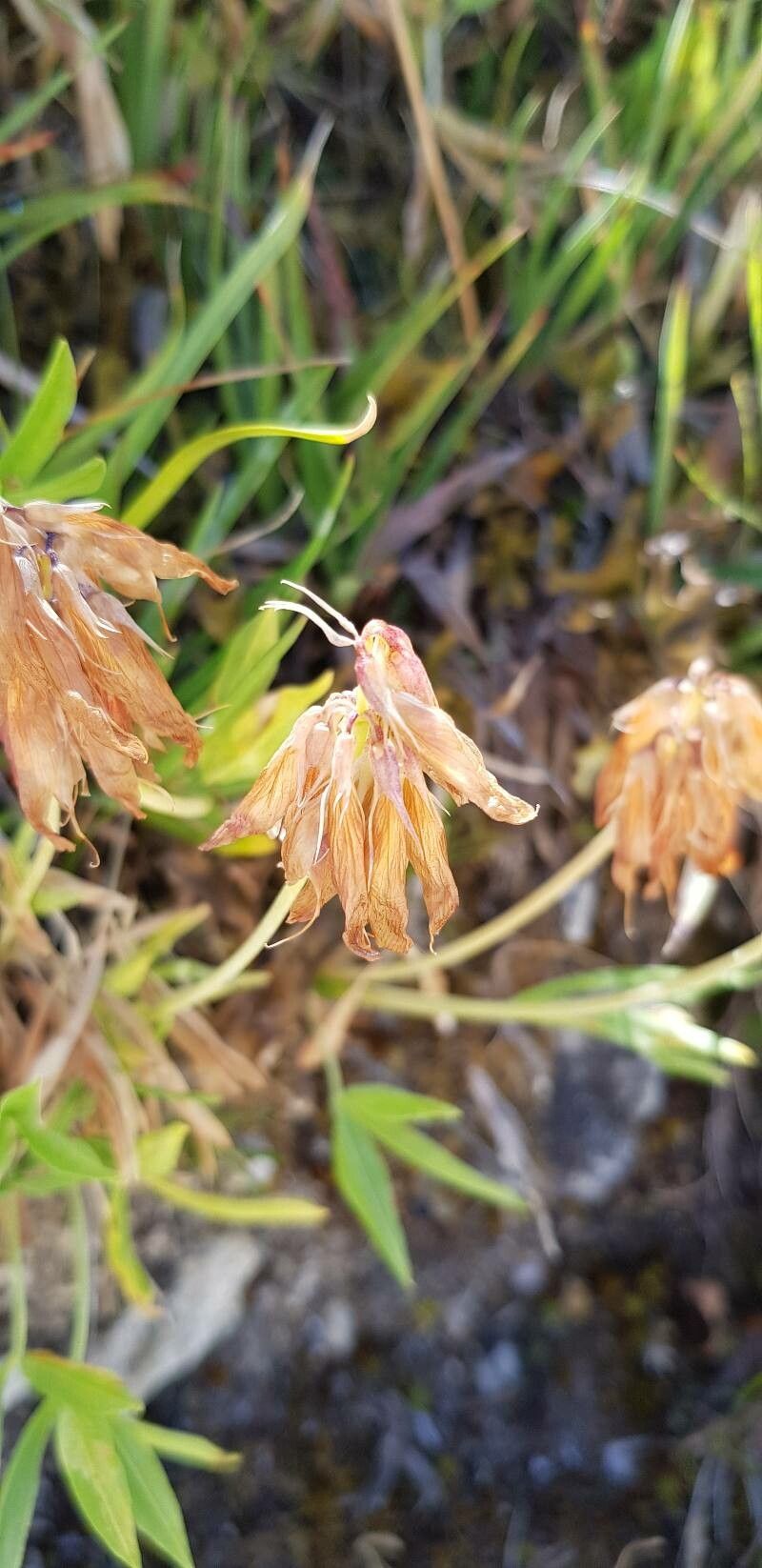
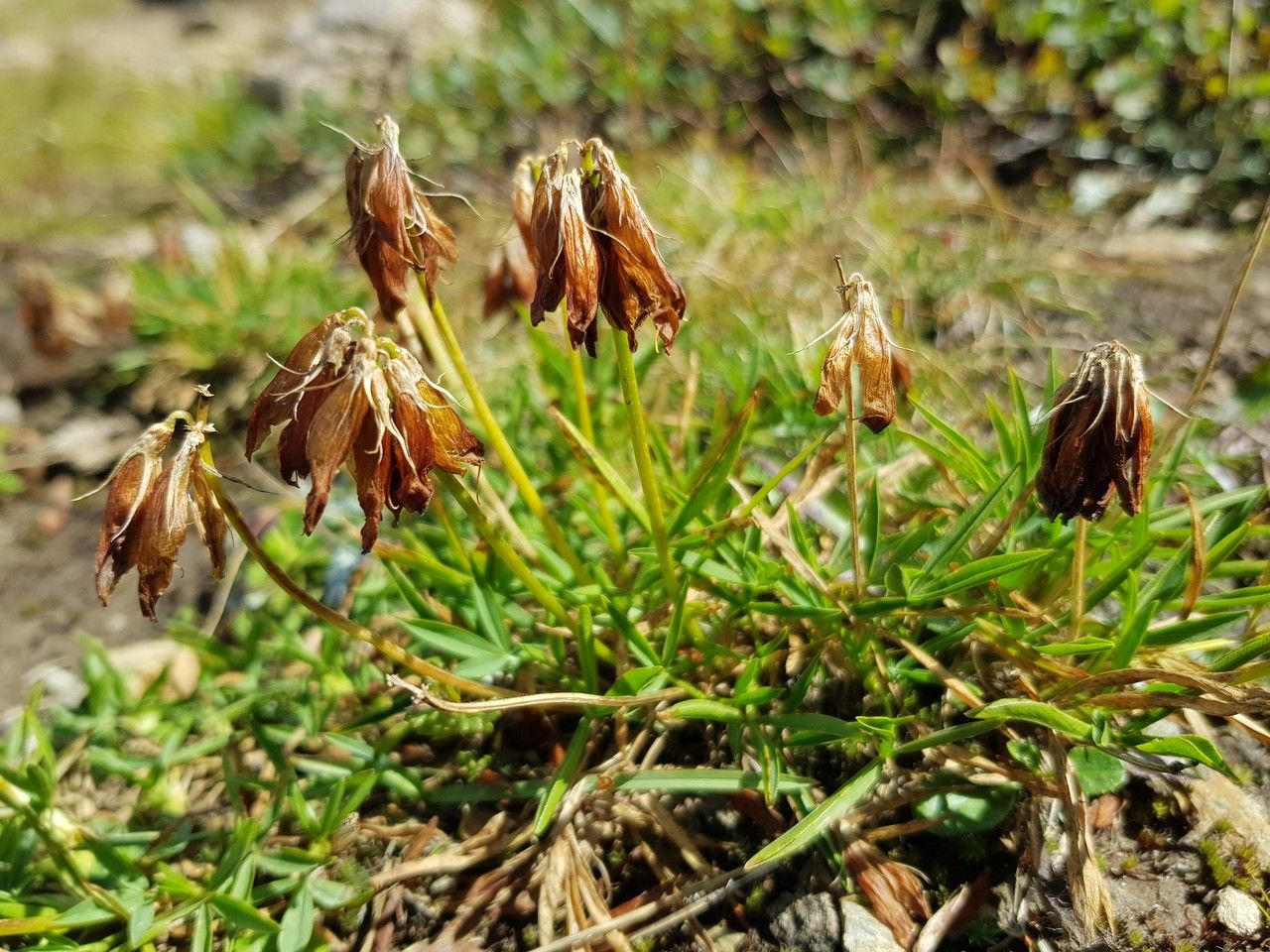
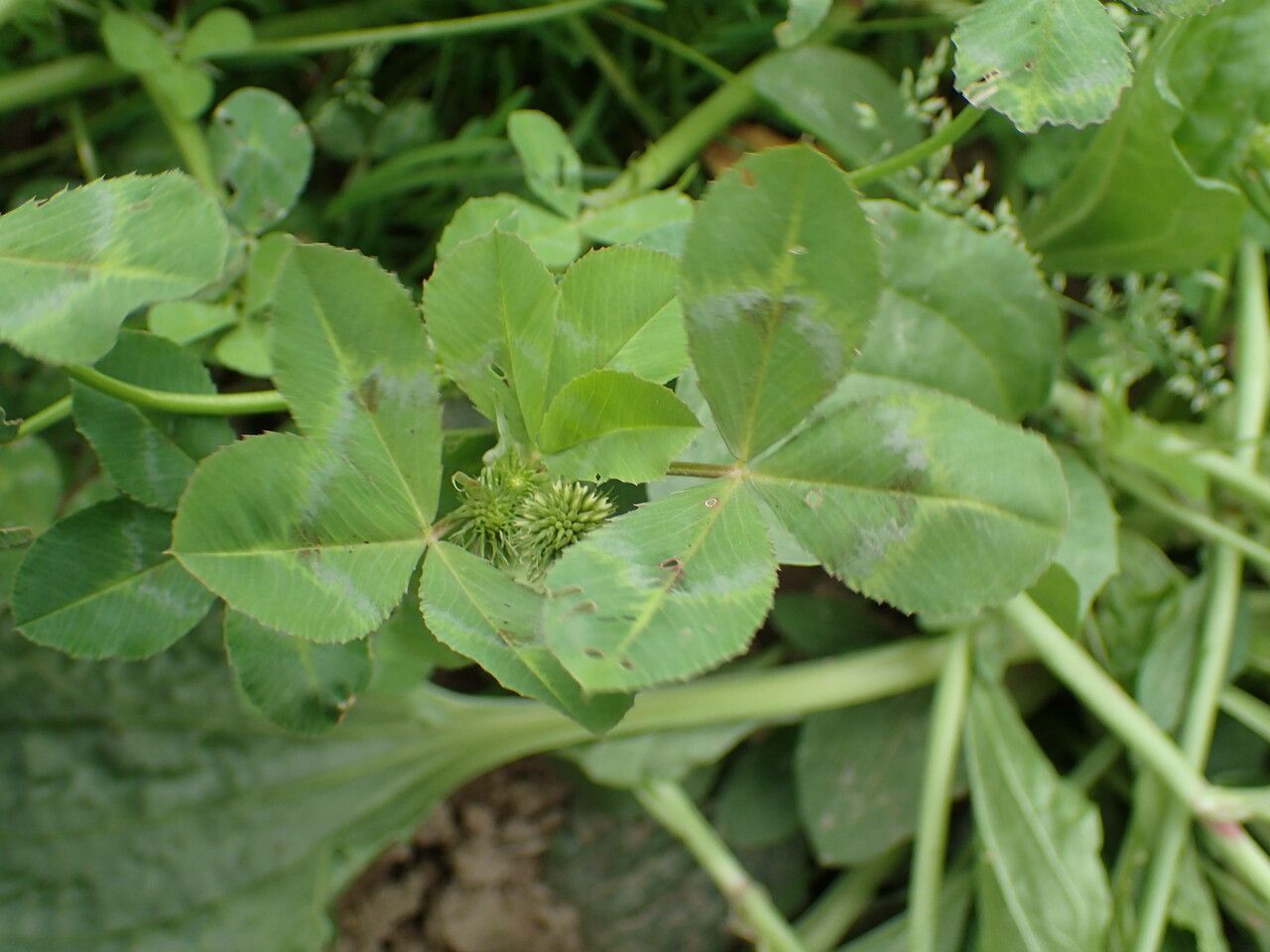
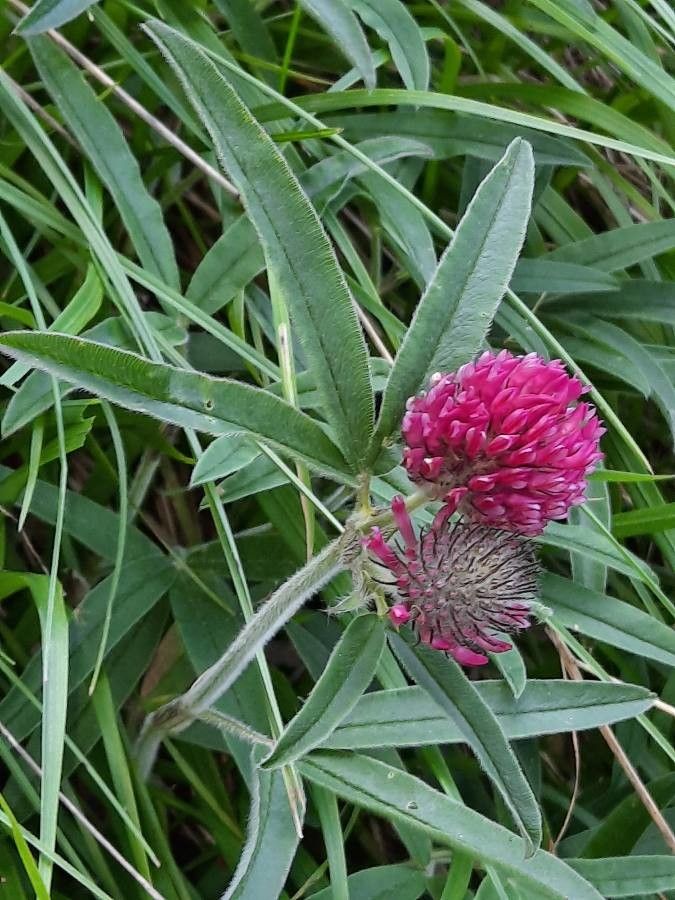
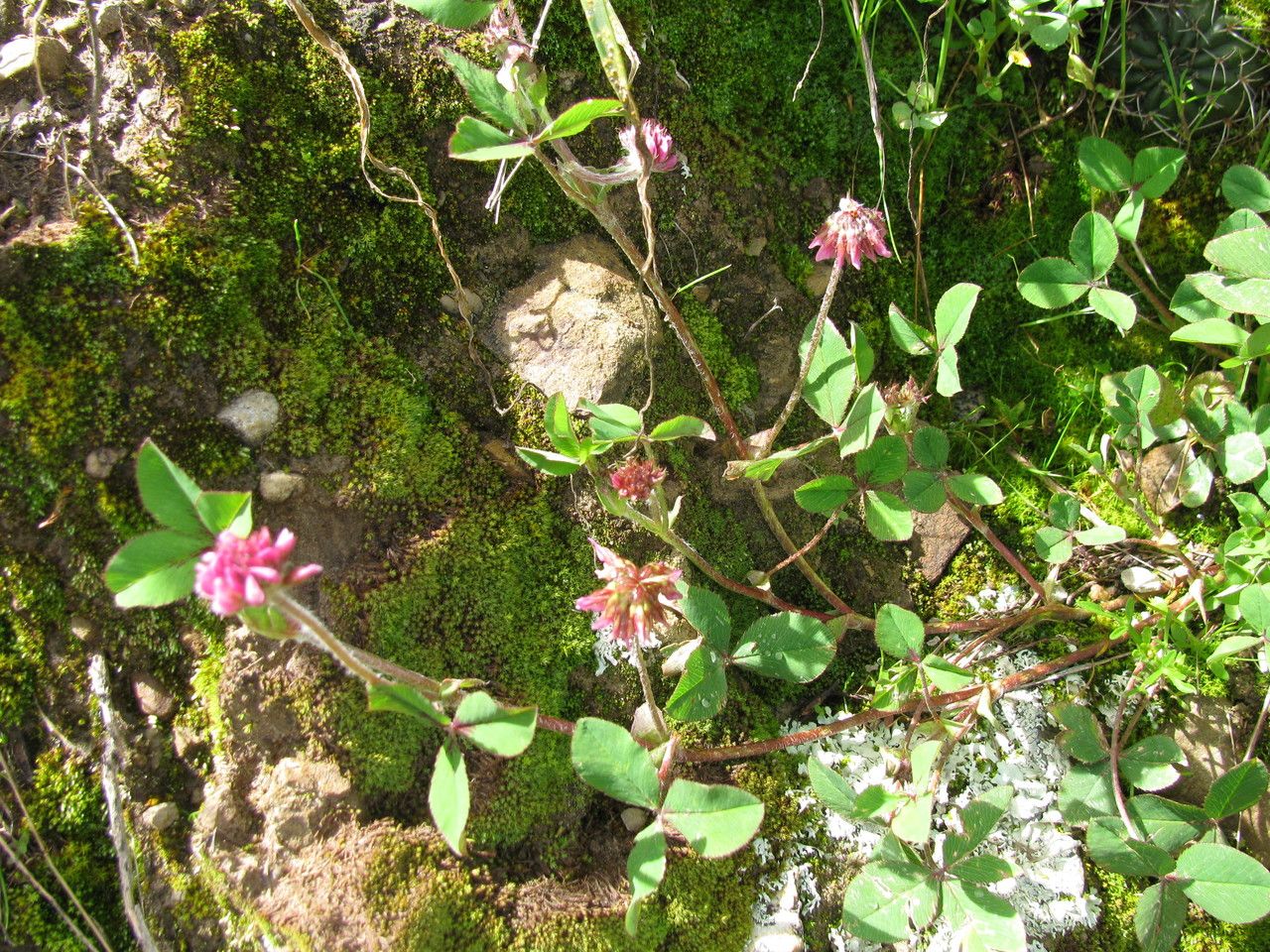
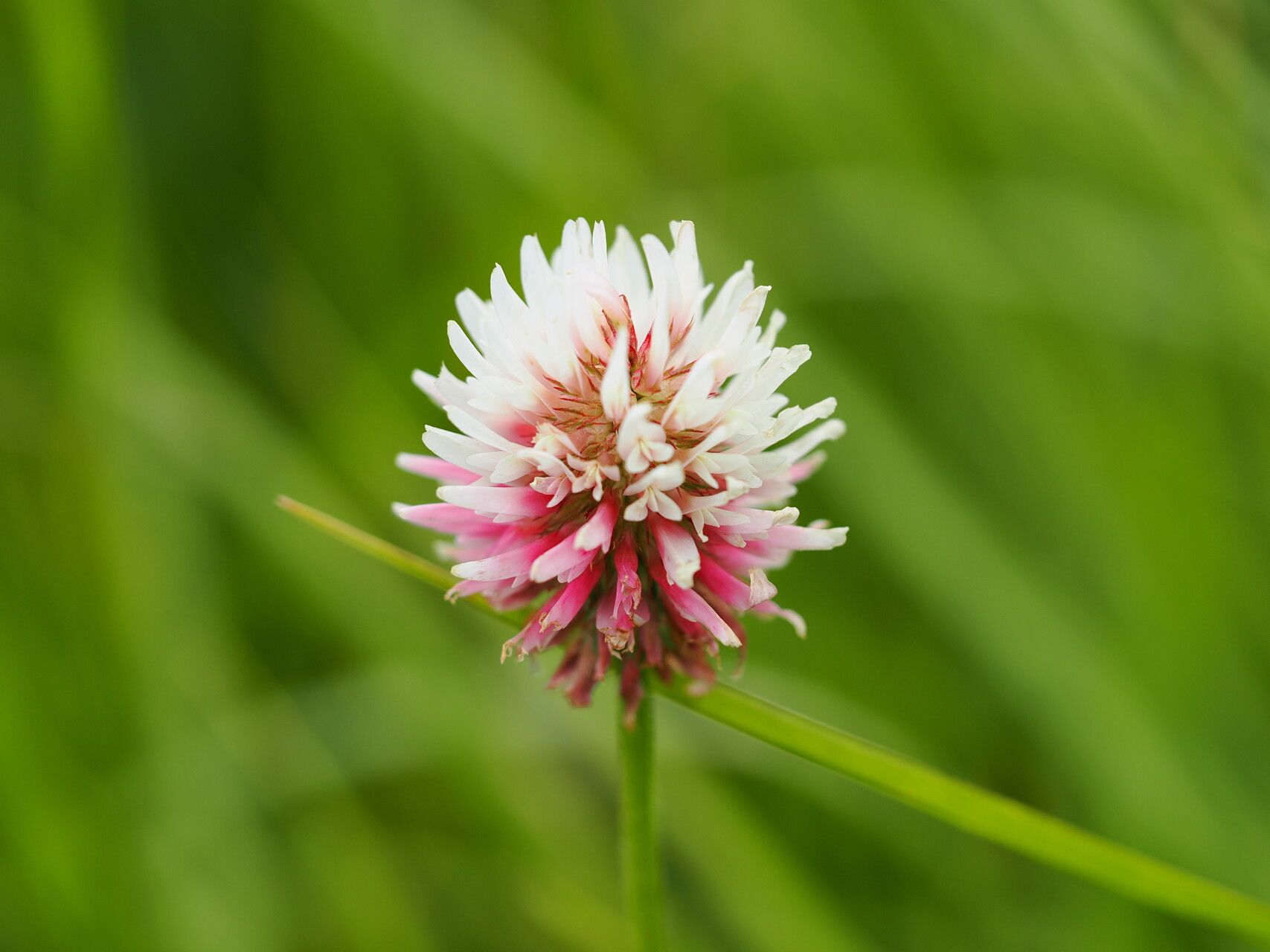
Trifolium alpinum is a species of flowering plant in the legume family known by the common name alpine clover. It is native to the Alps.This plant is a perennial herb with a large taproot which can be 1 metre long and 1 centimetre wide. The short stems bear ternate leaves divided into three leaflets each up to 5 cm long. The fragrant flowers are pink to light red, tinged with purple.This plant grows at elevations between 1700 and 2500 m, sometimes up to 2800 m, in subalpine and alpine climates. It commonly grows on acidic soils.In alpine regions this plant provides an important forage for livestock. It is also good for stabilizing sites of erosion at high elevations.
Alpine clover is fairly disease-resistant and generally not prone to illnesses. Still, it can be affected by pests and diseases present in its environment. Those infections are usually mild. In terms of care, the plant requires moderate maintenance. It should be pruned regularly to keep a neat appearance and support healthy growth. Fertilizing can also aid in encouraging flowering. Alpine clover is suitable for anyone with an outdoor space, such as a garden or patio, and does not demand extensive care experience. It may need more attention when grown indoors.
How to keep Trifolium Alpinum.
Light
Alpine clover grows best when given plenty of light all day, though it can tolerate a few hours of shade. In its native mountain habitats it is adapted to sunny conditions and stays hardy. However, too much shade or insufficient light can impede its healthy growth.
Water
Alpine clover, native to mountainous regions, thrives in conditions with infrequent watering but still benefits from consistent moisture. It prefers moderate humidity and should be watered once a week. This alpine plant is well-suited to cooler environments, such as rock gardens, where efficient water drainage is important.
Temperature
Alpine clover prospers in its native environment where temperatures are generally between 41 and 77 °F (5 to 25 ℃). When cultivating alpine clover, mimic these temperature ranges and modify them according to seasonal requirements.
Fertilizer
For Alpine clover, the primary time to apply fertilizer is in early spring as flowers begin to form. The appropriate fertilizer promotes better blooms and helps Alpine clover produce attractive flowers. Fertilizing in early spring ensures excellent flowering throughout the season and supplies energy for periods of dormant growth.
Pruning
Alpine clover is a low-growing perennial known for its vibrant pink-purple flowers. To promote growth and improve air circulation, prune in the spring by removing any dead stems. Regular trimming enhances the plant's appearance and helps control its spread. Always use clean, sharp tools to prevent the spread of disease.
Botanical profile.
- Plant Type
- Herb
- Life Cycle
- Perennial
- Genus
- Trifolium
- Family
- Fabaceae
- Hardiness Zone
- 5
- Mature Height
- 4 cm to 15 cm
- Mature Spread
- 10 cm to 20 cm
- Leaf Color
- Green, Dark Green
- Leaf Type
- Deciduous
- Flower Color
- Pink, Purple
- Flower Size
- 1.78 cm to 2.54 cm
- Bloom Time
- Early summer, Mid summer
- Planting Time
- Spring, Summer, Autumn
- Harvest Time
- Late summer, Early fall
- Native Area
- Austria, Italy, Spain, Switzerland, Croatia, France
Other names.
Reader questions.
How should I water my Alpine clover properly?
To properly water the Alpine clover, follow these guidelines. Firstly, use filtered water at room temperature as tap water may contain harmful particles for this plant. The water temperature should be warm to mimic the plant's natural environment, as cold water can be detrimental to its well-being. Secondly, avoid overhead watering, as it can lead to issues with foliage. Instead, focus on applying the filtered room temperature water directly to the soil until it is completely soaked. This method benefits the plant by ensuring the roots are moist and capable of spreading through the soil to obtain necessary nutrients.
What are the sunlight requirements for Alpine clover?
Alpine clover (Trifolium alpinum) thrives best in conditions where it is exposed to full sun, meaning it requires above 6 hours of sunlight daily. It can also tolerate partial sun, which entails about 3-6 hours of sunlight. This adaptability is due to its native mountainous habitats, where it is accustomed to a generous supply of sunlight. However, insufficient sunlight, or too much shade, can negatively affect its growth. To ensure your plants grow healthy and robust, observe your garden's sunlight patterns and choose locations that offer an optimal balance of light and shade.
What is the ideal temperature range for growing Alpine clover?
The ideal temperature range for growing Alpine clover (Trifolium alpinum) is between 41 to 77 °F (5 to 25 °C). This range mirrors the plant's native habitat conditions. It's important to adjust the temperature based on seasonal needs to ensure the plant thrives. Alpine clover is highly cold-tolerant, thereby not requiring additional measures for frost protection. Nonetheless, before the onset of the first freeze in autumn, it's advisable to water the plants generously. This practice ensures that the soil stays moist into the freeze, helping to prevent water scarcity and drought conditions during the winter and early spring periods.
What should I do if I give my Alpine clover too much or too little water?
Overwatering is a more common issue for Alpine clover and can cause wilting, yellowing of stems and leaves, and diseases like root rot, mold, and mildew. Underwatering is less likely but can result in brittle, brown leaves. It's important to notice and address signs of overwatering promptly, as some diseases may be irreversible if not addressed quickly. Reduce watering immediately if you see indications of overwatering and consider replacing poorly draining soil with a loose, well-draining potting mix. If underwatering is suspected, increase watering until signs improve.
How can artificial lighting benefit indoor Alpine clover plants?
For Alpine clover plants grown indoors, adequate lighting is crucial, especially when natural sunlight is insufficient, like in winter or less sunny spaces. Artificial lights, such as LED lights, offer a vital solution by promoting faster, healthier growth. LED lights are beneficial because they can be customized to provide specific wavelengths of light needed by your plants. Depending on the plant's sunlight requirements, the intensity of artificial light should be adjusted accordingly: full sun plants need 30-50W/sq ft, partial sun plants require 20-30W/sq ft, and full shade plants need 10-20W/sq ft of artificial light. The light source should be placed 12-36 inches above the plant, mimicking natural sunlight, and should remain on for 8-12 hours per day to simulate the length of natural daylight hours.
How does Alpine clover react to temperatures below its cold tolerance?
Alpine clover can endure very low temperatures, but it's critical that winter temperatures remain above -25°C (-13°F). If temperatures fall below this threshold, there might not be immediate visible effects during the winter. However, issues could arise in the form of reduced or even completely absent sprouting in the spring. To address this, it is recommended to remove any parts of the plant that fail to sprout once spring arrives.
How frequently do I need to water my Alpine clover?
If your Alpine clover is in a pot, you can check if it needs water by sticking your finger into the soil. If the top two to three inches of soil are dry, it's time to water it. If you grow your Alpine clover outside in the ground, you can also check the soil using the same method. If the top few inches of soil have dried out, it's time to water it. Typically, during spring and early fall, watering once a week is sufficient. However, during extremely hot weather, you may need to water it twice or more per week. It's worth noting that mature and well-established Alpine clover can tolerate drought well.
What symptoms indicate Alpine clover is getting inadequate sunlight?
Alpine clover displaying symptoms of light deficiency may exhibit smaller new leaves, leggy or sparse growth, faster leaf drop, slower or no new growth, lighter-colored new leaves, and conditions such as chlorosis (yellowing leaves due to a lack of chlorophyll), sunscald (damage from intense light exposure), leaf curling (a defense mechanism to reduce sunlight exposure), wilting (from water loss through transpiration), and leaf scorching (brown, dry edges from excessive sunlight). These symptoms indicate that the plant is not receiving the optimal light conditions for its needs.
What should I do if the Alpine clover is exposed to high temperatures?
Alpine clover struggles in high temperatures, particularly when the thermometer climbs above 25°C (77°F). In such conditions, the plant's growth may halt, and it becomes more prone to rotting. To mitigate damage from excessive heat, trim away any sunburned or dried-up parts of the plant. Consider relocating the plant to a spot that offers shade during the intense midday and afternoon sun, or use a shade cloth to provide necessary shade. Additionally, watering the plant in the morning and evening can help maintain soil moisture, providing relief from the heat.
How much water does my Alpine clover require?
- To water your Alpine clover effectively, don't be afraid to use a generous amount of water. Make sure the top 2-3 inches of soil are dry, and then give the plant a thorough watering until the soil is completely soaked. It's important to add enough water so that it drains out of the pot's drainage holes. If you don't see excess water draining, you may be underwatering. However, be cautious not to let the water accumulate in the soil, as this can harm the plant. On the other hand, if water doesn't drain well, it indicates poorly draining soils, which can be harmful to the plant's health. Lastly, if the plant is outdoors, about 1 inch of rain per week should be enough.
What solutions are recommended for Alpine clover experiencing light deficiency?
To address light deficiency in Alpine clover, consider moving the plant to a sunnier location gradually, ensuring it receives at least 6 hours of direct sunlight daily. For indoor plants, use a south-facing window or artificial lighting, like desk lamps or professional grow lights, for at least 8 hours daily. For outdoor plants, move them to a sunnier spot gradually to prevent sunburn. If obstacles block sunlight, such as trees, pruning might help. For smaller plants, transplanting them during their dormant period can ensure they get ample sunlight. Remember, while parts of the plant that suffered might not recover, new growth will be healthy once the light conditions improve.
How do I water my Alpine clover as it grows at different stages?
The water needs of the Alpine clover can vary depending on its growth stages. When the clover is young or has been recently transplanted, it requires more water to support the development of new roots. These roots need extra moisture to ensure future growth. As the clover matures, it will require less water. Additionally, during the bloom period, the clover may need more water due to the increased moisture requirements for flower development.