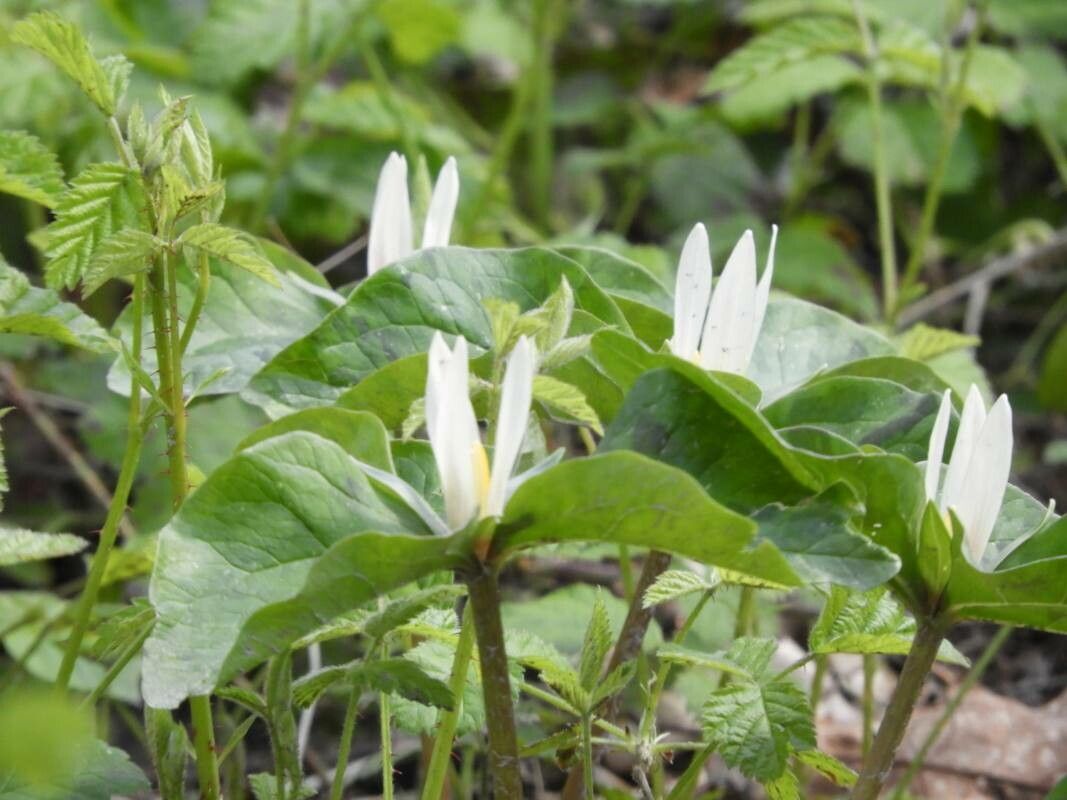
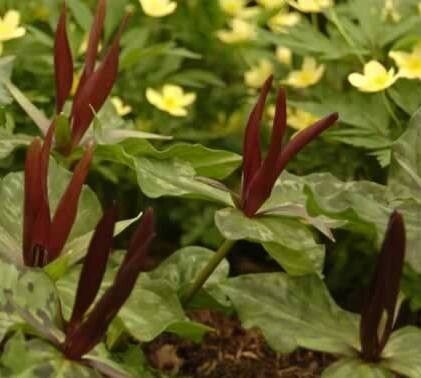
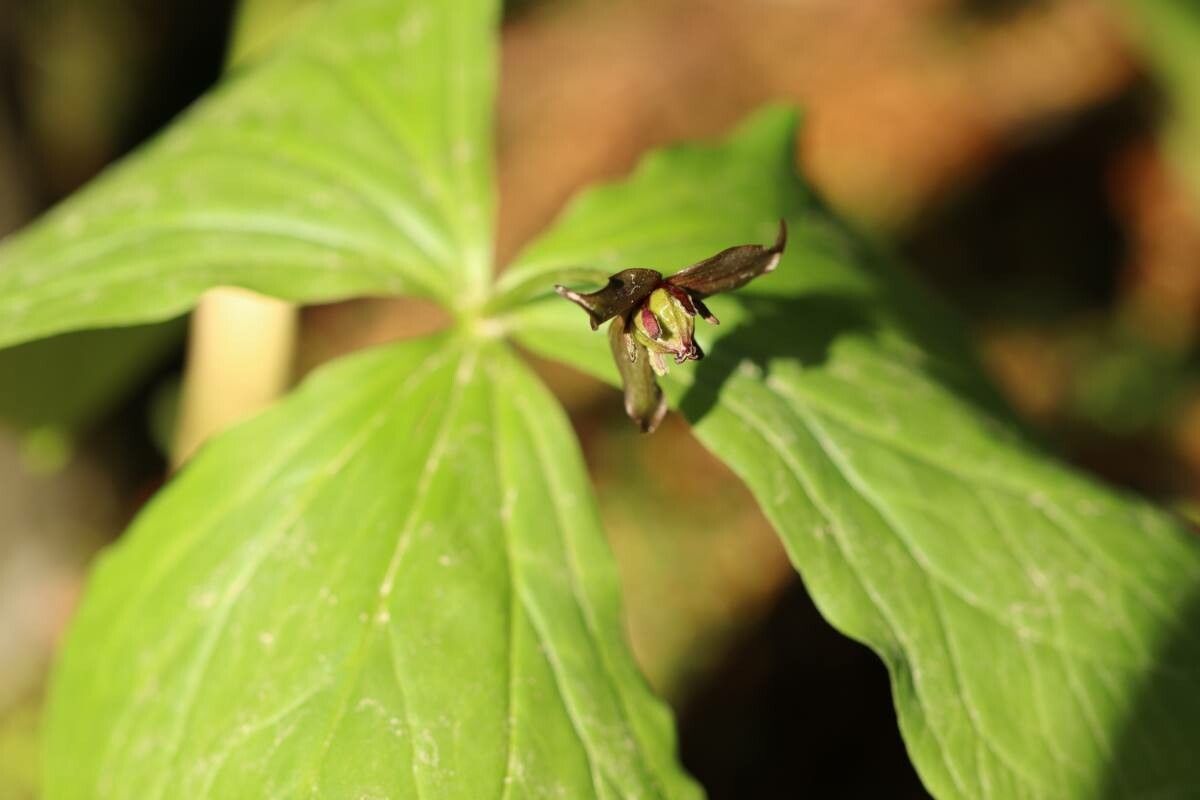
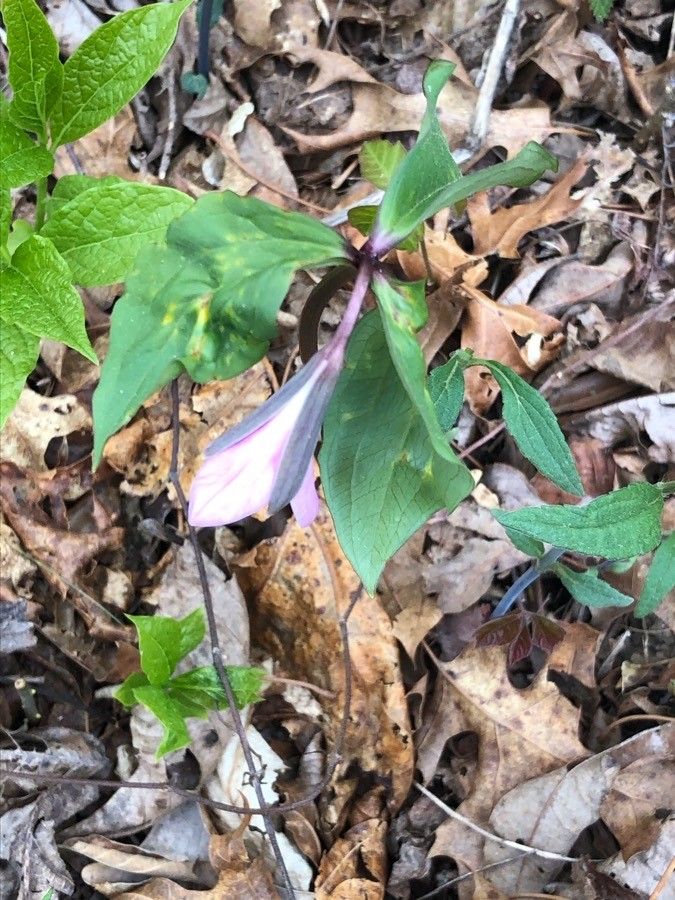
Trillium lancifolium, commonly known as the lance-leaved trillium, is a perennial herbaceous plant belonging to the Melanthiaceae family. Native to eastern North America, it thrives in deciduous forests and woodlands.
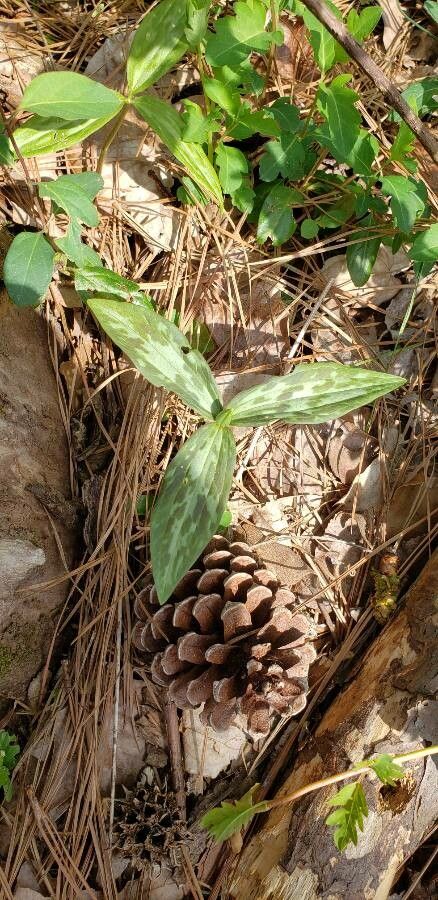
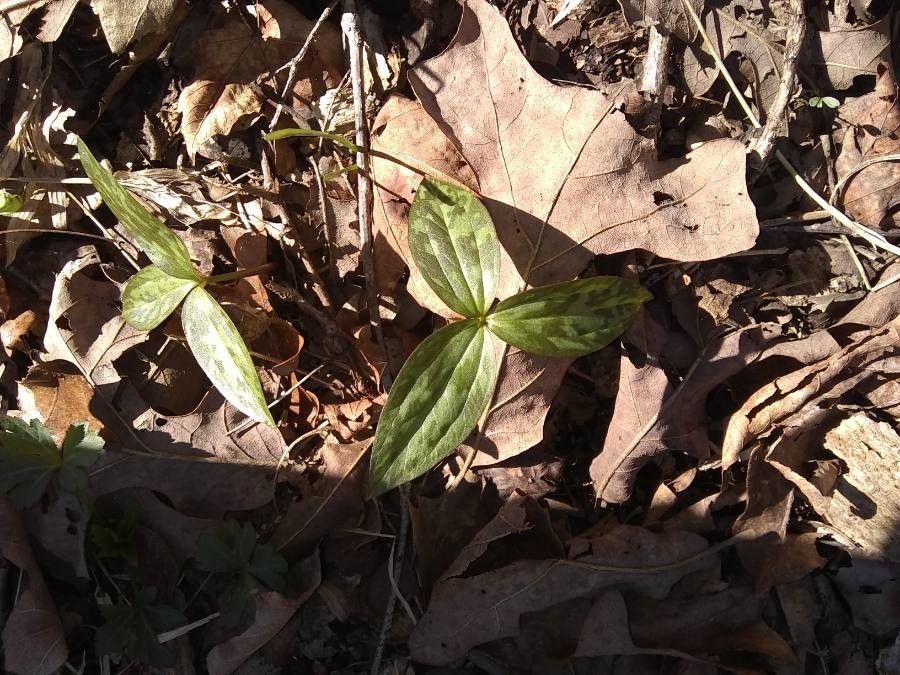
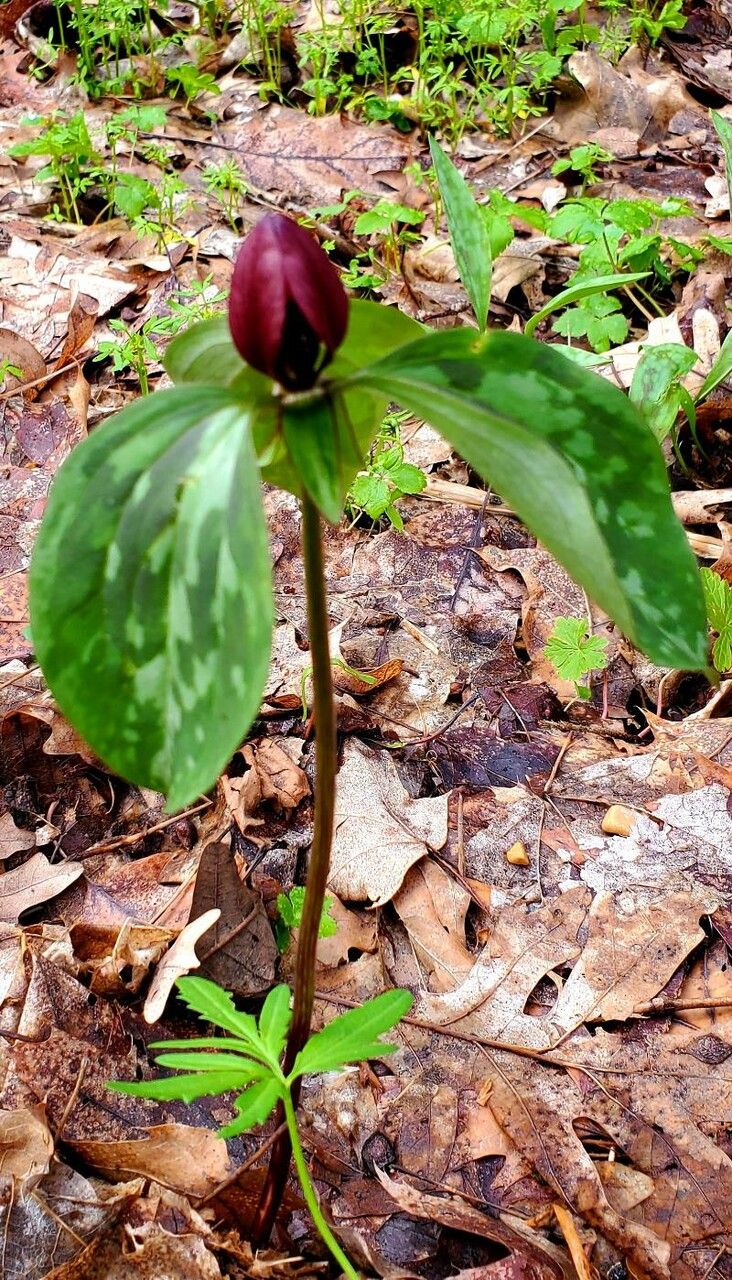
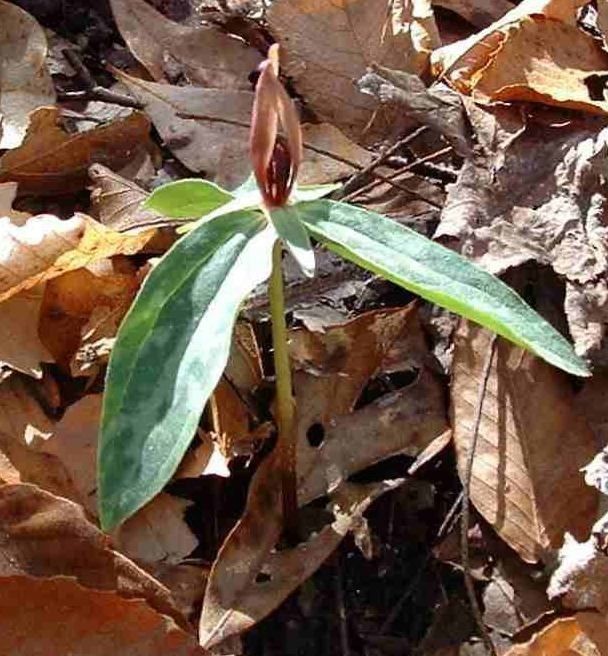
Reaching up to 30 cm in height, the lance-leaved trillium features a single stem topped with three long, narrow leaves. These green leaves display prominent veins running parallel to their length, giving the plant its distinctive name.
In early spring, the plant produces a single flower at the top of its stem. This flower boasts three petals that range in color from white to pinkish-white, each adorned with purple or red streaks at the base. Surrounding six stamens, the petals highlight yellow anthers.
Trillium lancifolium prefers moist soil but can tolerate some dryness once established. It grows best in partial shade but can also withstand full sun if sufficient moisture is provided.
Beyond its aesthetic appeal, this plant possesses medicinal properties. It contains compounds such as saponins, alkaloids, and flavonoids, which have been utilized to treat various ailments including respiratory infections and digestive disorders.
Overall, Trillium lancifolium is a captivating native wildflower that adds beauty to woodland gardens while also offering medicinal benefits.
Lanceleaf wakerobin has strong resistance to disease and is generally not likely to develop illnesses. However, it can be vulnerable to pests and diseases present in its environment. These infections are typically mild. Carewise, the plant needs a moderate level of attention. It should be pruned regularly to preserve a neat appearance and support healthy growth. Applying fertilizer can also encourage blooming. Lanceleaf wakerobin is appropriate for anyone with an outdoor area, such as a garden or patio, and does not demand extensive care experience. It may need more attention if cultivated indoors.
How to keep Trillium Lancifolium.
Light
Lanceleaf wakerobin is native to places like forest understories and rocky sites, where it grows in natural shade. It prefers partial sun but can tolerate full sun or full shade, showing its hardy, versatile nature.
Water
Newly planted lanceleaf wakerobin needs frequent watering to keep the soil from drying out until it becomes established. After it has adapted, it requires less frequent watering, but keep the soil moist and avoid waterlogging.
Temperature
Lanceleaf wakerobin can adapt to a wide range of temperature conditions, but its distribution may still be constrained by different combinations of moisture and heat. It grows best in warm summer climates with adequate rainfall or watering. Prolonged periods of cloudy, rainy weather, as well as extended high temperatures, can increase the likelihood of Lanceleaf wakerobin dying. In winter, proper protection from cold can improve the plant's survival rate.
Fertilizer
One fertilizer application in spring is generally enough for Lanceleaf wakerobin, although repeated feedings can maximize growth. Feed every one to one and a half months. Fertilization improves the leaves' appearance and function, helping maintain uniform color and a healthy texture. It also encourages root development and nutrient uptake for long-term plant health.
Botanical profile.
- Plant Type
- Herb
- Life Cycle
- Perennial
- Genus
- Trillium
- Family
- Melanthiaceae
- Hardiness Zone
- 4-8
- Mature Height
- 30 cm
- Mature Spread
- 30 cm
- Leaf Type
- Deciduous
Other names.