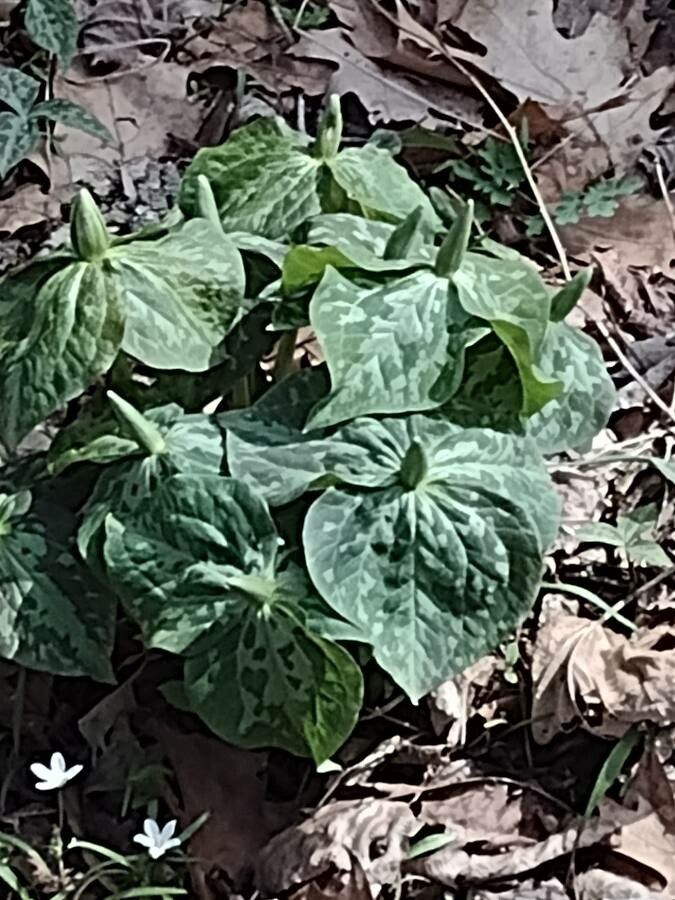
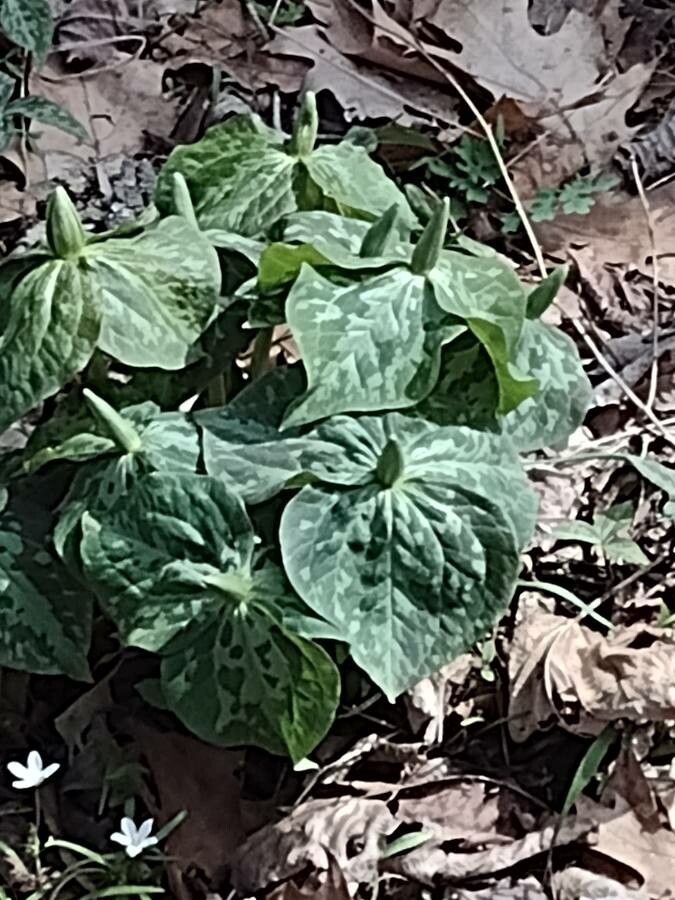
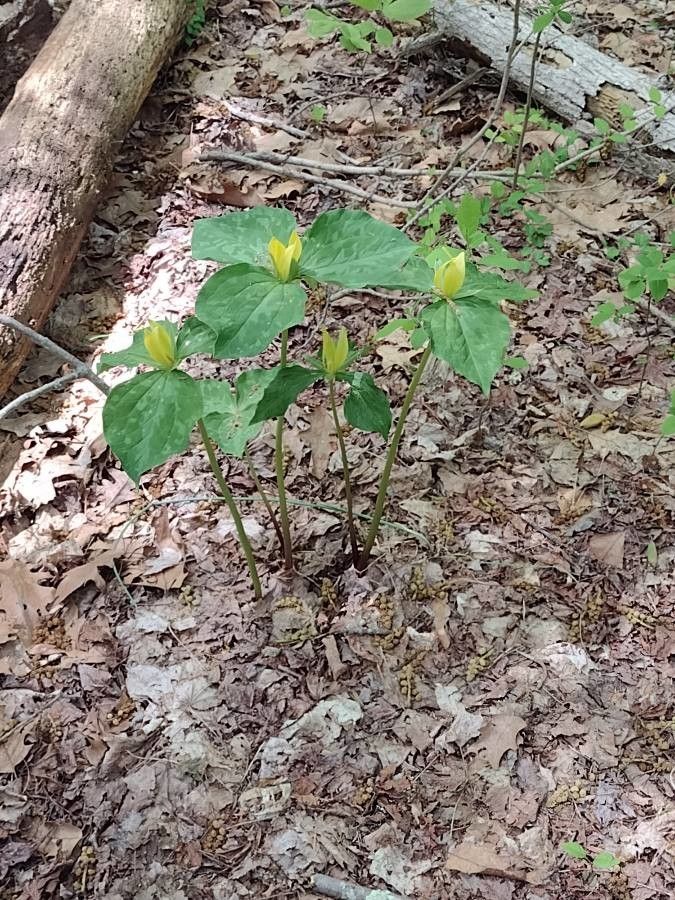
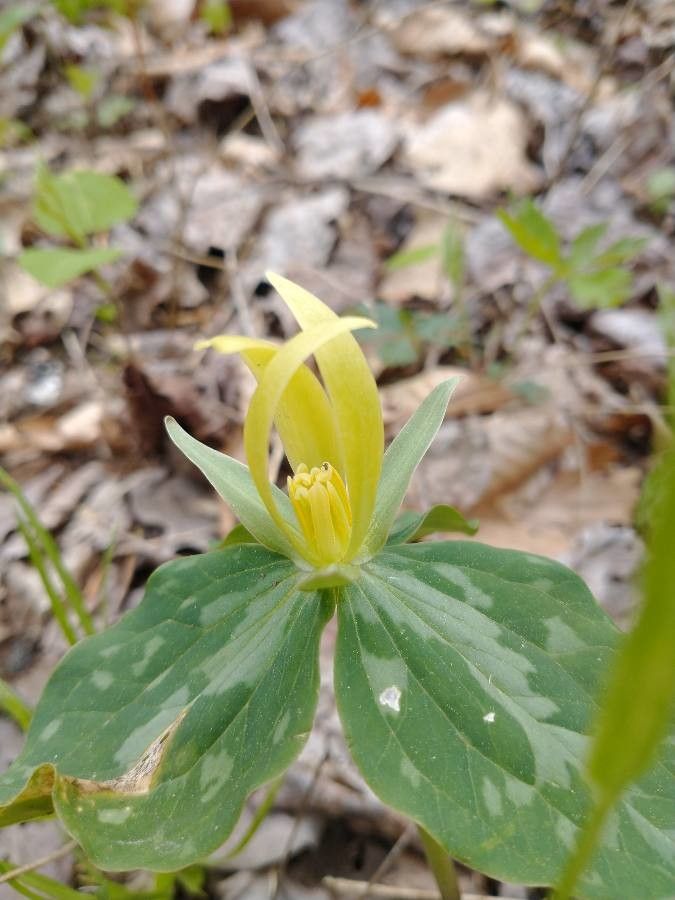
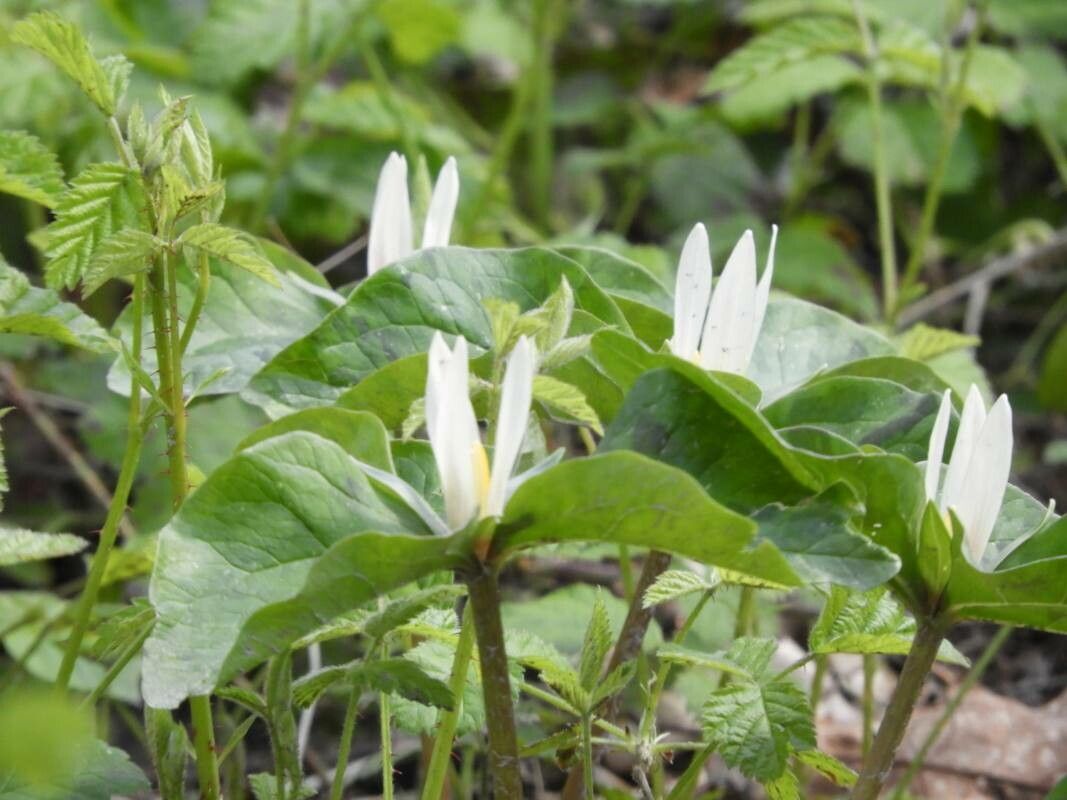
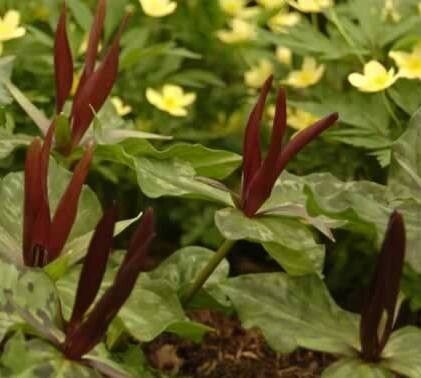
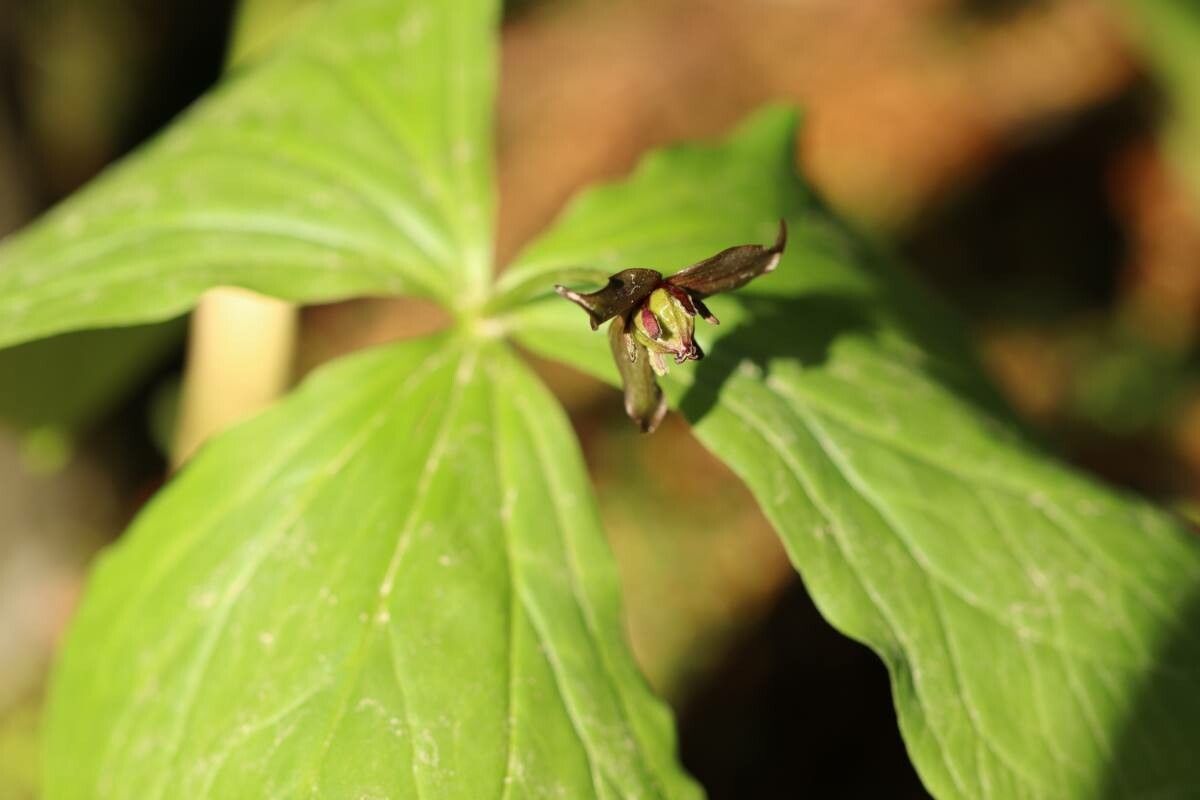
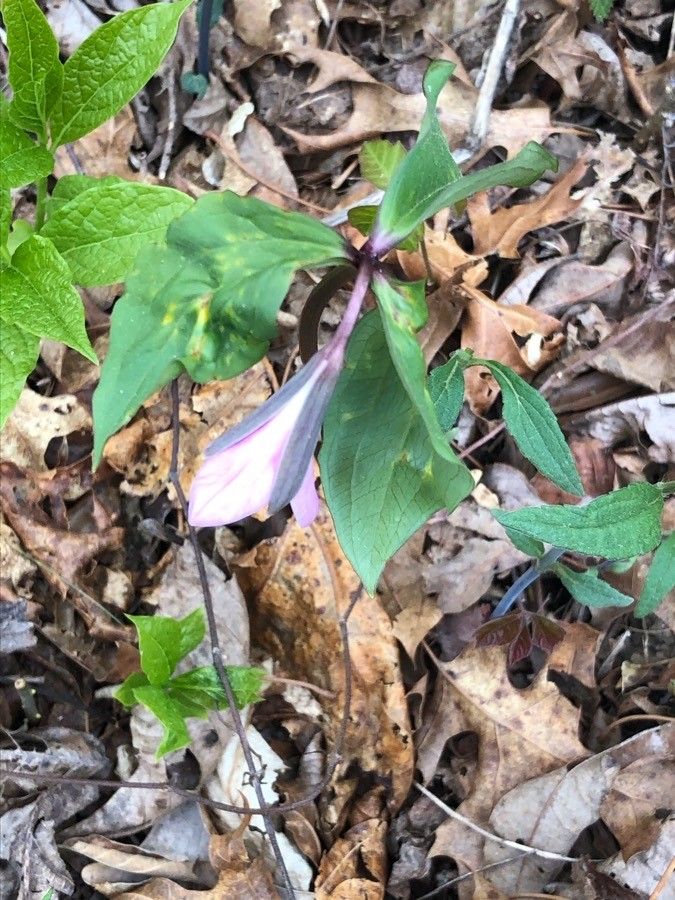
Trillium luteum, the yellow trillium or yellow wakerobin, is a species of flowering plant in the bunchflower family Melanthiaceae with native populations in the Great Smoky Mountains of the United States and surrounding areas.
Yellow trillium has good disease resistance and is generally not prone to diseases. However, it can be susceptible to pests and diseases present in its surroundings, and these infections are usually not severe. In terms of care, this plant requires moderate maintenance. It should be pruned regularly to maintain a tidy appearance and support healthy growth. Fertilization can also help encourage flowering. Yellow trillium is suitable for anyone with outdoor space, such as a garden or patio, and does not require extensive care experience. It may need more attention when grown indoors.
How to keep Trillium Luteum.
Light
Yellow trillium does best in spots with moderate light but can also fully adjust to shaded surroundings. Its light requirements are important for its health and growth. Having originated in areas with a dappled canopy, it tolerates lower-intensity light well. Too little or too much light can impact its overall vigor.
Water
Yellow trillium grows best in the moist, well-drained soils of deciduous forest understories. It requires consistent moisture but should not be waterlogged. To support its growth, it benefits from weekly watering. Applying mulch is also recommended, as it helps retain moisture during dry periods, thereby mimicking the plant's natural habitat for optimal growth.
Temperature
Yellow trillium is a plant native to areas with mild climates and usually grows best at temperatures from 5 to 32°C (41 to 89.6°F). To promote optimal growth, keep conditions within that range. You may need to adjust temperatures seasonally to imitate its natural habitat.
Fertilizer
The best time to fertilize a Yellow trillium is in early spring, when it is coming out of dormancy and beginning active growth. Fertilization supplies essential nutrients for healthy growth. Although Yellow trillium has relatively low fertilizer requirements, applying fertilizer annually can improve its survival and encourage better, longer-lasting flowers.
Pruning
The yellow trillium, recognized for its yellow three-petaled flowers, requires minimal pruning. This should usually be done from early to late spring, after the plant has flowered. Focus on removing any dead or damaged parts to improve both the plant's health and its appearance. Avoid heavy pruning to minimize stress and maintain the plant's vigor.
Botanical profile.
- Plant Type
- Herb
- Life Cycle
- Perennial
- Genus
- Trillium
- Family
- Melanthiaceae
- Hardiness Zone
- 4-8
- Mature Height
- 20 cm to 46 cm
- Mature Spread
- 30 cm to 46 cm
- Leaf Color
- Green, Gray, Silver
- Leaf Type
- Deciduous
- Flower Color
- Yellow, Green
- Flower Size
- 2.54 cm to 7.62 cm
- Bloom Time
- Early spring, Mid spring
- Planting Time
- Summer, Autumn
- Harvest Time
- Early summer, Mid summer
Other names.
Reader questions.
What are the sunlight requirements for Yellow Trillium?
Yellow Trillium requires partial sun, meaning it should receive about 3-6 hours of sunlight each day. It can also grow in full shade, which is defined as an area that gets less than 3 hours of sunlight per day. Observing the movement of sunlight through your garden to select spots offering a good balance of light and shade is crucial for ensuring the plant's health and happiness.
What is the ideal temperature range for yellow trillium growth?
Yellow trillium thrives in moderate temperatures, specifically within the range of 5 to 32°C (41 to 89.6°F). To ensure optimal growth, it's crucial to maintain temperatures within this range. Adjustments might be necessary seasonally to simulate its natural habitat. Yellow trillium is quite resistant to cold, thus special frost protection measures are usually not needed during winter. Nonetheless, if winter temperatures are expected to plunge below -30°C, taking steps to protect the plant from the cold is important. This can include covering the plant with soil or straw. Also, watering the plant copiously before the first autumn freeze to keep the soil moist through winter and early spring helps prevent drought and water scarcity.
What are the essential care tips for Yellow Trillium?
Yellow Trillium thrives in moderate light but can adapt to shaded environments. Originating in areas with dappled canopy cover, it can manage well in less intense light conditions. Both insufficient and excessive light can impact its vitality. Artificial lighting can be vital for indoor plants, especially in spaces with inadequate natural sunlight. LED lights are a popular choice since they provide specific wavelengths needed for growth, with recommendations for full sun, partial sun, and full shade plants varying in wattage per square foot. The appropriate distance between the plant and light source, as well as the duration of light exposure (usually 8-12 hours per day), should be carefully considered.
How does yellow trillium react to low temperatures?
Yellow trillium possesses a good tolerance for cold and performs best in temperatures above 5°C. It's advisable to keep it above -25°C during winter months. Although the plant might not show noticeable changes if temperatures fall below -30°C, there could be a decline in spring sprouting or even instances where sprouting does not occur. In the event that parts of the plant fail to sprout during spring, those sections should be removed to manage the plant's health effectively.
What symptoms indicate Yellow Trillium is not getting the right amount of light?
When Yellow Trillium doesn't receive the correct amount of light, it may show several symptoms. Inadequate light can lead to smaller new leaves, leggy or sparse growth, faster leaf drop, slower or no new growth, and lighter-colored or chlorotic leaves. Excessive sunlight can cause symptoms such as sunscald, leaf curling, wilting, and leaf scorching. These symptoms reflect the plant's struggle with improper light conditions, affecting its overall health and growth.
What should I do if yellow trillium experiences high temperatures?
During the summer, it's important to keep yellow trillium below 32°C. Temperatures exceeding 35°C can cause the plant's leaves to lighten in color, curl, and become susceptible to sunburn, leading to serious cases where the entire plant may wilt and dry out. To protect and recover the plant, trim away any sunburned or dried parts. Additionally, relocating the plant to a shadier spot or creating shade with a cloth can shield it from the harsh midday and afternoon sun. Ensuring the soil remains moist by watering in the morning and evening is also vital for the plant's well-being during hot periods.
How can light-related issues in Yellow Trillium be addressed?
To address light-related issues in Yellow Trillium, gradual adaptation to changing light conditions is key. Indoors, move the plant to sunnier spots each week to achieve 3-6 hours of direct sunlight daily or use artificial lighting such as desk lamps or professional grow lights for at least 8 hours a day. Outdoors, transition plants to sunnier locations progressively each week to prevent sunburn. Reducing obstructions like pruning trees can help outdoor plants receive more sunlight. If needed, transplant smaller plants during their dormant period to a better-lit location with ample sunlight and good drainage. However, portions of the plant affected by insufficient sunlight may not recover, but new growth should be healthy with increased light exposure.