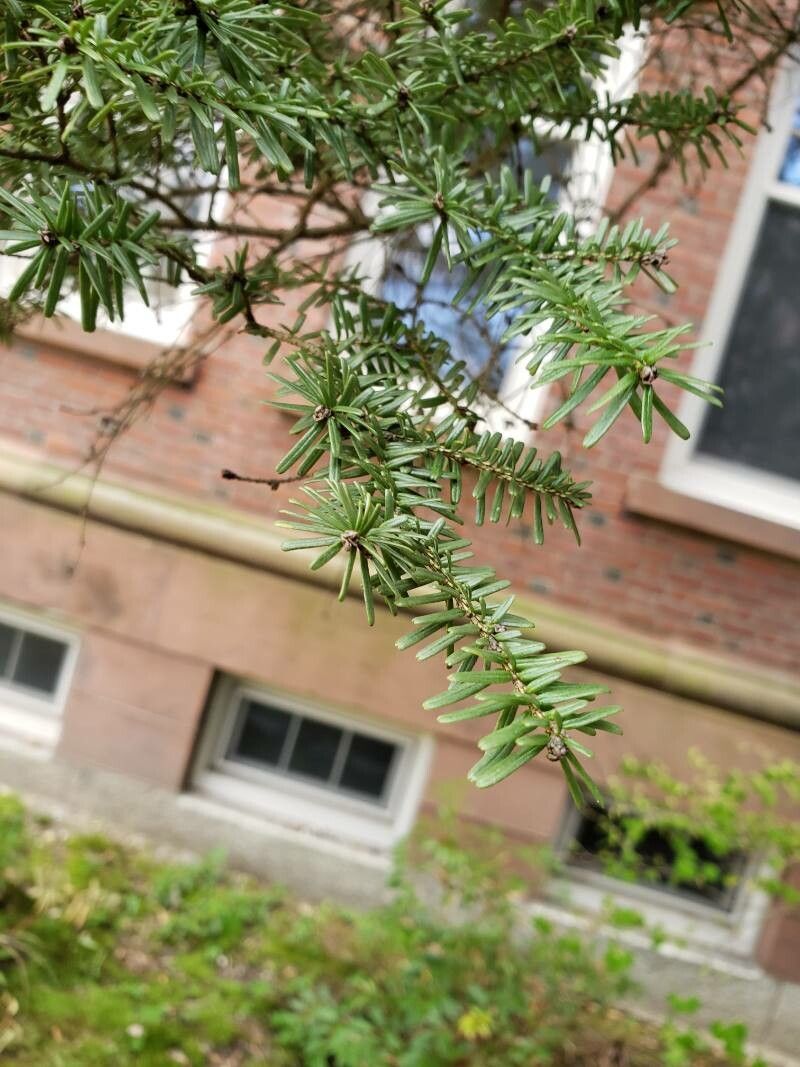
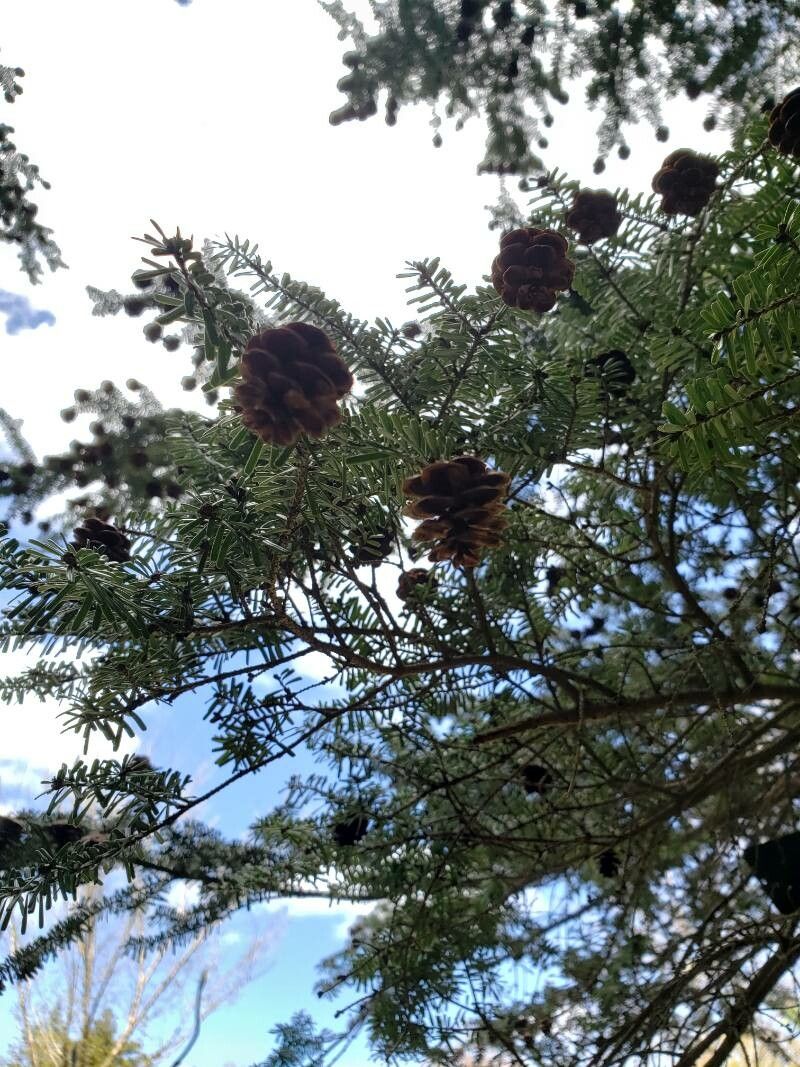
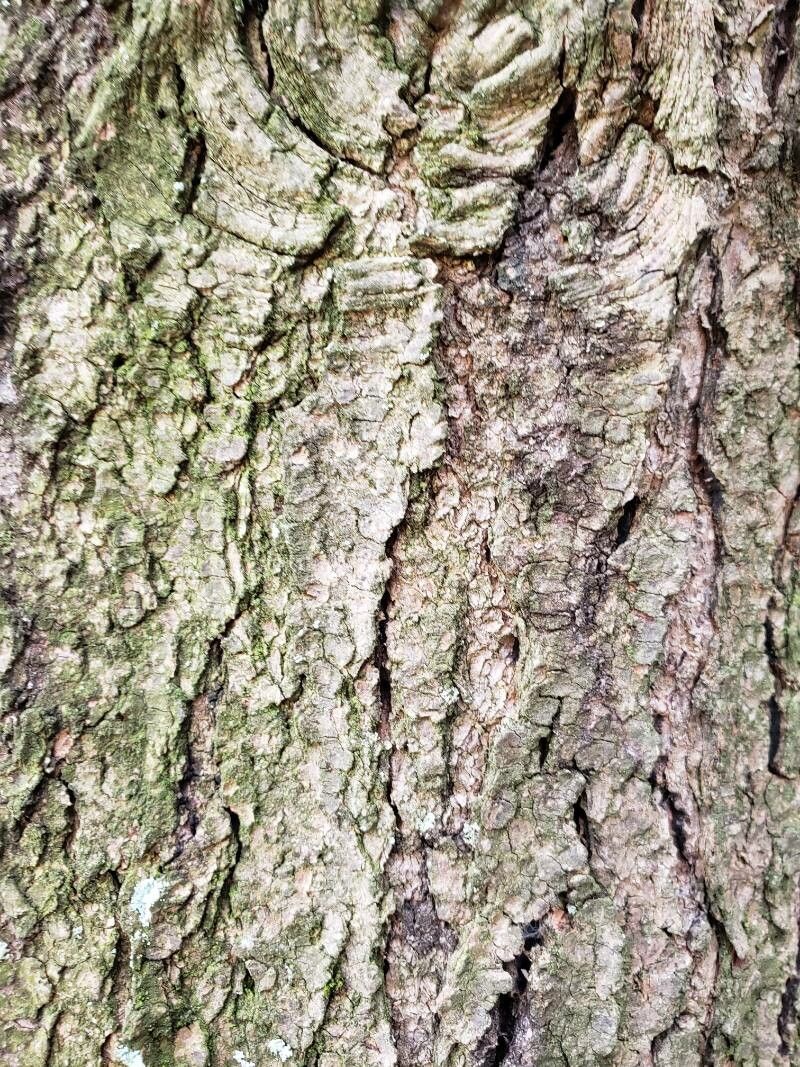
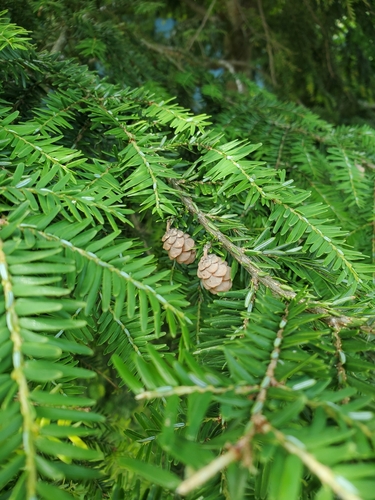
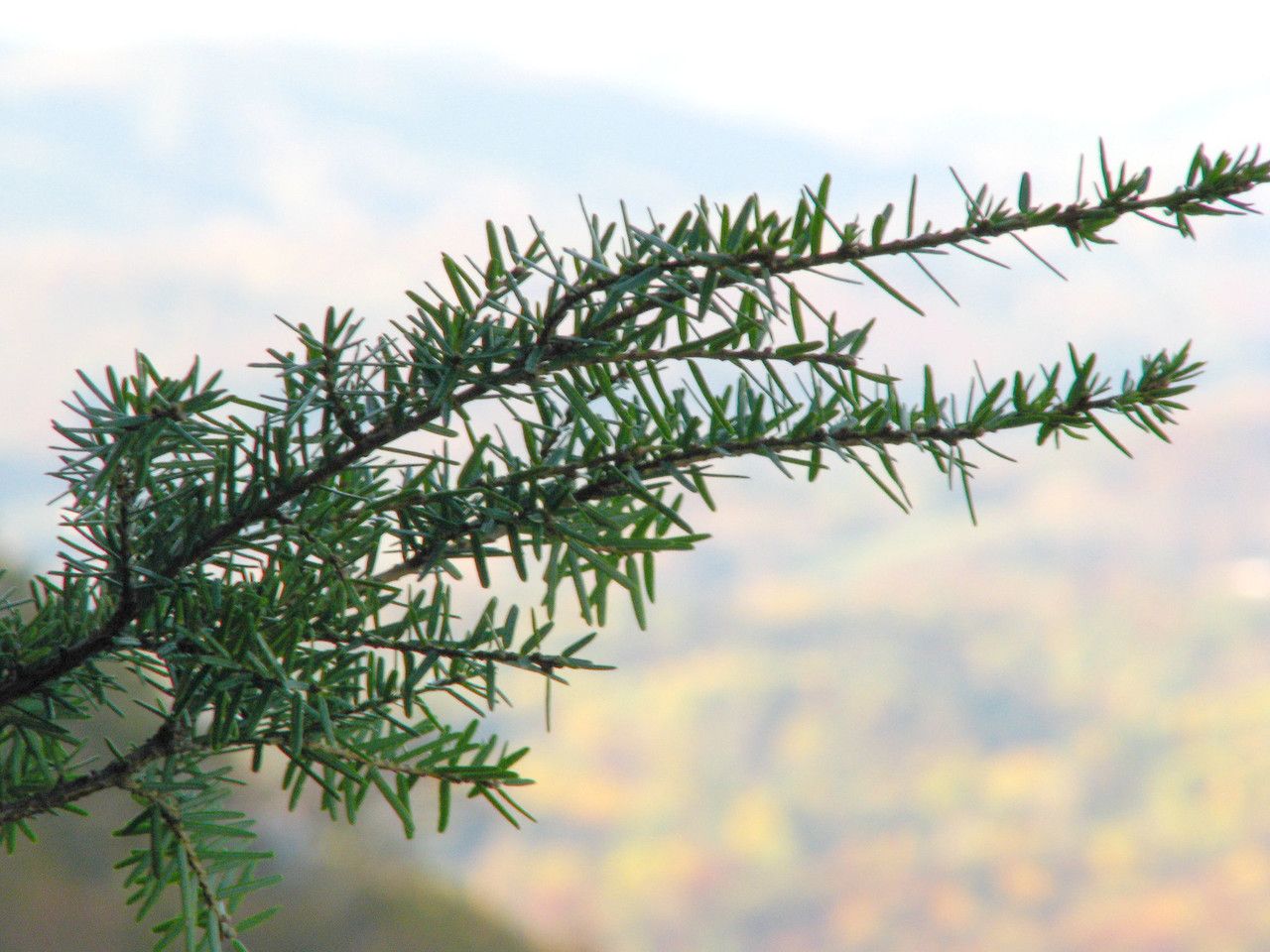
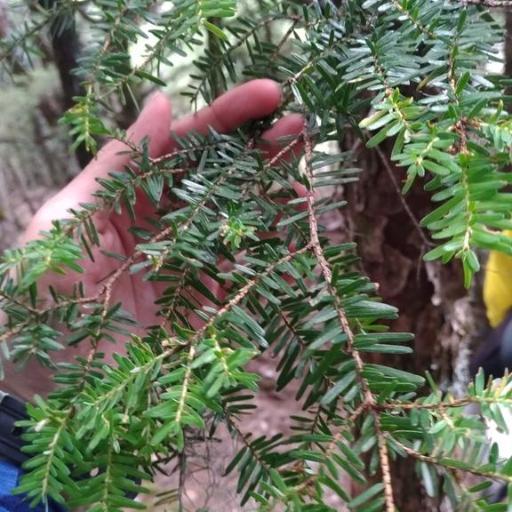
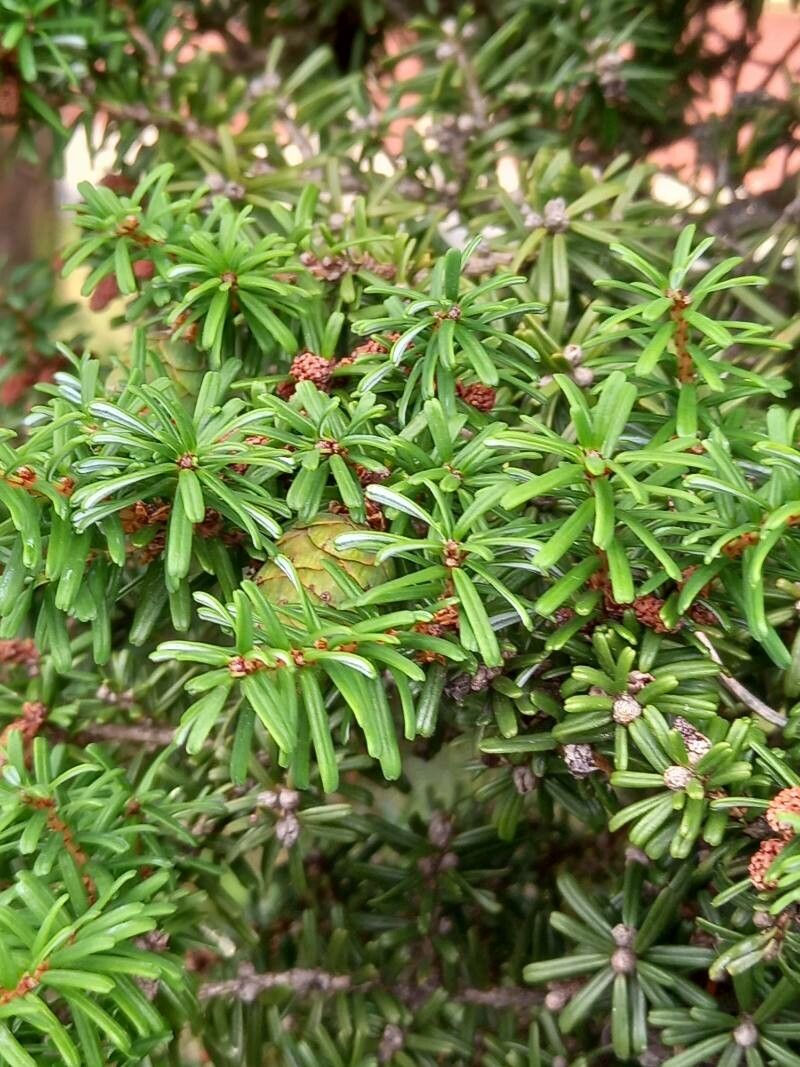
Tsuga sieboldii, also called the southern Japanese hemlock, or in Japanese, simply tsuga (栂), is a conifer native to the Japanese islands of Honshū, Kyūshū, Shikoku and Yakushima. In Europe and North America the tree is sometimes used as an ornamental and has been in cultivation since 1861.
Southern Japanese hemlock has good resistance to disease and is generally not susceptible to illnesses. Regarding care, this plant is fairly low-maintenance. When grown outdoors, it needs little watering, and larger specimens typically do not require pruning. Smaller plants, however, should be pruned after they have finished blooming. Southern Japanese hemlock is suitable for anyone with an outdoor area, such as a garden or deck, and does not demand a great deal of care experience.
How to keep Tsuga Sieboldii.
Light
Southern japanese hemlock is native to habitats such as forest understories and rocky sites, where it grows in natural shade. It prefers partial sun but can tolerate full sun or full shade, demonstrating its versatile and hardy nature.
Water
The Southern Japanese hemlock flourishes in humid, cool climates and, once established, exhibits moderate drought tolerance. Water the tree every one to two weeks, and apply mulch to help retain moisture, particularly during its active growth season. It is best grown outdoors due to its size and habitat preferences.
Temperature
Southern Japanese hemlock shows strong adaptability to a wide range of climatic conditions, tolerating both scorching summers and chilly winters. However, it does have an optimal temperature range for growth. When temperatures get excessively high, the plant is susceptible to heat and humidity stress, which can lead to its death. In regions where temperatures approach the lower limit of its cold tolerance, it is important to provide insulation to protect the plant.
Fertilizer
Southern Japanese hemlock has specific nutrient needs and does not require heavy fertilization. Spring is the best time to apply fertilizer for optimal growth. Supplying nutrients improves its health, strengthens its resistance to pests and diseases, and supports its long lifespan.
Pruning
The Southern Japanese hemlock is known for its weeping branches and evergreen leaves, and it thrives with regular pruning. Key techniques include thinning dense branches to improve air circulation and maintain the tree's shape. It is best to prune from early to late winter to minimize stress on the tree, concentrating on removing any dead wood. Make sure to use sterilized tools to prevent the spread of disease.
Botanical profile.
- Plant Type
- Tree
- Life Cycle
- Perennial
- Genus
- Tsuga
- Family
- Pinaceae
- Hardiness Zone
- 6-8
- Mature Height
- 30 m
- Mature Spread
- 4.88 m to 10.06 m
- Leaf Color
- Green
- Leaf Type
- Evergreen
- Flower Color
- Red, Purple
- Bloom Time
- Mid spring, Late spring
- Planting Time
- Spring, Summer
- Harvest Time
- Late summer, Early fall, Mid fall
- Native Area
- Japan
Other names.