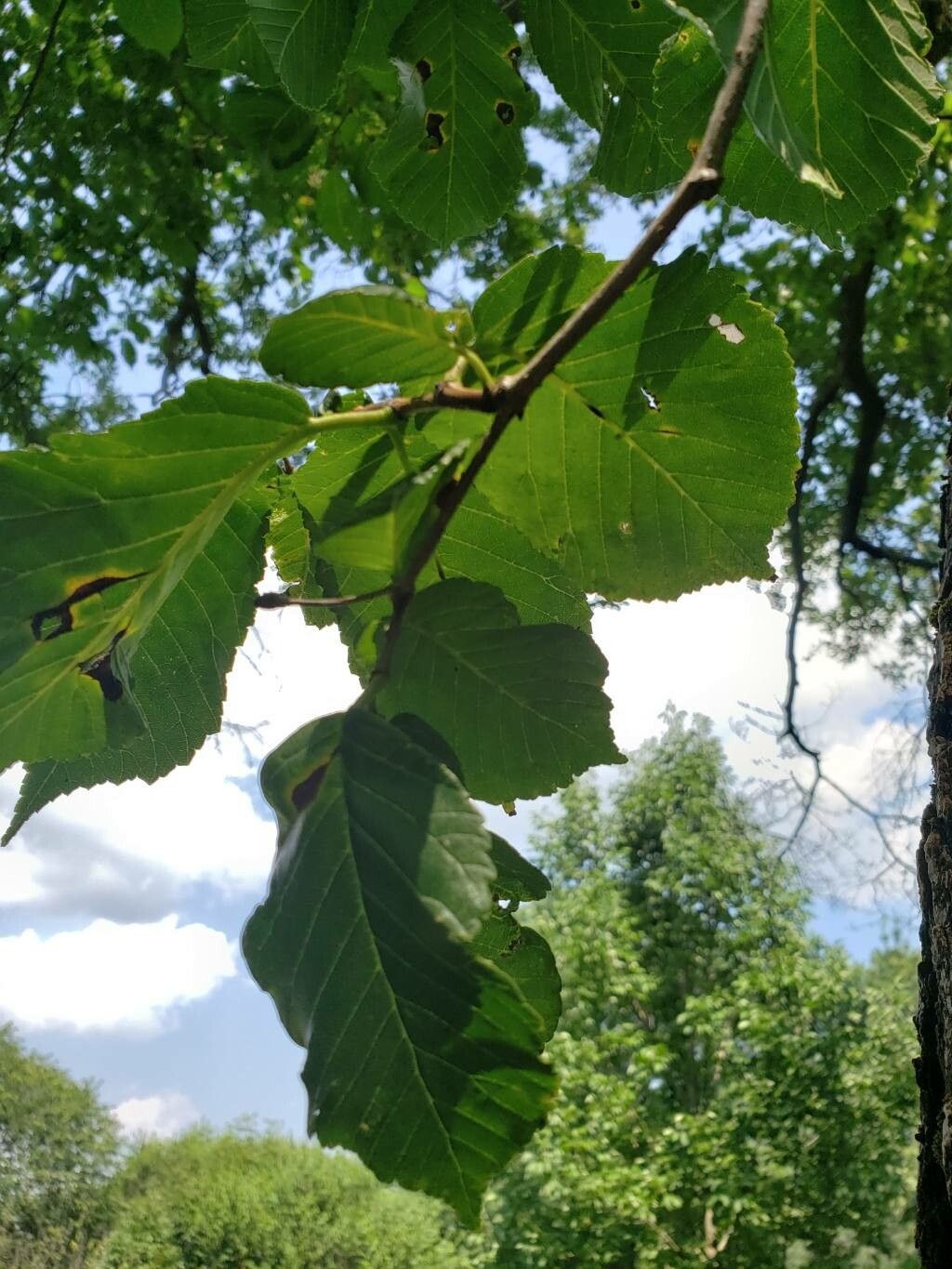
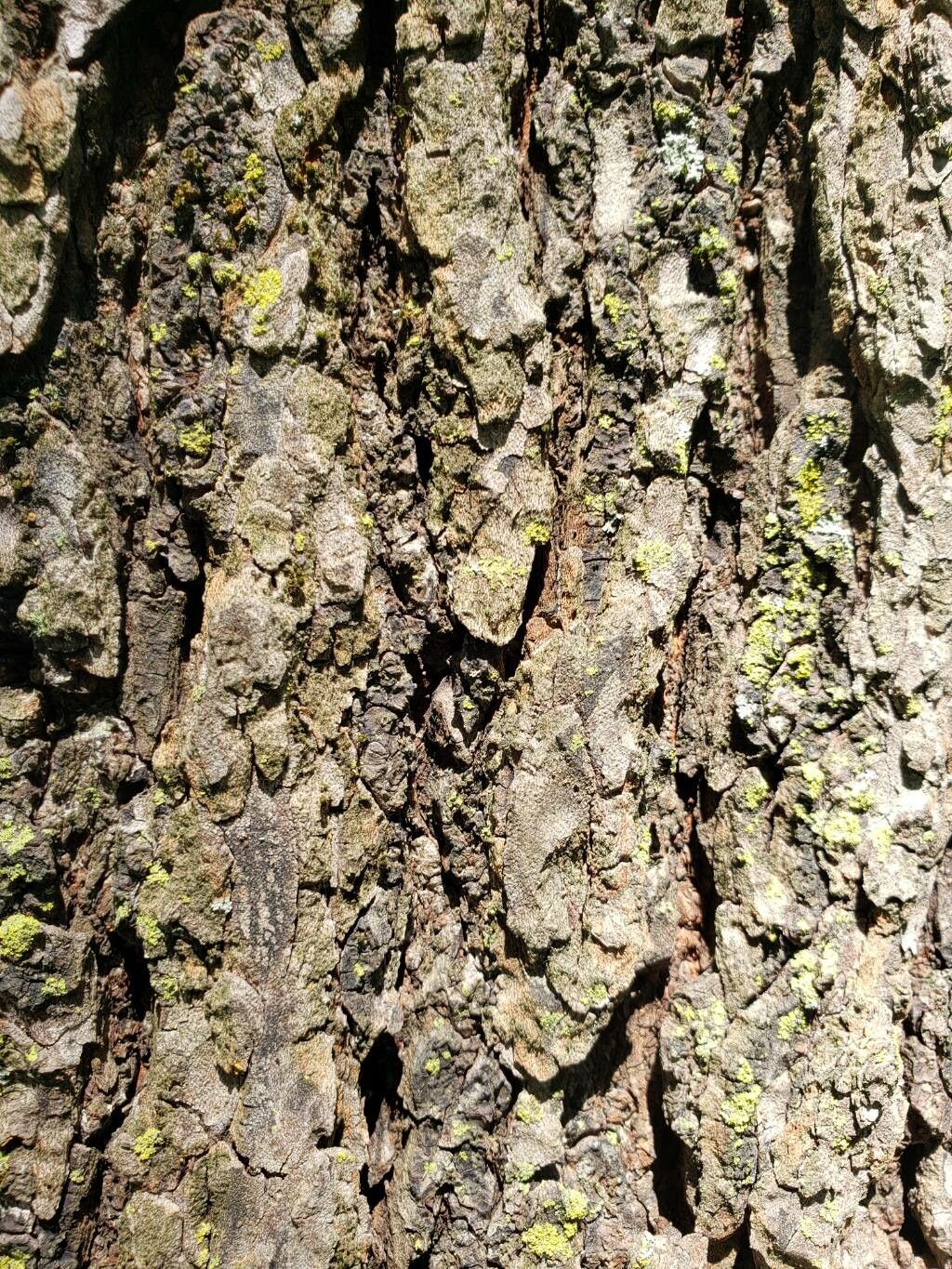
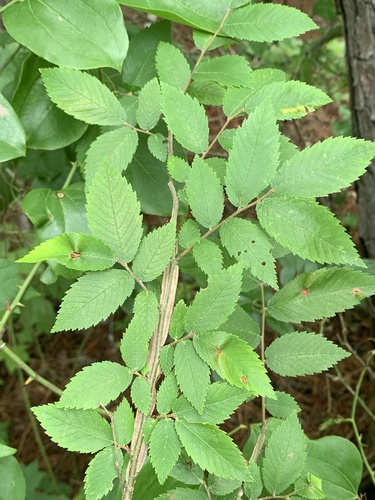
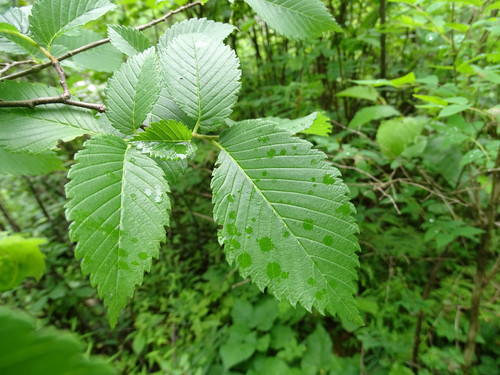
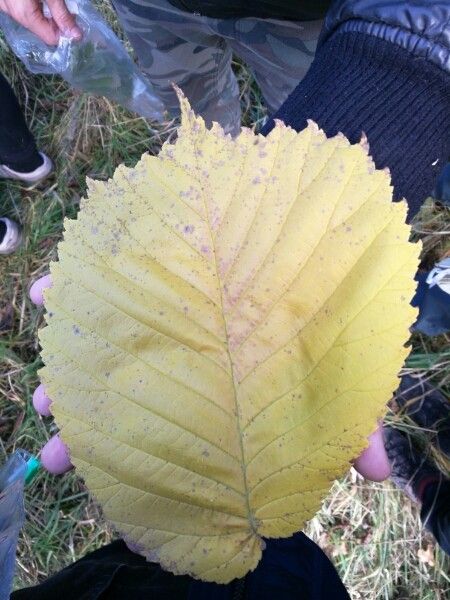
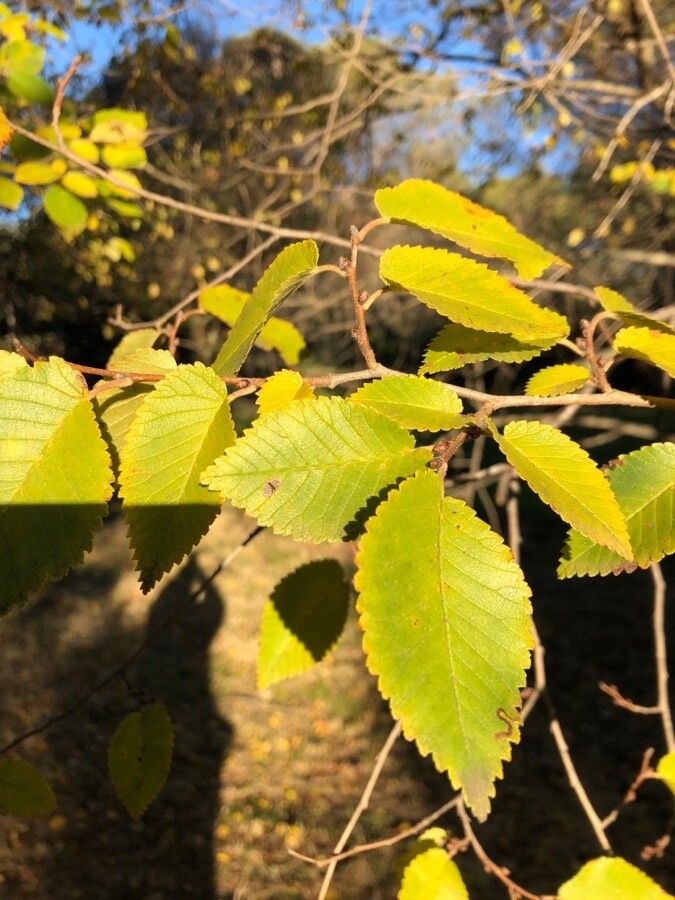
Ulmus macrocarpa Hance, the large-fruited elm, is a deciduous tree or large shrub endemic to the Far East excluding Japan. It is notable for its tolerance of drought and extreme cold and is the predominant vegetation on the dunes of the Khorchin sandy lands in the Jilin province of north-eastern China, making a small tree at the base of the dunes, and a shrub at the top.
The large-fruited elm is well resistant to disease and generally not susceptible to illnesses. As for care, this plant is fairly low-maintenance. Planted outdoors, it needs only light watering, and larger specimens usually do not require pruning. Smaller specimens, however, should be pruned after they finish blooming. The large-fruited elm is suitable for anyone with outdoor space, such as a garden or a deck, and does not demand extensive care experience.
How to keep Ulmus Macrocarpa.
Light
The large-fruited elm comes from open habitats, such as sunny meadows and forest margins, that supply abundant light. It performs best in Full Sun but can also tolerate Partial Sun, adjusting well to different light conditions.
Temperature
Large-fruited elm is highly adaptable to a range of climate conditions, from extremely hot summers to cold winters. However, it has an optimal temperature range for growth. If temperatures rise too high, the plant is vulnerable to heat and humidity stress, which can kill it. In regions where temperatures near the lower limit of its cold tolerance, insulating measures should be used to protect the plant.
Fertilizer
Fertilize your Large-fruited elm in early spring to encourage healthy growth. Regular feeding improves the tree's overall health, leading to vigorous growth, increased resilience to harsh conditions, and enhanced resistance to diseases and pests. Adhere to a specific fertilization schedule for your Large-fruited elm to preserve vibrant, deeply colored foliage and a lush appearance.
Pruning
The large-fruited elm is characterized by its sizable fruit and typical elm-like structure. It's best to prune in early spring to remove any dead or damaged branches and to improve air circulation. In the early years, formative pruning is important to establish a strong framework. Regular thinning also helps maintain the tree's health and structural integrity.
Botanical profile.
- Plant Type
- Tree, Shrub
- Life Cycle
- Perennial
- Genus
- Ulmus
- Family
- Ulmaceae
- Hardiness Zone
- 4-8
- Mature Height
- 17.07 m
- Mature Spread
- 10.06 m to 14.94 m
- Leaf Color
- Dark Green, Forest Green
- Leaf Type
- Deciduous
- Flower Color
- Yellow, Green
- Flower Size
- 0.25 cm to 0.51 cm
- Bloom Time
- Early spring, Mid spring
- Planting Time
- Spring, Summer
- Harvest Time
- Late spring, Early summer
- Native Area
- Russia, Mongolia, Koppen, South Korea, China
Other names.