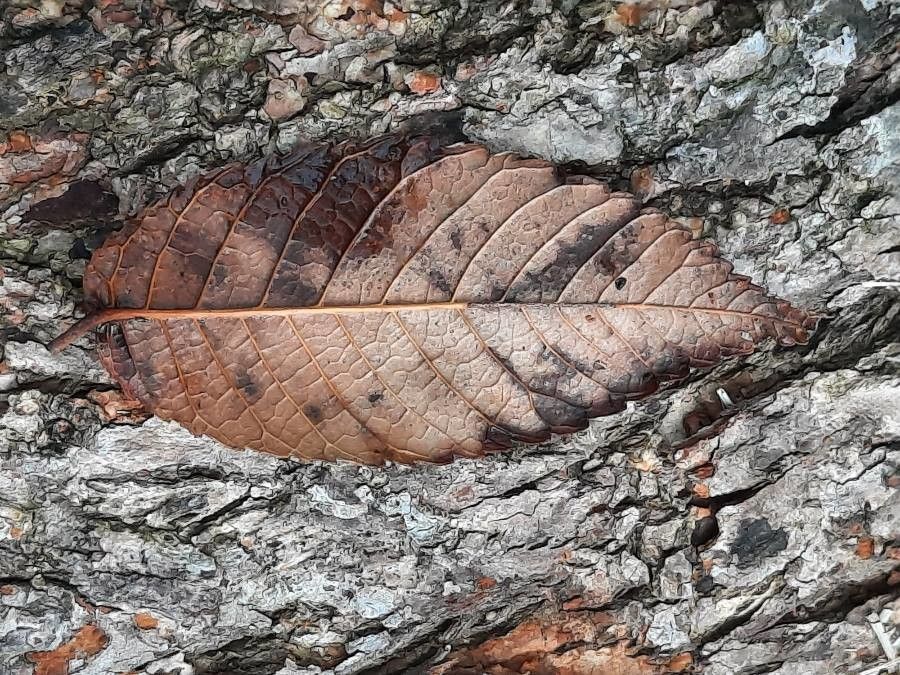
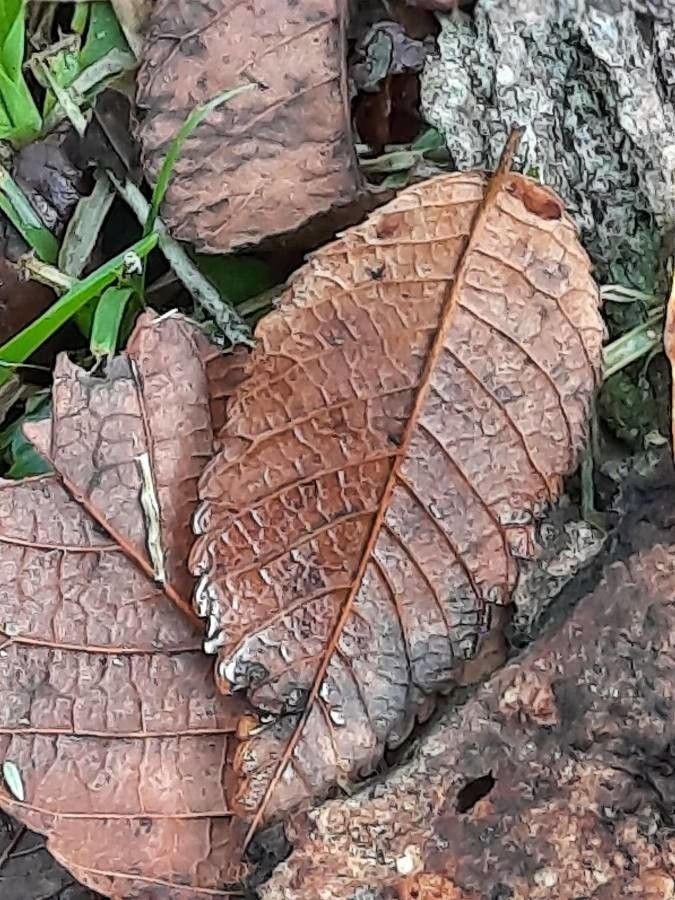
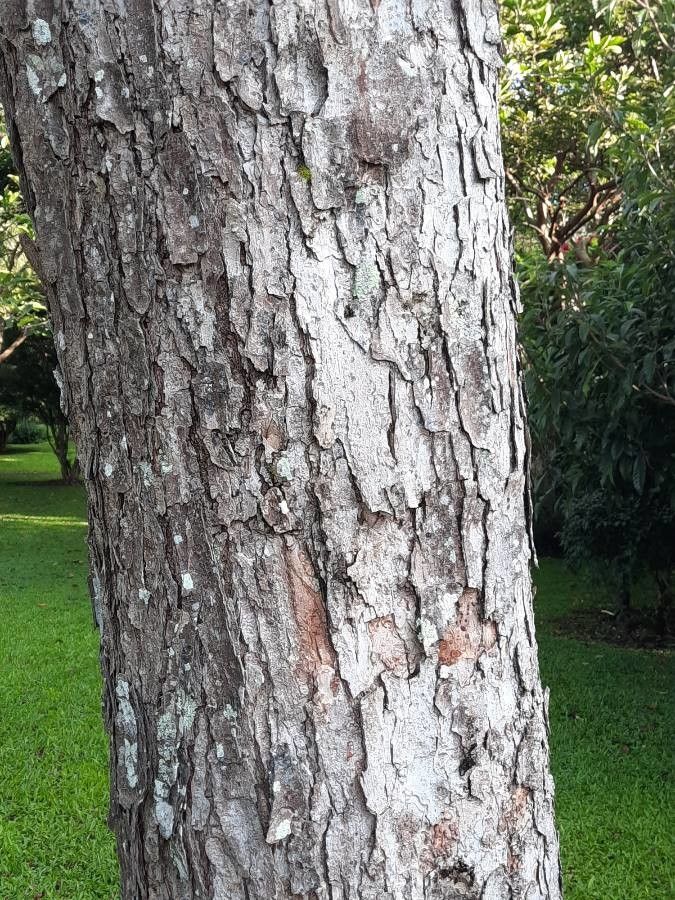
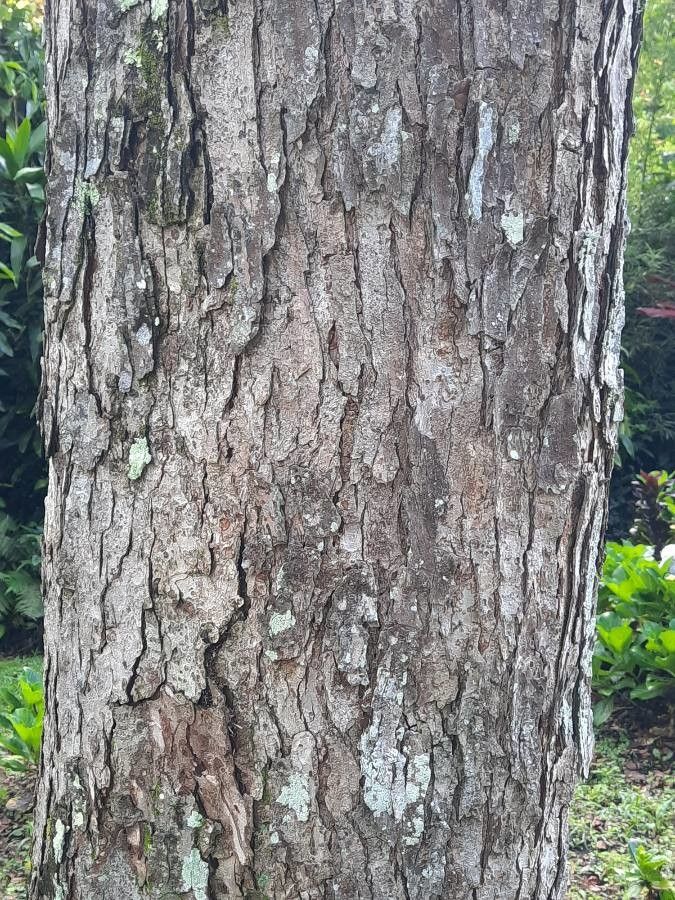
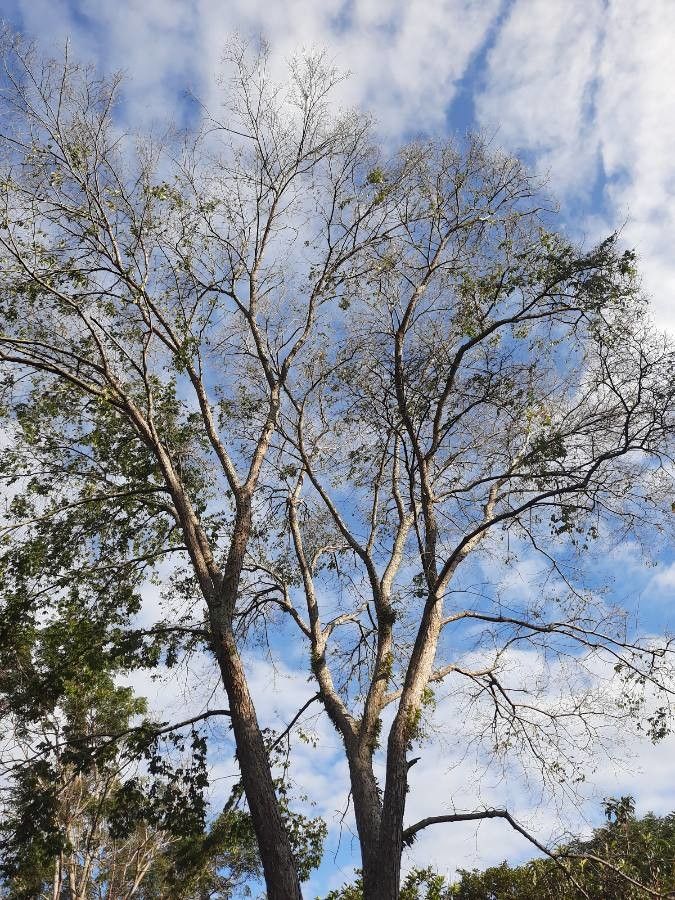
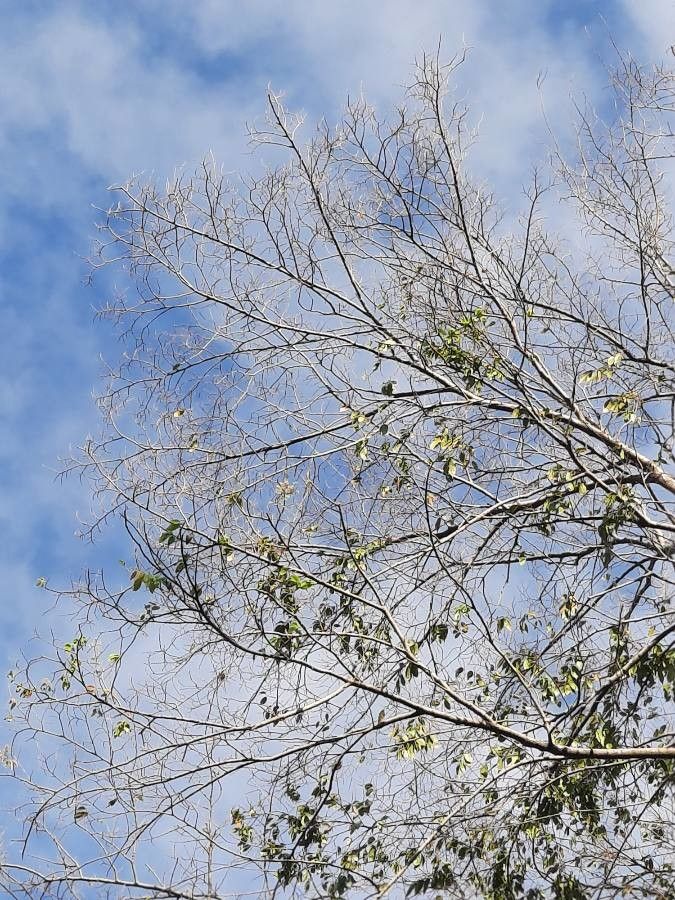
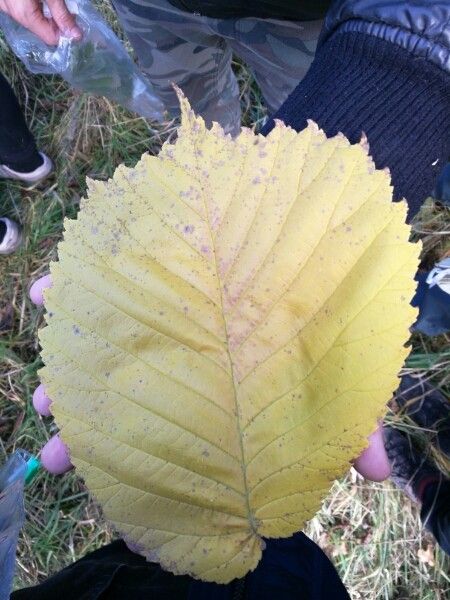
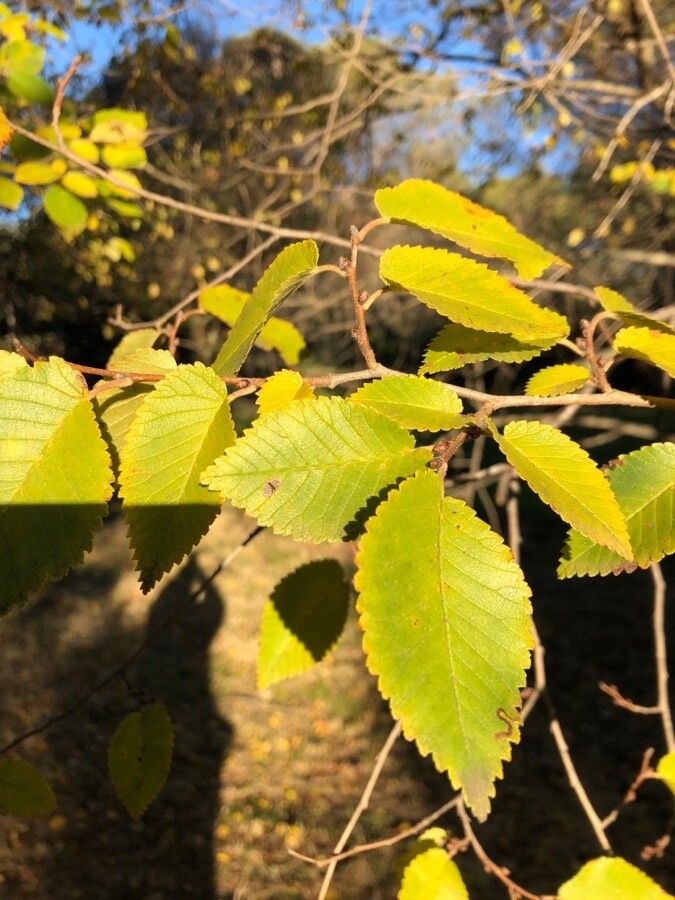
Ulmus mexicana, the Mexican elm, is a large tree endemic to Mexico and Central America. It is most commonly found in cloud forest and the higher elevations (800–2,200 m (2,600–7,200 ft)) of tropical rain forest with precipitation levels of 2–4 m (79–157 in) per year, ranging from San Luis Potosi south to Chiapas in Mexico, and from Guatemala to Panama beyond. The tree was first described botanically in 1873.
The Mexican elm is resistant to disease and generally not susceptible to illnesses. As for care, this plant is fairly low-maintenance. Planted outdoors, it needs only light watering, and larger specimens typically do not require pruning. Smaller plants, however, should be cut back after they have finished blooming. The Mexican elm is suitable for anyone with an outdoor area, such as a garden or deck, and does not demand extensive care experience.
How to keep Ulmus Mexicana.
Light
Mexican elm is native to habitats such as forest understories and rocky areas, where it occurs in natural shade. It favors partial sun but can tolerate full sun or full shade, reflecting its versatile and hardy nature.
Water
After planting the Mexican elm, water it immediately to ensure the soil absorbs the moisture. Continue watering daily for the first 20 days. During hot weather, water the tree both in the morning and evening. For bonsai, water only when the soil feels dry, and avoid spraying water on the leaves. In winter, reduce the frequency of watering and take care to prevent water-logging to avoid root rot.
Temperature
Mexican elm is highly adaptable to a range of climates, from blazing summers to frosty winters. Nevertheless, it has a preferred temperature range for optimal growth. If temperatures become too high, the plant can experience heat and humidity stress, which may lead to its death. In areas where temperatures approach the lower limit of its cold tolerance, insulating the plant is important for protection.
Fertilizer
Fertilize your Mexican elm in early spring to encourage healthy growth. Regular feeding improves overall health, leading to vigorous growth, greater tolerance of harsh conditions, and enhanced resistance to diseases and pests. Follow a consistent fertilization schedule for your Mexican elm to keep the foliage vibrant, richly colored, and lush in appearance.
Pruning
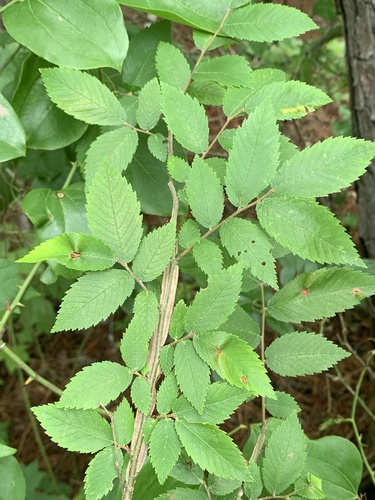
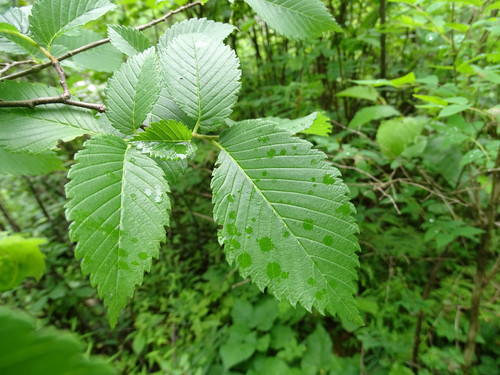
The Mexican elm is a deciduous tree known for its broad canopy and serrated leaves. Pruning in early spring is crucial for removing dead branches, improving airflow, and maintaining its shape. This practice promotes healthy growth and enhances pest resistance. Regular maintenance not only improves the tree's health but also boosts its aesthetic appeal.
Botanical profile.
- Plant Type
- Tree
- Life Cycle
- Perennial
- Genus
- Ulmus
- Family
- Ulmaceae
- Hardiness Zone
- 9-11
- Mature Height
- 20.12 m to 29.87 m
- Mature Spread
- 14.94 m to 20.12 m
- Leaf Color
- Dark Green, Forest Green
- Leaf Type
- Deciduous
- Flower Size
- 0.25 cm to 0.51 cm
- Bloom Time
- Late winter, Early spring
- Planting Time
- Spring, Summer
- Harvest Time
- Mid spring, Late spring
- Native Area
- Honduras, Mexico, Guatemala, El Salvador, Nicaragua, Costa Rica, Panama
Reader questions.
What are the sunlight requirements for a Mexican elm (Ulmus mexicana)?
The Mexican elm (Ulmus mexicana) thrives under specific sunlight conditions to ensure its health and growth. It requires 'full sun,' which means it should receive above 6 hours of sunlight daily. Alternatively, it can also grow under 'partial sun,' necessitating about 3-6 hours of sunlight. When planning where to plant your Mexican elm, it's important to observe how sunlight moves through your garden throughout the day. Finding locations that offer the right mix of light and shade can significantly benefit your plant, contributing to its happiness and well-being. Keep in mind that the sunlight exposure ensures the tree receives enough energy for photosynthesis, crucial for its growth and health.