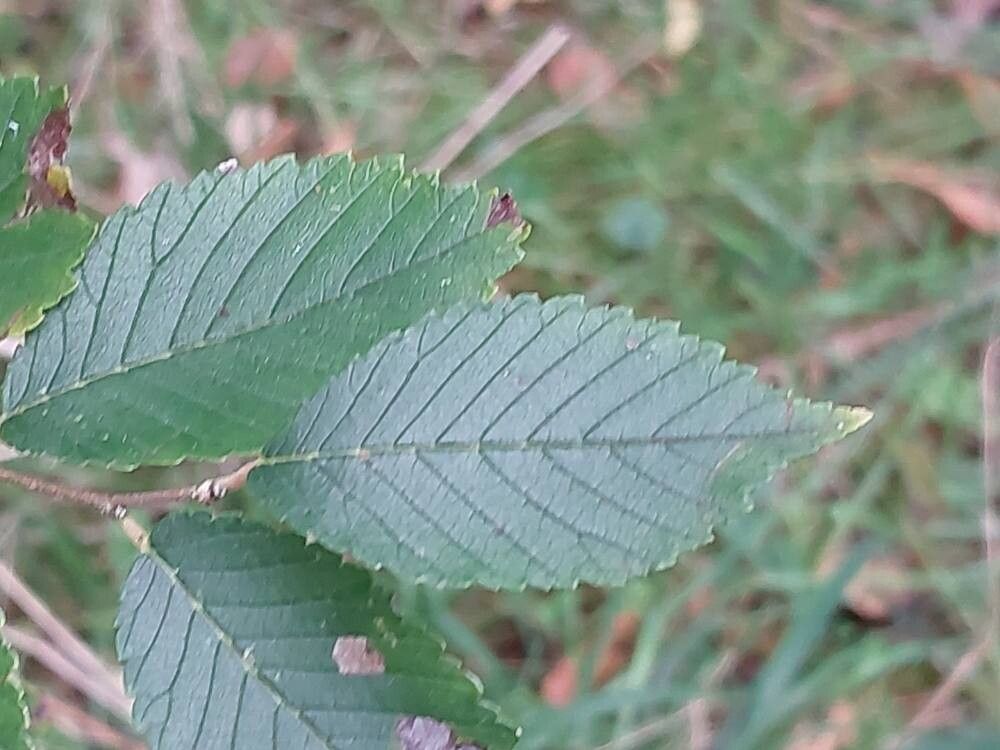
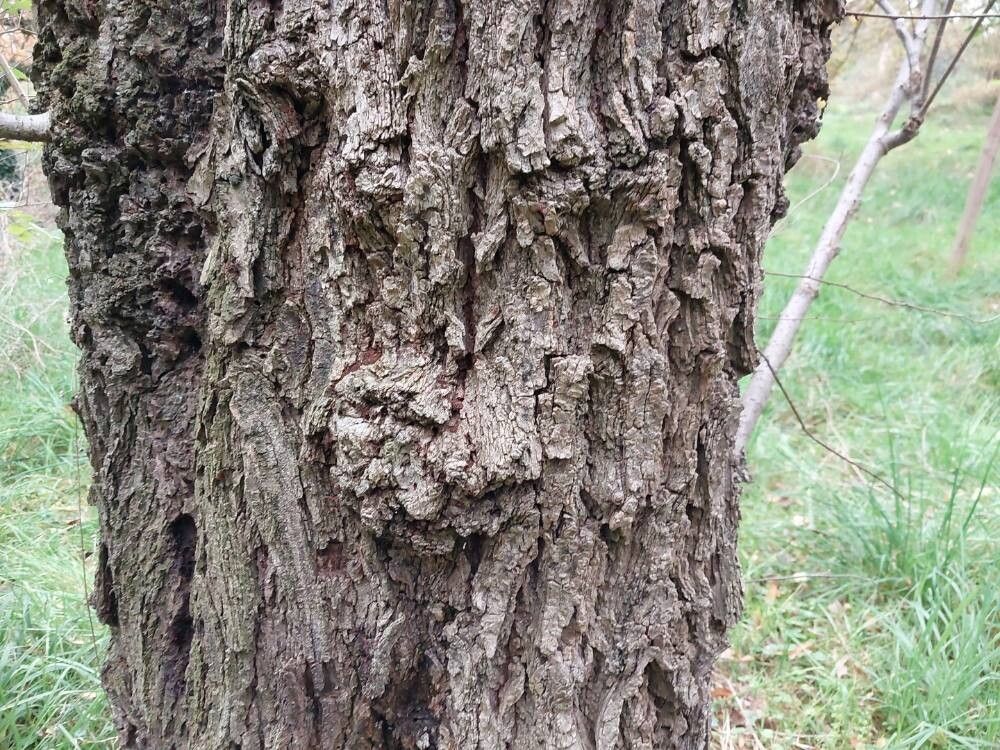
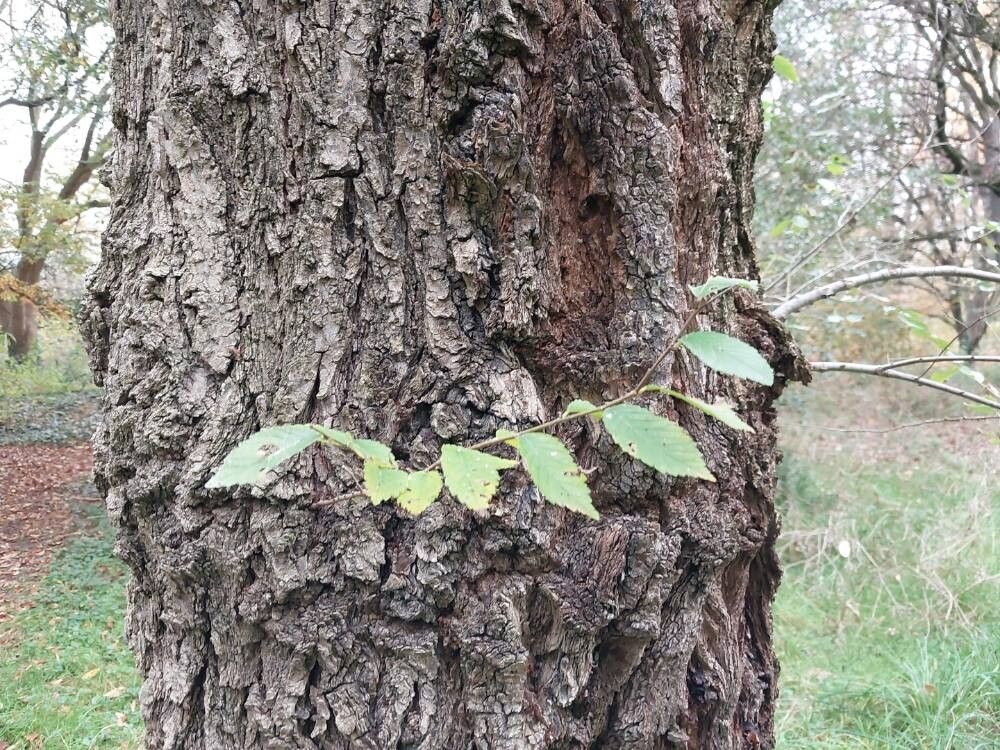
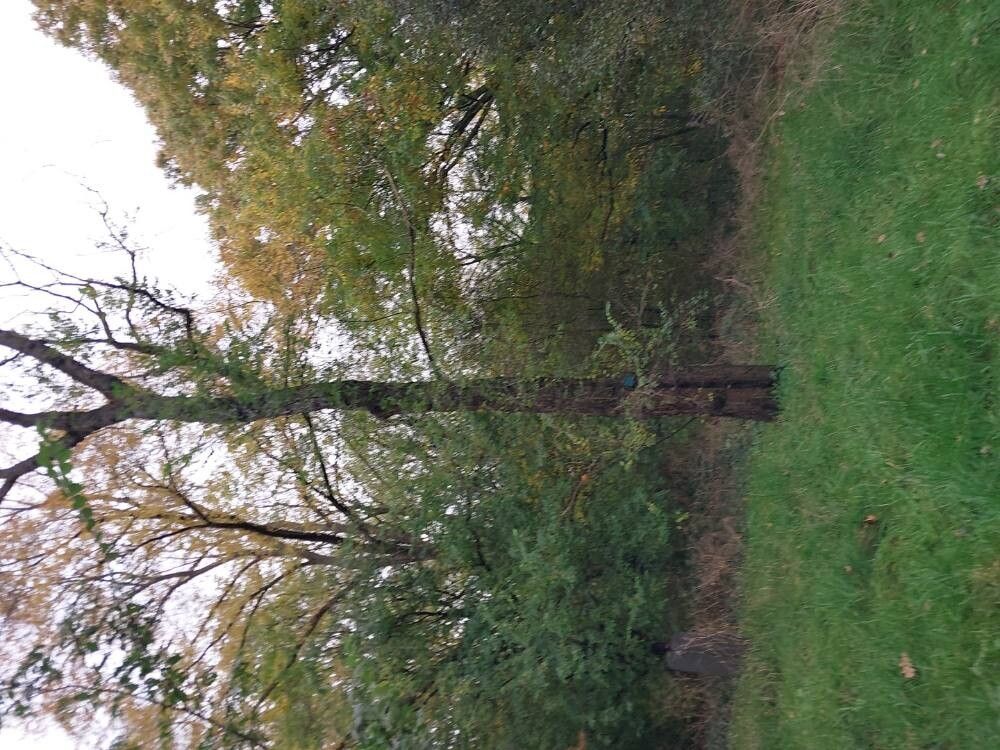
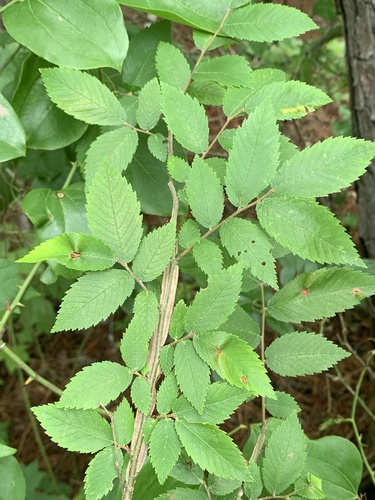
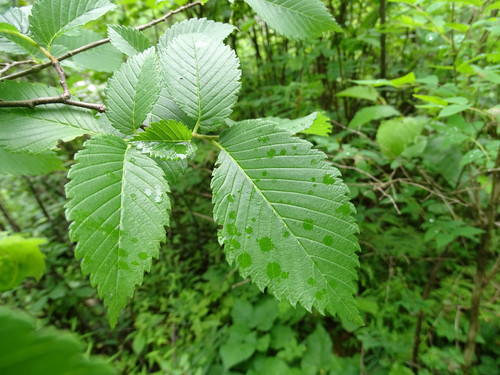
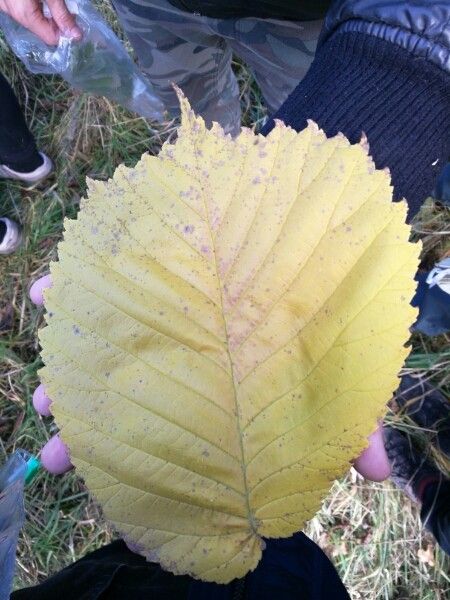
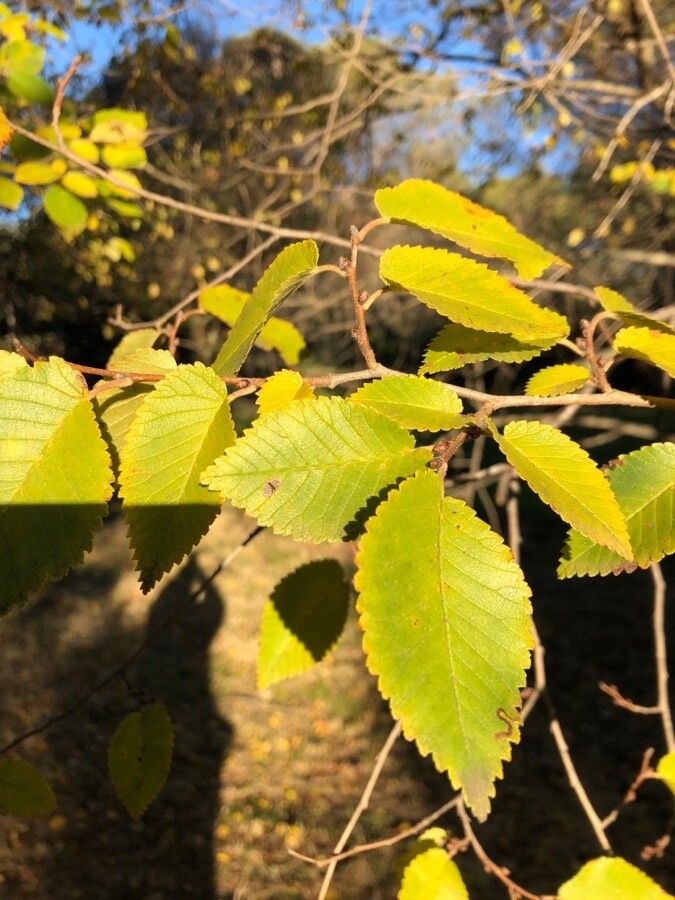
The field elm cultivar 'Atinia' , commonly known as the English elm, formerly common elm and horse may, and more lately the Atinian elm, was, before the spread of Dutch elm disease, the most common field elm in central southern England, though not native there, and one of the largest and fastest-growing deciduous trees in Europe. R. H. Richens noted that elm populations exist in north-west Spain, northern Portugal, and on the Mediterranean coast of France that "closely resemble the English elm" and appear to be "trees of long standing" in those regions rather than recent introductions. Augustine Henry had earlier noted that the supposed English elms planted extensively in the Royal Park at Aranjuez from the late 16th century onwards, specimens said to have been introduced from England by Philip II and "differing in no respects from the English elm in England", behaved as native trees in Spain. He suggested that the tree "may be a true native of Spain, indigenous in the alluvial plains of the great rivers, now almost completely deforested".
English elm is resistant to disease and typically not prone to illness. In terms of care, this plant is fairly low-maintenance. When grown outdoors it needs minimal watering, and larger specimens usually do not require pruning. Smaller specimens, however, should be pruned after they have bloomed. English elmt is suitable for anyone with an outdoor area, such as a garden or a deck, and does not demand extensive care experience.
How to keep Ulmus Procera.
Light
English elm does best with plentiful light but can tolerate environments that have moderate shade. Sunlight is crucial for its healthy growth, particularly in its early stages. It originally grew in habitats rich in sunshine, yet it can adapt to locations with lower light. Both too much and too little sunlight can negatively affect its development.
Temperature
English elm grows best in environments with temperatures from 41 to 95 °F (5 to 35 ℃). It is necessary to replicate these conditions for optimal growth, adjusting the temperature as required throughout the seasons.
Fertilizer
Fertilize your English elm in early spring to encourage healthy growth. Regular feeding improves the tree’s overall health, producing vigorous growth, better tolerance of harsh conditions, and increased resistance to diseases and pests. Keep to a consistent fertilization schedule for your English elm to maintain vibrant foliage with rich color and a lush appearance.
Botanical profile.
- Plant Type
- Tree
- Life Cycle
- Perennial
- Genus
- Ulmus
- Family
- Ulmaceae
- Hardiness Zone
- 5-10
- Mature Height
- 39.93 m
- Mature Spread
- 14.94 m
- Leaf Color
- Green, Yellow
- Leaf Type
- Deciduous
- Flower Color
- Red
- Flower Size
- 2.54 cm
- Bloom Time
- Late winter, Early spring
- Planting Time
- Spring, Summer
- Harvest Time
- Mid spring, Late spring
- Native Area
- Tunisia, Greece, Slovenia, France, Bulgaria, Albania, United Kingdom, Romania, Croatia, Morocco, Algeria, Serbia
Other names.