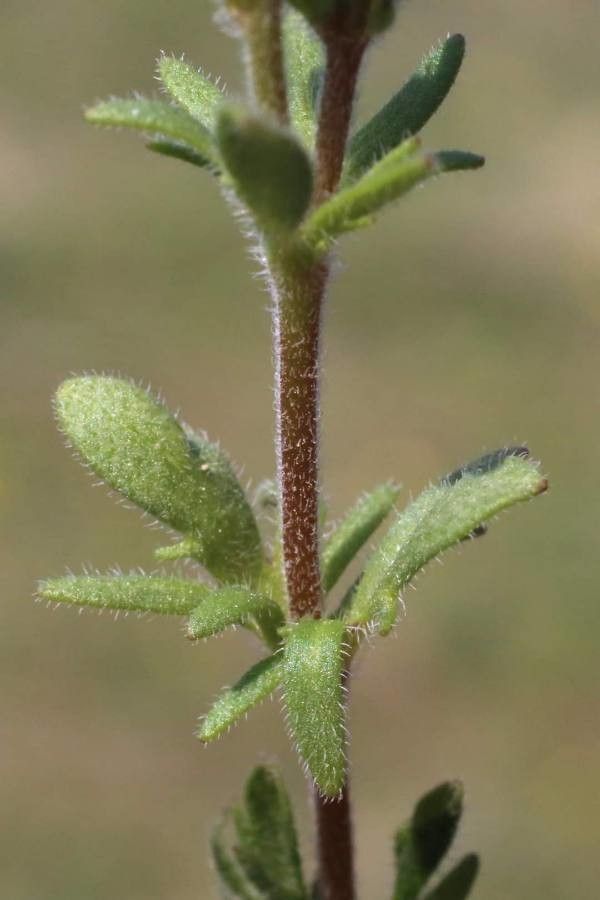
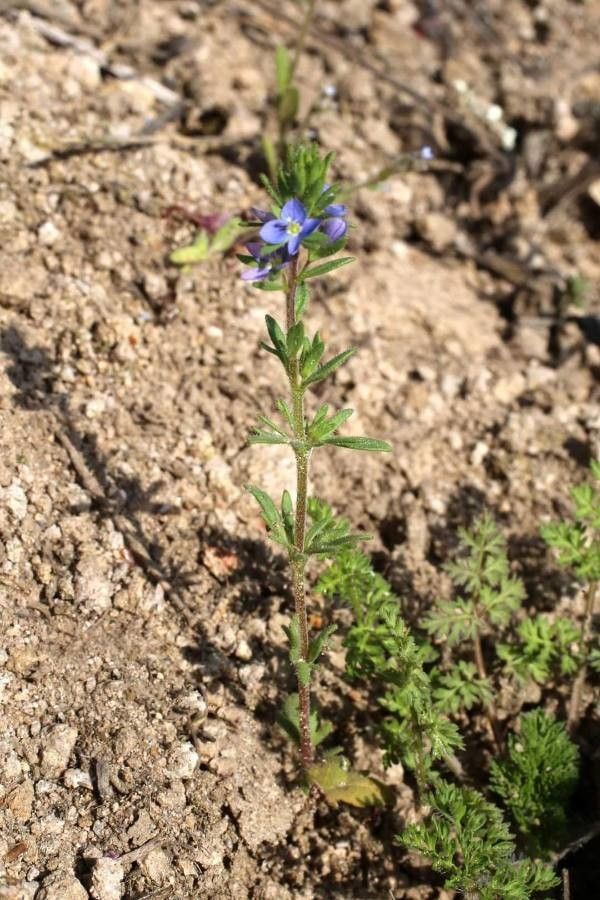
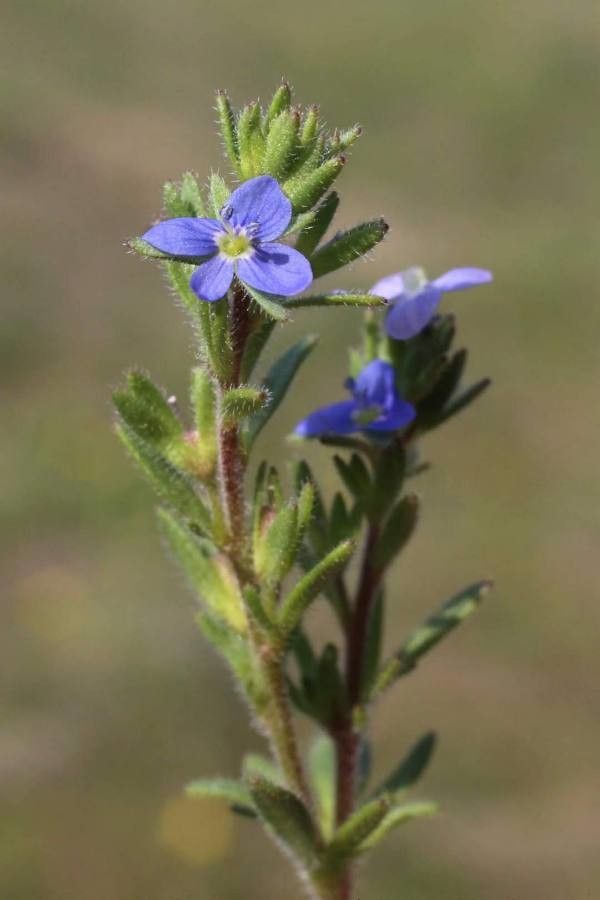
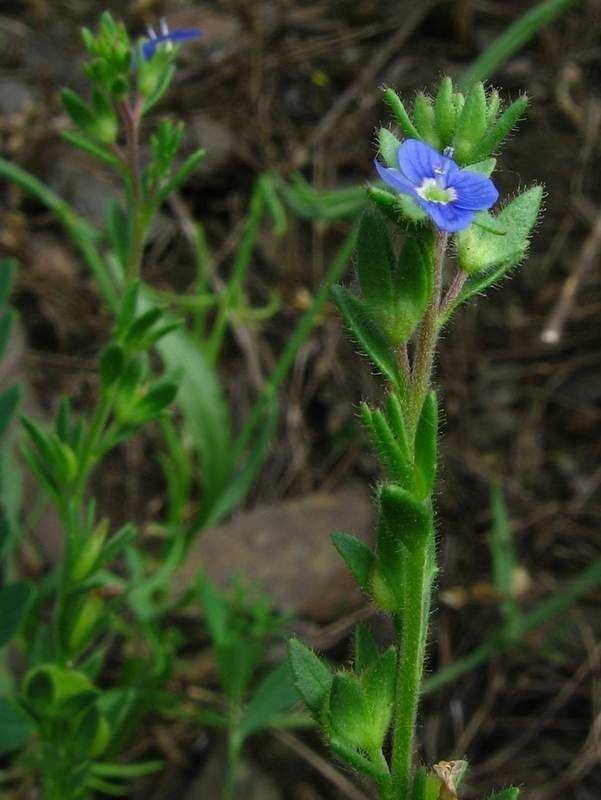
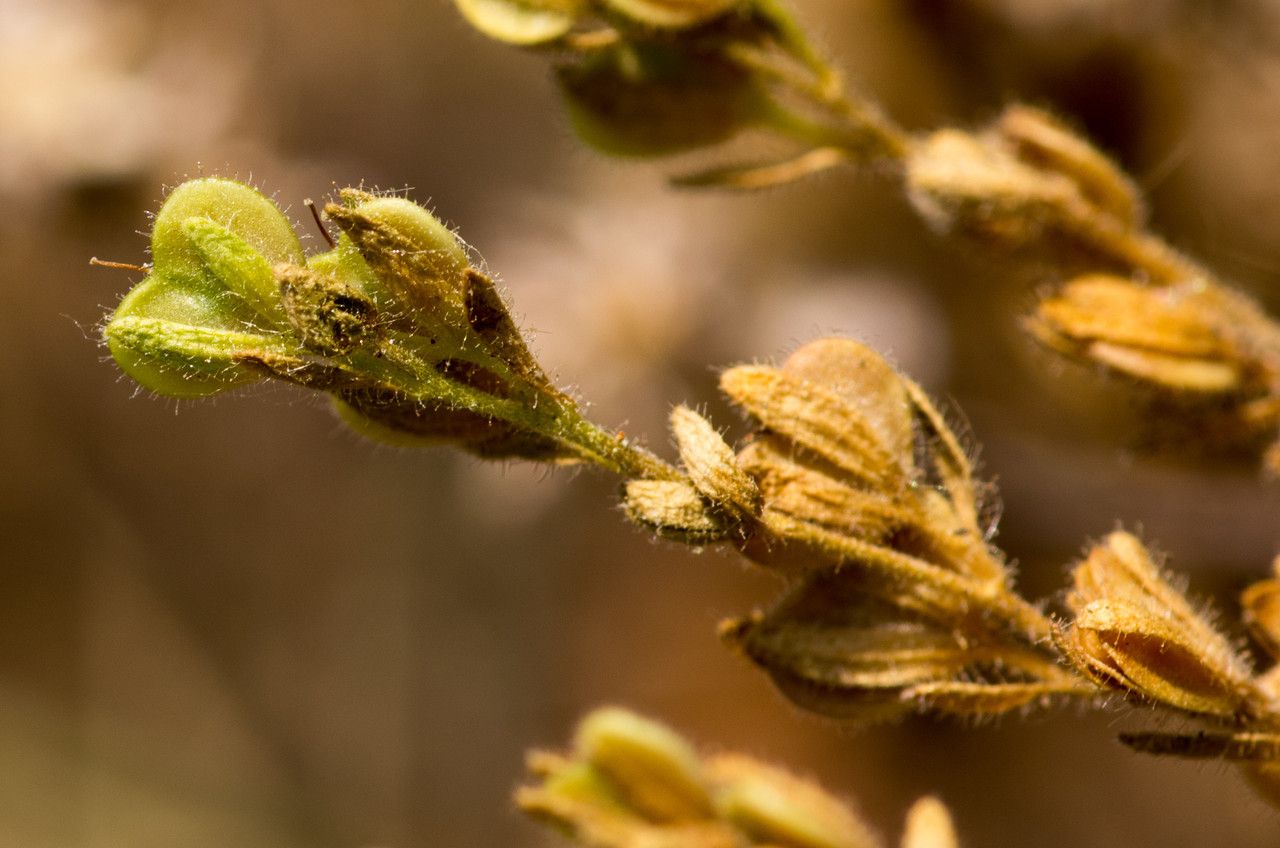
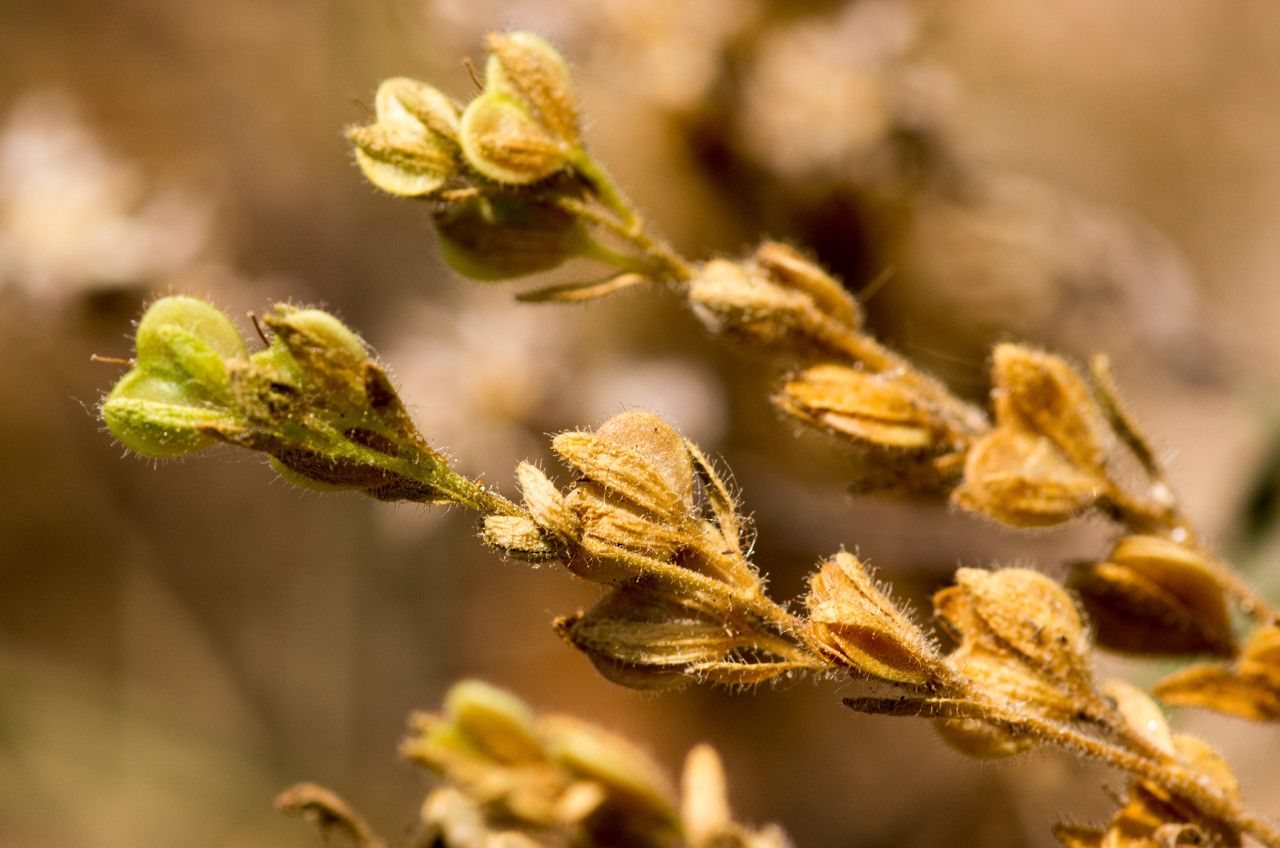
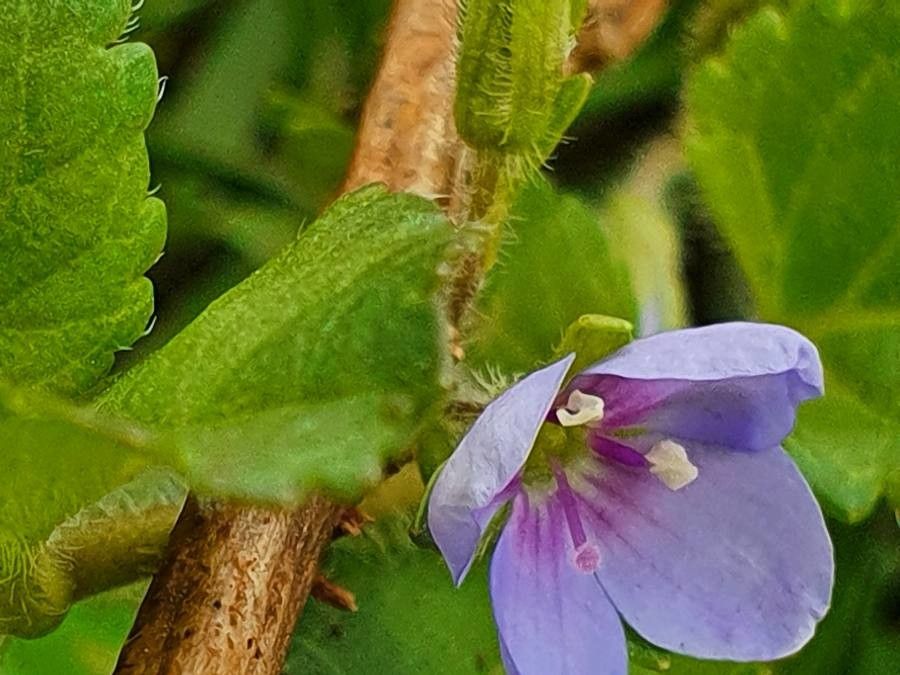
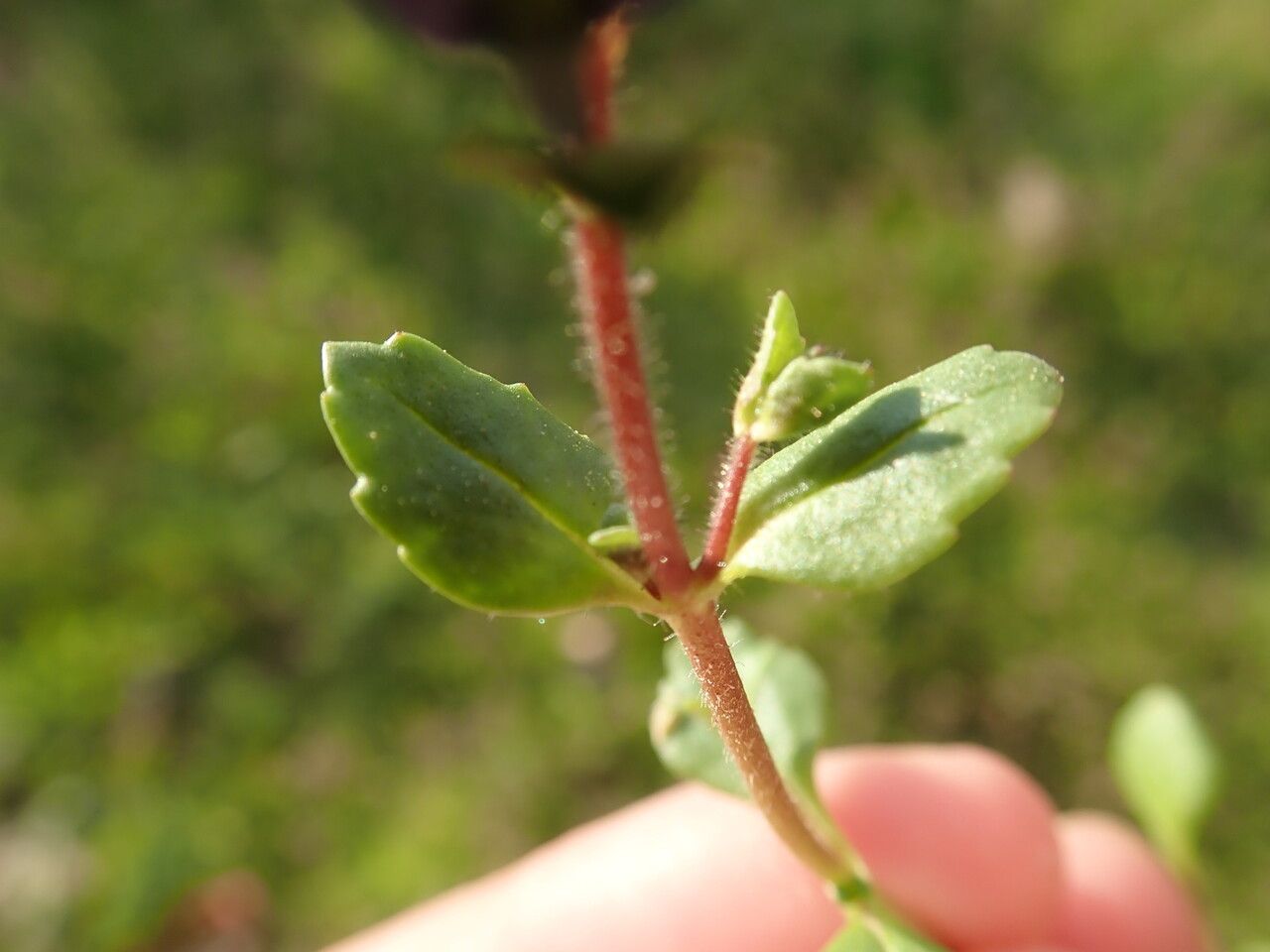
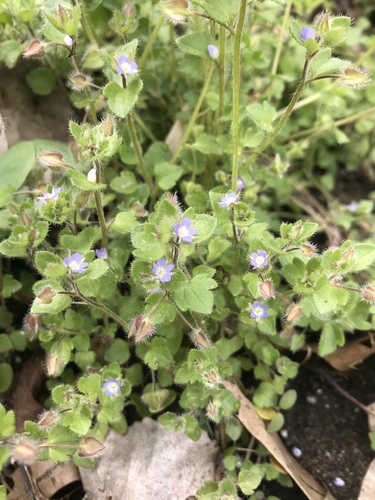
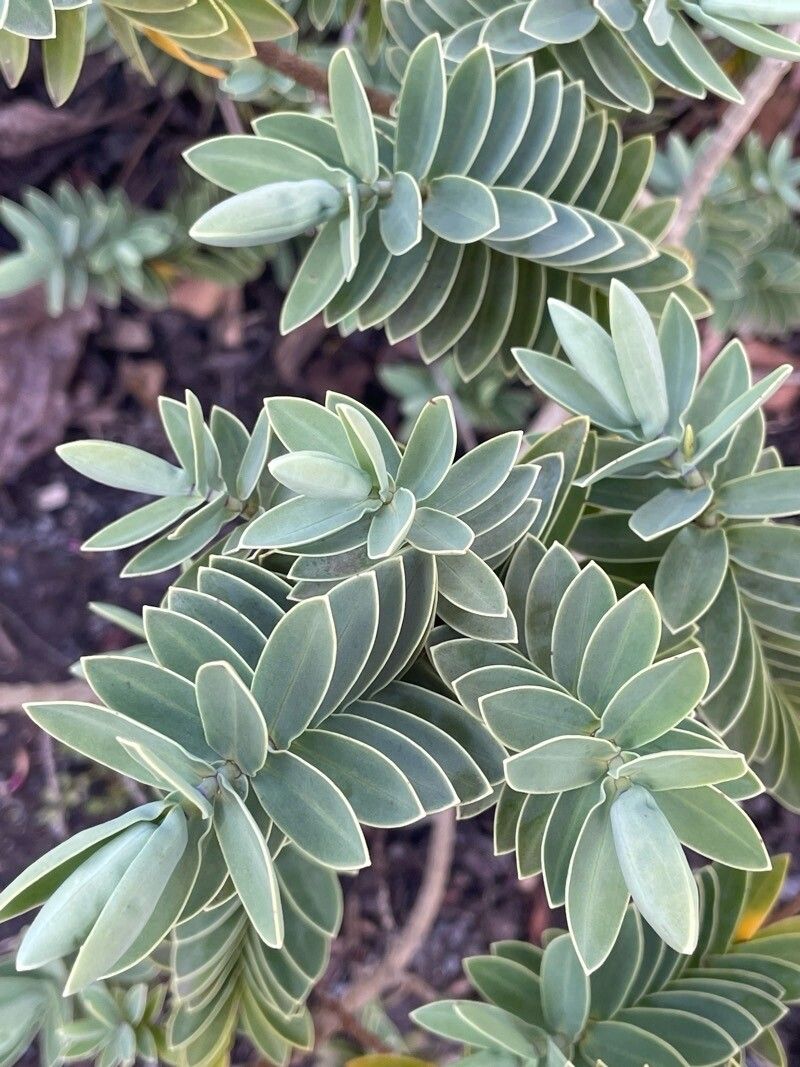
Veronica dillenii, commonly known as Dillenius' speedwell, is a species of flowering plant in the speedwell genus Veronica, family Plantaginaceae. It is found in warmer parts of Europe, the Caucasus region, and on to Kazakhstan, and it has been introduced to the eastern United States; Wisconsin, Illinois, Indiana, Michigan, New York, and Virginia. Considered somewhat weedy, it does not persist in fields under intensive agriculture.
Dillenius's speedwell generally has good resistance to disease and is not usually prone to illnesses. However, it can be vulnerable to pests and diseases present in its surroundings. These infections are typically mild. In terms of care, this plant requires moderate maintenance. It should be pruned regularly to maintain an attractive appearance and support healthy growth. Fertilizing can also help encourage flowering. Dillenius's speedwell is suitable for anyone with outdoor space, such as a garden or patio, and does not demand extensive experience in plant care. It may need more attention when grown indoors.
How to keep Veronica Dillenii.
Light
Dillenius's speedwell comes from sunny, open habitats and does best in full sun. It can tolerate partial shade but prefers direct sunlight for optimal growth. This plant, which can be annual or biennial, is noted for its sun-loving nature.
Water
Dillenius's speedwell thrives in moderate moisture conditions and needs weekly watering to avoid becoming overly saturated. Native to temperate regions, it flourishes best in environments with rainfall patterns that resemble those of its original habitat. Such conditions support its delicate flowering process, especially in outdoor settings like meadows and fields.
Temperature
Dillenius's speedwell can tolerate a wide range of temperatures, but its distribution may still be restricted by particular combinations of moisture and heat. It grows best in warm summer climates with adequate rainfall or watering. Extended periods of cloudy, rainy weather, as well as prolonged high temperatures, can raise the likelihood of Dillenius's speedwell dying. In winter, appropriate protection from cold can increase the plant's survival rate.
Fertilizer
Dillenius's speedwell benefits from regular, light applications of fertilizer to encourage healthy leaf growth. You should feed Dillenius's speedwell roughly once a month during the summer. Nitrogen is important for foliage, and adding nitrogen-rich sources helps Dillenius's speedwell thrive.
Pruning
Dillenius's speedwell is known for its beautiful blue flowers and its ability to form a dense mat of foliage. To maintain the health and appearance of this plant, it's best to prune it from early to late spring. During pruning, remove spent blooms, any leggy growth, and dead stems. This will promote healthy regeneration, encourage re-blooming, and prevent the plant from becoming invasive. Additionally, improving air circulation through pruning reduces the risk of fungal diseases, helping to keep the plant vibrant and healthy.
Botanical profile.
- Plant Type
- Herb
- Life Cycle
- Annual
- Genus
- Veronica
- Family
- Plantaginaceae
- Hardiness Zone
- 3-11
- Leaf Type
- Semi-evergreen
- Native Area
- Turkey, Austria, Czech Republic, Slovakia, Armenia, Poland, Greece, Croatia, Belarus, Ukraine, Serbia, Russia, Lithuania, Hungary, Germany, Italy, Kazakhstan, Spain, Switzerland, Estonia, Albania, Romania, Latvia, France
Other names.