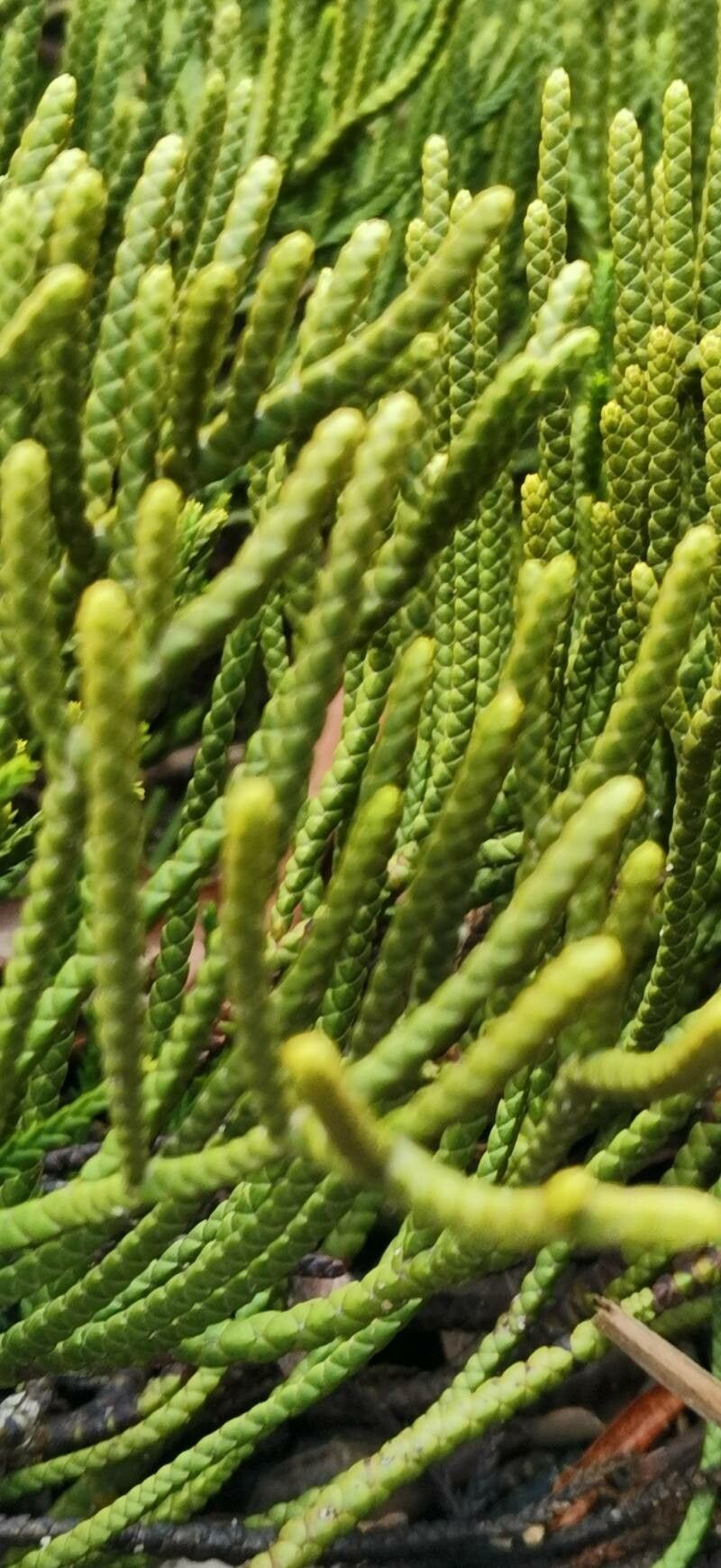
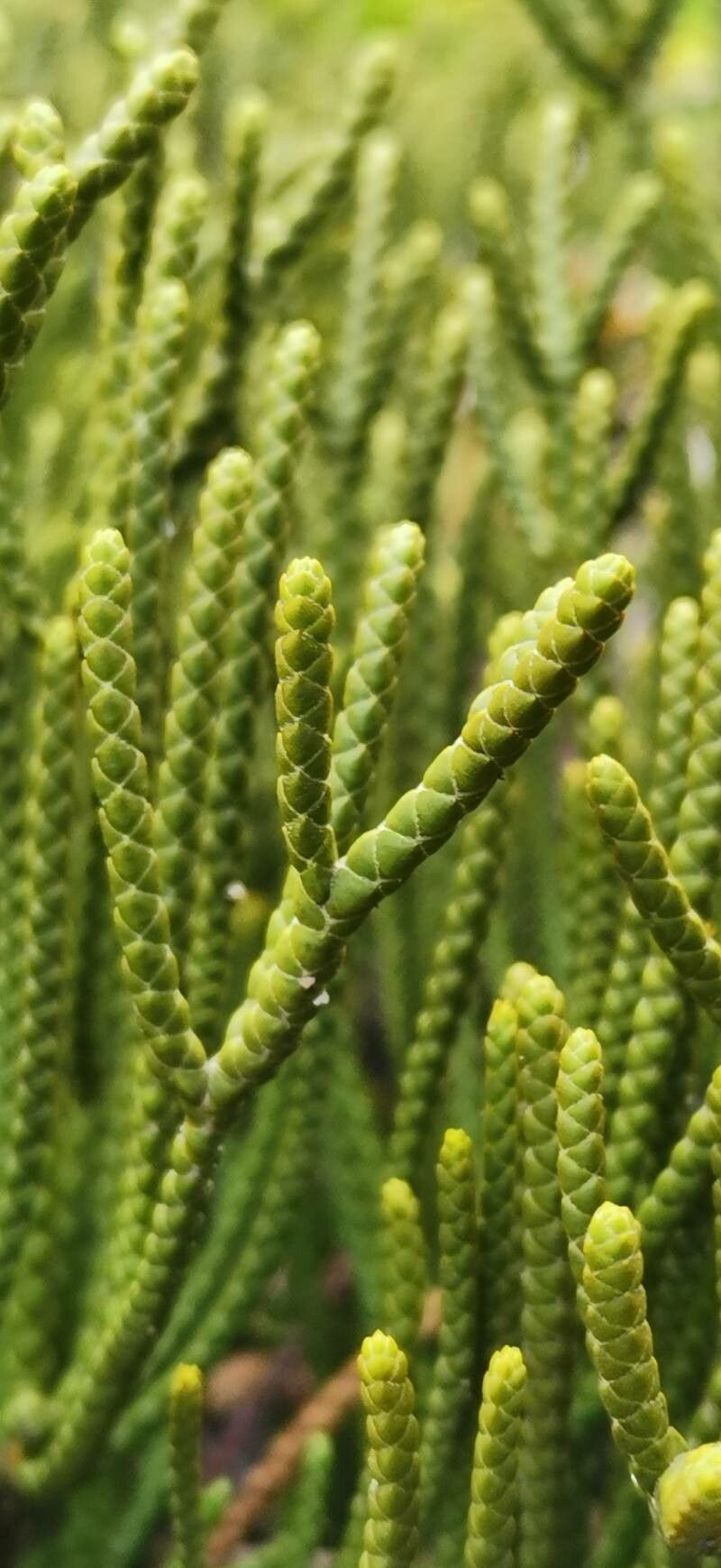
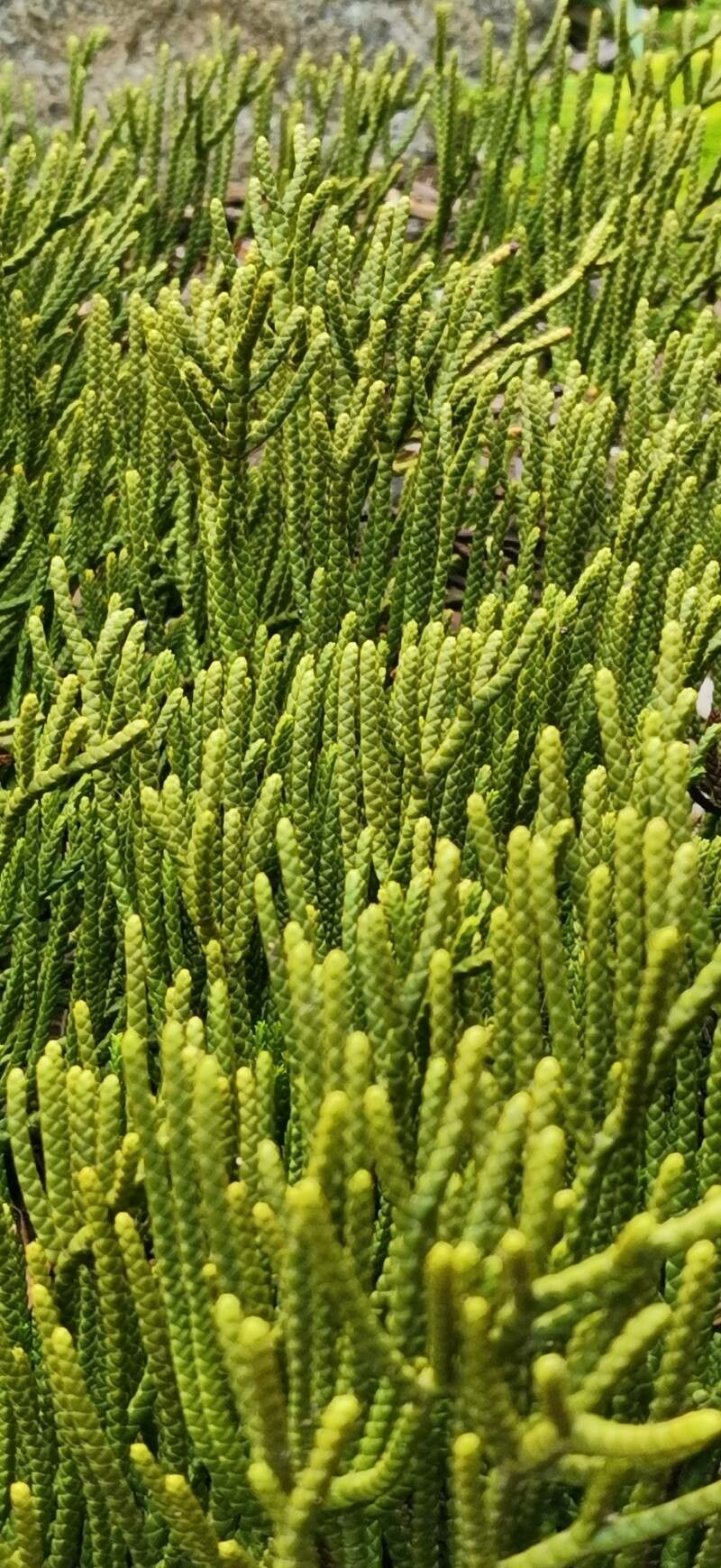
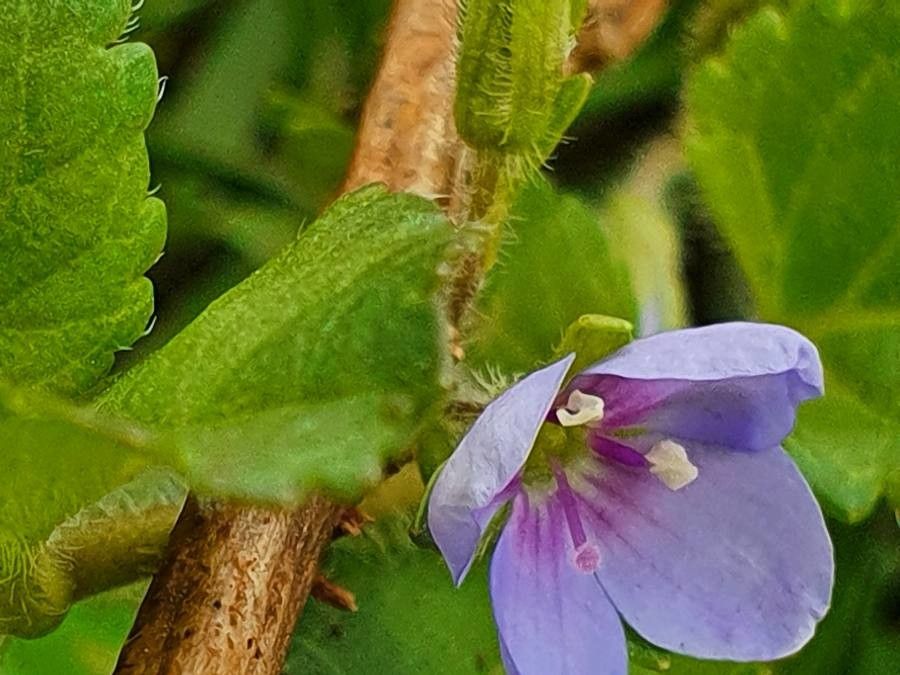
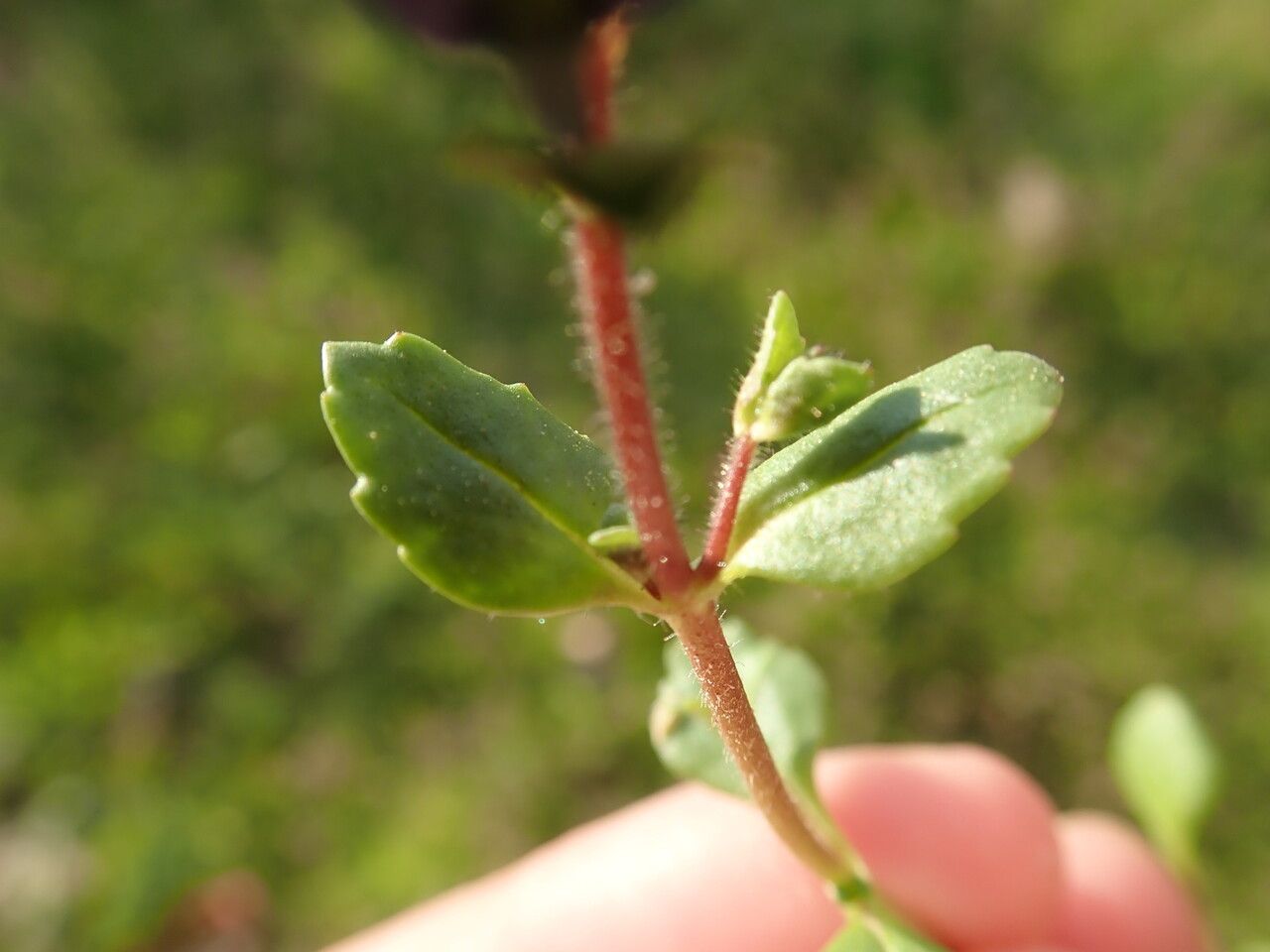
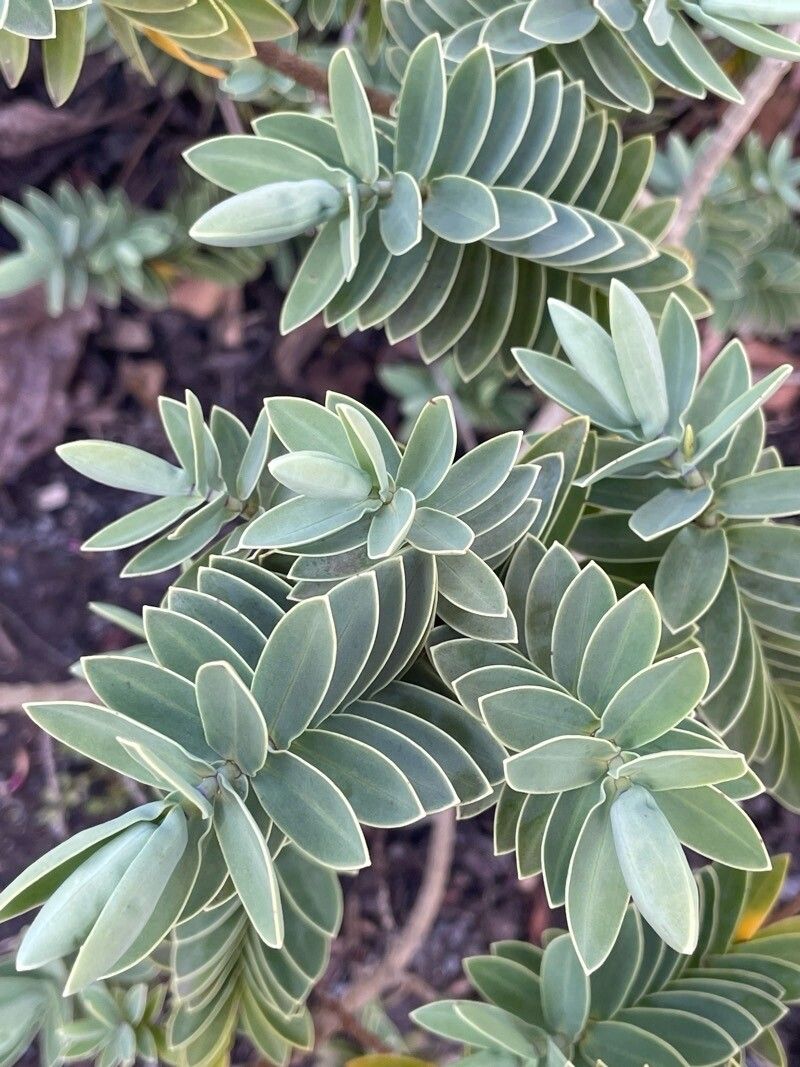
Veronica lycopodioides, or whipchord hebe, is a species of hebe which is endemic to New Zealand.
Whipcord hebe is fairly disease-resistant and ordinarily not susceptible to illnesses. However, it can be affected by pests and diseases present in its surroundings. These problems are typically not severe. In terms of care, this plant needs moderate maintenance. Regular pruning is required to keep a neat appearance and encourage healthy growth. Fertilizing can also help stimulate flowering. Whipcord hebe is suitable for anyone with outdoor space, such as a garden or patio, and does not demand extensive gardening experience. It may need more attention if grown indoors.
How to keep Veronica Lycopodioides.
Light
The whipcord hebe performs best in places where it gets sun for most of the day. That sunlight encourages healthy growth and development. A small amount of shade can help, particularly during the hottest hours. It comes from areas characterized by abundant sunshine. Excessive exposure can cause leaf burn, while too little light can lead to weaker growth and leaf drop.
Water
The Whipcord hebe thrives in alpine zones and prefers soil that remains consistently moist without becoming waterlogged. To keep it healthy, water it weekly, adjusting for rainfall patterns if grown outdoors, to prevent either overwatering or drought stress.
Temperature
Whipcord hebe is native to temperate regions, where temperatures typically range from 59 to 95 °F (15 to 35 °C). During colder months, it's advisable to protect whipcord hebe from frost.
Fertilizer
The best time to fertilize a Whipcord hebe is in early spring, as it is coming out of dormancy and starting active growth. Fertilizing supplies essential nutrients for healthy growth. Even though Whipcord hebe has relatively low fertilizer requirements, an annual application can improve its survival and encourage better, longer-lasting flowers.
Pruning
Whipcord hebe is a robust evergreen shrub, known for its dense, whipcord-like foliage. To maintain its shape and health, prune the plant from early to late spring, removing dead branches down to an outward-facing bud. Light pruning encourages growth and enhances flowering, while heavy pruning can impede growth and damage the plant.
Botanical profile.
- Plant Type
- Herb
- Life Cycle
- Perennial
- Genus
- Veronica
- Family
- Plantaginaceae
- Hardiness Zone
- 8-9
- Mature Height
- 91 cm
- Mature Spread
- 20 cm to 30 cm
- Leaf Color
- Dark Green
- Leaf Type
- Evergreen
- Flower Color
- White
- Flower Size
- 0.25 cm to 1.78 cm
- Bloom Time
- Mid spring, Late spring
- Planting Time
- Spring, Summer
- Harvest Time
- Early summer, Mid summer
- Native Area
- New Zealand