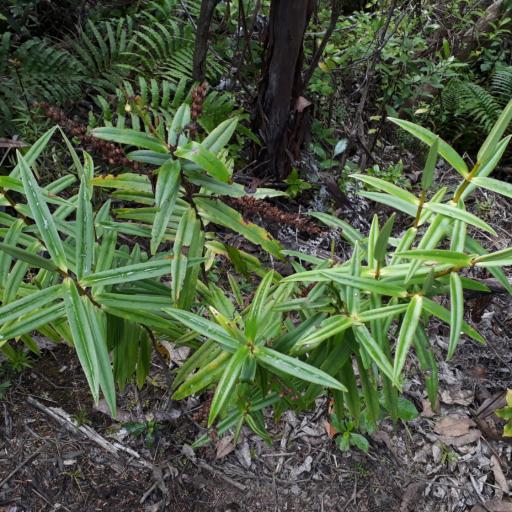
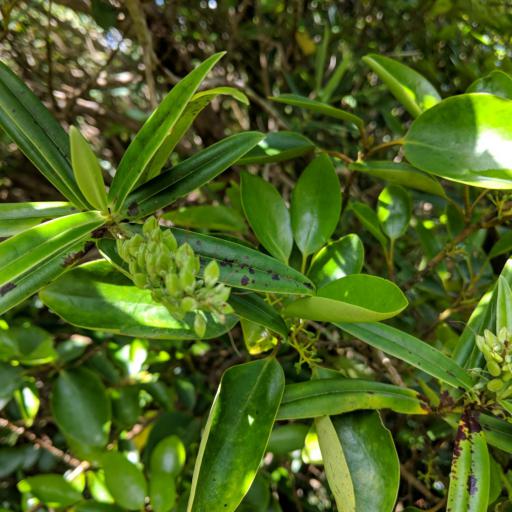
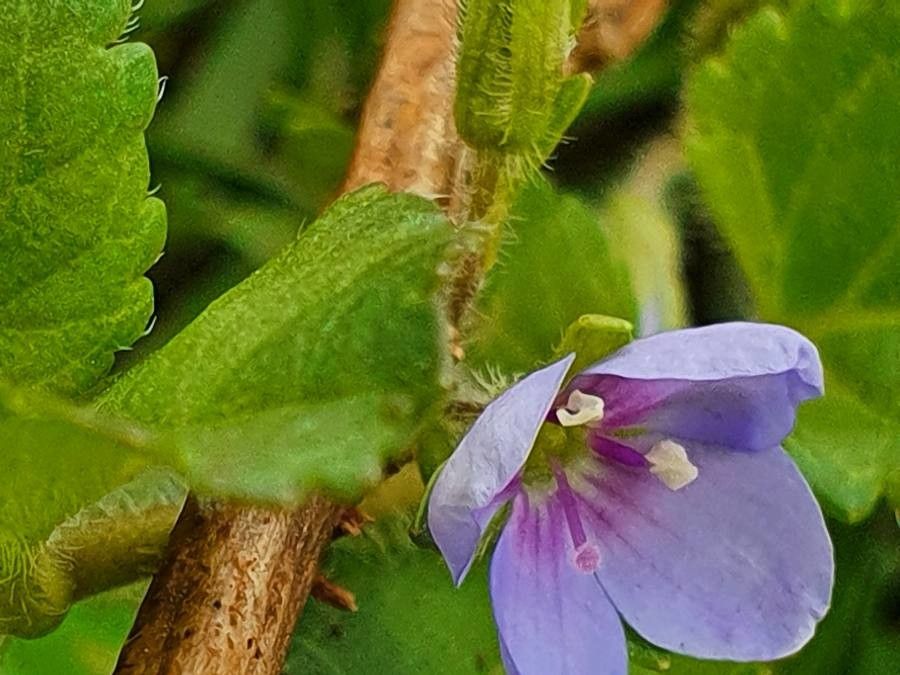
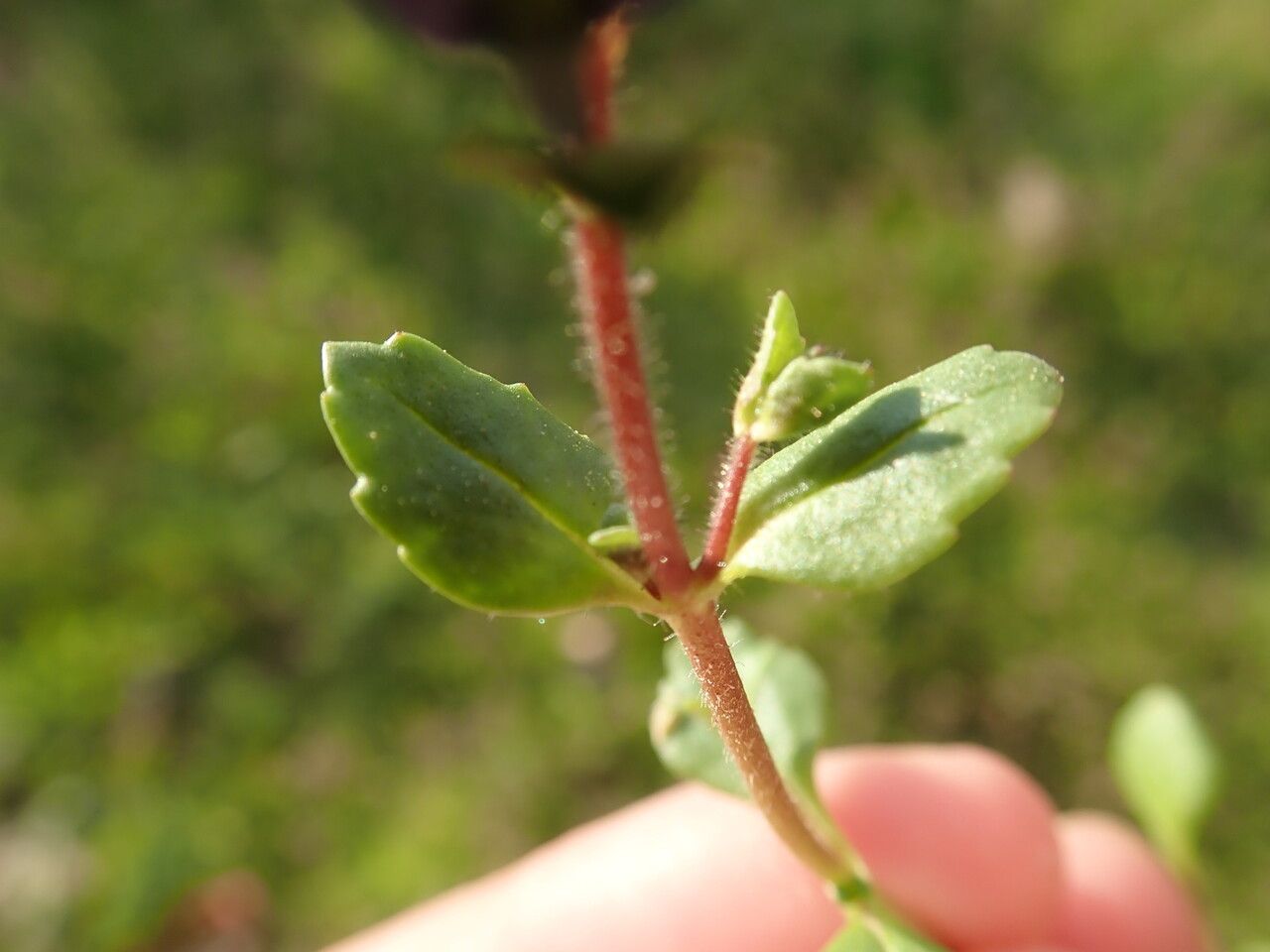
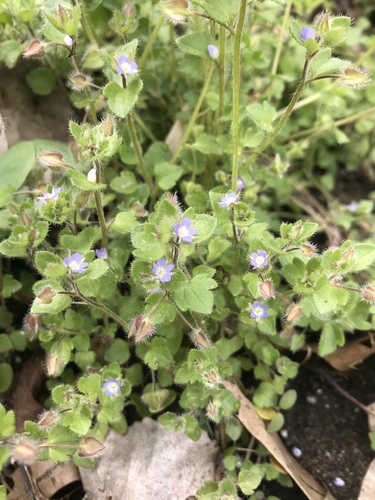
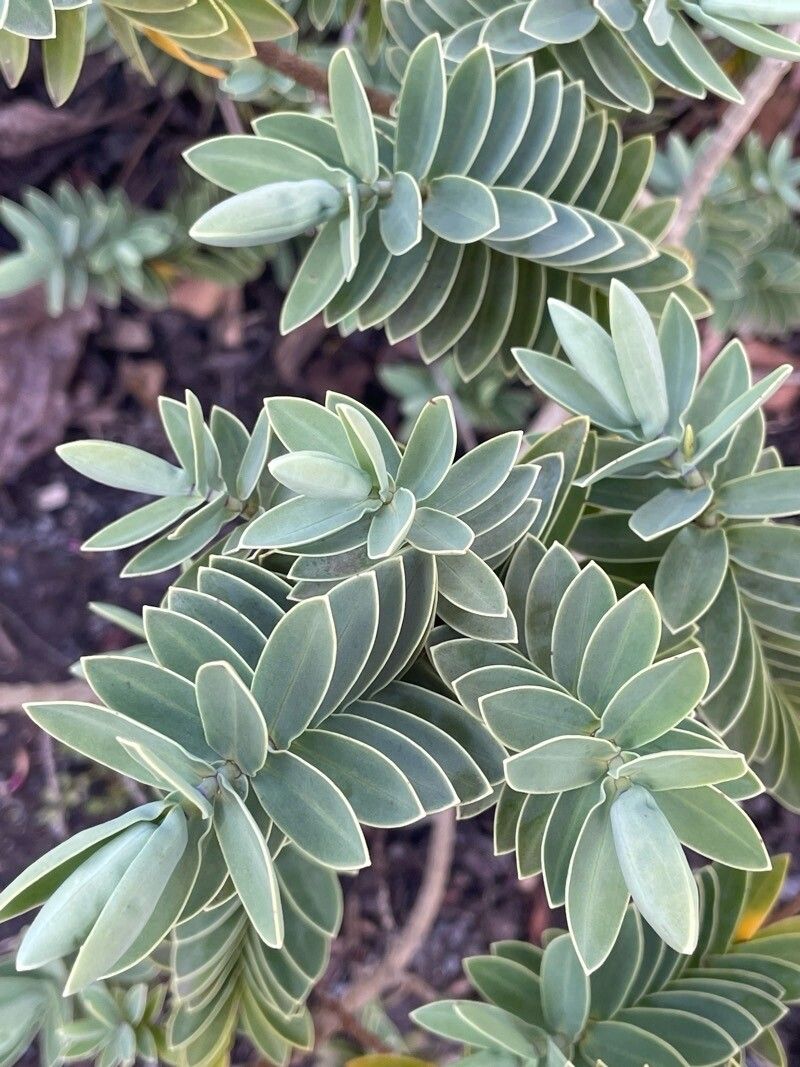
Longleaf speedwell has good resistance to disease and is generally not prone to illnesses. However, it can be vulnerable to pests and diseases present in its environment. These problems are usually not serious. For care, this plant requires medium maintenance. It should be pruned regularly to preserve an attractive appearance and healthy growth. Fertilizing can also help encourage flowering. Longleaf speedwell is suitable for anyone with outdoor space, such as a garden or patio, and does not require extensive experience in plant care. It may need more attention when grown indoors.
How to keep Veronica Macrocarpa.
Light
Longleaf speedwell does best in places that receive sunlight for most of the day. It can tolerate sites with occasional sun, but usually grows more vigorously in brighter locations. With insufficient sun its growth may be reduced and leaves can turn yellow. Conversely, too much sun can cause leaf scorch. It naturally occurs in open habitats that receive abundant sunlight.
Water
Veronica macrocarpa needs to be watered every 3 to 4 days, keeping the soil moist during its growth and flowering periods. It's essential to water more frequently during dry spells to prevent the flowering period from being shortened. In winter, reduce watering since Veronica macrocarpa becomes dormant, and ensure good drainage to avoid overwatering.
Temperature
Longleaf speedwell occurs naturally in regions with moderate climates and prefers temperatures of 68 to 95°F (20 to 35℃). In cooler months, consider providing insulated conditions to support growth, and in periods of excessive heat, offer shade.
Fertilizer
The best time to fertilize Longleaf speedwell is in early spring, as it is coming out of dormancy and beginning active growth. Fertilization supplies essential nutrients needed for healthy development. While Longleaf speedwell has fairly low fertilizer requirements, giving it fertilizer once a year can improve its survival and encourage better, longer-lasting flowers.
Pruning
Veronica macrocarpa benefits greatly from strategic pruning, which involves removing dead branches and thinning out overcrowded areas to improve airflow. The best time for pruning is in early spring, as this minimizes stress on the plant and promotes better blooming. Regular maintenance helps keep the plant healthy, increases flower production, and maintains an attractive shape.
Botanical profile.
- Plant Type
- Herb
- Life Cycle
- Perennial
- Genus
- Veronica
- Family
- Plantaginaceae
- Hardiness Zone
- 9
- Mature Height
- 10 cm to 91 cm
- Mature Spread
- 10 cm to 49 cm
- Leaf Color
- Dark Green
- Leaf Type
- Semi-evergreen
- Flower Color
- Blue, Purple
- Flower Size
- 0.51 cm to 1.02 cm
- Bloom Time
- Summer
- Planting Time
- Spring, Summer
- Harvest Time
- Late summer, Early fall, Mid fall
- Native Area
- Russia, Kyrgyzstan, Kazakhstan, Mongolia, Koppen, China