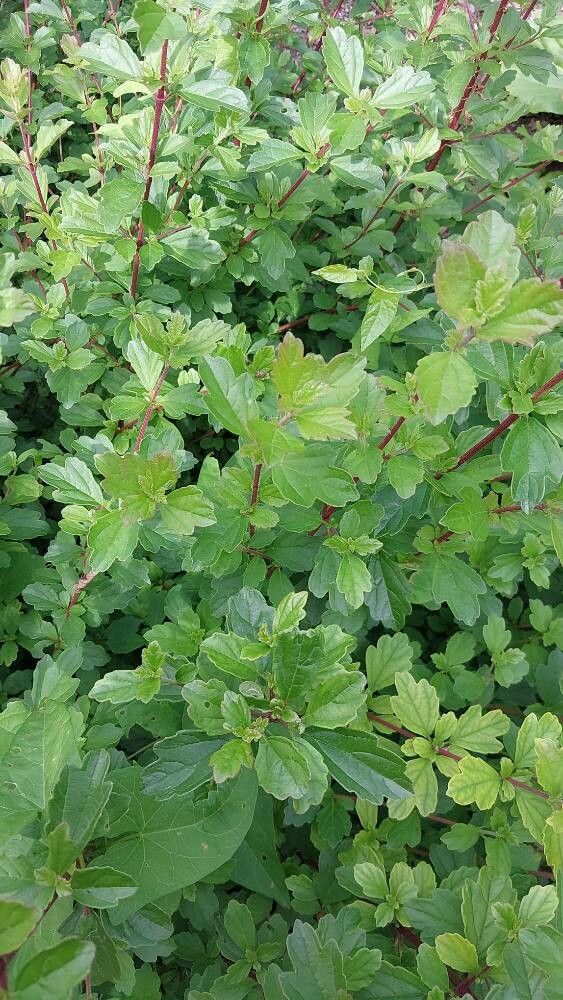
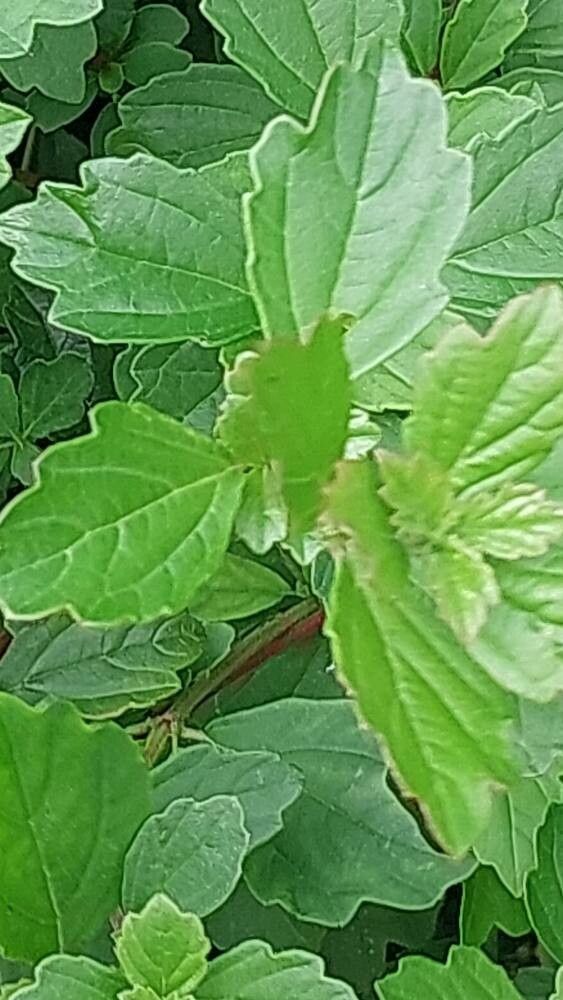
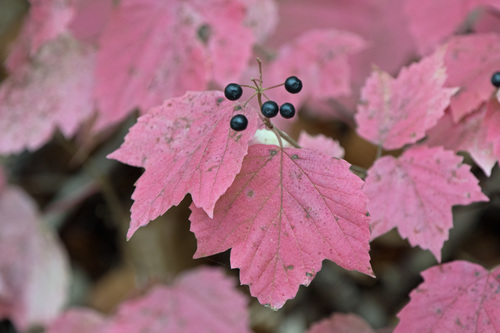
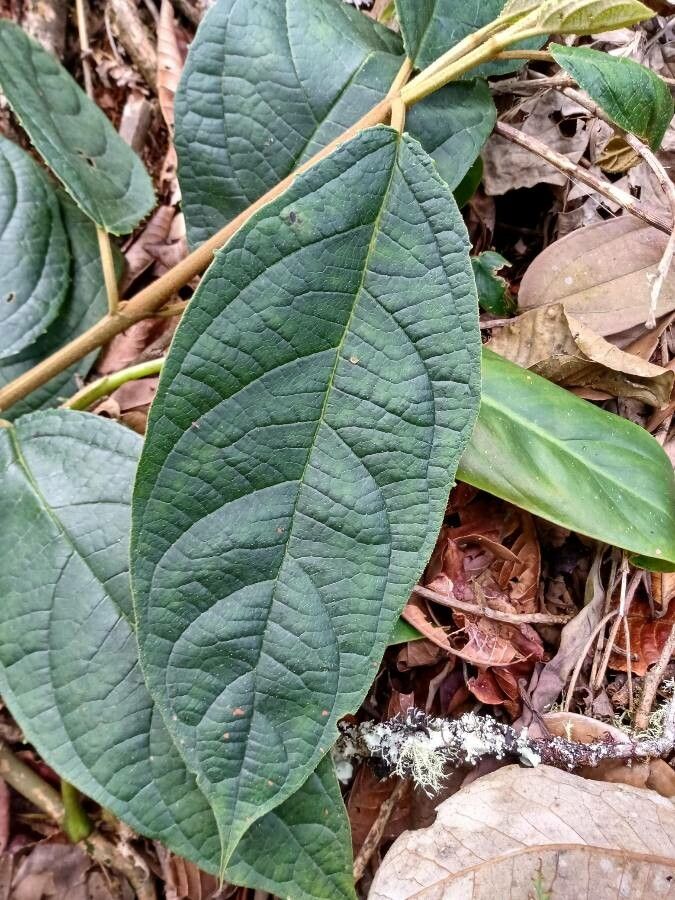
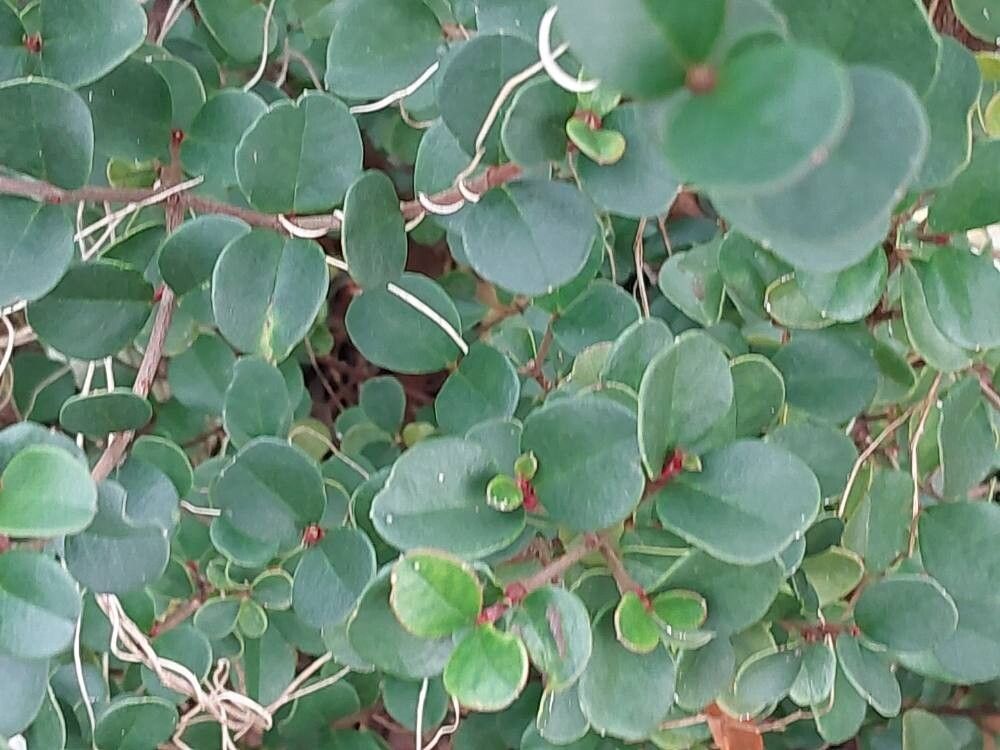
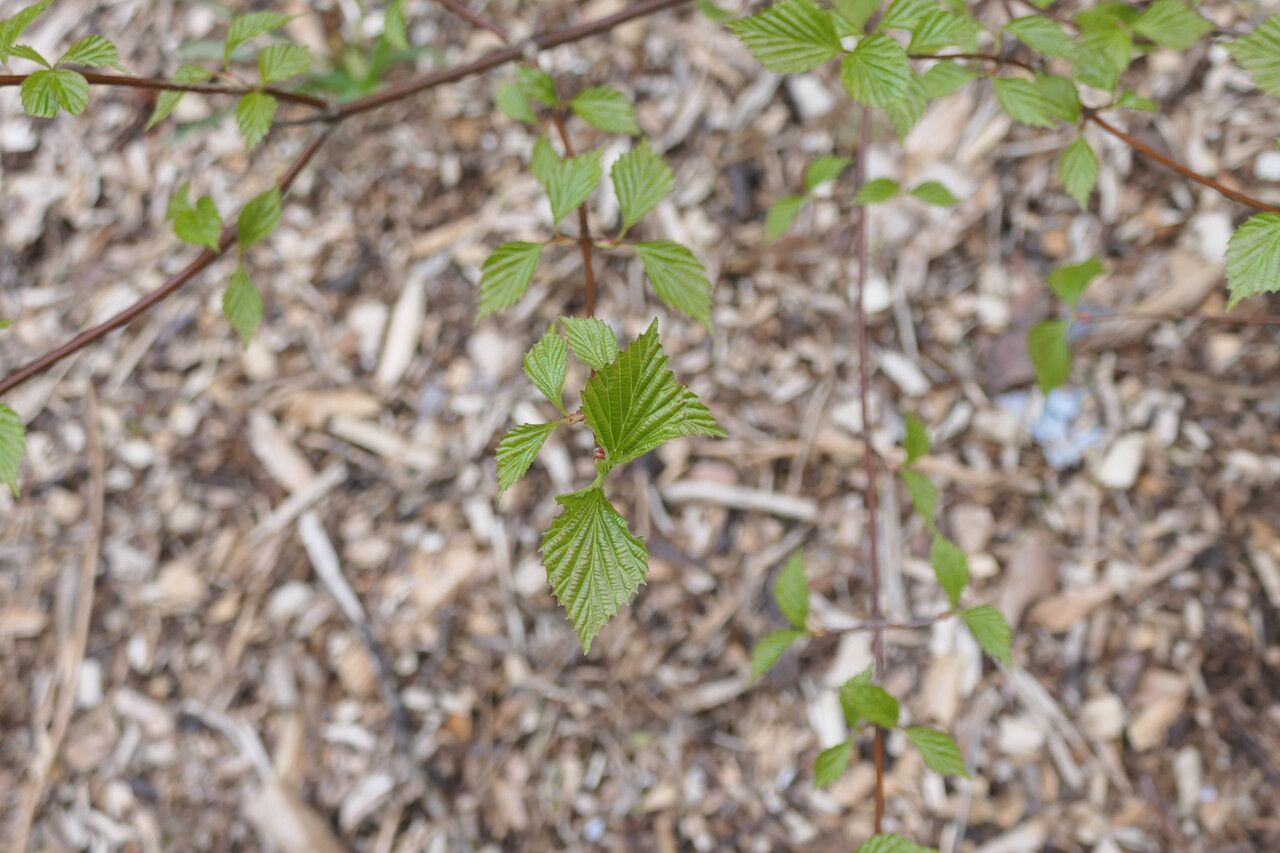
Himalayan Evergreen Viburnum is highly resistant to disease and typically does not suffer from illnesses. Regarding care, this plant is fairly low-maintenance. When grown outdoors it needs only light watering, and larger specimens usually do not require pruning. Smaller plants, however, should be pruned after they finish flowering. Himalayan Evergreen Viburnum is appropriate for anyone who has an outdoor area, like a garden or a deck, and it does not demand extensive gardening experience.
How to keep Viburnum Foetidum.
Light
Himalayan Evergreen Viburnum is native to open habitats, such as sunny meadows and forest margins, that provide abundant light. It does best in Full Sun but can tolerate Partial Sun, adapting well to a range of sunlight conditions.
Water
The Himalayan Evergreen Viburnum, native to the humid forest understories, thrives in consistently moist soil and requires regular watering, ideally twice a week. Mulching helps retain moisture and protect the plant by stabilizing the soil temperature. This support is crucial for maintaining its evergreen nature when grown outdoors.
Temperature
Himalayan Evergreen Viburnum demonstrates strong adaptability to temperature, able to endure higher heat and wider temperature swings. In hot weather, care should be taken with watering and providing appropriate shade to avoid sunburn. On the other hand, its tolerance for low temperatures is relatively weak. Although it can resist some cold, excessively low temperatures may cause frost damage.
Fertilizer
The timing of fertilization is important for Himalayan Evergreen Viburnum. Apply fertilizer in early spring and continue monthly through early summer. Fertilizer promotes attractive blooms and supplies energy during both dormant and active growth periods.
Pruning
The Himalayan Evergreen Viburnum is known for its dense, evergreen leaves and fragrant clusters of flowers. To encourage healthier growth and improve flowering, it's best to prune the plant in early spring. This allows you to remove dead branches and reduce overcrowding. Regular maintenance is important to promote vigor and improve air circulation, ensuring that the plant stays both healthy and attractive.
Botanical profile.
- Plant Type
- Shrub
- Life Cycle
- Perennial
- Genus
- Viburnum
- Family
- Viburnaceae
- Hardiness Zone
- 6-9
- Mature Height
- 3.96 m
- Mature Spread
- 3.96 m
- Leaf Color
- Green
- Leaf Type
- Deciduous
- Flower Color
- White
- Flower Size
- 5.08 cm to 7.62 cm
- Bloom Time
- Mid spring, Late spring
- Planting Time
- Spring, Summer, Autumn
- Harvest Time
- Late summer, Early fall, Mid fall
- Native Area
- India, Myanmar, Bhutan, Bangladesh, Laos, Thailand, China