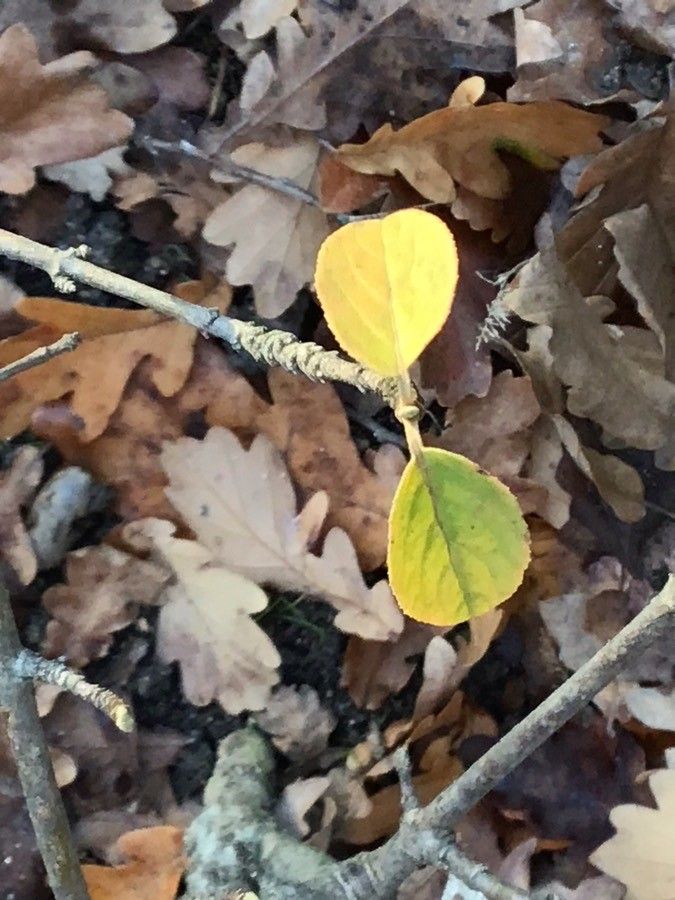
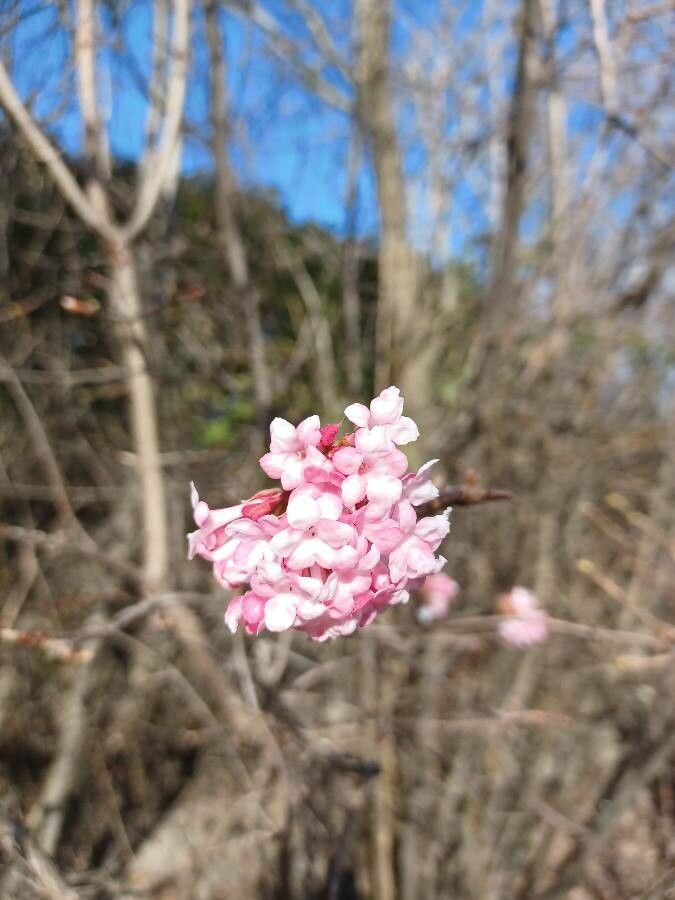
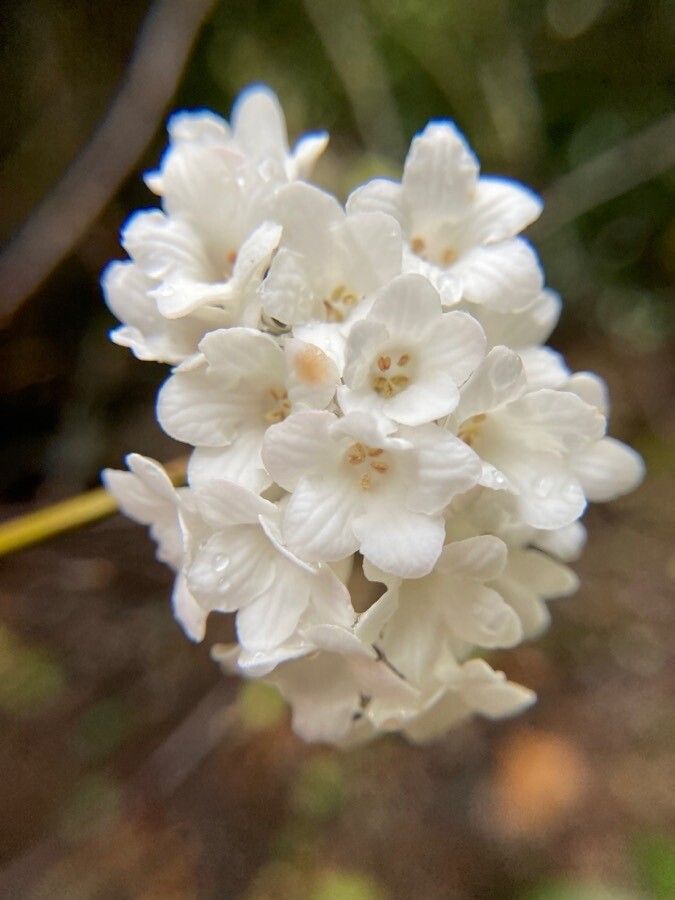
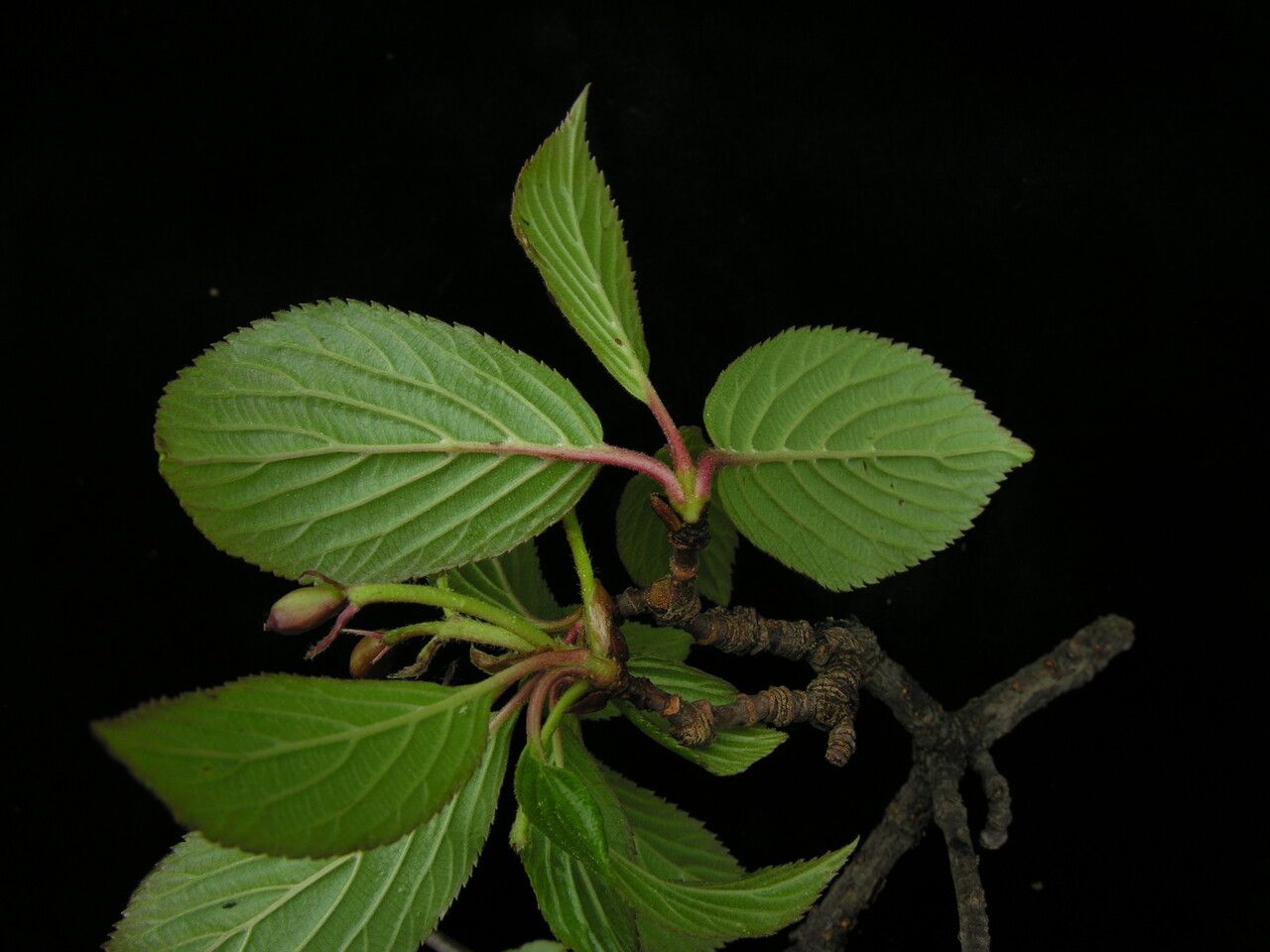
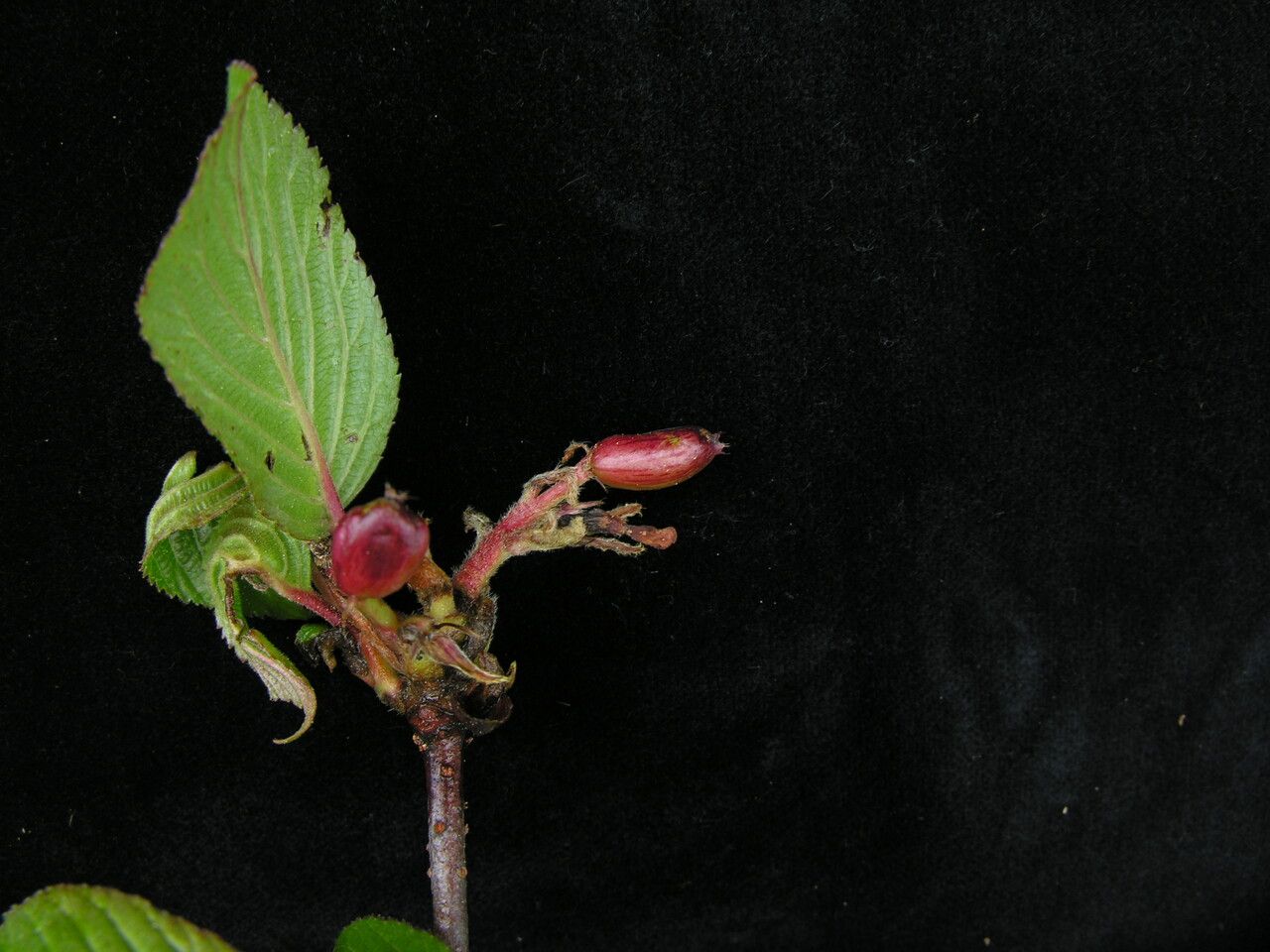
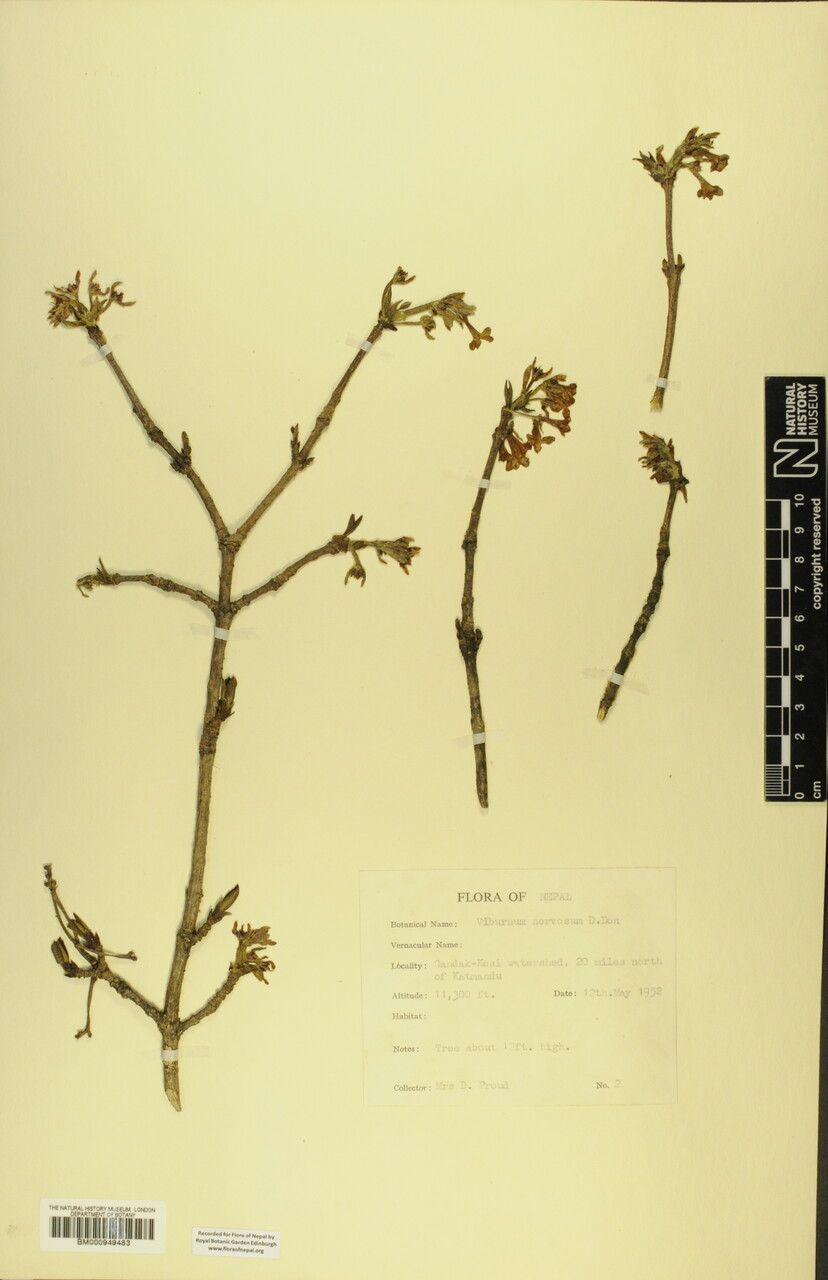
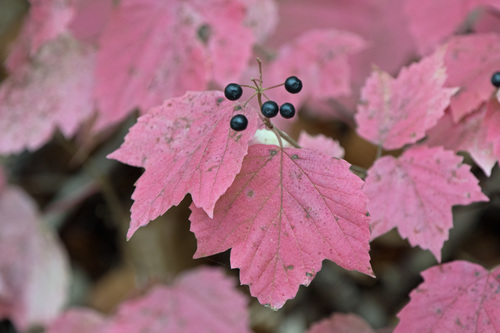
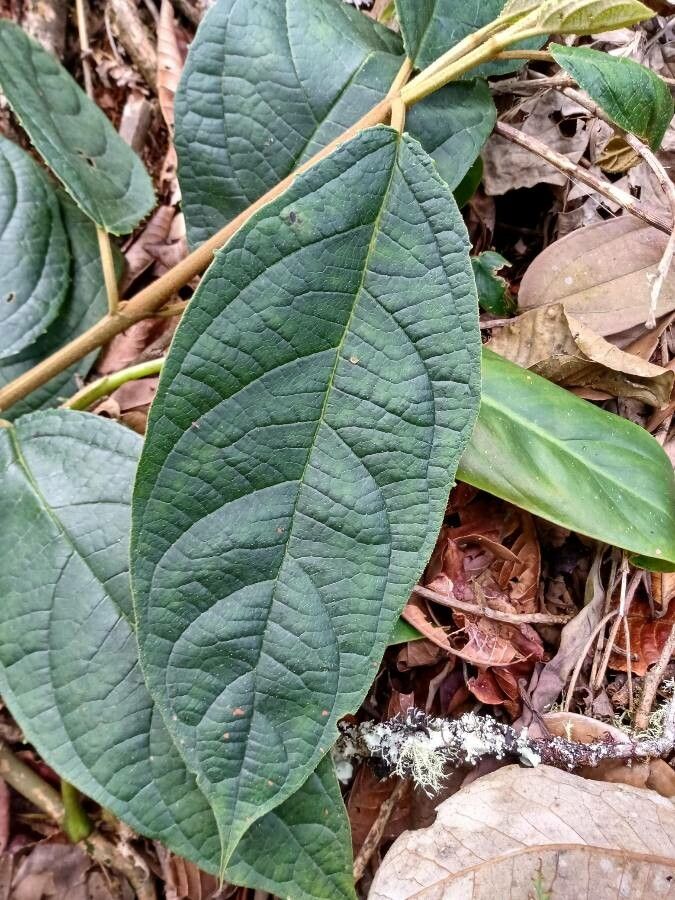
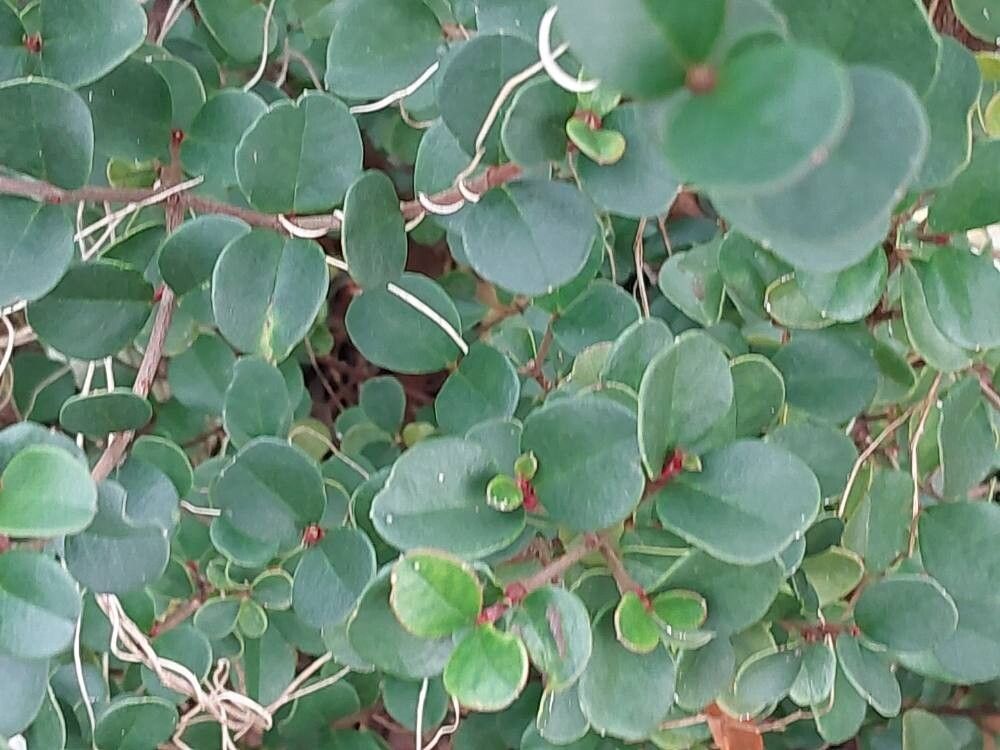
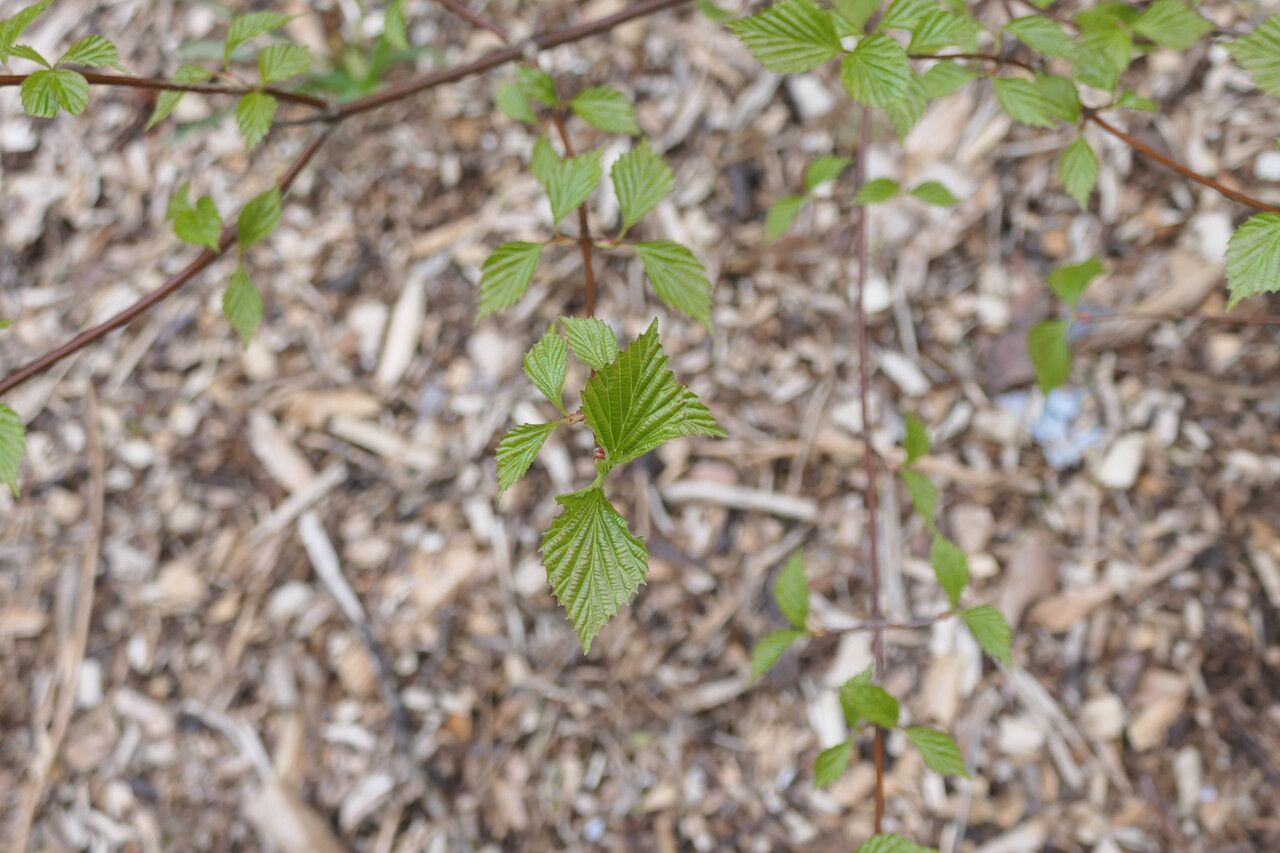
Viburnum grandiflorum, variously called the cranberry bush, flowering viburnum, grand viburnum, and Himalayan viburnum, is a species of flowering plant in the family Viburnaceae, native to the Himalayan region. A sparse shrub or gnarled tree reaching 2–3 m (7–10 ft), it has showy pink flowers, larger than the typical viburnum, and red to black fruit, which are edible. It is hardy to USDA zone 6a. It grows in open forests. The unimproved species is available from commercial suppliers, and there is a putative form, Viburnum grandiflorum f. foetens, the stinking Himalayan viburnum, and a number of cultivars, including 'De Oirsprong', 'Desmond Clarke', and 'Snow White'.
How to keep Viburnum Grandiflorum.
Water
Moist soil boosts the vigor of Viburnum grandiflorum, while a lack of water reduces its ornamental appeal and affects its flowering. After transplanting, it is essential to provide continuous irrigation for 3 to 4 weeks. During hot and dry conditions, providing 7 to 8 mm of water per week is sufficient, but be careful not to overwater as this can lead to root rot.
Pruning
Viburnum grandiflorum is known for its large blooms and attractive foliage. To maintain its health and appearance, prune the plant in early spring by removing any dead or weak branches and shaping it to improve airflow. Performing light pruning annually helps enhance flowering and prevents overgrowth, but be careful not to over-prune, as this can reduce the number of blooms. Regular maintenance is key to promoting health, structure, and resilience in the plant.
Botanical profile.
- Plant Type
- Shrub
- Genus
- Viburnum
- Family
- Viburnaceae
- Mature Height
- 3 m
- Mature Spread
- 2.5 m
Other names.